博客

  • Canada is a ‘safe harbour’ for global finance, Carney says

    Canada is a ‘safe harbour’ for global finance, Carney says

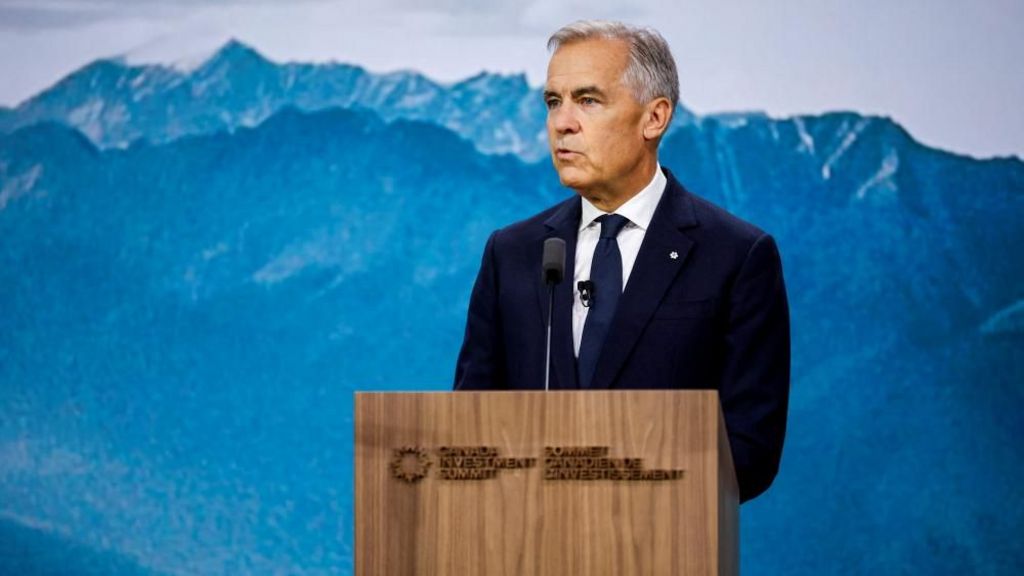
    Against a backdrop of escalating geopolitical tension and global economic volatility, Canadian Prime Minister Mark Carney has positioned his nation as a stable “safe harbour” for the world’s largest institutional investors, as Ottawa works to attract massive new capital inflows and reduce overreliance on its fractious trade relationship with the United States.

    Hundreds of delegates, including leaders of the world’s biggest sovereign wealth funds and global finance houses who collectively manage a staggering C$120 trillion ($86 trillion) in assets, gathered in Toronto this week for a landmark investment summit hosted by the Canadian government. Carney laid out an ambitious vision before attendees, arguing that Canada is uniquely positioned to thrive in the emerging global economic order, and inviting investors to deploy capital across high-priority sectors ranging from artificial intelligence and critical infrastructure to defence, energy, and mining.

    In total, Ottawa is showcasing more than 160 ready-to-progress investment opportunities, spanning from new data centre developments to cross-border energy pipeline projects. The push comes at a critical moment for Canada, after trade negotiations with its largest trading partner collapsed last month, triggering a tit-for-tat tariff war that has disrupted cross-border commerce. On Tuesday, the same day the summit opened, new US duties on a range of Canadian goods entered into force, with additional restrictions on Canadian alcohol and motorcycles set to take effect next week.

    In a direct address to American executives in attendance, Carney struck a conciliatory tone, emphasizing the deep-rooted ties between the two North American neighbours regardless of current trade friction. “We will always be neighbours, and Canada will continue to be the US’s most important partner in many key areas,” he said. “After all, even at times of disagreement during our long history, we have always maintained deep ties.” To diversify Canada’s economic partnerships beyond the US, Carney’s government has actively courted new investment from Europe, Asia and the Middle East, with a stated policy goal of making Canada the G7’s most attractive investment destination.

    As a core policy step toward this goal, Carney used the summit to announce a new plan to privatize operations at four of Canada’s largest airports, a move that the government says will raise billions in fresh capital to reinvest into national transport infrastructure upgrades. The summit, which includes high-profile industry speakers such as Deutsche Bank CEO Christian Sewing, BlackRock CEO Larry Fink, Blackstone President Jon Gray and Bombardier executive Eric Martel, is structured around closed-door private sessions and bilateral negotiations, rather than large public announcements. Carney’s office has framed the event as an opportunity for deep-pocketed global financiers to “peer into our shop window”, downplaying expectations of immediate major deal announcements.

    For Canada, the gathering marks a key opportunity to repair the country’s reputation as an investment destination after years of underperforming capital inflows. Economic analysts have warned that Canada needs widespread policy reforms — including more competitive corporate tax rates, streamlined regulatory frameworks, and expanded investment in skilled labour training — to unlock sustained investment growth.

    The summit has not been without controversy: on the eve of the opening, hundreds of protesters gathered outside a downtown Toronto museum hosting the summit’s opening night gala, accusing the Carney government of orchestrating a “great Canadian sell-off” that would hand over public assets and critical infrastructure to private foreign corporate interests. Kai Nagata, a representative of Canadian advocacy group Dogwood, argued that the large share of American investors invited to the summit threatens Canadian sovereignty. “Let’s be clear, every piece of our country that we sell off to American billionaires brings us closer to becoming the 51st state,” Nagata said.

    For Carney, who built his career as a central banker and senior global finance executive before entering politics, the summit represents a high-stakes test of whether his administration can deliver on its promise to boost Canadian economic resilience and attract the transformative investment it has promised.

  • China is moving corporate credit out of the supply chain

    China is moving corporate credit out of the supply chain

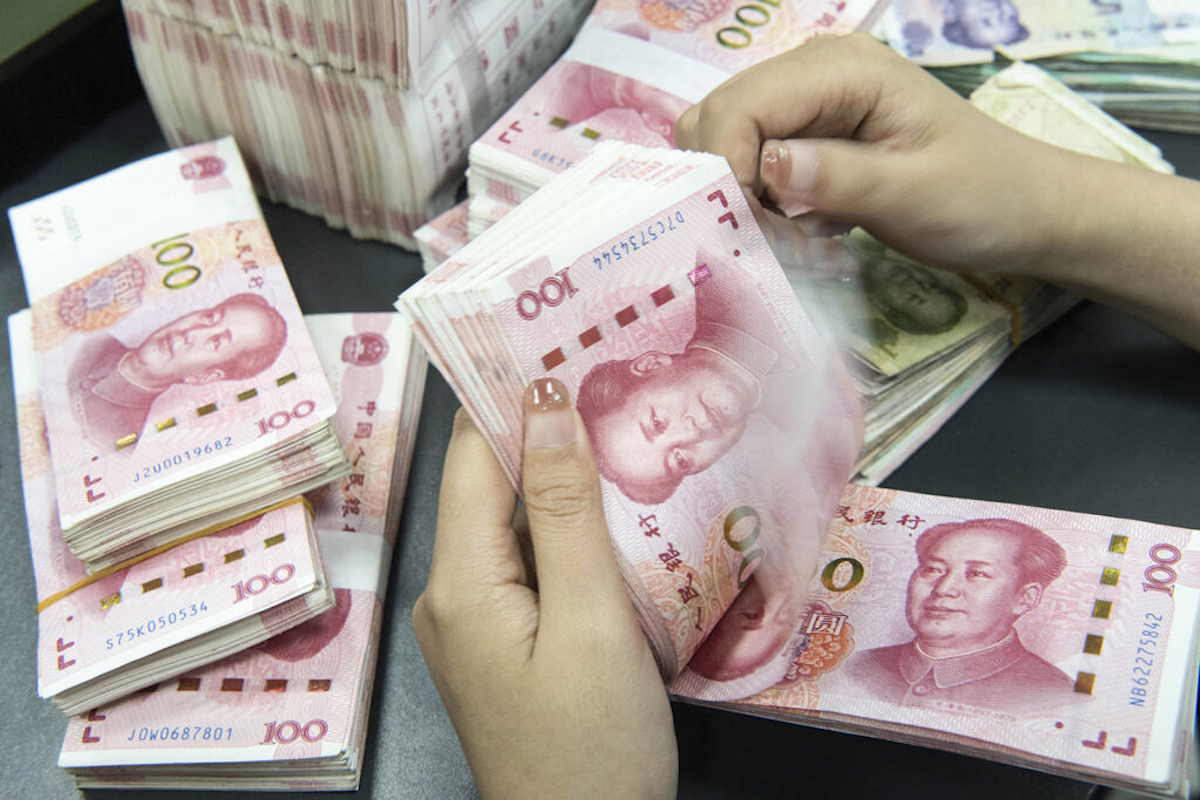
    This month, Beijing rolled out a landmark set of new regulations targeting delayed payments to small and medium-sized enterprises (SMEs), with a little-noticed but transformative financing framework that is reshaping how credit flows through China’s industrial ecosystem. The policy pushes large corporate buyers to replace extended accounts payable with upfront cash payments to their SME suppliers, by enabling these large firms to access formal bank loans and bond financing to cover the costs – a structural shift that moves the working-capital burden away from smaller, more vulnerable suppliers and back to purpose-built credit institutions.

    For years, extended payment terms have quietly functioned as an informal form of supplier financing across global supply chains, and China’s industrial sector is no exception. When a large buyer stretches out waiting periods for payment, the supplier is forced to front the full cost of production and delivery, carrying the entire cash flow strain for weeks or even months before revenue hits their accounts. Complicated financial instruments like commercial bills and electronic receivables have only amplified this pressure, turning a routine operational payment issue into hidden informal credit embedded deep within supply chain networks.

    China’s new policy directly targets this uneven dynamic. The regulations mandate that all large firms must settle outstanding payments to SME suppliers within a maximum 60-day window. Central state-owned enterprises face particularly strict requirements to pay in cash, while large firms that maintain massive accounts payable balances despite holding substantial cash reserves have been flagged for enhanced regulatory oversight.

    The most consequential piece of the reform lies in its underlying financing mechanism: Chinese regulators are actively encouraging domestic banks to extend new credit to large firms specifically to let them replace informal supplier credit with formal financial credit. In practice, this policy re-routes working-capital financing away from the small manufacturers that form the backbone of China’s industrial base, returning that function to the financial system designed to bear credit risk.

    Fresh industry data underscores just how urgent this correction has become. By the end of July, China’s designated large industrial enterprises reported an average receivables collection period of 71.9 days. Private firms, which account for the vast majority of SME suppliers, faced an average wait of 75.6 days – nearly 20 days longer than the 56.2-day average for state-controlled enterprises. That gap makes a profound difference for manufacturing suppliers, where available cash flow directly determines a firm’s ability to invest in new equipment, expand production lines, and upgrade capacity to meet evolving industry demands. While stretching payment terms may improve a large buyer’s own balance sheet, the ripple effect across the entire industrial ecosystem leaves suppliers with weaker financial positions and less capital for growth investment.

    This dynamic carries particular strategic weight for high-priority sectors including semiconductors, electric vehicles, industrial automation, industrial machinery, and advanced manufacturing. China’s long-term industrial ambitions rely on dense, interconnected networks of specialized SME suppliers, many of which require constant capital injection just to keep up with technological upgrades demanded by their large customers. As more working capital becomes trapped in unpaid receivables, the pressure eventually erodes the entire sector’s capacity to invest and grow.

    The new payment rules come as Beijing moves to bolster the capacity of its formal financial system. Major state-owned banks and insurance providers are currently raising roughly 360 billion yuan in new capital, 300 billion yuan of which is backed by special central government bonds. The Agricultural Bank of China and Industrial and Commercial Bank of China alone account for 260 billion yuan of this new capital injection. This expanded capital base gives the financial system extra lending capacity exactly as regulators push large firms to swap supplier credit for bank loans and bonds. Taken together, the two policy moves form part of a broader effort to pull corporate financing out of supply chain interconnections and back onto the balance sheets of regulated banks and capital markets.

    This shift matters because while accounts payable do not show up in official bank lending statistics, they still function as de facto credit. When a large company delays payment to a smaller supplier, it is effectively borrowing from that supplier. When this practice becomes widespread across the economy, the entire financing burden shifts toward smaller firms that typically have weaker bargaining power and far more expensive access to external capital.

    Beijing’s policy addresses both sides of this imbalance: it strengthens the formal financial institutions that can provide affordable credit, while cutting down on the amount of working capital that small suppliers are forced to finance for large buyers. This represents a meaningful structural change to how credit circulates through China’s industrial economy.

    If the policy succeeds, the first visible impacts will be shorter average collection periods, reduced receivables pressure, and stronger cash positions for private manufacturing SMEs. For global and domestic investors, this makes metrics including accounts receivable balances, average payment periods, commercial bill utilization, and supplier cash flow increasingly important indicators to track whether the reform is delivering capital to the small firms that need it to invest in growth. For analysts tracking B2B technology supply chains, key signals to watch include shorter payment cycles reported by large customers in quarterly disclosures, and improved cash conversion rates for suppliers even before revenue growth picks up.

    The implications of this reform stretch far beyond financial markets, reaching into the core of China’s long-term industrial strategy. For years, Beijing has directed massive amounts of capital toward its priority industrial sectors, but the long-term strength of these sectors ultimately depends on whether the underlying supplier base has enough cash to expand capacity, absorb market volatility, and sustain continuous investment. When smaller suppliers are forced to finance their large corporate customers, capital ends up flowing in the wrong direction, undermining the goals of China’s industrial policy. The new rules represent a deliberate effort by Beijing to reverse that misallocation, moving working-capital financing back to banks and capital markets – the institutions built to carry that funding burden.

    This analysis was written by Ron Honig, Co-CEO of From-Honig Family Office, who has more than two decades of experience in senior finance and operations roles in the global technology sector, including time at Intel. Honig writes regularly on semiconductors, macroeconomics, and capital allocation. The views expressed are his alone and do not represent the official position of From-Honig Family Office, and the article does not constitute investment advice or any recommendation for individual securities or investments.

  • Colombian ex-foreign minister charged over nanny’s lie detector test

    Colombian ex-foreign minister charged over nanny’s lie detector test

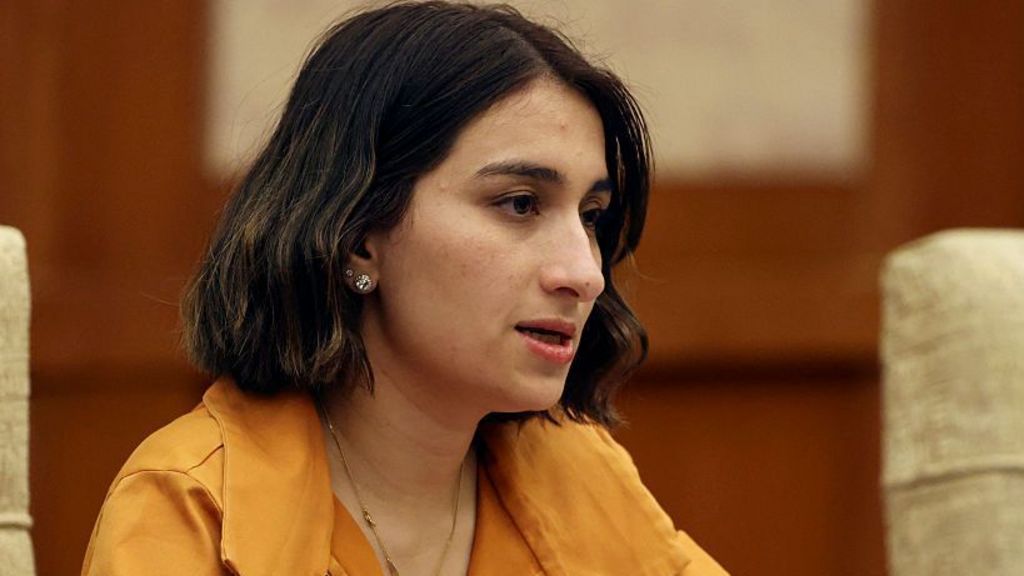
    A years-long political controversy in Colombia reignited this week when national prosecutors formally filed abuse of power charges against Laura Sarabia, a former top official and close ally of the country’s first leftist president Gustavo Petro. The charges stem from a 2023 incident that first upended Sarabia’s political career, when she allegedly leveraged her official position to force her former nanny into a coercive polygraph test over a missing cash dispute.

    The scandal first broke to the public in 2023 via reporting from Colombian news weekly *Semana*, which revealed that Sarabia — then serving as President Petro’s chief of staff — had arranged for her employee Marelbys Meza, the woman hired to care for Sarabia’s young son, to be hooked up to a law enforcement polygraph. The investigation targeted Meza over claims that a briefcase holding thousands of dollars in cash had gone missing from Sarabia’s personal residence.

    Meza, who has repeatedly denied any involvement in the alleged theft, told *Semana* she was transported by Sarabia’s personal driver to an official government building directly across from the presidential palace, an experience she described as feeling identical to a kidnapping. Once at the facility, active police officers administered the polygraph exam and interrogated her about the missing funds. She passed the test with a negative result, confirming her denial of wrongdoing, and has stood by that account in all subsequent public comments.

    Following the initial reporting of the incident in June 2023, Sarabia stepped down from her post as chief of staff. However, her political career did not end there: just over 18 months later, she was appointed to the role of Colombia’s foreign minister, a position she held from January through July 2025. After resigning from the foreign ministry, Petro appointed her as Colombia’s ambassador to the United Kingdom, a post she still holds as of this reporting. At 32 years old, Sarabia has long been counted among President Petro’s most trusted and senior advisors, throughout his full term in office which concluded in August 2026.

    Prosecutors formalizing the charges this week outlined their core accusation: by arranging for active police personnel and state-owned law enforcement equipment to investigate a private personal dispute unrelated to her official government duties, Sarabia intentionally misused public resources and abused the authority of her elected office. Sarabia has issued a flat denial of all wrongdoing in response to the charges. During her initial court hearing on the case, she rejected the accusations without offering additional comment. Prior to the hearing, she posted a statement to social media noting that her legal team was handling the proceedings, adding that she respects Colombia’s judicial system and has confidence in the integrity of its final decision.

  • Ex-Tottenham midfielder Bissouma set to join Ajax

    Ex-Tottenham midfielder Bissouma set to join Ajax

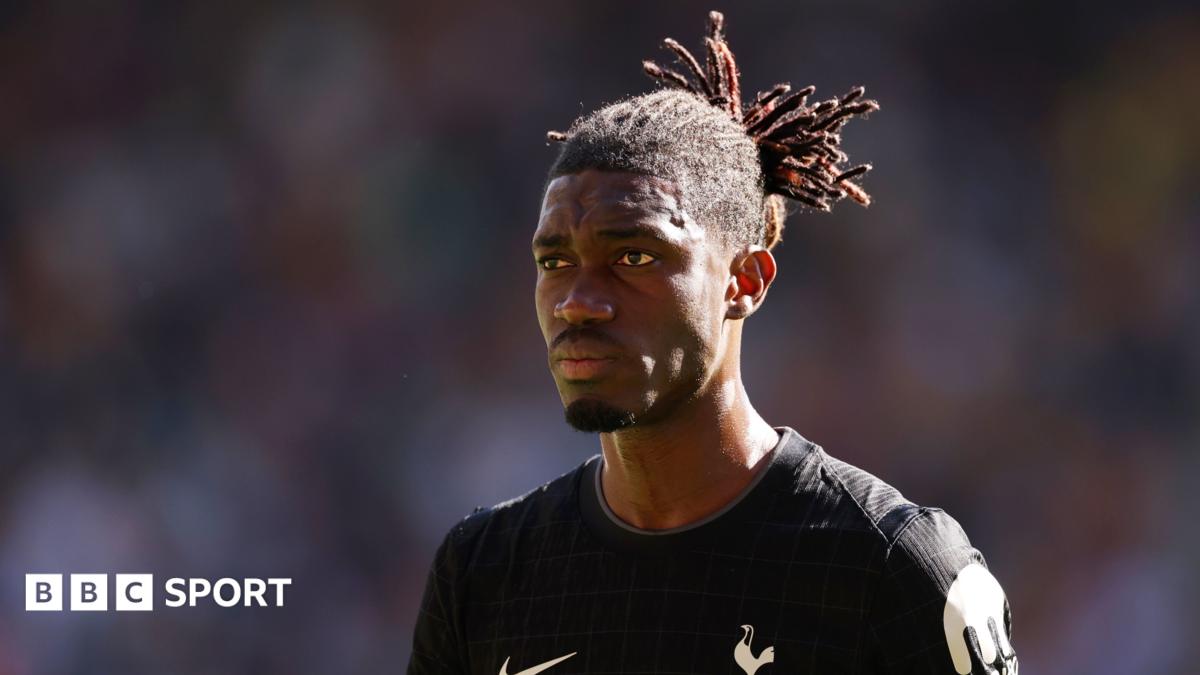
    One of the most high-profile free agents on the European football market is finally set to find a new club, with former Tottenham Hotspur defensive midfielder Yves Bissouma on the cusp of signing for Eredivisie giants Ajax. The 30-year-old Malian international has been without a club since his Tottenham contract expired this past June, when the north London side opted not to extend his deal.

    According to exclusive reporting from senior football correspondent Sami Mokbel, Bissouma has already agreed to terms on a contract that will keep him at the Amsterdam-based club through the end of the 2026-27 season, with an optional 12-month extension built into the deal that can be triggered at the club’s discretion. The midfielder is already on the ground in Amsterdam this week, putting the final finishing touches on the administrative and medical checks required to formalize the transfer.

    Bissouma first joined Tottenham back in 2021, in a widely covered transfer move from Premier League side Brighton & Hove Albion. Across his three-and-a-half year spell with the London club, he earned 111 total appearances across all competitions. However, his final months at Tottenham were marked by public controversy: in August 2025, then-Spurs manager Thomas Frank dropped Bissouma from the matchday squad for the club’s UEFA Super Cup fixture against Paris Saint-Germain, citing repeated issues with the player showing up late to team obligations and training sessions.

    In his final season with Tottenham, Bissouma only featured in 11 matches, all of which came in the Premier League. That campaign ended in disappointment for the club, which finished 17th in the top-flight table for the second consecutive season, extending its run of poor league form. The move to Ajax will mark a return to the Netherlands for Bissouma, who earlier in his career plied his trade at Eredivisie side AZ Alkmaar before his move to Brighton, giving him existing familiarity with the league’s style of play as he integrates into his new side.

  • Home Alone and Schitt’s Creek stars pay tribute to late Catherine O’Hara

    Home Alone and Schitt’s Creek stars pay tribute to late Catherine O’Hara

    The 2026 Emmy Awards became a night of shared grief and heartfelt celebration as the entertainment industry came together to honor a roster of legendary figures who passed away over the past year, with moving tributes that left many audience members in tears.

    One of the most anticipated moments of the annual in memoriam segment came from three stars who shared some of Catherine O’Hara’s most beloved career moments, as they gathered to pay tribute to the Emmy-winning actress, who died in January 2026 at the age of 71. O’Hara built a decades-long career defined by iconic roles: as Kevin McCallister’s frazzled, well-meaning mother in the 1990s *Home Alone* film franchise, and as the wildly eccentric, quick-witted Moira Rose in the groundbreaking comedy series *Schitt’s Creek*, where she starred alongside Dan Levy and Annie Murphy as members of the Rose family.

    Macaulay Culkin, who played O’Hara’s forgotten son Kevin across the *Home Alone* films, opened the tribute with a mix of gentle humor and deep affection. Joking about the core plot point that kicked off the first two *Home Alone* movies, he told the crowd: “She may have forgotten me… twice! But we will always remember her.” Going beyond the on-screen dynamic, Culkin spoke to the maternal warmth O’Hara extended off-camera, saying: “There are all kinds of words I could use to Catherine. She was encouraging. She was warm. She was funny, but the word that I think of is mom… She was, she was my mom. She was our mom. Like a good mom, she always showed up when I asked her to.”

    Murphy, who brought O’Hara’s on-screen daughter Alexis Rose to life, reflected on the outpouring of public love that followed O’Hara’s death, with fans repeatedly quoting the star’s most iconic lines from her decades of work. “These are only very few of the interactions I’ve been lucky enough to have that remind me how profoundly Catherine has impacted the world, and it’s because she brought us joy,” she said. Dan Levy, who co-created *Schitt’s Creek* and played O’Hara’s son Johnny Rose, added a simple, lasting takeaway for the audience: “Always say yes to any opportunity to revel in the presence of greatness.”

    Against a backdrop of a large portrait of a smiling O’Hara, the tribute moved even seasoned comedy stars Martin Short and Steve Martin, who were seen wiping away tears from their seats in the audience. Following the trio’s remarks, folk singer Noah Kahan took the stage to deliver a haunting, tender performance of “Bridge Over Troubled Water” as the segment continued.

    Next, Oscar-winning actress Jamie Lee Curtis stepped forward to honor celebrated actor-director Rob Reiner, who was killed alongside his wife in December 2025. Reiner, who built a legendary career spanning acting, directing, and writing, leaves behind a catalog of beloved films including *When Harry Met Sally*, *This Is Spinal Tap*, *Stand By Me*, *Misery*, and *A Few Good Men*. Just one week before the Emmy Awards, Reiner was posthumously awarded an Emmy for his guest-starring role on the hit series *The Bear*, a win that set a new record: the 48-year gap between Reiner’s first and most recent Emmy victories surpassed the previous record held by his father, comedy legend Carl Reiner. Calling Reiner a “cherished legend” and “our beloved meathead” — a nod to his breakout role as Michael Stivic on *All in the Family* — Curtis opened her remarks by also acknowledging the recent passing of *Cheers* co-creator James Burrows, a close friend of Reiner’s.

    The segment also included remembrances for a number of other stars lost in recent months. *Heroes* and *Nashville* lead actress Hayden Panettiere, who died just one month prior to the ceremony, was honored alongside *Rocky Horror Show* icon Tim Curry and *Dawson’s Creek* actor James Van Der Beek.

    Beyond the core in memoriam block, tributes to late icons were woven throughout the night’s broadcast. To mark the 50th anniversary of *Charlie’s Angels*, original co-stars Kate Jackson, Cheryl Ladd, and Jaclyn Smith took the stage together to present the award for Outstanding Drama Series, and paused to pay tribute to their co-star Farrah Fawcett, who died in 2009. Jackson told the audience: “Fawcett ‘was the shiniest angel of all, and she was loved by millions of people all over the world. And she still is today. And they’ll never forget her and neither will we. And I’m sure you won’t either.’”

    Buffy the Vampire Slayer alums Sarah Michelle Gellar and David Boreanaz also took a moment to acknowledge the multiple losses their cast has suffered in recent years, including co-stars Nicholas Brendon, Anthony Head, and Michelle Trachtenberg. “David and I would like to acknowledge that it has been a tough two years for our beloved cast and crew, and we feel very lucky to have known and worked with such amazing people,” Gellar said.

    In another standout tribute outside the formal in memoriam segment, two-time Oscar-winning actress Sally Field led a remembrance of country music legend and Emmy winner Dolly Parton, who died last month. Field, who starred opposite Parton in the iconic 1989 film *Steel Magnolias*, described Parton as “genuine, humble, supportive and blisteringly funny.” Highlighting Parton’s far-reaching impact beyond entertainment, Field added: “She was a humanitarian whose contribution has made a profound difference across our country. God bless you Dolly Parton my friend, I am not the only one on earth who will love you for ever and ever.” Following Field’s remarks, country superstar Reba McEntire took the stage to perform a special musical tribute in Parton’s honor.

  • Trump has no path to victory against Iran

    Trump has no path to victory against Iran

    Six months after the United States and Israel launched their second open military conflict against Iran, the Trump administration has stuck to a carefully crafted public narrative: the Islamic Republic is on the brink of collapse, Washington is on course for a clear win, and the economic and human costs of the war will be short-lived. But as the conflict stretches on far longer than the White House initially predicted, that storyline is becoming increasingly unsustainable. Rising global fuel prices, dwindling US military stockpiles, and broad public opposition among American voters — who are set to voice their discontent in upcoming November midterm elections — have exposed the gap between the administration’s claims and on-the-ground reality.

    Despite facing crippling combined military and economic pressure, and the high-profile loss of a senior state leader, Iran has refused to capitulate. The regime retains its full fighting capacity, maintains the ability to escalate retaliatory attacks across the region, and has rejected all attempts to force Tehran into accepting Washington’s sweeping political demands. While US and Israeli strikes have inflicted massive widespread destruction across the country, they have failed to compel Iran’s leadership to bend to US terms. The core question that lingered before the first strike, and has become unavoidable after six months of conflict, is not whether the US can inflict more damage on Iran — it is whether that additional damage will ever translate into a meaningful, achievable political victory for Washington.

    Last week, President Donald Trump downplayed the entire conflict as “small potatoes,” continuing a pattern of minimizing the human and financial toll that has already far outstripped his administration’s initial projections. As of this report, the war has claimed the lives of 18 American service members and left more than 750 others wounded, with the total cost to US taxpayers clocking in at no less than $37.5 billion. For Iran, the human and infrastructure toll has been exponentially higher.

    According to data from Iran’s Ministry of Health, at least 3,468 Iranians had been killed and more than 26,500 injured in US and Israeli strikes by June 10. Civilian casualties have been a consistent feature of the conflict: documented incidents include a February airstrike on an elementary school in Minab and a September attack on a wedding gathering in southern Iran that left dozens dead. By April, the Iranian Red Crescent recorded that more than 125,000 civilian properties had sustained damage, including roughly 100,000 private homes damaged or destroyed. Iran has also submitted a formal list of 134 damaged cultural heritage sites to UNESCO, and independent reporting from Reuters has verified widespread damage to historic structures and protected heritage locations across the country.

    Crucially, Iran has proven it can inflict meaningful, sustained costs on US forces in the region. One independent analysis found that Iranian retaliatory strikes have damaged 15 US military sites across the Middle East, damaging critical infrastructure including troop barracks, aircraft hangars, fuel storage depots, fixed-wing aircraft, radar systems, communications equipment, and air defense networks. While US Central Command has publicly disputed the scale of the reported damage, the strikes have laid bare the vulnerability of stationary US facilities in the region and the heavy cost required to defend them against constant Iranian missile and drone attacks.

    Harrison Mann, associate director for campaigns at the anti-war advocacy group Win Without War and a former US Army officer and intelligence official, told the International Policy Journal that the Trump administration — and likely the Pentagon itself — seriously overestimated the ability of US and Israeli forces to quickly subdue Iran’s military establishment. “They were never able to locate or destroy the majority of Iran’s drones and missiles, nor destroy enough of its air defenses that US aircraft could fly freely over the entire country,” Mann explained. He added that Trump has learned a hard lesson: “It’s not possible to fight a prepared, 21st-century military — even one objectively weaker than America’s — and still conceal the costs from the public like previous US military interventions in the region.”

    This asymmetric dynamic defines the entire conflict. Iran has no need to defeat the United States using conventional military means to achieve its core goal. To deny Washington a decisive political victory, Iran only needs to preserve its governing institutions, maintain sufficient retaliatory capacity, and make continued warfare costly enough that the US cannot impose its preferred outcome at an acceptable price for American taxpayers and voters.

    The Trump administration claims it has severely degraded Iran’s missile, naval, and nuclear capabilities, but tactical military gains do not equate to a final political victory. Iran continues to launch retaliatory strikes, disrupt commercial traffic through the Strait of Hormuz, and reject Washington’s main negotiating demands. Further escalation by the US would only expand this stalemate, driving up costs for both sides without delivering a decisive end to the conflict.

    A growing anti-war movement within the United States has cast increasing doubt on the war’s stated objectives, questioned its constitutional legitimacy, and grown weary of mounting costs. Dylan Williams, vice president of government affairs at the Center for International Policy, told the International Policy Journal that Trump is facing unprecedented public and congressional pushback over his war on Iran. “The possibility that he may not get an annual National Defense Authorization Act from Congress for the first time in the 65-year history of such legislation is a major governing failure reflecting his massive strategic failure in the Persian Gulf,” Williams said.

    While Trump initiated the conflict, US constitutional structure gives Congress the power to cut off funding for military operations. Article I of the US Constitution grants Congress the sole authority to declare war and control federal appropriations. The House of Representatives has already passed its version of the fiscal year 2027 National Defense Authorization Act, which would authorize roughly $1.15 trillion in spending, nearly all of it earmarked for military and nuclear defense activities. The bill has not yet completed the full legislative process.

    This NDPA legislation is separate from the administration’s broader $1.5 trillion defense budget proposal, which includes $1.15 trillion in discretionary defense funding plus an additional $350 billion in proposed mandatory defense spending. “Trump is clearly refusing to take the loss, but that doesn’t make it any less real or costly,” Williams said. “Lawmakers opposed to this reckless military adventurism need to stand strong and continue to deny Trump’s record $1.5 trillion military budget request and other attempts to fund and deepen this disastrous war of choice.”

    Williams noted that Congress has multiple tools to push back: it could tie further war funding to explicit congressional authorization, require the Trump administration to publicly disclose the war’s full human and financial costs and clear objectives, or set a legal deadline after which military operations cannot continue without renewed congressional approval.

    Iran cannot match the combined military might of the United States and Israel, but it holds key strategic advantages: favorable geography, a defensive strategy tailored to counter a far stronger adversary, the benefit of fighting on its home territory, and a leadership that views the conflict as an existential fight and has already proven willing to absorb massive costs rather than surrender. After six months of relentless pressure, Washington is no closer to achieving its core policy demands than it was on day one. The US can continue to strike targets and degrade Iranian capabilities, but unless that pressure shifts Iran’s core political calculations, further escalation will only lead to more destruction without a negotiated settlement.

    That does not mean Iran has closed the door on diplomacy. Iranian officials have repeatedly stated they are prepared to return to the previously negotiated June memorandum of understanding if Washington recommits to its terms, leaving a diplomatic off-ramp open to end the conflict. If the US refuses to return to the agreement, however, Iran appears prepared to continue escalating attacks until Washington grows weary of the conflict or concludes that diplomacy carries a lower cost than continued war. For Tehran, escalation is not an alternative to negotiations — it is a tool to force the US back to the bargaining table.

    Six months into the war, the Trump administration has yet to outline a clear path to a lasting political victory. Trump retains the military capacity to escalate the conflict further, but without an achievable end state, further escalation will only deepen the mounting costs of a war that Washington still cannot bring to a conclusive end.
  • Meta to report child abuse material directly to Indian authorities

    Meta to report child abuse material directly to Indian authorities

    Growing regulatory and public pressure over the spread of monetized child sexual abuse material (CSAM) on Meta’s platforms has forced the tech giant to announce a policy shift: it will now begin reporting child safety incidents directly to Indian law enforcement, after months of scrutiny from New Delhi and child rights advocates.

    The controversy first erupted in July, when a BBC Eye investigation uncovered paid Instagram advertisements actively promoting CSAM to users across India. The findings immediately triggered a formal order from the Indian government, demanding Meta purge all CSAM-linked content and advertising from its platforms. The issue reemerged in the public eye this month, when the U.S.-based nonprofit Tech Transparency Project (TTP) published a new report documenting hundreds of AI-generated CSAM advertisements still active on Meta’s Facebook and Instagram platforms. Of the 332 problematic ads TTP identified, 84 were targeted at Indian audiences—and 78 of those had been placed after the government’s original removal order in July.

    In response to mounting pressure, a Meta spokesperson confirmed the company’s new policy commitment, framing child protection as a core organizational priority. “Protecting children on our platforms is a priority for us, and we’re committed to working with the government to ensure that the perpetrators of these crimes are held responsible,” the spokesperson said. “To collectively strengthen our efforts to combat this harm, Meta will now report child safety matters directly to the Cybercrime portal managed by the Indian Cybercrime Coordination Centre.”

    The Indian Cybercrime Coordination Centre (I4C), which operates under India’s Union Home Ministry, manages the country’s central hub for tracking and investigating digital cybercrime. Until this policy shift, Meta only fulfilled its child safety reporting obligations by sending all CSAM and exploitation alerts to the U.S.-based National Center for Missing and Exploited Children (NCMEC), which then forwarded relevant cases to local law enforcement in other countries. Direct reporting to India’s national portal is expected to cut down processing time and give local investigators faster access to critical information about bad actors operating on the platforms.

    The policy change comes after multiple layers of official and civil society action against Meta over the scandal. India’s National Commission for Protection of Child Rights (NCPCR) launched a formal inquiry following the BBC investigation, summoning Meta India’s managing director and country head to answer questions about the company’s content moderation failures. India’s National Human Rights Commission also issued formal notices to two Union ministries, launching an inquiry into whether Meta’s algorithmic content systems contributed to the selection, amplification, and monetization of CSAM content. A civil society network, Just Rights for Children—made up of more than 250 child rights organizations—even filed a petition before India’s Supreme Court, asking the court to order all social media firms to report CSAM promoters directly to Indian law enforcement. The group’s founder, Bhuwan Ribhu, had long argued that routing all reports exclusively through the U.S.-based NCMEC system created unacceptable delays that let bad actors operate with impunity.

    Meta has yet to release key details about the new policy rollout: the company has not announced an official start date for direct reporting, clarified exactly which types of child safety cases will fall under the new arrangement, or explained how the process will work in practice alongside existing reporting through NCMEC. In an earlier statement to the BBC following TTP’s new findings, Meta defended its existing efforts, noting that it does not tolerate CSAM or exploitative content—whether generated via AI or featuring real children—“Criminals continually change their tactics to evade detection and that it was strengthening its systems,” the company said. Meta also added that most of the advertisements identified by TTP had already been taken down, most received fewer than 200 impressions, and the total ad spend behind the problematic content was less than $5,000.

    The ongoing scrutiny of Meta in India reflects a broader global push to force major social media platforms to take more aggressive action against CSAM, particularly the fast-growing category of AI-generated exploitative imagery that has evaded many older content detection systems.

  • Denmark says Russian warship fired flares at military helicopter

    Denmark says Russian warship fired flares at military helicopter

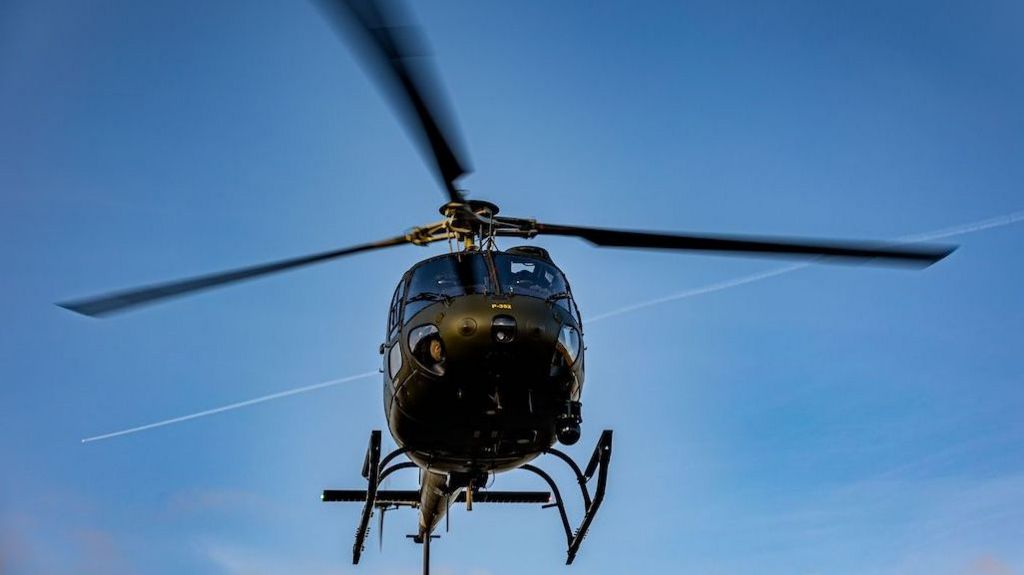
    Escalating security tensions across NATO’s eastern flank have triggered diplomatic and defensive responses this week, following two separate air and sea incidents involving Russian-aligned activity in the Baltic Sea region. The first incident unfolded Monday in international waters off Denmark’s southern Gedser coast, when a Russian warship fired two emergency flares at a Danish military helicopter conducting routine monitoring of the vessel.

    According to official statements from the Danish Armed Forces, one of the two flares passed within dangerous proximity of the Royal Danish Air Force Fennec helicopter, which was carrying out a standard photographic surveillance mission of the Russian frigate. In response to the provocative action, the Danish government has summoned Russia’s ambassador to Copenhagen to formally protest the encounter. Danish Prime Minister Mette Frederiksen characterized the Russian move as reckless, noting it was clearly intended to intimidate NATO allies and sow division within the alliance. Danish Foreign Minister Lars Lokke Rasmussen added that the incident reflects a dangerous pattern of Russia expanding the boundaries of what it frames as acceptable international behavior, a shift that Denmark and its allies cannot accept. As of Wednesday, Moscow has not issued any public comment on the allegations.

    The flare incident coincided with another security scare overnight Tuesday, when NATO fighter jets intercepted and downed an unidentified drone that violated Lithuanian airspace. The drone entered southern Lithuania near Kaunas, the country’s second-largest city, shortly after midnight, originating from neighboring Belarus, a key military ally of Russia in its ongoing full-scale invasion of Ukraine. While Lithuania’s National Crisis Management Centre has not yet confirmed the drone’s official origin, President Gitanas Nausėda linked the incursion to a broader pattern of growing Russian aggression across the region. In a post on X, Nausėda emphasized that heightened defensive readiness remains critical as Russia escalates its military campaign in Ukraine, affirming that Lithuania will work closely with all NATO allies to fully defend its territorial airspace.

    Regional allies have also ramped up defensive air activity in response to rising risks. On Monday night, Poland launched coordinated aviation operations across its own airspace in response to increased activity from Russian unmanned combat aerial vehicles conducting strike missions against Ukrainian targets. Polish authorities noted the operations were preventive in nature, focused on securing and protecting Polish airspace, particularly in areas near the Ukrainian border.

    This string of incidents marks the latest in a series of airspace incursions across the Baltic region throughout 2025. NATO jets have already been scrambled multiple times this year to intercept and down stray drones that crossed into Estonia and Latvia. Ukraine has repeatedly attributed these unintended incursions to Russian electronic warfare systems, which are designed to hijack and alter the flight paths of Ukrainian drones, sending them off course into NATO allied territory.

  • Kenya to host 2029 World Athletics Championships in African first

    Kenya to host 2029 World Athletics Championships in African first

    In a landmark decision that reshapes the global landscape of track and field, Kenya has beaten competing bids from London and Rome to win the right to host the 2029 World Athletics Championships, marking the first time the prestigious senior tournament will be held on the African continent. The 2031 edition of the championships was awarded to Munich, Germany, after London and Rome withdrew from the running for the 2029 event.

    Nairobi, Kenya’s bustling capital, will welcome the world’s top athletes to the upgraded Kasarani Stadium, a venue with a current seating capacity of 48,000 that is undergoing extensive renovations ahead of the tournament. Kenya’s unrivaled legacy in distance running and deep connection to athletics were the cornerstones of its successful bid. The East African nation has accumulated 72 World Championship gold medals and 38 Olympic gold medals, most in middle- and long-distance events, making it the second most successful country in the history of the World Athletics Championships. Standout Kenyan athletes including Eliud Kipchoge, a two-time Olympic marathon champion and 2003 World Championships 5000m gold medalist, personally championed Nairobi’s bid during the selection process.

    World Athletics President Sebastian Coe, the former Olympic middle-distance champion, praised Kenya’s proposal as exceptionally powerful and moving. “Kenya is one of the great athletics nations. The sport is woven into the fabric of the country,” Coe said in his remarks following the announcement. “It was important that the World Championships should come to Africa when we had the right host, the right bid and the right circumstances. Nairobi has demonstrated emphatically that this is their moment.”

    The hosting award represents a long-overdue milestone for African athletics, a continent that has produced some of the sport’s biggest global icons for decades but had never before been selected to host the senior World Athletics Championships. Kenya highlighted its proven track record of organizing elite international athletics events to strengthen its bid, including the 2007 World Cross Country Championships in Mombasa, the 2017 World Under-18 Championships and the 2021 World U20 Championships, both held in Nairobi.

    This successful bid comes after Kenya’s unsuccessful attempt to host the 2025 World Championships, where infrastructure limitations were cited as a key factor in its loss to Tokyo. This time around, Kenyan organizers emphasized major upgrades to existing sports facilities to prove the country is ready to welcome the world. Currently, Kenya is in the process of renovating its key stadiums in preparation for co-hosting the 2025 Africa Cup of Nations, alongside neighboring Tanzania and Uganda. Kasarani Stadium, the venue for the 2029 World Athletics Championships, is undergoing a full structural renovation ahead of its role hosting matches in African football’s top continental tournament, works that will leave it fully prepared for the global athletics event in three years’ time.

  • Indian police detain driver who hit female biker in viral video

    Indian police detain driver who hit female biker in viral video

    A violent road incident in the northern Indian city of Gurugram, just outside the national capital New Delhi, has triggered widespread public anger across the country after graphic dashcam footage of the crash circulated widely on social media. The event has also reignited long-simmering conversations about routine harassment and gender-based hostility that female motorcyclists report facing on Indian public roads.

    The confrontation unfolded on Sunday, when 28-year-old Shivani Chauhan was out riding with a group of fellow motorcycle enthusiasts. Footage captured by a camera mounted to Chauhan’s own bike clearly shows a white sedan drifting close to her two-wheeler before making contact. The impact throws Chauhan off her motorcycle onto the asphalt, leaving her bike skidding across the road, while the sedan does not stop and continues driving away from the scene.

    Chauhan, who only suffered minor injuries thanks to her full protective riding gear, later shared the clip to her Instagram account. The video quickly went viral, racking up millions of views and drawing thousands of angry comments from social media users, which pressured local law enforcement to launch a formal investigation into the incident.

    By Tuesday, Gurugram police confirmed they had taken the identified driver, 34-year-old Kalyan Bainsla, a gym owner from the nearby Haryana district of Palwal, into custody. Police records show Bainsla was operating a borrowed vehicle at the time of the crash. Investigators initially filed charges against Bainsla for reckless driving and endangering public safety, but later upgraded the charges to include attempted murder in response to public outcry and evidence from the viral footage.

    Bainsla has publicly denied any intentional wrongdoing, laying out an alternate account of the incident during an interview with Indian news outlet Aaj Tak. He claims that members of Chauhan’s biking group repeatedly overtook his car and then slowed down abruptly in front of him, forcing him into a dangerous maneuver. When approaching a U-turn, he says he lost control of the vehicle while trying to avoid colliding with Chauhan’s bike. He also claims he did not initially know the rider was a woman, and that he had already asked the group to slow down earlier in the encounter. Bainsla says he fled the scene because the group of motorcyclists were shouting threats and abuse at him, and he feared he and his traveling relatives would be violently attacked if he stopped.

    “Had I stopped right then, those people would have beaten us up,” Bainsla told the news channel.

    Chauhan has forcefully refuted every part of Bainsla’s narrative. In a follow-up Instagram video posted shortly after Bainsla’s interview, she claimed the white car began following her group almost immediately after they started their ride. When she told the driver to maintain a safe distance, she says the car’s occupants became hostile and demanded she pull over. Chauhan says she kept riding because she feared the car would block her path, and that a fellow rider behind her tried to position their bike between hers and the car to shield her. She also alleged that the men inside the car showed clear signs of intoxication. Police have not yet confirmed whether they conducted alcohol tests on Bainsla following his detention.

    Bainsla’s legal representative, Naveen Bainsla, has denied the intoxication allegation, telling Indian news agency ANI that his client had not been drinking and was traveling with family members. The lawyer also rejected framing the incident as a deliberate hit-and-run, arguing it should be classified as a case of negligent driving rather than intentional harm.

    Chauhan doubled down on her challenge to Bainsla’s account in a second follow-up video posted Monday night. She pointed to the original dashcam footage as clear proof that the car moved toward her motorcycle, rather than the other way around. She also rejected Bainsla’s claim that he did not know she was a woman, and publicly questioned why he failed to stop and check on her condition after the crash.

    “I could have been gravely hurt or broken my bones. I could’ve died on the spot,” Chauhan said in the video.

    The viral incident has opened up a national conversation about the routine threats and harassment female motorcyclists face across India. Dozens of women riders have since shared their own experiences online, recounting being followed by other motorists, filmed without consent, or targeted with aggressive driving simply because they are women riding high-powered motorcycles. Many reported facing constant microaggressions and stereotypes about women’s ability to operate large vehicles.

    Divya Sandhu, a professional riding coach who was involved in a similar harmful collision 10 years ago, told Indian broadcaster NDTV that widespread negative attitudes toward women riders have not improved in the decade since her own incident. “It’s very common for people to joke about women’s driving skills,” she said.

    Another female motorcyclist, Pallavi Singh, added that many women riders intentionally hide their hair and wear full-coverage protective gear partially to avoid being identified as women and targeted for harassment while on the road.