博客

  • Ecuador intel chief, five Americans killed in Kenya helicopter crash

    Ecuador intel chief, five Americans killed in Kenya helicopter crash

    A devastating helicopter crash in central Kenya on Wednesday claimed the lives of all seven people aboard, among them Ecuador’s top intelligence official and five American citizens, according to official statements from multiple regional and national authorities.

    The Kenya Civil Aviation Authority (KCAA) confirmed the crash took place in the early morning hours in Samburu County, a semi-arid region located north of Kenya’s capital city of Nairobi. The helicopter, operated for scenic tourist flights, had departed from the Loisaba wildlife reserve, a popular destination for luxury wildlife viewing and aerial excursions, before going down near Mount Ololokwe. A revered sacred site for the local Samburu community and a top hiking spot with a summit standing 2,000 meters above sea level, Mount Ololokwe draws hundreds of adventure tourists annually, with many operators offering helicopter overflight tours of the mountain and surrounding landscapes.

    Visual evidence shared by the Kenya Red Cross on the social platform X showed the crash site engulfed in open flames. Rescue teams immediately faced significant challenges accessing the wreckage due to the region’s rugged, uneven terrain. Fredrick Kabunge, director of Kenya’s Aircraft Accident Investigation Department (AAID), confirmed the full scope of casualties: one pilot and six passengers were on board, and there were no survivors. Samburu County police chief David Nkoroi told reporters late Wednesday that rescue and recovery operations had to be paused overnight, as falling darkness and the complex topography of the crash site made continued work unsafe. Operations were scheduled to resume at dawn Thursday.

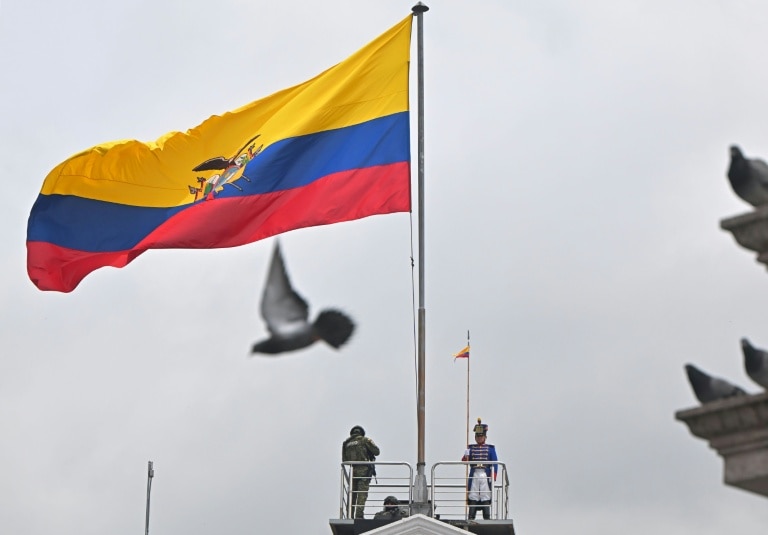
    Ecuador’s Transport Minister Roberto Luque confirmed that 42-year-old Michele Sensi-Contugi, the head of Ecuador’s National Intelligence Center, and his wife Stephany were among the victims. Appointed to lead the intelligence agency in 2024, Sensi-Contugi was a former business executive and a close ally of Ecuador’s right-wing President Daniel Noboa, who has positioned the Latin American country as a key partner for the United States in its renewed campaign against transnational drug cartels. “Today Michele and Stephany left us too soon. Thinking of their family, especially their children and parents,” Luque wrote in a post on X mourning the couple’s death.

    A spokesperson for the U.S. State Department confirmed that five U.S. citizens were killed in the crash, though officials declined to release the identities of the American victims pending next-of-kin notification. However, Spanish-language broadcaster Telemundo, a subsidiary of media giant NBCUniversal, confirmed that one of the deceased was Jose Alberto Suarez, a senior executive at the network’s Florida operations. In a joint statement, NBCUniversal News Group Chairman Cesar Conde and two other top executives expressed the company’s grief over Suarez’s death. “We are heartbroken to learn the tragic news that Jose was killed in a helicopter accident in Kenya,” the statement read. “Jose was an exceptional colleague who cared deeply about his teams, the communities they served and the important role our stations play in people’s lives.”

    Video footage shared on X of the crash site shows thick black smoke billowing into the sky above the base of Mount Ololokwe. As of Thursday morning, authorities have not yet determined the root cause of the crash, with KCAA confirming that formal accident investigations are ongoing. The crash marks the second deadly helicopter incident in Kenya this year: a March crash in western Kenya killed six people, including a sitting Kenyan member of parliament.

  • Israel kills nine in Gaza police station bombing

    Israel kills nine in Gaza police station bombing

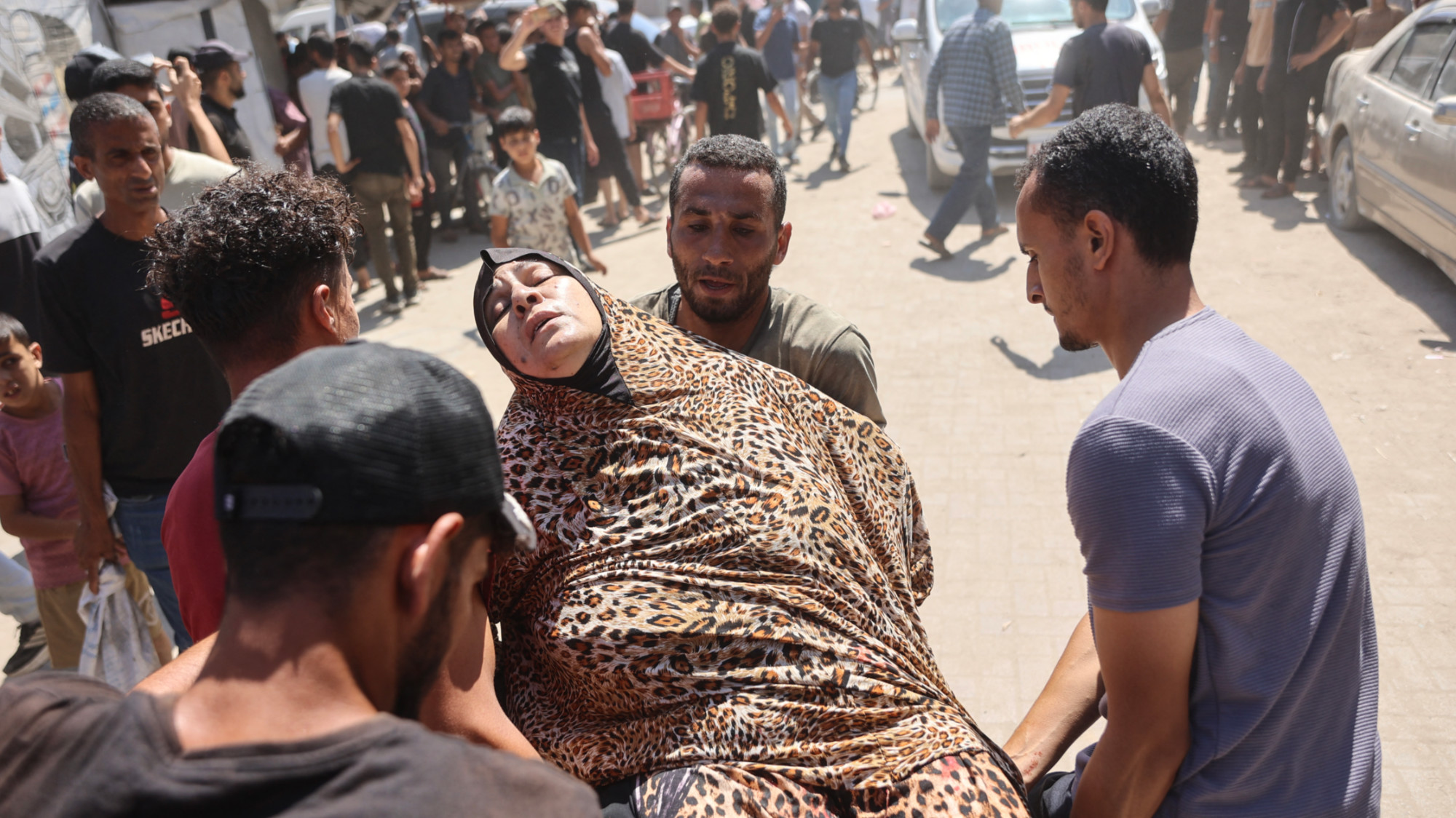
    A new wave of Israeli air strikes across the Gaza Strip has left at least 10 Palestinians dead and dozens injured, pushing the already fragile, months-long ceasefire to the brink of collapse as international mediators work to de-escalate the decades-long Israeli-Palestinian conflict.

    The deadliest attack took place on Wednesday morning at the Gaza Governorate Municipalities Police Headquarters in Gaza City, where Israeli fighter jets dropped multiple explosive bombs on the multi-story facility. Gaza-based paramedic teams confirmed that at least nine people were killed in the strike, and another 15 suffered varying degrees of injury, with several remaining in critical condition as of Wednesday afternoon. Local Palestinian media reports indicate that several senior law enforcement officials were among the fatalities, including Colonel Faten al-Sahhar, the widely respected head of the Gaza Police Women’s Department.

    Gaza’s Ministry of Interior has condemned the targeted attack on the police station, stating that Israel’s deliberate strike on the territory’s law enforcement infrastructure is a clear attempt to sow disorder and panic across Gaza. A statement from the department called the assault a “brutal massacre” of security personnel working to maintain public order under already catastrophic conditions. A separate, smaller Israeli air strike in the central Gaza region on the same day killed an additional Palestinian, bringing the total death toll from Wednesday’s attacks to 10.

    This latest round of deadly violence follows a equally destructive strike on a crowded Gaza City cafe Tuesday that killed seven Palestinians, one of whom was a child. That attack marked the deadliest single Israeli strike in Gaza in more than a month, reigniting fears of a full-scale return to open conflict. The Hamas administration in Gaza has labeled the recent series of strikes a deliberate war crime, arguing their timing is no coincidence: Israel, Hamas claims, is actively working to sabotage international mediation efforts designed to solidify the existing fragile ceasefire.

    The Israeli military has issued a standard response to the strikes, claiming it targeted “Hamas operatives” who were plotting imminent attacks against Israeli military personnel deployed along the Gaza border. The military provided no concrete evidence to back up this assertion, a pattern that has repeated consistently across dozens of Israeli strikes in Gaza since the October ceasefire was signed.

    The current escalation comes just days after Israeli Prime Minister Benjamin Netanyahu held a high-stakes meeting with U.S. Special Envoy Jared Kushner, who has been leading U.S.-backed mediation efforts between Israel, Hamas, and regional stakeholders. Following the closed-door meeting, Kushner publicly stated that the U.S. would give Israel authorization to “finish the job” against Hamas if the group refused to proceed with planned disarmament under the ceasefire framework.

    Kushner, whose personal family has maintained long-standing close political and financial ties to Netanyahu, traveled to Egypt earlier in the week to meet with Hamas leadership as part of the ongoing mediation push. Last month, Hamas announced it had agreed to a U.S.-brokered proposal that would see gradual disarmament and full implementation of the October ceasefire agreement, in exchange for a total end to all Israeli military strikes and a full withdrawal of Israeli occupying forces from all Gaza territory. Israel has flatly rejected the proposal, refusing to commit to either a permanent end to strikes or a full military withdrawal.

    Hamas spokesperson Hazem Qasem placed direct blame for the renewed escalation on the U.S.-led mediation body known as the Peace Council, arguing that the group has failed to pressure Israel to abide by the terms of the existing ceasefire agreement. “The Peace Council now faces a real test of its ability and seriousness in managing mediation and negotiations,” Qasem stated in a press briefing Wednesday. He added that senior officials from the U.S.-led body have released contradictory public statements that effectively provide diplomatic cover for Israel to expand its military aggression in Gaza.

    In a post-meeting interview with Fox News, Kushner doubled down on the U.S. position, stating that Washington will block all international funding for post-conflict reconstruction in Gaza until Hamas fully surrenders its weapons. He also reaffirmed the U.S. stance that it will not limit Israel’s self-described right to military action in Gaza if it claims any imminent threat exists against its territory or personnel.

    The original October 2024 ceasefire was negotiated to end two years of full-scale Israeli military operations in Gaza, which Gaza’s health ministry reports have killed more than 73,000 Palestinians to date, the vast majority of whom are civilians including women and children. The military campaign has also destroyed approximately 90 percent of all residential infrastructure across the Gaza Strip, leaving more than 1.5 million Palestinians displaced. Since the ceasefire was signed, Israel has repeatedly violated the terms, carrying out near-daily air strikes across the territory and maintaining a crippling total siege that blocks access to food, fuel, medical supplies, and other basic humanitarian goods. According to Palestinian health officials, more than 1,200 Palestinians, including at least 300 children, have been killed by Israeli forces in ceasefire violations since the agreement was signed.

  • Liberia charges former vice president with drug trafficking and other offenses

    Liberia charges former vice president with drug trafficking and other offenses

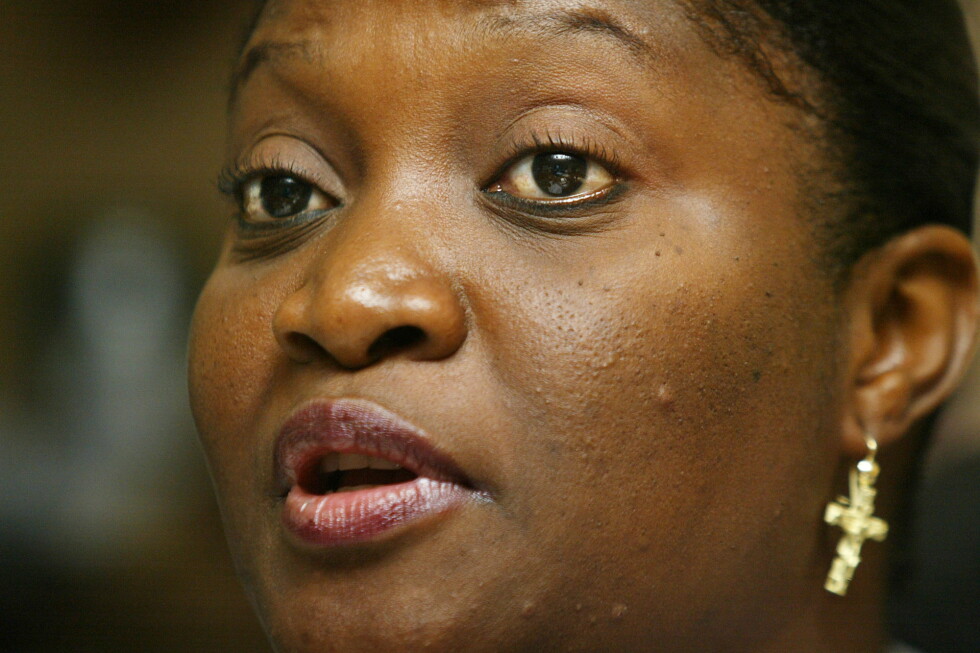
    Monrovia, Liberia – In a landmark legal move that has sent shockwaves through Liberia’s political landscape, the country’s Ministry of Justice announced Wednesday that former vice president Jewel Howard-Taylor has been formally charged with drug trafficking, money laundering, and a series of related criminal offenses tied to an alleged international narcotics smuggling ring.

    Howard-Taylor, who held the vice presidency from 2018 until the end of her term in early 2024, was detained late last week as she tried to depart Liberia via Roberts International Airport, according to an official statement from the ministry. Following her arrest, she was taken into custody and transferred to the headquarters of the Liberia National Police to face processing.

    The former second-in-command faces a total of eight criminal charges, which include unlicensed importation, unauthorized sale, distribution, and transportation of controlled substances, in addition to formal counts of drug trafficking, criminal solicitation, criminal facilitation, criminal conspiracy, and money laundering.

    This high-profile case carries added political weight: Howard-Taylor was previously married to Charles Taylor, the former Liberian president who was convicted of war crimes and crimes against humanity by the Special Court for Sierra Leone for his role in sponsoring devastating atrocities during Sierra Leone’s 11-year civil war.

    Alongside the charges against Howard-Taylor, three foreign nationals have also been indicted in absentia for their alleged participation in the transnational network: Croatian citizens Nikolai Ivancic and Mihovil Vrovac, and Ukrainian national Tara Zaderieko. Law enforcement officials confirmed they are currently pursuing cross-border cooperation and legal measures to track down, arrest, and extradite the three fugitives to face trial in Liberia.

    Wednesday’s announcement comes just one month after Liberian authorities made the largest drug seizure in the nation’s history: approximately 2 tons of cocaine with an estimated street value of $336 million. That seizure also uncovered alleged connections to senior ranking Liberian police officials, though the Ministry of Justice emphasized that the two investigations are not connected.

    The charges against Howard-Taylor shine a new spotlight on the growing challenge of drug trafficking across West Africa, a region that has increasingly become a major transit hub for cocaine trafficked from producing countries in South America to consumer markets in Europe. Smuggling networks have long exploited the region’s porous national borders and inconsistent law enforcement capacity in multiple coastal and inland states to move large drug shipments with impunity, a trend that has drawn growing concern from regional and international anti-narcotics agencies in recent years.

  • As election looms, Netanyahu puts Turkey in Israel’s crosshairs

    As election looms, Netanyahu puts Turkey in Israel’s crosshairs

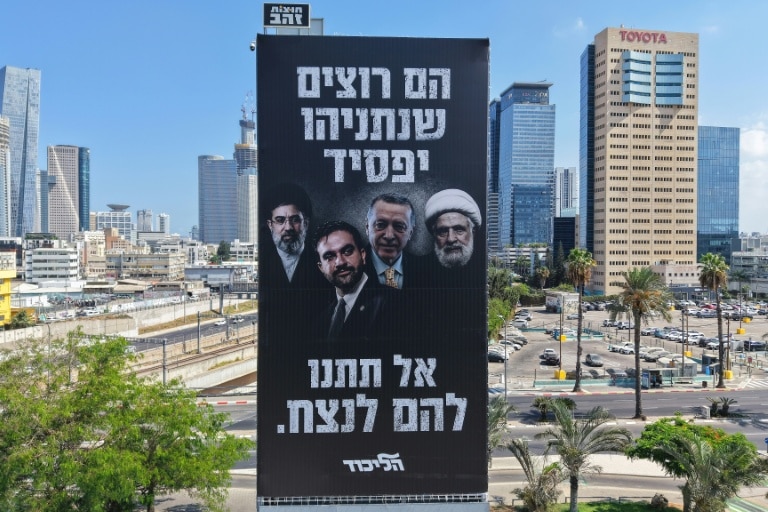
    As Israel’s tightly contested October 27 general election approaches, Prime Minister Benjamin Netanyahu has ramped up his political rhetoric by positioning Turkey as a new key adversary, a strategy that risks inflaming long-simmering regional tensions and creating friction with key Western allies. The controversial move comes as Netanyahu fights to hold onto power after more than two years of aggressive military campaigns against perceived hostile actors across the Middle East, with growing domestic criticism that he has failed to deliver on his core security promises.

  • Jason Arday’s marathon challenge and football claims found to be true after his death

    Jason Arday’s marathon challenge and football claims found to be true after his death

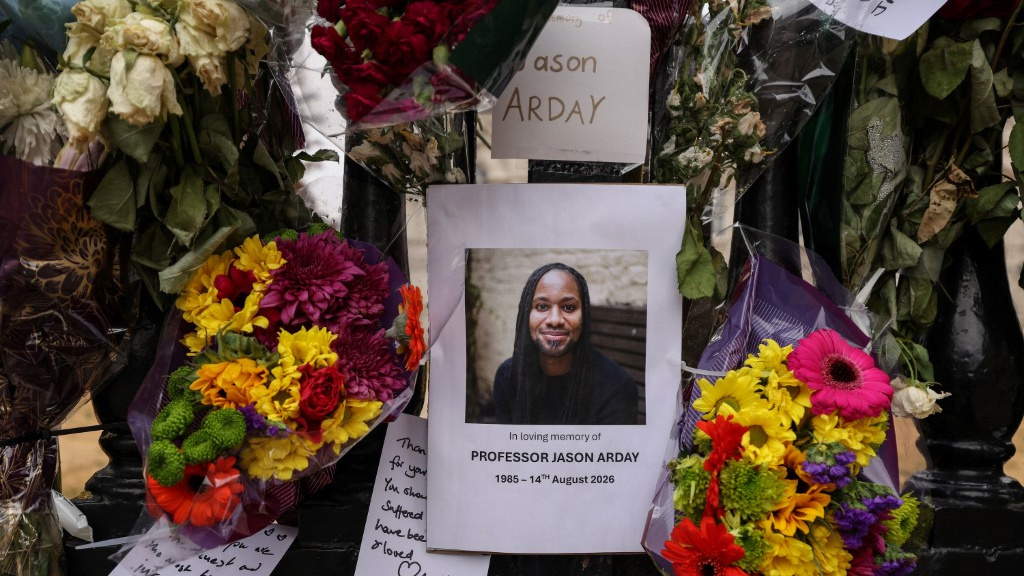
    The death of 42-year-old Cambridge University sociologist Jason Arday, found dead in south London last Friday, has sparked renewed scrutiny of the relentless media and online campaign that targeted him in his final weeks, after a new independent analysis has confirmed that many of the most widely mocked claims about his life and achievements are verifiably true.

    Arday resigned from his professorship at Cambridge and his fellowship at Jesus College earlier this month, shortly after the university launched an independent investigation into his appointment following widespread plagiarism allegations. For weeks, public discourse centered on claims that Arday had fabricated large portions of his personal biography and professional credentials, with two of his assertions drawing particular scorn: that he completed 30 marathons in 35 days for charity in 2010, and that he once played semi-professional football.

    An in-depth analysis by Middle East Eye (MEE) has confirmed both claims are accurate, with contemporaneous local news reports, firsthand witness accounts, and club records backing up Arday’s statements. Coverage from multiple London local outlets including the Richmond and Twickenham Times and My London documented Arday’s 2010 charity challenge from its announcement through to its completion. Then a 24-year-old master’s student working as a part-time lecturer, Arday launched the 30-marathon effort to raise funds for two UK charities: Shooting Star Children’s Hospice and homeless advocacy organization Shelter.

    Local media tracked his progress step-by-step: the first completed marathon was reported on July 20, 2010, with a published photo of Arday mid-run, and an August 13 update from Your Local Guardian confirmed he was within reach of his 30-marathon goal. Kim Darton, then fundraising director at Shooting Star, even cycled alongside Arday for his 24th marathon, later telling outlets he was stunned by the academic’s determination and called the effort inspiring. Arday ultimately crossed the finish line on August 25, 2010, after training for months on a grueling schedule that included 14 miles of running daily split between early morning and late night shifts around his teaching work. He completed the challenge despite developing a hairline fracture in his leg, a detail misrepresented by later critical coverage that incorrectly labeled the injury a full broken leg to mock Arday’s claim.

    Sarah Carney, a long-time friend of Arday, confirmed the challenge’s authenticity in an interview after his death, stating she joined Arday for the second half of his final marathon and has photos documenting the effort.

    “These runs were true. He wasn’t an ordinary person. He was extraordinary,” Carney told reporters.

    MEE also confirmed Arday’s claim of semi-professional football experience, finding he was listed as a first-team goalkeeper for two semi-pro English clubs: Walton and Hersham FC and Lewisham Borough FC, with a match report from October 2018 referencing his involvement.

    Other widely criticized claims from Arday have also been found to be more credible than recent media coverage suggested. His assertion that he had helped raise £5 million for charity over a 20-year period was mocked as an obvious exaggeration, but Arday always clarified the total represented collective fundraising across multiple campaigns he organized, not money he raised alone. Analysis from Byline Times found the total is plausible, as the combined gross income of charities Arday worked with exceeds £1.4 billion. Even the claim that Arday falsely claimed authorship of an unpublished book has been partially validated: the work, *Being Young, Black and Male: Challenging the Dominant Discourse*, is listed as a forthcoming title from major academic publisher Palgrave Macmillan, even if it has not yet been released.

    The most divisive unproven claim is Arday’s assertion that he could not speak full sentences until he was 11 years old, a statement that has drawn conflicting accounts from former classmates. While some former schoolmates have disputed the claim, others have backed it up, including Caroline Russell-Clark, the mother of a former teammate, who recalled Arday having severe learning difficulties and not speaking regularly until he was a teenager.

    The core of the original scandal surrounding Arday centered on plagiarism allegations, first raised by Dr. Nathan Cofnas, a self-described proponent of “racial realism” who wrote in February 2024 that Black people would “disappear from almost all high-profile positions outside of sports and entertainment” without affirmative action. The initial accusation targeted Arday’s 2015 PhD thesis completed at Liverpool John Moores University, which launched its own investigation into the claims earlier this year. The university concluded in March that any citation issues were the result of “honest and reasonable error”, noting that Arday’s supervisory team was depleted during his doctorate and he only received one formal supervision session over the course of his degree. Textual overlap in his thesis was found to be within acceptable ranges for the academic standards of the time, and MEE’s analysis found Arday explicitly credited the work of other scholars whose work was referenced, including lead scholar Paula Zwozdiak-Myers, in other sections of the document.

    New plagiarism allegations emerged in recent months, which Arday denied before his death. He acknowledged that early work had formatting and citation gaps, noting in a recent interview that his later work improved significantly once he could afford a professional proofreader to review his writing.

    In the days after Arday’s death, tributes have poured in from across academia and politics, with many figures noting that Arday spent his career opening doors for underrepresented young scholars. A vigil held in London’s Trafalgar Square on Monday drew an estimated 30,000 mourners, where Labour MP Bell Ribeiro-Addy told the crowd Arday’s legacy lay in the access he created for others.

    “He held doors open behind him. He kept them open and thousands of us walked through. That is why this place is full tonight,” Ribeiro-Addy said.

    Oxford University academic Dr. Rebecca Syed Sheriff, who worked with Arday, remembered him as a warm, supportive colleague dedicated to centering the experiences of marginalized young people in research. “He always had good ideas, always genuinely interested in the experiences of young people who would not usually be seen in research,” she said.

    Cambridge Chancellor Lord Chris Smith has publicly characterized the campaign against Arday as a “racist feeding frenzy”, echoing widespread criticism of how media outlets amplified unproven allegations as fact before any investigation was completed. In his resignation statement earlier this month, Arday stressed that his decision to step down should not be misread as an admission of guilt for the claims made against him.

    “[This move] should not be mistaken for an acceptance of the narratives that have surrounded me,” he wrote at the time.

    Mental health support resources are available for anyone struggling with distress: in the UK, the Samaritans can be reached at jo@samaritans.org or 116 123, while people in the U.S. can contact the National Suicide Prevention Lifeline, with additional global resources listed at befrienders.org.
  • Two accused of drug trafficking after UK-Nigeria investigation

    Two accused of drug trafficking after UK-Nigeria investigation

    A major joint investigation by law enforcement agencies in the United Kingdom and Nigeria has uncovered a large-scale international drug trafficking operation, leading to charges against two UK residents and multiple arrests in Lagos, Nigeria.

    The UK arrests came on 5 August, after officers seized more than 180 kilograms (nearly 397 pounds) of cocaine from an undisclosed location in the country. The two suspects, 50-year-old Oladipupo Atandare from Dagenham and 44-year-old Latifat Yusuf from Hornchurch, were taken into custody immediately following the seizure.

    Three days after their arrest, the pair appeared before Barkingside Magistrates Court, where they were remanded in custody pending further proceedings. Their next court hearing is scheduled for 7 September at Snaresbrook Crown Court.

    The Metropolitan Police, the UK’s leading law enforcement force for the London area, confirmed that the charges against Atandare and Yusuf currently relate only to the cocaine seizure made on UK soil. However, active investigations are ongoing into a separate, similarly sized cocaine discovery made by Nigerian authorities earlier this month.

    On 12 August, Nigerian officials announced they had seized 184.5 kilograms of cocaine with an estimated street value of £20 million. The drugs were found hidden inside brown cardboard boxes at a courier shipping facility in Nigeria’s largest city, Lagos.

    Multiple suspects have been taken into custody in Nigeria as part of the probe, including a logistics company employee directly linked to the shipment and a high-profile social media influencer with nearly 700,000 Instagram followers.

    The influencer, 49-year-old Afolabi Kazeem Micheal, who brands himself online under the alias “KC Luxury”, has built a public persona as a successful entrepreneur trading in gold and high-end luxury goods. His social media channels are filled with content showcasing his supposed lavish lifestyle, including multiple flashy high-performance vehicles. Despite this public image, Nigeria’s National Drug Law Enforcement Agency (NDLEA) has named Micheal as the Nigerian “arrowhead” – the top operational leader – of the transnational drug trafficking cartel behind the smuggling plot. As of press time, Micheal has not issued any public response to the allegations against him.

    Cross-border collaborations between UK and Nigerian law enforcement remain ongoing as investigators work to unpick the full structure of the criminal network and identify all participants in the operation.

  • ‘Playing with fire’: Israel’s Syria strike tests Turkey after Mecca defence pact

    ‘Playing with fire’: Israel’s Syria strike tests Turkey after Mecca defence pact

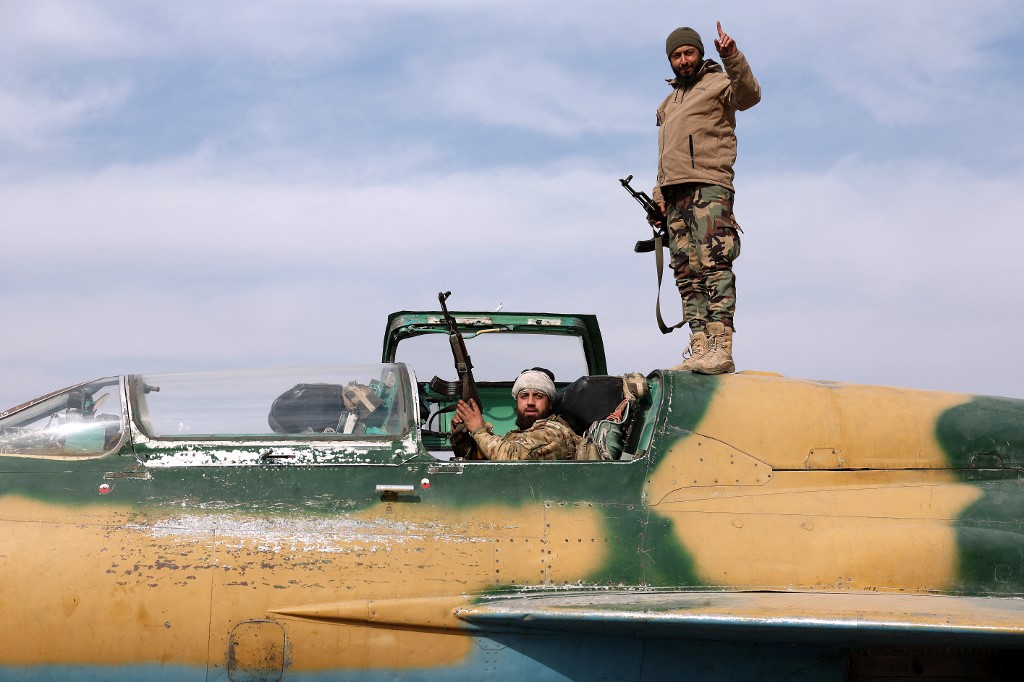
    On a Tuesday in mid-August 2026, multiple Israeli airstrikes hit the inactive Abu al-Duhur military airbase in northern Syria, just 70 kilometers from the Turkish border. The targeted attack, carried out days after the signing of the landmark Mecca defense agreement between Turkey, Saudi Arabia, and Pakistan, has ignited a wave of diplomatic fallout and competing narratives across the Middle East, with Ankara dismissing the strike as a pre-election political stunt by Israeli Prime Minister Benjamin Netanyahu.

    Netanyahu, who is currently in the thick of a heated domestic election campaign, has already positioned Turkish President Recep Tayyip Erdogan as a key adversary of Israel in his campaign messaging, alongside New York Mayor Zohran Mamdani. But beyond electoral posturing, regional analysts and government insiders say the strike carries larger strategic aims: it appears designed to weaken Ankara’s standing as a reliable ally to the new Syrian government and disrupt the emerging regional security architecture that Turkey has spearheaded.

    Shortly after the attack, the Syrian government issued a formal condemnation, confirming that eight precision strikes targeted the airbase’s runway early that morning. The facility has long been non-operational, and initial statements from unnamed Israeli officials were inconsistent, starting with claims that new Syrian President Ahmed al-Sharaa was backing pro-Iranian proxy forces from the site, before the official Israeli narrative shifted dramatically.

    In an official statement, the Israeli Prime Minister’s Office claimed that Israel and Syria had struck an understanding to maintain the existing security status quo, which it said Syria was about to break by allowing Turkish troops to deploy to the base near Aleppo. Multiple unconfirmed reports further claimed the strikes hit just after a Turkish official delegation had left the site, as Ankara prepared to take full control of the facility.

    But Syrian officials pushed back strongly on these claims in comments to Middle East Eye, clarifying that only a small Turkish technical team had been deployed to repair the base’s runway and control tower, with no Turkish military personnel present on site at the time of the attack. One Syrian official noted that the last reconstruction team had departed the site two days before the strikes, adding that Turkey’s broader work across Syria is focused on helping rebuild a strong, capable national Syrian army to defend the country’s territorial integrity, with no activities targeting Israel. “Turkey doesn’t take over every base it helps repair,” the official emphasized.

    Independent data aligns with this account: open source tracking from MEE Osint Track and aggregated data from the Armed Conflict Location & Event Data Project (ACLED) shows that Israel has maintained a consistent campaign of strikes across Syria since the fall of the Bashar al-Assad government, with 1,722 verified, deduplicated strike incidents recorded between January 2025 and August 18, 2026. Ankara for its part has already closed dozens of small outposts across northern Syria and only operates a small number of established, permanent bases in the region. Even if Turkey were to station personnel at Abu al-Duhur, officials note the base’s proximity to the Turkish border means any presence would not shift the regional aerial balance of power, contradicting Israeli claims of a growing threat.

    A major point of contention that has raised alarm across the international community is Israel’s failure to use the dedicated military hotline established with Turkey in 2025, a mechanism designed specifically to prevent accidental military clashes and escalation. Turkish officials say this deliberate choice was no oversight: it was a deliberate provocation.

    U.S. Envoy to Turkey and Syria Thomas Barrack echoed these concerns in comments to an Israeli media outlet, warning that the strike carried a severe risk of spiraling into direct military conflict between Israel, Turkey, and Syria. “Turkish forces were not aware that the Israeli aircraft were en route to that specific Syrian base, nor of their intended purpose, and therefore could potentially have been inclined to scramble their own jets in the belief that they themselves were under attack,” Barrack explained.

    Ankara’s official response framed the attack explicitly as a pre-election gambit by Netanyahu, with the Turkish presidency’s communications office accusing the Israeli prime minister of pursuing expansionist, destabilizing policies across the region to boost his domestic polling. Multiple Turkish government insiders, speaking on condition of anonymity, expanded on this assessment, noting the strike serves dual strategic purposes beyond just winning votes.

    The Mecca defense agreement, signed just days before the strike, has created domestic political pressure on Netanyahu, the insiders explain, even as the new trilateral security pact has been welcomed by the U.S. administration of President Donald Trump, which currently backs al-Sharaa’s Syrian government. By striking the base, Israel is sending a clear message that it rejects the new regional security framework being built by Ankara, and will continue to carry out strikes across Syria whenever it sees fit. “It is a way of telling Erdogan that they won’t let him feel comfortable in Syria,” one insider said, noting that Erdogan recently announced plans to visit Damascus later this year — his first trip to the Syrian capital since the fall of Assad.

    The strike also acts as a test of the Trump administration’s commitment to the new regional order, insiders add, and officially confirms what many in Ankara have suspected: Israel views Turkey’s long-term presence in Syria as an existential threat. One insider warned that rising tensions ahead of Turkey’s 2028 general election could deepen the rift between the two countries, raising the risk of a major military incident similar to the 2015 downing of a Russian fighter jet by Turkish forces.

    While one Turkish source familiar with military operations noted that Turkish radar systems can track Israeli aerial activity as far south as Jordan, and that Ankara was not caught completely off guard — with some speculation that U.S. officials provided advance warning of the strike — Turkish officials still warn Israel is gambling with regional security. “They are playing with fire,” one senior Turkish official said. Barrack has called for the immediate activation of a new deconfliction mechanism that includes Syria, Turkey, and Israel to prevent further escalation, but it remains unclear if Israel will agree to new confidence-building measures following the strike.

  • UN aid chief warns Russian drones threaten civilians and aid work in Ukraine

    UN aid chief warns Russian drones threaten civilians and aid work in Ukraine

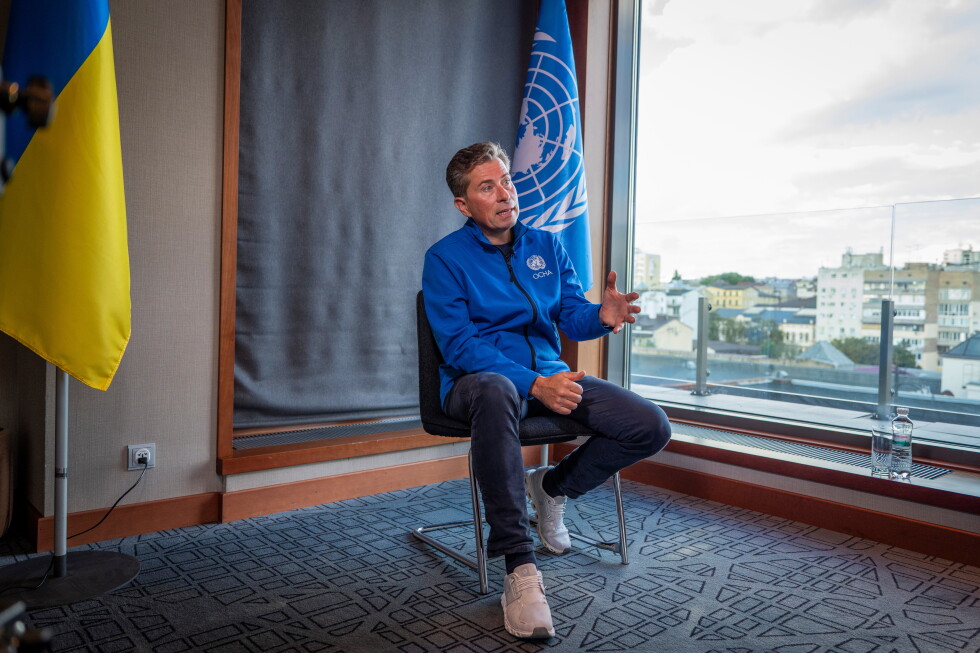
    During an interview with The Associated Press on Wednesday, United Nations Under-Secretary-General for Humanitarian Affairs Tom Fletcher issued a stark warning following his on-the-ground visit to the frontline city of Kherson in southern Ukraine: the growing use of drones targeting civilians and aid workers has created a lethal and growing barrier to delivering life-saving support to vulnerable communities across the country.

    Kherson, split by the Dnipro River which forms the active frontline between Russian-held territory on the eastern bank and Ukrainian-controlled land on the west, offered Fletcher a first-hand look at the daily danger facing local populations. He described the experience as “quite chilling,” noting that kamikaze and reconnaissance drones regularly cross the river to target civilian homes, passenger vehicles and public transit systems. The constant threat of attack has not only put local residents at extreme risk but also severely disrupted the ability of humanitarian teams to reach those most in need.

    Fletcher’s comments came just after he took part in a memorial service for two humanitarian workers killed in the line of duty in Ukraine. He emphasized that drones pose an immediate, indiscriminate threat to both civilian populations and the aid workers deployed to support them, even noting that clearly marked humanitarian vehicles, which are protected under international humanitarian law, have been repeatedly targeted in attacks. These incidents have forced aid organizations to scale back operations in high-risk areas, leaving countless vulnerable people cut off from critical support.

    Local humanitarian groups, which carry out more than two-thirds of all aid projects funded through Ukraine’s national humanitarian fund, face the greatest exposure to these risks. Fletcher shared that these local organizations have repeatedly raised alarm that they lack adequate protection to carry out their critical work.

    Beyond the immediate threat of drone attacks, Fletcher also outlined major long-term challenges facing humanitarian operations in Ukraine, particularly ahead of the approaching winter season. He noted that the U.N. requires more than $2 billion to fund its prioritized emergency response for Ukraine in 2024, with damage to critical civilian infrastructure — including electric grids, water systems and natural gas networks — raising the risk that millions of Ukrainians could face life-threatening conditions similar to those seen during the harsh winter of 2022-2023.

    Global humanitarian funding shortages have compounded these challenges, as the U.N. has been forced to narrow its priorities amid plummeting donor contributions. The organization now estimates that 92 million people across the globe face catastrophic humanitarian need, up from an initial projection of 87 million, driven by new crises including the Ebola outbreak in Central Africa, the deadly earthquake in Venezuela, and spreading conflicts in multiple regions. To address all these urgent needs, the U.N. is seeking $23 billion in total donor funding, and as of yet has only raised roughly half that amount.

    While Ukraine’s humanitarian program is comparatively better funded than many other global crises, with approximately 70 to 75 percent of its top-priority funding target met, Fletcher stressed that even full funding would only address a fraction of the country’s overall humanitarian needs. He added that fundraising has become far more difficult in recent months, as donor governments have increasingly reallocated public spending to defense priorities and domestic programs rather than international aid.

    “We’re in a more transactional world, I would say a more selfish world,” Fletcher said. In response to this shift, he noted that the U.N. now has a heightened responsibility to prove it is using limited taxpayer resources efficiently and strategically, demonstrating to donor nations that funds are being allocated sensibly, wisely and to the highest-priority needs.

    In a separate grim assessment released alongside his comments, the U.N. confirmed that 907 aid workers were killed, injured or kidnapped in violent attacks globally in 2023, and more than 1,000 aid workers have been killed in the line of duty over the past three years. Fletcher admitted that the current response from the international community gives him no confidence that those responsible for attacks on aid workers will be held accountable. He called for expanded accountability that goes beyond prosecuting only the individuals who directly carry out attacks, saying “I want to see investigations into the people who fired the weapon or flew the drone.”

  • ‘Breakthrough’ mRNA cancer drug curbs melanoma in large trial

    ‘Breakthrough’ mRNA cancer drug curbs melanoma in large trial

    In a transformative development for cancer care, pharmaceutical firms Merck and Moderna announced Wednesday that their personalized messenger RNA (mRNA)-based cancer therapy delivered promising positive results in a large-scale late-stage clinical trial, successfully reducing the recurrence of melanoma. The breakthrough finding has sent shockwaves through the global medical and financial communities, pushing Moderna’s share price up 145% to $154 and lifting Merck’s stock by more than 12% to $152.

    The experimental treatment, named intismeran autogene, leverages the same foundational mRNA technology that powered the development of highly effective Covid-19 vaccines nearly a decade after the platform was first mainstreamed by the pandemic. While researchers have spent decades working to adapt mRNA technology for cancer treatment, this trial marks the first time an mRNA-based cancer drug has delivered positive outcomes in a large, phase-three level clinical study.

    “Today marks an extraordinary milestone for Moderna, for mRNA science and, most importantly, for patients with cancer,” Moderna Chief Executive Stephane Bancel emphasized in an official statement.

    The roughly one-year trial enrolled 1,137 participants who had undergone surgical removal of melanoma tumors. Patients were split randomly into two groups: two-thirds received the new personalized mRNA therapy in combination with pembrolizumab, the current gold-standard treatment for melanoma, while the remaining third received only pembrolizumab. The companies confirmed they will unveil full trial data at an upcoming international oncology conference and have already begun preparing regulatory submissions to seek formal approval for the treatment.

    Independent oncology experts have welcomed the results as a watershed moment for cancer immunotherapy. Lennard Lee, an oncologist and assistant professor at the University of Oxford who was not involved in the trial, called the outcome “very encouraging” and noted that the full dataset is now eagerly anticipated by the global research community.

    Marco Gerlinger, a professor of oncology at London’s Barts Cancer Institute, echoed the praise, pointing out that the results do more than benefit melanoma patients – they serve as long-awaited “proof of principle that personalised cancer vaccines work.” “I think it is fair to call it a breakthrough in the development of new cancer immunotherapies,” Gerlinger said, while adding that the initial press announcement lacked granular full-trial details that will be critical for further assessment.

    Unlike traditional one-size-fits-all cancer treatments, the personalized mRNA therapy works by first collecting a tissue sample from a patient’s tumor, mapping its unique genetic mutational “fingerprint,” then designing a custom mRNA treatment targeted to that specific signature. Similar to Covid-19 mRNA vaccines, the treatment delivers synthetic molecular instructions wrapped in microscopic lipid bubbles that enter the body’s cells and trigger them to produce specific targets that train the immune system to recognize and attack cancer cells.

    First conceptualized decades ago, mRNA technology rose to global prominence during the Covid-19 pandemic, when Moderna and Pfizer-BioNTech rolled out highly effective vaccines that dramatically reduced rates of severe illness and death from the virus. Since then, researchers have raced to adapt the platform to a wide range of other diseases, with cancer being the most high-priority area of research.

    Melanoma is among the most aggressive forms of skin cancer, with more than 330,000 new cases diagnosed across the globe in 2022 alone. Looking ahead, Bancel confirmed that the two companies will continue expanding research into intismeran autogene, testing it in combination with pembrolizumab and other existing anti-cancer therapies, as well as a standalone treatment, across a wide range of tumor types and disease stages. Upcoming trials will explore the therapy’s effectiveness for lung, bladder, and kidney cancers in addition to melanoma, opening the door for a potential revolution in personalized cancer care.

  • Some of Meta’s safety tools were ‘designed to fail’: witness

    Some of Meta’s safety tools were ‘designed to fail’: witness

    In a landmark California trial that could reshape the global social media industry, a former top Meta engineering director delivered explosive opening testimony Wednesday, alleging that key user safety features on the company’s flagship platforms Facebook and Instagram were intentionally built to underperform, directly contradicting Meta’s public claims of prioritizing teen well-being. The six-week trial, brought by a coalition of U.S. states, accuses the social media giant of deliberately designing its products to hook young users, harvest their personal data, and deceive the public about the harms of prolonged platform use. A ruling against Meta could result in up to $200 billion in penalties, force sweeping overhauls to its core profit-driven business model, and send ripple effects across the entire global technology sector.

    Arturo Bejar, the first witness to take the stand, said his experience inside the company confirms Meta has long prioritized ad revenue over user safety by designing systems to keep users scrolling for as long as possible. In a direct rebuke of Meta’s opening defense claims that the company has invested heavily in tools to mitigate harms for young users, Bejar called out the 2021 Instagram feature “Take a Break” — which sends users reminders to step away from endless scrolling — as a textbook example of a safety feature designed to be ineffective. The feature, like many other safety tools Meta highlights publicly, is an opt-in function, requiring users to actively seek it out and enable it rather than activating it automatically for all users. Bejar noted that other harm-mitigation tools, including features meant to curb infinite scrolling and limit compulsive notification pings, were also made optional to avoid reducing user engagement. “Notifications are built and designed in order to bring people back, so they spend more time and get more revenue. They’re not designed for mental health… or the safety of the person,” Bejar told the court.

    Meta’s legal team pushed back against the accusations during opening statements Tuesday. Lead Meta lawyer Paul Schmidt acknowledged that some users, including teenagers, have negative experiences on the platforms, but maintained the company has taken meaningful steps to develop safeguards to reduce those risks. “There can be no dispute that Meta has both recognized that people can struggle with their use of social media and tried to come up with tools to help them,” Schmidt said. Court documents show Meta attempted to block Bejar from testifying just days before the trial began, but the presiding judge rejected the company’s motion.

    Legal and public health experts have widely framed this case as social media’s “Big Tobacco moment” — drawing a parallel to the 1990s blockbuster litigation between U.S. tobacco companies and dozens of states that resulted in billions in penalties and sweeping industry-wide marketing reforms. Like that historic case, this trial centers on claims of a multibillion-dollar corporation hiding public health harms and targeting vulnerable youth to grow its bottom line. Colorado Attorney General Phil Weiser noted Tuesday that the case comes after years of congressional inaction on social media regulation, leaving states to pursue accountability. “The tobacco and social media cases both involve public health, and in some cases, marketing to kids that hurt kids,” Weiser said.

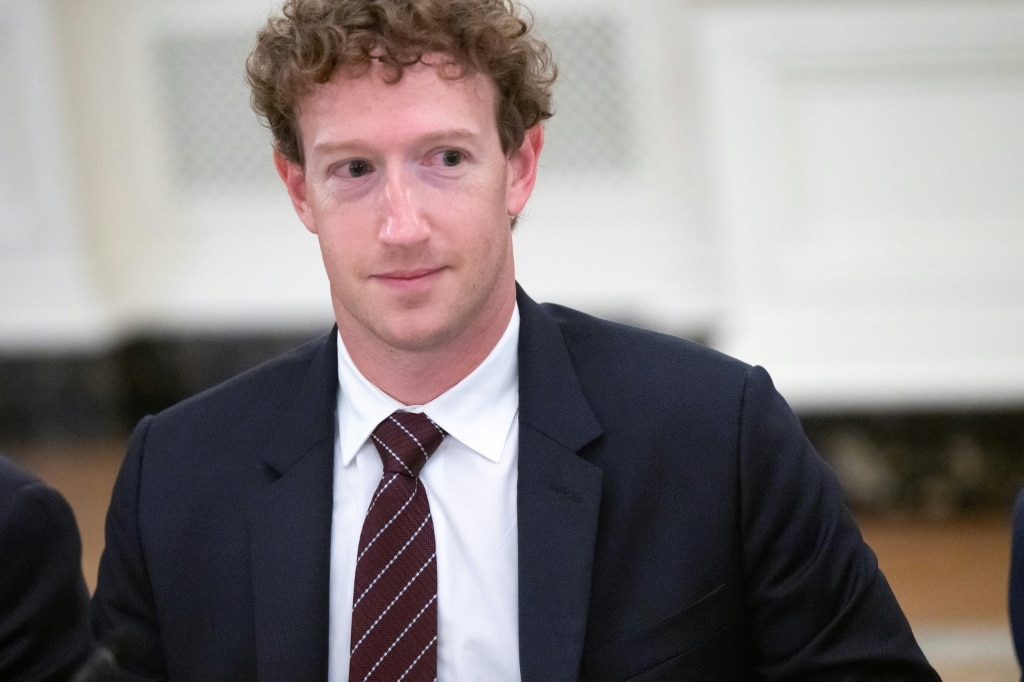
    California lead prosecutor Megan O’Neill laid out the states’ case during opening statements, framing Meta’s business model as inherently built around addicting users to maximize engagement and data collection. O’Neill said Meta “exploited how kids’ brains work” to keep young users hooked on its platforms. Court filings list Meta founder and CEO Mark Zuckerberg and Instagram head Adam Mosseri as expected star witnesses, though California Attorney General Rob Bonta declined to confirm Tuesday whether Zuckerberg will be called to testify. Ahead of the trial, Meta repeatedly denied all allegations, saying it has collaborated with parents, child safety experts, and law enforcement to build appropriate protections for young users.