博客

  • Strikes to inspire protests, much larger attack: What are Trump’s options on Iran?

    Strikes to inspire protests, much larger attack: What are Trump’s options on Iran?

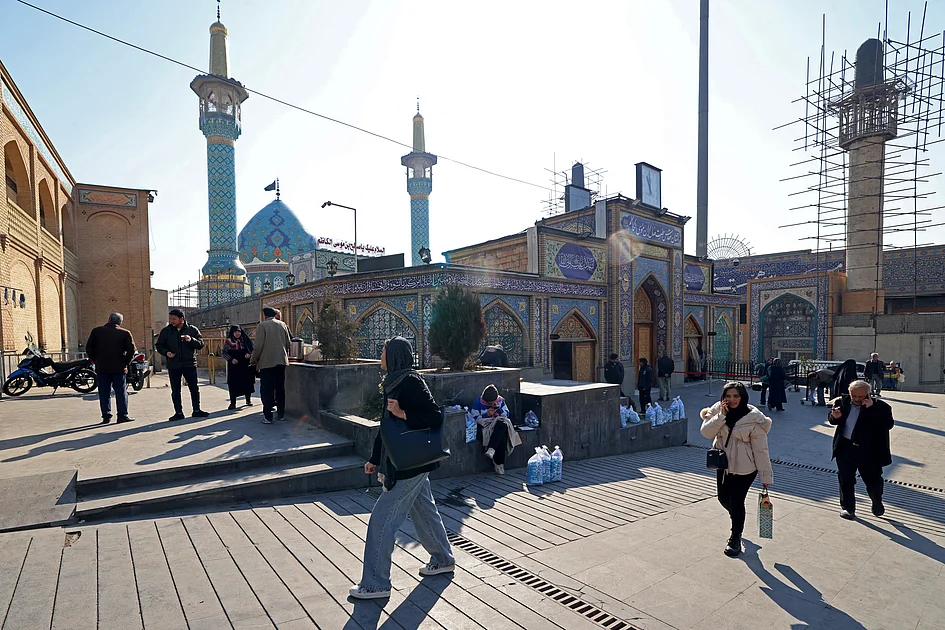
    The Trump administration is actively contemplating a spectrum of military responses against Iran, ranging from targeted strikes to extensive bombing campaigns, according to multiple anonymous sources familiar with high-level deliberations. These considerations emerge amidst heightened tensions following Tehran’s brutal suppression of nationwide protests that resulted in thousands of civilian casualties.

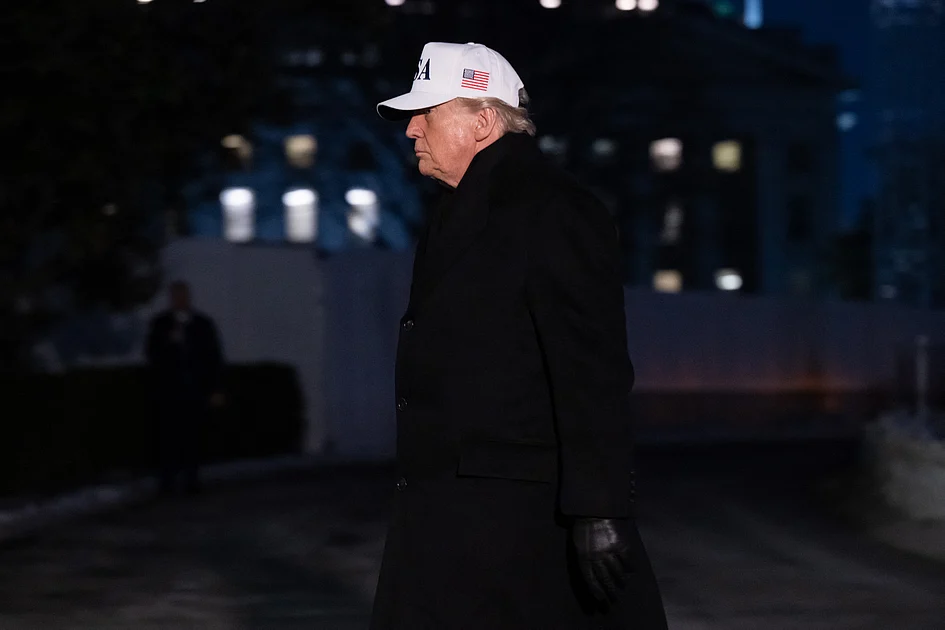
    Washington’s strategic calculus involves potential attacks on Iranian security forces, military commanders, and critical infrastructure, with the dual objectives of empowering protest movements and crippling Iran’s military capabilities. While President Trump has not finalized any decision regarding military intervention, the recent deployment of a U.S. aircraft carrier group to the region has significantly expanded American offensive options.

    Intelligence assessments and regional analyses suggest air power alone would be insufficient to achieve regime change in Tehran. Israeli officials and Arab diplomats have expressed concerns that military action could actually strengthen the Iranian regime’s position rather than weaken it, potentially triggering broader regional instability. The complex succession dynamics surrounding Supreme Leader Ayatollah Ali Khamenei, who retains ultimate authority despite reduced public visibility, further complicate potential intervention scenarios.

    Regional powers including Saudi Arabia, Qatar, Oman and Egypt have actively lobbied against military action, fearing retaliatory strikes from Iranian-aligned forces across the Middle East. Gulf states particularly worry about missile attacks and drone assaults from Yemen’s Houthi rebels targeting their territories and critical infrastructure.

    The ongoing deliberations reflect the administration’s attempt to balance maximum pressure tactics with diplomatic overtures regarding Iran’s nuclear program. While Tehran has expressed willingness to negotiate based on “mutual respect and interests,” it has simultaneously prepared for potential military confrontation, creating a precarious standoff with global implications.

  • Dubai education fair helps families navigate studying abroad

    Dubai education fair helps families navigate studying abroad

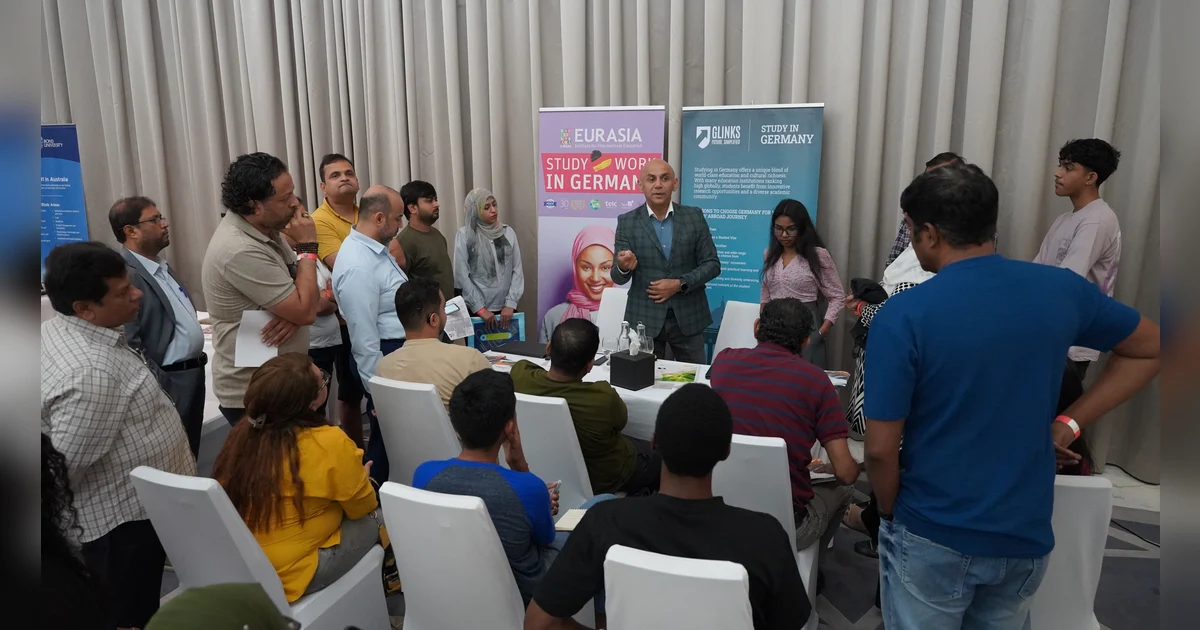
    Dubai is set to host the Glinks Pathfinder Education Fair 2026 this Saturday, January 31st, providing families with direct access to international education opportunities. The event will take place at the Millennium Plaza Downtown Hotel from 5:00 PM to 8:00 PM, offering personalized guidance for students considering overseas studies.

    Unlike digital research alone, this fair facilitates face-to-face interactions with official representatives from over 25 prestigious universities across the United Kingdom, Germany, Australia, and Canada. Participants can explore diverse academic disciplines including artificial intelligence, engineering, medical sciences, business administration, environmental studies, and creative arts.

    The initiative addresses the complex decision-making process surrounding international education, which typically involves evaluating academic compatibility, financial planning, and career prospects. Families will receive comprehensive information on admission criteria, scholarship opportunities, visa procedures, and post-graduate employment pathways.

    Prabhjeet Singh, Founder and CEO of Glinks International, emphasized the fair’s mission to replace uncertainty with concrete educational planning. ‘We designed this event to transform speculative research into actionable insights for families contemplating global education options,’ Singh stated.

    Prospective applicants will benefit from practical advantages including application fee waivers worth $150 for the 2026-2027 academic intake when applying to partner institutions during the event. The complimentary fair encourages early registration to ensure participants maximize their access to expert guidance and institutional comparisons.

    This gathering represents a significant opportunity for both students and parents to collaboratively plan educational journeys with verified information from source representatives, moving beyond digital research to personalized consultation.

  • Hunan scholar donates 104 artifacts documenting Japanese aggression

    Hunan scholar donates 104 artifacts documenting Japanese aggression

    In a significant contribution to historical preservation, Associate Professor Mao Chenghui from Central South University has donated a substantial collection of 104 artifacts documenting Japan’s wartime aggression against China to the Changsha History Museum of the Communist Party of China. The formal accession ceremony took place on Tuesday, marking an important addition to the museum’s historical archives.

    The collection, meticulously gathered by Professor Mao during his academic visits and personal travels overseas, contains historically significant items that provide tangible evidence of Japan’s military actions in China. Among the most notable artifacts is a dinner fork engraved with the inscription ‘Commemorating the Entry into Wuhan City’—a chilling reminder of the Japanese occupation during the Second Sino-Japanese War.

    Professor Mao’s decision to donate his personally acquired collection followed careful consideration of where these historical items would be most appropriately preserved and made accessible to the public. The Changsha History Museum, as an institution dedicated to documenting China’s modern history, provides an ideal repository for these artifacts that serve as material evidence of a crucial period in Sino-Japanese relations.

    The donation represents more than just a transfer of historical objects; it constitutes an important act of historical preservation that ensures future generations will have access to physical evidence documenting this difficult chapter in China’s history. Such artifacts play a vital role in historical education and maintaining collective memory of events that shaped modern China.

  • ‘Respect Canadian sovereignty’, Carney tells US officials after they meet Alberta separatists

    ‘Respect Canadian sovereignty’, Carney tells US officials after they meet Alberta separatists

    Canadian political leadership has united in condemning meetings between Alberta separatist groups and U.S. officials, framing the interactions as a violation of national sovereignty. Prime Minister Mark Carney and multiple provincial premiers have issued strong statements affirming Canada’s territorial integrity following reports that Alberta independence advocates held discussions in Washington regarding potential separation from Canada.

    The controversy emerged after Financial Times reports revealed that representatives from the Alberta Prosperity Project, a grassroots organization advocating for provincial independence, conducted multiple meetings with senior U.S. officials over the past year. Jeffrey Rath, co-founder of the separatist group, characterized these meetings as private “fact-finding” missions to explore feasibility studies for a potential $500 billion line of credit should Alberta pursue independence.

    Prime Minister Carney explicitly stated that Canada “expects the U.S. administration to respect Canadian sovereignty,” emphasizing his consistent position in communications with President Trump. The sentiment was echoed by Alberta Premier Danielle Smith, who asserted that discussions about the province’s “democratic process” should remain exclusively among Albertans and Canadians.

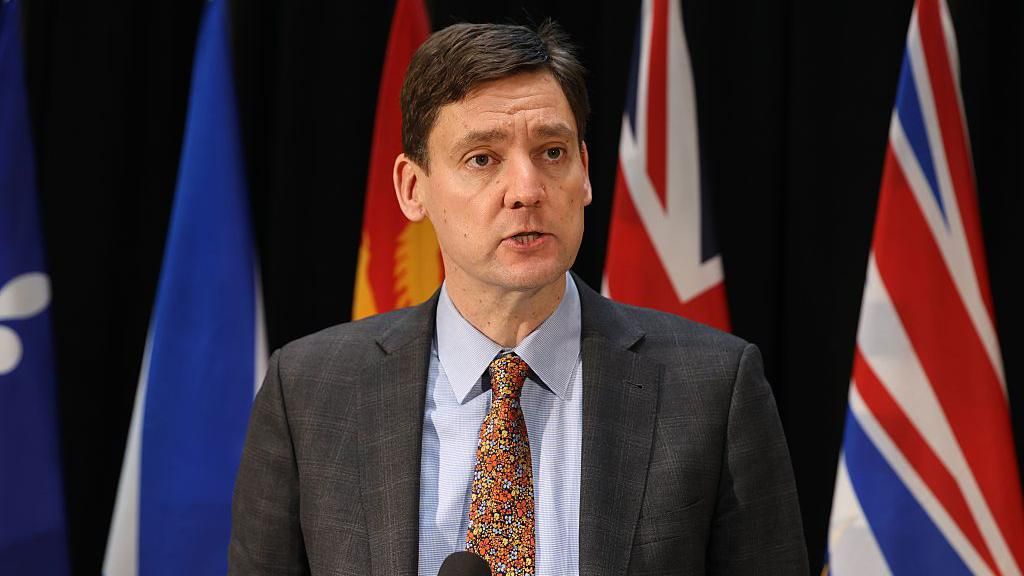
    The strongest condemnation came from British Columbia Premier David Eby, who labeled the separatists’ actions as “treason” for seeking foreign assistance in “breaking up Canada.” Rath dismissed Eby’s characterization as “stupid,” maintaining that his group was not soliciting funding but merely conducting feasibility research.

    The White House responded to inquiries by noting that administration officials routinely meet with various civil society groups but clarified that “no such support, or any other commitments, was conveyed” during these interactions.

    The political firestorm emerges against the backdrop of several significant developments: ongoing trade negotiations ahead of the US-Canada-Mexico free trade agreement review, Carney’s recent signing of an agreement enabling Alberta oil pipeline access to the Pacific (despite opposition from Eby), and continued frustration in Alberta over natural resource development constraints imposed by the federal government.

    While separatist sentiment has gained some traction, with approximately 30% of Albertans expressing willingness to begin separation proceedings according to Ipsos polling, approximately 20% of those supporters view such action as merely “symbolic” protest against political frustrations. A counter-petition advocating for a united Canada has gathered over 430,000 signatures, and New Brunswick Premier Susan Holt expressed confidence that “the majority of Albertans will demonstrate their love for this country.”

  • UAE President arrives in Moscow on official visit, meets Putin

    UAE President arrives in Moscow on official visit, meets Putin

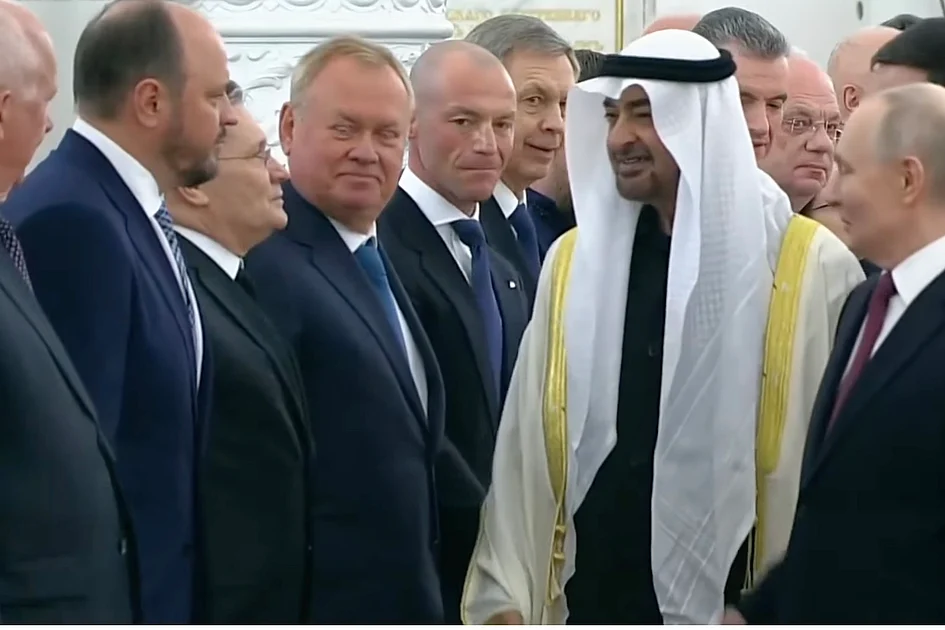
    In a significant diplomatic engagement, UAE President Sheikh Mohamed bin Zayed Al Nahyan commenced an official state visit to Moscow on January 29, 2026, marking a pivotal moment in Russo-Emirati relations. The presidential aircraft received a distinguished welcome upon entering Russian airspace, with military jet formations providing ceremonial escort in a display of mutual respect and diplomatic courtesy.

    The high-level delegation accompanying the UAE leader includes prominent figures such as Sheikh Hamed bin Zayed Al Nahyan, Managing Director of the Abu Dhabi Investment Authority; Sheikh Hamdan bin Mohamed bin Zayed Al Nahyan, Deputy Chairman of the Presidential Court for Special Affairs; and Sheikh Mohammed bin Hamad bin Tahnoon Al Nahyan, Advisor to the UAE President. The contingent also comprises various sheikhs, ministers, and senior government officials, underscoring the comprehensive nature of the bilateral discussions.

    This visit represents a continuation of strengthened diplomatic channels between the two nations, following recent exchanges that included Sheikh Mohamed hosting Russian President envoy Kirill Dmitriev. The timing and composition of the delegation suggest substantive dialogue on economic cooperation, energy policy, and regional security matters, with both nations playing crucial roles in global energy markets and Middle Eastern geopolitics.

    The ceremonial military escort protocol demonstrates the importance Moscow places on this diplomatic engagement, while the inclusion of economic and investment authorities in the delegation indicates potential discussions about bilateral trade, investment partnerships, and economic diversification initiatives. This meeting occurs against the backdrop of evolving global energy dynamics and shifting geopolitical alliances in the post-2020s era.

  • Indian rupee hits record low, RBI steps in to avert fall past 92 per dollar

    Indian rupee hits record low, RBI steps in to avert fall past 92 per dollar

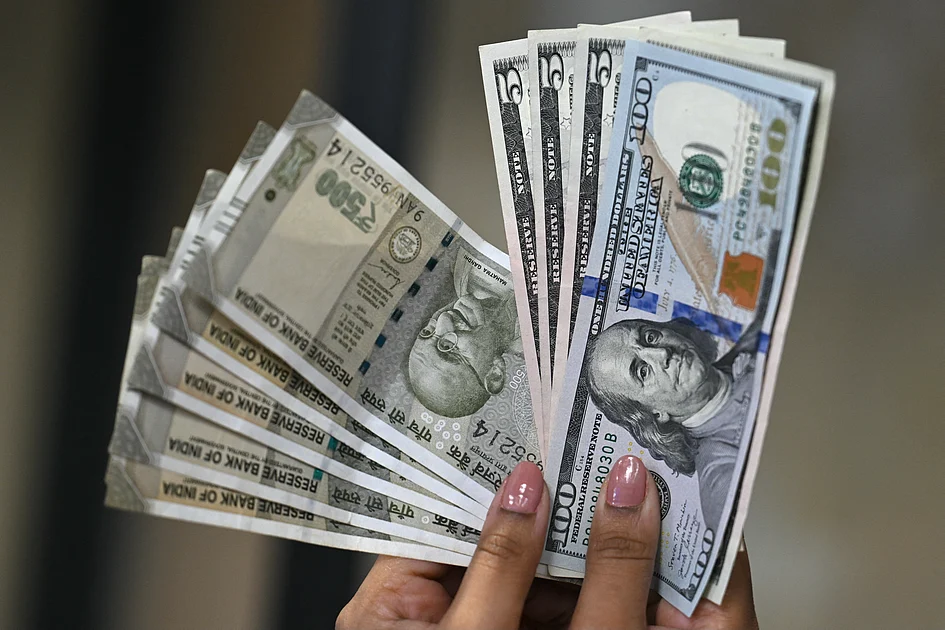
    The Indian rupee plunged to an unprecedented low against the US dollar on Thursday, January 29, 2026, driven by substantial dollar demand from corporate hedging activities and the maturation of non-deliverable forward positions. The currency closed at 91.9550 per dollar, marking a 0.2% decline from its previous session, after briefly touching 91.9850 during trading hours.

    The Reserve Bank of India (RBI) executed strategic interventions to prevent the rupee from breaching the psychologically critical threshold of 92 per dollar, according to market traders. This defensive action created a complex policy dilemma for the central bank, as its foreign exchange market operations effectively counteract its simultaneous efforts to enhance banking system liquidity.

    The currency’s weakness has generated ripple effects across India’s financial markets. Government bonds experienced downward pressure, while interest rate swaps markets showed significant strain. Overnight index swap rates have climbed to levels that anticipate monetary tightening, despite macroeconomic indicators suggesting no fundamental justification for such policy moves.

    This currency depreciation presents a puzzling contrast to India’s robust economic performance. Official government projections indicate growth between 6.8%-7.2% for the upcoming fiscal year beginning in April, representing only a modest deceleration from the current year’s 7.4% expansion. The government’s annual economic survey noted that the rupee’s valuation fails to accurately reflect the nation’s strong economic fundamentals, while acknowledging that currency depreciation could partially mitigate the impact of elevated US tariffs.

    Foreign investor apprehension continues to weigh heavily on Indian markets. January has witnessed net foreign equity outflows exceeding $4 billion, compounding the record $19 billion withdrawn throughout 2025. Market analysts attribute this capital flight to geopolitical uncertainties and diminished investor confidence. DBS Bank India projects further rupee weakness to 93-94 levels this year as inbound investment flows continue to diminish.

    Financial experts emphasize that a comprehensive trade agreement with the United States would significantly improve market sentiment toward Indian assets. However, the current geopolitical landscape complicates long-term growth projections for Asia’s third-largest economy.

  • Iran army adds 1,000 new drones, vows ‘crushing response’ to any invasion

    Iran army adds 1,000 new drones, vows ‘crushing response’ to any invasion

    In a significant military escalation, Iran’s armed forces have integrated 1,000 advanced drones into their combat regiments, according to state television reports from Thursday, January 29, 2026. This strategic enhancement coincides with mounting geopolitical tensions as United States naval forces position themselves in regional waters.

    Army Commander Amir Hatami declared the deployment aligns with Iran’s defensive doctrine against emerging threats, emphasizing preparedness for “rapid combat and a crushing response to any invasion.” The military expansion represents Tehran’s most visible demonstration of defensive capabilities since the latest phase of nuclear negotiations reached an impasse.

    Diplomatic channels remain active despite military posturing. Foreign Minister Abbas Araghchi articulated Iran’s conditional openness to nuclear negotiations through social media platform X, stating: “Iran has always welcomed a mutually beneficial, fair and equitable NUCLEAR DEAL—on equal footing, and free from coercion, threats, and intimidation.” He reiterated Iran’s longstanding position that its nuclear program serves exclusively peaceful purposes and research development.

    The diplomatic overture contrasts sharply with warnings from Ali Shamkani, senior adviser to Supreme Leader Ayatollah Ali Khamenei, who characterized any military action as “the start of war” promising “immediate, all-out and unprecedented” retaliation targeting Tel Aviv and allied nations.

    This complex landscape emerges against President Donald Trump’s declaration that time is diminishing for diplomatic resolution, while simultaneously acknowledging potential for revised nuclear agreements. Trump referenced a “massive armada” of naval vessels positioned for rapid response capabilities, though specifics regarding deployment locations remained undisclosed.

    The geopolitical standoff represents one of the most critical tests of nuclear diplomacy since the original Joint Comprehensive Plan of Action (JCPOA), with military assets mobilizing as diplomatic communications continue through unconventional channels.

  • Dubai RTA sets rules for installing parking shades in residential areas

    Dubai RTA sets rules for installing parking shades in residential areas

    Dubai’s Roads and Transport Authority (RTA) has established a comprehensive regulatory framework governing the installation of parking shades throughout residential areas, responding directly to community needs while maintaining the city’s architectural integrity. The newly implemented permit system introduces seven specific technical criteria that residents must follow when installing canopies over designated parking spaces.

    The regulations mandate that installations must not impede pedestrian pathways, compromise road safety, obstruct traffic signage, or interfere with subsurface utility infrastructure. All structures must adhere to RTA-approved specifications regarding design, materials, and color schemes. Specifically, canopy covers must feature desert-inspired tones, while supporting structures require construction from mild steel, aluminum, or light beige powder-coated materials to ensure both structural durability and aesthetic harmony with Dubai’s urban landscape.

    Notably, all installations must maintain a temporary character with foundation depths not exceeding 0.7 meters, ensuring stability during weather variations while allowing for eventual removal. The RTA retains the right to request shade removal for development projects, maintenance operations, or emergency situations. This initiative emerged from extensive community feedback gathered through customer councils and field visits, particularly addressing concerns regarding rising summer temperatures and increasing vehicle ownership in residential communities.

    The permit system will be administered through authorized contracting companies, applying exclusively to properly designated and reserved parking spaces. This balanced approach aims to enhance quality of life by providing protection from extreme heat while preserving Dubai’s distinctive visual identity and ensuring public safety.

  • Ex-Nigerian oil minister did not take bribes from industry insiders, court told

    Ex-Nigerian oil minister did not take bribes from industry insiders, court told

    In a dramatic turn at Southwark Crown Court, the defense team for former Nigerian Oil Minister Diezani Alison-Madueke presented a comprehensive rebuttal against corruption allegations that have spanned nearly a decade. Jonathan Laidlaw KC, representing Alison-Madueke, articulated that the substantial expenditures on UK properties and luxury items attributed to her were fully reimbursed through legitimate channels in Nigeria.

    The court heard how Nigeria’s banking regulations prohibit ministers from maintaining overseas accounts, creating circumstances where third parties necessarily facilitated transactions that were subsequently settled domestically. Laidlaw emphasized: “Those who paid the bills were paid back, in Nigeria. She did not request or receive any financial advantage from these individuals.”

    Alison-Madueke, who served as Nigeria’s petroleum resources minister from 2010 to 2015—a position described as second only to the presidency in ministerial hierarchy—faces five counts of bribery acceptance and one count of conspiracy to commit bribery. The defense highlighted significant procedural concerns, including an eight-year gap between her 2015 arrest during cancer treatment in London and the 2023 formal charges.

    The defense argued this delay has fundamentally compromised the trial’s fairness, noting that critical financial records in Abuja have disappeared and that the businessmen allegedly involved in the purported bribery scheme remain at liberty worldwide without facing extradition attempts. “Through no fault of her own,” Laidlaw stated, “she doesn’t have available to her the material that supports her defense.”

    Co-defendants include oil executive Olatimbo Ayinde, who denies separate bribery charges, and Alison-Madueke’s brother, former bishop Doye Agama, who contests conspiracy allegations. The trial continues as the court examines one of Nigeria’s most high-profile corruption cases.

  • Jebel Jais to reopen on January 31 after rain-related closures

    Jebel Jais to reopen on January 31 after rain-related closures

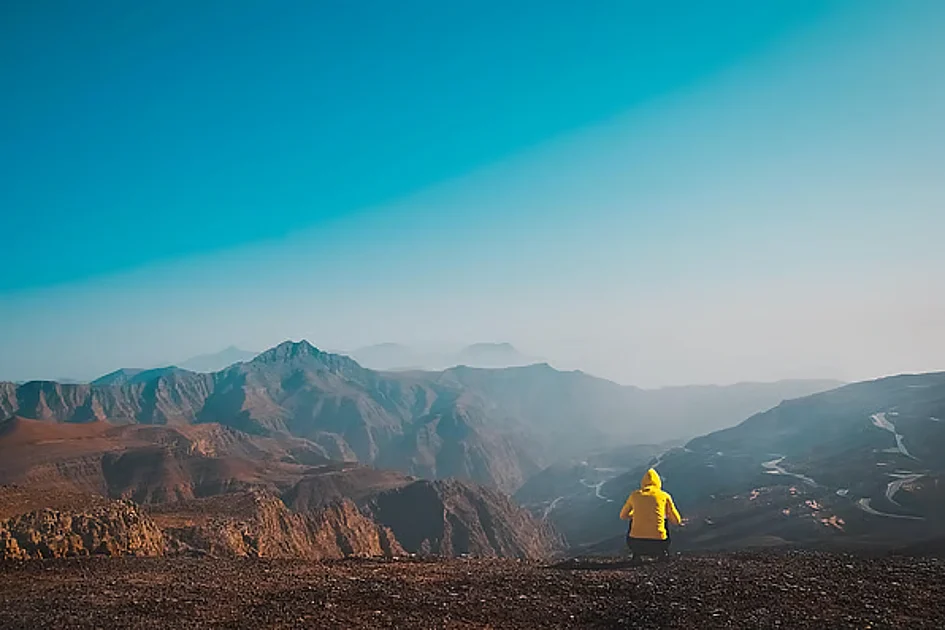
    RAS AL KHAIMAH — Jebel Jais, the UAE’s premier mountain destination, has confirmed its comprehensive reopening strategy following extensive safety assessments and maintenance triggered by adverse weather conditions in December 2025. The iconic attraction will commence operations on Saturday, January 31, 2026, implementing a carefully structured phased approach to ensure visitor safety.

    Authorities revealed that persistent rainfall between December 17-19, 2025, resulted in significant water accumulation across various sections of the mountain terrain, necessitating targeted remediation efforts. Specialist teams conducted thorough inspections and implemented essential maintenance protocols, including temporary road closures, to address safety concerns arising from shifting rocks and slippery pathways.

    The reopening schedule features staggered operational resumptions for individual attractions: The renowned Jais Flight zip line will resume operations on January 31, while the Jais Sky Tour experience is scheduled to recommence on February 7. The 1484 by Puro restaurant will welcome guests from January 31, though Red Rock attractions will remain temporarily closed. Notably, the Bear Grylls Explorers Camp has already resumed operations after a brief weather-related closure.

    Visitor guidelines have been enhanced, with authorities mandating advanced bookings for activities and dining experiences. Alternatively, guests may purchase viewing deck park tickets priced at Dh10 for access to hiking trails, cycling paths, and leisure areas. Officials continue to advise against wadi camping during unsettled weather patterns and urge extreme caution when navigating affected routes.

    This systematic reopening demonstrates the UAE’s commitment to maintaining world-class safety standards at its natural attractions while ensuring minimal disruption to visitor experiences following exceptional weather events.