博客

  • Trump reportedly wants to seize Iran’s Kharg Island. He floated the idea 40 years ago

    Trump reportedly wants to seize Iran’s Kharg Island. He floated the idea 40 years ago

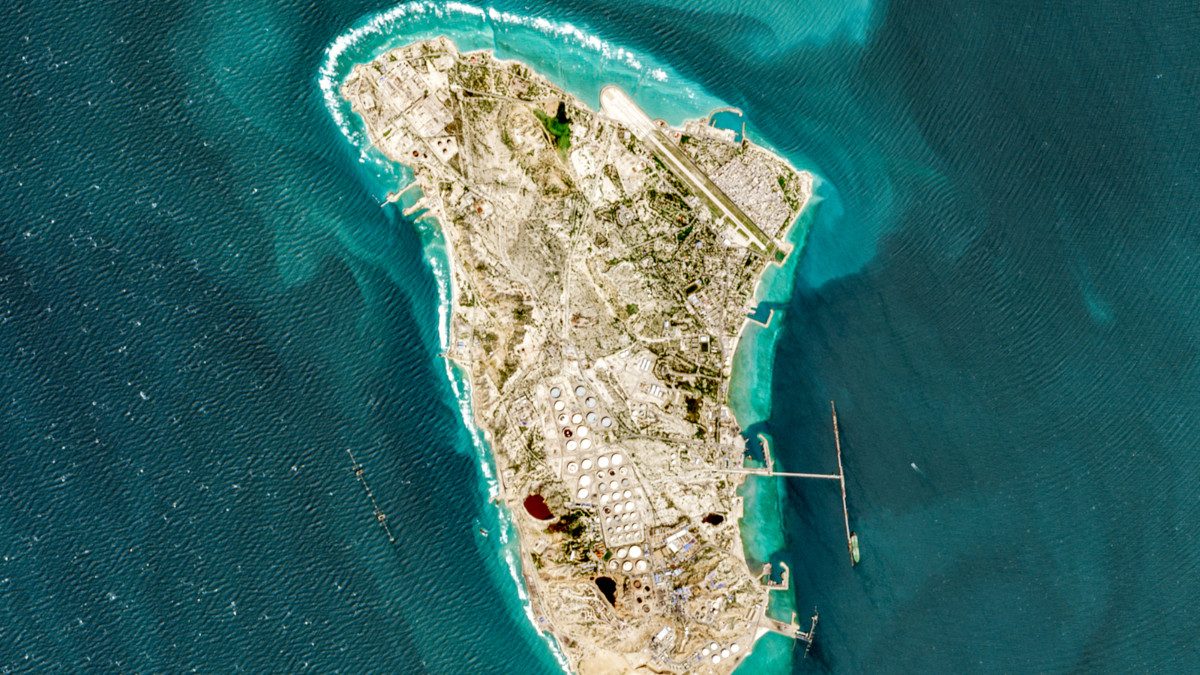
    A recently resurfaced 1988 interview with then-businessman Donald Trump reveals his early consideration of military action against Iran’s critical Kharg Island oil terminal. Speaking to The Guardian, Trump articulated a confrontational approach toward Iran, stating he would “be harsh on Iran” and proposing to “go in and take” Kharg Island in response to any provocation against US assets.

    This historical perspective gains contemporary significance as recent reports from Axios indicate that US and Israeli officials have recently discussed the possibility of seizing this strategic facility, which handles approximately 90% of Iran’s crude oil exports. The parallel between Trump’s 1988 comments and current deliberations highlights remarkable consistency in his strategic thinking regarding Iran.

    The context of Trump’s original remarks was the brutal Iran-Iraq War (1980-1988), which resulted in approximately 500,000 casualties. During this period, the US Navy was actively escorting vessels through the strategically vital Strait of Hormuz and conducting operations against Iranian oil infrastructure and naval mines.

    Trump’s adversarial stance toward Iran appears rooted in the 1979 Iranian Revolution, which overthrew US-backed Shah Mohammad Reza Pahlavi and established the Islamic Republic. The subsequent 444-day hostage crisis, where 52 American diplomats were held captive in Tehran, profoundly shaped the perceptions of many Americans of Trump’s generation.

    Despite this confrontational posture, historical records reveal a more complex US-Iran relationship. During the Iran-Iraq War, the United States and Israel actually sold weapons to Iran, perceiving Saddam Hussein’s secular Iraqi government as a greater threat than the Islamic Republic. Some of these transactions became part of the controversial Iran-Contra affair, where proceeds were illegally diverted to support anti-communist rebels in Nicaragua.

    The potential closure of the Strait of Hormuz, through which approximately 20% of global oil and natural gas supplies transit, represents a significant threat to energy markets. Recent reports indicate that Iran continued loading operations at Kharg Island even after the initiation of US-Israeli military actions, though current operational status remains unclear.
  • ‘Investing in people’: Can China’s new push to boost spending revive the economy?

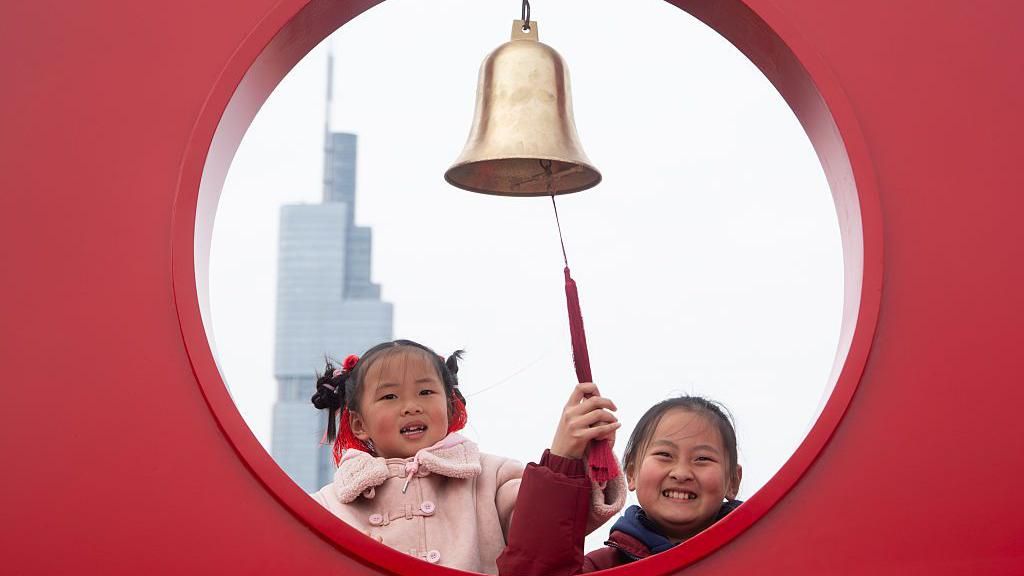
    ‘Investing in people’: Can China’s new push to boost spending revive the economy?

    In a significant strategic shift, Chinese policymakers are fundamentally reorienting the nation’s economic approach by prioritizing domestic consumption over traditional investment-driven models. This recalibration emerged as the centerpiece of discussions during Beijing’s pivotal Two Sessions meetings, where officials established a modest 4.5%-5% growth target—the most conservative benchmark since 1991.

    The new paradigm represents a substantial departure from decades of reliance on state-directed infrastructure projects, export manufacturing, and property development. Instead, authorities are implementing measures designed to bolster household spending through enhanced social welfare protections. Key initiatives include expanding elderly care services, enforcing paid annual leave mandates, and providing increased support for child-rearing families.

    Central to this transformation is the newly proposed ‘urban-rural resident income growth plan,’ which aims to simultaneously increase disposable incomes while addressing persistent wealth disparities. Officials characterize this approach as ‘investing in people’—a philosophy premised on the notion that financial security regarding healthcare, retirement, and family expenses will naturally stimulate consumer activity.

    This consumption-focused strategy unfolds alongside China’s continued commitment to technological advancement, with the upcoming 15th Five-Year Plan emphasizing artificial intelligence integration and advanced manufacturing capabilities. However, growing global protectionism and weakening international demand have diminished the reliability of export-oriented growth models.

    Premier Li Qiang acknowledged the formidable challenges in his government work report, noting ‘the imbalance between strong supply and weak demand is acute.’ Economic data underscores this assessment: household consumption constitutes approximately 40% of GDP—significantly below the 55% global average and 60% typical in advanced economies.

    Early indicators reveal both promise and limitations in stimulus effectiveness. During the recent Spring Festival holiday, government-distributed vouchers generated a 19% increase in travel revenue, yet average traveler expenditures declined and cinema revenues plummeted—suggesting persistent consumer caution.

    The property market downturn presents particularly complex challenges. Real estate previously accounted for nearly one-quarter of economic activity through direct and ancillary industries, while simultaneously functioning as the primary wealth storage mechanism for Chinese households. With home values declining significantly since 2021, the reverse wealth effect has suppressed consumer confidence and spending propensity.

    Online discourse reflects public skepticism regarding the new policies. Social media platforms feature debates about whether paid leave initiatives genuinely benefit workers or simply function as spending incentives. Many users emphasize that comprehensive labor protections and income stability must precede expectations regarding marriage and childbirth decisions.

    Demographic pressures compound these economic transitions, with declining birth rates, elevated youth unemployment, and deflationary trends creating additional headwinds. Most analysts anticipate a gradual transition toward consumption-led growth, noting that current frameworks appear designed to stabilize rather than dramatically increase consumer spending’s economic share.

    As China enters this new developmental phase, its economic resilience will increasingly depend on psychological factors—specifically, whether households feel sufficiently secure to spend, form families, and ultimately power the consumer economy that Beijing now envisions as its sustainable growth engine.

  • Iran’s MEK plots a US-backed path to power from exile in Albania

    Iran’s MEK plots a US-backed path to power from exile in Albania

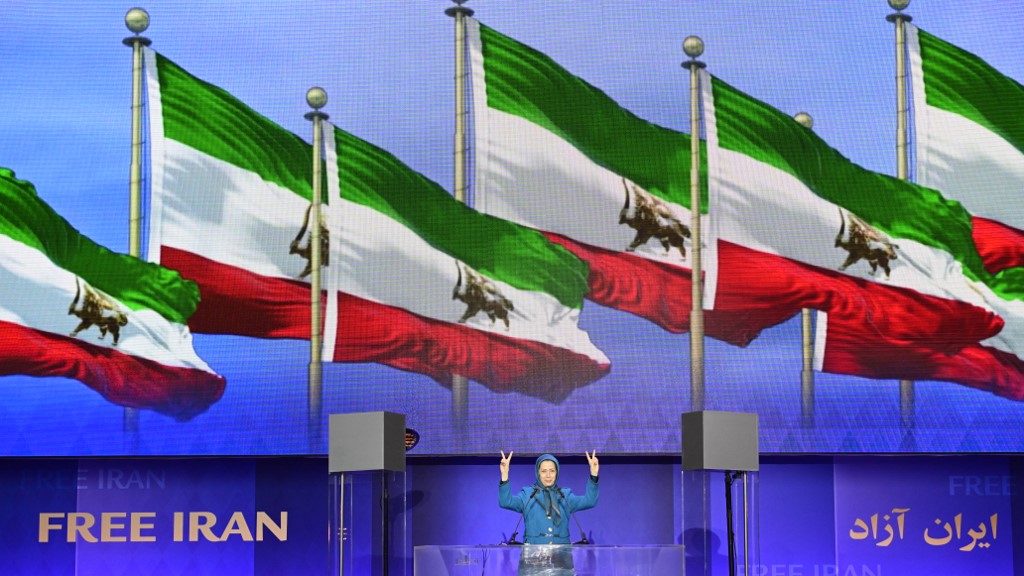
    Amidst escalating military actions against Iran initiated by Israel and the United States on February 28th, the Mujahedin-e Khalq (MEK) – an opposition group long marginalized in exile – has launched a strategic maneuver to position itself as a viable alternative to Tehran’s Islamic Republic.

    The organization’s 72-year-old leader, Maryam Rajavi, proclaimed the establishment of a provisional government tasked with overseeing the transition to a democratic republic under her leadership. This declaration comes as the group, which maintains approximately 3,000 members in a fortified Albanian compound near Tirana, seeks relevance in a conflict that has suddenly created political opportunities.

    Originally founded as an Islamist-Marxist student militia during the 1960s, the MEK has undergone significant ideological transformation. The group relocated to Albania’s Manze village in 2013 following a Washington-brokered agreement that resettled members previously based in Iraq. Despite its current marginalization, the MEK played a substantial role in the 1979 revolution before being suppressed by Ayatollah Khomeini’s regime.

    The organization’s relationship with Western powers has been complex and controversial. Designated as a terrorist organization by the U.S. in 1997, the MEK successfully lobbied for removal from the list in 2012. The group gained international attention in 2002 when it exposed Iran’s previously concealed uranium-enrichment program, demonstrating its intelligence capabilities.

    Analysts remain skeptical about the MEK’s domestic appeal. Professor Thomas Juneau of the University of Ottawa characterizes the group as “a thuggish and corrupt cult that is unpopular inside Iran.” Similarly, Iran expert Sajjad Safaei notes that the MEK’s utility to foreign powers stems precisely from its lack of political future within Iran, making it an ideal instrument for external interests.

    The organization maintains sophisticated infrastructure in Albania, including media rooms and communication centers that monitor Iranian developments and distribute content online. This operational capacity, combined with an extensive lobbying network in Washington, has enabled the MEK to cultivate support among prominent Western politicians. Financial disclosures reveal substantial speaking fees paid to figures including Mike Pence ($190,000), John Bolton ($40,000), and numerous other former officials from the U.S. and Europe.

    As speculation about regime change intensifies, tensions have emerged within the exiled Iranian opposition community. Rudy Giuliani, a prominent MEK ally, recently attacked Reza Pahlavi on social media, highlighting the fractious nature of the opposition movement. Despite these developments, Washington has maintained caution regarding official endorsement, recognizing the potential consequences of supporting groups with limited domestic legitimacy.

  • Engineers ‘working their guts out’ to get Darwin Dam back online, Treasurer declares

    Engineers ‘working their guts out’ to get Darwin Dam back online, Treasurer declares

    Northern Territory officials are confronting a dual crisis of severe flooding and critical infrastructure failure after wild storms forced Darwin’s primary dam offline on Tuesday. The incident triggered an immediate precautionary boil water alert for the capital city, sending engineers into around-the-clock emergency response operations.

    Treasurer Bill Yan provided a vivid, colloquial assessment of the challenging conditions at the dam site, where crews worked through the night to restore functionality. “The road coming into this place is garbage,” Yan stated during his midnight inspection. “There’s a team out there now working their arses off to fix that road to get another generator in tonight.”

    Despite partial restoration progress achieved by 9:15pm Tuesday, authorities emphasized that water restrictions remain strictly in effect. Yan specifically cautioned residents against complacency: “Just because we’ve got the pumps back online doesn’t give everybody a free-for-all. Be careful with your water, use it wisely.”

    Dam administrators reported completing an alternative access road to transport heavy machinery to the site. Three additional generators are en route to support restoration efforts, with safety protocols remaining paramount during the complex operation.

    The crisis extends beyond Darwin, with the town of Katherine implementing innovative educational continuity measures. Pop-up schools opened Wednesday morning to provide “safe supervision” and learning stability for children affected by widespread flooding. These temporary facilities operate from 8:14am to 2:45pm with modified staffing arrangements, requiring families to handle transportation amid suspended bus services.

    Meanwhile in Queensland, Bundaberg residents faced their own flooding emergency as the Burnett River approached its predicted peak of 20.6 meters. Local resident Luke Johnston became an informal crisis communicator, providing real-time flood updates via social media throughout the night. The regional council officially isolated the town Tuesday afternoon by closing bridge access points.

    Meteorologist Jonathan How from the Bureau of Meteorology indicated the river showed signs of approaching its maximum level Wednesday morning, noting that upstream areas had already peaked, providing some predictive confidence despite widespread regional impacts.

  • Hereditary peers to be removed from Lords as bill passes

    Hereditary peers to be removed from Lords as bill passes

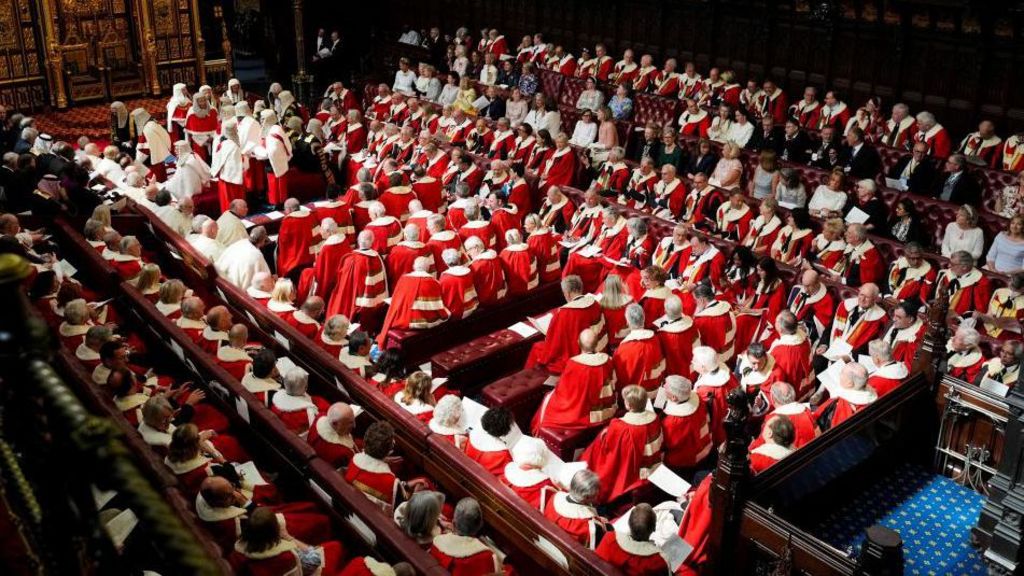
    The British Parliament has enacted landmark legislation that will remove all remaining hereditary peers from the House of Lords, concluding a constitutional reform process that began over two decades ago. The House of Lords (Hereditary Peers) Bill received parliamentary approval following a compromise agreement between the government and Conservative opponents.

    This legislation eliminates the final 92 hereditary positions that had survived the initial 1999 reforms under Prime Minister Tony Blair’s Labour government. Baroness Smith, Lords Leader, characterized the move as fulfilling Labour’s manifesto commitment to eliminate inherited parliamentary privilege, stating: ‘This has never been about the contribution of individuals but the underlying principle that no-one should sit in our Parliament by way of an inherited title.’

    The breakthrough came after ministers offered significant concessions to secure Conservative support. The agreement provides for the creation of 15 life peerages for Conservative hereditary members, allowing them to remain in the upper chamber. Additionally, the government plans to increase the number of paid ministerial positions in the Lords and is considering further reforms including potential retirement age requirements and minimum participation standards.

    Lord True, Conservative leader in the Lords, acknowledged the government’s mandate while characterizing the compromise as ‘a bitter pill for some on his side to swallow.’ The transition will occur when the current parliamentary session concludes, expected in May.

    The Earl of Devon, one of the departing hereditary peers whose family has held a seat for 900 years, expressed regret over the decision, noting that Parliament and the public ‘will miss us.’ Meanwhile, electoral reform advocates celebrated the change. Dr. Jess Garland of the Electoral Reform Society stated: ‘No part of Parliament should be a gated community from which the public are excluded.’

    This reform represents the culmination of a process that began in 1999 when Blair described the hereditary system as an ‘anachronism’ and removed over 600 hereditary peers, leaving the remaining 92 as a temporary measure that persisted for 25 years.

  • A 1,300-pound Nasa spacecraft to re-enter Earth’s atmosphere

    A 1,300-pound Nasa spacecraft to re-enter Earth’s atmosphere

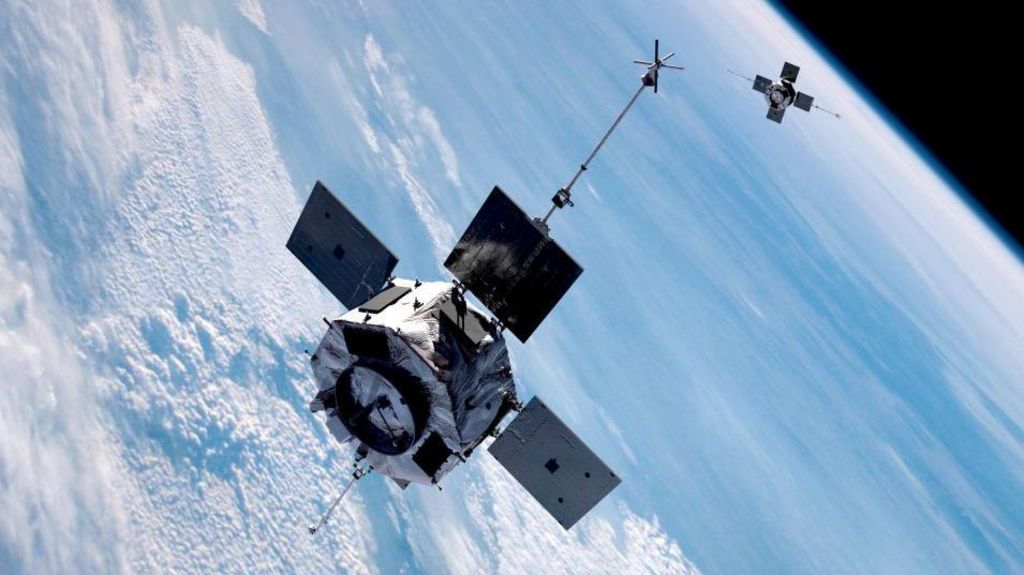
    A retired NASA spacecraft is making its final descent toward Earth’s atmosphere nearly 14 years after its landmark launch. The Van Allen Probe A, weighing approximately 1,300 pounds (600 kg), is projected to re-enter atmospheric boundaries around 19:45 EST (00:45 GMT) on Tuesday, according to coordinated predictions from NASA and the U.S. Space Force.

    The space agency emphasizes that while precise timing carries a 24-hour uncertainty window, the vast majority of the spacecraft will disintegrate during atmospheric transit. NASA’s risk assessment indicates minimal danger to Earth’s population, calculating approximately a 1 in 4,200 chance of injury from surviving components—a probability characterized as ‘low risk’ by space debris standards.

    Originally designed for a two-year operational lifespan, the twin Van Allen Probes (A and B) dramatically exceeded expectations by collecting unprecedented scientific data for nearly seven years. The mission concluded in 2019 when both spacecraft exhausted their fuel reserves and could no longer maintain proper solar orientation.

    From 2012 through 2019, these pioneering probes conducted detailed measurements of Earth’s Van Allen radiation belts—concentric rings of charged particles held by the planet’s magnetic field. These natural barriers provide critical protection against cosmic radiation, solar storms, and solar wind emissions that pose threats to both human health and technological infrastructure.

    The mission yielded several groundbreaking discoveries, including the first documented evidence of a transient third radiation belt that forms during periods of intense solar activity. This finding significantly advanced scientific understanding of space weather dynamics and their effects on Earth’s magnetosphere.

    While Van Allen Probe A completes its final journey, its identical twin remains in orbit and is not expected to re-enter Earth’s atmosphere before 2030. NASA and Space Force personnel continue to monitor the descending spacecraft and will provide updated trajectory predictions as new data becomes available.

  • ASX faces more wild trading as plunging oil prices clash with rate hike fears

    ASX faces more wild trading as plunging oil prices clash with rate hike fears

    Financial markets are navigating a period of heightened turbulence as leading economists project the Reserve Bank of Australia (RBA) will implement consecutive interest rate increases in March and May. This forecast emerges amidst significant commodity price fluctuations and persistent inflationary pressures.

    The Australian Securities Exchange (ASX) experienced another volatile trading session Wednesday, with the ASX 200 gaining 26.7 points (0.31%) to reach 8719.30 points by mid-morning. This movement follows two days of dramatic swings, including Monday’s sensational 4.4% plunge followed by a partial recovery that limited losses to 2.85% at closing, and Tuesday’s 1.1% rebound.

    Market instability continues as investors assess the complex interplay between energy markets and monetary policy. Despite recent declines in oil prices, economists warn that underlying inflation risks remain substantial. West Texas Intermediate futures plummeted nearly 12% to settle at $83.45 per barrel, while Brent crude dropped over 11% to $87.80 per barrel, reflecting hopes that world leaders might release strategic reserves.

    Abhijit Surya, Senior APAC Economist at Capital Economics, emphasized that conditions for sustained inflation acceleration existed even before recent geopolitical tensions. ‘With the spike in energy prices adding further pressure, the risk is that the bank will fall further behind the curve if it doesn’t act decisively to tighten policy,’ Surya stated.

    Echoing this assessment, Bank of America’s head of Australia and New Zealand economics Nick Stenner noted that Middle East oil dynamics introduce ‘material’ upside inflation risks. ‘Given above-target inflation and a tight labour market, we see no compelling reason to delay the inevitable,’ Stenner commented.

    The convergence of energy market volatility, persistent inflation concerns, and anticipated monetary policy responses continues to create challenging conditions for Australian investors navigating uncertain financial markets.

  • 2 more members of the Iranian women’s soccer team have been granted asylum in Australia

    2 more members of the Iranian women’s soccer team have been granted asylum in Australia

    CANBERRA, Australia — Australia has granted humanitarian protection to seven members of Iran’s women’s football delegation, with two additional individuals receiving asylum just hours before their teammates departed for Tehran. The developments occurred amid emotional protests and safety concerns for the athletes returning to a nation in conflict.

    Australian Home Affairs Minister Tony Burke confirmed Wednesday that a player and a staff member were granted protection after seeking asylum prior to the team’s airport transfer. They have since reunited with five teammates who received humanitarian visas the previous day.

    The departure from Sydney late Tuesday local time unfolded amidst tense demonstrations at both the team hotel and airport, where Iranian-Australian protesters attempted to prevent the women’s return, citing grave concerns about their safety in Iran.

    Minister Burke detailed the carefully orchestrated asylum process, explaining that each team member was individually interviewed by Australian officials with interpreter assistance at the border checkpoint, without minders present. During these private sessions, athletes were offered asylum and provided opportunity to consult family members in Iran before making their final decisions.

    “They were given a choice,” Burke emphasized. “In that situation what we made sure of was that there was no rushing, there was no pressure.”

    Those granted protection received temporary humanitarian visas with pathways to permanent residency. Burke noted that some delegation members were ineligible for asylum due to connections with Iran’s paramilitary Revolutionary Guard.

    The team had originally arrived in Australia for the Women’s Asian Cup last month, prior to the outbreak of conflict in Iran on February 28. Their elimination from the tournament over the weekend coincided with increasing concerns about returning to a nation under bombardment.

    The Iranian squad gained significant attention in Australia when players initially declined to sing the national anthem during their first match, though they later participated in anthem ceremonies during subsequent games. Iranian community groups in Australia had urged government intervention to prevent the team’s return.

    Burke defended Australia’s approach, stating: “Australia’s objective here was not to force people to make a particular decision. We’re not that sort of nation.” The minister acknowledged that local police would review footage appearing to show one athlete being escorted by teammates to the team bus.

    Despite the departure of most team members, those remaining in Australia have received warm welcomes, with Brisbane’s premier football club inviting the asylum-seeking players to train with their organization.

  • Beijing-Pyongyang passenger rail service to resume Thursday

    Beijing-Pyongyang passenger rail service to resume Thursday

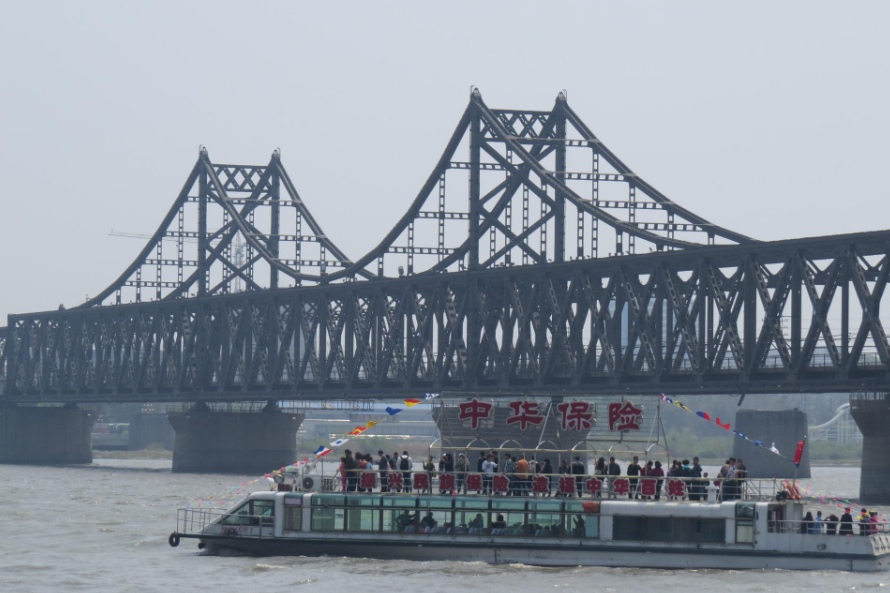
    In a significant development for cross-border connectivity, China will reinstate international passenger rail services linking Beijing and Pyongyang starting Thursday, March 12, 2026. The restoration, announced by China State Railway Group, marks a pivotal step in revitalizing transportation networks between the neighboring nations after a prolonged suspension.

    The relaunched service will operate on a structured schedule, with Beijing-Pyongyang trains running four times weekly (Mondays, Wednesdays, Thursdays, and Saturdays) in both directions. Simultaneously, the Dandong-Pyongyang route will maintain daily operations, enhancing accessibility for border communities. The complete journey from China’s capital to North Korea’s capital will require approximately 23 hours and 41 minutes, with customs and immigration procedures conducted at Dandong (China) and Sinuiju (DPRK) stations.

    Foreign Ministry spokesman Guo Jiakun emphasized the diplomatic significance of this restoration, noting that maintaining regular passenger train operations constitutes an essential facility for bilateral relations. ‘China and the DPRK are friendly neighbors,’ Guo stated during Tuesday’s regular press briefing. ‘This resumption will substantially improve travel convenience and foster stronger economic cooperation and people-to-people exchanges between our nations.’

    Ticket sales have commenced through designated offline channels, though official pricing structures remain undisclosed. For northbound travel, passengers may purchase tickets at international railway ticket offices in Beijing, Tianjin, Shanhaiguan, Shenyang, and Dandong. Southbound travelers departing from Pyongyang can obtain tickets at the Pyongyang Railway Station ticket office.

    The Chinese railway operator confirmed that passenger services will be available at multiple stations including Beijing, Tianjin, Shanhaiguan, Shenyang, and Dandong on the Chinese side, with corresponding services at Pyongyang and Sinuiju stations in North Korea. Inquiry hotlines have been established for both routes: 010-65120503/65020507 for Beijing-Pyongyang services and 0415-2391555 for Dandong-Pyongyang operations.

  • 6 people killed, 3 hospitalized with severe injuries after bus catches fire west of Swiss capital

    6 people killed, 3 hospitalized with severe injuries after bus catches fire west of Swiss capital

    A catastrophic bus fire in the Swiss town of Kerzers has resulted in at least six fatalities, with three additional individuals sustaining severe injuries and requiring emergency hospitalization. The tragic incident occurred on Tuesday evening approximately 25 kilometers west of the national capital, Bern.

    Authorities from the Fribourg canton police force, represented by spokesperson Frederic Papaux, have indicated that a deliberate act is under consideration as a potential cause for the devastating blaze. The regional transport vehicle, operated by PostBus—a subsidiary of the national postal service—was completely consumed by flames, as evidenced by dramatic imagery broadcast across Swiss media outlets.

    Emergency response teams arriving at the scene confronted a fully engulfed vehicle, according to an official statement released by the regional government. The intensity of the fire complicated initial rescue efforts. Medical personnel, including ambulance and helicopter crews, evacuated three critically injured passengers to nearby medical facilities. Two other individuals received immediate treatment on-site for their injuries.

    Law enforcement officials have confirmed the initiation of a comprehensive investigation to determine the precise origins of the fire. The probe will meticulously examine all evidence to verify the possibility of a voluntary act leading to the inferno. The community of Kerzers and the broader Fribourg region are confronting the aftermath of one of the most severe transport-related tragedies in recent Swiss history.