博客

  • William and Harry: Britain’s warring royal brothers

    William and Harry: Britain’s warring royal brothers

    For decades, Princes William and Harry have been bound by shared grief and public scrutiny, but decades after the tragic death of their mother, Princess Diana, their once-close brotherly bond has fractured into an open rift that has left the British royal family and the world watching closely. Now, as Prince Harry, Duke of Sussex, prepares to travel back to the United Kingdom in the coming weeks alongside his wife Meghan Markle and their two young children, all attention is turning to whether the estranged siblings can finally begin to repair their broken relationship.

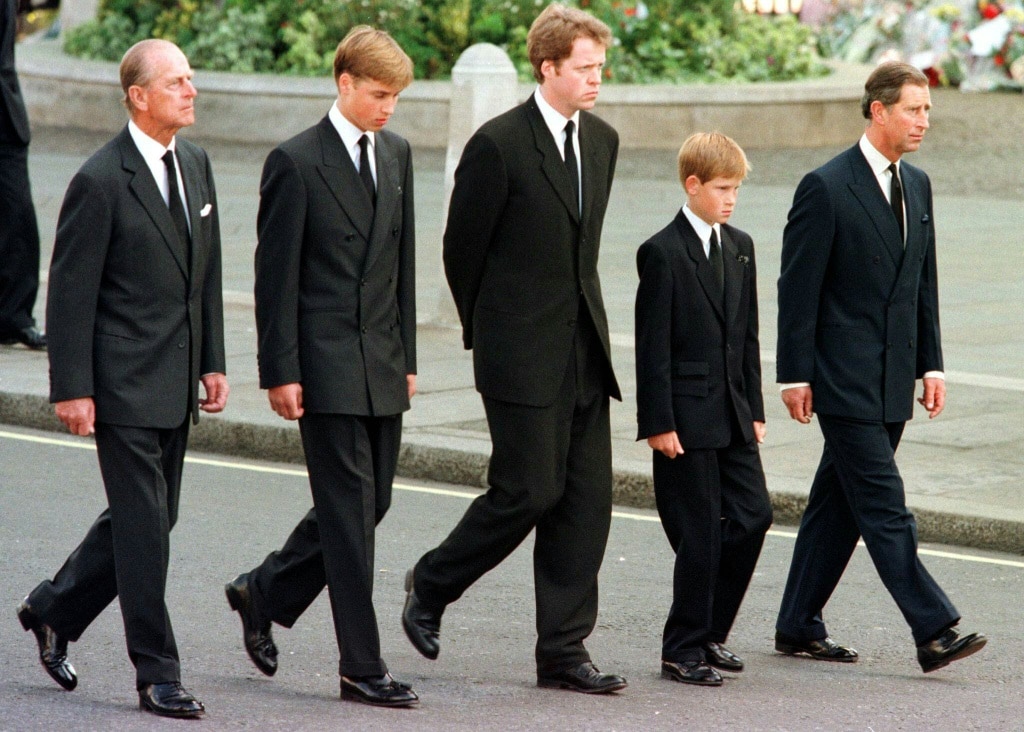
    The story of William and Harry’s falling out traces back to their shared childhood trauma. When Diana died in a 1997 car crash, the two boys – then 15 and 12 years old – walked behind her coffin through silent London streets, capturing the heart of a nation that mourned alongside them. Before her death, Diana had made her two beloved sons promise to always stand by each other. But almost 30 years after her passing, the brothers are no longer on speaking terms. Their last public appearance together came in September 2022, when they gathered for the funeral of their grandmother, Queen Elizabeth II.

    From early childhood, the pair was defined by their roles: William, the 44-year-old heir to the British throne, was framed as steady and charming, while 41-year-old Harry was cast as the charming, roguish spare – a label Harry would later center in his explosive 2023 autobiography. For years, their relationship remained warm: when William met Catherine Middleton at university, Harry famously welcomed her as the sister he had always wanted, and the three were often seen together in public. But the dynamic shifted dramatically when Harry introduced Meghan Markle, a divorced American former actress three years his senior, to William in 2016. According to Harry’s account in *Spare*, William’s reaction was cold, with the elder prince advising Harry against rushing into a relationship with Meghan.

    After Harry and Meghan’s 2018 wedding, the two royal couples were initially branded the “Fab Four” by the press, but tensions quickly bubbled to the surface. Harry accused William of failing to support Meghan as she adjusted to life within the rigid structures of the royal family, while tabloid outlets stoked rivalry by pitting Catherine, the beloved, refined Princess of Wales, against Meghan, framed as an unpredictable outsider. By late 2019, the rift was too big to hide: Harry acknowledged publicly in a television interview that he and his brother had gone down “different paths.” In early 2020, Harry and Meghan stepped back from their senior royal roles, eventually relocating to Montecito, California, where Harry remains in self-imposed exile.

    The gulf between the brothers only widened after two high-profile public revelations from the Sussexes. First, in a 2021 explosive interview with Oprah Winfrey, the couple leveled a series of damaging accusations against the royal family, including claims of institutional racism, and Harry claimed William only chose Catherine because she fit the narrow mold of a royal wife. Then, in 2023, Harry’s autobiography *Spare* went even further, alleging that William had physically attacked him during an argument over Meghan, and describing William as both his “beloved brother” and his “arch-nemesis.” Harry wrote that he had always been cast as the backup: “I was the shadow, the support. I was brought into the world in case something happened to Willy.”

    Even the February 2024 announcement that King Charles III – William and Harry’s father – had been diagnosed with cancer and was undergoing treatment failed to bring the brothers back together. In a emotional February 2025 BBC interview, a visibly distressed Harry opened up about the rift, admitting that some members of his family will never forgive him for publishing his memoir. “Of course some members of my family will never forgive me for writing a book,” he told the outlet. Still, he added, “I would love for reconciliation.” Harry also shared that he misses the UK, and confirmed that he and Meghan had a private meeting with Charles and Queen Camilla in July, which marked the first time their children – 7-year-old Archie and 5-year-old Lilibet – had seen their grandfather since 2022. But even that private family meeting did not bridge the gap between the two brothers, and the distance between William in the UK and Harry in California has only deepened the rift.

    Now, with Harry’s upcoming visit, royal experts have differing views on the likelihood of reconciliation. Royal commentator Richard Fitzwilliams told AFP he believes William will be deeply unhappy about Harry’s return, and is firmly opposed to any mending of ties. “I think William would be adamantly opposed to this. Because there is a very deep rift,” Fitzwilliams said. “He feels Harry has betrayed him. He’s made that clear.”

    But royal historian Ed Owens argues that reconciliation is in the best interest of both Charles and William, especially as William prepares to one day take the throne. When William becomes king and head of the Church of England, forgiving his brother will be a core Christian duty, Owens noted. “I expect it will take some time,” Owens said. But he added that William would ultimately choose to reconcile, which would allow him to project an image of benevolence and magnanimity to the public.

    As the world waits for Harry’s arrival, the question remains: will the brothers finally keep the promise they made to their mother nearly 30 years ago, or will their deep-seated anger and hurt keep them apart forever?

  • US vows to ‘collapse’ Iran with new sanctions as energy prices spike

    US vows to ‘collapse’ Iran with new sanctions as energy prices spike

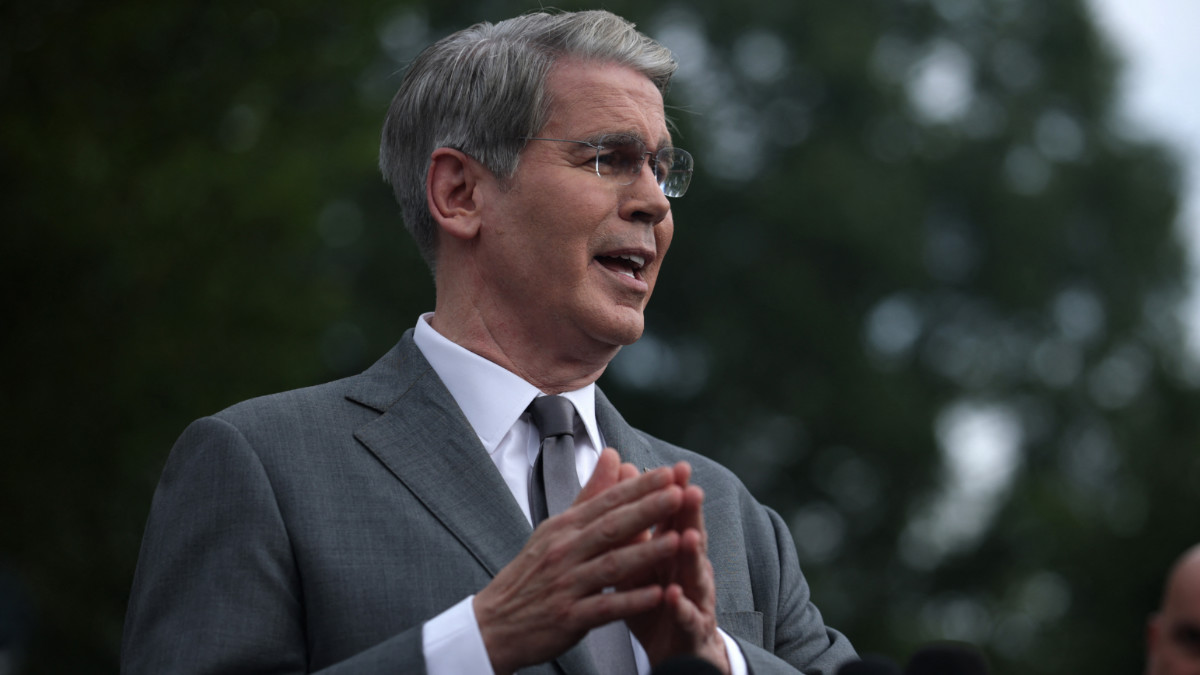
    On Thursday, United States Treasury Secretary Scott Bessent announced plans to roll out what he calls the most sweeping economic sanctions ever imposed on Iran, doubling down on Washington’s campaign of maximum economic pressure against the Islamic Republic even as the ongoing conflict in the region fuels mounting global economic fallout.

    Speaking in an interview with CNBC, Bessent framed the US pressure campaign as a coordinated one-two combination of a naval blockade and unprecedented punitive measures. “It is a one-two punch. We have the blockade [on Iran], and we are going to have the toughest sanctions in history,” he said. The Treasury chief added that the new restrictions would achieve Washington’s core goal, stating bluntly: “It is going to work in Iran, and we are going to collapse this regime.” Full details of the new sanctions package are set to be released publicly this coming Monday, according to Bessent.

    Bessent’s hawkish comments came just 24 hours after former President Donald Trump, who currently leads the administration, framed the latest escalation as an “economic D-Day” for Iran. Trump issued a stark warning to third-party nations, stating that ANY country that permits its financial institutions, commercial enterprises, airports, or government agencies to provide any form of economic support to Iran will itself face severe economic retaliation.

    The administration’s latest threats come amid a key strategic shift: Washington has so far failed to establish full military control over the Strait of Hormuz, a critical global energy chokepoint, and a brief ceasefire between US and Iranian forces has effectively collapsed entirely. The escalating tensions have already triggered renewed volatility in global energy markets, creating a major policy headache for the Trump administration as it works to bring down elevated borrowing costs amid persistent domestic inflation.

    On Thursday alone, Brent Crude, the global benchmark for oil prices, climbed 2% to trade at $93.41 per barrel. Beyond energy pricing, the conflict has severely disrupted global maritime shipping, sending tanker charter rates soaring over the past month. BWET, an exchange-traded fund that tracks global shipping rate movements, has surged by 98% in just 30 days as shipping companies pass on elevated risk and security costs to customers.

    When pressed to explain the sudden jump in oil prices, Bessent offered little clarity, telling reporters: “We have asymmetric information, and I’m not sure why oil has popped up on this.”

    Tensions in key waterways remain high: Iranian forces have continued to target commercial vessels transiting the Strait of Hormuz, while the Houthi movement in Yemen, a key Iranian ally, has enforced a maritime blockade of Saudi Arabia in the Red Sea. For Saudi Arabia, which depends on Red Sea shipping for a large share of its oil exports, the blockade has forced the kingdom to reroute crude shipments via a pipeline through Egypt to Mediterranean export terminals.

    This is not the first round of harsh US sanctions on Iran: Washington already has extensive punitive measures in place that have severely weakened Iran’s economy. The two sides reached a temporary ceasefire extension in June that included a waiver allowing Iran to sell oil without facing new sanctions, but those restrictions were reimposed just one month later in July.

    Oil exports by sea represent Iran’s single largest source of foreign revenue, and Trump has repeatedly claimed that the existing US-led naval blockade is “extremely effective” at cutting off that revenue. China stands as Iran’s most critical economic partner, purchasing more than 80% of Iran’s seaborne crude oil exports. Middle East policy analysts widely note that for the US to fully cut Iran off from global markets, Washington would have to impose secondary sanctions on Chinese entities that continue to purchase Iranian oil.

    When asked whether the administration planned to target China with secondary sanctions, Bessent struck a confident tone, arguing that Beijing shares Washington’s interest in de-escalation. “We are confident that everyone wants the Strait reopened, and for energy prices to come back down,” he said. He went on to frame compliance with US policy as beneficial for China, adding: “Keep in mind that the Chinese get 50 percent [of their] energy from inside the Gulf. So it would do them a big service to get with the programme.”

    The United Arab Emirates, a key Gulf ally of the United States that has long served as a major financial hub for Iranian trade, announced this week that it would suspend all commercial and financial transactions with Iran. The policy shift came shortly after US Secretary of State Marco Rubio held a high-level phone call with UAE National Security Advisor Tahnoon bin Zayed al-Nahyan this week.

  • ‘Greatest’ Springboks face All Blacks in clash of juggernauts

    ‘Greatest’ Springboks face All Blacks in clash of juggernauts

    One of the most storied and intense rivalries in global sport is set to enter a thrilling new chapter this Saturday, as back-to-back World Cup champion South Africa Springboks face off against New Zealand All Blacks in the first match of an unprecedented four-match test series spanning two continents.

  • ‘Hot new baby’: Pedophile former Catholic priest’s vile texts revealed

    ‘Hot new baby’: Pedophile former Catholic priest’s vile texts revealed

    A 79-year-old former Catholic priest has been handed a six-and-a-half-year prison sentence with a three-year non-parole period after pleading guilty to 11 serious child abuse offences, in a case that has drawn harsh condemnation from a New South Wales District Court judge for the predatory harm inflicted on vulnerable children.

    Guy Norman Hartcher’s string of crimes came to light in late 2024 during an undercover police sting operated by the NSW Child Exploitation Sex Crimes Squad. Hartcher, who had retired from the priesthood after suffering an acquired brain injury in 2002, was caught when he began communicating online with an officer posing as a 14-year-old boy going by the name Ben, who claimed to be almost 15 years old.

    Over the course of 2024, court documents revealed Hartcher used mainstream messaging apps to discuss child sexual activity with contacts both across Australia and internationally. He transmitted and received hundreds of pieces of child abuse material (CAM), including 32 graphic images of children aged between five and 15, alongside exploitative videos. In one particularly vile message revealed in court, Hartcher wrote, “I’m looking for a hot new baby”, and in another exchange he responded to a photo of an exposed underage girl with the crude message, “f**k baby you are so hot”. The court also heard Hartcher had offered to pay a child $50 to meet him for a sexual encounter.

    As the online relationship with the undercover officer progressed, Hartcher agreed to meet the fake 14-year-old on December 23, 2024, at a location in Pendle Hill, in Greater Western Sydney. When law enforcement approached his vehicle upon arrival, Hartcher immediately acknowledged he knew his contact was underage, telling officers, “I thought I was meeting this fellow, Ben, who I met online. I knew he was underage and I’m assuming he is not here, and I’m assuming he is you.”

    During sentencing proceedings on Friday, Judge Phillip Mahony SC described Hartcher’s actions as exceptionally harmful, labeling the offending “pernicious” and marked by “callous and predatory conduct towards the most vulnerable people in the community.” The judge emphasized that the distribution and collection of child abuse material is never a victimless crime, noting that every piece of CAM is created through the exploitation and abuse of children. Many of the explicit and graphic text messages Hartcher sent are too distressing to be released to the public.

    In his defense, Hartcher’s legal team cited a 2002 brain injury and subsequent age-related intellectual decline as contributing factors to his offending. A court-ordered sentencing assessment report found Hartcher claimed his actions were driven by a search for “sexual resurrection”, and he described his planned meeting as “dangerously stupid”, claiming he only intended to talk and maintained it was “all fantasy”. Judge Mahony accepted that Hartcher experiences genuine shame for his crimes and acknowledged that his brain injury and declining cognition impaired his judgment, but ruled that these mitigating factors do not excuse the “significant depravity” of his actions, adding that Hartcher had “a clear interest in pedophilia”.

    Hartcher will be eligible for parole in August 2029, and will remain on the national child sex offender register for 15 years following his release. After the sentence was handed down, he was escorted out of the courtroom by corrective services officers.

  • ‘It’s his decision’: Latrell Mitchell set to finally return next week as Wayne Bennett responds to Qld coaching rumours

    ‘It’s his decision’: Latrell Mitchell set to finally return next week as Wayne Bennett responds to Qld coaching rumours

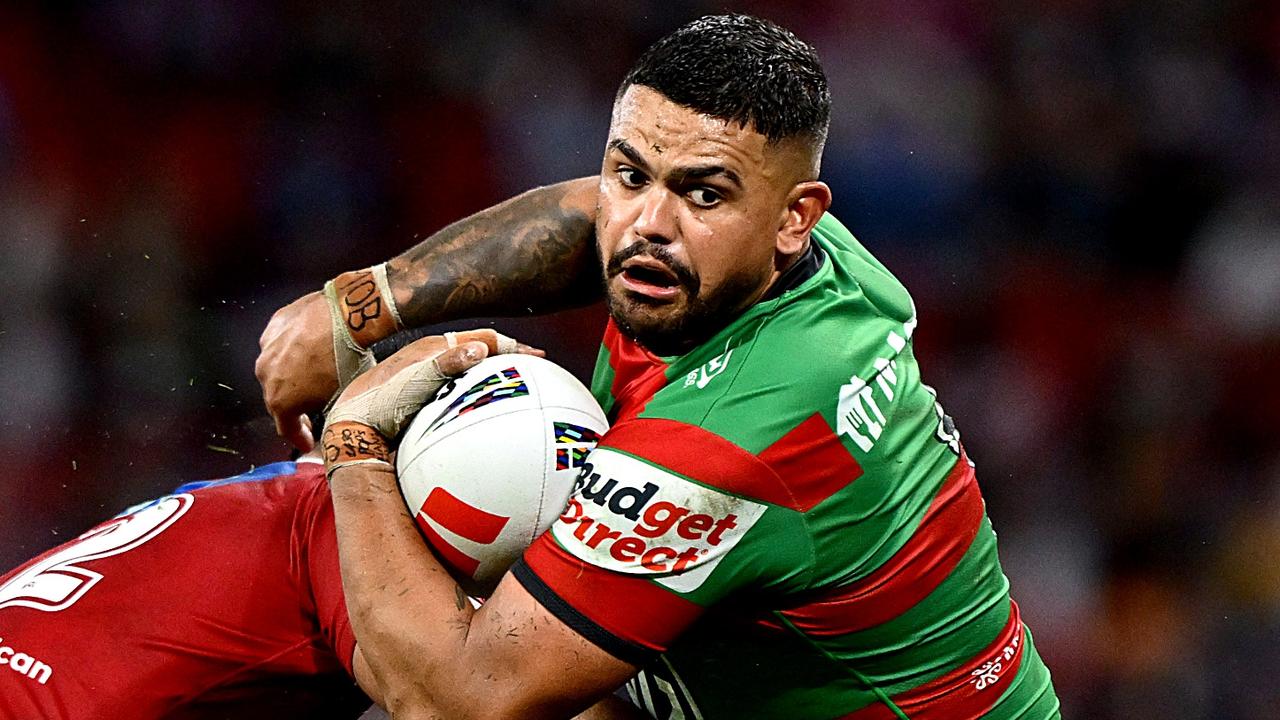
    South Sydney Rabbitohs head coach Wayne Bennett has officially locked in star centre Latrell Mitchell’s long-awaited NRL return for round 26, while also addressing swirling speculation around his potential future as head coach of the Queensland State of Origin side. The high-profile athlete had been sidelined since mid-May, when a back injury triggered a persistent nerve problem that later developed into secondary calf complications that kept him off the pitch for months. Mitchell was named on the Rabbitohs’ extended reserves bench earlier this week and completed a limited light training session, but the coaching staff ultimately made the call to delay his game comeback one more week ahead of the club’s finals push. Even with the extra week of preparation, Bennett noted that Mitchell’s return just weeks out of the finals series represents a massive boost for a Rabbitohs squad that has already secured a top-eight position on the 2024 NRL ladder. “There was a real chance he could have featured this weekend, and he put in a solid training performance,” Bennett told reporters. “At the end of the day, he just needs one more week to get fully up to speed, so we took the cautious approach. It’s ultimately his call – he knows his body better than anyone, so we’re following his lead. There were real questions a while back about whether he would play at all this season, so getting him back fit and firing going into the finals is a huge result for us.” The coach also provided an injury update on winger Campbell Graham, who missed the team’s final captain’s run on Friday with a lingering minor calf complaint but has been cleared to take the field against the New Zealand Warriors this weekend. Away from club football, Bennett addressed ongoing rumours that he could return to the Queensland Maroons head coaching role, following Billy Slater’s recent decision to step down after five consecutive series in charge. The legendary NRL coach has held the Queensland job four separate times previously, most famously leading a widely underrated 2020 squad labelled “the worst Queensland team of all time” to a series victory. With all other high-profile candidates including Cameron Smith and current Queensland head coach Kevin Walters already ruling themselves out of the running for the 2025 role, Bennett has not dismissed the possibility of stepping in once more – all while retaining his current head coaching position at the Rabbitohs. When asked directly if he was interested in taking the job, Bennett downplayed active pursuit of the role but left the door open for a return. “Not really, I’m not looking for the job,” he explained. “But if they need someone to step in, I’ll go. I truly believe there are young, talented coaches out there who can do the job, but I would never let Queensland down. If they can’t find the candidate they want, I’ll give the role serious consideration. I don’t see any conflict with holding an NRL coaching position while coaching Queensland – I did exactly that back in 2020, and I don’t think Queensland changes their rules to match the NRL on that front.” While keeping his own options open, Bennett also threw his full public support behind former player Darius Boyd, who has been linked to the Maroons vacancy after two successful seasons leading the Queensland under-19 side. Boyd developed a close working relationship with Bennett during his playing career, and the veteran coach said the former fullback has more than enough ability to step up to the senior State of Origin role. “I have a huge amount of respect for Darius, and he’s done an outstanding job with the under-19s, winning back-to-back series,” Bennett said. “He’s more than capable of handling the senior role. People always ask if you’re ready for a big opportunity like this, but the truth is you never really know until you take it – coaching is a tough job, but when the chance comes you have to take it. If he gets offered the role, I have no doubt he’ll seize it.” Bennett was also asked about speculation linking him to the vacant Australian Kangaroos head coaching role, after Kevin Walters confirmed he would step down from the national side following the 2024 World Cup to take over Super League side St Helens. The coach gave a short, neutral response, saying his interest in the role sits at “neutral”.

  • US sanctions more Cuban companies and officials

    US sanctions more Cuban companies and officials

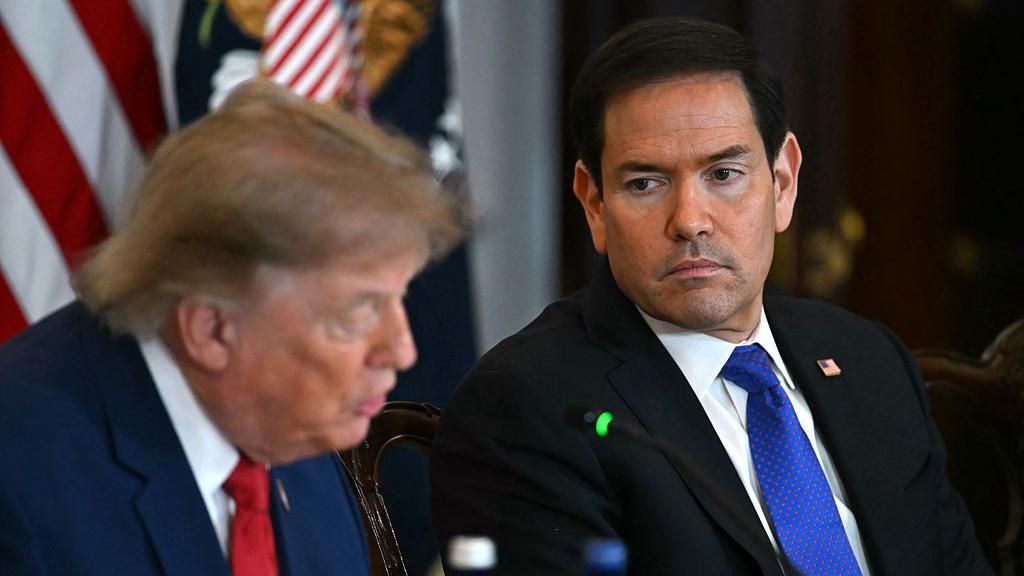
    Escalating long-running tensions between Washington and Havana, the Trump administration has rolled out a fresh package of economic sanctions targeting a slate of Cuban state entities, government agencies and senior institutional leaders, senior U.S. official Marco Rubio announced this week.

    The latest tranche of penalties includes nine state-owned enterprises operating in the mining, metallurgy and construction sectors, Cuba’s national Ministry of Construction, and leading figures tied to the Havana-based Cuban Institute of Friendship with the Peoples (ICAP), a century-old institution founded by former Cuban leader Fidel Castro in 1960.

    In an official statement accompanying the announcement, Rubio accused the sanctioned individuals and entities of participating in deliberate subversive anti-U.S. activity. He claimed the grouping arranged the arrival of a new brigade of international sympathizers to Havana to coordinate with Cuban government officials, timed deliberately to align with the centennial celebration of Fidel Castro’s birth.

    Rubio further argued that the targeted actors form a core part of what he called the Cuban regime’s core mission to spread Marxist ideology, racial division and communist political violence across the globe. “Today’s designations make clear that the Trump Administration will not tolerate the Cuban regime’s efforts to fund its internal repression or continue its decades-long campaign of subversive anti-American activities,” he said.

    Founded to build intentional ties between Cuba and like-minded political and social organizations worldwide, the ICAP regularly hosts international activist delegations, who in turn organize pro-Cuban government advocacy in their home countries. But Rubio leveled serious allegations against the institute, claiming it engages in deliberate deceptive activity, corrupts U.S. citizens through misinformation, deploys espionage tradecraft, and engages in widespread malfeasance.

    Fernando Gonzalez Llort, the current president of ICAP, is among the high-profile figures targeted in the latest sanctions. Llort is a former member of the so-called “Cuban 5” spy ring, and was released from U.S. custody as part of a prisoner exchange during the Obama administration’s brief diplomatic thaw with Havana.

    This latest round of penalties adds to a sprawling existing sanctions regime that already targets top Cuban leaders across the energy, finance, and national defense sectors. Cuba’s critical tourism industry, long the single largest source of revenue for the island’s struggling government, has already collapsed to historic lows under accumulated U.S. restrictions.

    Cuban authorities have issued a sharp condemnation of the new sanctions. Foreign Minister Bruno Rodríguez took to social media platform X to denounce the measure, arguing that it is designed to deliberately punish legitimate Cuban businesses and inflict additional damage on the country’s already fragile economy. Rodríguez added that the new penalties will further hinder the Cuban government’s ability to deliver essential public services to its population, a sector already teetering on collapse after decades of U.S. economic blockade.

    Since the start of 2026, the U.S. has enforced a near-total oil blockade on the island. Cuba’s aging national electricity grid is almost entirely dependent on imported fuel to operate, and the blockade has forced public hospitals across the country to switch to emergency backup generators to maintain critical care. Widespread, extended power outages have already sparked rare public protests in recent months, where public dissent against the government is typically met with lengthy prison sentences.

  • ‘Loss of confidence’: Catholic Schools NSW CEO Dallas McInerney sacked amid ICAC probe

    ‘Loss of confidence’: Catholic Schools NSW CEO Dallas McInerney sacked amid ICAC probe

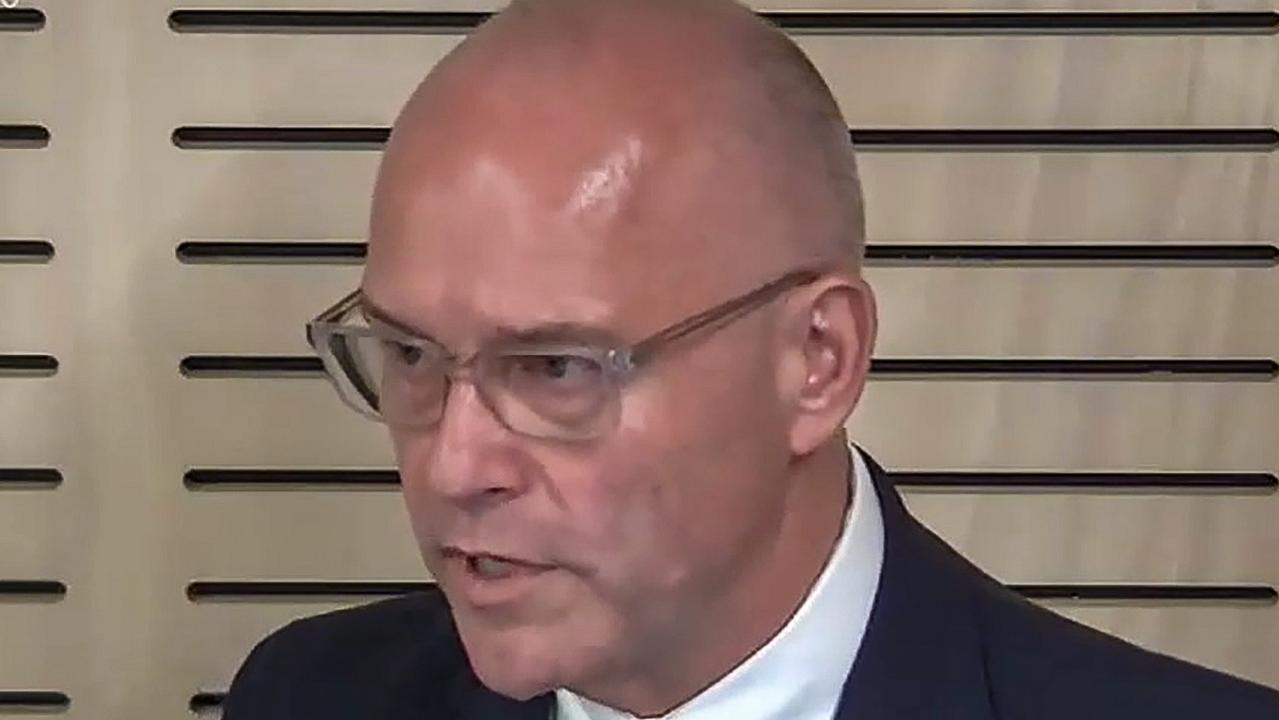
    In a swift development following high-stakes testimony before New South Wales’ top anti-corruption body, the chief executive of the state’s peak Catholic schools authority has been removed from his post over allegations tied to illegal electoral funding and Liberal Party branch stacking. Dallas McInerney, who led Catholic Schools NSW (CSNSW) — the organization representing 594 schools and 274,000 students across the state — was formally terminated by the CSNSW board just days after giving evidence to the New South Wales Independent Commission Against Corruption (ICAC).

    The ongoing ICAC investigation centers on claims that McInerney violated state electoral funding laws by funneling financial resources through CSNSW to a quiet, conservative-leaning faction within the NSW Liberal Party. The faction, known as the Reformers, has been accused of engaging in branch stacking — a practice of packing local party branches with aligned members to shift internal power dynamics — specifically to amplify conservative and Christian voices within the party. The inquiry has also heard that multiple individuals linked to the Reformers faction, including one associate not formally named in the probe, carried out factional political work while on the CSNSW payroll.

    McInerney first stepped back from his leadership role earlier this year when his name was first linked to the corruption investigation. During his recent testimony, he stated publicly that he intended to cooperate fully with ICAC’s inquiry and sought to clear himself of all allegations of wrongdoing.

    The CSNSW board announced its decision in an official statement this week, confirming that it had unanimously voted to terminate McInerney’s employment after concluding it had lost confidence in his ability to lead the organization moving forward. To maintain operational stability, the board confirmed interim chief executive Peter Yates will remain in the acting role until a permanent replacement can be recruited and appointed.

    Notably, counsel assisting the ICAC inquiry, Peggy Dwyer SC, made clear in her opening remarks that there is no suggestion the CSNSW board or the broader organization bears responsibility for the actions under investigation, nor that board members had any prior knowledge of McInerney’s alleged conduct. Even so, the CSNSW statement emphasized that the allegations at the center of the inquiry remain a source of deep concern for the organization and its key stakeholders. In response to the probe, the board has committed to conducting a full, independent external review of CSNSW’s operational governance and procedures to address any gaps that may have allowed the alleged conduct to occur.

  • Origin warns 900k customers after bank and ID details stolen

    Origin warns 900k customers after bank and ID details stolen

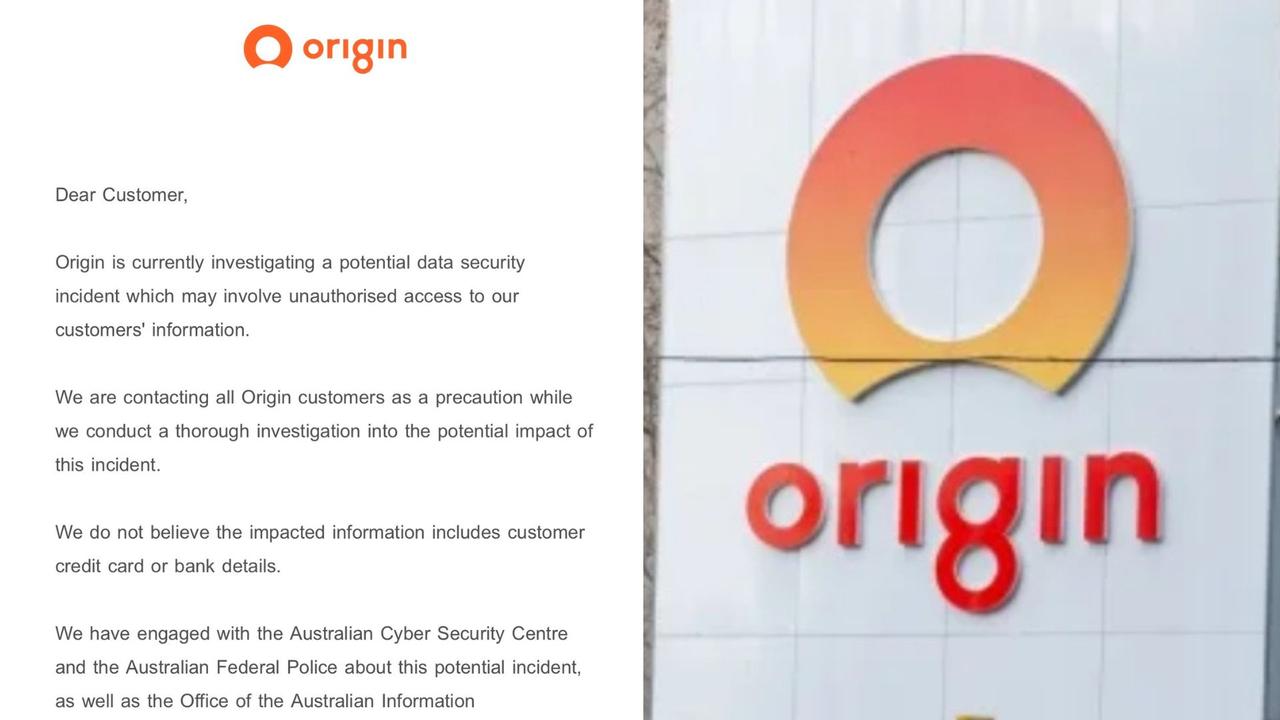
    Australian energy provider Origin Energy has disclosed the full extent of a major cyber breach that has compromised the personal data of approximately 900,000 current and former customers, prompting official warnings to affected residents across the country.

    The July 2 hack exposed a wide range of highly sensitive consumer information, new details confirm. While the majority of impacted customers only had basic contact and account details accessed, around 15,000 users had their government concession and scheme identification numbers stolen by unauthorized actors. An additional 60 customers had their full bank account numbers taken, and 100 more had complete identifying document information extracted from the compromised systems.

    This updated count revises Origin Energy’s initial disclosure, which earlier estimated that up to 2 million of the company’s 4.2 million total customers could be impacted. In the company’s first statement following the breach, officials only confirmed that partial financial information – including the final four digits of credit cards and final three digits of bank account numbers – had been accessed. Officials note that partial financial data cannot be used to make unauthorized purchases or access customer financial accounts, but the full sensitive data compromised in the attack poses far greater risks to a smaller subset of users.

    Investigations by Australian authorities have traced the origin of the cyberattack to a third-party call center based in Manila, Philippines, a revelation that came to light earlier this month.

    In an official statement, Origin Energy CEO Frank Calabria said the company has made significant progress responding to the incident. “We have substantially completed our review into the information accessed for each affected customer, and our priority is completing our notifications to them and providing support,” Calabria explained. “We have taken a number of steps to enhance the security of our systems to prevent future incidents of this kind.”

    To protect impacted customers, the energy provider has rolled out a suite of support measures. These include access to specialist identity theft support and cyber security services, as well as 12 months of complimentary credit monitoring for users affected by the full data compromise. Origin Energy is also urging all customers – even those not confirmed to be impacted – to stay vigilant against phishing and scam communications, regardless of whether they appear to come from Origin, financial institutions, or government agencies.

    The company is advising customers to follow basic cyber security best practices, including enabling two-factor authentication on all online accounts and refusing to share personal or financial information with unsolicited contacts. “Customers should remain vigilant to any suspicious activity and to contact us directly with any questions,” Calabria added.

  • Hezbollah’s Nawaf Moussawi: Only force can compel Israel to leave Lebanon

    Hezbollah’s Nawaf Moussawi: Only force can compel Israel to leave Lebanon

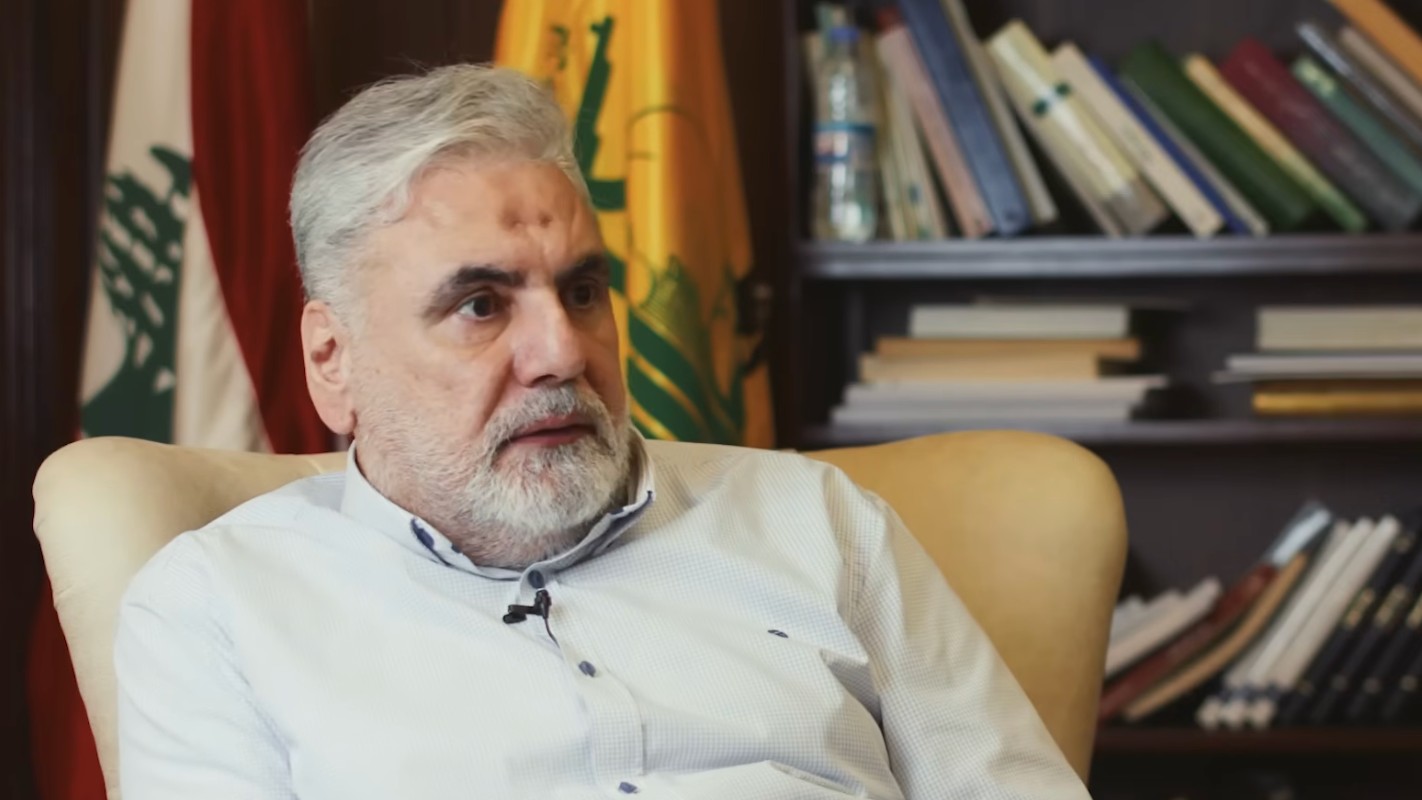
    In a wide-ranging exclusive interview with Middle East Eye held at his Beirut office, senior Hezbollah official Nawaf Moussawi — who currently leads the group’s border and resources department and previously headed its foreign relations division and served as a Lebanese member of parliament — has laid out the movement’s uncompromising stance: military force remains the only viable path to liberate occupied South Lebanon, as negotiations alone will never compel Israel to withdraw its forces.

    Moussawi argued that ongoing negotiations led by Lebanese President Joseph Aoun are doomed to fail from the start, citing two critical flaws: the talks lack consensus across Lebanon’s fragmented political landscape, and Aoun enters the negotiating table without any meaningful leverage to pressure Israel. He stressed that the armed resistance movement will not abandon its campaign until all Israeli troops fully withdraw from Lebanese territory.

    “There is no international pressure strong enough to force Israel out of our land, just as there has been no such pressure in Palestine,” Moussawi stated. “That leaves us with no option but to continue fighting the Israeli occupation until withdrawal is complete.”

    The current cycle of cross-border conflict traces back to October 8, 2023, when Hezbollah launched cross-border strikes against Israel one day after the Hamas-led October 7 attacks, opening what the group calls a “support front” to divert Israeli military resources away from its offensive in Gaza. The conflict has since escalated into two major waves of war: the first decimated much of Hezbollah’s traditional military infrastructure and killed most of its senior leadership, including long-time secretary-general Hassan Nasrallah. The second outbreak of hostilities began in March 2024, triggered by the US-Israeli war on Iran and the killing of Ayatollah Ali Khamenei, a key spiritual and political figure for Hezbollah. Both Hezbollah and Israeli media have confirmed this second round of fighting also pre-empted a planned large-scale Israeli offensive into Lebanon, after 15 months of repeated Israeli ceasefire violations and the consolidation of Israeli occupation in border areas of South Lebanon.

    The escalation has drawn sharp criticism and anger from many Lebanese citizens and international observers, with more than 4,300 people killed in Lebanon since March and additional territory falling under Israeli occupation. But Moussawi rejected blame placed on Hezbollah for the current crisis, shifting culpability entirely to Israel as the occupying power.

    “Israeli propaganda once claimed Fatah was the problem, then it became Hamas, and in the future it will be any Palestinian organization that fights to liberate its land,” Moussawi said. “The real problem is always the occupation, not the organizations that resist it. Today they claim Hezbollah is the problem, but Israel would oppose any group that defends the Lebanese people’s right to free their land — even if that group called itself the Democratic Party of America.”

    He argued that the US-backed Israeli campaign across Palestine and Lebanon since October 2023 is intentionally designed to inflict widespread destruction to break the will of occupied populations, convincing them that resistance is too costly to pursue. He pointed to the decades-long negotiation track pursued by the Palestine Liberation Organization as proof that talks cannot deliver sovereign statehood, noting that even full surrender would not satisfy Israeli demands. “What the Israelis ultimately want is the extermination of the Palestinian people,” he added.

    Since April 2024, the Lebanese presidency and Washington embassy have held direct negotiations with Israel aimed at securing a permanent ceasefire, full Israeli withdrawal, and separating Lebanon from the regional war against Iran. The talks have produced a US-backed framework for ending hostilities between Israel and Hezbollah, but the deal has sparked massive opposition across Lebanon, with critics raising alarms over threats to national sovereignty, weak accountability mechanisms, and provisions that prioritize Lebanese obligations over Israeli commitments to withdraw. Hezbollah has publicly condemned the framework for failing to guarantee Israel’s full withdrawal from the 6 percent of Lebanese territory it still occupies and secure the return of hundreds of thousands of displaced Lebanese residents to their southern homes.

    With decades of experience negotiating with Israel, including during the 2006 war and talks over the Lebanon-Israel maritime border, Moussawi said the current round of state-led talks has produced zero tangible results. As an example of the framework’s failures, he noted that Israeli forces have only allowed the Lebanese military to deploy in one southern Lebanese village — a village that Israel never occupied in the first place. Talks to deploy Lebanese forces to other currently occupied villages have stalled entirely, while cross-border shelling and skirmishes grow more frequent by the week.

    Moussawi argued that the core failure of Aoun’s negotiation strategy is that it proceeded without broad national unity. “Steps like this require consensus from all Lebanese political forces, and this effort does not have that backing,” he said. Beyond lack of consensus, Moussawi emphasized that successful negotiations with Israel require leverage, and Aoun chose to distance his government from Hezbollah’s armed resistance — the most significant source of pressure on Israel. “The resistance is a source of national strength, but he chose to confront it instead of working with it,” Moussawi said. “How can you achieve liberation when you are at odds with your own people? That is the president’s fundamental problem.”

    More than 500,000 Lebanese, most from the Shia community that Hezbollah claims to represent, have been displaced by the latest war. Hezbollah has adopted a new asymmetric tactic of ceding territory to draw Israeli troops in, then targeting deployed forces with ambushes and attacks. While the tactic has proven tactically effective, it has also allowed more of South Lebanon to fall under Israeli control, and Israel has razed dozens of southern villages and towns to the ground. But Moussawi insisted armed resistance remains the only path to bring displaced people home to their land.

    “Our way of returning our people to the south is to liberate their land. Liberating the land requires fighting the Israeli occupier and driving it back,” he said. “That is what we did in 2000, and this is our path today. If Aoun had secured an Israeli withdrawal, he would be a national hero. Instead, he has not even been able to stop the destruction of occupied villages. Despite all the concessions he has made, Israel has given him nothing in return. Therefore, we have no choice but to resist.”

    The question of Hezbollah’s disarmament has also become a flashpoint between the movement and the Lebanese state, with external pressure from Israel and the United States pushing for the Lebanese military to take a confrontational stance toward the group. Days after Hezbollah launched rocket strikes against Israel on March 2 in response to Khamenei’s killing, Lebanese Prime Minister Nawaf Salam outlawed Hezbollah’s military activities, asserting that the state must hold a monopoly on the use of force. Moussawi claimed the US-backed negotiation framework was intentionally designed to trigger internal Lebanese conflict, shifting the focus from opposing Israeli occupation to fighting Hezbollah.

    “The goal is to make Lebanese fight each other instead of fighting the Israeli occupier,” he said. “I do not believe anyone in Lebanon would take up arms against the resistance to occupation, because that would lead to their own destruction before it leads to anyone else’s. Even if the president wanted to fight the resistance, he could not do it. The Lebanese army and security services belong to the Lebanese people, and the people will not turn on each other.”

    Moussawi also dismissed another external proposal pushed by US President Donald Trump, which would have Syrian President Ahmed al-Sharaa — who fought Hezbollah for a decade during the Syrian civil war — deploy Syrian forces to confront the group. He called the plan “wishful thinking that cannot become reality,” noting that al-Sharaa’s government is closely allied with Turkey, whose President Recep Tayyip Erdogan recently stated that Turkish security begins in Beirut, in the context of opposing Israeli expansion. “How could a Syrian government allied with Turkey become a tool to advance Netanyahu’s interests and expand Israeli power in the region?” Moussawi asked.

    Notably, Moussawi revealed that Hezbollah has opened a new channel of dialogue with the Syrian government via Turkish mediation. “We are engaged in genuine and effective dialogue with Turkey, through which new avenues can be opened with the emerging actors in the region,” he said.

    After the 2024 war, many outside analysts assessed that Hezbollah’s military wing had been permanently degraded, with most of its senior commanders and their deputies killed and the group unable to match Israeli military strength in the near future. But an investigation published by Middle East Eye earlier this month confirmed that Hezbollah has since restructured its military command and expanded its drone program, recruiting experienced video gamers to operate the unmanned platforms. Moussawi confirmed that while Israeli intelligence successfully penetrated Hezbollah’s old command structure, the group has now shifted to a new generation of commanders who were never on Israeli targeting lists.

    “Hezbollah is now fighting with a generation Israel does not know,” Moussawi said. “This fourth generation of commanders was not included on any Israeli intelligence or operational targeting lists, so our brothers today can operate with far greater ease than the martyred commanders who came before them.”

  • Bird flu ‘obviously’ will hit Ingham’s, chief executive says

    Bird flu ‘obviously’ will hit Ingham’s, chief executive says

    As the highly pathogenic H5N1 avian influenza strain continues to spread across wild bird populations in every Australian state, the chief executive of Australia’s largest poultry producer Ingham’s has warned that an outbreak on one of the company’s commercial farms is no longer a matter of if, but when.

    Speaking alongside the release of Ingham’s full-year 2024-25 financial results on Friday, CEO Edward Alexander acknowledged that growing confirmed H5N1 detections in wild birds across the country makes introduction to domestic poultry inevitable. “Assume bird flu does hit, it’ll hit, obviously, one of our farms,” Alexander stated in his remarks, noting that within a two-kilometre radius of an infected site, containment operations would become challenging.

    To mitigate the risk of large-scale spread, Alexander explained that Ingham’s operational model was intentionally designed with biosecurity as a core priority. The company spreads its farm locations, feed mills, processing facilities and distribution networks across the country, with geographic separation that acts as a natural barrier to transmission. In the event of an outbreak, rapid depopulation of infected flocks would be deployed to constrain the virus to a single site, and the company’s diversified footprint means that a single outbreak does not have to trigger nationwide supply disruption.

    “That means an outbreak in one location does not automatically translate into disruption across our broad network,” Alexander said. “We have the ability to isolate affected areas, protect other parts of the network, and redirect production and supply.”

    Ingham’s has also drawn critical lessons from the ongoing global H5N1 crisis that has killed millions of birds and marine mammals across the globe since the strain re-emerged in Europe in 2021. Data from the outbreak shows that more than 700 commercial poultry flocks across 23 European countries were infected in 2024, with 300 additional detections recorded in 16 nations so far this year. Alexander revealed that Ingham’s senior leadership has traveled to Europe to study firsthand responses to the outbreak, allowing the company to develop detailed, tested response protocols ahead of any domestic outbreak.

    “This is a real and a significant risk for the poultry industry, as has been well documented in recent media. We take this risk extremely seriously and we are prepared for it,” Alexander said. “We know what we would do. We know how we would respond, and we know where the critical decisions ultimately need to be made.”

    Beyond geographic separation and response planning, the company has invested heavily in prevention measures, ongoing wild bird and domestic surveillance, scenario planning and staff training to respond quickly to any detection. Right now, there are no recorded cases of H5N1 in Australian commercial poultry flocks, though state governments have already issued public warnings to beachgoers to avoid contact with sick or dead wild birds.

    Alexander also addressed market concerns, noting that contrary to the European experience, where looser biosecurity standards for egg production led to plummeting consumer demand for eggs, there has been no measurable drop in consumer demand for chicken in Australia amid growing public awareness of the H5N1 risk. While an outbreak has not been formally factored into the company’s new financial year projections, Alexander said that unpredictable nature of the virus makes precise forecasting impossible.

    “We can’t fully eliminate the risk, but we can control how well prepared we are for it,” he emphasized. “What I can say with confidence is that Ingham’s enters this period of time with the most resilient national network, well-developed biosecurity controls and a team that is prepared to act quickly and decisively if required.”

    Alongside its preparedness updates, Ingham’s released full-year financial results that showed a steep 61% drop in net profit to AUD 34.6 million. The decline was driven by lower core earnings and an unexpected AUD 12.7 million addition to the company’s tax bill, related to disputed tax offsets claimed between 2019 and 2021. The company confirmed it will challenge the additional tax assessment and “intends to defend its position” per disclosures in its annual report.

    Headquartered in Australia, Ingham’s operates its largest production networks in South Australia and Queensland, with smaller facilities in Western Australia and Victoria.