博客

  • Trump says Putin will not attack Ukraine cities during cold week

    Trump says Putin will not attack Ukraine cities during cold week

    In a significant diplomatic development, U.S. President Donald Trump has announced that Russian President Vladimir Putin has agreed to temporarily halt military attacks on Kyiv and other Ukrainian urban centers for one week. The purported ceasefire, attributed by Trump to “extraordinary cold” weather conditions, represents a potential humanitarian reprieve for millions of Ukrainians enduring brutal winter temperatures.

    Speaking during a televised cabinet meeting in Washington DC, Trump revealed he personally requested the military pause from Putin. “I asked President Putin not to fire into Kyiv and the various towns for a week, and he agreed to do that,” Trump stated, characterizing the exchange as unexpectedly productive despite skepticism from advisors.

    The announcement comes as meteorological forecasts predict temperatures in the Ukrainian capital plummeting to -24°C (-11°F) in coming days, creating dangerously cold conditions for civilians already struggling with damaged infrastructure. Russia has not officially confirmed any such agreement, maintaining its characteristic silence on diplomatic communications.

    Ukrainian President Volodymyr Zelensky responded positively to Trump’s announcement via social media, describing it as an “important statement” regarding security provisions during extreme winter conditions. Zelensky indicated that discussions on this matter had occurred during recent trilateral talks in the United Arab Emirates, expressing expectation that agreements would be implemented.

    According to sources familiar with the negotiations, Ukraine has reportedly agreed to reciprocate by temporarily suspending its attacks on Russian oil refineries, suggesting a potential mutual de-escalation arrangement. This development follows the first trilateral talks between Russian, Ukrainian, and U.S. negotiators since the conflict began in 2022, which all parties previously characterized as constructive though without concrete announcements.

    The potential pause offers critical relief for Ukraine’s energy infrastructure, which has suffered intensified Russian attacks during winter months. Previous assaults have crippled power supplies to major cities, leaving millions without heating or electricity despite round-the-clock repair efforts by electrical companies. Even when power is restored, supply typically lasts only a few hours—sufficient for charging devices but inadequate for substantially warming homes.

  • Border tsar Homan promises a ‘draw down’ of forces in Minneapolis

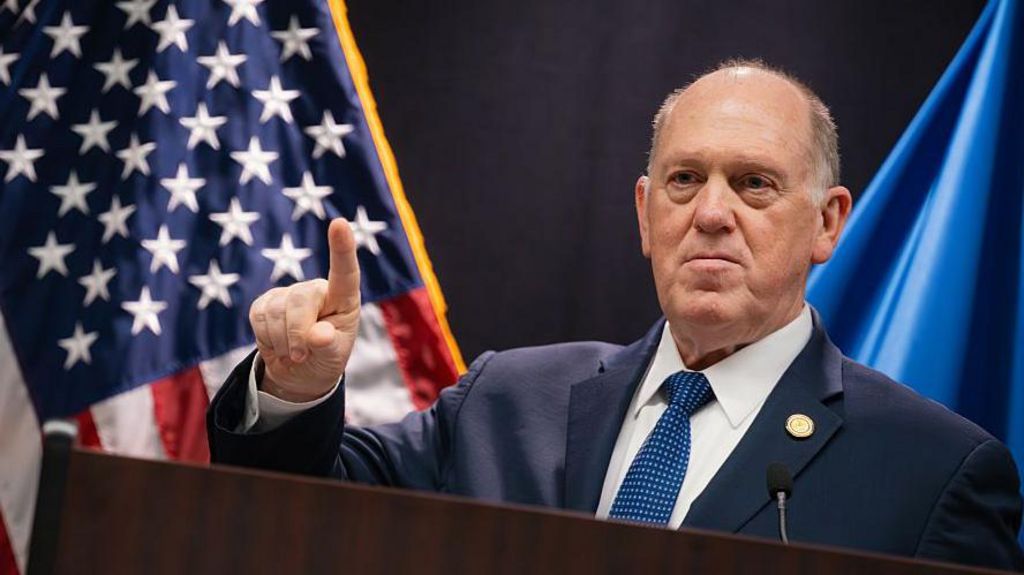
    Border tsar Homan promises a ‘draw down’ of forces in Minneapolis

    The White House announced a partial reduction of federal immigration forces in Minneapolis on Thursday following fatal shootings that claimed the lives of two American citizens, though officials emphasized the administration remains committed to its immigration enforcement mission.

    Tom Homan, the administration’s border operations lead, confirmed the planned drawdown during a press conference in Minneapolis while maintaining that federal authorities would continue their operations with modified tactics. “The draw down is going to happen,” Homan stated, “We are not surrendering our mission at all. We’re just doing it smarter.”

    The announcement comes amid escalating tensions following the deaths of Renee Good and Alex Pretti, who were killed by federal agents implementing President Trump’s immigration crackdown this month. Their deaths have triggered widespread protests across Minneapolis, national outrage, and bipartisan calls for the removal of certain administration officials.

    Minnesota Governor Tim Walz and Minneapolis Mayor Jacob Frey, both Democrats, have demanded complete withdrawal of federal agents from the state’s capital region. The state has simultaneously pursued legal action, petitioning a federal judge to halt “Operation Metro Surge”—a initiative deploying approximately 3,000 immigration, border patrol, and Department of Homeland Security (DHS) personnel.

    Homan indicated that operational adjustments would be contingent on the level of cooperation from state and local authorities, though he noted the administration opposed certain unspecified demands from Minnesota officials. The federal response will become more “targeted,” according to Homan, though he provided no specific details regarding the scale or timeline of the planned reduction.

    The situation has created political ramifications extending beyond Minnesota. Senate Democrats have threatened a partial government shutdown if spending legislation includes new funding for DHS, while seven Senate Republicans joined Democrats in blocking a procedural vote on the spending bill. Legislative negotiations are currently underway to potentially separate DHS funding from the broader spending package.

    Meanwhile, Mayor Frey reported that federal forces in Minneapolis number between 3,000-4,000 personnel, significantly outnumbering the city’s 600 local police officers. He described accounts of citizens being “indiscriminately pulled off the street” and targeted based on ethnic appearance rather than legal justification.

    The administration has defended its immigration enforcement measures, citing improved border security and targeting of undocumented immigrants for deportation as contributing to national safety. According to documents obtained by CBS News, Immigration and Customs Enforcement (ICE) conducted over 480,000 deportations during Trump’s first year back in office—exceeding the previous record set during the Obama administration.

  • Venezuelan lawmakers approve easing state control of oil industry

    Venezuelan lawmakers approve easing state control of oil industry

    Venezuela’s National Assembly has enacted landmark legislation to privatize its oil industry, marking a historic reversal of the socialist policies that defined the nation’s energy sector for over two decades. The sweeping reform, approved Thursday, comes less than a month after the dramatic capture of former President Nicolás Maduro during a U.S. military operation in Caracas.

    The new energy framework, now awaiting signature from Acting President Delcy Rodríguez, fundamentally restructures Venezuela’s approach to oil production and investment. The legislation grants private corporations unprecedented control over petroleum extraction and sales while introducing independent arbitration mechanisms for dispute resolution—a crucial safeguard demanded by international investors.

    The Rodríguez administration designed these changes to reassure major U.S. energy companies that have remained hesitant about re-entering Venezuela’s volatile market. Many firms suffered substantial losses when the government nationalized oil assets under former leader Hugo Chávez in 2006.

    Key provisions include a revised taxation structure that caps royalty rates at 30%, with flexibility for the executive branch to adjust percentages based on project-specific factors including capital requirements and market competitiveness. The legislation additionally removes the previous mandate requiring all legal disputes to be settled exclusively in Venezuelan courts, which foreign investors viewed as susceptible to political influence.

    Orlando Camacho, head of the assembly’s oil committee, hailed the reform as an economic game-changer that “will change the country’s economy.” Meanwhile, opposition lawmaker Antonio Ecarri advocated for enhanced transparency measures, including public disclosure platforms to combat systemic corruption. “Let the light shine on in the oil industry,” Ecarri urged during legislative debates.

    This policy shift represents a stark departure from the Chávez-era doctrine that established state-owned PDVSA as the mandatory majority stakeholder in all major petroleum projects. That previous model, funded by record-high global oil prices in the early 2000s, eventually collapsed due to price volatility, governmental mismanagement, and crippling international sanctions. The subsequent economic crisis prompted over 7 million Venezuelans to flee the country since 2014.

    The current reforms aim to attract foreign capital and technical expertise to revitalize an industry holding the world’s largest proven crude reserves—a strategic priority for the interim government as it seeks to stabilize Venezuela’s devastated economy.

  • Joshua pays emotional tribute in new video

    Joshua pays emotional tribute in new video

    Former world heavyweight champion Anthony Joshua has broken his silence following the tragic car accident in Nigeria that claimed the lives of two close members of his team. The 36-year-old British boxer released a deeply personal six-minute video titled ‘My Brothers Keeper For Life’ on his social media channels, addressing the December 29th incident that resulted in the deaths of his strength and conditioning coach Sina Ghami and personal trainer Latif ‘Latz’ Ayodele.

    The collision occurred near Lagos when the Lexus SUV carrying Joshua and his companions struck a stationary truck on a major roadway. While Joshua sustained only minor injuries and was photographed being assisted from the wreckage, both Ghami and Ayodele were pronounced dead at the scene.

    In his emotional address, Joshua expressed profound gratitude to supporters worldwide who had shown ‘so much love, support through that tragic, traumatic time.’ He described the unique bond shared with his departed friends, revealing they had become business partners, hustlers, and essentially family. ‘We became lieutenants. We became generals. We became everything,’ Joshua reflected, emphasizing how the trio had been living together and building their lives collectively.

    The legal proceedings have advanced with 46-year-old chauffeur Adeniyi Kayode appearing in Nigerian court facing four charges, including causing death by dangerous driving.

    Joshua acknowledged the devastating impact on the families and communities of both men, stating ‘Not only did their parents, their uncles, their cousins, their friends and myself lose two great men, we lost people that we dearly care about.’ He made a solemn commitment to support Ghami and Ayodele’s families in achieving their goals and fulfilling their dreams, expressing certainty that their parents would be ‘100% proud of them.’

    While Joshua’s boxing future remains uncertain, he has returned to training, recently posting Snapchat footage of himself working out with the caption ‘mental strength therapy.’ Promoter Eddie Hearn has indicated confidence that Joshua will return to the ring ‘when the time is right,’ though the fighter himself has not confirmed any plans regarding his professional comeback.

  • Abu Dhabi researchers develop nanotechnology for better cancer detection, treatment

    Abu Dhabi researchers develop nanotechnology for better cancer detection, treatment

    Scientists at NYU Abu Dhabi have engineered a groundbreaking nanotechnology platform that significantly enhances both cancer detection and treatment methodologies. This innovative approach centers on photothermal therapy, an emerging technique that utilizes light energy to generate localized heat within tumors, effectively destroying malignant cells while preserving healthy tissue.

    The research team developed uniquely designed nanoparticles constructed from hydroxyapatite—a naturally occurring mineral in human bones and teeth—ensuring biocompatibility and biodegradability. These nanoparticles are engineered to transport a specialized dye that activates upon exposure to near-infrared light. This specific light wavelength was strategically selected for its superior tissue penetration capabilities, enabling treatment of deeper tumors previously inaccessible to surface-level therapies.

    A critical advancement lies in the nanoparticle’s surface engineering, where lipid and polymer coatings enable extended bloodstream circulation while evading immune detection. This design dramatically improves tumor accumulation compared to previous photothermal agents. Additionally, the nanoparticles feature pH-responsive peptides that activate specifically in the acidic microenvironment of tumors, facilitating selective cancer cell entry while minimizing impact on healthy tissue.

    The integrated system provides dual functionality: upon near-infrared activation, the nanoparticles generate precise thermal destruction of tumor tissue while simultaneously producing real-time fluorescent and thermal imaging signals. This allows clinicians to visualize tumors and monitor treatment efficacy during therapeutic procedures.

    Professor Mazin Magzoub, the study’s senior author and associate biology professor at NYUAD, emphasized the transformative potential: “Our platform merges targeted treatment and diagnostic imaging within a single, biodegradable system. By overcoming fundamental delivery challenges, we’re advancing toward more precise cancer interventions with reduced side effects.”

    This research represents a substantial leap forward in nanomedicine, offering a promising alternative to conventional cancer treatments like chemotherapy and radiation by minimizing systemic toxicity while improving therapeutic precision.

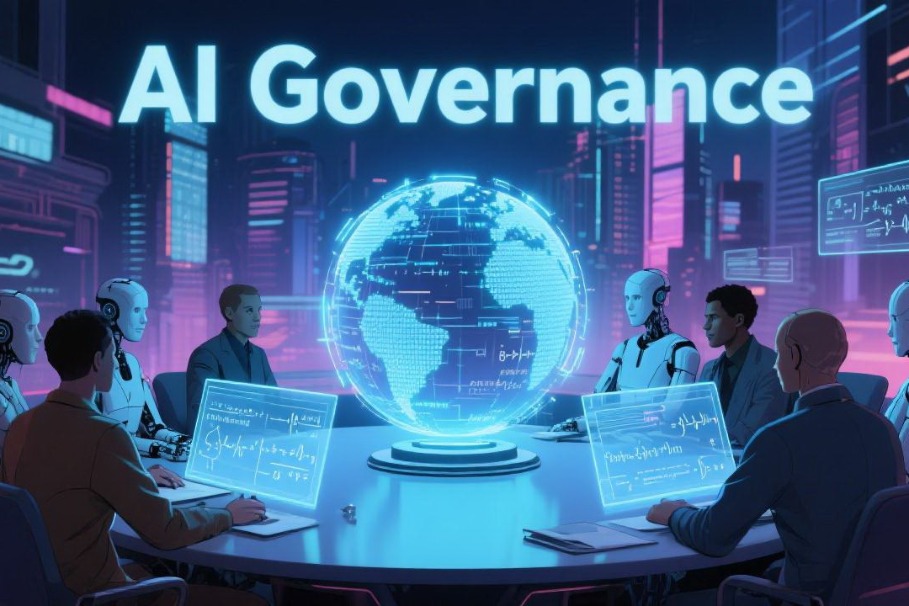
  • AI governance tops China’s 2025 technology buzzwords list

    AI governance tops China’s 2025 technology buzzwords list

    In a significant development reflecting China’s evolving technological priorities, ‘AI governance’ has emerged as the foremost buzzword in the nation’s 2025 technology lexicon. The Chinese Society for Science and Technology Journalism unveiled this ranking, highlighting a global transition in artificial intelligence from pure technological competition toward establishing comprehensive regulatory frameworks.

    Yin Chuanhong, President of the Science Popularization Times, emphasized during the announcement ceremony that ‘ensuring safe, reliable, and controllable AI development has become the most pressing issue for the global community.’ He noted China’s growing recognition that technological advancement must be complemented by sophisticated governance mechanisms to guarantee sustainable progress.

    The selection process, which integrated big data analytics with expert assessment, also identified nine other pivotal technological terms: embodied intelligence, controlled nuclear fusion, brain-computer interface, commercial space, deep-sea technology, deep-space exploration, silver economy technology, intelligent agents, and Chinese innovation. These concepts reflect China’s strategic focus areas and remarkable breakthroughs during the year.

    China’s leadership in global AI governance gained international recognition, with the prestigious journal Nature acknowledging the country’s pioneering role. This was further demonstrated at the 2025 World Artificial Intelligence Conference, where China proposed establishing a World Artificial Intelligence Cooperation Organization and released the Global AI Governance Action Plan.

    Substantial progress was reported across multiple frontier technologies. Controlled nuclear fusion witnessed a milestone achievement with the International Thermonuclear Experimental Reactor organization completing its massive superconducting electromagnet system. China’s brain-computer interface industry achieved breakthroughs in core technologies and multi-scenario applications, earning designation as one of six priority future industries in the country’s 15th Five-Year Plan.

    The commercial space sector demonstrated remarkable growth, with the Hainan Commercial Space Launch Site and Oriental Spaceport achieving regular launch capabilities. Private rocket companies successfully deployed numerous carrier rockets, while satellite manufacturing facilities established capacity for mass production of hundreds of satellites annually, paving the way for a trillion-yuan market.

    Concurrently, the society released the ‘Top 10 Science and Technology News Events of 2025,’ featuring landmark achievements including DeepSeek’s open-source large models, the Zuchongzhi-3 quantum computing prototype, the world’s first humanoid robot half-marathon, and the commissioning of China’s first electromagnetic catapult aircraft carrier, the CNS Fujian.

  • China-Swiss exhibition on green construction opens

    China-Swiss exhibition on green construction opens

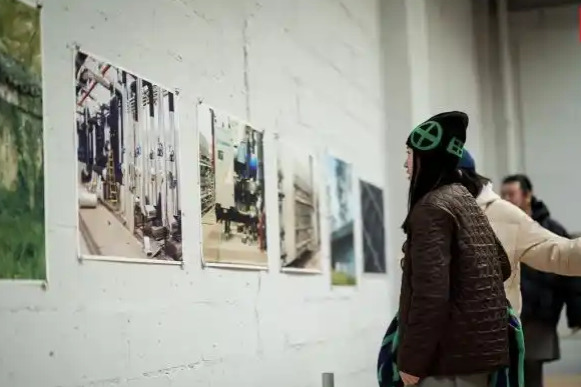
    Beijing witnessed the inauguration of the groundbreaking “Building Type / Climate Zone” exhibition on Thursday, showcasing the remarkable outcomes of the China-Swiss Zero Emission Buildings Project. Held at Langyuan Station, this collaborative initiative represents a significant milestone in sustainable construction technology developed between 2021 and 2025 through the partnership of Switzerland’s Agency for Development and Cooperation and China’s Ministry of Housing and Urban-Rural Development.

    The exhibition comprehensively documents the bilateral effort to combat global climate change through architectural innovation, featuring three distinct thematic sections. Visitors can explore hundreds of research reports curated by Swiss experts and presented through visually engaging infographics, admire professional architectural photography capturing eight zero-emission demonstration buildings, and examine a unique reproduction of China’s ancient architectural treatise “Yingzao Fashi” (Building Standards) printed on solar panels using advanced silk screen technology.

    Swiss Ambassador to China Krystyna Marty Lang emphasized the project’s significance during the opening ceremony, noting that “this collaboration represents the successful fusion of Swiss expertise in sustainable construction with Chinese innovative technologies and futuristic design capabilities.” The initiative has brought together over 100 experts from more than 30 enterprises and academic institutions across both nations, focusing on three primary areas: standardized research, practical demonstration projects, and comprehensive capacity-building programs.

    While acknowledging the project’s completion, Ambassador Lang characterized it as merely the beginning of a broader movement toward zero-emission construction, stating that “the success paves the way for new pilots, deeper standardization work, and investments that bring us closer to a zero-emission future.” The exhibition will remain accessible to the public free of charge from January 29th through February 13th.

  • China says navy, coast guard are peace guardians

    China says navy, coast guard are peace guardians

    In a robust defense of its maritime operations, China’s Defense Ministry has characterized its naval and coast guard forces as dual guardians of national sovereignty and regional peace. The statement came during a regular press briefing on Thursday from ministry spokesperson Jiang Bin, addressing recent tensions in the South China Sea.

    The commentary followed a January 22nd incident where vessels from the People’s Liberation Army Navy and China Coast Guard conducted a rescue operation near Huangyan Island (also known as Scarborough Shoal), saving 17 Filipino crew members from distressed waters. The rescued personnel were subsequently transferred to Philippine authorities this past Sunday, completing what China describes as a purely humanitarian mission.

    However, the episode has sparked diplomatic friction. Jiang sharply criticized certain Philippine Coast Guard spokespersons for what he termed the ‘instrumentalization of humanitarian efforts for malicious propaganda purposes,’ labeling such tactics as ‘profoundly dishonorable and contemptible.’

    ‘Human life holds immeasurable value, and compassion recognizes no national boundaries,’ Jiang asserted, emphasizing that China’s maritime forces operate with dual responsibilities. Beyond protecting territorial integrity, he stated they actively contribute to stability and peaceful coexistence in contested waterways.

    The spokesperson reaffirmed China’s commitment to ongoing patrols and protection of its maritime domains while advocating for a ‘maritime community with shared destiny.’ Jiang concluded that China would continue deploying concrete measures aimed at transforming the South China Sea into a zone characterized by peace, friendship, and international cooperation.

  • Eleven more bodies pulled from sea as Philippine ferry toll rises to 29

    Eleven more bodies pulled from sea as Philippine ferry toll rises to 29

    Rescue operations in the southern Philippines have recovered eleven additional victims from the MV Trisha Kerstin 3 ferry sinking, bringing the confirmed death toll to 29. The vessel capsized off the coast of Mindanao in the early hours of Monday, creating a significant maritime disaster that has now entered a critical investigation phase.

    Coast guard officials confirmed the latest casualties were predominantly discovered near Baluk-Baluk Island, adjacent to the sinking location. Local fishermen assisted in the recovery efforts, with verified social media footage showing the harrowing retrieval of victims still wearing life preservers. The discoveries have complicated initial passenger estimates, creating confusion about the actual number of people aboard during the incident.

    The Philippine Coast Guard has acknowledged discrepancies in the missing persons count. Captain Noemie Cayabyab, spokeswoman for the maritime agency, stated that while the official manifest indicated 10 missing individuals, including the ship’s captain and crew members, families have reported additional unaccounted passengers. This discrepancy has prompted authorities to expand their search and verification procedures.

    Specialized dive teams from Manila have joined the recovery mission, deploying unmanned submersible equipment to locate the wreckage resting approximately 76 meters (250 feet) below the surface. Meanwhile, the Philippines’ maritime regulatory body has grounded all vessels operated by Aleson Shipping Lines pending a comprehensive safety investigation.

    Survivor accounts describe chaotic scenes during the sinking, with passengers reportedly receiving no emergency alerts from crew members. Aquino Sajili, a 53-year-old attorney who survived the disaster, indicated potential legal action against the shipping company, citing negligence in safety protocols and emergency response procedures.

  • India should consider age-based curbs on social media, adviser says

    India should consider age-based curbs on social media, adviser says

    India’s Chief Economic Adviser V. Anantha Nageswaran has called for significant restrictions on social media access for younger users, describing platform algorithms as “predatory” in their approach to maximizing user engagement. The recommendation, featured prominently in India’s annual economic survey published Thursday, suggests implementing age-based access limits and holding platforms responsible for age verification measures.

    The proposal aligns India with a growing global movement to protect children from digital addiction. Australia became the first nation to implement a comprehensive ban for children under 16 last year, while France’s National Assembly recently backed legislation prohibiting social media access for those under 15. Britain, Denmark, and Greece are reportedly studying similar measures.

    Nageswaran’s recommendations highlight particular concerns about younger users’ vulnerability to compulsive usage patterns and harmful content. The economic survey specifically notes that algorithms appear targeted at users between 15 and 24 years old, with cheap telecom data plans contributing to widespread adoption—approximately 75% of young smartphone users regularly engage with social media apps.

    The adviser recommended that families implement screen-time limits, device-free hours, and shared offline activities to counter digital addiction’s negative effects on academic performance and workplace productivity, which he attributed to distractions, sleep deprivation, and reduced focus.

    While the recommendations aren’t binding, they carry significant weight in policy discussions within Prime Minister Narendra Modi’s government. Past economic survey recommendations have influenced tax reforms, investment rule changes, and digital infrastructure development.

    The proposal comes as several Indian states are already considering restrictions. The coastal state of Goa and southern state of Andhra Pradesh have both announced they’re studying Australia’s regulatory framework for potential implementation. Andhra Pradesh’s IT minister, Nara Lokesh, stated on social media platform X that “children are slipping into relentless usage, affecting their attention spans and education.”

    Social media platforms face substantial impact in India, their largest user market with approximately 750 million smartphones and one billion internet users. Research firm DataReportal indicates YouTube has 500 million users in India, followed by Instagram with 481 million and Facebook with 403 million users. The country currently doesn’t set a minimum age for social media access.

    Meta, Alphabet (YouTube’s parent company), and X didn’t immediately respond to requests for comment. Meta has previously expressed support for laws enabling parental oversight while cautioning that outright bans might push teenagers toward less regulated, potentially more dangerous platforms.

    Some digital rights activists and technology experts have expressed concerns that age-based restrictions might prove ineffective since children can bypass them using false identification. They instead advocate for measures that help children and parents develop healthier social media usage habits.