博客

  • Australian sharemarket surges as banks and miners rally on US optimism

    Australian sharemarket surges as banks and miners rally on US optimism

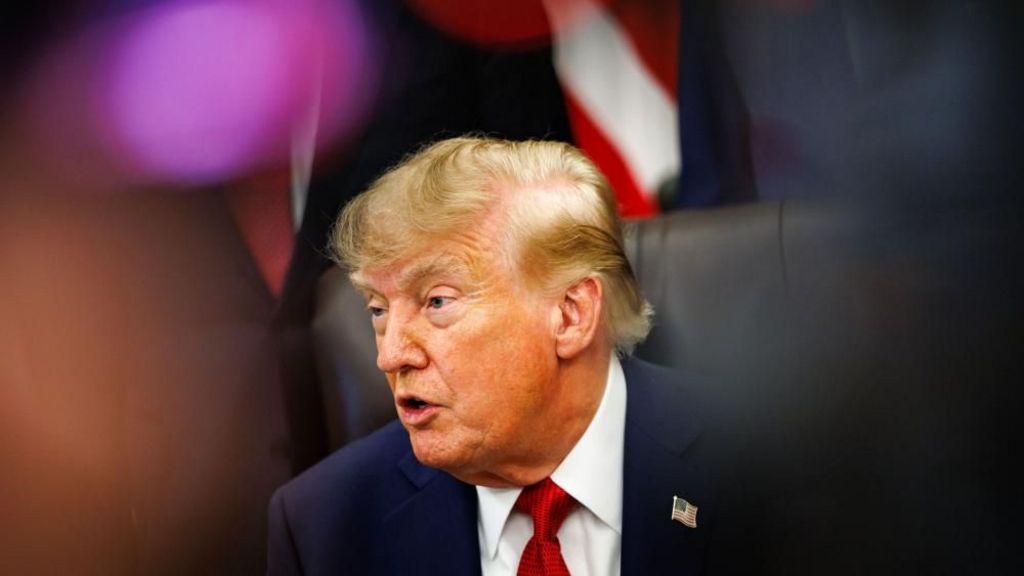
    The Australian equities market has booked its most robust single-day gain since mid-April, fueled by market optimism triggered by new comments from former U.S. President Donald Trump that eased geopolitical tensions in the Middle East. Both the benchmark ASX 200 and the broader All Ordinaries notched double-digit percentage gains, alongside a four-year high for the Australian dollar, as leading banking and mining stocks powered the market uptick.

    On the day, the ASX 200 climbed 112.10 points, a 1.30% jump that closed the index at 8796.60, while the All Ordinaries rose 112.80 points (1.27%) to settle at 9016.10. The Australian dollar also advanced to 72.47 U.S. cents, its highest level in four years. Despite the headline market rally, only five of the ASX’s 11 industry sectors finished the trading day in positive territory, with the country’s largest retail banks and major mining operators leading the upward charge.

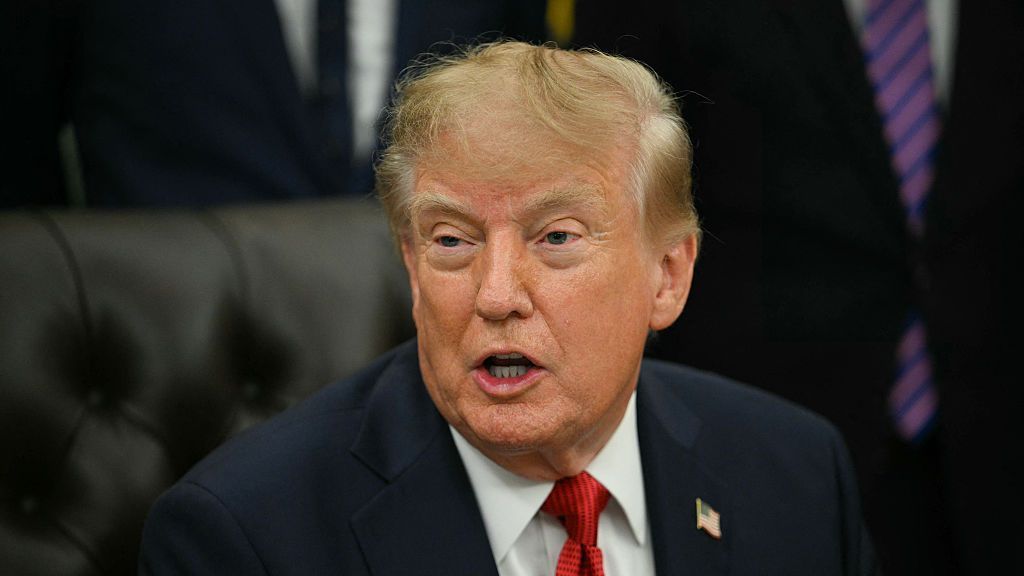
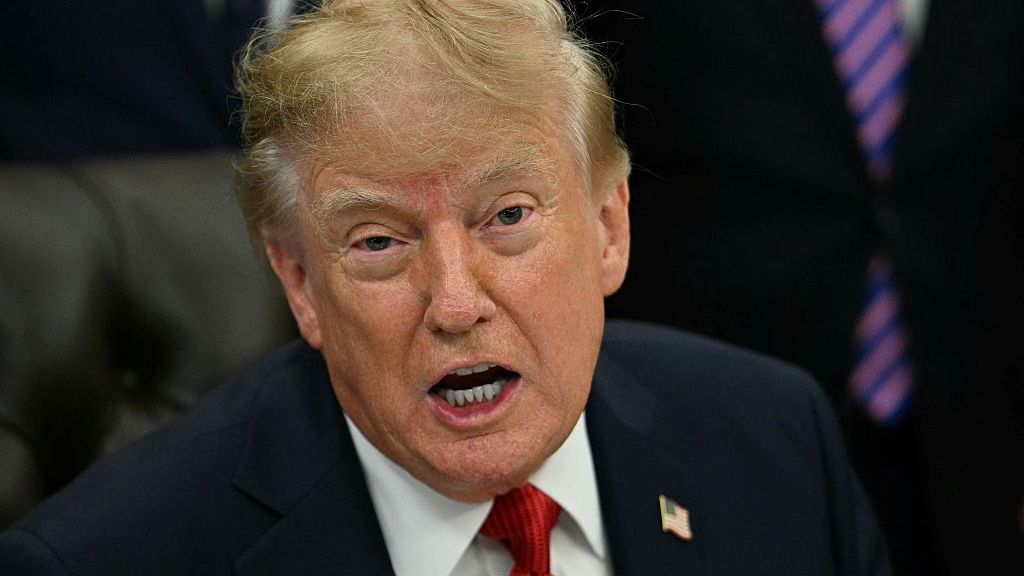
    Market analysts attributed the broad positive momentum to Trump’s announcement that he would pause Operation Freedom, a planned naval blockade of the strategically critical Strait of Hormuz. The waterway is one of the world’s most vital chokepoints for global energy shipments, and a blockade had threatened to disrupt international oil supplies and trigger a major global economic shock.

    “Keeping the Strait open is critical, because a closure would stifle global energy supply and raise the risk of the global economy falling off a steep, damaging supply cliff,” noted Capital.com analyst Tim Rodda. “Still, markets are holding out hope that this worst-case outcome will be avoided — and crucially, that it won’t erode the exceptional corporate profits that have lifted Wall Street to recent record highs.”

    Trump’s comments pulled global oil prices down 2% to $107 U.S. dollars per barrel, a shift that delivered immediate benefits to Australia’s major mining firms, which count energy costs among their largest operating expenses. On the ASX, BHP shares rose 3.05% to close at $56.39, Rio Tinto gained 2.30% to settle at $174.60, and Fortescue Metals added 3.15% to finish at $20.65. The falling oil prices hit Australia’s domestic energy sector, however: Woodside Petroleum shares slumped 2.66% to $31.84, Santos dipped 0.25% to $7.89, and Ampol fell 1.24% to close at $35.02.

    Easing geopolitical tensions also lifted gold prices, which pushed above $4600 U.S. dollars per ounce, according to Vivek Dhar, head of commodities and sustainability at Commonwealth Bank. Dhar explained that gold futures have moved inversely to the intensity of Middle East tensions since the outbreak of regional conflict in late February, a dynamic that may seem counterintuitive to many investors.

    “Gold is widely viewed as a safe-haven asset, so many would expect prices to rise when tensions spike, but the historical correlation between broad market risk and gold prices is actually very weak,” Dhar added.

    Among the country’s major banking stocks, which also posted strong gains, Commonwealth Bank climbed 2.96% to $177.98, Westpac rose 3.48% to $38.94, National Australia Bank gained 2.77% to $40.03, and ANZ rose 3.12% to close at $37.07. Judo Bank also notched a 3.55% gain to $1.46 after the regional lender confirmed it remains on track to hit its full-year pre-tax profit guidance of $180 million to $190 million.

    Not all stocks gained ground on the day, however. Leading consumer electronics retailer JB Hi-Fi saw its shares drop 6.28% to $72.98 after the company warned of significant rising component costs and ongoing stock availability shortages. The firm did report modest comparative sales growth for the March quarter: 4% growth for its core brand, and 2.5% growth for its subsidiary The Good Guys.

    One of the day’s biggest single-stock gains came from infrastructure investor Infratil, whose shares surged 14.95% to $12.07 after the company announced that its 49.8%-owned data center subsidiary CDC had secured Australia’s largest ever data center contract, a 555MW deal that will drive years of future revenue growth.

  • China’s top envoy tells his Iranian counterpart a ‘comprehensive ceasefire’ is needed

    China’s top envoy tells his Iranian counterpart a ‘comprehensive ceasefire’ is needed

    BEIJING – In a high-profile diplomatic meeting marked by growing international concern over protracted military hostilities, China’s top foreign policy official Wang Yi conveyed deep unease Wednesday about the more than two-month-long conflict involving Iran, Israel and the United States, while stressing that an immediate full cessation of fighting is the only acceptable path forward.

    The talks held in Beijing marked a significant milestone: it was the first in-person visit to China by Iranian Foreign Minister Abbas Araghchi since active hostilities broke out between the three parties on February 28. The face-to-face engagement comes as global pressure mounts for major powers to step in and de-escalate tensions that threaten to spiral into a wider regional conflict.

    Captured on video from the closed-door meeting, Wang laid out China’s clear stance on the escalating crisis. “We believe that a comprehensive ceasefire is urgently needed, that a resumption of hostilities is not acceptable, and that it is particularly important to remain committed to dialogue and negotiations,” Wang stated, emphasizing Beijing’s long-held position that diplomatic negotiation is the only sustainable solution to protracted international conflict.

    The meeting comes amid heightened global attention on China’s role in Middle Eastern diplomacy, as the country has positioned itself as a neutral broker working to reduce tensions across the region. The in-person talks between the two top diplomats signal ongoing diplomatic outreach to bring all parties back to the negotiating table amid months of stalled de-escalation efforts.

  • Cruise ship with hantavirus outbreak to sail to Canary Islands

    Cruise ship with hantavirus outbreak to sail to Canary Islands

    A deadly hantavirus outbreak onboard the Dutch-operated cruise vessel MV Hondius has triggered an international emergency response, with Spanish health authorities confirming the ship will reroute to the Canary Islands for coordinated medical care and passenger repatriation. The outbreak, which has already claimed three lives since the ship departed Argentina on a transatlantic voyage roughly one month ago, has prompted urgent evacuation plans for multiple people needing immediate treatment.

    On Tuesday, a medical evacuation aircraft was scheduled to transfer three people from the ship, which was originally docked in Cape Verde, to the Canary Islands. Among those being evacuated are two crew members: one of them is the ship’s British doctor, who requires urgent medical attention. The third evacuee is a close contact of the deceased German national who died earlier this month.

    As of the latest update from the World Health Organization (WHO), seven cases of hantavirus have been recorded onboard: two confirmed infections and five suspected cases. One confirmed case is a Dutch woman who is counted among the three fatalities, while the other is a 69-year-old British national who was already evacuated to South Africa for emergency care. The two additional deaths include the Dutch woman’s husband (who was never tested to confirm an infection) and the German national, who passed away on May 2. A Reuters report citing South African health officials confirms the two confirmed cases are linked to the Andes strain of hantavirus, a variant that is documented to spread from person to person among individuals in close contact.

    At the time of rerouting, 149 passengers and crew representing 23 nationalities remained onboard the MV Hondius, held under strict precautionary isolation measures, according to the ship’s operator, Oceanwide Expeditions. In addition to the affected British crew member, 22 other British citizens are still onboard the vessel.

    Spanish health authorities explained that Cape Verde lacked the specialized public health infrastructure to manage the large-scale outbreak response, leading to the decision to redirect the ship to the Canary Islands, the closest territory with sufficient medical capabilities. “Spain has a moral and legal obligation to assist these people, among whom are several Spanish citizens,” an official government statement noted. The vessel is expected to reach the archipelago within three to four days, with a final port of call yet to be confirmed; Oceanwide Expeditions says the leading options are Gran Canaria or Tenerife.

    Once the ship docks, all passengers and crew will undergo comprehensive health screenings, receive any required medical treatment, and then be cleared to travel back to their home countries. Spanish health authorities emphasized that all interactions with people from the MV Hondius will be limited to purpose-built isolation spaces and dedicated medical transports to prevent any potential spread to local communities. “These protocols are designed to avoid all contact with the local population and ensure the full safety of healthcare personnel,” the ministry added.

    Public health experts note that hantavirus is most commonly transmitted to humans through contact with infected rodents and their excretions. However, the WHO has confirmed that limited spread may have occurred between close contacts onboard the crowded cruise vessel, though the overall risk to the general public remains low, per the organization’s assessment.

  • Child protection workers stood down after alleged murder of Australian girl

    Child protection workers stood down after alleged murder of Australian girl

    A devastating tragedy in central Australia has sparked systemic scrutiny of child protection services and widespread community unrest, after a 5-year-old Aboriginal girl, who is publicly identified as Kumanjayi Little Baby out of respect for Indigenous cultural mourning protocols, was allegedly murdered in Australia’s Northern Territory (NT).

    In compliance with longstanding traditions of many Aboriginal and Torres Strait Islander communities, the child’s real name is not being used: cultural norms hold that sharing the name or likeness of a deceased loved one during the mourning period can disturb their spirit, so a pseudonym was adopted with community approval. A warning has also been issued to Indigenous readers noting this story references a person who has recently died.

    Kumanjayi Little Baby, a non-verbal child, was last seen put to bed just before midnight on Anzac Day at Old Timers Camp, a government-managed Aboriginal town camp on the outskirts of Alice Springs that provides accommodation for Indigenous people visiting the regional center. She was reported missing several hours later, triggering a large multi-agency search across the surrounding region. Her body was discovered 5 kilometers from the camp on April 30, five days after she disappeared.

    Police have taken 47-year-old Jefferson Lewis into custody, charging him with murder. Lewis was attacked by community members immediately after his arrest, and was initially treated at an Alice Springs hospital before being transferred to Darwin for his own safety. The arrest sparked violent unrest outside the hospital, with a full riot breaking out that led police to detain five additional people in connection with the violence. In a move to de-escalate tensions, a senior Indigenous elder and family member, Robin Granites, has publicly called for calm, urging the community to prioritize “sorry business” — the traditional collective period of mourning for the deceased.

    In response to mounting anger over systemic failures, NT Child Protection Minister Robyn Cahill ordered an urgent review of the child protection system’s handling of Kumanjayi Little Baby’s case shortly after she was reported missing. Initially, Cahill told media, departmental officials assessed that “it was not a situation of concern,” per reporting from the Australian Broadcasting Corporation. But Cahill pushed for a deeper inquiry to examine how child protection protocols were followed in the lead-up to the child’s disappearance and death.

    “I can’t go into the detail of what was in that brief but suffice it to say that we had to investigate how those processes had been executed,” Cahill told reporters this week. As a result of the preliminary review, three frontline child protection workers have been formally stood down from their active duties. Cahill clarified the decision to suspend the workers was made by the NT child protection department, not ministerial office.

    The suspension came after The Australian newspaper published a report revealing that six separate welfare concerns about Kumanjayi Little Baby had been filed with authorities in the weeks before her murder. The alerts were submitted by a family relative and staff at a local domestic violence shelter, all raising serious red flags about the child’s safety in her living environment.

    Across the country, community-led vigils will be held Thursday evening to honor Kumanjayi Little Baby, with public gatherings open to all attendees planned in Alice Springs and every major Australian capital city, as calls grow for a full independent inquiry into what systemic gaps allowed the tragedy to occur.

  • Reserve Bank interest rate rise sends Australian dollar to four-year high

    Reserve Bank interest rate rise sends Australian dollar to four-year high

    The Australian dollar has surged to a four-year peak against the U.S. dollar, a rally driven by the Reserve Bank of Australia’s recent interest rate increase that has created clear winners and losers across the domestic economy, from cross-border travelers to mortgage-holding households.

    After the RBA implemented a 25-basis point rate hike on Tuesday, pushing the official cash rate to 4.35%, the Australian dollar climbed to its highest level against the greenback since June 2020. As of this reporting, one Australian dollar purchases 72.48 U.S. cents, marking a significant upward shift for the commodity-linked currency.

    Global X investment strategist Billy Leung explained that the Australian dollar’s momentum stems from the country’s unusual position as an outlier in global monetary policy. While most major developed economies have paused rate hikes and begun pricing in future cuts, Australia continues to tighten borrowing costs due to an unresolved inflation crisis that has persisted longer than many policymakers and analysts expected.

    Unlike peer economies that cut rates more aggressively and held them lower for longer in the wake of the COVID-19 pandemic, Australia now faces persistent domestic inflation pressures that have forced the central bank to act even as global inflation cools. The RBA could not look past the oil price volatility triggered by escalating tensions between the U.S., Israel, and Iran, which have pushed crude prices above $110 a barrel and added to existing inflationary headwinds.

    Current economic data backs the RBA’s hawkish stance: trimmed mean inflation is projected to rise back to 3.8% by June, real household spending grew 0.7% in the first quarter, and the national labor market has remained unexpectedly resilient. Tuesday’s rate increase marked the third consecutive hike in the RBA’s current tightening cycle, and opinion among economic experts remains divided on whether additional rate increases will be needed to bring inflation under control.

    The RBA board’s vote on the hike reflected that division: eight of nine members supported lifting the cash rate, while one member advocated for holding rates steady at the previous 4.10% level. In a post-meeting statement, the board emphasized that inflation at 4.6% remains far above the central bank’s 2-3% target range, and left the door open for future policy tightening. The board added that it will closely monitor incoming economic data and shifting global economic conditions to guide future decisions.

    “Having raised the cash rate three times, monetary policy is well placed to respond to developments and the board is focused on its mandate to deliver price stability and full employment,” the statement read. “It will do what it considers necessary to achieve that outcome.”

    Leung added that another key factor driving the Australian dollar’s rally is the eroding yield advantage of the U.S. dollar. With the U.S. Federal Reserve holding rates steady and market expectations building for upcoming rate cuts, global investors searching for higher yield have increasingly turned to the few developed markets like Australia that are still offering attractive carry returns.

    When combined with elevated global oil prices driven by Middle East tensions, the conditions for a rally by Australia’s commodity-linked currency, backed by a hawkish central bank, are nearly ideal, Leung noted. He also clarified a common misperception about the rally: the Australian dollar’s gain is not a sign of exceptional strength in the domestic Australian economy.

    “The Aussie is not rallying because the domestic economy is booming,” Leung said. “It is rallying because the inflation problem most of the developed world believes has been dealt with remains very much alive in Australia, and the RBA has chosen to confront it directly.”

    For consumers, the stronger dollar delivers immediate benefits for two key groups: Australians planning overseas travel, who will see their buying power increase when exchanging currency, and domestic importers, who will pay less for goods sourced from overseas. The flip side of the rate hike that drove the rally, however, is higher monthly mortgage repayments for millions of Australian households, adding to ongoing cost-of-living pressures across the country.

  • Australian investments in foreign sharemarkets double over 10 years

    Australian investments in foreign sharemarkets double over 10 years

    Over the past decade, Australian investors have dramatically expanded their exposure to global equity markets, with newly released official data showing total outbound investment surging to $4.5 trillion by the end of 2025. This marks a more than $2 trillion increase from the end of 2015, according to figures from the Australian Bureau of Statistics (ABS). Of this total, foreign portfolio investment – which includes passive and active stakes in overseas public companies – reached $2.3 trillion in 2025, while direct investment (acquisitions of controlling stakes in foreign businesses) hit $1.2 trillion, up from just $570.2 billion a decade earlier.

    Two core market factors have driven this massive capital outflow: consistent strong gains in U.S. equities and a 16% depreciation of the Australian dollar over the 10-year period. The ABS data confirms that between 2015 and 2025 alone, Australian investors added $364 billion in foreign portfolio equity holdings, boosted by the S&P 500’s threefold growth that amplified returns when converted back to local currency.

    The United States has emerged as the overwhelming favorite destination for Australian foreign capital, peaking at 57.7% of total Australian outbound portfolio investment in 2024. Industry analysts point to multiple interconnected reasons for this preference, starting with structural limitations of Australia’s domestic market.

    Morningstar market strategist Lochlan Halloway explained that Australia makes up just 2% of the total global equity market by capitalization, but for decades local investors have held a disproportionate share of their portfolios in domestic assets. “It’s not outright a bad thing that Australian investors are thinking a little more globally,” Halloway noted. “We were already overindexed to domestic equities, and this shift represents a sensible balancing out from a diversification perspective.”

    Beyond portfolio rebalancing, the U.S. market offers unique advantages that draw Australian capital. “It’s the world’s largest, most liquid market, home to hundreds of high-quality global businesses, backed by relatively stable institutions and strong rule of law,” Halloway said. He added that the earnings growth outlook for U.S. equities, particularly in the fast-expanding technology sector, is more attractive than that of Australian equities, which are heavily concentrated in financials and commodities.

    Superannuation retirement funds have been the primary engine behind this trend, accounting for more than 60% of net foreign equity purchases in five of the last seven years. The ABS itself endorses this shift toward global diversification, warning that overreliance on domestic assets leaves Australian investors exposed to unnecessary risk.

    “Limiting portfolios to domestic assets would exclude access to major high-growth global sectors—such as technology, innovative healthcare, and advanced manufacturing,” the ABS said in its analysis. “It would also leave investors vulnerable to sector-specific shocks, swings in global commodity prices, and local economic downturns that could be mitigated through global exposure.”

    Halloway emphasized that the push into global markets does not signal a lack of investment opportunity within Australia, noting that domestic assets such as dividend-paying equities with franking credits remain attractive to many local investors who prefer the familiarity of the home market. Even so, he reiterated that diversification is a core principle of resilient long-term investing. “Diversification is the only free lunch in investing, it’s probably the most important attribute for your investment portfolio,” he said. “The argument for expanding exposure beyond Australia’s borders remains very strong.”

  • Burkina Faso junta secretly detained journalist and others, advocacy group says

    Burkina Faso junta secretly detained journalist and others, advocacy group says

    In a damning new revelation that shines a harsh light on rising authoritarianism in West Africa, global press freedom advocacy organization Reporters Without Borders (RSF) has accused Burkina Faso’s ruling military junta of running an unacknowledged, makeshift detention facility in the nation’s capital Ouagadougou, where a leading investigative journalist and dozens of detainees are held in degrading, abusive conditions. The findings, released Wednesday by RSF, directly contradict official claims about the whereabouts of Atiana Serge Oulon, editor-in-chief of the independent Burkina Faso newspaper L’Evenement.

    Oulon was forcibly removed from his private residence in Ouagadougou in June 2024 by a group of unidentified armed men dressed in civilian clothing. Shortly after the abduction, the junta, which has held power since a 2022 coup led by Captain Ibrahim Traoré, announced that Oulon had been conscripted into national military service to fight the ongoing regional insurgency against Islamic militants. But accounts from former detainees obtained by RSF tell a far different story: as of late 2024, Oulon and as many as 40 other detainees remain imprisoned in a heavily guarded residential compound in central Ouagadougou, cut off from all contact with family, legal representation, and the outside world.

    Detainees held in the facility described systematic mistreatment that violates basic international human rights standards. Former prisoners reported sleeping on uninsulated bare concrete floors, being denied access to clean drinking water and forced to drink water from toilet fixtures, and regular beatings at the hands of guards who use thick ropes and tree branches as weapons. RSF’s investigation also revealed direct ties between the secret detention operation and Traoré’s inner circle: a senior security officer assigned to Traoré personally debriefs detainees before their release, threatening them with severe retaliation if they speak publicly about their experience in the facility.

    Oulon has been a target of junta scrutiny since 2022, when he published a high-profile investigative report exposing alleged embezzlement by a senior army captain, RSF confirmed. As of publication, Oulon’s exact location and current condition remain unknown, and the junta has not responded to repeated requests for comment from RSF after the organization shared its full investigative findings with government officials.

    This revelation is the latest in a growing body of evidence documenting a widespread crackdown on political dissent and independent press under Traoré’s junta. Since seizing power in the September 2022 coup, the military government has shuttered dozens of independent media outlets, targeted critical journalists and opposition figures, and systematically forcibly conscripted dissidents to frontline combat against jihadist insurgents. In an April 2024 report, Human Rights Watch documented that the junta’s sweeping crackdown has created what the organization described as “an atmosphere of terror” across Burkina Faso, severely cutting off public access to uncensored information and eliminating almost all space for political opposition. RSF is now calling for the immediate and unconditional release of Oulon and all detainees arbitrarily held at the secret Ouagadougou facility.

  • NSW motorists claim back $284 million in toll relief amid cost of living crisis

    NSW motorists claim back $284 million in toll relief amid cost of living crisis

    Since the New South Wales (NSW) government launched its permanent weekly $60 toll cap scheme in January 2024 to counter soaring cost-of-living pressures, more than 862,000 local motorists have collectively claimed $284 million in cashback relief, new official data reveals. Fifty-eight suburbs across the state have now crossed the threshold of $1 million in total returned toll payments, earning them a place in the scheme’s so-called “$1 million club”, with 10 suburbs even pushing past the $2 million mark for collective claims.

    The latest suburbs to secure a spot in the $1 million club include Mount Druitt, Bella Vista, Coogee, Austral, Kings Langley, Oakhurst, Macquarie Park, South Wentworthville and Box Hill. Top-performing suburbs by total relief claimed include 10 suburbs that have each received more than $2 million: Carlingford, West Pennant Hills, Punchbowl, Greystanes, Bankstown, Kellyville, Lakemba, Quakers Hill, Marsden Park and Castle Hill. At the upper end of the scale, four major areas have racked up more than $4 million in total cashback. Blacktown leads the pack with 12,030 individual claims averaging $398 per driver, followed by Auburn where the average claim hits $674, with Baulkham Hills and Merrylands rounding out the $4 million-plus group.

    NSW Premier Chris Minns emphasized that the targeted relief is reaching the communities hit hardest by ongoing economic pressures, including rising interest rates, persistent inflation and volatile fuel prices. “We’re seeing that support land where it’s needed most, across Western Sydney with suburbs like Mount Druitt, Blacktown, Auburn and Baulkham Hills claiming more than $1 million in toll relief,” Minns said. The premier noted that making the $60 weekly toll cap a permanent policy change has eliminated the uncertainty of unpredictable monthly toll bills for regular commuters, putting much-needed disposable income back into household budgets and delivering consistent financial certainty week to week.

    The toll relief scheme is part of the NSW government’s broader push to address toll inequity across Sydney. In line with that commitment, the government is set to introduce two-way tolling for the Sydney Harbour Bridge and Sydney Harbour Tunnel by 2028, a reform designed to end the current system that places disproportionate toll burden on Western Sydney motorists, who currently pay tolls in both directions for cross-city trips while Harbour crossing users only pay for one direction of travel. The existing one-way toll structure for the Harbour crossings has not seen a price increase between 2009 and 2023.

    For the 2025 calendar year, more than $100 million in unclaimed toll relief remains available to eligible motorists. Commuters who have not yet claimed their cashback for the first three months of 2025 are encouraged to visit the official Service NSW website to check their eligibility and submit their claims before closing deadlines.

  • Amputee football players in Rwanda find healing and a sense of community

    Amputee football players in Rwanda find healing and a sense of community

    Against the backdrop of Kigali, Rwanda’s rolling hills, a revolutionary form of athletic competition is transforming lives and stitching together the fabric of a nation still healing from deep historical trauma. On grassy community pitches, athletes balance on crutches, striking them against one another in playful competition as they chase a football — and a shared, ambitious dream of competing on the world’s biggest stage for their sport. In the stands, young children scream with delight as a one-armed goalkeeper dives full-stretch to block a shot with her only functional hand, a moment that captures both the grit and joy that define this growing movement.

    Amputee football, a modified seven-a-side variant where outfield players maneuver across the pitch on crutches and goalkeepers are restricted to one functional arm, has expanded steadily across Rwanda over the past 10 years. For athletes who once assumed competitive sport was forever out of reach after limb loss, the pitch has become more than a place to play: it is a community, a path to physical rehabilitation, and a space to reclaim a sense of belonging after life-altering injury or trauma.

    Much of the sport’s growth in Rwanda is rooted in the country’s long road to recovery from its darkest chapter: the 1994 genocide, where an estimated 800,000 Tutsis and moderate Hutus were killed in a 100-day campaign of violence, leaving thousands of survivors living with amputations and other permanent disabilities. Today, amputee football brings together people from all backgrounds — genocide survivors, accident survivors, and people who have lost limbs to illness — to build connection across divides.

    For Nyiraneza Solange, the sport has been life-changing. Born two years after the genocide, Solange lost her leg at age 5 following a fall that developed into a severe infection. She was drawn to the sport after witnessing the extraordinary resilience of genocide survivors who had limb loss, and was encouraged by the coach of Rwanda’s first-ever amputee football team, who told her she could adapt her crutches to compete. She quickly cast aside her fears, and now says she rarely thinks about her amputation while playing. “I don’t even think about I don’t have a leg,” she explained. On the pitch, she feels completely free, and has overcome the deep social stigma that once surrounded her status as an amputee.

    Official estimates place the number of lower-limb amputees in Rwanda at more than 3,000, a population encompassing genocide survivors, road accident victims, and people affected by chronic illness. Louise Kwizera, vice president of the Rwanda Amputee Football Federation, says the sport does more than build physical fitness: it helps people learn to trust one another again, rebuilding unity in a society that was once torn apart by division. “In communities affected by conflict or trauma, the playing field becomes a place of peace,” Kwizera told the Associated Press. “People who may have different pasts come together as teammates.”

    Today, that growing community has its sights set on a major global milestone: Rwanda is preparing to field a full national women’s team for the second women’s amputee football World Cup, scheduled to take place in 2025 in either Poland or Brazil. The 2024 inaugural edition of the tournament only included one Rwandan competitor, making next year’s event a historic step forward for the country’s program. Amputee football, overseen globally by the World Amputee Football Federation, is now played in more than 50 countries, and Rwanda has built a robust domestic structure: five professional women’s teams and 10 men’s teams across the country.

    Fred Sorrels, manager of the Haitian women’s amputee football team, recently traveled to Rwanda to support the development of the local program, and has thrown his support behind a potential future Rwandan bid to host the World Cup. While Rwandan sports authorities have not yet submitted a formal bid, Sorrels says he has seen firsthand the life-changing impact the sport has on participants. “It’s a win psychologically and mentally for these ladies to have an opportunity to experience wholeness and wellness again,” he said.

    Gilbert Muvunyi Manier, director general of sports development at Rwanda’s Ministry of Sports, echoed that sentiment, describing amputee football as a “powerful tool” for national healing, intergroup reconciliation, and building social cohesion across the country.

    Athletes acknowledge that the sport comes with unique challenges. Goalkeeper Nikuze Angelique, for example, notes that defending shots that bounce toward the side of her missing arm presents a constant technical hurdle. But like Solange, she emphasizes that the community she has found on the pitch far outweighs any challenges. As players posed for selfies after a recent training match, Angelique shared her hope that the team will qualify for next year’s World Cup — a milestone that would mark the fulfillment of a decades-long dream for Rwandan amputee athletes. “It will be a dream come true,” she said.

  • Australia Post launches new Bluey ‘dollarbuck’ coins for fans and collectors after first set sold out

    Australia Post launches new Bluey ‘dollarbuck’ coins for fans and collectors after first set sold out

    Following the rapid sell-out of its first Bluey collectible coin range that left disappointed fans joking with the show’s iconic catchphrase “oh biscuits”, Australia Post has launched a highly anticipated second series of Bluey-inspired $2 coins – nicknamed “dollarbucks” after the young animated protagonist Bluey Heeler’s own playful term for currency.

    This new release marks the second time Australia’s most beloved animated canine family has been immortalized on legal tender collectible coins, two years after the first limited run of $1 and $2 coins drew massive global demand from fans and collectors. Launching for purchase from May 6, the new collection features seven unique designs, each pulled from the most iconic and fan-favorite episodes of the hit children’s series.

    Among the curated episode-themed designs are *Baby Race*, the widely acclaimed episode that explores Chilli Heeler’s heartfelt parenting lesson about letting children grow at their own pace, and *Granny Mobile*, the laugh-out-loud episode centered on Bluey and Bingo’s silly elderly character role-play. The crown jewel of the collection is a limited-run colored commemorative coin themed around the legendary *Sleepytime* episode, which depicts Bingo’s surreal viral dream sequence where she hatches out of a planet Earth egg.

    Unlike standard circulating currency, these collectible coins are not intended for general public circulation, but lucky customers making cash purchases at participating participating post offices may receive them as change. Pricing for the collection makes collecting accessible to most fans: individual coins are priced at AUD $20, while a complete five-coin tube and display folder set retails for AUD $34. Every fifth set carries a 1-in-10 chance of including the rare *Sleepytime* colored coin, adding an extra layer of excitement for collectors.

    Speaking on the new launch, Josh Bannister, Australia Post’s Executive General Manager of Retail, Brand and Marketing, highlighted the enduring cross-generational appeal of the Bluey franchise. “Bluey is loved by families across Australia and the world, and these first dedicated set of Bluey $2 coins are a fun way for fans to connect with the characters they love,” Bannister said. He also reminded customers to check their cash change from participating outlets, as random colored Bluey and Bingo coins are being distributed as change alongside regular currency.

    Sharon Wilson, Director of Brands and Licensing at BBC Studios, which owns and distributes Bluey globally, echoed this excitement, noting the collaboration fits perfectly with the franchise’s playful, distinctly Australian identity. “The Bluey Dollarbuck collection is a playful nod to Aussie culture, made even more special through our partnership with Australia Post,” Wilson said. “Bluey has become a beloved part of family life and the new range is a delightful way for fans to celebrate their favorite characters and stories. We can’t wait for fans of all ages to enjoy them.”