博客

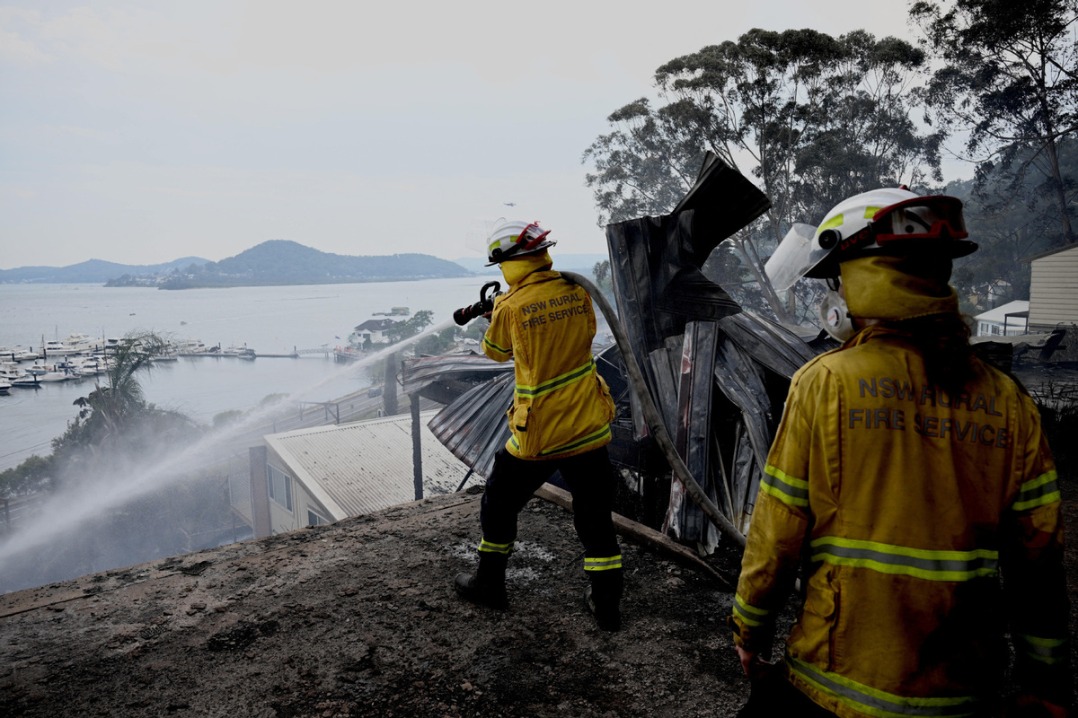
  • Heavy falls of 200mm+, wind gusts and flash flooding forecast as tropical low approaches Qld’s North Tropical Coast

    Heavy falls of 200mm+, wind gusts and flash flooding forecast as tropical low approaches Qld’s North Tropical Coast

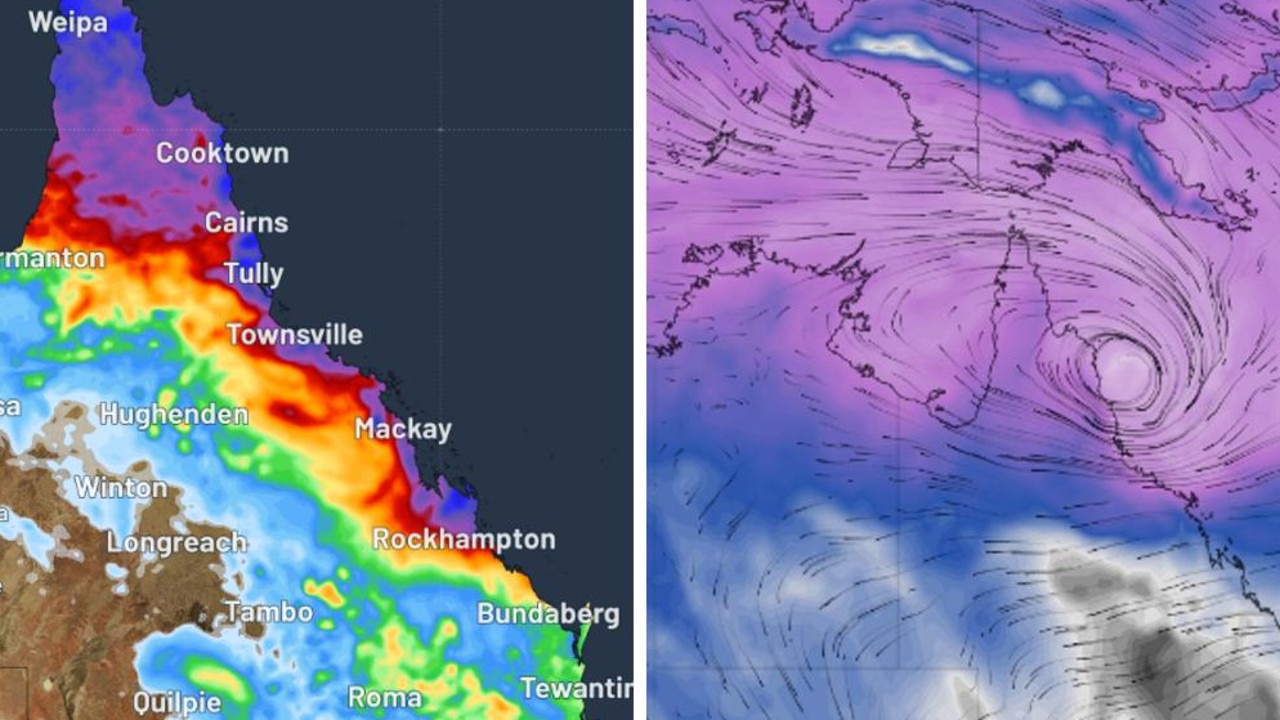
    A significant tropical weather system is advancing toward Queensland’s northeastern coastline, placing millions of Australian residents under severe weather advisories. Meteorological authorities have issued alerts indicating potential rainfall exceeding 200mm in certain regions, accompanied by destructive wind gusts reaching 90km/h.

    The developing system, designated Tropical Low 12U, has formed within the Coral Sea and demonstrates a gradual westward trajectory toward coastal communities. While the Bureau of Meteorology indicates a 25-35% probability of cyclonic development by Friday, the immediate concern remains intense precipitation and powerful winds affecting coastal towns from Hope Vale to Hamilton Island.

    Forecast models project the most severe conditions developing throughout Friday and persisting into Saturday, with six-hour rainfall accumulations potentially reaching 150mm and isolated areas experiencing over 200mm. Concurrently, easterly wind systems are expected to generate sustained winds of 55-65km/h with significantly stronger gusts.

    This meteorological event compounds existing weather challenges across Queensland, where northwestern regions have already experienced substantial flooding. Preliminary reports indicate exceptional rainfall totals, including Cowley Beach recording 1284mm within a seven-day period and Townsville receiving over 500mm recently.

    Federal and state authorities have initiated disaster response measures, announcing a $38 million relief package targeting agricultural recovery and infrastructure repairs. Prime Minister Anthony Albanese emphasized coordinated government efforts to address both immediate response needs and long-term resilience building.

    Simultaneously, southeastern Australia confronts contrasting extreme conditions as heatwave alerts cover multiple regions and firefighters combat uncontrolled bushfires in Victoria. Emergency management officials have highlighted the compound risks presented by concurrent weather extremes across the nation.

  • Venezuela move draws condemnation

    Venezuela move draws condemnation

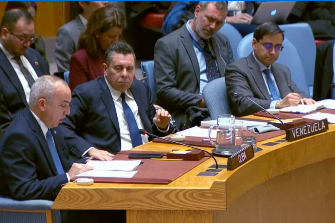
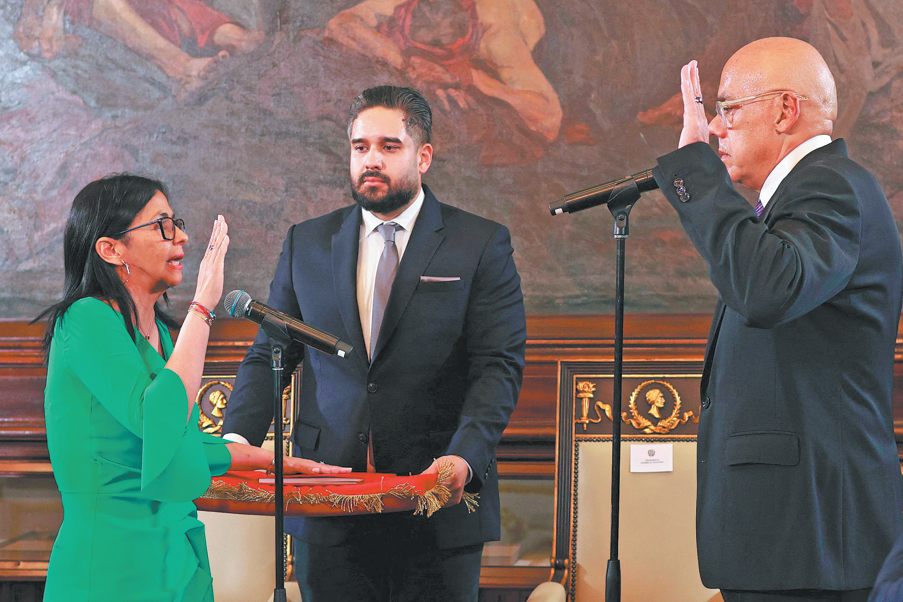
    The United States faces mounting international condemnation following its controversial military intervention in Venezuela and the apprehension of President Nicolas Maduro. During an emergency session of the United Nations Security Council on Monday, numerous nations denounced Washington’s unilateral actions as flagrant violations of the UN Charter and established international legal norms.

    UN Secretary-General Antonio Guterres expressed profound apprehension regarding the apparent disregard for international law demonstrated by Saturday’s military operation. He emphasized concerns about potential regional destabilization and the dangerous precedent set for future inter-state relations.

    Eritrean Permanent Representative Sophia Tesfamariam Yohannes characterized American actions as “a clear breach of international law and fundamental principles governing international relations.” Iranian Ambassador Amir Saeid Iravani went further, labeling the operation “state terrorism” and “a full-fledged act of aggression” that violated peremptory norms of international law.

    Venezuelan UN Ambassador Samuel Moncada appealed for decisive Security Council action, asserting that international peace can only be maintained through consistent application of international law without “double standards or selective interpretations.”

    The operation has drawn criticism even from traditional US allies. In Japan, political figures and media outlets warned that the intervention undermines international law and the postwar rules-based order. Opposition leader Yoshihiko Noda expressed “serious doubts” about the operation’s legal justification, while the Nikkei newspaper suggested it disregarded three core pillars of legal order: national sovereignty respect, congressional oversight, and the rules-based system.

    International legal scholar Hadi Rahmat Purnama from Universitas Indonesia cautioned that “applying national jurisdiction against other sovereign countries constitutes an act of war,” adding that Washington’s non-recognition of the Maduro government provides no legal basis for the apprehension.

  • Tiger Tower fire: 6 months on, owners get timeline for repairs, insurance payouts

    Tiger Tower fire: 6 months on, owners get timeline for repairs, insurance payouts

    After six months of uncertainty following a catastrophic fire that ravaged Dubai’s prominent 67-story Tiger Tower (officially named Marina Pinnacle Tower), displaced homeowners have finally received definitive timelines for restoration works and insurance compensation. The Dubai Land Department (DLD) has formally communicated that rehabilitation efforts are poised to commence, bringing substantial relief to affected property owners.

    According to an official DLD document dated December 26, 2025, a specialized contractor has been appointed to execute comprehensive structural repairs and rehabilitate building systems. The extensive restoration project, funded through an initial disbursement, is projected to require approximately eight months for completion before units can be officially returned to owners.

    The communication specifically addressed the critical insurance compensation process, confirming the appointment of an independent consultant to finalize damage assessments. Property owners can anticipate compensation disbursements to initiate within one to two months, pending completion of required documentation.

    The June 13, 2025 inferno necessitated the emergency evacuation of all 3,820 residents from 764 apartments in a remarkable six-hour operation by Dubai Civil Defence that resulted in no casualties. However, the subsequent months created significant hardship for owners like Muhammad, a three-bedroom apartment purchaser, who described experiencing ‘considerable emotional duress’ due to financial pressures and insufficient communication from authorities.

    The DLD has emphasized its ongoing coordination with building management to monitor rehabilitation progress and safeguard owner rights. Authorities additionally noted that temporary partial re-occupation of unaffected apartments may be permitted following approval from Dubai Municipality and Civil Defence, offering some residents earlier return possibilities before full project completion.

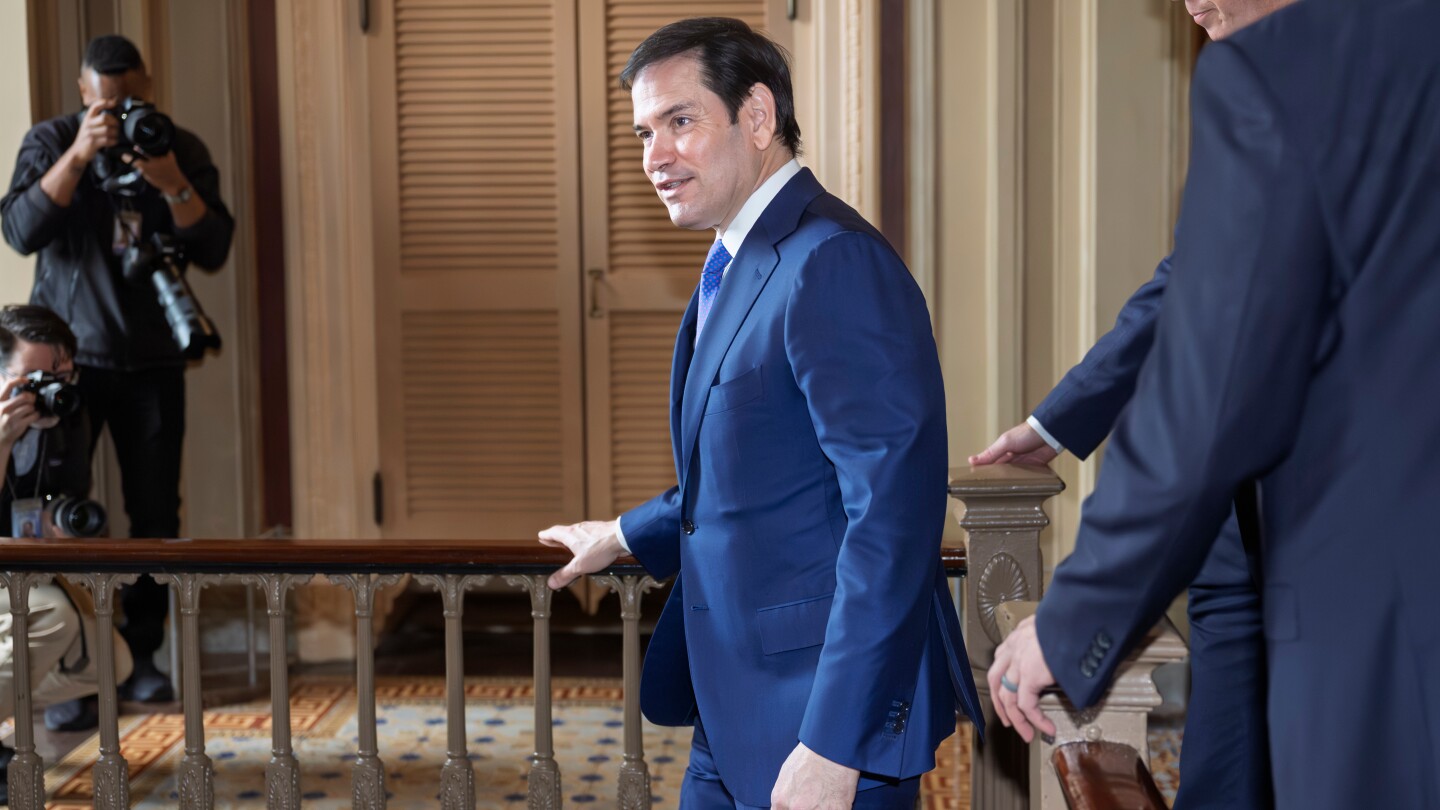
  • Rubio plans to meet with Danish officials next week to talk about US interest in Greenland

    Rubio plans to meet with Danish officials next week to talk about US interest in Greenland

    Diplomatic relations between the United States and Denmark have entered a precarious phase as Secretary of State Marco Rubio prepares to meet with Danish officials following the Trump administration’s renewed interest in acquiring Greenland. The strategic Arctic territory, currently a self-governing Danish territory, has become the focal point of escalating geopolitical tensions.

    The administration’s position, reportedly discussed in classified briefings with select lawmakers, emphasizes Greenland’s critical importance to U.S. national security amid growing Russian and Chinese influence in the Arctic region. While previous meeting requests between Danish and Greenlandic officials with Secretary Rubio were unsuccessful, the upcoming dialogue signals a potential de-escalation of rhetoric.

    European leaders have responded with unusual unity, with France, Germany, Italy, Poland, Spain, and the United Kingdom joining Danish Prime Minister Mette Frederiksen in affirming Greenland’s right to self-determination. The collective statement emphasized that the mineral-rich island ‘belongs to its people,’ while Frederiksen warned that any U.S. takeover could effectively mean ‘the end of NATO.’

    Defense analysts note the extraordinary nature of such a coordinated Nordic response. Maria Martisiute of the European Policy Centre observed, ‘The Nordics do not lightly make statements like this. But it is Trump whose very bombastic language bordering on direct threats and intimidation is threatening the fact to another ally.’

    The administration appears divided on approach, with White House press secretary Karoline Leavitt acknowledging military options while emphasizing diplomatic preference. Republican senators expressed mixed reactions, with some seeing strategic value but distancing themselves from military action suggestions. Alaska Senator Lisa Murkowski characterized the rhetoric as ‘very, very unsettling,’ while bipartisan NATO advocates emphasized the importance of honoring treaty obligations to Denmark.

    Military experts question the strategic necessity of annexation, noting existing U.S. military access through agreements with Denmark. Thomas Crosbie of the Royal Danish Defense College stated, ‘The United States will gain no advantage if its flag is flying in Nuuk versus the Greenlandic flag. They already enjoy all of the advantages they want as a trusted ally.’

    The situation remains fluid with the upcoming diplomatic meetings potentially determining whether this escalates into a full-scale NATO crisis or finds resolution through diplomatic channels.

  • 7 million Australians face risk of wildfires

    7 million Australians face risk of wildfires

    A landmark collaborative study has revealed that nearly 7 million Australian residents face significant wildfire threats while living in suburban expanses surrounding major metropolitan centers. The comprehensive analysis, jointly published by the Climate Council and Emergency Leaders for Climate Action (ELCA), identifies these urban periphery zones as increasingly vulnerable to catastrophic fire events.

    The research highlights that the outer suburbs of Sydney, Melbourne, Perth, Adelaide, Hobart, and Canberra exhibit environmental and structural characteristics alarmingly similar to those that precipitated the devastating January 2025 Los Angeles wildfires. Demographic data shows a concerning 65.5% population increase in these high-risk areas since 2001, with current estimates exceeding 6.9 million inhabitants.

    A critical finding indicates that approximately 90% of Australian homes situated in these fire-prone regions were constructed prior to the implementation of contemporary bushfire-resilience building standards. The report further cites previous research demonstrating that while only 10% of fires account for 78% of fatalities, the majority of these deadly incidents occur in suburban settings.

    Greg Mullins, ELCA founder and former New South Wales fire commissioner, emphasized the dangerous convergence of environmental factors creating ideal conditions for catastrophic urban fires. ‘Nearly every Australian city now contends with the same hazardous preconditions witnessed in Los Angeles—extended dry periods, severe wind patterns, and historical precedents of destructive fires,’ Mullins stated. He specifically noted that climate change has intensified fire weather conditions to levels that sometimes surpass modern firefighting capabilities.

    The report urgently recommends both substantial reductions in climate pollution and prioritized enhancement of emergency services and land management capacities in these vulnerable urban fringe communities.

  • ‘Right-wing network’ marked by inherent fragmentation, experts say

    ‘Right-wing network’ marked by inherent fragmentation, experts say

    A concerted effort by the United States to forge a cohesive global right-wing political network is encountering fundamental structural challenges, according to international relations experts. Since President Donald Trump’s return to power in January 2025, the administration has pursued an aggressive strategy of supporting pro-US conservative movements worldwide through economic measures, diplomatic engagements, and military posturing.

    The initiative has been particularly visible across Latin America, where longstanding US support for conservative forces has evolved into a coordinated campaign. Recent actions include imposing steep tariffs on Brazil during former president Jair Bolsonaro’s trial and sanctioning Colombian President Gustavo Petro over alleged drug ties. The most dramatic escalation occurred with US strikes against Venezuela and the abduction of President Nicolas Maduro, drawing condemnation from multiple Latin American leaders.

    According to Jin Xiaowen, associate professor at Renmin University of China’s School of International Studies, these moves demonstrate that political motivations frequently outweigh economic logic in US foreign policy. The strategy extends beyond the Western Hemisphere, with the US National Security Strategy explicitly endorsing European far-right parties’ opposition to immigration and climate policies. This document, framed by officials as the ‘Trump corollary’ to the Monroe Doctrine, has been embraced by right-wing figures in Germany, Poland, and Hungary as a form of recognition.

    However, experts highlight inherent fragmentation within this emerging network. Yan Shaohua, deputy director of Fudan University’s Center for China-Europe Relations, notes that the coalition functions primarily as an opposition force united against common targets but lacks a constructive shared agenda. Fundamental divisions emerge on critical issues like the Russia-Ukraine conflict, where Hungary’s pro-Russia stance conflicts with Poland’s support for Ukraine.

    The network’s structural fragility becomes apparent when ‘America First’ policies collide with national priorities of other members. Trade protectionism, including US tariffs on allies, creates economic strain and friction. As Yan observes, when concrete policy action is required, right-wing actors inevitably prioritize domestic political agendas over coalition solidarity, revealing the network’s fundamental limitations as a sustainable international alliance.

  • 2025 in review: A year of shifting horizons

    2025 in review: A year of shifting horizons

    The year 2025 witnessed a profound transformation of global politics as conservative ideologies gained unprecedented momentum across multiple continents. This rightward shift manifested through protectionist policies, nationalist agendas, and a fundamental reorientation of international relations that challenged established norms of global cooperation.

    The political transformation originated in Washington DC with the new U.S. administration declaring the commencement of ‘America’s golden age,’ promptly implementing aggressive tariff measures against trading partners. This protectionist stance triggered a chain reaction of retaliatory economic policies and inspired similar movements worldwide.

    By February, the political wave had crossed the Atlantic as European far-right movements gained prominence. The ‘Patriots for Europe’ coalition convened in Spain, explicitly endorsing the American protectionist model while advocating their own ‘Make Europe Great Again’ platform. This gathering signaled a significant consolidation of right-wing influence within European politics.

    The conservative momentum reached critical mass in East Asia by October when Japan elected Sanae Takaichi as its 104th prime minister. Her administration immediately prioritized constitutional revision and military expansion, marking a decisive departure from Japan’s traditional pacifist stance and representing the most significant security policy shift in decades.

    By December, the political transformation extended to South America with right-leaning candidate José Antonio Kast defeating the left-wing incumbent in Chile’s presidential election. His victory, coupled with similar right-wing successes in Ecuador and Bolivia, completed a comprehensive conservative realignment across Latin America.

    Analysts observe that this global movement represents a new political paradigm transcending regional boundaries. The U.S. administration’s policy approach has served as an ideological template for right-wing movements worldwide, with localized adaptations of populist slogans and strategies. Japan’s ‘Sanseito’ party exemplifies this trend, employing nationalist rhetoric and social media strategies inspired by American political tactics to transform from a fringe movement to a significant parliamentary force within five years.

    Experts note that coordinated digital campaigns and inflammatory rhetoric have proven effective in mobilizing support, though they warn that this rightward network remains inherently fragmented and could create new geopolitical tensions in the coming years.

  • Countries slam US interference in Venezuela at UN

    Countries slam US interference in Venezuela at UN

    A wave of international criticism targeted United States policies toward Venezuela during an emergency session of the UN Security Council convened Monday at UN Headquarters in New York. The meeting, focused on the ongoing political situation in Venezuela, became a platform for numerous nations to voice strong opposition to American intervention in the South American country’s internal affairs.

    Diplomatic representatives from multiple countries delivered statements condemning what they characterized as destabilizing interference by the US government in Venezuela’s sovereign matters. The emergency session highlighted growing global concern over external involvement in Venezuela’s political crisis, with several nations emphasizing the fundamental principles of national sovereignty and non-intervention established in the UN Charter.

    The meeting occurred amid heightened tensions surrounding Venezuela’s political leadership and economic challenges. While the US has maintained its position regarding the Venezuelan government, the Security Council discussion revealed significant international resistance to American approaches, suggesting a diplomatic divide within the global community regarding appropriate engagement with Venezuela.

    The coordinated criticism at the UN’s most powerful body represents a notable challenge to US foreign policy in Latin America and demonstrates the complex geopolitical dynamics surrounding the Venezuelan situation. The emergency session underscored how Venezuela’s internal affairs have become a flashpoint for broader debates about sovereignty, intervention, and international law within global governance institutions.

  • Ecological approach to water treatment unveiled

    Ecological approach to water treatment unveiled

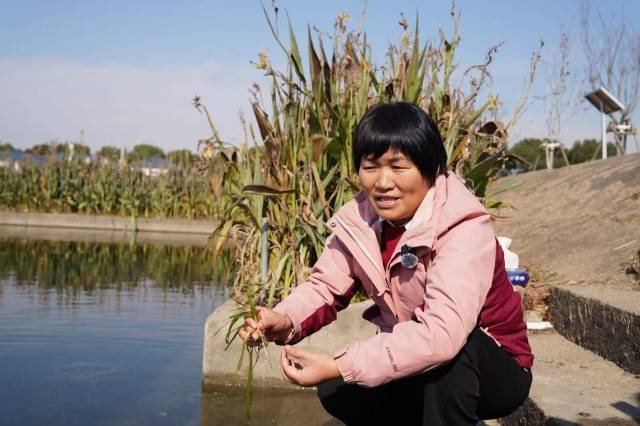
    SHANGHAI – Researchers at Shanghai Ocean University have unveiled a groundbreaking ecological approach to water purification that merges ancient Chinese medical philosophy with modern environmental science. The innovative methodology, developed under the guidance of Professor Wang Liqing, applies the fundamental diagnostic principles of Traditional Chinese Medicine – observation, listening, smelling, inquiry, and palpation – to assess and rehabilitate compromised aquatic ecosystems.

    The comprehensive treatment protocol initiates with meticulous water quality analysis through both visual inspection and advanced instrumental monitoring. Subsequent phases involve examining water circulation dynamics and investigating historical pollution sources alongside environmental transformations. These diagnostic insights inform the creation of customized rehabilitation strategies tailored to each unique water body.

    “Our primary intervention involves isolating pollution sources to prevent additional contamination,” Professor Wang explained. “We then perform precise ‘surgical’ modifications to underwater topography while establishing specialized habitats for carefully selected aquatic flora and fauna.”

    The research team conceptualizes water ecosystems as intricate networks where material conversion, energy transfer, and information exchange form self-regulating systems with interconnected components. This holistic perspective enables implementation of complete ecological solutions rather than addressing isolated symptoms.

    The treatment methodology employs diverse biological agents strategically deployed according to water depth. In deeper aquatic zones, fish populations serve as natural regulators of algae while absorbing surplus nutrients. Shallower regions receive submerged vegetation, particularly a specially engineered strain of vallisneria that demonstrates exceptional pollutant absorption capabilities.

    At their Qingpu district research facility, the team has perfected plant cultivation techniques through two decades of selective breeding. Their enhanced vallisneria variant achieves two annual harvests while exhibiting superior functional performance. The researchers have additionally developed specialized equipment including aquatic plant wrapping machinery and automated collection vessels that enable low-disturbance, high-efficiency planting and maintenance operations.

    While the ecological approach appears fundamentally simple, Professor Wang emphasizes its underlying complexity lies in precision implementation. “Each aquatic environment demands carefully calibrated, location-specific interventions to maintain ecological equilibrium,” she noted.

    The system’s effectiveness finds demonstration at Jinhai Lake in Fengxian district, where implemented measures have maintained remarkable stability since 2011. Water transparency consistently reaches two meters with quality meeting Grade II or III standards, while the site now purifies approximately 100,000 metric tons daily.

    In Zhujiajiao Water Town, the establishment of ecological buffer zones has improved water transparency from under half a meter to exceeding 1.5 meters. The approach achieves significant cost efficiency, reducing treatment expenses from 0.2-0.5 yuan per ton through conventional methods to approximately 0.04 yuan per ton.

    “We facilitate natural transformation processes rather than merely extracting pollutants,” Professor Wang elaborated. “Converting dissolved nutrients into harvestable biomass establishes a sustainable cycle where aquatic vegetation serves as fish nourishment or organic fertilizer.”

    The ecological methodology has been deployed across more than 700 projects throughout 23 Chinese provinces and municipalities, treating approximately 90 square kilometers of water area – equivalent to 15 West Lakes. “Our ultimate vision transcends water treatment alone,” Professor Wang concluded. “We aspire to create self-sustaining ecosystems that coexist harmoniously with human activity while delivering enduring environmental and economic benefits.”
  • South Korean leader says he asked China’s Xi to act as mediator on North Korea issues

    South Korean leader says he asked China’s Xi to act as mediator on North Korea issues

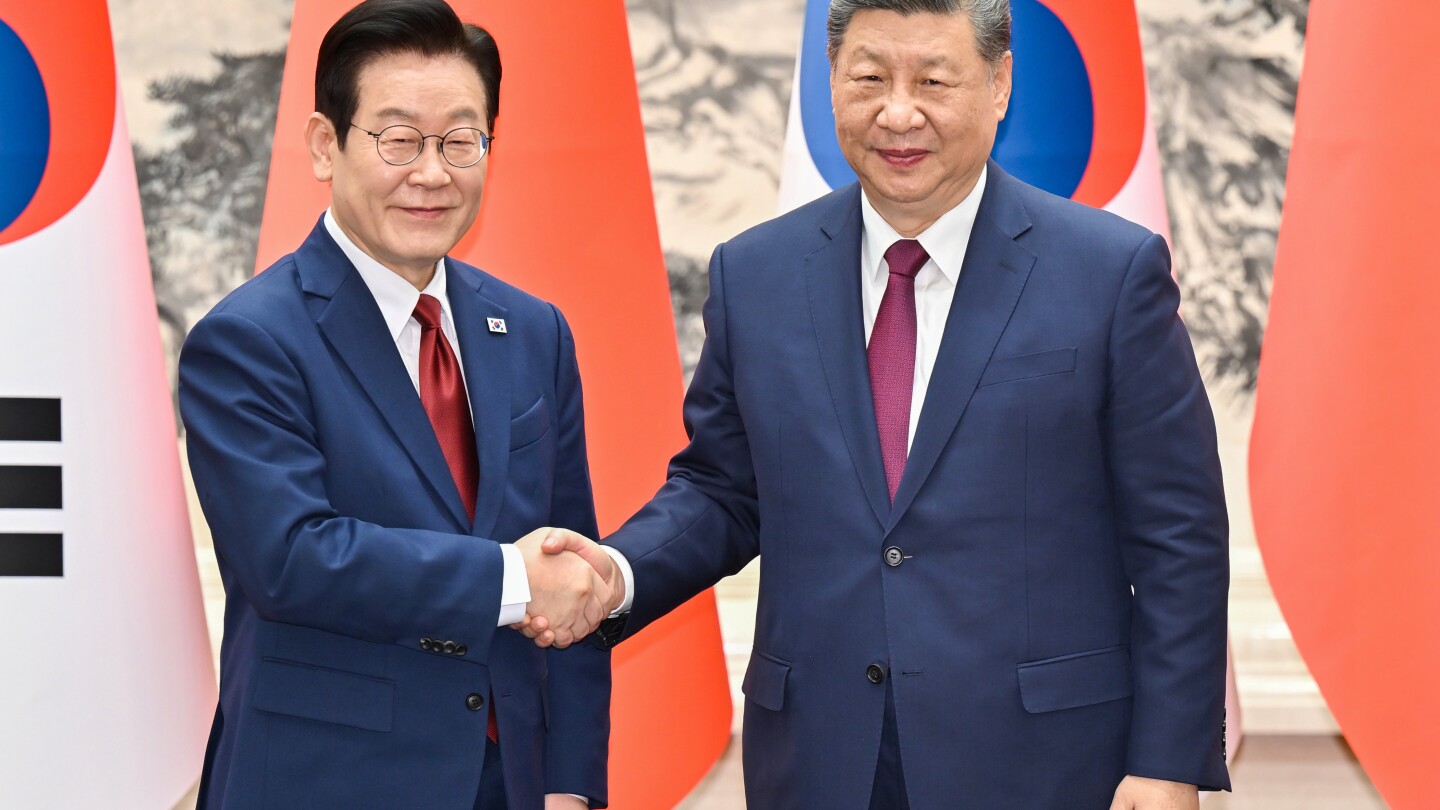
    During his official visit to China this week, South Korean President Lee Jae Myung formally requested Chinese President Xi Jinping to act as a diplomatic intermediary in resolving the protracted nuclear standoff with North Korea. The appeal came during bilateral talks held in Beijing on Monday, where President Lee emphasized the complete breakdown of communication channels between Seoul and Pyongyang.

    President Xi responded by emphasizing the necessity of patience in addressing North Korean matters while acknowledging South Korea’s ongoing efforts. The Chinese leader’s cautious stance reflects Beijing’s complex position as North Korea’s primary economic partner and diplomatic ally. This development occurs amid Pyongyang’s continued refusal to engage in denuclearization discussions since the collapse of negotiations with former U.S. President Donald Trump in 2019.

    Since assuming office in June, President Lee’s administration has pursued renewed dialogue with North Korea through a phased denuclearization approach involving reciprocal benefits. However, these overtures have been consistently ignored by North Korean leadership, with Kim Yo Jong—influential sister of Kim Jong Un—recently criticizing Seoul’s reliance on its U.S. alliance.

    During separate discussions with Chinese Premier Li Qiang, South Korean officials received similar counsel regarding diplomatic patience. President Lee specifically proposed initial steps to freeze North Korea’s nuclear and missile programs to prevent further arsenal expansion and potential proliferation risks. Chinese officials reportedly expressed alignment with this perspective, recognizing the ongoing nuclear development as detrimental to regional and global security.

    Despite these diplomatic exchanges, significant obstacles remain. North Korea has explicitly removed denuclearization from future negotiations, while experts caution that limited concessions might enable Pyongyang to secure sanctions relief without meaningful progress toward disarmament.