博客

  • Man City snatch late win in Maresca debut, Iraola’s Liverpool rescue dramatic draw

    Man City snatch late win in Maresca debut, Iraola’s Liverpool rescue dramatic draw

    The new Premier League season got off to a thrilling start, with two of English football’s most iconic clubs launching their post-departure eras in dramatic fashion on opening weekend. Enzo Maresca, stepping into the huge shoes left by Pep Guardiola at Manchester City, secured a heart-stopping 2-1 victory over Bournemouth in his first match in charge, while new Liverpool manager Andoni Iraola grabbed a last-minute 2-2 draw against Newcastle United that saved him from a disappointing debut defeat.

    Guardiola, who delivered 20 major trophies including six Premier League titles across a trophy-laden 10-year tenure at the Etihad Stadium, set the bar for his successor incredibly high. In a neat parallel, Guardiola’s own reign at City began with a tight late victory over Sunderland back in 2016, and Maresca will be hoping his opening narrow win signals the start of an equally dominant stint at the club.

    Questions had already been swirling around City’s title credentials this season after a flat 3-0 defeat to Arsenal in the Community Shield the previous weekend, and those concerns looked set to be validated for most of their opening fixture. Bournemouth drew first blood through Marcus Tavernier’s first-half strike, and City struggled for attacking invention and defensive cohesion for long stretches of the 90 minutes. But a substitutions masterstroke from Maresca turned the game on its head: French attacking midfielder Rayan Cherki, brought off the bench, provided assists for both of City’s late goals. Center-back Marc Guehi nodded home the equalizer with just six minutes left to play, before Josko Gvardiol slotted home the winning goal in stoppage time to hand Maresca a dream debut.

    Speaking after the match, Maresca heaped praise on Cherki’s match-changing impact, noting: “The impact was unbelievable, he is that kind of player. I like Rayan, I told him also after the game, but sometimes when you plan a game and you already have four out of 11 players who arrived late (from holidays), if you go with one more maybe the difference is too big.”

    Over at St James’ Park, Iraola’s first game in charge of Liverpool also ended in stopp-time drama, though the result was far less decisive. The Spanish manager took over the Reds after Arne Slot’s off-season sacking, with the club undergoing a major overhaul this summer: star forward Mohamed Salah departed for Trabzonspor, and a new ownership consortium fronted by Amazon billionaire Jeff Bezos has injected significant investment to rebuild the squad.

    Liverpool’s new era got off to a rocky start, as Newcastle exposed the same defensive vulnerabilities that cost Slot his job last season. Anthony Elanga put the Magpies ahead in the first half, and though Cody Gakpo leveled the score shortly after halftime, Joe Willock – netting his first Premier League goal since 2024 – restored Newcastle’s lead late on. But with the last kick of the game, after Newcastle’s Lewis Hall fouled Liverpool substitute Victor Munoz in the box, Dominik Szoboszlai kept his cool to convert the stoppage-time penalty, securing a dramatic point for Iraola’s side. While the Reds can take encouragement from their never-say-die attitude to rescue the draw, the unconvincing performance will leave new manager with plenty of areas to address.

    Elsewhere on opening weekend, Brighton & Hove Albion ran riot against a depleted Aston Villa side, running out 4-0 winners at the Amex Stadium. Unai Emery’s Villa have seen a mass exodus of key players this off-season, and the side was missing star striker Ollie Watkins and first-choice goalkeeper Emiliano Martinez – both linked with imminent exits, following already confirmed departures of Ezri Konsa, Youri Tielemans, Lucas Digne and Morgan Rogers. Left without a single recognized senior striker in the matchday squad, Villa were outclassed from the first whistle.

    A calamitous own goal from Manchester United loanee Victor Lindelof got the Seagulls off to a flying start, followed by a close-range finish from Maxim De Cuyper that put Brighton 2-0 up inside the opening half-hour. Brighton’s Jack Hinshelwood put the result beyond any doubt with two goals in the space of just two minutes before halftime, and Villa’s miserable afternoon got even worse when new midfield signing Joao Gomes was sent off on his league debut just before the break, leaving Emery’s side to play more than 45 minutes with 10 men.

  • 49ers take star TE George Kittle off PUP list 10 days before leaving for Australia

    49ers take star TE George Kittle off PUP list 10 days before leaving for Australia

    SANTA CLARA, Calif. – Ten days before the San Francisco 49ers travel to Australia for their highly anticipated 2025 NFL season opener against the Los Angeles Rams on September 11, the franchise has received a wave of encouraging injury updates for three of its most critical offensive and defensive stars.

    The biggest headline centers on star tight end George Kittle, who was officially removed from the team’s physically unable to perform (PUP) list on Sunday. The move reignites widespread optimism that the five-time Pro Bowler and two-time All-Pro could make a shockingly early return from a ruptured right Achilles tendon injury in time for the Week 1 matchup.

    Kittle suffered the season-ending Achilles tear back on January 11 during the 49ers’ playoff victory over the Philadelphia Eagles. In a remarkable recovery timeline, he has worked his way back to team practice in less than eight months, beating the typical 9-12 month recovery window for this type of injury.

    As a foundational piece of San Francisco’s offensive scheme, Kittle brings unmatched value as both a dynamic receiving threat and a physical run-blocker. Last season, he recorded 57 receptions for 628 yards and seven touchdowns, cementing his status as one of the league’s top players at his position. Kittle had previously stated he needed to complete padded practice reps before the team’s September 2 departure for Australia to confirm his fitness for the trip and potential Week 1 participation.

    Joining Kittle in a return to team practice is All-Pro running back Christian McCaffrey, who had missed the previous two weeks of camp with what the team described as general muscle tightness. The 30-year-old running back enters 2025 on the heels of an ironman 2024 season, where he logged 1,010 total offensive snaps across the regular season and playoffs. That mark made him just the ninth running back in the last 20 seasons to top 1,000 snaps in a single campaign, and he also became only the second player in the last decade to record at least 450 combined rushing carries and receptions in one season.

    The minor soft tissue issue that sidelined McCaffrey has raised some historical red flags for the 49ers. In both 2019 (with the Carolina Panthers) and 2023 (with the 49ers), McCaffrey topped 400 total touches in a season, only to suffer significant injuries the following year that forced him to miss 13 games each in 2020 and 2024 after limited playing time.

    While two key offensive stars have returned to action, the 49ers are still monitoring star defensive end Nick Bosa, who remains sidelined from full team practice with soreness and tendinitis in his surgically repaired right knee. Bosa tore his anterior cruciate ligament (ACL) in Week 3 of last season, and while he opened this year’s training camp on the active roster, he has only participated in individual drills before being held out nearly three weeks ago. Team officials have maintained they remain optimistic Bosa will be fully fit and ready for the September 11 season opener.

    The 49ers are set to depart for Sydney on September 2, where they will face the Rams in the NFL’s latest annual regular season game hosted outside the United States, with all three star players targeting a spot in the historic matchup.

  • Guinea rubbish landfill collapse kills 30

    Guinea rubbish landfill collapse kills 30

    A catastrophic collapse of a massive garbage mound at one of Conakry, Guinea’s largest waste disposal sites, has claimed the lives of at least 30 people and left dozens more injured, government officials confirmed this week. The disaster, which unfolded around 2:00 a.m. local time in the capital’s densely populated Dar-es-Salam neighborhood, followed a night of intense heavy rainfall that destabilized the already precarious waste mound, which slid onto adjacent informal residential homes.

    Beyond the confirmed fatalities, 22 people have been registered as injured, with six of those suffering critical, life-threatening conditions that require urgent medical care. Local media interviews have already captured devastating personal stories of loss: one resident told reporters that all five of her children were killed when the rubbish mound engulfed her home.

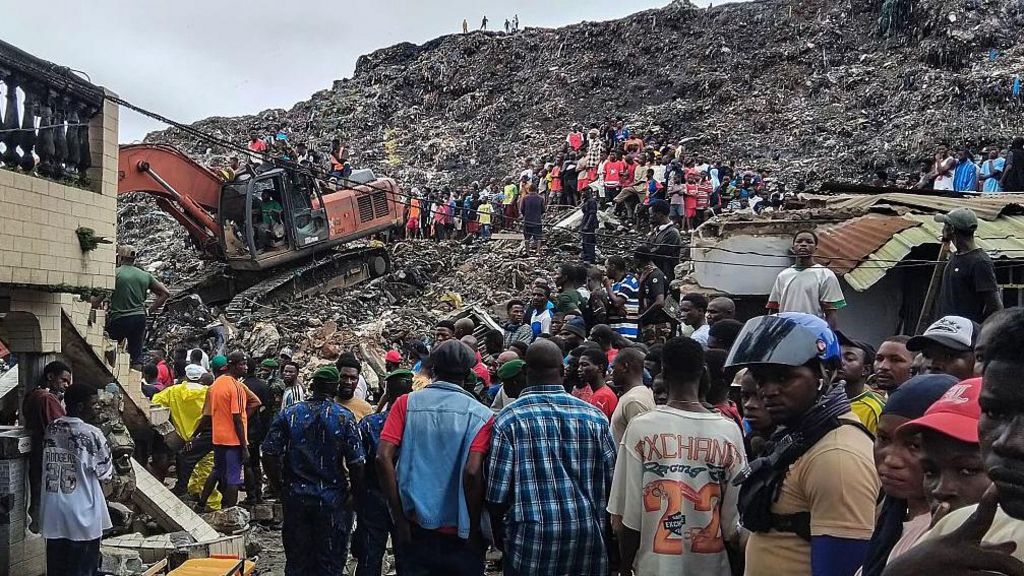
    In response to the emergency, the Guinean government announced it has mobilized “significant” human and material resources, including units from the national military, to launch urgent search and rescue operations for survivors still potentially trapped under mounds of shifted debris. Rescue teams have been spotted working around the clock at the site, using heavy excavators to carefully sift through tons of scattered garbage, while anxious local residents gather near the perimeter waiting for updates on missing loved ones.

    Guinea’s Prime Minister Mamadou Oury Bah traveled directly to the disaster site shortly after the collapse to personally assess the scale of the damage and coordinate ongoing search efforts. Early on-scene reports from local neighborhood leader Lancine Sylla to Agence France-Presse had already painted a grim picture, with Sylla warning that the death toll would likely climb before recovery efforts were complete. “We have pulled out 18 bodies that were taken to the morgue,” Sylla told AFP in initial on-the-ground comments.

    This is not the first deadly disaster to strike this same waste site: a previous landslide at the Conakry landfill killed 10 people back in 2017, raising urgent questions about longstanding safety risks at the facility and the vulnerability of informal settlements built in close proximity to the unstable waste mound. Rescue operations are still ongoing as of this report, and aid organizations are preparing to support displaced families who lost their homes in the collapse. Officials have repeatedly warned that the confirmed death toll is expected to rise as recovery teams continue to clear debris and search for people still unaccounted for.

  • Iranian cyber attack shuts down UK power plant for four days, report says

    Iranian cyber attack shuts down UK power plant for four days, report says

    A four-day shutdown of a British power plant carried out by hackers with alleged ties to Iran marks an unprecedented escalation in cyber conflict between Tehran and Western powers, the Sunday Telegraph has reported. Cybersecurity and government analysts note the incident is believed to be the first successful disabling of a United Kingdom energy facility by actors linked to the Iranian government, coming on the heels of a coordinated wave of cyber intrusions targeting American water infrastructure across at least 12 U.S. states last month that triggered urgent security briefings at the White House.

    British authorities have declined to publicly identify the specific facility targeted in the attack, citing ongoing national security confidentiality requirements. A spokesperson for the UK Department for Energy Security and Net Zero clarified that the cyber operation only affected a small-scale energy generator, and that no systemic risk to the UK’s broader national energy network was ever posed. The UK’s National Cyber Security Centre (NCSC), the agency responsible for defending critical national infrastructure from cyber threats, confirmed that no public power outages occurred as a result of the breach.

    Following the incident, Downing Street has held closed-door security briefings for chief executives of all major UK power companies and distributed formal guidance to private sector critical infrastructure operators outlining enhanced defensive protocols and next steps for threat mitigation.

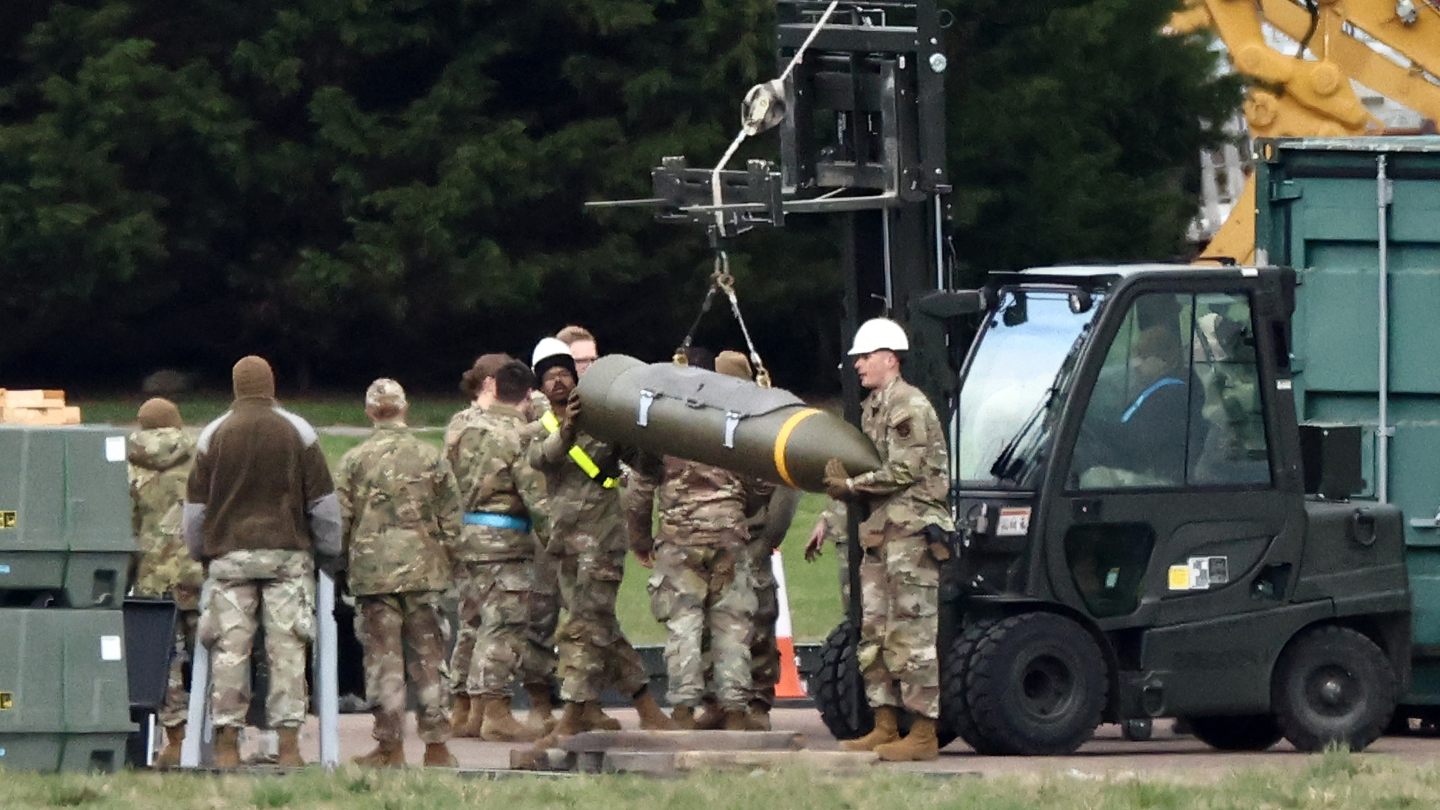
    Security analysts link the attack to a recent shift in UK foreign policy that granted the United States permission to conduct offensive defensive operations against Iranian targets from UK military bases. In March, Keir Starmer’s new Labour government authorized the U.S. military to use two key British facilities — the Royal Air Force base at Fairford in Gloucestershire, and the joint UK-US facility on Diego Garcia in the Indian Ocean — for limited strikes against Iranian missile sites that posed direct threats to British personnel, regional allies, and British sovereign assets. That authorization was later expanded to allow U.S. strikes on active Iranian missile infrastructure targeting commercial shipping lanes in the strategic Strait of Hormuz, a chokepoint through which roughly 20% of the world’s oil supplies pass daily.

    The pattern of Iranian-linked cyber retaliation against Western infrastructure already emerged earlier this year. In June, an Iran-aligned hacker-activist group called Handala claimed responsibility for a cyber intrusion into California water facilities, saying the action was carried out in retaliation for reported U.S. strikes on water infrastructure in southern Iran. The group announced it had exfiltrated large volumes of data from compromised systems, framing the breach as a formal warning to Washington. While Handala claimed it held the capability to disrupt public water supplies across California, the group said it chose not to cut off service to U.S. cities, asserting that it adheres to a different ethical standard than the United States and its allies. To prove the intrusion was successful, Handala published five gigabytes of stolen data from the compromised systems.

    This is not the first high-profile operation carried out by Handala. In April, the group claimed to have stolen more than 19,000 sensitive files after hacking the personal smartphone of Herzi Halevi, the chief of staff of the Israel Defense Forces. In a public statement posted to its website at the time, the group boasted that “All your top-secret facilities, crisis rooms, maps, and even the tiniest details of your command centres have long been like an open book to us.” Portions of the stolen files reviewed by independent Middle Eastern news outlet Middle East Eye confirmed the documents included records of secret meetings between Halevi and senior Arab officials, including an undated photograph of Halevi meeting with former U.S. Central Command chief Michael Kurilla in Qatar.

  • Landfill collapse kills 30 in Guinea

    Landfill collapse kills 30 in Guinea

    A catastrophic garbage mound collapse at a landfill site in the outskirts of Guinea’s capital Conakry has left at least 30 people dead, government officials confirmed on Sunday. The disaster struck before dawn at approximately 2:00 a.m. GMT, when accumulated rainfall weakened the structure of the rubbish mound, sending it sliding onto informal residential homes in the Dar-es-salam neighbourhood of Bbessia district. Six additional people were left with severe, life-threatening injuries in the incident.

    Local neighbourhood leader Lancine Sylla was among the first to respond to the emergency, telling AFP earlier that recovery teams had already recovered 18 bodies transferred to the city’s morgue, and warned that the death toll was expected to rise. By Sunday afternoon, official government statements confirmed the final toll of 30 fatalities.

    In a sign of the ongoing response effort, Guinea’s Minister of Territorial Administration Djenabou Toure traveled directly to the accident site to oversee operations. Photographers from AFP on the ground witnessed heavy excavator machinery working through the unstable collapsed waste to search for any additional victims, as hundreds of local onlookers gathered at the perimeter of the disaster zone waiting for updates.

    A troubling detail has emerged in the aftermath of the collapse: government authorities had already ordered evacuation of the residential area and implemented preliminary safety measures around the landfill in recent days, after identifying a high risk of structural failure following sustained heavy rainfall. Despite these pre-emptive warnings, many residents remained in their homes adjacent to the site, leaving them vulnerable when the collapse occurred. Search and rescue operations were still ongoing as of Sunday afternoon, with emergency workers continuing to comb through the rubble for any missing persons.

  • Trump arrives at high-speed IndyCar race through Washington’s streets

    Trump arrives at high-speed IndyCar race through Washington’s streets

    Washington D.C. made motorsport history on Sunday as the inaugural Freedom 250 Grand Prix, the first professional road racing event ever hosted in the U.S. capital, kicked off as the capstone to a summer of celebrations marking the United States’ 250th anniversary of independence.

    U.S. President Donald Trump and First Lady Melania Trump opened the historic event by completing a ceremonial parade lap around the 1.7-mile temporary street circuit in the presidential limousine, commonly known as The Beast. As the presidential motorcade reached the finish line, the newly upgraded Air Force One conducted a ceremonial flyover above the National Mall, drawing cheers from tens of thousands of spectators gathered along the track.

    Unlike the District of Columbia’s permanent maximum speed limit of just 55 miles per hour — the lowest in the entire country — the 25 professional drivers competing in the IndyCar series will reach top speeds of up to 190 miles per hour as they navigate the 147-lap, 250-mile course. The 250-mile total distance was intentionally chosen to honor the nation’s 250th anniversary, with the track winding past iconic D.C. landmarks including the Washington Monument, National Mall museums, and ending with the U.S. Capitol building framed as the backdrop for the finish line.

    IndyCar racing shares similarities with the globally popular Formula 1 series, as both feature high-performance open-wheel, single-seater race cars. However, a key difference sets the two series apart: while F1 teams design and manufacture their own custom engines and chassis, all IndyCar engines are supplied exclusively by two manufacturers, Chevrolet and Honda.

    Event organizers project that roughly 140,000 spectators will attend the historic race, with many general admission tickets distributed for free to the public via a public lottery. Premium ticketing packages, by contrast, were reported to sell for around $3,600 for a pair of passes on the day before the event, according to CBS News, the BBC’s U.S. partner.

    Hosting the large-scale event has required massive logistical and security overhauls across the city. Organizers implemented widespread road closures across downtown D.C. for track construction, bolted down all manhole covers along the race route to ensure driver safety, and completed full resurfacing of the temporary circuit. To accommodate the military flyover conducted ahead of the race, Ronald Reagan Washington National Airport, the region’s primary domestic airport, implemented a three-hour airspace closure that disrupted flight operations for hundreds of travelers.

    Sunday’s race marks the final major summer event hosted by the Trump administration to celebrate the nation’s 250th anniversary. Earlier in the season, the administration drew both praise and controversy for hosting an Ultimate Fighting Championship (UFC) professional mixed martial arts event on the White House South Lawn, as well as a large national fireworks display on Independence Day, July 4.

  • A landslide at a landfill in the capital of Guinea kills 30 people, officials say

    A landslide at a landfill in the capital of Guinea kills 30 people, officials say

    In the early hours of Sunday, a catastrophic collapse of a massive garbage mound at Conakry’s largest municipal landfill left 30 people dead, according to updated casualty figures published by Guinea’s central government. Regional authorities confirmed that persistent heavy rainfall, which began pounding the site around 2 a.m., saturated the compacted waste at the Dar Es Salem open-air dump. This saturation destabilized the mound, triggering a deadly waste landslide that swallowed informal shanty homes built directly adjacent to the site.

    Six people were pulled from the debris with severe injuries, and multiple residential structures were completely destroyed in the incident. Search and rescue teams remained deployed at the site in the immediate aftermath, working to locate any additional survivors trapped under the rubble.

    New details have emerged that the sprawling open-air waste facility—Conakry’s largest landfill—was officially scheduled to be permanently closed on the very same day the disaster struck, revealed Lieutenant Colonel Baldé Mamadou Bailo, a sanitation officer with the country’s military engineering battalion. Local residents living in informal settlements around the landfill perimeter had previously received formal eviction notices ordering them to leave the high-risk area. While many households complied and moved out ahead of the closure, a large number of families chose to remain on or near the site and were present when the collapse occurred.

    Dienabou Touré, Guinea’s Minister of Territorial Administration and Decentralization, visited the disaster site shortly after the collapse and confirmed that the government would move quickly to relocate all remaining families from the surrounding area to safer, designated housing. “We will ensure that the remaining families are relocated elsewhere,” Touré stated during her on-site address.

  • Thousands struggling without power in Indiana 12 days after severe storms

    Thousands struggling without power in Indiana 12 days after severe storms

    It has been nearly two full weeks since a catastrophic outbreak of severe storms swept across the U.S. Midwest, leaving a trail of destruction, seven fatalities, and a lingering crisis for tens of thousands of residents still trapped without electricity in Northern Indiana. For 77-year-old Terry Dubois, one of the thousands of people grappling with the extended outage in Gary, the hardest-hit community along Lake Michigan’s southern shore, daily life has been reduced to a cycle of reliance on the kindness of others. Friends deliver non-perishable groceries to her home, while her son provided a portable power bank to keep her phone charged so she can stay connected to the outside world. Fortunately, summer temperatures have not been extreme enough to compound her hardship, she says, but the storm itself remains unforgettable. “I’ve never seen a storm like that in my entire life. Never, never,” Dubois told reporters. “It was like a sheer wall of wind.”

    On August 11, an unexpected surge of intense thunderstorms spawned tornadoes and widespread flooding across Illinois and Indiana, with Chicago and large swathes of rural and urban Indiana bearing the brunt of the damage. Gary, a once-booming industrial town that was home to the world’s largest steel mill and now counts one-third of its 69,000 residents living below the poverty line according to U.S. Census data, suffered damage disproportionate to surrounding areas. The National Weather Service recorded peak wind gusts reaching 99 miles per hour (159 kilometers per hour) as the storm roared through the community. Though the most violent weather lasted only five to 10 minutes, its impacts have stretched on far longer, disrupting nearly every aspect of daily life more than a week later.

    Data from Northern Indiana Public Service Company (Nipsco), the regional utility provider, shows that while crews have restored power to more than 345,000 customers since the storm hit, nearly 30,000 households and businesses were still without service as of Sunday morning. In the immediate aftermath of the storm, gas stations, grocery stores, and pharmacies were all knocked offline, leaving residents to rely on whatever food and supplies they already had in their homes. As the outage stretched into its second week, international food relief non-profit World Central Kitchen deployed teams to Gary to provide free meals to residents who lacked access to safe, fresh food.

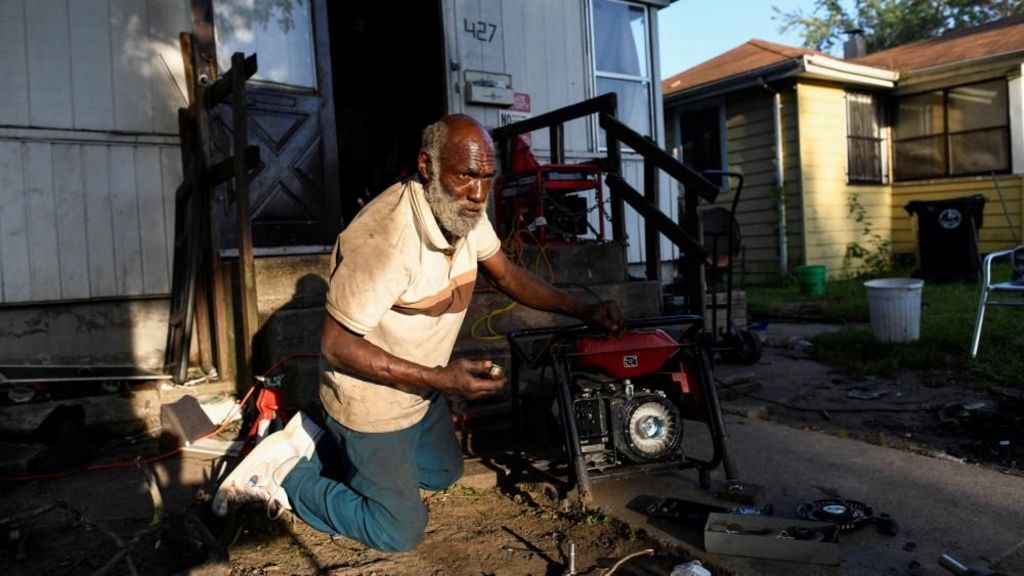
    While temporary power outages are a routine occurrence after storms in this part of the United States, outages lasting longer than seven days are highly unusual, and the extended disruption has created cascading crises for vulnerable communities. Residents across Gary report struggling to access basic needs: many cannot keep prescription medication properly refrigerated, non-working elevators have left mobility-impaired residents trapped, one wheelchair-using resident was forced to crawl down multiple flights of stairs to exit their building, and unlit streetlights have left residential and arterial roads pitch black after dark, creating major safety hazards. For Kyle Allen, a Gary resident who now cares for his 95-year-old father, the outage has been far more challenging than any he has experienced before. He purchased a portable generator to keep his home running, a solution many low-income residents cannot afford.

    Local residents have expressed a wide range of reactions to the ongoing crisis, from determined resilience to deep frustration. Demond Pompy, who has been grilling food for neighbors throughout the outage, noted that basic daily amenities most people take for granted – from hot showers to flushing toilets – are now out of reach for many, but emphasized that the community has adapted to the hardship. “One thing about us, we’re going to adapt to any situation,” he said. Others have been far more critical of the slow recovery. Shatiya Hardin, a local resident, called the situation “absolutely horrible,” noting that families with young children and elderly residents dependent on electric medical devices like oxygen tanks have been placed in extreme danger. “It’s not OK for us to continually be in survival mode,” she told reporters.

    Anger over the slow restoration of power has boiled over into legal action, with local residents launching a class-action lawsuit against Nipsco. The suit accuses the utility of failing to properly maintain and trim trees near power lines, which were knocked down by falling vegetation during the storm. One plaintiff, Jack Tipold, described being in the middle of oral surgery when power failed, forcing clinicians to abandon the procedure and discharge him without adequate pain medication. “I had all my teeth removed, and no medication for 48 hours. Let me tell you something, it was a struggle,” he said. Nipsco has denied all allegations of wrongdoing and says it will “vigorously” defend itself against the claims in court.

    Local faith leaders also amplified residents’ calls for faster action over the weekend, holding a press conference outside a Gary church on Saturday to demand accelerated relief efforts. “We come together today with one voice, asking those who have the power… to release the resources to our brothers and our sisters, our mothers and our fathers, because 12 days is long enough,” a faith leader told the *Indianapolis Star*.

    In a public statement released Sunday, Nipsco said crews are working around the clock to restore power to all remaining customers, and projected that full service to Gary would be restored by Wednesday. “We recognise how frustrating and difficult it is to be without power for an extended period,” the company said. Indiana Governor Mike Braun has echoed residents’ frustration, saying there is “no excuse for these delays” in power restoration. Braun has requested an expedited major disaster declaration from the Federal Emergency Management Agency (FEMA), which would unlock federal funding and additional resources for recovery efforts, and has urged Nipsco to deploy every available crew and resource to speed up repairs: “Put every available resource into the field. Get creative.”

    Climate experts warn that as climate change intensifies the frequency and severity of extreme weather events across the United States, extended multi-day power outages like the one impacting Gary are likely to become more common for vulnerable communities across the country.

  • France links rise in drownings to heatwaves

    France links rise in drownings to heatwaves

    As record-breaking heatwaves continue to scorch Southern Europe, fueled by accelerating climate change, France has reported a sharp and tragic rise in preventable drowning deaths linked to extreme hot weather. Official government data shows that between June 19 and the end of July 2026, 301 people have died from drowning across the country – a 14 percent increase compared to the same period in 2025.

    French Sports and Youth Minister Marina Ferrari described the rising fatality count as a “tragic toll” in an interview with public broadcaster France Inter, directly attributing the spike to extended heatwave conditions that have driven millions of people to seek relief in unregulated water bodies.

    The current heatwave event has hit three major Southern European nations – France, Spain, and Italy – with particular severity, pushing temperatures well above seasonal averages and creating dry conditions that have sparked large-scale wildfires that have already burned thousands of hectares of forest and wild land.

    Ferrari explained that many of the fatal accidents have stemmed from people taking unwise risks by swimming in areas not approved or monitored for recreational water use. “Many deadly accidents have occurred in areas that are not authorised or supervised for swimming,” she noted, adding that a large share of these deaths have been recorded in open natural and urban water sites, most notably canals like the iconic Canal Saint-Martin in central Paris, where crowds gathered to cool off in late July photos captured by media outlets. The minister also added that a notable number of drowning deaths, particularly among older adults, have occurred in private residential pools.

    Beyond the risks of poor water conditions and lack of lifeguard supervision, Ferrari warned of hidden physiological dangers of sudden water immersion on extremely hot days. When people jump into much colder water than their overheated body, the sudden temperature shift can trigger unexpected cold water shock, which can incapacitate even strong swimmers before they can reach safety. She added that many people also overestimate their physical endurance in hot weather, pushing themselves beyond their limits even when they start to feel fatigued.

    This is not the first official warning about unregulated swimming this summer. Back in June, Ferrari publicly raised the alarm that too many people were seeking relief from rising temperatures in rivers and canals without fully understanding or accounting for the life-threatening risks associated with these unmonitored sites.

    The ongoing extreme heat across Europe is not an isolated event, scientists and climate agencies confirm. It is part of a long-term trend driven by human-caused climate change, which is pushing average global temperatures higher across every continent. Europe is warming far faster than the global average, heating at twice the rate of the overall global mean temperature, according to data from the European Union’s Copernicus Climate Change Service.

    In response to the rising death toll, Minister Ferrari confirmed that the national government is collaborating with regional and local authorities across France to upgrade public swimming infrastructure, expand supervised recreational areas, and improve overall safety standards for people looking to cool off during future heat events, which are expected to become more frequent and more intense as climate change continues to accelerate.

  • Scam attempts rise as culprits adopt new strategies to steal billions

    Scam attempts rise as culprits adopt new strategies to steal billions

    Over the past 12 months, Australia has seen a dramatic surge in financial scam activity, with criminals adapting increasingly sophisticated, technology-fueled tactics to steal from vulnerable members of the public, new data from Australia and New Zealand Banking Group (ANZ) reveals. The new statistics, published in advance of Australia’s Scam Awareness Week, track scam attempts between October 2025 and June 2026, recording an 18% year-on-year increase in fraudulent activity that cements scams as one of the most pressing ongoing financial threats to Australian consumers. Official figures from the National Anti Scam Centre already show that Australians lost a collective $2.18 billion to scammers in 2025, and ANZ’s latest trend data indicates total losses for 2026 are on track to outpace that figure significantly.

    Ben Verhoef, ANZ’s lead on scam prevention and analysis, explained that rapid advancements in artificial intelligence have reshaped how scammers operate, eroding many of the red flags consumers have long been taught to look for. “Scammers now leverage AI tools to craft more convincing, professional messages with flawless grammar and formatting,” Verhoef said. “For years, we advised people to watch for typos and odd fonts as warning signs, but scammers have largely overcome those telltale weaknesses.”

    Of all tracked scam tactics, fraudulent goods and services schemes linked to online shopping remain the most common way scammers target consumers. Impersonation schemes, investment scams, and romance scams also rank among the most prevalent, with romance and friendship scams recording the fastest growth in customer losses of any category. ANZ’s analysis also identified seasonal patterns in scam activity, with sharp spikes recorded during the end of the Australian financial year and the annual university intake period.

    That seasonal peak puts international students, one of the most vulnerable demographics targeted by scammers, at particularly high risk, Verhoef noted. Criminals now use language translation technology and professional interpreting services to communicate with students in their native languages, eliminating language barriers that once limited attacks on this group. “Many of these students are young, and they often don’t have experience verifying whether a communication is legitimate or a threat,” Verhoef explained. “Scammers exploit their fear to get them to comply with demands immediately.”

    Verhoef shared alarming examples of scams targeting international students, including schemes where criminals impersonate police or government officials from the students’ home countries to coerce payments, and recruitment plots that offer students thousands of dollars to rent or sell their Australian bank account credentials after they graduate. “Once scammers gain control of a student’s account, we lose visibility into who is actually controlling the funds, which lets criminals move illicit money across the financial system without leaving a trace back to themselves,” he said.

    Despite the sharp rise in scam attempts, ANZ’s data brings a note of positive progress: the bank reported a 24% drop in customer scam losses over the reporting period, with more than $100 million in at-risk funds saved or recovered by the bank’s security systems. Customers also contributed to this success by aborting more than 476,000 suspicious payments after noticing mismatched recipient details. ANZ emphasizes that there is no shame in falling victim to a scam, and urges anyone who suspects they may be targeted to reach out for support immediately.

    Verhoef added that the bank continues to adapt its security infrastructure to keep pace with evolving scam tactics. “We’re constantly improving our ability to identify fraudulent transactions,” he said. “The earlier our detection tools flag suspicious activity and intervene, the better outcome we get for customers. Our in-house teams continuously monitor shifts in the scam and fraud landscape to update our detection rules to match new threats.”