博客

  • Beijing schools push banchao with eye on physical education

    Beijing schools push banchao with eye on physical education

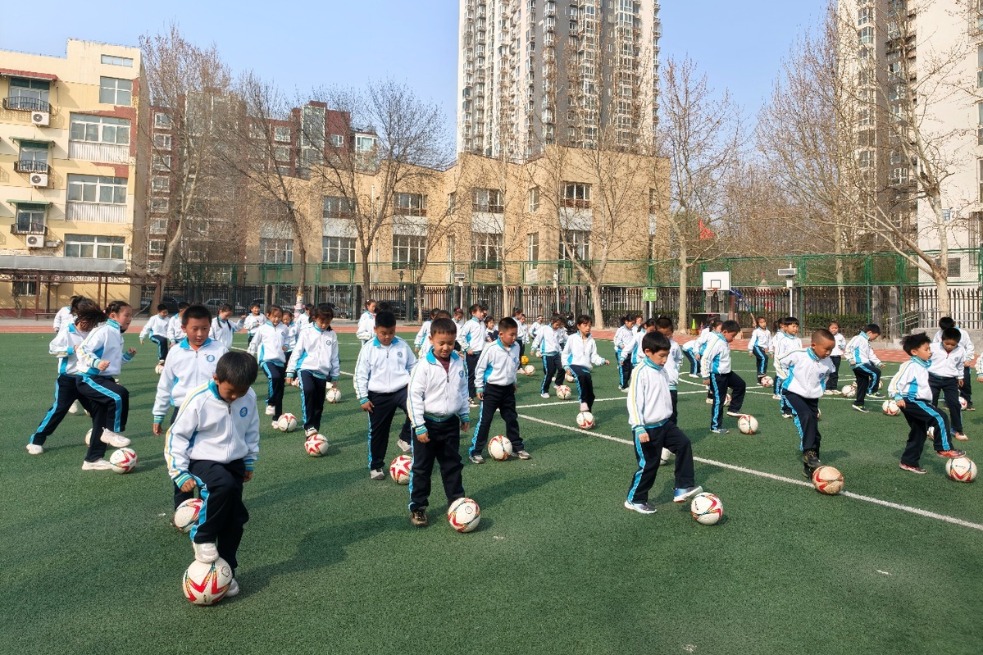
    Beijing’s educational landscape is undergoing a transformative shift as primary and secondary schools across the capital implement the groundbreaking ‘banchao’ initiative—a comprehensive sports competition program designed to integrate physical education into daily academic life. This citywide movement, aligned with Beijing’s health-first educational strategy, anticipates hosting approximately 400,000 sporting events annually with participation exceeding 10 million students.

    The Beijing Hepingjie No 1 Middle School Group, comprising 11 campuses throughout Chaoyang district, exemplifies this commitment with 8,300 students engaged in competitions extending through December. President Yang Yan emphasized the institution’s dedication to promoting over 20 distinct sports disciplines through their 38 specialized clubs covering soccer, basketball, volleyball, and handball.

    ‘Banchao represents more than mere physical training or health enhancement,’ Yang explained. ‘We’re pioneering an educational model that integrates athletic development with academic curricula, currently testing innovative approaches including our sports-psychology fusion program.’

    Diverse implementation strategies emerge across Beijing’s educational institutions. Jiangfu Experimental School plans April parent-student running competitions in the scenic Jiangfu Park, while the primary school attached to Chaoyang’s education science academy offers platforms in softball, soccer, table tennis, and basketball. Principal Wang Yi noted these programs enable ‘skill acquisition, interest development, team spirit cultivation, character building, and physical fitness improvement.’

    The initiative receives enthusiastic student endorsement. Thirteen-year-old Li Yiren expressed how soccer competitions have provided pathway to advanced tournaments and career aspirations: ‘These games bring me joy and opportunity—I hope to eventually perform on international stages.’

    Muntizar Mammitimin, a senior high student from Xinjiang Uygur Autonomous Region at Hepingjie No 1 School’s Lianpayuan campus, organized a 16-member soccer club, believing the events ‘strengthen emotional bonds between Xinjiang and local teachers and students.’

    The program’s tiered structure identifies and nurtures exceptional talents through club activities while providing personalized development pathways, representing a significant advancement in holistic education methodology.

  • Wolf bites woman in a shopping area in Germany’s 2nd-biggest city

    Wolf bites woman in a shopping area in Germany’s 2nd-biggest city

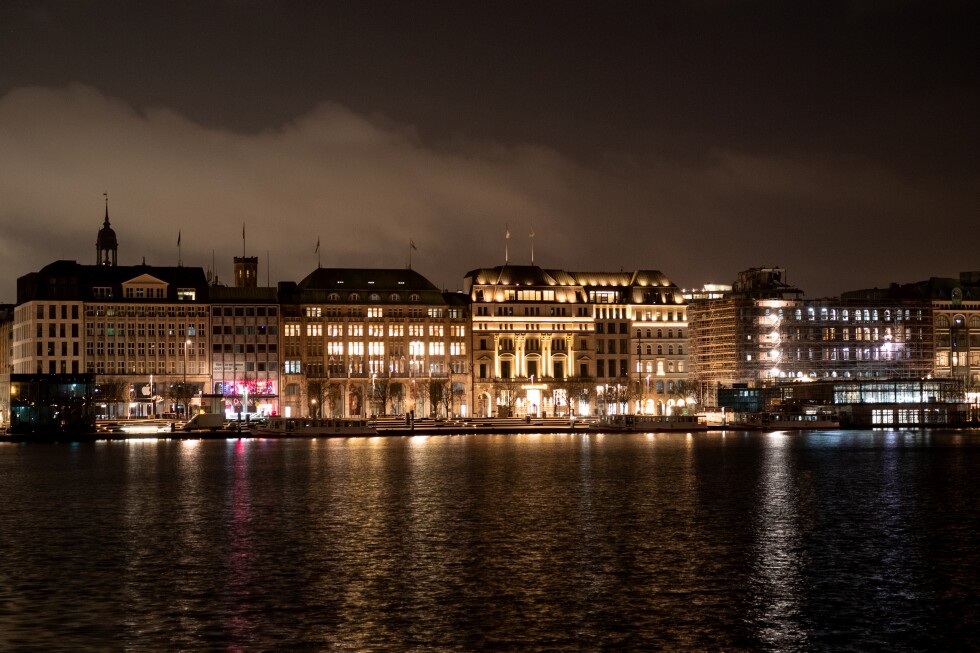
    In an unprecedented incident that has captured national attention, a wolf attacked a woman in Hamburg’s commercial district near Altona station before being subsequently retrieved from the city’s Binnenalster lake. The event, which occurred on Monday evening, represents the first documented wolf attack on a human since the species’ reintroduction to Germany nearly three decades ago.

    According to Hamburg authorities, emergency services transported the injured woman to a local medical facility following the unusual confrontation. While specific details regarding her condition and the precise nature of her injuries remain undisclosed, the incident has prompted significant concern among wildlife experts and urban planners alike.

    The wolf, believed to be the same specimen sighted previously in the suburban Blankenese area over the weekend, was extracted from the urban waterway by police officers responding to multiple public reports. Wildlife specialists hypothesize that the animal was likely a young wolf displaced from its natural habitat while searching for territorial boundaries, inadvertently venturing into the metropolitan environment.

    Hamburg’s regional government emphasized that wolf behavior typically involves avoiding human interaction, suggesting the high-stress urban setting may have contributed to the anomalous attack. The animal has since been relocated to a secured enclosure on the city’s outskirts for further observation and assessment.

    This incident occurs against a backdrop of evolving wildlife management policies across Europe. Recently, the German parliament enacted legislation facilitating the controlled hunting of wolves responsible for livestock predation, reflecting growing tensions between conservation efforts and agricultural interests. The European Parliament similarly voted last year to reclassify wolves from ‘strictly protected’ to ‘protected’ status in response to increasing concerns from farming communities.

  • ‘Felt close to death’: Indian seafarers detained in Iran return home

    ‘Felt close to death’: Indian seafarers detained in Iran return home

    Eight Indian seafarers have finally returned home following a perilous evacuation from Iran, where they were detained for months under allegations of fuel smuggling. Their ordeal highlights the complex intersection of geopolitical tensions and human resilience in conflict zones.

    The sailors were part of an 18-member multinational crew aboard MT Valiant Roar, a vessel operated by Dubai-based Prime Tankers LLC. Iranian authorities seized the ship on December 8th in international waters, claiming it was involved in illicit fuel transportation—an accusation the operating company vehemently denied.

    While eight Indian crew members managed to return home on February 10th, the remaining eight faced extended detention amid escalating Middle East conflicts. Their release orders came on February 27th, coinciding with the onset of military strikes between the US, Israel, and Iran. This timing triggered regional security disruptions that trapped the sailors in Bandar Abbas port, dangerously close to Iranian naval facilities.

    Captain Vijay Kumar described the terror of witnessing missile attacks: ‘We could only watch helplessly as missiles fell around us through the night.’ The situation worsened as Iranian authorities had removed crucial navigation equipment during the seizure, preventing the vessel from relocating to safer waters.

    On March 3rd, the Indian embassy in Tehran executed a daring evacuation, transporting the crew to a hotel in the capital. However, safety concerns persisted as crew members reported buildings shaking from nearby explosions. Chief engineer Anil Kumar Singh revealed, ‘Every moment felt close to death.’

    Their escape route involved a hazardous overland journey to Armenia through active conflict zones, followed by flights via Dubai to Mumbai. The multinational nature of the operation saw coordinated efforts from Indian, Sri Lankan, and Bangladeshi diplomatic missions.

    Personal stories emerged from the trauma, including crew member Masood Alam’s postponed wedding following Eid celebrations. The sailors also raised concerns about unpaid wages and uncertain employment futures with Prime Tankers LLC, whose owner remained unresponsive to inquiries.

    The incident underscores the vulnerabilities of international maritime workers caught in geopolitical crossfires and the critical role of diplomatic intervention in resolving transnational crises.

  • Suriname’s former president Santokhi dies – media

    Suriname’s former president Santokhi dies – media

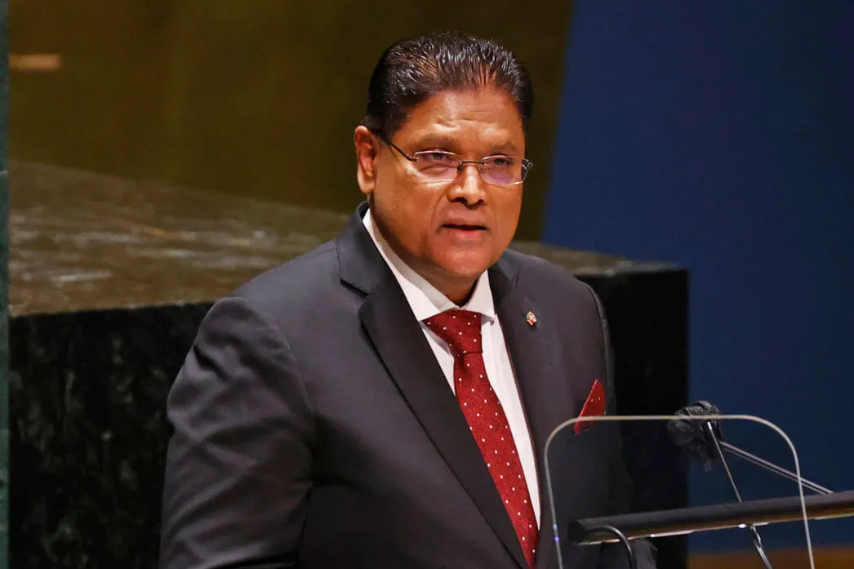
    The Republic of Suriname has entered a period of national mourning following the announcement of former President Chandrikapersad Santokhi’s passing at age 67. The South American nation’s government confirmed the news through an official statement published on its website this Monday.

    Santokhi, who previously led the country as president, leaves behind a complex political legacy that spanned decades of public service. His tenure coincided with significant economic and social developments within the former Dutch colony, which maintains a unique cultural blend of Caribbean and South American influences.

    The circumstances surrounding his death have not been immediately disclosed, though the government’s formal announcement suggests a peaceful passing. The news has triggered an outpouring of condolences from across the political spectrum, with current government officials praising his dedication to national development.

    Santokhi’s political career was notable for its focus on judicial reform and economic stabilization during challenging periods in Suriname’s history. His administration navigated complex international relationships while addressing domestic concerns about sustainable development in the resource-rich nation.

    The former president’s passing marks the end of an era in Surinamese politics, coming at a time when the country continues to forge its path as one of South America’s smallest but most culturally diverse nations. Memorial arrangements are expected to be announced in the coming days as the country prepares to honor his contributions to public life.

  • Leaders welcome landmark UN slavery resolution

    Leaders welcome landmark UN slavery resolution

    A groundbreaking United Nations General Assembly resolution that formally classifies the trans-Atlantic trafficking of enslaved Africans and the racialized chattel enslavement of African people as the gravest crime against humanity has garnered widespread acclaim from leaders across Africa and the globe.

    Championed by Ghanaian President John Dramani Mahama, the resolution was approved during a recent General Assembly vote, securing 123 votes in favor, 52 abstentions, and only three opposing votes from Argentina, Israel, and the United States. The landmark initiative seeks to secure formal international recognition of the systemic historical injustice suffered by millions of enslaved Africans, advance collective healing, and open constructive global dialogue around reparations for descendants of enslaved people. It reaffirms the urgent necessity of confronting historical harms that continue to impact African communities and people of African descent globally, and frames reparations as a tangible, actionable step toward redressing these centuries-old wrongs.

    Mahmoud Ali Youssouf, chairperson of the African Union Commission, praised the resolution’s passage and commended Mahama’s leadership in advancing the effort. He emphasized that the outcome reflects Africa’s decades-long, principled demand for full global acknowledgment of the trans-Atlantic slave trade and its persisting, intergenerational impacts. “This historic decision marks an important step toward truth, justice and healing, and reinforces the urgent need to address the enduring legacy of slavery,” Youssouf stated.

    Youssouf reaffirmed the African Union’s longstanding call for full recognition of both the historical and ongoing ramifications of slavery, including the pursuit of reparative justice, aligned with the AU’s Agenda 2063 and existing UN General Assembly frameworks. He added that the AU remains committed to partnering with the UN, its member states, and global stakeholders to advance historical accountability and ensure the atrocities of slavery are never forgotten, nor allowed to be repeated.

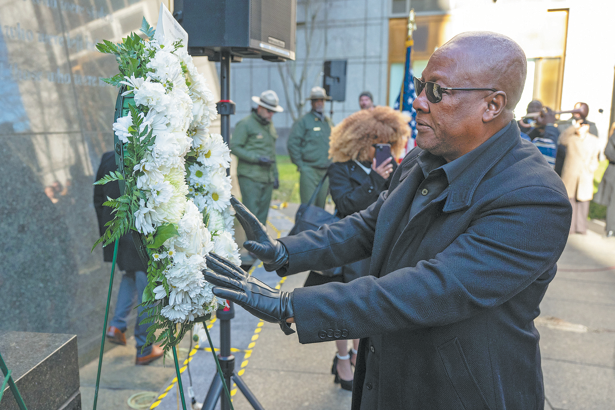
    Speaking after the vote, President Mahama expressed profound joy at the resolution’s adoption, noting that the multi-year journey from proposal to final approval was only possible through global solidarity among people committed to justice. “I cannot think of a better way to honor our forebears on the day of remembrance than to have the majority of the world’s countries affirm that the trafficking and enslavement of nearly 13 million human beings is, indeed, the gravest crime against humanity,” Mahama shared in a post on the social platform X, ahead of laying a wreath honoring victims of the trans-Atlantic slave trade at New York’s African Burial Ground National Monument on March 24.

    Ghanaian Foreign Minister Samuel Okudzeto Ablakwa framed the resolution’s passage as a meaningful, historic turning point for the global movement for racial justice. “With the adoption of this resolution, we have not simply passed a text. We have affirmed a truth, we have chosen remembrance over silence, dignity over erasure, and shared humanity over division,” he said.

    Ablakwa called the outcome a resounding victory for justice, marking the first time that the full humanity and dignity of enslaved Africans and their descendants has been formally affirmed at this scale by the international community. He extended gratitude to all UN member states that backed the measure, while also acknowledging the divergent positions taken by delegations that did not support it.

    He emphasized that the resolution’s adoption is not the final milestone in the global push for reparatory justice, but rather a critical starting point for sustained global dialogue. “We urge every member state to consider carefully the actions it must take to ensure inclusive and good faith dialogue on reparatory justice,” Ablakwa added.

    Crucially, Ablakwa clarified that the resolution is not aimed at assigning intergenerational blame to nations or communities, nor does it seek to reopen old divisions. Instead, its core goal is to create space for open truth-telling, public education, and a more honest global conversation that allows all nations to move forward together with greater mutual understanding. The resolution also acknowledges the nuance of global history while recognizing the unique, unparalleled horror of the trans-Atlantic slave trade.

    The Caribbean Community (CARICOM), a bloc of Caribbean nations that has long advocated for reparations for the legacy of slavery, also issued a statement welcoming the resolution. CARICOM noted that it has consistently pushed the international community to take decisive action to redress the harmful ongoing legacies of African chattel enslavement and trans-Atlantic trafficking, and pledged to continue collaborative work with global partners to fully implement the resolution’s provisions.
  • Decisive day for struggling four-time champion Italy in World Cup playoff at Bosnia

    Decisive day for struggling four-time champion Italy in World Cup playoff at Bosnia

    Italian football stands at a critical juncture as the four-time World Cup champions prepare for their decisive European qualifying playoff against Bosnia and Herzegovina on Tuesday. The Azzurri, once the undisputed giants of international soccer, confront the alarming possibility of missing their third consecutive World Cup tournament.

    The national team’s prolonged absence from football’s premier event dates back to 2014, with heartbreaking playoff eliminations against Sweden and North Macedonia preventing participation in the past two World Cups. This troubling pattern emerged shortly after Italy’s triumphant 2006 campaign, with subsequent group stage exits in both the 2014 and 2018 tournaments compounding the team’s decline.

    Recent playoff semifinals saw Italy secure a 2-0 victory against Northern Ireland, while Bosnia and Herzegovina advanced through a tense penalty shootout victory over Wales. The European qualification pathway features three additional decisive matches occurring simultaneously: Sweden versus Poland, Kosovo facing Turkey, and the Czech Republic taking on Denmark. All four critical fixtures are scheduled for 8:45 PM local time (1845 GMT).

    This high-stakes encounter represents more than mere qualification—it symbolizes a nation’s footballing identity at risk and a historic program fighting to reclaim its place among international soccer’s elite.

  • Massive US-Israeli strikes hit Iran after Trump threat

    Massive US-Israeli strikes hit Iran after Trump threat

    A significant military escalation has unfolded across the Middle East as coordinated U.S. and Israeli strikes targeted critical infrastructure within Iran. The offensive, which hit military facilities in central Iran and damaged a major religious site in Zanjan, follows President Donald Trump’s explicit threat to decimate Iran’s oil and energy plants if it refuses to capitulate to military pressure and accept a proposed deal.

    Verified video footage captured substantial explosions and towering plumes of smoke in Isfahan, while state media confirmed damage to the Grand Husseiniya, a prominent Shia religious center. Subsequent explosions and widespread power outages were reported in Tehran, where residents described an atmosphere of tense normalcy amidst heightened security. Fatemeh, a 27-year-old dental assistant, encapsulated the public sentiment, stating, ‘When I make it to a cafe table… I can almost believe the world hasn’t ended. And then I go back home, back to the reality of living through war.’

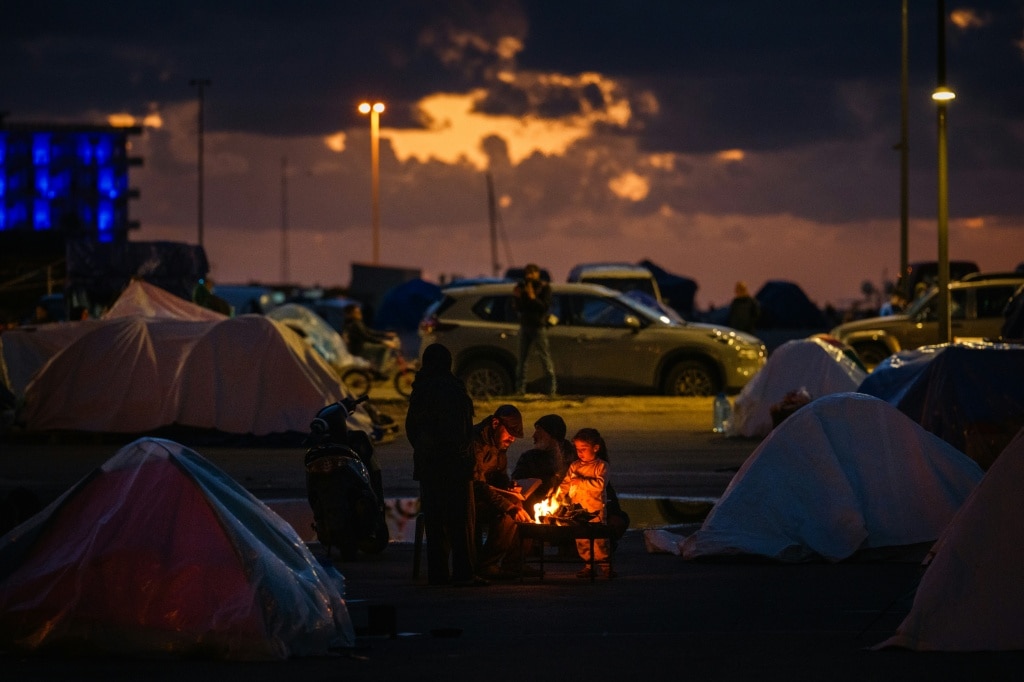
    The conflict’s ripple effects are being felt across the region and global markets. Explosions were reported in Dubai and near Erbil airport in northern Iraq, while air defense systems were activated in Jerusalem and Riyadh. Kuwait’s state oil company reported a ‘direct and malicious’ Iranian attack that set one of its giant crude oil tankers ablaze in Dubair Port. These developments have placed global markets on edge, with particular attention focused on the Strait of Hormuz—a critical maritime channel that Iran has effectively restricted to vessels it doesn’t deem from ‘hostile countries.’

    World oil prices have experienced significant volatility, surging overall since the conflict’s initiation over a month ago with strikes that killed Supreme Leader Ayatollah Ali Khamenei, but fluctuating with each of Trump’s promises of a rapid conclusion. Christopher Dembik of Pictet Asset Management noted, ‘The fog of war continues,’ reflecting market uncertainty.

    Israeli Prime Minister Benjamin Netanyahu, Trump’s partner in the offensive, claimed that more than half of the operation’s military objectives had been achieved, though neither leader has provided a specific timeline for the conflict’s conclusion. The war has expanded to southern Lebanon, where Israel reported four additional soldier casualties in combat against Iranian-backed Hezbollah.

    Diplomatic efforts are simultaneously underway, with Pakistan acting as an intermediary. Pakistani Foreign Minister Ishaq Dar was scheduled to travel to Beijing for talks with counterpart Wang Yi on ‘global issues of mutual interest,’ following a Sunday meeting in Islamabad that included foreign ministers from Saudi Arabia, Egypt, and Turkey. Dar stated Pakistan’s readiness to host U.S.-Iran talks in the ‘coming days,’ though Tehran has denied direct contact with Washington, acknowledging only intermediary communication requests.

  • Watch: Inside the lacklustre Barbie fan event now issuing refunds

    Watch: Inside the lacklustre Barbie fan event now issuing refunds

    The highly anticipated Barbie Dream Fest in Florida has transformed into a public relations nightmare, with organizers now issuing refunds following widespread attendee disappointment. Viral social media footage reveals a stark contrast between marketing promises and reality, showcasing a drab convention center space that failed to capture the vibrant Barbie aesthetic.

    The event, promoted as an immersive pink-themed experience, instead presented attendees with a minimalist gray venue that conspicuously lacked the elaborate dreamhouse environments and photo-worthy installations featured in promotional materials. This visual discrepancy between expectation and delivery sparked immediate backlash across digital platforms.

    Organizers have responded to the mounting criticism by implementing a refund program, acknowledging the event’s failure to meet brand standards and fan expectations. The situation illustrates growing concerns within the entertainment industry about experiential marketing events that prioritize social media buzz over substantive participant experiences.

    Industry analysts note this incident may establish new precedents for consumer protection in ticketed fan events, particularly regarding the accuracy of promotional representations. The Barbie brand, currently enjoying renewed cultural relevance through recent cinematic success, now faces challenges in maintaining fan trust for future experiential activations.

  • With Spielberg’s help, a 101-year-old Auschwitz survivor has become a mighty warrior against hate

    With Spielberg’s help, a 101-year-old Auschwitz survivor has become a mighty warrior against hate

    SAINT-MAUR-DES-FOSSÉS, France — For decades after surviving the unimaginable horrors of Auschwitz-Birkenau, Ginette Kolinka maintained a protective silence about her experiences. The 101-year-old French Holocaust survivor would deflect inquiries with a stark response: “If I had a child, well, I would prefer to strangle them with my own hands than make them go through what I went through.”

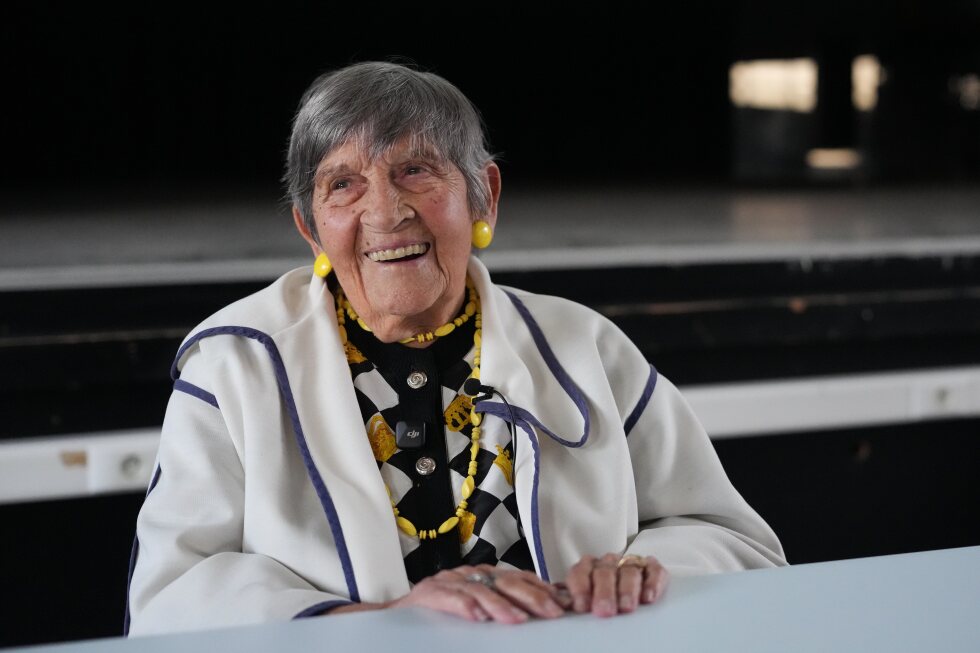
    Now, in the remarkable twilight of her life, Kolinka has transformed from a reluctant witness into one of France’s most powerful voices against antisemitism. With an easy smile that belies her traumatic past, she has dedicated her remaining years to ensuring the lessons of the Holocaust remain vivid for new generations.

    The turning point came thirty years ago, sparked by Steven Spielberg’s seminal film “Schindler’s List” and the subsequent establishment of his foundation dedicated to collecting survivor testimonies. Initially reticent, Kolinka eventually agreed to be interviewed in 1997—an emotional three-hour session that unlocked decades of buried memories, including the survivor’s guilt that tormented her and the eternal regret of never getting to properly say goodbye to her father and 12-year-old brother before they were sent to the gas chambers.

    France’s historical context adds profound weight to Kolinka’s testimony. During World War II, Nazi-occupied France deported 76,000 Jewish men, women and children, mostly to Auschwitz-Birkenau. Only 2,500 survived. It took fifty years for French leadership to officially acknowledge the state’s involvement in the Holocaust, with then-President Jacques Chirac describing French complicity as “an indelible stain on the nation” in 1995.

    Today, as one of perhaps fewer than thirty remaining French survivors of Auschwitz-Birkenau according to the Paris-based Union of Auschwitz Deportees, Kolinka has embraced her role as a living historical archive. Through her memoir “Return to Birkenau,” countless media appearances, and regular school visits, she brings raw, firsthand authenticity to Holocaust education.

    During a recent visit to Marcelin Berthelot high school east of Paris, students listened in pin-drop silence as Kolinka recounted her arrest in March 1944, the three-day journey in windowless animal transport wagons, and the brutal reception at Auschwitz where she learned her first German word: “Schnell!” (Move it!). She described the profound humiliation of forced nudity and revealed the tattooed identification number—78599—that remains on her forearm.

    Despite the horrors she recounts, Kolinka maintains a remarkable generosity of spirit. She spares young audiences some of the most graphic details, focusing instead on the importance of remembrance. After her talks, students often surround her with rock-star admiration, describing her as “extraordinary” and “an amazing woman” whose mental fortitude inspires them.

    As 17-year-old Nour Benguella reflected after one session: “Keeping this history alive is the only thing that will permit us to not make the same mistakes.” Through her testimony, Kolinka ensures that the world cannot claim ignorance about the death camps and the systematic extermination of six million European Jews—transforming personal trauma into a powerful weapon against hatred.

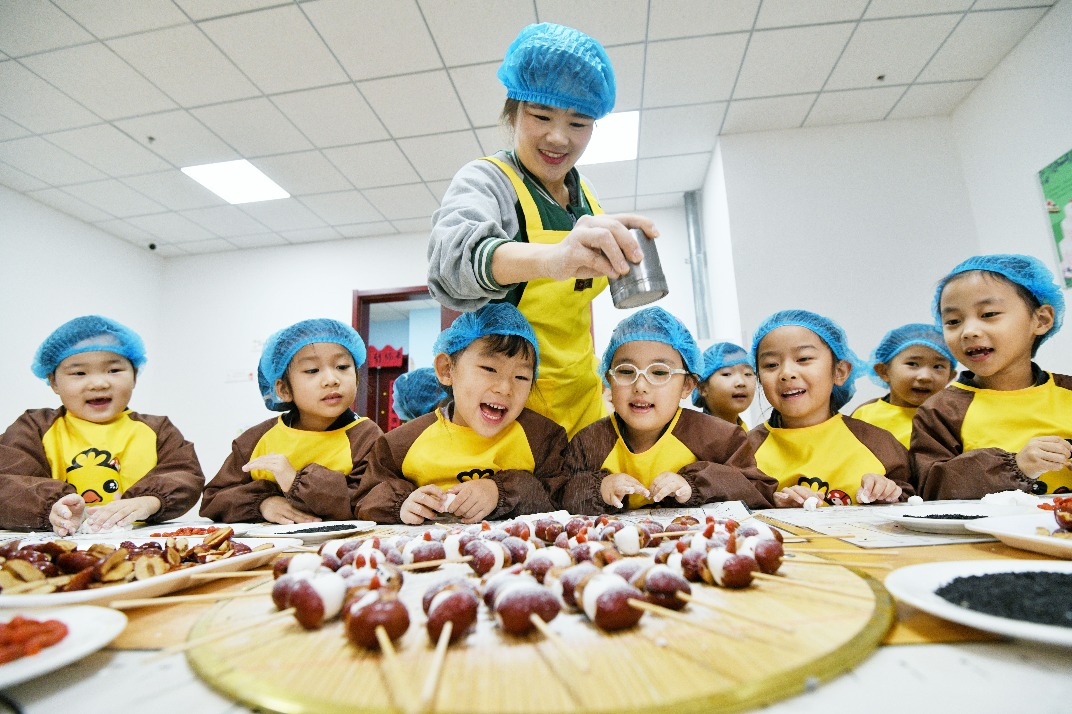
  • Strict rules for kindergarten food planned

    Strict rules for kindergarten food planned

    Chinese authorities have introduced a comprehensive draft regulation to fundamentally transform food safety protocols in the nation’s kindergartens, responding to a series of alarming contamination incidents that affected hundreds of children. The State Administration for Market Regulation, in collaboration with the Ministry of Education, has proposed a multi-layered oversight system that represents one of the most stringent kindergarten food safety frameworks globally.

    The regulatory overhaul establishes a principal responsibility system that holds kindergarten administrators directly accountable for food safety outcomes. The framework implements three-tiered inspection mechanisms requiring daily checks, weekly risk assessments, and monthly comprehensive reviews, with all documentation subject to regulatory audit. This systematic approach aims to create an integrated risk-prevention ecosystem spanning the entire food supply chain.

    The initiative comes against the backdrop of disturbing incidents that prompted public outcry. In July 2025, over 200 children at a Gansu province kindergarten were found with dangerously elevated blood lead levels—traced to industrial pigments added to enhance food appearance, with some samples exceeding safety limits by 2,000 times. Another October 2024 case in Xi’an saw 48 children contract norovirus amid serious hygiene violations at an unlicensed facility.

    Key provisions include a definitive ‘negative list’ prohibiting high-risk items such as nitrites, bulk cooking oils, unpasteurized salt, cold meats, and potentially toxic ingredients including green beans, wild mushrooms, and sprouted potatoes. The regulation mandates ‘smart kitchen’ implementations with continuous video monitoring covering all food handling stages—from ingredient reception and storage to preparation, distribution, and consumption.

    A distinctive requirement establishes a mandatory meal accompaniment system where kindergarten principals or designated officials must share meals with children while maintaining detailed records. The regulation further stipulates strict two-hour consumption windows after preparation and mandates specialized sealed equipment for food transportation, followed by rigorous cleaning protocols.

    Concurrently, four central government institutions have launched a comprehensive 2026 safety campaign addressing multiple concerns including mental health services, bullying prevention, transportation security, cyber safety, and enhanced emergency response capabilities alongside the food safety enhancements. With 253,300 kindergartens serving approximately 35.84 million children nationwide, these measures represent a significant step toward safeguarding the health of China’s youngest generation.