博客

  • Trump says other countries should ‘just take’ the Strait of Hormuz

    Trump says other countries should ‘just take’ the Strait of Hormuz

    Former U.S. President Donald Trump has issued a provocative statement urging non-participating nations to seize oil resources from the strategically vital Strait of Hormuz. Through his Truth Social platform, Trump declared that countries experiencing fuel shortages despite avoiding involvement in Middle Eastern conflicts should demonstrate “delayed courage” and independently claim the waterway’s resources.

    “The U.S.A. won’t be there to help you anymore, just like you weren’t there for us,” Trump stated, emphasizing that Iran had been “essentially decimated” and that the “hard part is done.”

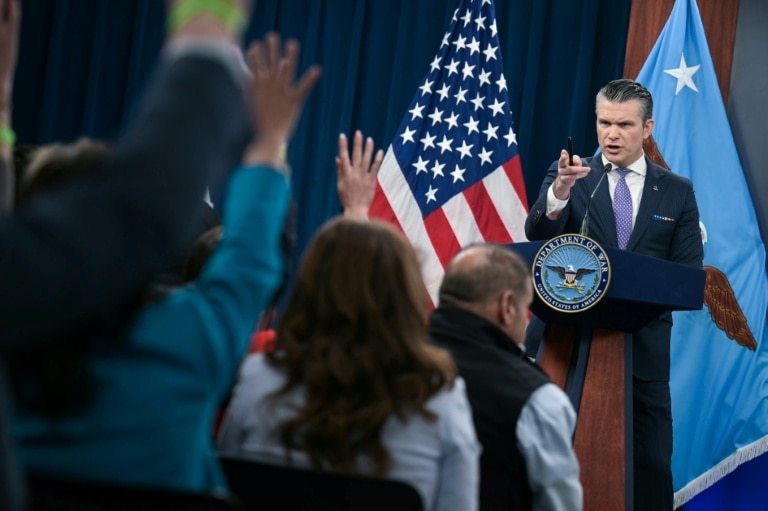
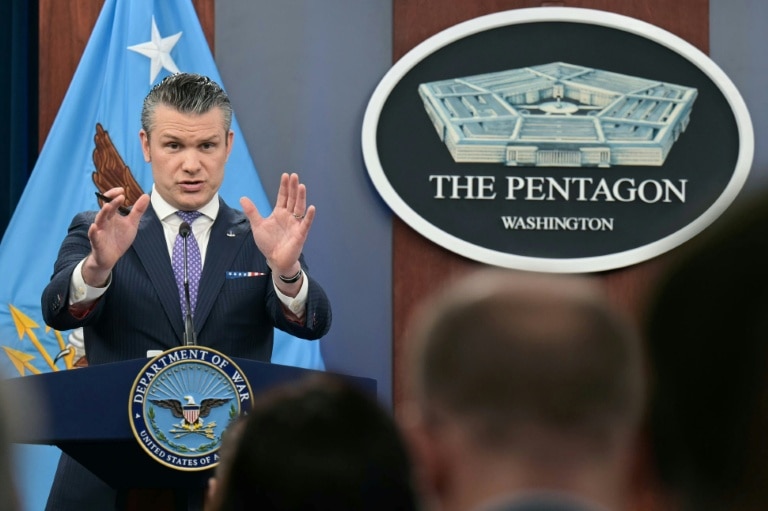
    The controversial remarks were reinforced by U.S. Defense Secretary Pete Hegseth during a Tuesday press briefing. Hegseth characterized the Strait of Hormuz as an international waterway that the United States utilizes “dramatically less than most,” suggesting that maintaining its accessibility represents a shared global responsibility rather than solely an American concern.

    Hegseth delivered a significant assessment of the ongoing military campaign, describing the coming days as “decisive” in the conflict with Iran. While refusing to disclose specific strategic details, he notably declined to rule out the potential deployment of American ground forces, stating that revealing operational limitations would undermine military effectiveness.

    “You can’t fight and win a war if you tell your adversary what you are willing to do, or what you are not willing to do, to include boots on the ground,” Hegseth explained.

    Despite the continued military operations—now extending beyond one month—the Defense Secretary reported substantial progress in diplomatic negotiations to conclude the conflict. He characterized these talks as “very real, ongoing, active, and gaining strength.”

    In a previously undisclosed visit, Hegseth traveled to CENTCOM headquarters on Saturday to meet with troops engaged in operations against Iran. While specific locations remained confidential for security reasons, Hegseth described the experience as witnessing “the best of America.”

    General Dan Caine, the nation’s highest-ranking military officer, provided operational updates alongside Hegseth, revealing that U.S. forces have struck over 11,000 targets to date. These operations have focused on degrading Iran’s ballistic missile and drone capabilities while disrupting the logistical networks supporting these programs.

  • Japan and Indonesia to boost energy security cooperation as concerns grow over Iran war fallout

    Japan and Indonesia to boost energy security cooperation as concerns grow over Iran war fallout

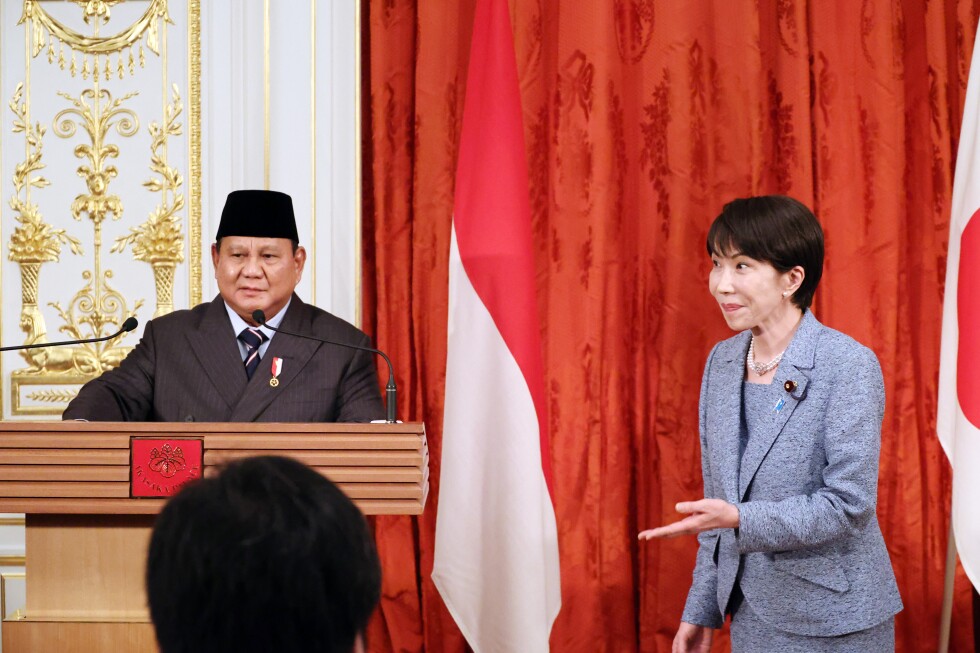
    In response to growing global energy instability fueled by Middle East conflicts, Japan and Indonesia have established a comprehensive strategic partnership focused on energy security and economic collaboration. The agreement, finalized during Indonesian President Prabowo Subianto’s official visit to Tokyo, represents a significant shift in Asia’s energy landscape.

    Japanese Prime Minister Sanae Takaichi emphasized the critical timing of this alliance, stating that global circumstances have heightened the importance of resource and energy security worldwide. The partnership builds upon a memorandum of understanding signed on March 15th that outlines cooperation in nuclear energy development and critical mineral processing.

    The collaboration includes plans for Japan to assist in constructing a nuclear power facility in Indonesia’s West Kalimantan region, leveraging Japanese technological expertise with potential financing from international development banks. This nuclear initiative marks a notable policy reversal for Japan, which has recommitted to nuclear energy despite the 2011 Fukushima disaster as part of its carbon neutrality objectives.

    President Subianto extended invitations for Japanese investment in processing Indonesia’s substantial rare earth mineral reserves and developing renewable energy infrastructure. The partnership additionally focuses on stabilizing liquefied natural gas (LNG) supply chains, with Indonesia currently providing approximately 5% of Japan’s LNG imports.

    This alliance enables Japan to diversify its energy sources beyond Middle Eastern suppliers, which currently provide over 90% of its oil imports. The cooperation comes as Japan has begun releasing strategic oil reserves to stabilize domestic markets amid global supply disruptions.

  • A South African politician goes snorkeling in a giant pothole to highlight city management failures

    A South African politician goes snorkeling in a giant pothole to highlight city management failures

    In an unconventional political demonstration, veteran South African politician Helen Zille donned snorkeling gear to navigate a water-filled trench in an upscale Johannesburg suburb. The 75-year-old mayoral candidate executed this satirical stunt to highlight what she characterizes as years of municipal mismanagement and infrastructure neglect.

    Zille, wearing a wetsuit, mask, snorkel, and distinctive pink-and-white swimming cap, doggy-paddled through the murky brown water that had accumulated from a persistently leaking pipe. According to her account, this aquatic nuisance had plagued the neighborhood for approximately three years despite multiple repair attempts by city authorities.

    The former Cape Town mayor and leader of South Africa’s second-largest party documented her aquatic protest in a video that subsequently gained traction on national television broadcasts. In the footage, Zille delivers biting commentary: “And here we are with a free and wonderful Saturday-afternoon snorkel.” She further quipped, “I wonder if there are any fishes in here. Let me take a look,” before partially submerging her head.

    This theatrical demonstration underscores broader systemic challenges facing Johannesburg, Africa’s wealthiest city by private capital. Despite its “City of Gold” moniker derived from historical mineral wealth, Johannesburg has struggled with deteriorating public services, frequent water and electricity disruptions, and crumbling infrastructure affecting its six million residents.

    The current Johannesburg mayor responded via social media platform X, acknowledging the pipe had “repeatedly failed over the past three years” but asserting that repairs were completed and the cavity filled within a day following Zille’s high-profile protest.

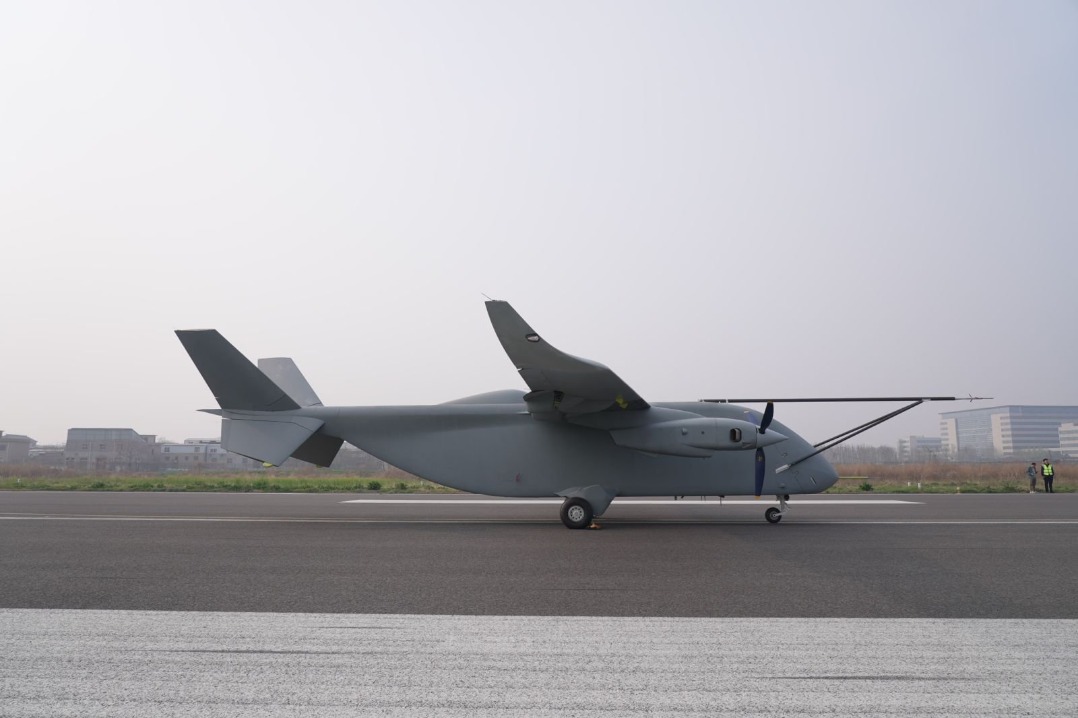
  • Norinco Luca, the world’s most powerful cargo drone, makes debut flight

    Norinco Luca, the world’s most powerful cargo drone, makes debut flight

    China’s aviation sector achieved a significant technological milestone on Tuesday as the Norinco Luca, now recognized as the world’s most powerful cargo drone, successfully completed its inaugural flight in Zhengzhou. This groundbreaking demonstration marks a pivotal advancement in unmanned aerial logistics capabilities.

    The debut flight represents the culmination of extensive research and development efforts by China North Industries Group Corporation (Norinco), one of the country’s leading defense and technology enterprises. The Luca drone’s unprecedented payload capacity and operational capabilities position it at the forefront of autonomous cargo transportation technology.

    Aviation experts highlight that the Luca’s successful maiden voyage demonstrates remarkable engineering achievements in drone design, propulsion systems, and autonomous navigation. The aircraft’s performance metrics establish new benchmarks for heavy-lift unmanned aerial vehicles, potentially revolutionizing how goods are transported across challenging terrains and remote regions.

    This technological breakthrough carries substantial implications for multiple sectors including emergency response, military logistics, remote area supply chains, and commercial freight transportation. The drone’s capacity to operate without human pilots in complex environments could significantly reduce delivery times and operational costs while improving access to isolated communities.

    The development aligns with broader global trends in autonomous transportation innovation and reflects China’s growing capabilities in advanced aerospace technology. Industry analysts anticipate that the Luca platform could establish new standards for cargo drone operations worldwide, potentially influencing regulatory frameworks and operational protocols for unmanned heavy-lift aircraft.

    Further testing and certification processes are expected to follow this successful debut flight as Norinco works toward operational deployment of the Luca system in various applications.

  • Gate of Tears could soon be Iran war’s next stranglehold

    Gate of Tears could soon be Iran war’s next stranglehold

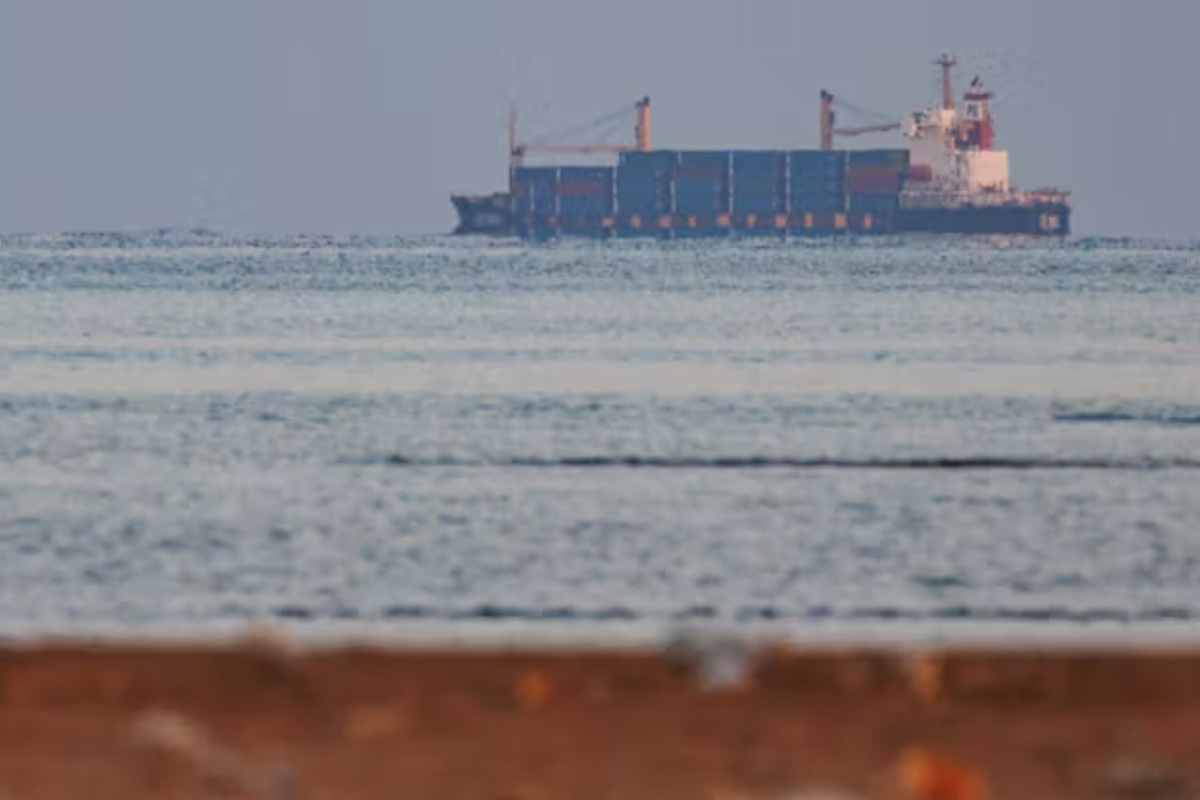
    Global shipping corridors face renewed threats as geopolitical tensions shift focus from the Strait of Hormuz to another critical maritime passage: the Bab el-Mandeb Strait. This development follows Iran’s alleged coordination with Houthi rebels in Yemen to potentially disrupt this vital waterway, raising alarms about compounded pressure on worldwide economic stability.

    The Bab el-Mandeb Strait, nicknamed the ‘Gate of Tears’ for its hazardous navigation conditions, serves as an essential artery connecting the Mediterranean Sea to the Indian Ocean via the Red Sea and Gulf of Aden. Approximately 30 kilometers wide at its narrowest point, this passage between the Arabian Peninsula and Northeast Africa handles an estimated 14% of global maritime trade, including 4.2 million barrels of crude oil and petroleum liquids daily—representing roughly 5% of worldwide production.

    The strategic significance becomes evident in shipping efficiency: vessels traveling from Saudi Arabia to the Netherlands cover only 12,000 kilometers through this route compared to over 20,000 kilometers around Africa’s southern tip. This translates to a dramatic reduction in transit time—from 34 days down to just 19 days for the same journey.

    Recent developments indicate concerning parallels with previous Red Sea disruptions. Between November 2023 and September 2024, the International Maritime Organization documented 67 security incidents involving Houthi attacks on commercial shipping. While physical damage varied from minor equipment impairment to severe structural damage from missile strikes, the psychological impact proved equally significant. Insurance premiums skyrocketed from 0.6% to 2% of cargo value during the crisis, creating practical barriers to shipping even without complete closure of the route.

    Unlike the geographically constrained Strait of Hormuz, Bab el-Mandeb cannot be entirely sealed due to its relatively open navigation channels. However, the combined effect of simultaneous disruptions at both chokepoints could cripple global supply chains. Saudi Arabia’s East-West pipeline offers partial mitigation for Hormuz disruptions, but Asia-bound shipments would still require passage through Bab el-Mandeb to avoid economically impractical detours.

    With Iran reportedly encouraging Houthi militants to renew maritime attacks, the international community faces a precarious situation where mere threat perception could trigger significant commercial diversion. The convergence of security risks, insurance cost inflation, and alternative route limitations creates a perfect storm for global trade disruption, potentially affecting energy markets, agricultural commodity flows, and manufactured goods transportation alike.

  • Next days in Iran war will be ‘decisive’: Pentagon chief

    Next days in Iran war will be ‘decisive’: Pentagon chief

    Pentagon leadership has declared the approaching phase of military operations against Iran will prove decisive, while simultaneously revealing intensified diplomatic negotiations show promising signs of progress. Defense official Pete Hegseth characterized the coming days as critical during his first press briefing in nearly two weeks, emphasizing Tehran’s diminishing military options despite ongoing hostilities.

    Hegseth maintained strategic ambiguity regarding potential deployment of U.S. ground forces, asserting that operational security precluded revealing specific tactical decisions. “You cannot achieve victory while disclosing operational parameters to adversaries,” Hegseth stated, while acknowledging both military and diplomatic solutions remained viable pathways to resolution.

    The Defense official confirmed clandestine visits to CENTCOM operational theaters over the weekend, where he observed American troops engaged in active campaigns. While withholding specific locations for security reasons, Hegseth described the experience as witnessing “the best of America” in action.

    Military assessments presented alongside diplomatic updates revealed substantial operational achievements. General Dan Caine, the nation’s highest-ranking military officer, reported successful strikes against over 11,000 targets, significantly degrading Iran’s ballistic missile and unmanned aerial systems. Naval operations have simultaneously neutralized Tehran’s maritime capabilities, including mine-laying operations and naval assets.

    The parallel advancement of military pressure and diplomatic engagement suggests a coordinated strategy aimed at compelling Iranian concessions. Hegseth characterized negotiations as “active and gaining strength,” indicating potential breakthroughs despite continued military action.

  • Chavez abuse claims prompt reflection on the history of Filipino farmworkers in the US

    Chavez abuse claims prompt reflection on the history of Filipino farmworkers in the US

    The landmark 1965 grape strike in California, a seminal moment in American labor history led by Filipino organizer Larry Itliong alongside César Chavez, is undergoing profound reassessment as new allegations surface about Chavez’s sexual misconduct. This pivotal alliance between Filipino and Mexican American farmworkers, previously celebrated in monuments and cultural productions, now faces critical examination from descendants of the original strikers.

    Filipino American communities are canceling traditional César Chavez Day marches and advocating to rename the March 31 observance as Farmworkers Day—shifting focus toward the contributions of Filipino and Chicano laborers, particularly women, while acknowledging survivors of abuse. “We must center this trauma of women and sexual abuse,” emphasized Dillon Delvo of Stockton’s Little Manila Rising, highlighting the necessity of confronting difficult truths within labor movements.

    The historical context reveals how Filipino immigrants became essential to U.S. agriculture following American colonial rule in the Philippines (1898-1946). Thousands of Ilocano-speaking men, respectfully called “manong” (older brother), endured discriminatory wages, substandard housing, and anti-miscegenation laws that enforced loneliness and separation from families.

    By September 1965, Itliong and Philip Vera Cruz led the Agricultural Workers Organizing Committee to strike against Delano grape growers, demanding federal minimum wage. Despite Chavez’s initial hesitation, the groups merged as the United Farm Workers, ultimately securing collective bargaining agreements after a five-year struggle that transformed agricultural labor.

    Current reevaluations challenge the traditional narrative that consistently attached Itliong’s legacy to Chavez. The Los Angeles Board of Supervisors recently considered rebranding the holiday and potentially moving it to September 8 to honor the Filipino strike initiation. Johnny Itliong, son of the late leader, accused Chavez of attempting to “erase the history” of the strike’s origins.

    This reckoning has expanded to include recognizing women’s overlooked contributions. Productions like “Larry the Musical” intentionally minimize Chavez’s role while highlighting the women who sustained the movement. Academics like UC Berkeley’s Vernadette Gonzalez note that despite their essential work in feeding families and organizing, women’s labor remained largely uncredited in official records.

    The movement now seeks to create a more comprehensive historical narrative that acknowledges both the achievements and the imperfections within labor struggles, ensuring that future commemorations properly honor all contributors while supporting survivors of abuse.

  • Wolf bites woman in shock German attack in Hamburg shopping street

    Wolf bites woman in shock German attack in Hamburg shopping street

    In an unprecedented urban wildlife encounter, a woman sustained facial injuries from a wolf bite on Hamburg’s bustling Grosse Bergstrasse shopping thoroughfare Monday evening. The incident occurred near a central Ikea store in the Altona district, marking the first documented wolf attack on a human since the species’ reintroduction to Germany began in 1998.

    According to eyewitness accounts and official reports, the woman attempted to redirect the disoriented animal away from populated areas when the attack occurred. Emergency services transported her to a medical facility where she received treatment and was subsequently released.

    The same wolf was later located in Hamburg’s Binnenalster lake during late evening hours. Law enforcement personnel engaged in an extensive operation requiring approximately one hour to safely extract the animal from the water using specialized equipment. Matthias Hilge, spokesperson for Hamburg’s Ministry for the Environment, Climate, Energy and Agriculture (Bukea), confirmed the animal received veterinary care and remains in protective custody while authorities determine its future disposition.

    This incident coincides with recent legislative developments regarding wolf management. Germany’s Upper House (Bundesrat) recently approved amendments to the Federal Hunting Law that will permit controlled wolf hunting between July 1 and October 31 annually. The new measures aim to balance conservation efforts with population management and livestock protection.

    Federal Environment Minister Carsten Schneider emphasized the government’s commitment to coexistence, stating: ‘It is not a question of driving the wolf away again, but of finding viable ways to live peacefully alongside it.’

    Historical context reveals wolves vanished from German territories for approximately 150 years before beginning their natural recolonization through Polish migration routes following the fall of the Berlin Wall in 1989. Current estimates indicate established wolf populations now inhabit forested regions across multiple German states.

  • Nigeria warns its citizens in South Africa to be cautious after march turns violent

    Nigeria warns its citizens in South Africa to be cautious after march turns violent

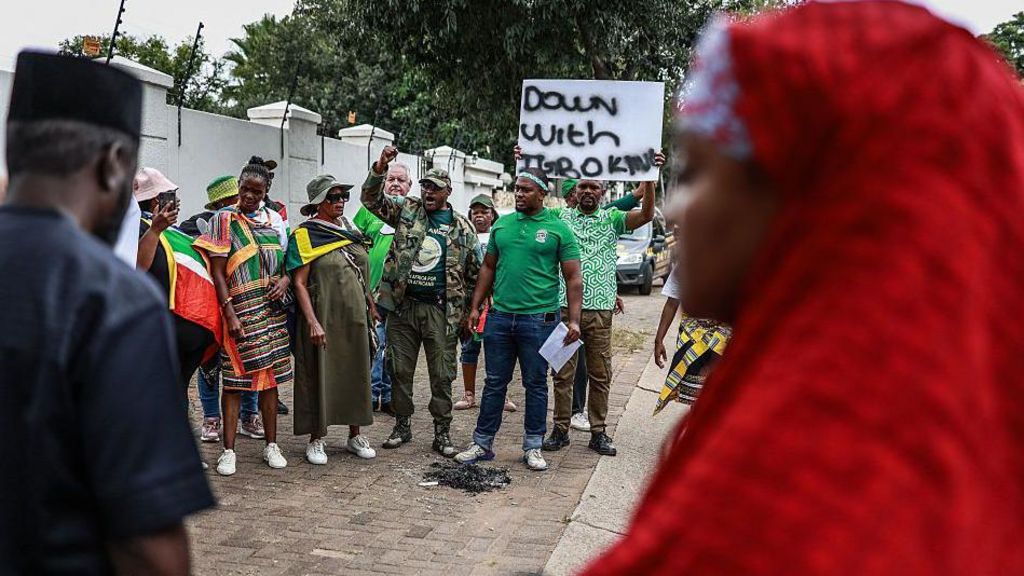
    The port city of KuGompo (formerly East London) in South Africa’s Eastern Cape province became the epicenter of violent unrest this week, triggered by tensions surrounding the ceremonial installation of a Nigerian community leader. What began as a peaceful anti-illegal immigration protest organized by civil society groups escalated dramatically when a demonstrator claimed to be assaulted by a foreign national. The incident ignited widespread disorder, resulting in ten vehicles set ablaze and numerous shops—both foreign and locally owned—being looted.

    The underlying tension stems from the recent recognition of Solomon Ogbonna Eziko as ‘Eze Ndi Igbo East London’ by the local Igbo diaspora community. This traditional title, translating to ‘king of the Igbo people in East London,’ is a common cultural practice among Igbos living outside their Nigerian homeland. However, some South African residents misinterpreted this ceremonial designation as an attempt to establish parallel political authority, despite having no legal standing beyond cultural recognition.

    South African authorities, including KuGompo Mayor Princess Faku of the African National Congress, condemned the violence while acknowledging the right to peaceful protest. ‘We supported the march as part of defending our sovereignty but cannot condone violence,’ stated Faku. ‘It’s profoundly disappointing that such significant civic engagement devolved into chaos.’

    The Nigerian High Commission promptly issued safety advisories, urging its citizens to restrict movement and avoid public gatherings amid heightened tensions. Meanwhile, Igbo community representatives emphasized the purely ceremonial nature of the title. Dr. ABC Okokoh, a leader within South Africa’s Igbo community, clarified to SABC that the installation was a ‘private event’ with no intention of establishing sovereignty, adding an apology for ‘the consequences that played out.’

    Cultural experts and provincial authorities have denounced the installation as potentially violating customary protocols and South African laws. The Eastern Cape’s cooperative governance department explicitly distanced itself from the event while calling for respect of national legislation. Diplomatic apologies were subsequently extended during a picket at Nigeria’s high commission in Pretoria, underscoring the incident’s transnational implications.

  • Nasa Apollo missions: Stories of the last Moon men

    Nasa Apollo missions: Stories of the last Moon men

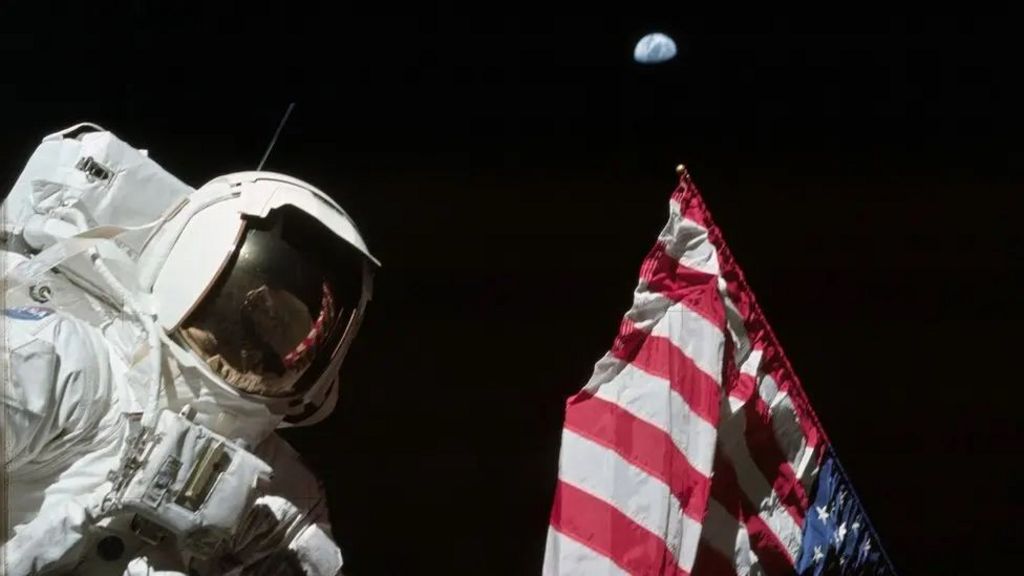
    The recent passing of Apollo 13 commander Jim Lovell marks a significant moment in space exploration history, leaving only five surviving astronauts who have ventured beyond Earth’s orbit to the Moon. These pioneers, part of NASA’s Apollo missions in the 1960s and 1970s, represent a dwindling generation of space explorers as humanity stands on the brink of a new lunar era.

    With more than five decades elapsed since the last human footprint was left on the lunar surface, the international competition to return to the Moon has intensified dramatically. NASA’s Artemis program, initially scheduled for a 2025 crewed launch, has encountered delays pushing the mission to 2026. Simultaneously, China has emerged as a formidable contender in the new space race, targeting a 2030 lunar landing following their successful far-side Moon probe landing in June 2024.

    The commercial space sector presents a mixed landscape of ambition and challenge. Private enterprises have attempted lunar scientific missions with varying outcomes, where technical difficulties have frequently overshadowed successes. Boeing’s Starliner complications, which recently stranded astronauts aboard the International Space Station, and SpaceX’s recurrent Starship prototype failures demonstrate the persistent complexities of space travel.

    The five remaining Apollo veterans each carry unique historical significance:

    Edwin ‘Buzz’ Aldrin, the second man to walk on the Moon during Apollo 11, has evolved into an enduring advocate for Mars exploration. Now 93, Aldrin continues to champion ambitious space goals, stating, ‘I don’t think we should just go there and come back – we did that with Apollo.’

    Charlie Duke, who became the youngest lunar walker at 36 during Apollo 16, served as capsule communicator during Armstrong’s historic landing. Now residing in Texas, Duke acknowledges the challenges awaiting Artemis astronauts: ‘They’ve picked near the South Pole for the landing… it’s really rough down there. But we’ll pull it off.’

    Fred Haise, part of the nearly catastrophic Apollo 13 mission, never achieved his lunar landing due to subsequent mission cancellations. Following NASA service, he transitioned to the aerospace industry, embodying the generation that bridged early space exploration with modern advancements.

    Harrison Schmitt, the first scientist-astronaut on Apollo 17, represented a new breed of space explorer. The geologist turned senator continues to contribute to academic and consulting work while maintaining his unique perspective on space science.

    David Scott, Apollo 15 commander, pioneered lunar driving with the Lunar Roving Vehicle. His post-NASA career has included film consulting, helping preserve the historical accuracy of space exploration narratives for new generations.

    As these lunar pioneers age, their legacy fuels inspiration for the next generation of space explorers preparing to write new chapters in humanity’s cosmic journey.