博客

  • China-Laos Railway handles over 70m passenger trips

    China-Laos Railway handles over 70m passenger trips

    The China-Laos Railway has achieved a remarkable transportation milestone, handling over 70 million passenger journeys since its inauguration in December 2021. According to official data released by China Railway Kunming Group Co., this flagship infrastructure project has revolutionized travel between Southwest China’s Yunnan province and the Lao capital of Vientiane.

    Spanning 1,035 kilometers through some of Southeast Asia’s most spectacular landscapes, the railway has established itself as a vital corridor for cross-border tourism and economic exchange. The route connects numerous renowned destinations including Kunming, Xishuangbanna, and the UNESCO World Heritage site of Luang Prabang, providing access to more than 560 scenic attractions along its path.

    In response to escalating demand, railway authorities from both nations have implemented coordinated service enhancements. The Chinese section has dramatically increased capacity from an initial eight daily trains to a current peak of 86, while the Lao segment has expanded from four to eighteen daily services. This operational optimization reflects the growing popularity of rail travel between the two countries.

    The international dimension of the railway expanded significantly with the introduction of direct Kunming-Vientiane passenger services in April 2023. This development has facilitated border crossings for more than 780,000 international tourists from over 120 countries, demonstrating the railway’s role as a catalyst for global tourism in the region.

    The project stands as a testament to Sino-Laotian cooperation, serving both as a practical transportation solution and a symbol of regional connectivity under China’s Belt and Road Initiative. Its success continues to reshape travel patterns and economic dynamics across Southeast Asia.


  • Israel’s Ben Gvir celebrates death penalty law by drinking wine in parliament

    Israel’s Ben Gvir celebrates death penalty law by drinking wine in parliament

    Israel’s parliament has enacted one of its most contentious legislations in recent history, approving a capital punishment law specifically targeting Palestinians convicted of terrorism-related killings. The Knesset passed the bill on Monday with a 62-48 majority vote, defying international pleas and warnings from European allies.

    National Security Minister Itamar Ben Gvir, the far-right architect of the legislation, celebrated the approval by serving alcohol to parliamentary members while wearing a distinctive golden noose-shaped pin symbolizing his campaign for executing Palestinian detainees. “This is a day of justice for the victims and a day of deterrence for our enemies,” Ben Gvir declared. “No more revolving door for terrorists, but a clear decision. Whoever chooses terrorism chooses death.”

    The legislation establishes death penalty as the default sentence for Palestinians who “intentionally cause the death of another person with the intent to harm an Israeli citizen or resident, with the intent to end the existence of the State of Israel.” Critics immediately highlighted the law’s discriminatory nature, noting that Jewish offenders would at most receive prison sentences for similar crimes.

    International condemnation has been swift and widespread. The foreign ministers of Germany, France, Italy, and the United Kingdom had previously warned Israel that the bill could undermine its democratic principles. Several other nations including Ireland, the Netherlands, Egypt, Jordan, and Slovenia have criticized the capital punishment clause.

    Human rights organizations and legal experts have raised alarm about Israel’s broad application of terrorism charges against Palestinians and reported increases in torture and deaths in custody since the Gaza conflict began. Leading Palestinian prisoners’ groups described the Knesset as a “terrorist institution and a body that legitimises genocide” in a joint statement.

    Notably, the United States has refrained from criticizing the legislation, with a State Department spokesperson stating that Washington respects Israel’s “sovereign right to determine its own laws and penalties for individuals convicted of terrorism,” while expressing trust that such measures would include fair trial guarantees.

    Israeli opposition parties and human rights groups including Adalah, the Public Committee Against Torture in Israel, HaMoked, and Physicians for Human Rights-Israel have condemned the law and announced plans to petition the High Court of Justice for its nullification.

  • China mandates funeral service pricing transparency

    China mandates funeral service pricing transparency

    In a significant move to protect consumers, Chinese regulatory authorities have introduced comprehensive new rules requiring full pricing transparency throughout the nation’s funeral service industry. The joint regulation, issued by the State Administration for Market Regulation and the Ministry of Civil Affairs, addresses long-standing concerns about opaque pricing practices and excessive charges that have burdened families during vulnerable times.

    The sweeping mandate, which takes effect May 31 on a trial basis, establishes both general requirements for all funeral service providers and specific provisions tailored to different business types within the sector. Under the new framework, operators must clearly display pricing information for all funeral goods and services, implement standardized service contracts, and provide online price disclosure mechanisms.

    Additionally, businesses are now required to publicly display service supervision and complaint hotlines, creating formal channels for consumers to report pricing concerns. This represents a fundamental shift in an industry where vague service descriptions, limited pricing information, and cultural reluctance to discuss funeral costs have previously created an environment ripe for exploitation.

    The regulation recognizes funeral services as essential public welfare matters that affect every family. By addressing the information asymmetry that has characterized the industry, authorities aim to create a more equitable and transparent system that respects both consumer rights and the sensitive nature of end-of-life services.

    This intervention marks one of the most substantial regulatory actions in China’s funeral industry in recent years, potentially transforming how services are priced and delivered across the country.

  • Africa calls for stronger health system to curb preventable maternal, child deaths

    Africa calls for stronger health system to curb preventable maternal, child deaths

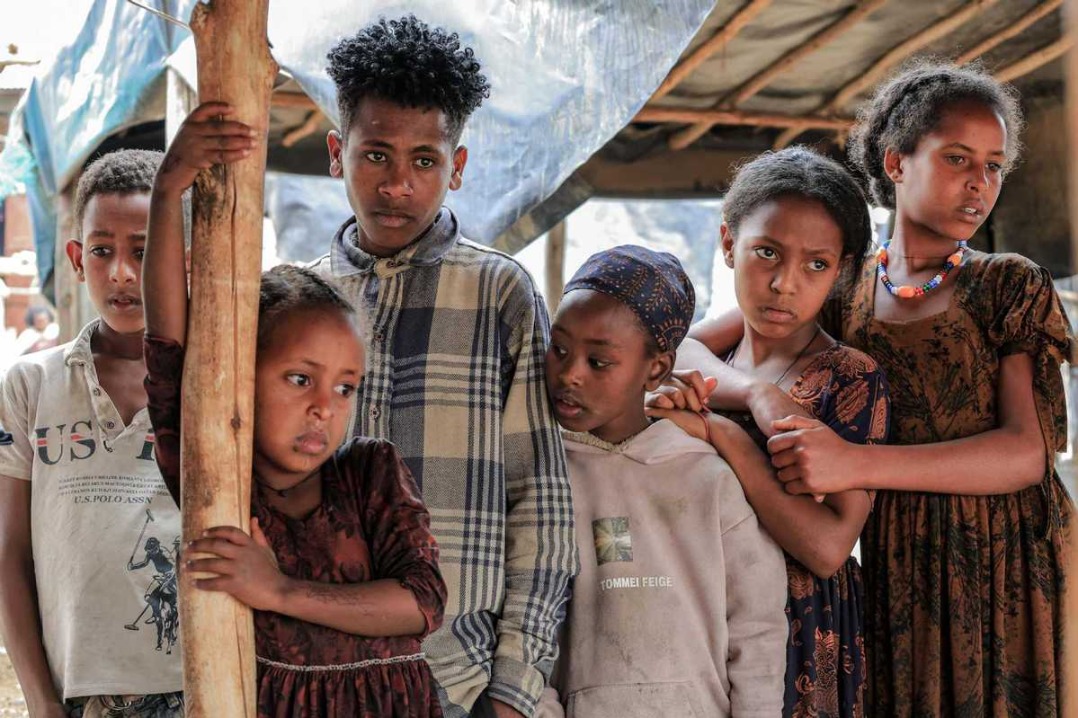
    African health authorities are sounding the alarm over what they describe as a ‘silent crisis’ of preventable maternal and child mortality across the continent. Current statistics reveal devastating hourly losses: approximately 50 mothers, 140 newborns, and 300 children under five perish from largely preventable causes, according to data from the Africa Centres for Disease Control and Prevention.

    Jean Kaseya, Director-General of the Africa CDC, characterized the situation as not merely a health issue but a fundamental development and sovereignty challenge. ‘A continent that cannot protect its mothers and children cannot claim full sovereignty over its future,’ Kaseya stated, emphasizing the need for transformative reforms in healthcare delivery systems.

    The crisis stems from persistent systemic failures including delayed care, financial barriers, and fragmented health infrastructure. Kaseya identified significant inefficiencies in health financing, with an estimated 40 percent of health expenditure lost due to weak procurement systems, poor planning, lack of accountability, and the presence of ghost workers.

    Kenyan health officials echoed these concerns, with Cabinet Secretary Aden Duale acknowledging that maternal mortality, newborn deaths, and stillbirths remain unacceptably high despite progress in some areas. Duale called for accelerated action and warned against complacency in addressing these preventable tragedies.

    Digital innovation emerges as a promising solution pathway, with countries like Kenya implementing real-time data platforms to track health coverage and identify at-risk populations. Patrick Amoth, Director-General at Kenya’s Ministry of Health, emphasized the need to scale up evidence-based interventions including improved antenatal services, prevention of postpartum hemorrhage, and respectful maternity care.

    Health leaders unanimously called for a shift from donor-dependent models to coordinated, self-reliant healthcare systems capable of delivering equitable and sustainable care across the continent, particularly in rural and low-income communities where disparities remain most pronounced.

  • National safety education day for middle and primary school students marked across China

    National safety education day for middle and primary school students marked across China

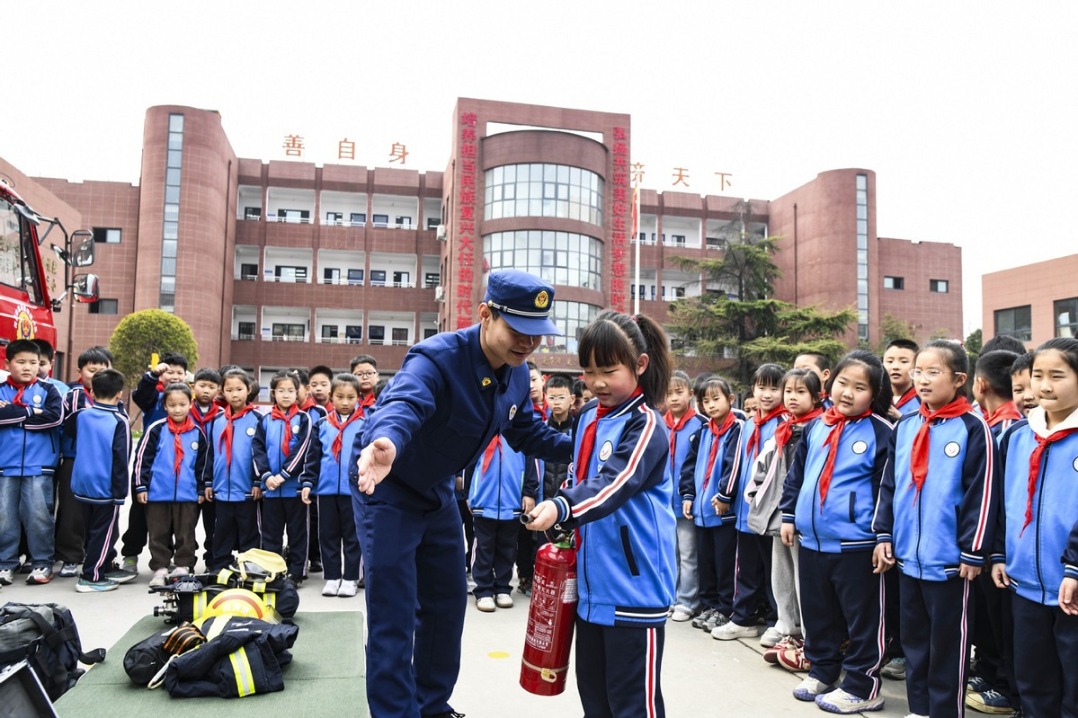
    Schools across China transformed into interactive safety laboratories on March 30, 2026, as the nation observed its annual National Safety Education Day for middle and primary school students. The comprehensive initiative saw educational institutions from Jiyuan city in Central China’s Henan province to districts nationwide conducting practical safety drills and awareness programs.

    In visually documented scenes, young pupils actively participated in hands-on safety demonstrations, including proper fire extinguisher operation techniques. The photographic evidence from Xinhua News Agency captures the engaging learning environment where students transitioned from theoretical knowledge to practical application under professional guidance.

    This nationwide observance represents China’s proactive approach to institutionalizing safety awareness within educational frameworks. By dedicating specific calendar space to safety education, authorities demonstrate commitment to building disaster preparedness from foundational levels. The program encompasses multiple safety dimensions including fire prevention, earthquake response, traffic safety, and emergency evacuation procedures.

    Educational experts emphasize that early exposure to safety protocols significantly enhances children’s crisis response capabilities. The visually-driven, interactive teaching methods employed during the observance day help transform abstract safety concepts into memorable, life-preserving skills. This initiative aligns with broader national efforts to create safer learning environments while fostering a culture of preparedness among younger generations.

    The synchronization of safety activities across provincial boundaries creates a unified national safety education front, ensuring standardized safety knowledge dissemination regardless of regional differences. This coordinated approach amplifies the program’s effectiveness while facilitating best practice sharing among educational institutions nationwide.

  • Food waste harms environment and leaves millions hungry

    Food waste harms environment and leaves millions hungry

    On the occasion of the International Day of Zero Waste, a United Nations environmental specialist has issued a stark warning regarding the escalating global food waste crisis, revealing its devastating environmental impact while millions face severe hunger worldwide.

    Clementine O’Connor, Management Officer of the UN Environment Programme’s Sustainable Food Systems Programme, disclosed in an exclusive interview that approximately 19% of food reaching consumers is ultimately wasted. This alarming figure supplements the 13% of food lost during production and distribution phases before even arriving at retail establishments.

    The distribution of food waste presents a concerning pattern, with households accounting for 60% of total waste, food service establishments contributing 28%, and retail operations responsible for the remaining 12%.

    The environmental ramifications are particularly severe. Food loss and waste generate between 8-10% of global greenhouse gas emissions, with decomposing food in landfills releasing substantial methane—a potent climate-changing gas. Specifically, food waste alone contributes up to 14% of worldwide methane emissions, positioning it as a critical short-term climate intervention opportunity.

    Beyond atmospheric pollution, this wastage drives unnecessary consumption of land, water, and agricultural resources, intensifying pressure on fragile ecosystems and accelerating biodiversity decline. Nearly 30% of global agricultural land currently produces food that never reaches human consumption, while industrial food systems remain the primary driver of biodiversity loss through land conversion and intensive farming practices.

    O’Connor emphasized that reducing food waste could significantly alleviate pressure on forests, water resources, and wildlife habitats. She identified waste reduction as a high-impact climate solution that could help nations fulfill their Paris Agreement commitments and Global Methane Pledge obligations.

    The economic toll is equally staggering, with the Food and Agriculture Organization estimating annual global food loss and waste costs exceeding $1 trillion.

    The humanitarian paradox is particularly troubling: while over 1 billion tons of food are wasted globally each year, approximately 673 million people experience hunger, and about 150 million children under five suffer from stunting due to chronic nutrient deficiencies.

    This contradiction underscores that hunger stems not merely from food availability issues but also from problems of access, affordability, and systemic inefficiencies. Structural challenges consistently prevent food from reaching those most in need, allowing food waste and food insecurity to coexist.

    In developing regions like Africa, the crisis assumes additional dimensions due to structural constraints within food systems. Inadequate storage facilities, poor transportation networks, and insufficient cold chain infrastructure frequently cause significant losses before food reaches consumers. These challenges diminish farmers’ incomes, increase price volatility, and limit nutritious food availability in local markets. Throughout Sub-Saharan Africa, an alarming 30-40% of food is lost across supply chains.

    O’Connor advocated for comprehensive approaches combining national strategies, public-private partnerships, behavior change initiatives, and cross-supply chain collaboration and innovation. She outlined three global priorities: encouraging consumer behavior modification, mandating business measurement and reporting of food waste, and enhancing systems for organic waste collection and management.

  • Kenya relocates Nairobi Animal Orphanage to boost wildlife care

    Kenya relocates Nairobi Animal Orphanage to boost wildlife care

    In a landmark conservation initiative, Kenyan authorities have announced comprehensive plans to relocate and modernize the iconic Nairobi Animal Orphanage, marking a significant advancement in the nation’s wildlife protection efforts. The strategic move aims to substantially enhance animal welfare standards, alleviate spatial constraints, and bolster conservation capabilities within the renowned Nairobi National Park ecosystem.

    Established in 1964, this facility has served as a vital sanctuary for six decades, providing critical rescue, rehabilitation, and care services for injured, orphaned, and vulnerable wildlife. According to the Kenya Wildlife Service (KWS), the institution has been instrumental in safeguarding countless animals through its extensive operational history.

    The decision to transition the orphanage stems from evolving international animal welfare protocols, escalating visitor traffic, and growing demands for wildlife rescue services that have collectively surpassed the current facility’s capacity. KWS officials characterized the project as “a meticulously planned, lawful, and forward-looking initiative designed to elevate wildlife conservation, animal welfare standards, conservation education, and visitor engagement.”

    The future facility will incorporate expansive, naturalistic enclosures aligned with contemporary welfare benchmarks, alongside a fully equipped veterinary treatment unit featuring surgical capabilities. The complex will also include specialized quarantine zones, nursery accommodations for rescued animals, and designated release areas to facilitate successful rewilding programs.

    Enhanced visitor infrastructure will comprise improved walkways, relaxation areas, regulated parking facilities, and outdoor educational spaces for conservation programming. Ecological restoration plans for the original site will reinforce the park’s environmental integrity, while the new development is projected to generate over 500 direct employment opportunities for Kenyan citizens.

  • German university in Hainan FTP to enroll 800 students in China this year

    German university in Hainan FTP to enroll 800 students in China this year

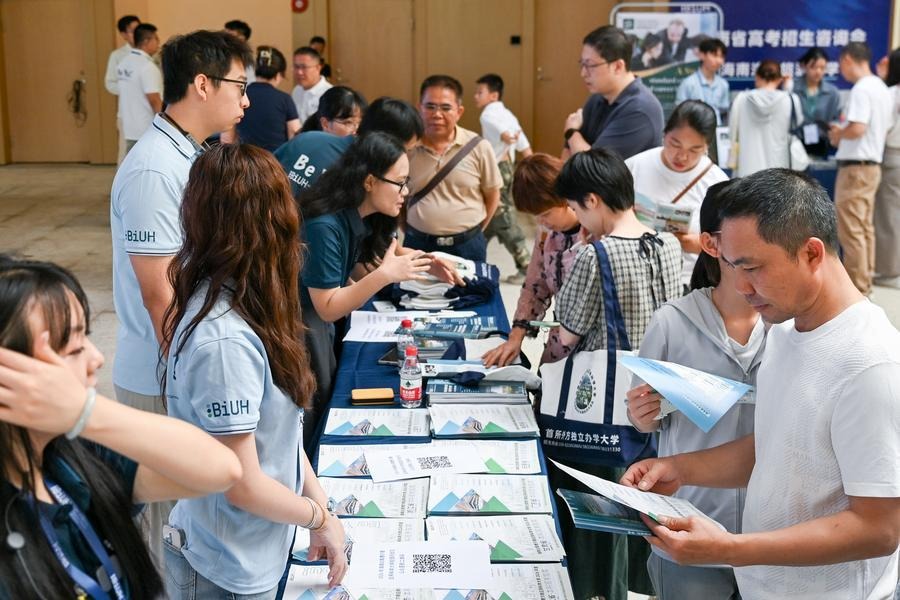
    Hainan Bielefeld University of Applied Sciences (BiUH), China’s first fully independent foreign-operated university campus, is set to welcome 800 new students from 25 provinces and regions across the country this academic year. The announcement came during the institution’s 2026 Campus Open Day held in Danzhou on March 28, which attracted numerous prospective students and parents from Beijing, Shanghai, Hainan and other regions.

    Established by Germany’s Hochschule Bielefeld University of Applied Sciences and Arts (HSBI), BiUH represents a groundbreaking model in China’s higher education landscape as the first foreign university permitted to operate independently without local partnership requirements. The institution commenced operations in 2023 with its inaugural student cohort.

    University President Ingeborg Schramm-Wölk emphasized the institution’s unique role as an educational bridge between China and Germany. ‘This event not only provides an important opportunity to showcase our educational achievements but also serves as a platform for dialogue, exchange, and mutual understanding,’ Schramm-Wölk stated. The university’s educational philosophy centers on integrating theoretical knowledge with practical application, aiming to develop high-quality professionals with international perspectives and innovative capabilities.

    BiUH currently offers seven undergraduate programs: Computer Science and Technology, Digital Technologies, Industrial Engineering, Logistics Engineering, Electrical Engineering, Software Engineering, and Business Administration. The establishment aligns with China’s broader strategic development plans for Hainan, which began with its designation as a pilot free trade zone in 2018. Subsequent plans unveiled in 2020 envision transforming Hainan into a globally influential free trade port by mid-century, including provisions for overseas universities in STEM, agriculture, and medicine fields to operate independently.

    The provincial education department reports that Hainan has established partnerships with 48 domestic and international universities to date, including two independently operated foreign campuses and 26 Sino-foreign cooperative educational institutions and programs.

  • Education Ministry launches nationwide first-aid education project for schools

    Education Ministry launches nationwide first-aid education project for schools

    China’s Ministry of Education has initiated a comprehensive three-year national project to significantly improve emergency medical response capabilities within primary and secondary educational institutions across the country. The public welfare program, announced through an official notice, represents a major advancement in student safety protocols through the strategic deployment of life-saving equipment and specialized training.

    The ambitious initiative will see the installation of automated external defibrillators (AEDs) in schools located in regions with limited emergency medical resources. Additionally, the project mandates the establishment of dedicated first-aid education studios in every district and county nationwide, with each county receiving two fully-equipped studios containing three AED training units and medical mannequins.

    Implementation will follow a phased regional approach, with eleven provincial-level regions including Beijing, Hebei, Jiangsu, Shandong, and Guangdong participating in the initial 2026 rollout. Eleven additional regions will join the program in 2027, with the final ten regions completing national coverage by 2028.

    The ministry has outlined specific training requirements, with each studio training four certified instructors to create a professional teaching workforce. Provincial education authorities will develop age-appropriate training curricula, ensuring primary students receive classroom-based instruction while secondary students engage in practical hands-on activities and field training exercises.

    The Ministry has called for close collaboration between local education authorities, the China Teacher Development Foundation, and technology giant Tencent to ensure effective implementation. Priority will be given to establishing first-aid education studios within youth activity centers or larger school campuses to facilitate regular training sessions and maximize accessibility.

  • A China Bond Across the Pacific

    A China Bond Across the Pacific

    In a vibrant demonstration of cross-cultural connection, a delegation comprising 100 students and educators from Iowa, United States, embarked on an educational journey to Shijiazhuang Foreign Language School in March 2026. This exchange forms a crucial component of the ambitious “50,000 in Five Years” initiative, designed to significantly expand people-to-people diplomacy between the two nations.

    The American visitors immersed themselves in authentic Chinese cultural experiences, ranging from dynamic martial arts sessions to mastering the delicate craftsmanship of traditional hand-woven Chinese knots. Each activity provided new insights and fostered mutual understanding between the youth of both countries.

    The most poignant moment occurred beneath the symbolic China-US Friendship Tree, where students from both nations gathered together. In a powerful gesture of international camaraderie, they attached their personal wishes and messages of friendship to the tree’s branches, creating a living testament to their shared hopes for continued partnership and peace.

    This educational diplomacy effort represents a significant investment in future relations, focusing on building genuine connections through cultural immersion and personal interaction rather than formal diplomatic channels.