博客

  • Perth parents jailed for allegedly starving ballerina have convictions quashed after appeal

    Perth parents jailed for allegedly starving ballerina have convictions quashed after appeal

    In a dramatic late development that has upended a high-profile child mistreatment case in Western Australia, the convictions of two Perth parents found guilty of starving their 16-year-old aspiring ballerina daughter have been overturned on appeal, and the couple has been released on bail ahead of a planned retrial.

    The pair, who cannot be identified publicly due to ongoing legal restrictions, were found guilty by a jury in November 2024 following a two-year investigation that traced back to an alarming hospital admission in early 2021. The case first came to authorities’ attention on April 7, 2021, when the teenager was brought to Perth Children’s Hospital in a state of extreme severe malnourishment. At 16 years old, she weighed just 28 kilograms — a body mass roughly matching the average weight of an 8-year-old child, half her chronological age.

    During the original trial, the mother was convicted on charges that she failed to protect her daughter from harm between 2019 and 2021, and willfully deprived the teen of adequate support for her emotional, social and physical development. The father faced separate conviction for two offences: reckless child care that led to the teen’s suffering, and forging his daughter’s birth certificate to falsely record her as younger than her actual age. Throughout the entire legal process, both parents have maintained their innocence, claiming there was nothing abnormal about their daughter’s health or physical appearance.

    The appeal ruling, handed down Tuesday by the Western Australian Court of Appeal, reversed the guilty verdict and ordered the couple’s release on bail, with a fresh retrial scheduled to begin later this month. The parents appeared for the appeal hearing via video link; reporters in court noted that the mother broke down in tears when the quashing of her conviction was read aloud.

    “The two accused have been released on bail, and there will be a retrial,” the couple’s defence lawyer Tom Percy told 9News following the ruling.

    While the mother had previously argued in her bail application that she was denied a fair trial because she suffered illness that left her unwell for multiple days during the original proceeding, that initial appeal for bail was rejected by the court before this week’s full overturning of convictions. As of Wednesday, full written reasons for the appeal court’s decision to quash the convictions have not yet been published by the judiciary.

  • Rwanda tries to protect farmland in Africa’s most densely populated nation

    Rwanda tries to protect farmland in Africa’s most densely populated nation

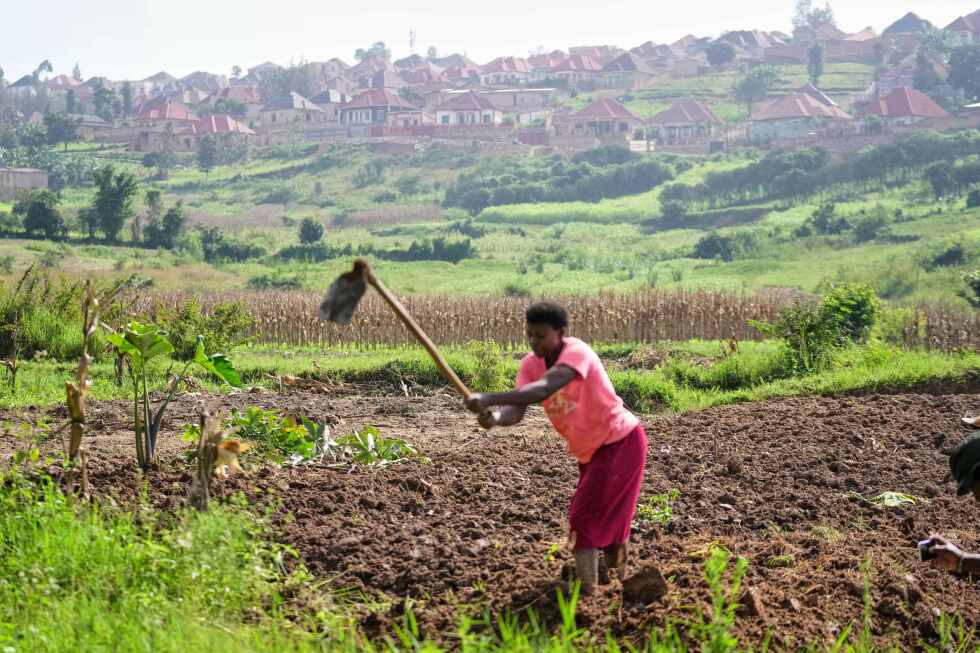
    On a crisp chilly morning in Kigali, the hum of bulldozers and rhythmic clatter of construction work drown out the soft thud of farmers’ hoes against the soil. For Rwanda, a nation that holds the title of Africa’s most densely populated country, this sensory clash represents a growing crisis: how to balance booming urban expansion with the critical need to safeguard shrinking agricultural land and shore up long-term food security.

    For 84-year-old Mukarusini Purisikira, the crisis is deeply personal. A lifelong farmer who fled to neighboring Congo to escape the 1994 Rwandan genocide, she returned home to find her family’s sprawling hillside farm seized for residential and commercial development. Today, she cultivates maize and sweet potatoes on a plot barely larger than a small cottage, a patch that barely produces enough to put food on her table. Standing near her crops, she glances nervously at construction idling on a nearby ridge: “It is all I have,” she says.

    Now, Purisikira and other small-scale Rwandan farmers have a new layer of protection. Starting in September 2024, the Rwandan government launched an ambitious initiative to map all officially designated agricultural land across the country, leveraging satellite imagery to track unauthorized development that encroaches on protected farm and forest land. With Rwanda’s national population projected to hit 22 million within the next two years, and global fertilizer prices spiking sharply following the outbreak of the Iran war that has disrupted global supply chains, food security has become a top policy priority for the government.

    In Kigali, the nation’s capital, city planners have already locked in 22% of the total land area specifically for agricultural use under the city’s updated master development plan. To enforce the new protections, authorities have imposed strict penalties for unauthorized encroachment: fines of up to $3,000 and prison sentences of as long as six months for violators. Multiple unapproved construction projects have already been demolished to enforce the rules, though stakeholders connected to the buildings declined to speak publicly over fears of government retaliation. Moving forward, the government plans to add drone surveillance to its monitoring toolkit, enabling real-time tracking of unauthorized land use across the country.

    City officials acknowledge that unmet housing demand creates strong economic pressure to approve new construction projects, but they argue that prioritizing agriculture will deliver greater long-term value. “Farming will be even more productive” than unplanned urban expansion, city data projections show, especially as domestic food demand continues to climb alongside population growth. City leaders argue that with targeted innovation, productive farming can thrive on smaller, more efficiently managed plots of land.

    Emma-Claudine Ntirenganya, a spokeswoman for the Kigali mayor’s office, explained that the pressure on farmland extends far beyond the capital. While most of Kigali’s current food supply is sourced from other districts across Rwanda, those rural agricultural areas are also losing land to development at a rapid pace. Over the past year, the national government has printed and publicly distributed detailed maps across all Rwandan districts, clearly marking land zoned for agriculture and land open for construction, to bring transparency to land use rules.

    Ntirenganya says the initiative is rooted in a new vision of “urban agriculture” that redefines how Rwandans think about farming within city limits. “We will be able to show Kigalians that they can also do agriculture and be productive,” she explained. To model this approach, the city administration is already building a demonstration greenhouse on the roof of its headquarters, and now requires all developers applying for new building permits to integrate green spaces and community gardens into their project designs.

    Beyond protecting existing open land, Kigali has become a testing ground for innovative, space-efficient urban farming techniques. Vertical farms, which grow leafy greens, strawberries and other produce in stackable modular plastic containers, have gained traction among local entrepreneurs. Christian Irakoze is the co-founder of Eza Neza, which translates to “grow well,” a local startup that installs small-scale vertical farms across Kigali. During a visit by the Associated Press, reporters saw one vertical farm growing 600 plants in vertical rows stretched along just 50 meters of perimeter wall, proving the model can produce significant amounts of food in minimal space.

    Irakoze describes his work as a fundamental shift from traditional large-scale rural farming to a flexible, accessible system that fits urban contexts. “It is a different way of thinking about farming, from traditional large-scale upcountry farming to something smaller, modular, and that anyone can really do,” he said. To reduce reliance on volatile imported agricultural inputs, Irakoze’s company uses locally sourced manure and volcanic sediment in place of commercial potting soil, adapting farming practices to buffer against global market shocks. “We really have to find ways to find our own solutions, whether through inputs like fertilizers or seeds. Some of these global events are always a reminder that we should definitely have some alternatives,” he added.

    A group of young Rwandan agronomists are also working to spread adoption of hydroponics, a soil-free farming technique that uses nutrient-infused water to grow crops, maximizing output per square meter of land. “The population is increasing, yet our land is not increasing. We make sure that we find solutions that can help farmers to overcome that, and then they produce more,” explained Richard Bucyana, one of the agronomists leading the training program. Bucyana echoed Irakoze’s view that local, homegrown solutions like those being rolled out in Rwanda help insulate the country from global supply chain disruptions, and called on other African governments to prioritize agricultural self-sufficiency. “African governments should start thinking how they can be self-sustainable,” he said.

  • The Iran war doesn’t immediately jeopardize Taiwan

    The Iran war doesn’t immediately jeopardize Taiwan

    The global ripple effects of the United States and Israel’s joint military campaign against Iran have extended across continents, reaching deep into Asian geopolitics – and nowhere is this indirect influence more consequential than for Taiwan’s security amid ongoing cross-Strait tensions with mainland China. This analysis explores two core, interconnected questions that sit at the center of regional security calculations: first, how the Iran conflict alters perceptions of U.S. willingness to intervene militarily to defend Taiwan, and second, how it shifts Beijing’s calculus of whether to launch an invasion of the island.

    Critics of the U.S. campaign against Iran have raised a host of objections: they argue the operation was unnecessarily aggressive, that Washington skipped over ongoing diplomatic negotiations with Tehran without cause, that Iran posed no immediate threat justifying a large-scale attack, that U.S. leaders failed to consult allies before moving forward, and that they underestimated Iran’s capacity to sustain retaliatory action even after heavy damage to its conventional military forces. But for Taiwan, the central concern runs in the opposite direction: whether the current U.S. administration is bold enough to commit American troops to the island’s defense, rather than stepping back from a cross-Strait conflict.

    For years, many foreign policy observers have framed former President Donald Trump’s approach to global affairs as leaning toward isolationism. Prominent commentators, including Temple University Tokyo campus Professor Robert Dujarric, former U.S. National Security Advisor John Bolton, and The Guardian foreign affairs analyst Simon Tinsdall, have all argued that Trump prioritizes avoiding a major war in Asia over blocking China from annexing Taiwan.

    It is true that China would be a far more formidable opponent than Iran, so willingness to engage in large-scale operations in the Middle East does not automatically translate to willingness to fight a great-power conflict in the Indo-Pacific. Even so, the Iran campaign demonstrates that this U.S. administration is willing to rule out the option of deploying large conventional forces in distant conflicts outside of the Western Hemisphere – a key shift that Beijing cannot ignore.

    Beijing’s longstanding strategic approach to territorial expansion follows a framework of cautious aggression: it first probes for weakness, only advancing further if it encounters minimal resistance. This aligns with the classic strategic guidance often attributed to early Soviet leaders Josef Stalin and Vladimir Lenin: “If you hit mush, keep going; if you hit steel, pull back.” For a Chinese leadership that relies heavily on gray zone tactics to advance its interests without open war, the pattern of bold actions taken by the Trump administration – from the targeted strike that killed Quds Force commander Qasem Soleimani during his first term, to the political intervention in Venezuela, the tightening of Cuba’s oil blockade, the large-scale bombardment of Iran, and even public discussions of seizing Greenland – comes as a striking departure from previous expectations of U.S. restraint.

    Given this track record of unilateral, forceful action, it is now effectively impossible for Chinese planners to confidently conclude the U.S. would refuse to militarily intervene to defend Taiwan.

    This uncertainty around U.S. intervention leads to the second critical question: how the Iran conflict changes the likelihood that China will choose to launch an invasion of Taiwan.

    Some analysts have argued that Washington’s adoption of a “might makes right” approach, visible in its actions against Iran and Venezuela, gives Beijing a green light to pursue its own territorial goals by force against Taiwan. But this argument misses key realities of Chinese strategic planning. Beijing does not tie its policy decisions to a normative standard set by the United States. The Chinese government has long maintained it will use force against Taiwan if its leadership deems it necessary, a threat formalized in the 2005 Anti-Succession Law.

    For years, Chinese state propaganda has emphasized the narrative that the U.S. is a declining “paper tiger,” pointing to the 2021 withdrawal from Afghanistan as proof of American weakness. But the U.S. military’s smooth, successful execution of the complex large-scale operation in Iran, thousands of miles from the American homeland, offers a stark counterpoint. Meanwhile, Chinese-supplied military equipment – particularly air defense systems – performed poorly in both Venezuela and Iran, offering Chinese leadership an unvarnished reminder that the U.S. armed forces remain the most capable in the world.

    While Chinese officials and state media publicly condemned the U.S. campaign as illegal and brutal, many independent and state-aligned Chinese analysts openly acknowledged American operational competence. Prominent Chinese foreign affairs scholar Zheng Yongnian concluded the U.S. “still [ranks] number one” in global military power. Analyst Niu Tanqin noted he “cannot but admire” the U.S. military’s performance, and leading international relations scholar Shi Yinhong confirmed that the tactical success of American forces “strongly impressed the leaders [in Beijing].” This clear demonstration of coordinated, advanced military capability carries tangible deterrent weight for Beijing’s Taiwan planning.

    At the same time, Chinese observers have also noted that the Iran campaign has diverted U.S. military focus and depleted stockpiles of key weapons that would be used to counter Chinese expansion in the Indo-Pacific. U.S. officials have insisted the conflict has not delayed pre-planned weapons deliveries to Taiwan that the island has already purchased, noting that munitions used in Iran are drawn from existing U.S. military stockpiles rather than from production lines allocated for foreign sales. Even so, the U.S. has temporarily reallocated significant military capabilities from Asia to the Middle East for the Iran campaign, including Patriot interceptors, THAAD anti-missile systems, the USS Abraham Lincoln carrier strike group, two additional guided-missile destroyers, and two Marine expeditionary units.

    U.S. forces have also expended large stockpiles of high-value precision weapons, most notably Tomahawk cruise missiles – a system that would play a critical role in any Indo-Pacific conflict thanks to its long range, powerful warhead, and newly developed anti-ship variant. To date, the U.S. has fired between 850 and 1,000 Tomahawks in the Iran campaign, and replacing the entire stockpile will take two to three years at a cost of roughly $3.5 million per missile. This has led some analysts to speculate that the diversion of forces and depletion of munitions creates a new window of opportunity for China to attack Taiwan, arguing that U.S. military stockpiles were already stretched thin before the Iran conflict, and China could now count on U.S. forces running out of critical munitions far more quickly in a cross-Strait war.

    This window-of-opportunity argument holds weight only if one accepts the premise that Chinese leader Xi Jinping has already decided to forcibly annex Taiwan as soon as the odds of success appear favorable. But that premise fails to account for the massive risks and downsides that a full-scale invasion would pose for China’s leadership.

    In any invasion scenario, China would have to plan for a coordinated defensive response from Taiwanese, U.S., and Japanese forces. Even as the U.S. draws down its precision munition stockpiles, Taiwan is on track to assemble what it calls “the world’s highest density of anti-ship missiles” by the end of 2026. Japan has also begun mass production of its new Type 25 anti-ship cruise missile – a system with range covering the entire Taiwan Strait – and began deploying the weapon in March 2026.

    A Chinese victory is far from guaranteed, and even a limited victory would likely be pyrrhic. The U.S. Navy would almost certainly interdict China’s seaborne energy imports, and a full-scale war in the Taiwan Strait would halt commercial shipping along most of China’s eastern coast for weeks or months. The resulting economic turmoil could trigger widespread social and political unrest within mainland China, and Beijing would face a generations-long challenge to pacify and govern a hostile Taiwanese population.

    Beyond these immediate military and economic risks, Beijing has no pressing need to resort to force against Taiwan in the near term. Chinese strategic thinking holds that U.S. comprehensive power is in gradual decline, while China continues to advance in industrial and technological capacity. Over time, this shift improves Beijing’s relative position, increasing the likelihood that Washington will eventually choose to step back from competition for strategic leadership in East Asia on its own.

    Domestically, Xi is still in the midst of a sweeping purge of roughly half of China’s senior military commanders, with a disproportionate share of those removed coming from the People’s Liberation Army Rocket Force – the service branch that would play a central role in any invasion of Taiwan. This ongoing leadership reshuffle creates significant internal uncertainty that discourages any high-stakes military gambit in the near term.

    Politically, Beijing also has reason to wait for a more favorable outcome through peaceful means. Taiwan’s main opposition Kuomintang (KMT) accepts Beijing’s core position that Taiwan is part of a single China, and Beijing holds out hope that the KMT will regain control of Taiwan’s presidency in the 2028 election. Recent political developments have bolstered these hopes: KMT Chairwoman Cheng Li-wun’s high-profile visit to mainland China in April 2025 underscored the party’s willingness to engage with Beijing, and the KMT holds a legislative majority in coalition with the Taiwan People’s Party. Incumbent President Lai Ching-te of the ruling Democratic Progressive Party (DPP) has struggled with low approval ratings – his ratings were negative for most of 2025 and hover around 50 percent in 2026 – and the KMT successfully defeated a 2025 DPP recall campaign that attempted to remove 31 KMT legislators, with all 31 retaining their seats. While it remains far from certain that the KMT will win the presidency in 2028 and implement a more Beijing-friendly cross-Strait policy, current trends give Beijing ample reason to wait and watch rather than rush to war.

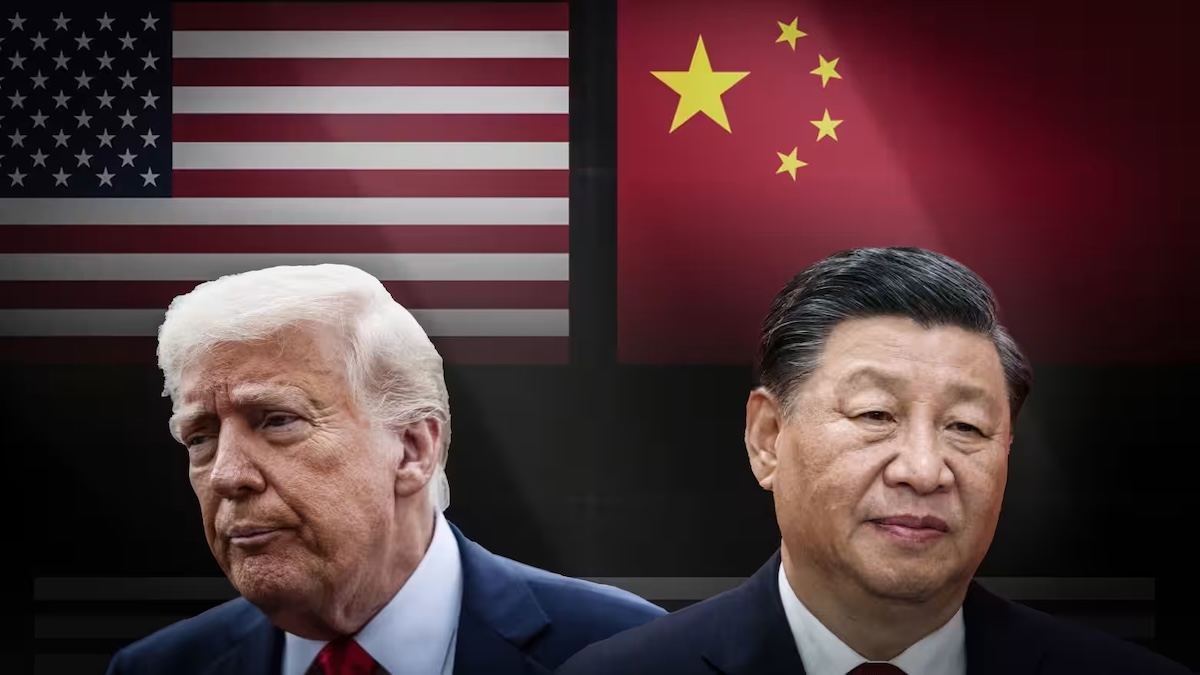
    Diplomatically, Beijing also has incentives to avoid conflict this year. Trump and Xi are scheduled to hold two formal summits in 2026, and Beijing is eager to stabilize bilateral economic relations, which are currently under a temporary truce after a years-long trade war that saw the U.S. impose steep tariffs on Chinese imports and China threaten to restrict rare earth exports to the U.S. A sudden invasion of Taiwan would derail this economic stabilization effort. Additionally, Beijing will have the opportunity during the summits to push for limited U.S. concessions on Washington’s support for Taipei; the U.S. has already agreed to delay the announcement of a major new arms sale to Taiwan until after Trump’s first May 2026 meeting with Xi, creating an opening for Beijing to secure a limited political win without resorting to force.

    Finally, the Iran conflict has drawn new attention to underrecognized vulnerabilities in Taiwan’s energy security: the island relies on seaborne imports for more than 95 percent of its oil and liquid natural gas (LNG), with LNG accounting for roughly half of Taiwan’s electricity generation. Taiwan’s strategic LNG reserve only covers 8 to 11 days of demand, and while its 100-day oil reserve is more robust, the island remains highly exposed to any disruption of maritime supply routes. Addressing these energy vulnerabilities, along with hardening Taiwan’s western coastline with mobile, survivable anti-ship and anti-air missile batteries, should be a top priority for Taipei’s security planners.

    Even with these new challenges highlighted by the Iran conflict, the campaign does not create immediate additional risk of an invasion for Taiwan. Despite the depletion of U.S. precision munitions and the diversion of some regional forces to the Middle East, Beijing faces a host of compelling domestic, political, and strategic incentives to hold off from launching a high-risk invasion attempt for the foreseeable future.

  • Australians stranded in Fiji as Cyclone Vaianu sparks flight chaos and flooding fears

    Australians stranded in Fiji as Cyclone Vaianu sparks flight chaos and flooding fears

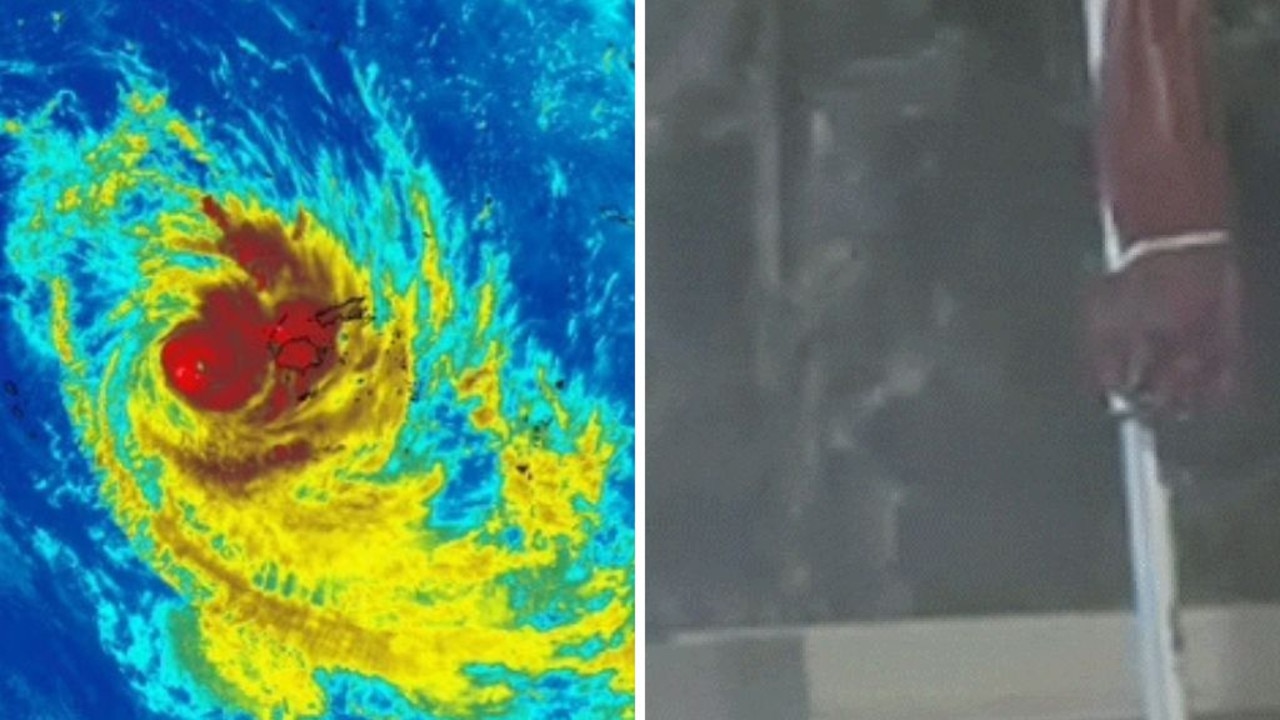
    As Severe Tropical Cyclone Vaianu pummels large swathes of Fiji, hundreds of Australian holidaymakers are trapped on the island nation, enduring rolling blackouts, violent wind gusts and widespread travel disruptions that have thrown their plans to return home into chaos. With a second severe tropical storm already forming in the broader South Pacific, stranded travellers are facing a tense and uncertain wait for rescheduled flights.

    One of those caught in the extreme weather is Australian tourist Melanie Harris, who travelled to Fiji for a dream vacation with her young son. What was supposed to be a relaxing getaway has quickly morphed into a frightening ordeal, as the category cyclone unleashes its power across the island chain.

    “The wind is loud, relentless, and completely unpredictable,” Harris told 9News in an interview from her resort, located roughly an hour’s drive south of Fiji’s main tourist hub Nadi. “You can hear it constantly, even through the thick walls of our accommodation. It just puts you on edge the entire time.”

    Harris described a harrowing scene during dinner on Wednesday, when she and her son heard debris flying through the air outside, hurled by wind gusts that have hit speeds of over 100 kilometres per hour. Repeated, unannounced blackouts have made overnight stays particularly unsettling, she said. “Everything suddenly goes dark and the wind is still howling outside,” she explained. “It just didn’t feel safe at all.”

    The danger has already led to one scare for the pair: Harris’ son slipped on rain-soaked tiles amid the wild conditions and hit his head, a moment that left the already stressed mother panicking. “You’re already on edge from the storm, and then something like that happens,” Harris said. “It just takes everything to another level.”

    Nearly all scheduled day trips and tourist activities across Fiji have been cancelled as resort management prioritize guest safety, leaving many visitors waiting for refunds while they shelter in place. Harris said that while resort staff have attempted to assist trapped guests, they are stretched thin by the scale of the emergency and have little updated information to share. “They have almost been downplaying the cyclone and don’t have much information to give,” she said. Harris is now making plans to relocate to a more structurally secure hotel, as she anxiously waits to see if her scheduled flight back to Australia on Sunday will still depart.

    Travel disruptions are already being felt across regional air routes. One commercial flight from Sydney to Fiji was forced to divert to Nuku’alofa in Tonga earlier this week after encountering severe turbulence and dangerous weather conditions linked to Cyclone Vaianu.

    Australia’s Department of Foreign Affairs and Trade (DFAT) has issued an official advisory for travellers in Fiji, urging people to stay alert and follow guidance from local emergency authorities. “Flights may be delayed or cancelled, and essential services may be disrupted,” the DFAT statement read. “Know your accommodation’s evacuation plan. If a cyclone is approaching your area, find your nearest shelter and follow the advice of local authorities.” Travellers have been advised to reach out directly to their airlines and accommodation providers to get the latest updates on changes to their travel plans.

    Forecasters warn the regional weather situation could grow even more unstable in the coming days. Australia’s Bureau of Meteorology is currently monitoring a second severe system, Severe Tropical Cyclone Maila, which is currently tracking across the Solomon Sea near the Solomon Islands. The system is expected to track towards Papua New Guinea in the next 48 hours, before potentially moving closer to Australia’s far northern coast.

    As for Vaianu, current forecasting models show the cyclone will track south towards New Zealand, where it is expected to bring heavy rain, strong winds and potential flooding to parts of the North Island, including Auckland, later this week.

  • Hong Kong firm files arbitration against Maersk, saying it schemed with Panama over port takeover

    Hong Kong firm files arbitration against Maersk, saying it schemed with Panama over port takeover

    In a fresh escalation of the high-stakes conflict over control of strategically critical ports along the Panama Canal, a subsidiary of Hong Kong conglomerate CK Hutchison Holdings has initiated international arbitration proceedings against Danish logistics giant Maersk, accusing the shipping group of colluding with Panama’s government to seize control of its terminal operations.

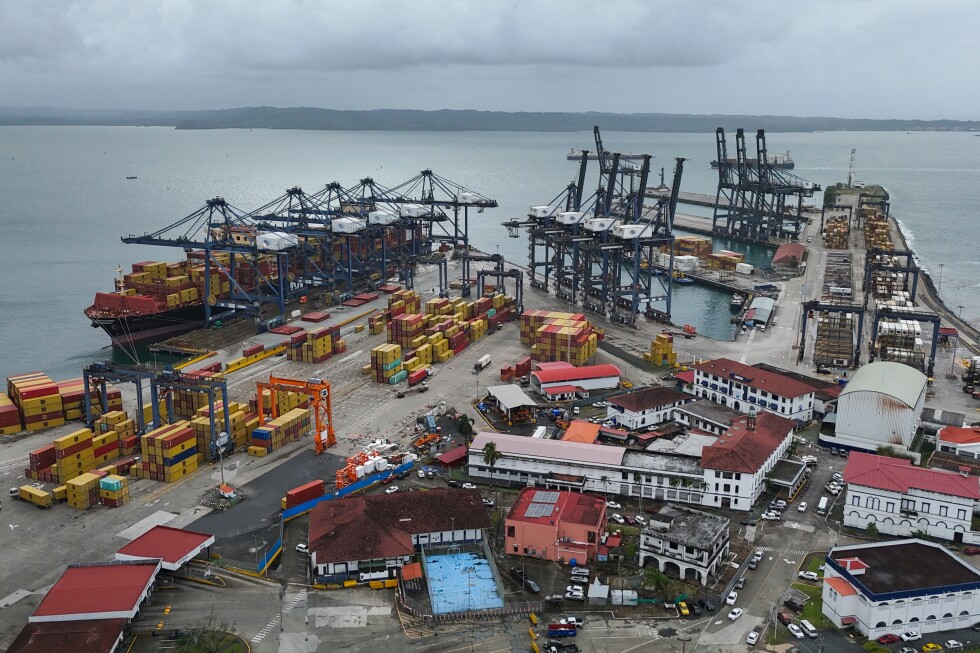
    Panama Ports Company, the CK Hutchison unit that held long-term concessions for the Balboa and Cristobal ports at the Atlantic and Pacific entrances of the canal, laid out the new legal claim in an official statement released Tuesday. The company alleges that Maersk deliberately undermined its existing operating contract to clear the way for a Maersk-affiliated entity to take over operations of the high-traffic Balboa terminal. The arbitration will be conducted in London, though the firm has not publicly disclosed what financial or legal remedies it is pursuing through the process.

    This latest legal action builds on a series of disputes that stretch back to early 2025. Back in February, Panama’s national government seized full control of both the Balboa and Cristobal ports, shortly after the country’s Supreme Court ruled that CK Hutchison’s original operating concession was unconstitutional. That court ruling and subsequent seizure triggered immediate diplomatic pushback from the Chinese government. Shortly after the takeover, Panama’s administration handed operational control of the two ports to subsidiaries of Maersk and Mediterranean Shipping Company, the two largest container shipping firms in the world.

    Panama Ports Company first launched arbitration proceedings against the Panamanian government itself in February. By late March, the firm expanded its damages claim, stating that total losses related to the seizure now exceed $2 billion. The company emphasized in Tuesday’s statement that the new claim against Maersk is entirely separate from its ongoing legal efforts to hold Panama liable for what it describes as “anti-contract and anti-investor conduct.”

    As of Wednesday, neither Maersk’s corporate leadership nor Panama’s government has issued an immediate public response to the new arbitration filing.

    The unfolding legal conflict has further complicated a major pre-existing deal that has drawn global geopolitical and business attention. CK Hutchison first announced plans in March 2025 to sell the majority of its 40+ global port assets—including the two Panama Canal ports—to a consortium led by U.S. investment firm BlackRock, in a deal valued at $23 billion. The proposed transaction was welcomed by former U.S. President Donald Trump, who had repeatedly made unsubstantiated claims of Chinese interference in the operations of the vital global shipping lane. However, the deal sparked pushback from Beijing, and China’s antitrust regulator launched a formal review of the transaction last year. Since then, the parties to the sale have explored multiple adjustments to keep the deal on track, including the possibility of adding a Chinese investor to the buying consortium to resolve regulatory concerns.

  • How Pakistan helped secure a fragile ceasefire between the US and Iran

    How Pakistan helped secure a fragile ceasefire between the US and Iran

    Weeks of quiet behind-the-scenes diplomacy led by Pakistan has culminated in a breakthrough agreement for a two-week ceasefire between long-standing adversaries Iran and the United States, a deal that narrowly came together after last-minute escalations nearly derailed the entire process.

    In the hours leading up to the official ceasefire announcement, confidential insights shared with the BBC by an anonymous Pakistani source close to the negotiations highlighted the high-stakes, fast-moving nature of the talks. The source, who was not part of the core negotiating team, confirmed that Pakistan had maintained its role as the primary intermediary between Tehran and Washington, with discussions advancing “at pace” through a tightly controlled, very small circle of Pakistani negotiators. The mood throughout the final stretch, the source added, remained “sombre and serious but still hopeful” that a halt to hostilities could be reached, with only hours left to lock in the framework.

    Pakistan’s long-standing ties to both sides made it a natural broker for the talks: it shares a lengthy border and decades of what it describes as a “brotherly” relationship with Iran, while it maintains close security cooperation with the United States. Former U.S. President Donald Trump has publicly praised Pakistan’s top military commander, Field Marshall Asim Munir, calling him his “favorite” Field Marshall and noting that Munir has unique insight into Iranian politics.

    The path to the ceasefire was far from smooth, however. Just two days before the agreement, unplanned escalations – an Israeli strike on Iranian targets followed by an Iranian attack on Saudi Arabia – threw months of diplomatic work into doubt. Speaking to Pakistan’s parliament on Tuesday, Foreign Minister Ishaq Dar acknowledged that until the attacks, negotiators had been cautiously optimistic about progress. “Until yesterday we were very optimistic that things are moving in a positive direction,” Dar said, adding that Pakistan “was still trying to manage things as much as possible” to salvage the deal.

    Munir, Pakistan’s top military leader, issued unusually blunt criticism of Iran’s move, calling the attack on Saudi Arabia a deliberate setback that “spoils sincere efforts to resolve the conflict through peaceful means.” The rebuke marked one of the strongest public statements Pakistan has made against Iran since the broader conflict began. International analysts noted that the criticism was likely intentional, designed to ramp up external pressure on Tehran to compromise, particularly given Pakistan’s existing mutual defense pact with Saudi Arabia – a pact that has not yet been activated despite repeated attacks on Saudi territory throughout the conflict.

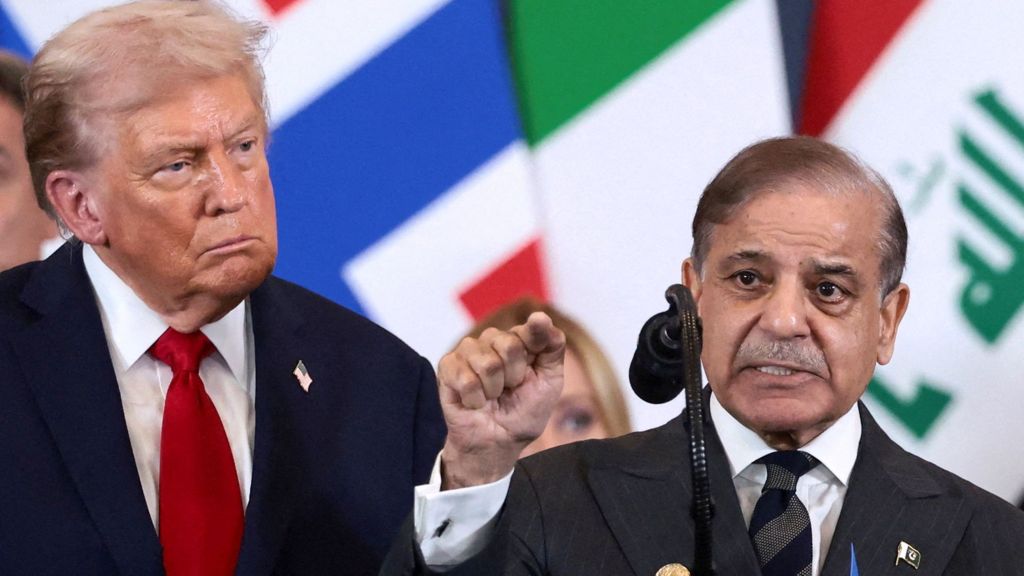
    In the hours after midnight Pakistan local time, Prime Minister Shehbaz Sharif took to social media platform X to outline the emerging framework, writing that “diplomatic efforts… are progressing steadily, strongly and powerfully with the potential to lead to substantive results in near future.” Sharif called on Trump to extend the existing U.S. deadline for a negotiated outcome by two weeks, and requested that Iran keep the critical Strait of Hormuz open to commercial shipping for the duration of the ceasefire.

    Shortly after Sharif’s post, Iran’s ambassador to Pakistan Reza Amiri Moghadam confirmed the diplomatic progress in his own X post, writing at around 3 a.m. local time that negotiations had moved “a step forward from critical, sensitive stage.” Just two hours later, Sharif made the official announcement: a two-week ceasefire had been formally agreed by both sides. As part of the next step, he invited representatives from Iran and the U.S. to travel to Islamabad on April 10 for direct talks aimed at reaching a permanent, conclusive peace agreement.

    Even with the ceasefire in place, however, observers and insiders remain cautious about long-term prospects. The anonymous Pakistani source emphasized to the BBC that negotiators are “still being very circumspect” given the “continued fragility” of the situation. Decades of mutual hostility have left deep-rooted distrust between Iran and the U.S., with both sides holding strongly entrenched positions on core issues. While Pakistan has succeeded in bringing the two adversaries to the negotiating table in Islamabad, the question of what substantive agreements they can reach to lock in long-term peace remains far from answered.

  • Nurse describes horror of 11yo’s fatal scooter crash

    Nurse describes horror of 11yo’s fatal scooter crash

    On a routine Monday evening in the coastal Western Australian city of Mandurah, an ordinary drive turned into a desperate fight for a child’s life when off-duty nurse Nicole Jones witnessed a devastating traffic collision unfold right in front of her. At approximately 5:10 p.m. along Mandurah Terrace, 11-year-old boy on a scooter lost control and veered directly into the path of an oncoming moving car.

    Jones, who was passing the scene moments after the crash, did not hesitate to act. She immediately pulled her vehicle over, rushed to the boy’s side, and took command of the chaotic situation. Speaking to local outlet 7News later, Jones recalled the panic and uncertainty that gripped the gathering crowd of bystanders when she arrived. “There was a lot of blood and a lot of people around kind of not sure what to do,” she described. Stepping into her professional role even off duty, Jones cleared onlookers from the road, positioned the unconscious child, and immediately started cardiopulmonary resuscitation (CPR) after confirming he had no pulse and had stopped breathing. She continued life-saving efforts until emergency paramedics arrived to take over care.

    Despite the rapid response from Jones and first responders, the boy’s injuries were too severe. He was rushed to Peel Health Campus for emergency treatment, but medical teams were unable to save his life. Initial investigations into the crash have confirmed that the child was not wearing a safety helmet at the time of the incident, a detail that adds another layer of tragedy to the outcome.

    For Jones, the traumatic experience has left a lasting mark. She shared that the sounds of the boy’s grieving parents will stay with her for a long time, adding that her deepest sympathies remain with the family in their devastating loss. “My thoughts go out to his mum and dad mostly. I don’t think I’ll forget their cries for a good while now,” she said.

    This fatal crash marks the fifth road fatality recorded in Western Australia over the 2024 Easter holiday break, a statistic that has prompted state Premier Roger Cook to issue a urgent, stark reminder to all road users about the critical importance of road safety. Cook outlined the Western Australian government’s ongoing commitment to reducing road deaths across the state, noting that efforts would continue across multiple fronts. “We will continue to make sure we do what we can as a government and that goes to making sure our roads are safer, making sure we’ve got targeted messaging to change driver behaviour, and continue to educate the community about the importance of road safety,” he stated. The tragedy has reignited public conversation about road user awareness, safety gear requirements for micro-mobility users, and ongoing efforts to cut preventable deaths on Australian roads.

  • Middle East war: ceasefire reactions

    Middle East war: ceasefire reactions

    In a development that has shifted the trajectory of the recent Middle East conflict, the United States and Iran have reached an agreement on a 14-day ceasefire, with both countries putting forward claims of victory following weeks of heightened tensions. As news of the truce spread, leaders and diplomatic bodies across the world have shared varied yet broadly welcoming responses to the breakthrough.

    The United Nations, one of the first global bodies to weigh in, issued a cautiously optimistic statement through Secretary-General António Guterres. While Guterres welcomed the announcement of the temporary ceasefire, his spokesperson emphasized that the truce is only a first step. The statement called on all conflict parties to strictly adhere to the ceasefire terms and uphold their obligations under international humanitarian law, framing the truce as a critical foundation to build toward a lasting, comprehensive peace across the entire Middle East region.

    Australian Prime Minister Anthony Albanese’s office echoed the UN’s cautious tone, highlighting the steep costs of a prolonged conflict. The statement warned that the longer hostilities continue, the more severe the damage to the global economy will be, paired with mounting, irreversible human suffering. Australia reaffirmed its commitment to seeing the ceasefire fully enforced, joined other nations in calling for full compliance with international humanitarian law, and prioritized the protection of innocent civilian lives caught in the crossfire.

    New Zealand’s foreign ministry also struck a balance between encouragement and realism. A spokesperson for Foreign Minister Winston Peters noted that the ceasefire announcement itself is an encouraging development, but stressed that substantial work lies ahead to lock in long-term stability. The spokesperson confirmed that New Zealand will continue to stand behind all diplomatic and peacebuilding efforts aimed at securing a permanent, durable end to the ongoing conflict in the coming weeks and months.

    For Japan, a nation heavily dependent on the Strait of Hormuz for its energy supplies, the key priority is tangible action to de-escalate tensions. As the world’s fourth-largest economy and fifth-largest crude oil importer, Japan relied on the strategic waterway for roughly 70% of its oil imports before the outbreak of the current conflict. Government spokesperson Minoru Kihara emphasized that the most critical next step is the implementation of concrete measures to ease tensions, specifically including guarantees for safe, unimpeded navigation through the Strait of Hormuz. Japan expressed hope that permanent peace agreements would be finalized through diplomatic channels in the near term.

    Iraq’s foreign ministry, which has a direct stake in regional stability, welcomed the ceasefire in an official post on X. The ministry called on Washington and Tehran to leverage this positive opening as a jumping-off point for sustained, serious dialogue that addresses the core roots of their ongoing disputes, rather than treating the truce as a final resolution. By focusing on root-cause issues, the ministry argued, the two sides can gradually rebuild mutual trust and lay the groundwork for long-term stability.

    Pakistani Prime Minister Shehbaz Sharif offered an unexpectedly broad framing of the ceasefire in his own X post, claiming the truce between the US, Iran and their respective allies covers all conflict zones, including neighboring Lebanon, and went into effect immediately. However, Israel quickly issued a correction to Sharif’s announcement, confirming that the two-week temporary ceasefire does not extend to hostilities in Lebanese territory. Even as leaders gather to welcome the ceasefire, this last-minute discrepancy underscores the lingering uncertainty and complexity of forging a unified peace deal across the region’s multiple interconnected conflicts.

  • ‘Hard to unseat the king’: Iran’s control of Hormuz may not be end of petrodollar

    ‘Hard to unseat the king’: Iran’s control of Hormuz may not be end of petrodollar

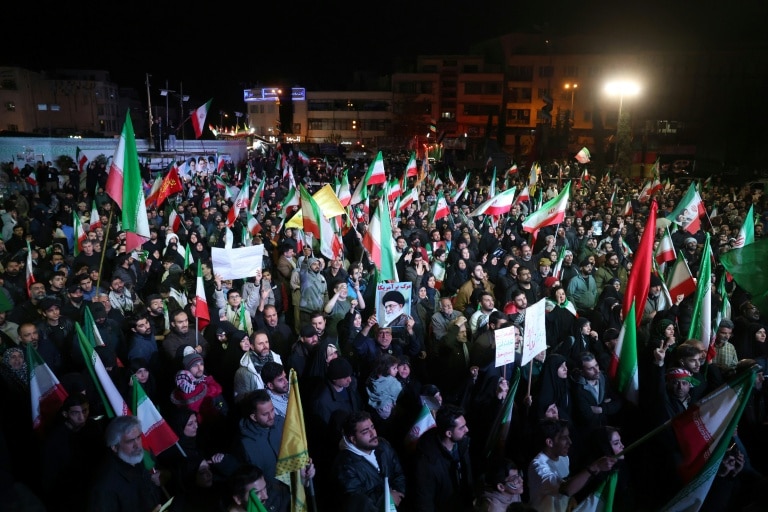
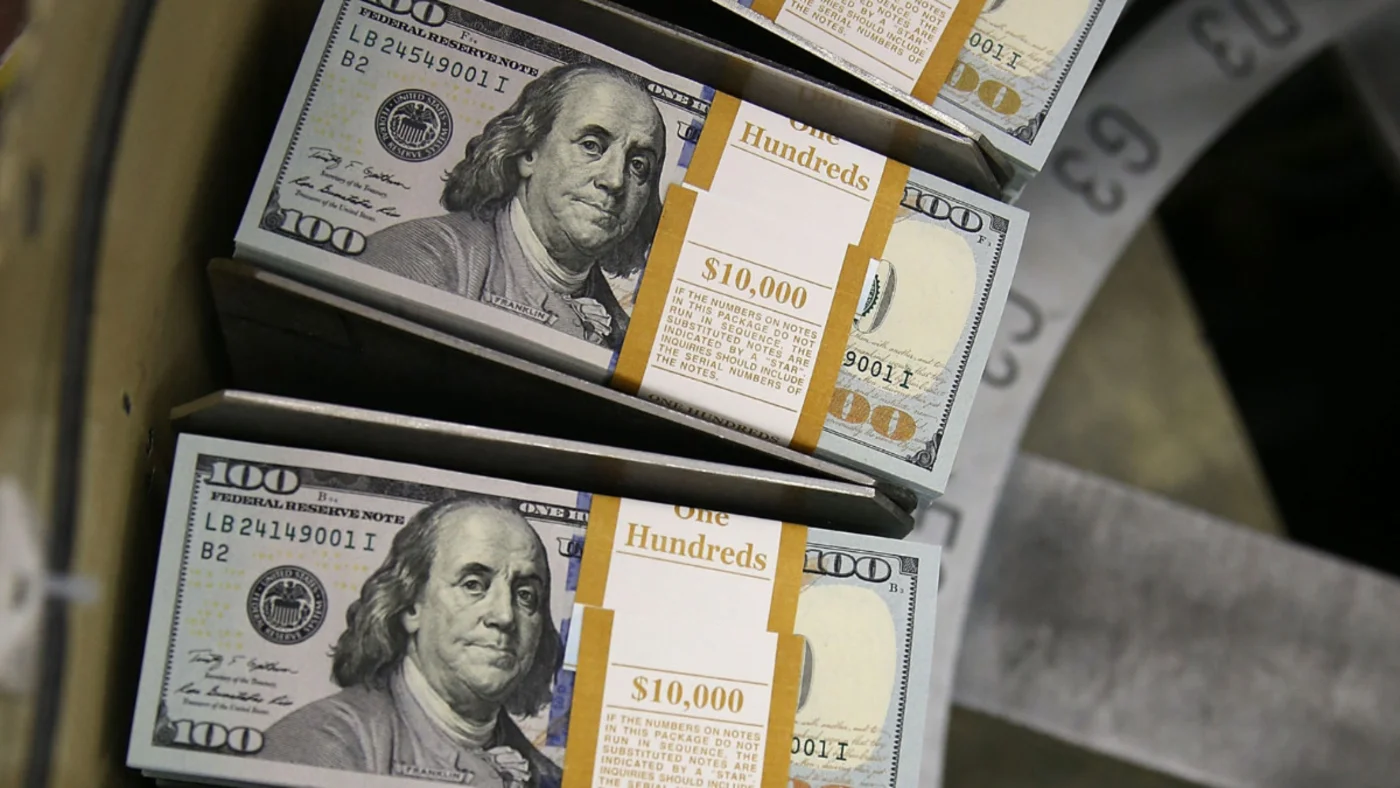
    As tensions escalate around the strategic Strait of Hormuz, energy and currency experts agree that while Iran can easily maintain operational control over this critical global waterway, dislodging the U.S. dollar from its decades-long dominance of the global oil trade will prove far out of Tehran’s reach. The standoff over the strait, through which roughly 20% of the world’s energy supplies flow annually, has become the central flashpoint of ongoing regional conflict, with former U.S. President Donald Trump issuing extreme threats against Iran over its claims to influence over the waterway. Tehran has already implemented a structured toll system for vessels seeking passage, allowing entry to ships from allied nations including Pakistan and China, and its decision to denominate these tolls in Chinese yuan has sparked widespread speculation that the petrodollar system – the longstanding arrangement under which global oil is priced and traded exclusively in U.S. dollars – could be facing a fatal collapse.

    Iran has strong strategic and economic incentives to challenge dollar hegemony, notes Djavad Salehi-Isfahani, an Iranian economy specialist at Virginia Tech. Decades of sweeping U.S. sanctions have left Tehran locked out of the global dollar-denominated financial system, giving Washington effective veto power over nearly all of Iran’s cross-border financial transactions. But even if Iran solidifies its control over Hormuz, leading currency experts argue that key Gulf oil-producing states – including Saudi Arabia, Kuwait, Iraq, Bahrain, Qatar, and the United Arab Emirates – show no willingness to abandon the petrodollar framework.

    “The Strait of Hormuz was a freeway, and it’s going to become a toll road. The Iranians will control it, but king dollar is still king dollar,” explained Steve Hanke, a currency expert and professor at Johns Hopkins University.

    To understand the dollar’s enduring hold on global oil markets, it is necessary to trace the origins of the petrodollar system back to 1974, when U.S. Secretary of State Henry Kissinger negotiated a landmark agreement with Saudi Arabia. Under the deal, Riyadh agreed to price all of its oil exports in dollars and reinforces its export surpluses into U.S. Treasury assets, a arrangement that rescued the dollar’s status as the world’s primary reserve currency just three years after President Richard Nixon ended the dollar’s gold convertibility, upending the post-WWII Bretton Woods system.

    The 1974 deal produced two transformative outcomes: it sparked the eurodollar boom of the late 1970s, when dollar deposits held in foreign (mostly European) banks became the foundation of global cross-border lending, and cemented the dollar’s global dominance after the 1971 “gold shock” that threatened its status. Following Saudi Arabia’s lead, all other Gulf producers adopted the petrodollar framework, and by the mid-1970s, the region had become the largest single source of new capital for U.S. government borrowing via Treasury bond purchases.

    David M Wight, author of *Oil Money: Middle East Petrodollars and the Transformation of US Empire*, notes that the petrodollar system has proven “remarkably resilient” across five decades of geopolitical upheaval. Contrary to popular narratives that frame the system as U.S. coercion of Gulf states, Wight emphasizes that the arrangement was mutually beneficial, built through negotiation rather than strong-arming. In the wake of the 1973 Arab-Israeli War and the Arab oil embargo that worsened U.S. inflation, Gulf leaders sought U.S. security guarantees in exchange for their commitment to the petrodollar, creating a longstanding geopolitical bargain that endures today.

    That bargain is why many analysts have argued that Iran’s control of Hormuz could upend the entire system, especially amid shifting U.S. policy: Trump has alternated between threatening to destroy Iran’s civilization and suggesting he would withdraw U.S. forces and allow Iran to take full control of the strait, even telling U.S. allies to “go get your own oil” last week. Today, all Gulf states continue to peg their national currencies to the U.S. dollar, unlike the freely floating euro, and collectively held $315 billion in U.S. Treasuries by the end of 2025, with Saudi Arabia alone holding $134 billion in January 2026.

    The geopolitical and economic landscape has shifted substantially since the 1970s, however. The U.S. has grown far more reliant on deficit spending, reducing the relative importance of Gulf investments, while Gulf states have evolved into more mature, diversified investors. In the 1980s, Gulf purchases of Treasuries covered roughly 10% of annual U.S. deficit spending; today, that figure stands at just 2%, according to analysis by former CIA economist Jess Hoversen of Column Bank. U.S. government spending has exploded in recent decades, but a bigger shift comes from Gulf states themselves: many now run domestic budget deficits as they invest heavily in local economic diversification projects, particularly Saudi Arabia’s push to reduce its reliance on oil exports, which led Riyadh to issue $82 billion in sovereign debt in 2025. Gulf states are now net borrowers rather than large net buyers of U.S. government debt, reorienting their surplus capital toward U.S. equities, global alternative assets like European football clubs, and domestic infrastructure.

    “Defining the petrodollar today has changed from decades ago,” noted Brad Setser, a former U.S. Treasury economist now at the Council on Foreign Relations. “The Gulf states are borrowers now and not as big buyers of treasuries.”

    Still, the system’s underlying vulnerabilities have been laid bare by the recent regional conflict. The Financial Time reported that multiple central banks have sold off large holdings of U.S. Treasuries in response to the U.S.-Israeli war on Iran, driving a sharp surge in 10-year Treasury yields from 3.9% pre-war to roughly 4.4% today. Higher yields raise borrowing costs for U.S. consumers and the federal government alike, and mark an unusual break from historic norms: during periods of global crisis, investors typically flock to U.S. Treasuries as a safe-haven asset, pushing yields down rather than up.

    Despite these growing pressures, experts say the deep liquidity of U.S. capital markets – the ability to buy and sell dollar-denominated assets quickly and at scale – remains the core reason Gulf states will not abandon dollar pricing. While Hanke acknowledges that U.S. geopolitical moves including sweeping sanctions, regional wars, and tariffs have eroded the dollar’s standing over the long term and opened space for competing currencies, the unmatched size and liquidity of the U.S. capital market will keep oil priced in dollars for the foreseeable future.

    The dollar’s dominance has already faced incremental challenges at the margins. After Western sanctions imposed following its 2022 invasion of Ukraine, Russia now sells most of its oil and gas to China in yuan, and sanctioned Iran also conducts its oil sales to Beijing in the Chinese currency. This bifurcation of the global oil market means that the dollar and U.S. debt markets are not receiving the typical boost they would see during a period of high oil prices and regional conflict: blocked from exporting through Hormuz, Gulf states are not reaping the windfall from elevated energy prices that would normally flow into dollar assets, while major non-Gulf producers like Russia are not reinvesting their profits in dollars.

    “We have a meaningful rise in the price of oil, but Gulf countries are not benefiting from it. So who are the big beneficiaries? One is Russia, which won’t save in dollars,” Setser said.

    Even as the role of petrodollar surpluses has evolved, Wight argues that the system remains politically and economically critical enough that the U.S. would bring significant pressure to bear on any Gulf state that moved to price oil in an alternative currency like the euro or yuan. “I think there is pressure from the US to keep these transactions in dollars and thus far, the Gulf states have been happy to go along with it,” he said.

    As the global reserve currency for the world’s most traded commodity, the dollar is deeply embedded in global trade networks, creating sustained global demand that keeps its value high relative to other currencies. This dynamic actually benefits major export economies like China and the Eurozone, which gain a competitive trade advantage from a weaker domestic currency, meaning even major potential rivals to the dollar have little incentive to push for an end to the petrodollar system.

    “There are some advantages to being a reserve currency, but also drawbacks, one of which is that it makes it harder for you to promote your own exports,” Wight explained.

    This combination of deep structural inertia, competing geopolitical and economic interests, and the unique liquidity of U.S. dollar markets means that the petrodollar system will remain largely intact despite Iran’s control of the Strait of Hormuz and incremental challenges to dollar hegemony. “There are these challenges at the margins, but it’s hard to unseat the king,” Hanke said.

  • Adelaide great Taylor Walker says he is tired of apologies from the AFL for unpaid errors

    Adelaide great Taylor Walker says he is tired of apologies from the AFL for unpaid errors

    One of the Adelaide Football Club’s most legendary goal-kickers has grown frustrated with repeated apologies from the Australian Football League (AFL) over officiating missteps, and is now calling for tangible changes to fix a pattern of costly mistakes that have negatively impacted his team.

    Taylor Walker, the Crows’ veteran forward, made his stance clear in the lead-up to Adelaide’s opening match of the annual AFL Gather Round, hosted in South Australia, against the under-pressure Carlton Blues this Thursday night.

    The latest controversy surrounding AFL officiating erupted earlier this week, when the league issued a formal apology to Adelaide for a critical unpenalized violation of the six-six-six rule by the Fremantle Dockers late in their recent close encounter. Adelaide ultimately dropped the match by a margin smaller than a single goal, a result directly shaped by the missed call. This error is not an isolated incident: it marks the latest in a long string of officiating mistakes that have gone against the Crows in recent fixtures.

    Walker acknowledged that human error is an unavoidable part of any sport, saying that no person is immune to making mistakes in any walk of life. But he stressed that repeated apologies mean nothing without corrective action to prevent similar errors from harming other teams in future matches.

    “I don’t get sick of mistakes because I reckon everyone in this vicinity has made a mistake in their life,” Walker told reporters. “I would just like to know what we’re doing about it. Don’t continue to make apologies – tell us what you’re going to do about it. It’s not really about the Adelaide footy club at all. Let’s gather around, find a solution for it and not be a part of the mistake. It was pretty obvious, the six-six-six, wasn’t it?”

    Off the officiating discussion, Walker also used his pre-match press conference to push for locking in Gather Round as a permanent long-term fixture in South Australia, after the state secured hosting rights for four years of the event. He noted that the annual round has been a runaway success in SA, with the vast majority of visiting clubs enjoying the experience of playing in the state.

    “We’re very grateful as a footy club that we can open up Gather Round on a Thursday night,” he said. “As [South Australian Premier Peter] Malinauskas said, we’re pretty chuffed that SA have been able to have it for four years and hopefully we can get a deal done for a long period of time. Because when something’s not broken you don’t need to fix it and we’re doing a great job here in South Australia … most of the teams enjoy coming over here playing in Gather Round. Let’s lock it away for a long period of time.”