博客

  • Lunar soil bears proof of organic matter

    Lunar soil bears proof of organic matter

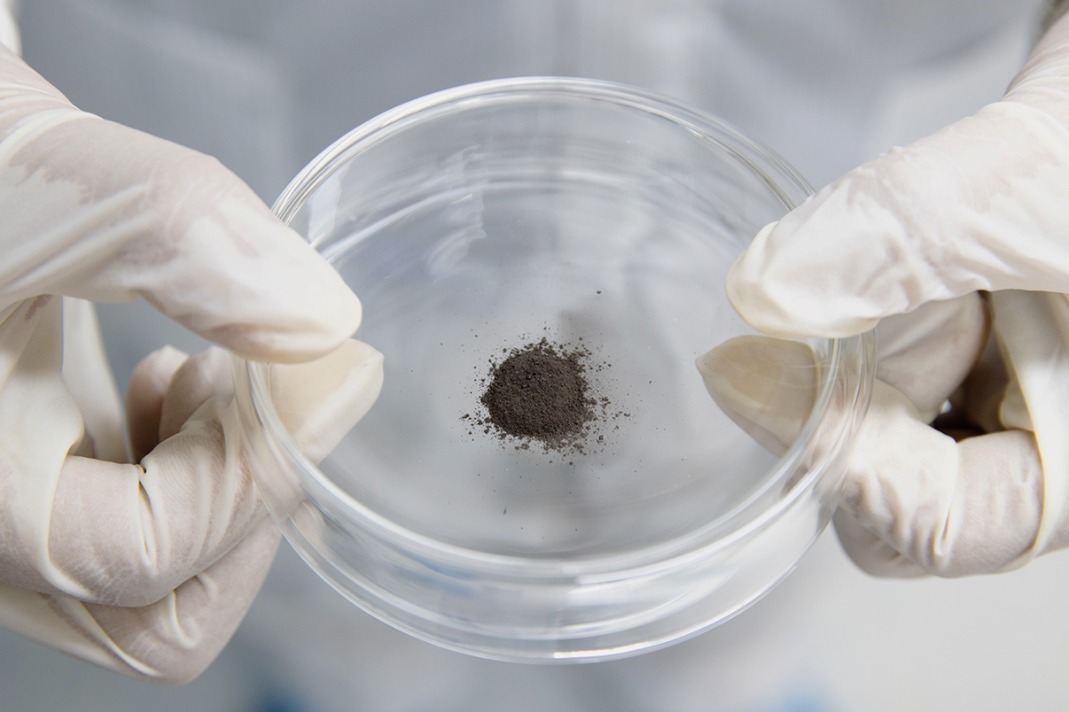
    A groundbreaking international research collaboration has made a historic discovery: the first confirmed identification of nitrogen-bearing organic compounds in lunar soil, a finding that opens critical new avenues for understanding how life’s chemical precursors spread across the early solar system.

    The team, comprising scientists from the Chinese Academy of Sciences, the University of New Mexico, and the Changsha University of Science and Technology, analyzed pristine soil samples collected by China’s Chang’e 5 and Chang’e 6 lunar exploration missions to map out the likely pathway that delivered organic materials to the inner solar system via asteroid and comet impacts. Their peer-reviewed results, published April 10, 2026 in the journal *Science Advances*, fills a long-standing gap in scientific knowledge about how the fundamental building blocks of life arrived on early Earth.

    Unlike Earth, where constant geological activity and pervasive biological processes have erased most evidence of the planet’s first billion years, the moon has functioned as a well-preserved planetary time capsule. With almost no tectonic or atmospheric activity, the lunar surface retains intact traces of space debris impacts that occurred billions of years ago. While earlier analyses of samples retrieved by NASA’s Apollo missions detected carbon- and hydrogen-based organic compounds on the moon, nitrogen-bearing organics — chemical structures commonly found in asteroids sampled by NASA’s OSIRIS-REx and Japan’s Hayabusa2 missions — had never been confirmed in lunar material before this study.

    This new research does more than just confirm the presence of these missing organic compounds: it also reveals how asteroid impacts both deliver and reshape these materials on the lunar surface. Using cutting-edge high-resolution microscopy and specialized light-based analytical tools, the research team verified that the detected organics are composed of carbon, nitrogen, and oxygen, and show signs of complex chemical reorganization that sets them apart from inert, simple graphitized carbon.

    Dong Mingtan, lead author of the study and a doctoral candidate at the Chinese Academy of Sciences’ Institute of Geology and Geophysics, explained that the team identified amide functional groups in a subset of the samples — chemical structures that are a fundamental component of key biological molecules such as proteins. This discovery, Dong noted, confirms that the organic materials have undergone complex chemical restructuring that brings them closer to the type of organic molecules that can be used as building blocks for life.

    To trace the origin of the organics, the team analyzed isotopic ratios — unique elemental “fingerprints” that reveal a material’s geological and cosmic history. They found that the lunar organics had a lighter isotopic signature than organics found in intact asteroids, a pattern consistent with a process of vaporization and redeposition. When an asteroid collides with the moon, the extreme heat generated by the impact vaporizes organic molecules, which then cool and settle back into the cold lunar surface, leaving this distinct isotopic trace.

    To eliminate any doubt that the organic compounds could have come from contamination after the samples were brought to Earth, the team tested for evidence of solar wind implantation, a process where charged particles from the sun bombard the lunar surface over millions of years, leaving a unique chemical marker that can only form off-Earth.

    Hao Jialong, senior engineer at the Institute of Geology and Geophysics and the study’s corresponding author, confirmed that the presence of this marker confirms the organics were exposed on the lunar surface for an extended period, definitively ruling out terrestrial contamination.

    Overall, the study outlines a complete lifecycle for organic materials on the moon: delivery via impacts from small solar system bodies, structural reshaping by the heat and force of those impacts, and final modification by long-term exposure to solar radiation. The research team announced that the same analytical framework developed for this project will be applied to samples collected by China’s upcoming Tianwen 2 mission, which is scheduled to return asteroid samples to Earth by the end of 2027.


  • Raffle winner left stunned after scooping a $1M Picasso with a $117 ticket

    Raffle winner left stunned after scooping a $1M Picasso with a $117 ticket

    On a usual Tuesday in Paris, a 58-year-old sales engineer got a life-changing phone call that left him stunned: he was the winner of a rare 1941 Pablo Picasso painting valued at $1 million, secured with just a €100 ($117) raffle ticket.

    Ari Hodara, a self-described art lover and lifelong admirer of Picasso, told reporters he struggled to process the news immediately after the draw, which was held at the iconic Christie’s auction house in the French capital. His first reaction? Questioning whether the win was too good to be true. “How do I check that it’s not a hoax?” he asked organizers, revealing he planned to share the incredible news first with his wife, who was still at work when he got the call. When asked about his future plans for the masterpiece, Hodara said he intends to hold onto the work for now to enjoy it.

    Hodara stumbled on the charity initiative entirely by chance: he learned of the raffle while dining at a local restaurant over the weekend, and purchased his ticket on a whim. This raffle marks the third edition of the popular “1 Picasso for 100 euros” initiative, which has combined art philanthropy and public engagement to support charitable causes around the world.

    This year’s winning work, *Head of a Woman*, is a gouache-on-paper portrait of Dora Maar, Picasso’s well-documented longtime muse and romantic partner, completed by the Spanish artist in 1941. The online raffle was open to entrants globally, and organizers confirmed that all 120,000 available €100 tickets sold out, generating a total of €12 million ($14 million) in revenue.

    Of the total proceeds, €1 million will go to the Opera Gallery, the international art dealership that owned the portrait. Gallery founder Gilles Dyan explained that the organisation offered the piece at a heavily discounted preferential rate — the public market value of the work is actually €1.45 million.

    This is not the first time a rare Picasso work has been raffled for charitable good. The inaugural 2013 edition awarded *Man in the Opera Hat*, a 1914 Cubist-period work by Picasso, to a working man from Pennsylvania who owned a fire-sprinkler business. The second raffle, held in 2020, gave away the 1921 oil-on-canvas *Still Life*, which went to an Italian accountant named Claudia Borgogno — her son had purchased the ticket as a Christmas gift for her. That work was sourced from billionaire art collector David Nahmad, who told the Associated Press he believed Picasso would have wholeheartedly approved of his work being used to fund charitable efforts. Picasso, one of the most influential artists of the 20th century, died in 1973.

    All proceeds from the third raffle will fund Alzheimer’s research, through the Alzheimer Research Foundation, the event’s organizer. Headquartered at one of Paris’ leading public hospitals, the foundation was established in 2004, and has since grown to become France’s largest private funder of medical research focused on Alzheimer’s disease and related neurodegenerative conditions. The two earlier editions of the Picasso raffle already raised more than €10 million combined, funding cultural preservation initiatives in Lebanon and clean water and sanitation programs across Africa.

  • US familiar with Australia, Paraguay and Turkey in World Cup Group D

    US familiar with Australia, Paraguay and Turkey in World Cup Group D

    As the 2026 FIFA World Cup nears its kickoff, all eyes are turning to Group D, where co-host the United States will face three familiar foes: Australia, Paraguay, and Turkey. The U.S. men’s national team has already squared off against each of their group stage opponents in international friendlies over the past 12 months – dropping a 2-1 decision to Turkey last June, before securing identical 2-1 wins over Australia and Paraguay that fall.

    All Group D matches will be contested across western North America, with host venues spread across Vancouver, British Columbia; Seattle, Washington; Santa Clara, California (located south of San Francisco); and Inglewood, California, adjacent to Los Angeles. Group D is one of just four 2026 World Cup groups that will play all their matches within a single time zone, joining Group G (also based on the U.S. West Coast) and Groups C and I, which are hosted entirely on the East Coast.

    For the U.S. side, the tournament brings mixed expectations as the team chases a historic deep run on home soil. Ranked 16th in the world entering the tournament, the Americans benefit from their seeding as a co-host, and have been drawn in a manageable group that opens against 27th-ranked Australia, followed by matches against 40th-ranked Paraguay and 22nd-ranked Turkey. Still, the squad faces notable structural weaknesses: analysts widely agree this is the shallowest, weakest goalkeeper cohort the U.S. has fielded since the 1980s, and only one starting-caliber central defender, Chris Richards, plies his trade in a top European league. The team’s biggest star, Christian Pulisic, has struggled for form ahead of the tournament, entering April mired in a scoring drought that has stretched all the way back to 2024, when he last found the back of the net in international play. Two key veterans from the 2022 World Cup squad – midfielder Tyler Adams and right back Sergiño Dest, who were part of the team that fell to the Netherlands in the 2022 Round of 16 – are also managing persistent fitness issues heading into the opening match.

    It has been nearly a century since the U.S. last reached a World Cup semifinal, a milestone the 1930 inaugural tournament squad achieved, and more than two decades since the Americans last advanced to the quarterfinals. The 2002 side, fueled by young breakout talents Landon Donovan and DaMarcus Beasley, remains the last U.S. team to make a deep tournament run. Following the U.S.’s early group stage exit at the 2024 Copa America, veteran manager Mauricio Pochettino stepped in to replace former head coach Gregg Berhalter, tasked with unlocking the young squad’s potential on home soil.

    Group D’s third-ranked side by FIFA ranking, Turkey, is making a long-awaited return to soccer’s biggest stage. Nicknamed the Crescent Stars, Turkey shocked global soccer fans with a semifinal run at the 2002 World Cup and repeated the deep run performance at the 2008 European Championship, but had failed to qualify for five consecutive World Cup tournaments before breaking that drought this cycle. They secured their 2026 spot with a playoff win over Kosovo, marking just the third World Cup appearance in the nation’s history – their first came back in 1954.

    Led by head coach Vincenzo Montella, a former star striker for Roma who took over the national side in September 2023 after replacing Stefan Kuntz, Turkey has already proven its ability to compete at the top level: Montella steered the team to a quarterfinal finish at the 2024 European Championship, after hard-fought playoff wins over both Romania and Kosovo to earn World Cup qualification. Up top, Turkey’s attack is led by captain Hakan Çalhanoğlu, who has notched 22 international goals for his country, and winger Kerem Aktürkoğlu, who has 15 career international goals – including the game-winner that sealed their spot against Kosovo. Turkey has not faced Australia since 2004, and has only ever played Paraguay once, back in 1995, leaving tactical unknowns for all sides ahead of their group matchups.

    Paraguay, meanwhile, is also making a return to the World Cup after a 16-year absence. La Albirroja secured the sixth and final automatic qualifying spot from CONMEBOL, South America’s confederation, with a scoreless draw against Ecuador to lock in their place, returning to the tournament for the first time since the 2010 edition. This will mark Paraguay’s ninth World Cup appearance in program history, and their best ever finish came during that last 2010 run, when they advanced all the way to the quarterfinals before falling 1-0 to eventual champion Spain on an 83rd-minute goal from David Villa.

    Paraguay’s squad balances veteran leadership and exciting young talent. 32-year-old playmaker Miguel Almirón and 30-year-old striker Antonio Sanabria anchor the attacking line, while 22-year-old Julio Enciso and 23-year-old Diego Gómez bring fresh energy and pace to the squad as the next generation of Paraguayan soccer talent. Like the U.S., Paraguay made a late managerial change after a poor showing at the 2024 Copa America: Gustavo Alfaro took over from former coach Daniel Garnero after the team finished winless with three losses in the 2024 tournament.

    Completing Group D is Australia, the Socceroos, who enter the tournament fresh off their best World Cup performance in decades at the 2022 edition. After four consecutive early group stage exits, Australia defied expectations in 2022, picking up group stage wins over Tunisia and Denmark to advance to the knockout round, where they pushed eventual champion Argentina all the way before falling 2-1 in the Round of 16.

    Australia’s squad is led by veteran goalkeeper Matthew Ryan, who will become one of the few players in World Cup history to feature in four consecutive tournaments when he takes the pitch this year. The Socceroos also made a late managerial change during qualifying: former national team defender Tony Popovic took over from long-time coach Graham Arnold in September 2024, after inconsistent qualifying results that included a home loss to Bahrain and a draw against Indonesia. Arnold, who had served two separate stints as Socceroos head coach, was hired to take over the Iraqi national team in May 2025.

  • Police officers among seven arrested over deadly Haiti stampede

    Police officers among seven arrested over deadly Haiti stampede

    A devastating crowd crush at one of Haiti’s most iconic cultural landmarks has left 25 people dead, triggering national mourning and a sweeping official investigation that has resulted in seven arrests, including senior local security and heritage officials, Haiti’s national police confirmed this week.

    The fatal incident unfolded Saturday during an unsanctioned gathering at the Laferrière Citadel, a UNESCO World Heritage Site perched in northern Haiti that stands as the country’s most prominent symbol of post-independence sovereignty. Initial casualty estimates put the death toll at 30, but authorities have since revised the figure downward to 25.

    Of the seven people taken into custody, five are active local police officers and two are staff members of the National Institute for the Preservation of Heritage (ISPAN), the government body tasked with managing and protecting Haiti’s major cultural and historical landmarks. All seven remain in detention as investigators piece together the sequence of events that led to the crush, police said.

    Haitian Prime Minister Alix Didier Fils-Aimé confirmed the disaster on Saturday, noting that the stampede occurred during a youth-focused gathering that drew hundreds of attendees to the mountain-top fortress. In response to the tragedy, the government has declared three days of national mourning scheduled to begin Tuesday.

    Local officials have raised serious questions about how the unapproved event went forward. Milot Mayor Wesner Joseph told local radio outlet Magik9 on Monday that his municipal administration received no prior notification of any planned activity at the citadel that day. After the incident, investigators learned the gathering had been organized by a local disc jockey who promoted the event to the public via the TikTok social media platform.

    Additional details surrounding the crush have emerged from site officials. Jean-Hérold Pérard, a civil engineer who previously led ISPAN and still works at the Citadel, told the Haitian Times that security personnel closed off one of the site’s only two public entrances so that entry fees could be collected from attendees. As a heavy rain shower moved through the area, crowds already gathered outside the single open entrance began pushing to get inside the fortress for shelter.

    Pérard also alleged that unknown individuals fired gunshots into the air and deployed tear gas into the crowd, exacerbating the panic. “People were pushing each other in a frantic bid to escape, and many victims died from asphyxiation, especially after the tear gas was released,” he explained.

    The Laferrière Citadel, sometimes called Citadelle Henry, holds enormous historical significance for Haiti. Constructed in the years immediately after Haiti won its independence from France in 1804, the massive mountain fortress was built under the direction of revolutionary leader Henri Christophe. It took more than 10 years to complete, and was designed as a defensive stronghold to protect the newly independent nation from foreign invasion. Today, it remains one of Haiti’s top tourist attractions and a core part of the country’s national identity.

    This deadly disaster unfolds against a backdrop of profound instability in Haiti, where rampant gang-related violence has already plunged the country into a humanitarian crisis that has killed thousands of people and displaced hundreds of thousands more since the start of 2024.

  • HK well-placed to boost AI cooperation

    HK well-placed to boost AI cooperation

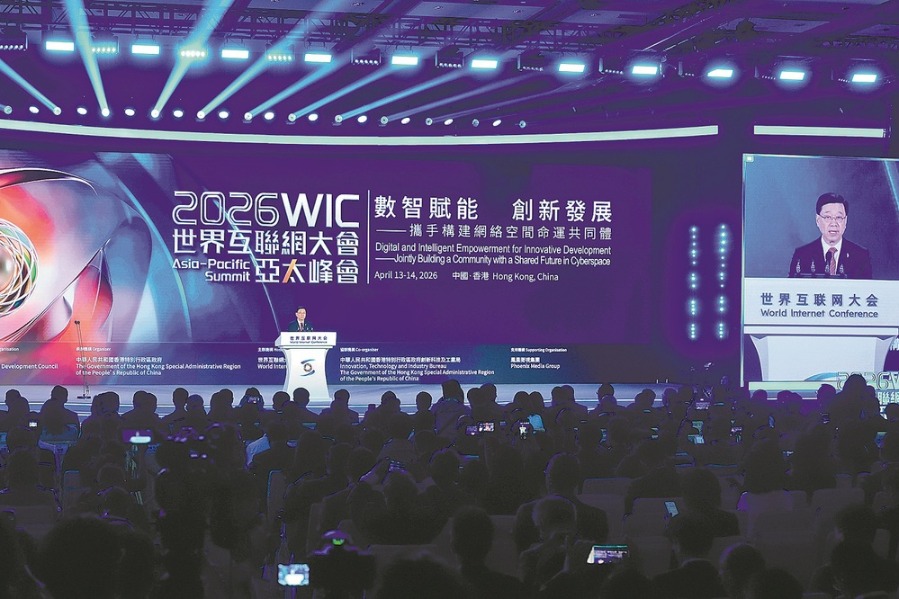
    As artificial intelligence continues to transform global industries and deepen existing digital gaps between developed and developing regions, Hong Kong is emerging as a critical linchpin to drive collaborative AI advancement across the Asia-Pacific and advance more equitable, inclusive digital growth, according to senior policymakers and industry leaders gathered at the World Internet Conference Asia-Pacific Summit. The high-level event kicked off Monday at the Hong Kong Convention and Exhibition Centre, bringing together global stakeholders to chart a cooperative path forward for responsible AI development.

    Zhuang Rongwen, director of the Cyberspace Administration of China and chairman of the World Internet Conference, highlighted that the Hong Kong Special Administrative Region (HKSAR) holds unparalleled advantages for advancing cross-border digital exchange and partnership. Built on Hong Kong’s longstanding status as a global hub for shipping, international trade and finance, its unique position as a strategic gateway connecting mainland China with the global economy creates natural synergies for AI collaboration that no other regional center can match.

    “Across the Asia-Pacific, nations and regions have universally embraced digital transformation as a core strategy to unlock new growth opportunities and strengthen their global competitive edge,” Zhuang noted, adding that the fast-expanding digital economy has become one of the most dynamic bright spots driving regional integration and cooperation. “China remains fully committed to sharing the opportunities created by its own digital development with countries around the world,” he said.

    Hong Kong Chief Executive John Lee Ka-chiu emphasized that hosting the WIC Asia-Pacific Summit underscores the city’s growing global reputation as an international innovation and technology hub, while strengthening the city’s deep integration into national development strategies.

    Lee shared that the Hong Kong Park of the Hetao Shenzhen-Hong Kong Science and Technology Innovation Cooperation Zone, which opened to the public last December, has already drawn more than 70 tenants specializing in high-growth sectors including artificial intelligence and data science. Spanning 0.87 square kilometers on the Hong Kong side and 3.02 square kilometers in Shenzhen, the cross-boundary cooperation zone is pioneering new frameworks to enable seamless movement of research materials and other critical innovation resources across the Hong Kong-mainland border, unlocking new potential for collaborative AI research and development.

    Artificial intelligence sits at the core of Hong Kong’s broader innovation and technology development strategy, Lee noted, pointing to the city’s third-place global ranking in the Global AI Competitiveness Index, behind only New York and London. Even as the city leverages its competitive advantages in AI, Lee cautioned that the transformative power of the technology must be balanced by a commitment to responsible, inclusive deployment. “Technology is ultimately a tool, and it can only deliver maximum public benefit when rooted in a spirit of cross-border cooperation and shared creativity,” he said.

    John Hoffman, CEO of GSMA Ltd, echoed this perspective, stressing that the future trajectory of AI will not be shaped by a single organization, industry, region or individual. Cross-border collaboration, he argued, is the most effective path to closing the persistent digital and economic divides that threaten to leave vulnerable communities behind in the AI transition. Hoffman added that China, including the HKSAR, holds a unique position to take a global leadership role in AI development, and its decades of experience driving innovative digital growth can serve as a model for nations around the world.

    Sun Dong, Secretary for Innovation, Technology and Industry of the HKSAR, observed that AI is entering an unprecedented new frontier driven by the rapid rise of autonomous AI agents, and the Hong Kong government is closely tracking the technology’s rapid evolution. While AI agents hold great promise for expanding AI applications across every major industry, Sun noted that they also introduce new, untested security risks that require proactive governance. “The Hong Kong SAR government’s approach to AI development and regulation is clear: innovation and progress must go hand in hand with thoughtful, risk-based regulation,” he said.

    Samuel Migal, Minister of Investments, Regional Development and Informatization of Slovakia, echoed the call for coordinated global governance, noting that as digital and AI technology advances at breakneck speed, the shared global challenge is building fit-for-purpose new governance frameworks to guide development. While Migal acknowledged that different countries and regions will naturally adopt tailored regulatory models that match their own needs, he stressed that regulatory fragmentation cannot be the end result of global AI governance.

    The summit has positioned Hong Kong to capitalize on its unique geographic, economic and technological advantages to bring together diverse AI stakeholders from across the Asia-Pacific and beyond, laying the groundwork for more inclusive, responsible AI growth that benefits all regions.

  • Primary healthcare to get shot in arm

    Primary healthcare to get shot in arm

    China is rolling out an ambitious national plan to revamp its tiered healthcare system, placing unprecedented focus on expanding primary-level medical capacity to better handle common ailments and chronic conditions such as hypertension and diabetes, according to Chinese health authorities.

    The sweeping reform package was formally detailed in a guidance document released last week by the General Office of the State Council, with the core goal of meeting public demand for accessible, high-quality medical care close to patients’ home communities.

    Under the new framework, policymakers will prioritize closing gaps in geographic access to basic care by guaranteeing every residential neighborhood is served by a fully functional community health center. The three-tier national hospital system will also be restructured to better align institutional capacity with patient needs: secondary hospitals, which occupy the middle tier of the system, will expand their ability to treat routine illnesses while growing specialized services in rehabilitation, long-term nursing, palliative care, integrated medical care and elderly care support.

    Tertiary, or top-tier, hospitals will shift their core focus to treating severe, complex and life-threatening conditions, while enhancing services for patients referred from lower-level facilities, those requiring multidisciplinary specialist consultations, and those needing inpatient care. To optimize the use of limited high-quality medical resources, these leading hospitals will gradually phase out routine outpatient services, including follow-up appointments for well-managed stable chronic conditions and common disease consultations that can be handled closer to patients’ homes.

    A key structural upgrade outlined in the document is the expansion and improvement of integrated medical consortia — collaborative networks that connect large top-tier hospitals with smaller grassroots medical institutions. The plan calls for establishing shared resource centers within these consortia for medical imaging, diagnostic testing, equipment sterilization, laboratory analysis and pharmaceutical supply, to eliminate resource duplication and bring higher-quality services to primary care settings.

    To incentivize patients to seek their initial diagnosis at the primary level, the guidance requires top-tier hospitals within consortia to open dedicated outpatient clinics for common chronic conditions — including hypertension, diabetes and chronic obstructive pulmonary disease — directly at primary-level institutions. Specialist expert clinics will also be extended to grassroots facilities, and eligible patients with stable chronic diseases will now be able to receive long-term prescriptions covering up to 12 weeks of medication in a single primary care visit, eliminating the need for frequent repeat appointments.

    To further boost grassroots capacity, the plan mandates regular rotations of senior medical professionals to primary and rural facilities, and the deployment of additional mobile medical teams to serve regions with historically limited access to care.

    Addressing reporters at a Monday press conference, National Health Commission deputy director Zheng Zhe shared that China’s existing primary care network has already made substantial progress. As of 2026, the country hosts more than 1.1 million healthcare institutions, and over 90 percent of Chinese residents can reach a qualified medical service provider within a 15-minute travel radius. In 2025 alone, primary-level institutions recorded 5.56 billion patient visits, accounting for 52.6 percent of all patient visits nationwide.

    From 2020 to 2025, the volume of two-way patient referrals between large tertiary hospitals and smaller grassroots facilities grew by more than 50 percent, a trend that Zheng said reflects growing systemic coordination and improved convenience for patients.

    Jiao Yahui, head of the NHC’s primary health department, added that primary care institutions already deliver more than 1 billion services annually to high-priority groups including the elderly, children and people living with chronic diseases. In 2025, grassroots facilities across China set up more than 370,000 hospital beds for home-based care, and issued 190 million long-term prescriptions for chronic disease patients.

    Aligning with the new guidance, Jiao outlined that future efforts will focus on expanding chronic disease management capacity at the primary level, while also upgrading grassroots capabilities in pediatrics, rehabilitation, mental health, and ear, nose and throat care. “We will ensure that rural and community clinics have regular access to medical staff from higher-level hospitals, and that grassroots medical workers get structured training opportunities at top-tier hospitals,” Jiao said, noting that policymakers will also explore broader adoption of artificial intelligence-assisted diagnostic tools in primary care settings to improve diagnostic accuracy and efficiency.

  • What’s changed since Harry and Meghan last visited Australia in 2018?

    What’s changed since Harry and Meghan last visited Australia in 2018?

    When Prince Harry and Meghan Markle first touched down in Australia for an official royal tour in 2018, the atmosphere crackled with public excitement. The pair, newly married just months earlier, were still core working members of the British royal family, and their visit drew massive crowds eager to catch a glimpse of the popular new royal couple. Six years on, as speculation grows about a potential return visit, BBC News royal correspondent Simon Atkinson has broken down the dramatic shifts that separate any 2024 trip from that 2018 tour.

    The most profound change, Atkinson notes, lies in Harry and Meghan’s official status. Back in 2018, every engagement they attended was on behalf of the Crown and the British monarch, coordinated closely with Buckingham Palace and Australian government officials. Their itinerary was packed with formal royal commitments: meeting Indigenous community leaders, attending events for the Invictus Games (a veteran support organization founded by Harry), and carrying out public duties aligned with royal protocol. Today, the couple stepped back from senior royal roles in 2020, relocated to North America, and operate independently of the palace, free from the formal constraints and expectations that shaped their 2018 visit.

    Public perception has shifted dramatically as well. In 2018, the couple enjoyed widespread popularity across Australia, with their youth and fresh image resonating with the Australian public. Polling from the period showed broad approval of their role as working royals. In the years following their exit from the royal family, however, opinions have divided. While a core base of supporters still hold affection for the couple, high-profile interviews, tell-all documentaries, and public criticism of the royal institution have alienated many other Australians, creating a far more mixed public mood than the unbridled enthusiasm of 2018.

    The purpose of any upcoming visit would also differ sharply from 2018. Their last tour was an official state-related royal visit, funded and organized by official bodies. A potential return today would likely center on the couple’s private philanthropic work, including Harry’s continued involvement with the Invictus Games, which is scheduled to host its 2025 edition in Perth. Any official engagements with government or royal representatives would be minimal, if they happen at all, marking a stark departure from the structured, protocol-heavy 2018 schedule.

    Finally, the broader political context in Australia has shifted since 2018. Debates over whether Australia should become a republic, cutting formal ties with the British monarchy, have gained momentum in recent years, with current government leaders openly supporting a move away from the Crown. Any visit by Harry, who remains a British prince, would play out against this evolving political backdrop, a context that was far less prominent during the 2018 tour.

  • Zelenskyy meets Merz in Berlin as Ukraine seeks more support from Germany against Russia

    Zelenskyy meets Merz in Berlin as Ukraine seeks more support from Germany against Russia

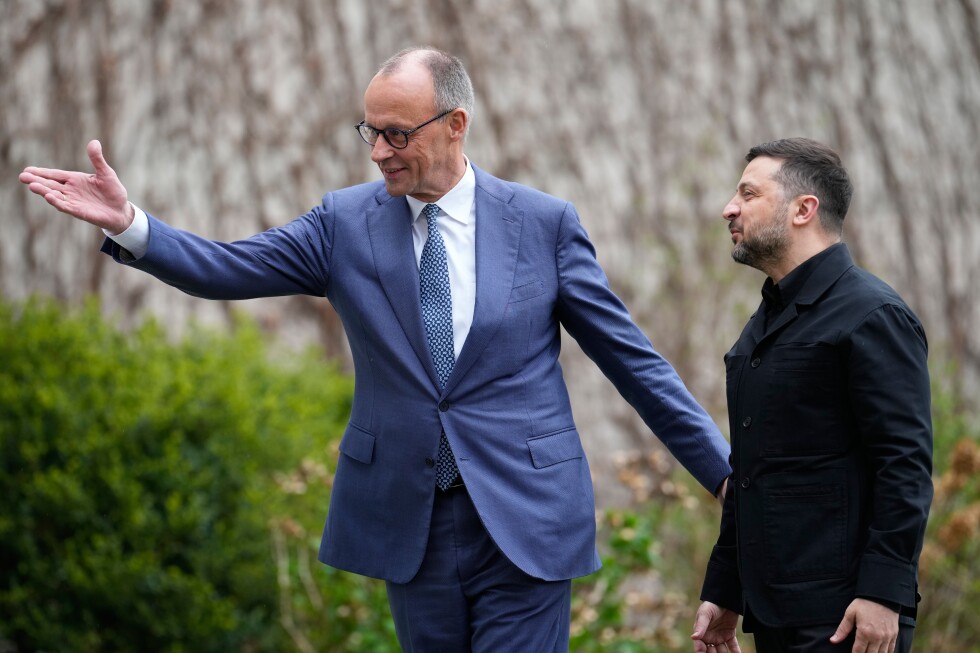
    BERLIN – As Russia’s full-scale invasion of Ukraine enters its third year of active conflict, Ukrainian President Volodymyr Zelenskyy traveled to Berlin on Tuesday to hold high-level discussions with German Chancellor Friedrich Merz, reinforcing ties with one of Kyiv’s largest and most consistent backers. The meeting comes at a critical juncture for Ukraine, as the country navigates shifting global priorities, ongoing battlefield dynamics, and urgent funding gaps that threaten its long-term defensive capacity.

    In addition to the presidential-chancellor talks, German Defense Minister Boris Pistorius convened separate negotiations with his new Ukrainian counterpart, Mykhailo Fedorov. Fedorov, who previously led Ukraine’s digital transformation ministry and took over the defense portfolio in January, has earned widespread recognition for spearheading the country’s rapid advancement in military drone technology — a sector that has become a critical asymmetric advantage for Kyiv against Moscow’s larger conventional forces.

    Recent weeks have seen U.S.-led diplomatic initiatives to resolve the conflict stall, as the outbreak of conflict in Iran has redirected the attention of the current U.S. administration. Despite this shift in focus, Tammy Bruce, Deputy U.S. Ambassador to the United Nations, reaffirmed Washington’s commitment to a negotiated settlement during a Monday address to the U.N. Security Council, stating that the U.S. “will continue to push for a negotiated and durable end” to Russia’s war against Ukraine.

    Western military analysts and senior government officials report that Ukraine has notched notable battlefield gains in recent months, successfully disrupting Russia’s widely anticipated spring offensive. Moscow launched its offensive as seasonal weather improved, with drying farmlands and new foliage on tree lines providing natural cover for advancing troops, but Kyiv’s forces have managed to halt most of Russia’s momentum. Complementing its defensive successes on Ukrainian territory, Kyiv’s domestically produced long-range drones and missiles have repeatedly targeted Russian oil infrastructure and military manufacturing facilities deep inside Russian territory, stretching Moscow’s defensive capabilities.

    Finland’s President Alexander Stubb offered a bullish assessment of Ukraine’s position during a public address at the Brookings Institution in Washington on Monday, noting, “Ukraine is in a much better place than it has been at any stage in this horrific war.” Stubb went on to claim that Ukraine “is on top from a military perspective,” pointing to the remarkable milestone that last month saw Ukraine launch more drones and missiles against Russian targets than Russia fired into Ukraine.

    Moscow has similarly asserted that its own forces have made incremental territorial gains across the front line. As is standard for active conflict zones, independent verification of either side’s battlefield claims remains unavailable. Russia currently maintains control of roughly 20 percent of Ukraine’s internationally recognized territory, including the Crimean Peninsula, which it illegally annexed in 2014.

    Beyond military dynamics, Ukraine faces pressing financial challenges that threaten to undermine its war effort. The country has been awaiting a promised 90-billion-euro ($106 billion) EU macrofinancial loan that was long blocked by Hungarian Prime Minister Viktor Orbán. However, Orbán’s departure from office following last weekend’s Hungarian parliamentary elections has raised new hopes that the long-delayed funding package will finally be released.

    Kyiv also remains heavily dependent on U.S. intelligence support for long-range targeting operations inside Russia, and is in urgent need of additional advanced American-built air defense systems to fend off relentless Russian missile and drone strikes on Ukraine’s energy infrastructure. Zelenskyy has expressed growing concern that a prolonged conflict in Iran will drain U.S. attention and resources, eroding the critical military and diplomatic support that Washington has provided to Kyiv since the 2022 full-scale invasion.

    Compounding these challenges, the Ukrainian military faces significant personnel shortfalls. In comments made in January, Defense Minister Fedorov revealed that the country has recorded roughly 200,000 troop desertions, while an additional 2 million people have evaded conscription orders. These figures highlight the deep demographic strain the war has placed on Ukraine’s population after three years of full-scale conflict.

  • Benin Finance Minister Romuald Wadagni elected president with vast majority of votes

    Benin Finance Minister Romuald Wadagni elected president with vast majority of votes

    COTONOU, Benin — In an outcome that matched pre-election predictions, Benin’s outgoing President Patrice Talon’s hand-picked successor, Finance Minister Romuald Wadagni, has claimed a landslide victory in Sunday’s presidential election, according to official announcements from the West African nation’s electoral body.

    Sacca Lafia, president of Benin’s Independent Electoral Commission, confirmed the preliminary results in a national televised address late Monday, noting Wadagni secured more than 94% of the vote based on counts from over 90% of polling stations across the country. Turnout for the election reached 58.75%, Lafia added. The unofficial results now await formal validation from Benin’s Constitutional Court, with a final ruling expected in the coming weeks.

    The only opposition candidate on the ballot, Paul Hounkpè, had already conceded defeat prior to the official announcement, having captured just 5.95% of the counted vote. At 49 years old, Wadagni was widely framed as Talon’s anointed heir ahead of the vote. Talon, who has held the presidency since 2016, is required to step down at the end of his second term in May, ending a decade in office marked by a deeply divided legacy.

    Long seen as one of West Africa’s most stable democratic nations, Benin has faced growing international scrutiny over political rights under Talon’s leadership. The outgoing president leaves office with a mixed record: he has overseen steady macroeconomic growth that drew international investment, but he also faces persistent accusations of systemic opposition suppression, alongside a rising jihadist insurgency that has destabilized the country’s northern border regions.

    Amnesty International and Human Rights Watch have both documented a sustained crackdown on political dissent during Talon’s tenure, including arbitrary arrests of opposition figures, new restrictive rules on public assembly, and growing pressure on independent media outlets to align with the government. Structural barriers to opposition participation have drawn particular criticism in recent electoral cycles. In January’s parliamentary vote, opposition parties failed to meet a requirement of 20% voter support in every electoral district to gain representation, leaving Talon’s two allied political parties in control of all 109 seats in the National Assembly.

    The pattern of exclusion extended to the presidential vote: Renaud Agbodjo, leader of the main opposition party The Democrats, was entirely barred from competing in Sunday’s election after failing to secure the required number of parliamentary endorsements. Critics argue this eligibility threshold was deliberately designed by ruling party allies to block opposition candidates from accessing the ballot, clearing the path for Wadagni’s overwhelming victory. Political analysts had forecast this outcome months in advance, noting the systematic sidelining of opposition voices left no credible challenge to Talon’s chosen successor.

  • Novel plant-derived protein puts insect-resistant ‘armor’ on crops

    Novel plant-derived protein puts insect-resistant ‘armor’ on crops

    BEIJING – A groundbreaking naturally occurring insecticidal protein sourced from common plants is transitioning from lab discovery to large-scale agricultural application, marking a major milestone in China’s homegrown crop protection technology, according to a recent report from Science and Technology Daily.

    Discovered and developed by the Institute of Cotton Research (ICR) under the Chinese Academy of Agricultural Sciences, the new protein, named iJAZ, offers a fully independent and controllable new pathway for breeding insect-resistant staple crops. To accelerate commercial rollout of the innovation, ICR has entered into a collaborative development agreement with Guangxi Tianyuan Biochemistry Co., Ltd. The partnership will focus on integrating the iJAZ technology into insect-resistant breeding programs for four high-value major crops: cotton, soybean, eucalyptus, and sugarcane, with the goal of making the novel insect-resistant approach widely accessible to global agriculture.

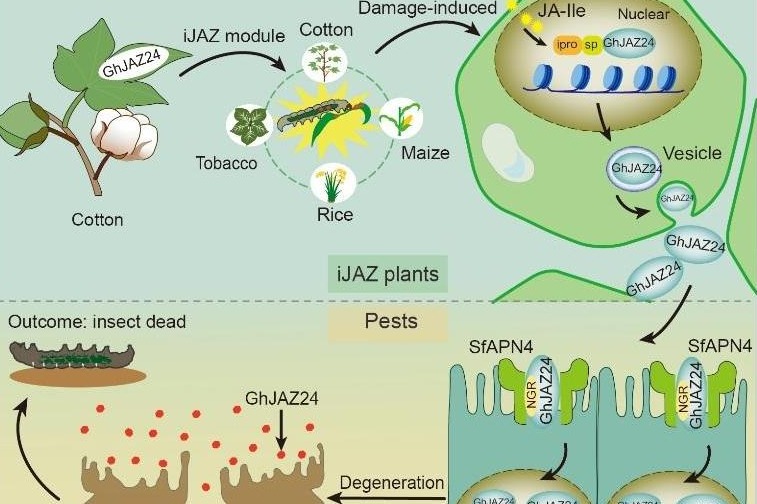
    Unlike many synthetic or engineered insecticidal traits, iJAZ occurs naturally in a range of everyday plant species, including cotton, pumpkin, and durian. What sets the protein apart from the current industry standard, Bacillus thuringiensis (Bt) insecticidal protein, is its completely unique mechanism of action and structural characteristics. Unlike Bt proteins that are constitutively expressed in modified crop tissues, iJAZ remains inactive in plant cells under normal, undamaged conditions. Only when targeted chewing pests begin feeding on plant leaves and causing tissue damage does the protein activate: it then specifically identifies and binds tightly to unique receptor sites found only in the pests’ digestive tracts, triggering its potent lethal effect.

    Independent research data from ICR’s trials confirms the protein’s extraordinary efficacy: it achieves a 99.33 percent resistance rate against cotton bollworm larvae, one of the most destructive and costly pests for global cotton production. Structurally, iJAZ is just one-tenth the molecular size of conventional Bt proteins, a key advantage that allows both iJAZ and Bt proteins to be stacked in the same crop variety. This combined application provides a long-sought solution to one of the most pressing challenges facing modern agricultural biotechnology: the widespread degradation of Bt protein efficacy as pests develop cross-resistance over decades of widespread use.

    To complement the discovery of iJAZ, ICR researchers have also developed a cutting-edge high-efficiency genetic transformation system designed to streamline the integration of the iJAZ trait into elite commercial crop varieties. The new system leverages direct shoot regeneration from the apical stem cells of seeds, cutting the traditional transformation cycle dramatically: what previously took between 6 and 8 months to complete now only requires 2 to 3 months. Even more significantly, the new system overcomes the long-standing genotype barrier that has limited the speed of crop breeding, allowing scientists to directly add insect-resistant protection to existing top-performing commercial varieties rather than breeding new varieties from scratch. This tailored approach drastically accelerates the development and release of new insect-resistant crop varieties for farmers.

    To date, the combined iJAZ and transformation technology system has already been successfully adapted and tested across a diverse range of additional crop species, including peanut, cucumber, and cowpea, demonstrating its broad applicability to global agricultural production.