博客

  • Fresh from conflict, Pakistan plays ‘peacemaker’ in US-Iran talks

    Fresh from conflict, Pakistan plays ‘peacemaker’ in US-Iran talks

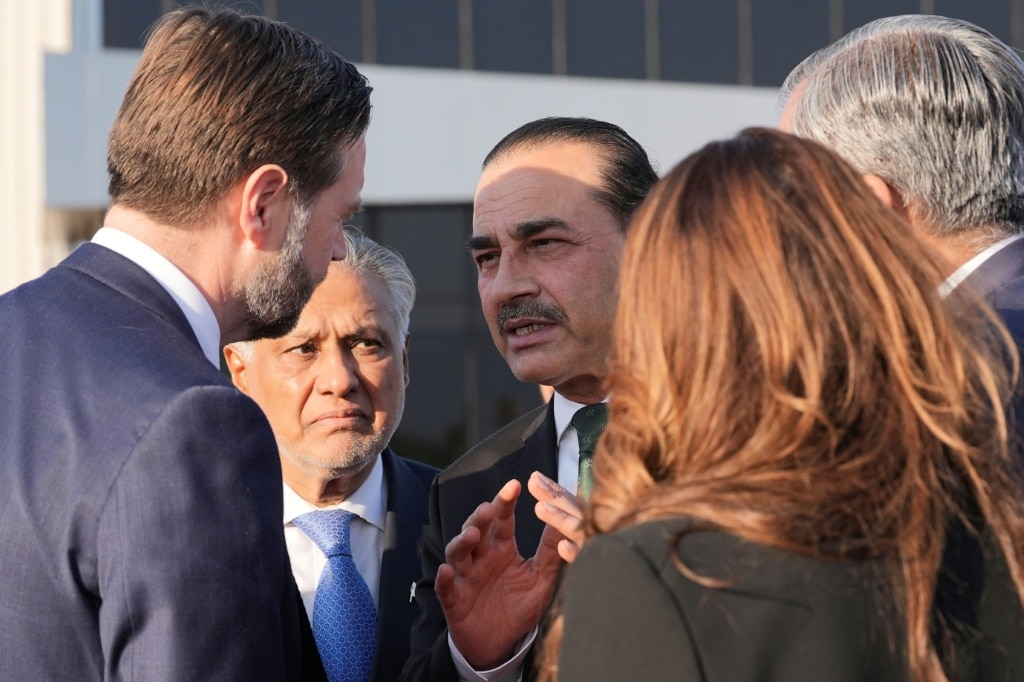
    As the United States and Iran edged toward full-scale conflict last week, with a hard deadline set by former US President Donald Trump looming over the region, an unexpected actor stepped forward to de-escalate tensions: Pakistan. In a matter of hours, Pakistani Prime Minister Shehbaz Sharif secured a critical two-week ceasefire between the two adversarial powers, setting the stage for the first round of direct talks hosted in Islamabad. Now, following the conclusion of the initial negotiations, Pakistan is embracing its newfound identity as a reliable regional peace broker, even as work continues to arrange a second round of talks.

    This diplomatic breakthrough marks a striking shift in global perceptions of Pakistan. For decades, the South Asian nation has been framed largely through the lens of regional security instability – grappling with domestic armed extremism and separatist movements, while facing longstanding international accusations of backing the Taliban in Afghanistan. Just last year, Pakistan itself was engaged in brief but intense armed conflicts: a high-stakes border clash with India in May, and two separate rounds of hostilities with neighboring Afghanistan, where Islamabad accuses the Taliban-led government of sheltering anti-Pakistan militant groups.

    Analysts argue that Pakistan’s firm military responses to those 2024 conflicts laid critical groundwork for its current diplomatic success. “In international politics, the currency is power. When you have demonstrated it operationally, and now you are just building it up diplomatically,” explained Raja Qaiser Ahmed, an international relations professor at Islamabad’s Quaid-i-Azam University. Michael Kugelman, senior South Asia fellow at the Atlantic Council, echoed that assessment, noting Pakistan is keen to build on the momentum of its new role as a critical mediator.

    Kugelman also highlighted Pakistan’s trailblazing strategic autonomy, calling it an “unsung success story” in this regard. For Pakistani leadership, the diplomatic push is as much about rebranding the nation’s global image as it is about securing regional peace. “Pakistan is looking to change global perceptions about its capacities as a global player,” Kugelman told AFP. “It does not like the fact that it has a poor global image and wants to essentially push back against its critics and show that it has the capacity to affect change and be influential on the global stage.”

    Pakistan’s unique geopolitical position makes it an ideal neutral broker for the US-Iran conflict. From the outbreak of hostilities between Washington and Tehran, Islamabad intentionally avoided aligning with either side, a calculated choice that preserved its ability to mediate. Ties between Pakistan and the US have warmed considerably during the Trump administration, after Islamabad credited Trump with helping mediate an end to its 2024 border conflict with India – a claim New Delhi has repeatedly denied. A high-profile visit to Washington by Sharif and Pakistan’s powerful army chief Asim Munir followed the ceasefire, with Trump now openly referring to Munir as his “favourite field marshal.”

    At the same time, Pakistan maintains deep, longstanding ties with Iran: it shares a 900-kilometer porous border with the country, and the two nations share extensive cultural and trade links, despite occasional diplomatic frictions. Pakistan also enjoys close diplomatic and economic ties with China, a key ally of Iran that both diplomats and Trump have credited with helping persuade Tehran to join negotiations. Additionally, Islamabad holds strong partnerships with Gulf nations including Saudi Arabia – with whom it has a mutual defense pact – many of which have been drawn into the conflict by Iranian retaliatory strikes.

    After 21 hours of marathon negotiations in Islamabad, US Vice President JD Vance took the podium Sunday to announce no final deal had been reached. Even so, he was quick to praise Pakistan’s hosting and mediation efforts, thanking Sharif and Munir by name: “They did an amazing job and really tried to help us and the Iranians bridge the gap and get to a deal.” Iran’s top negotiator Mohammad Bagher Ghalibaf offered similar gratitude to Pakistani officials. Asif Durrani, former Pakistani ambassador to Tehran, noted that the first round of talks had already cemented Pakistan’s status as a consequential regional power, regardless of the final outcome. “I think Pakistan is a power to be reckoned, and very much Pakistan is a player,” Durrani said. “Its geography is so unique that it cannot be ignored.”

    As of Monday, Sharif confirmed that diplomatic efforts are ongoing to organize a second round of negotiations. Vance, however, has struck a harder line, telling Fox News that while further talks are not off the table, Washington retains “no flexibility” on its demands regarding Iran’s nuclear program. Even if negotiations collapse and hostilities resume, analysts say Pakistan will still walk away with tangible diplomatic gains. Kugelman argues that Pakistan faces no reputational risk from a failed deal, and has already secured a significant boost to its global standing. “If anything, it’s enjoyed reputational boost because it’s been able to push back against criticism that it doesn’t have the capacity to pull off this type of diplomacy,” he said. “It’s also strengthened its image. It’s been able to project itself as a peacemaker.”
  • A gunman opens fire at a high school in Turkey, wounding at least 16 before killing himself

    A gunman opens fire at a high school in Turkey, wounding at least 16 before killing himself

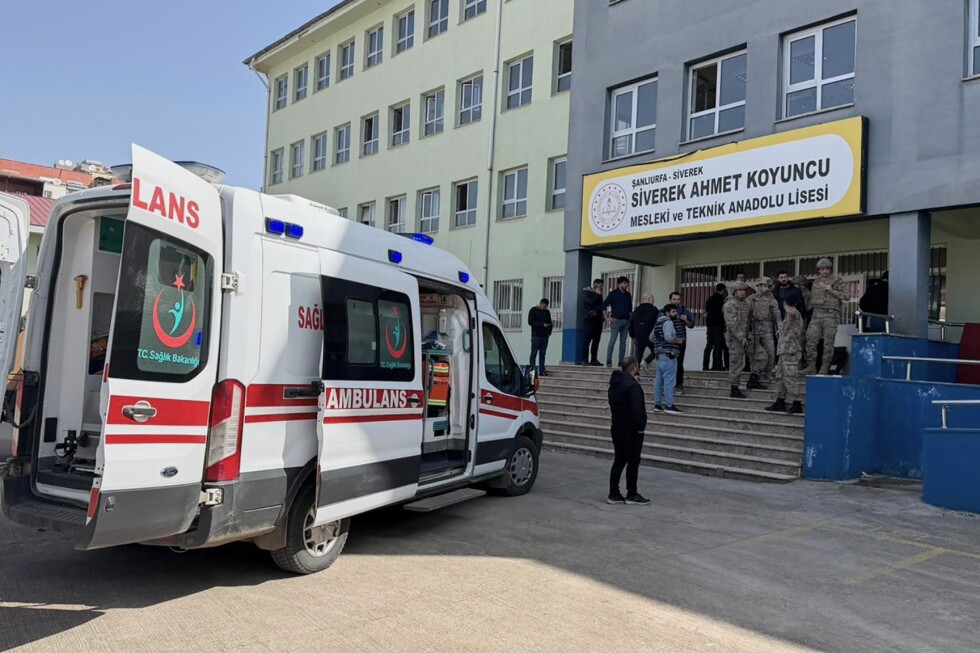
    A violent shooting incident at a vocational high school in Turkey’s southeastern province of Sanliurfa left 16 people injured on Tuesday, before the 18-year-old assailant took his own life, according to local governor Hasan Sildak.

    The attacker, identified as a former student of the school in Siverek district, entered the campus carrying a shotgun and opened fire indiscriminately on people inside the building before barricading himself in an undisclosed area of the facility. Among the injured, 10 are current students, four are instructors, one is a canteen staff member, and one is an on-duty police officer. Most of the wounded received immediate medical care at local hospitals in Siverek, but five patients with more severe injuries were transferred to a larger, better-equipped medical center in Sanliurfa’s provincial capital for advanced treatment.

    Initial local media reports indicated that all unharmed students were rapidly evacuated from the campus after emergency responders arrived. Specialized police operations units were dispatched to the site after the shooter refused to comply with orders to surrender. Law enforcement officers ultimately cornered the attacker within the building, and he ultimately used his shotgun to end his own life before authorities could apprehend him.

    Circulating footage captured by witnesses shows dozens of terrified students fleeing the school grounds, rushing out the main gate and onto adjacent public streets as the emergency response unfolded.

    Governor Sildak confirmed that officials have launched a comprehensive investigation to unpack the circumstances and motive behind the attack. Notably, school shootings are an extremely rare occurrence in Turkey, and as of Tuesday evening, investigators had not yet established a clear reason for the assailant’s actions.

  • Afghan migrants in Poland fear forced deportations as asylum applications remain suspended

    Afghan migrants in Poland fear forced deportations as asylum applications remain suspended

    On the eastern edge of the European Union and NATO, a growing humanitarian controversy is unfolding in Poland, where sweeping temporary restrictions on asylum access have left hundreds of Afghan migrants facing deportation to a Taliban-led regime that rights groups and survivors say threatens their lives. The policy, first rolled out in March 2025 as a 60-day emergency measure targeting irregular border crossings from Belarus, has been repeatedly extended by Polish authorities, creating a de facto suspension of asylum rights that has now stretched well over a year. Human rights organizations say officials are stretching the scope of the original law far beyond its stated parameters, applying it to any migrant who first entered Poland across the Belarus border regardless of where they are apprehended within the country.

  • Kids with ADHD struggle to find understanding

    Kids with ADHD struggle to find understanding

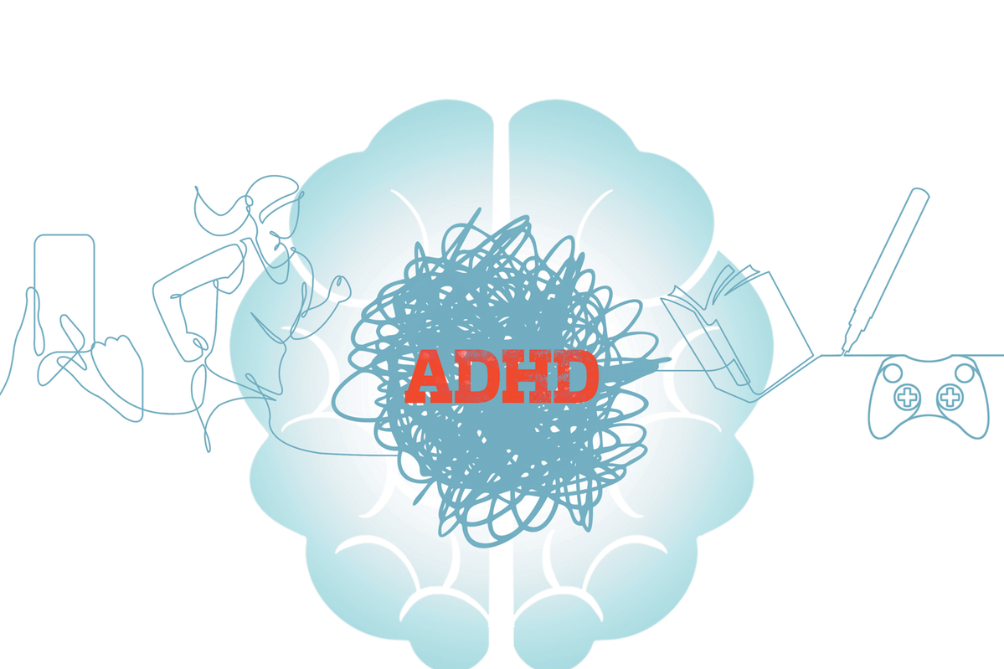
    Across China, millions of children living with Attention Deficit Hyperactivity Disorder (ADHD) and their families face a daily battle against widespread misunderstanding, systemic under-preparedness, and frequent misdiagnosis that leaves many struggling to access the support they need to thrive. Personal stories from families, special educators, and medical professionals illuminate the gaps in current care and education systems, while highlighting emerging community-led solutions that center neurodivergent children’s well-being over rigid conformity.

  • Efforts underway for second round of US-Iran talks as ships reported transiting Strait of Hormuz

    Efforts underway for second round of US-Iran talks as ships reported transiting Strait of Hormuz

    Escalating tensions between the United States and Iran reached a new critical juncture this Tuesday, after Washington announced a full blockade of Iranian ports, Tehran issued sharp threats of retaliation across the Middle East, and Pakistan has ramped up urgent diplomatic outreach to bring the two warring parties back to the negotiating table.

    While a fragile ceasefire reached last week has so far held across most frontlines, the escalating standoff centered on the strategic Strait of Hormuz has stoked widespread fears that open hostilities could reignite, worsening the already devastating economic shockwaves the seven-week conflict has sent across the global economy.

    The conflict, which erupted on February 28 when the U.S. and Israel launched coordinated strikes against Iranian targets, saw an initial round of peace talks held last weekend fail to reach a breakthrough agreement. Pakistan, which led the first mediation effort, has tabled a proposal to host a second round of negotiations in the coming days. Two Pakistani officials, speaking on condition of anonymity due to restrictions on speaking to media about the sensitive diplomatic process, confirmed the first round of talks was never intended as a one-off attempt, but rather the opening step of a sustained diplomatic push.

    U.S. officials confirmed Monday that internal discussions over scheduling a new negotiating round are still ongoing, and a diplomat from a third-party mediating country confirmed that both Tehran and Washington have formally agreed to participate in the next talks. According to two U.S. officials, the most likely target date for the new negotiations is Thursday, though final details on venue, timing, and delegation composition have not been locked in. Both Islamabad and Geneva are currently under consideration as potential host cities. All parties involved have requested anonymity due to the sensitive nature of ongoing private negotiations.

    Over its seven weeks, the conflict has already caused massive disruption to global markets and sent shockwaves through the world economy, as key shipping lanes have been cut off and widespread airstrikes have destroyed critical military and civilian infrastructure across the region. The human cost of the fighting has been staggering: at least 3,000 people have been killed in Iran, more than 2,000 in Lebanon, 23 in Israel, over a dozen in Gulf Arab states, and 13 U.S. service members have also lost their lives.

    The newly imposed U.S. port blockade is designed to cut off a key source of revenue for Iran, which has exported millions of barrels of oil largely to Asian markets since the conflict began. Most of these exports have moved via so-called “dark transit” operations that evade international sanctions and oversight, generating critical cash flow that keeps the Iranian government functioning.

    On Tuesday, the first full day of the blockade, key details remained unclear about how the measure will be enforced and how commercial shipping operators will comply. Tankers approaching the strait on Monday turned around shortly after the blockade took effect, though one vessel reversed course again and successfully transited the waterway early Tuesday. That tanker, the Rich Starry, had been waiting off the coast of the United Arab Emirates, according to shipping data from Lloyd’s List, which drew on tracking information from energy cargo monitoring firm Vortexa. While it was not immediately confirmed if the vessel had previously docked at an Iranian port, the U.S. Treasury’s Office of Foreign Assets Control already lists the Rich Starry as linked to Iranian shipping interests. Lloyd’s List data, pulled from ship registry and tracking records, shows the tanker is owned by a Chinese shipping firm and is ultimately bound for a Chinese port. U.S. Central Command, which oversees American military operations in the region, has not yet responded to requests for comment on the Rich Starry’s passage. A day before the transit, Central Command confirmed the blockade applies to all vessels traveling to and from Iranian ports.

    Even before the formal U.S. blockade, the conflict had severely curbed maritime traffic through the Strait of Hormuz, with most commercial ships choosing to avoid the waterway entirely. Iran’s de facto closure of the strait, which normally carries one-fifth of all globally traded oil during peacetime, has already caused global crude oil prices to skyrocket, driving up the cost of gasoline, food, and other essential commodities far beyond the Middle East.

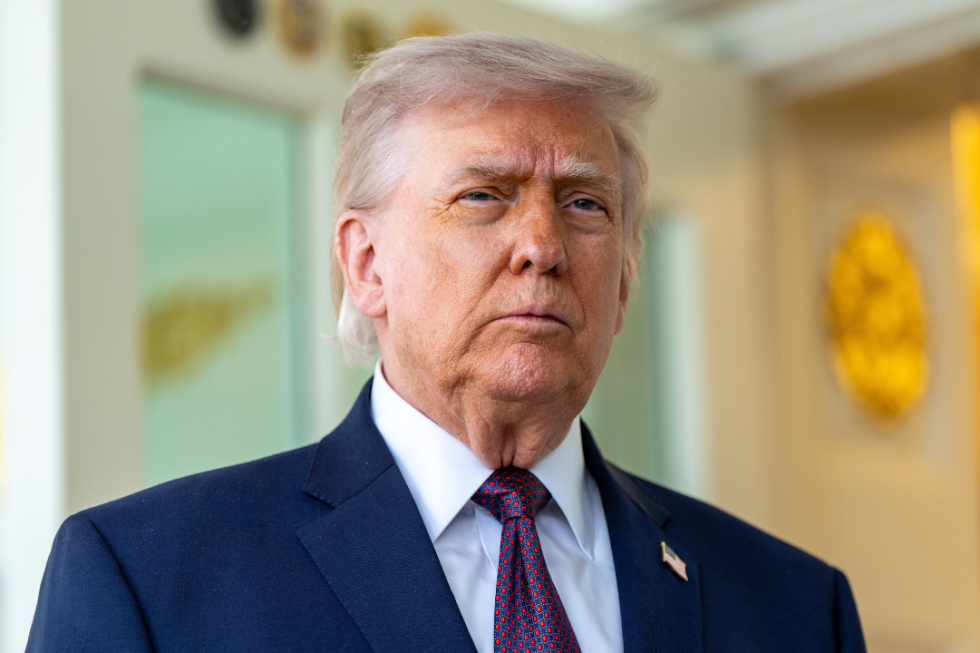
    U.S. President Donald Trump framed Iran’s control over the strait as “blackmail and extortion” in comments Monday, as the U.S. blockade went into effect. In a social media post, Trump claimed Iran’s navy had been “completely obliterated” while acknowledging the country still retains fast attack craft. He issued a stark warning: “if any of these ships come anywhere close to our BLOCKADE, they will be immediately ELIMINATED.”

    Iran quickly responded with threats of retaliation against ports across the Persian Gulf if the country comes under further attack. “If you fight, we will fight,” Iran’s parliamentary speaker Mohammad Bagher Qalibaf said in a direct statement addressing Trump.

    In a separate diplomatic development, France and the United Kingdom announced Tuesday that French President Emmanuel Macron and British Prime Minister Keir Starmer will co-host a conference this Friday for nations willing to deploy warships to escort commercial oil tankers and container ships through the Strait of Hormuz. A spokesperson for Macron said the escort deployment will move forward “when security conditions allow.”

    Parallel to the U.S.-Iran negotiations, long-awaited direct talks between Israel and Lebanon are set to get underway Tuesday in Washington, marking the first formal direct negotiations between the two countries in decades.

    Israel has continued its air and ground offensive in Lebanon even after last week’s ceasefire deal with Iran, with Israeli officials emphasizing the truce does not apply to operations against Lebanese militant group Hezbollah. Israel has however halted airstrikes on central Beirut since April 8, after a deadly bombardment hit multiple crowded commercial and residential areas in the capital. That attack sparked international condemnation and a threat from Iran that it would exit the ceasefire agreement if strikes on Beirut resumed.

    Hezbollah launched daily rocket attacks into northern Israel starting more than a year ago, and Israel dramatically escalated its ground and air offensive in southern Lebanon in the opening days of the broader U.S.-Iran war. According to Lebanese government data, the fighting has left a trail of destruction from border agricultural towns all the way to Beirut, killing more than 2,000 people and displacing over 1 million others.

    Tuesday’s opening talks are expected to be preliminary, focused on setting negotiating parameters rather than resolving long-standing core disputes. Lebanese officials have made a full ceasefire their top priority, while Israel has framed the negotiations around demands for Hezbollah’s full disarmament and a potential long-term peace deal, without publicly committing to a permanent halt to hostilities or a full withdrawal of Israeli forces from Lebanese territory.

    Israel is demanding that the Lebanese government take formal responsibility for disarming Hezbollah, a framework originally outlined in a 2024 November ceasefire agreement. But the militant group, which has survived decades of international and regional efforts to curb its power, issued a statement Monday confirming it will not be bound by any agreements that emerge from the Washington talks.

  • Jaeden Tito and Rabii Zahabe: Accused killers on trial over Gavin Preston’s death

    Jaeden Tito and Rabii Zahabe: Accused killers on trial over Gavin Preston’s death

    The trial of two Sydney men accused of carrying out a brazen, publicly executed contract killing of an underworld figure in Melbourne has gotten underway at Victoria’s Supreme Court, with jurors hearing startling details of the pre-planned attack and the aftermath.

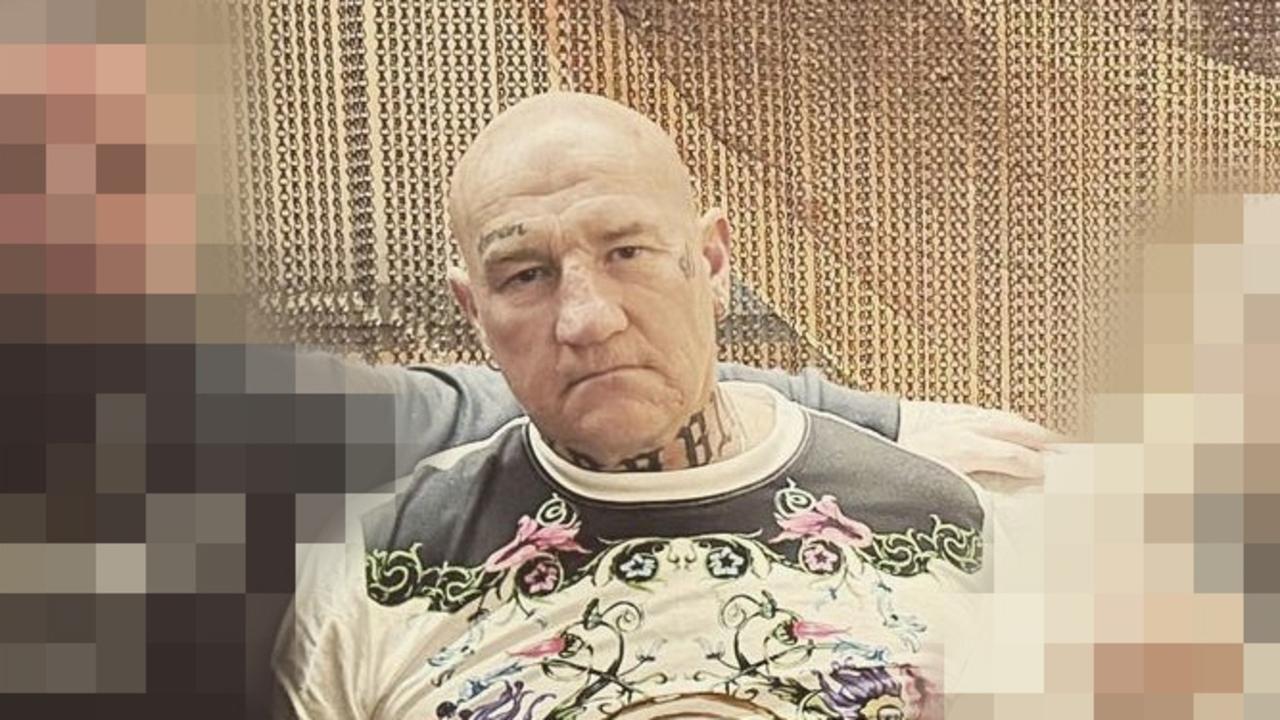
    On a bright Saturday afternoon in September 2023, 50-year-old Gavin Preston, a known figure in Australian criminal underworld circles, was gunned down in a hail of bullets while eating breakfast on the outdoor patio of Sweet Lulu’s Cafe, a popular local spot in the Melbourne suburb of Keilor. He was dining alongside Abbas Maghnie when two attackers clad entirely in black stepped from a parked Audi Q5 and opened fire, releasing at least 11 rounds that struck both men.

    The two accused, 25-year-old Jaeden Tito and 26-year-old Rabii Zahabe, have both entered formal not guilty pleas to charges of murder and attempted murder, rejecting the prosecution’s claim that they traveled from New South Wales specifically to carry out the assassination.

    In her opening address to the jury, Crown prosecutor Kristie Churchill SC walked the panel through the meticulously timed attack, playing 20 seconds of chilling security camera footage captured outside the cafe that day. The footage shows the two black-clad assailants rushing toward the outdoor seating and opening fire: Maghnie spins and flees the scene, while Preston slumps forward over his table, as a nearby bystander is heard screaming repeatedly for other patrons to take cover.

    Churchill told the court the shooting was a pre-arranged contract killing, planned in advance with coordination from additional uncharged co-conspirators. Investigative outlines presented to the jury paint a picture of a highly coordinated operation: the two suspects lay in wait for hours in the same car park where Preston later parked his car, multiple getaway vehicles were hidden across northwest Melbourne ahead of the attack, and a cross-state chauffeured ride back to Sydney was pre-booked the night before the shooting.

    Breaking down the sequence of events, Churchill explained that Preston began his day with a gym visit before texting Maghnie at roughly 8:28 a.m. to arrange the breakfast meeting. Both men arrived at the cafe around 9 a.m., parking in the Keilor Hotel car park where Tito and Zahabe were already waiting inside the Audi Q5. At 10:14 a.m., a third vehicle – a dark green Holden Cruze – stopped outside the cafe for just three seconds before leaving, a signal that the targets were in place. Ninety seconds later, the Audi’s engine started and the attackers moved in.

    The shooting began at 10:17 a.m., Churchill said. One attacker’s gun jammed after firing just two shots, while the second fired at least nine rounds. Preston was hit by seven bullets and died at the scene, while Maghnie suffered life-threatening injuries after being struck once. Crucially, Churchill told the jury Maghnie would not be taking the stand during the trial, noting “he’s not been forthcoming” with investigators or prosecutors.

    In the chaotic minutes after the attack, the pair fled to nearby Blair Court in Keilor, where security footage captured them setting the Audi Q5 on fire – a move that accidentally burned one of the suspects’ left arms, according to prosecution allegations. The two then ran through a local reserve to a pre-stashed Volkswagen Golf on Robin Street, which they also burned after a short drive, before switching to a third getaway vehicle: a Toyota Camry.

    They dumped the Camry outside a Taylors Lake property at 10:41 a.m., removed their balaclavas and black face coverings, and got into the pre-booked chauffeured car for the drive back to Sydney. Churchill told the jury the driver will testify that during the interstate trip, one of the accused turned to the other and said, “we are brothers now.”

    Both suspects were arrested weeks after the shooting: Zahabe was taken into custody in Sydney on October 10, while Tito was arrested 15 days later. Forensic evidence will show that DNA matching the two accused was found on the burned-out Audi and on clothing left in the abandoned Camry, Churchill said, adding that one of the firearms used in the attack was recovered last year during a separate, unrelated criminal investigation.

    Defense lawyers for both men pushed back against the prosecution’s narrative in their opening statements, each emphasizing that their client denies being one of the shooters. Paul Smallwood, representing Zahabe, acknowledged that whoever carried out the attack “pretty clearly murdered” Preston, but argued that the case for attempted murder against Maghnie is far less clear. He also noted that Preston only arranged the breakfast meeting more than an hour after the prosecution claims the suspects arrived at the Keilor car park, opening a gap in the narrative. Smallwood told the jury he would lay out an alternative, reasonable interpretation of the evidence that supports Zahabe’s innocence once all testimony concludes.

    Daniel Sala, Tito’s defense attorney, echoed those arguments, reminding jurors that his client firmly denies being one of the attackers who opened fire on Preston and Maghnie that day. The trial, overseen by Justice Michael O’Connell, is set to resume on Wednesday.

  • Benin’s Wadagni wins presidency by landslide

    Benin’s Wadagni wins presidency by landslide

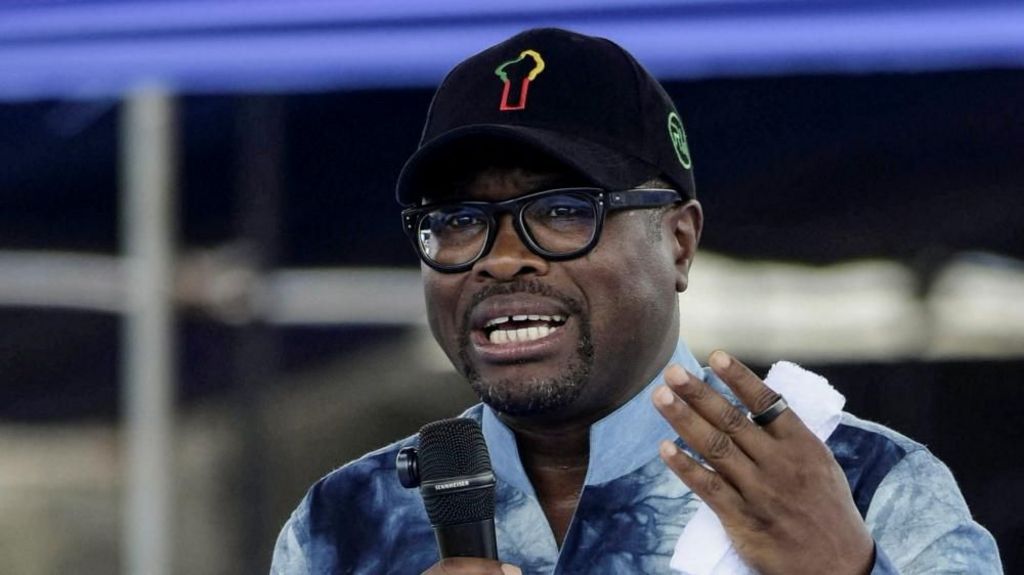
    Provisional electoral results from Benin confirm a landslide win for incumbent Finance Minister Romuald Wadagni in the country’s 2026 presidential election, capping a race shaped by widespread expectations of victory and the absence of a credible opposition challenger. According to the national electoral commission, with 90% of all ballots processed, Wadagni has captured over 94% of the vote, a margin large enough that the final outcome is described as irreversible.

    At 49 years old, Wadagni entered the race as the clear favorite after Benin’s main opposition bloc, the Democrats, was barred from fielding a candidate. Under Benin’s electoral rules, all presidential hopefuls must secure formal sponsorship from a minimum number of sitting elected officials to appear on the ballot. The Democrats’ nominee failed to meet this requirement, leaving only independent candidate Paul Hounkpè as Wadagni’s formal competitor. Hounkpè conceded the race early on Monday, even before vote counting concluded, and publicly congratulated Wadagni on his projected win. In his concession statement, Hounkpè emphasized that democratic governance relies on mutual respect and a willingness to transcend partisan divides.

    Wadagni was handpicked as the ruling party’s candidate by outgoing two-term president Patrice Talon, who was constitutionally ineligible to run for a third term in office. Preliminary official data puts national voter turnout at 58.75%, a figure that comes amid widespread public perception that the election was little more than a procedural formality, given the lack of a major opposition contender.

    Despite being widely regarded as one of West Africa’s most stable democracies in a region that has seen a string of military coups in recent years, Benin now faces pressing challenges that the incoming president will be forced to address immediately. Foremost among these is worsening insecurity linked to jihadi insurgency in the country’s northern regions. Last April, an attack claimed by JNIM, an al-Qaeda-affiliated extremist group, killed 54 Beninese soldiers, and a similar strike just one month before the election claimed 15 more military lives. The deteriorating security crisis was also cited as a core justification by soldiers who staged an attempted coup in Benin just four months prior to the election. Beyond security, Wadagni will also need to tackle the country’s long-standing issue of chronic poverty, which disproportionately impacts communities in northern Benin. The country of 15 million people will swear in its new president following the formal validation of the election results by national authorities.

  • South Korea jails 90-year-old woman for laundering son’s drug money

    South Korea jails 90-year-old woman for laundering son’s drug money

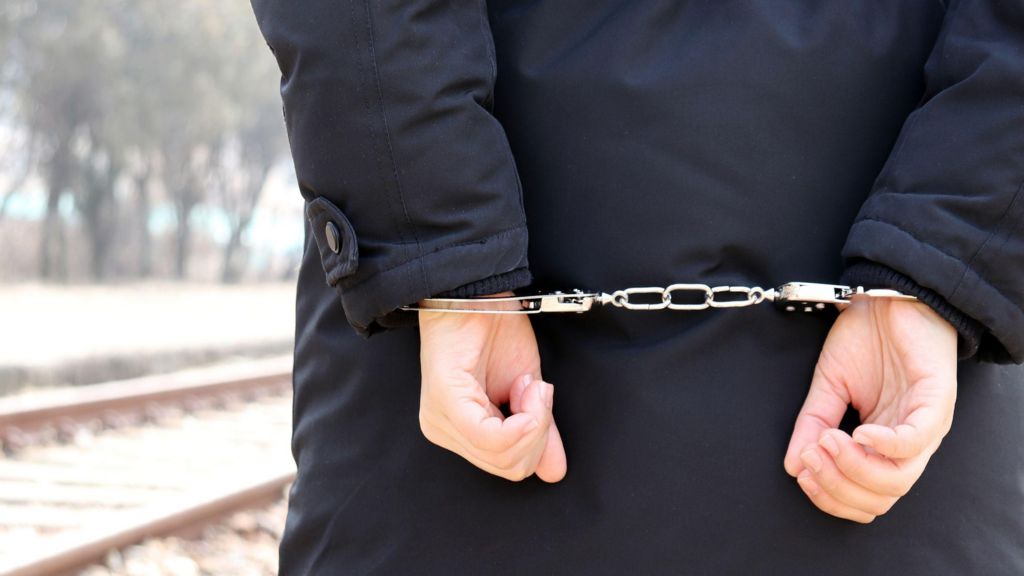
    In a landmark ruling that underscores South Korea’s crackdown on transnational drug-related financial crime, a 90-year-old South Korean woman has received a one-year prison sentence for facilitating money laundering for her son, a convicted international drug trafficker. The Incheon District Court handed down the decision this week after concluding the elderly woman had full knowledge she was moving illicit proceeds from her son’s illegal narcotics operations.

    Court documents detail that between April 2020 and February 2022, the woman, whose identity has not been released to the public per local reporting standards, received a total of 386 million South Korean won (equivalent to approximately $260,800 USD or £192,800 GBP) across nine separate transactions. Following explicit instructions from her son, identified only as Song in public reports, she transferred all of these funds into pre-designated bank accounts as part of the money laundering network.

    Song, a man in his 60s, has already been incarcerated in Cambodia since 2020, after local Cambodian courts convicted him of smuggling large quantities of methamphetamine into the Southeast Asian country. According to court arguments presented by prosecutors, the elderly woman made five separate trips to Cambodia to visit her son in 2019, and was fully aware of his detention and conviction on drug charges. This confirmed she knew the funds she was handling were tied to criminal activity, prosecutors argued.

    In her official ruling statement, Judge Wi Eun-suk of the Incheon District Court emphasized the severity of the offense. “The defendant’s actions intentionally obscured the origin of illicit profits, making it far more difficult for law enforcement to trace and seize criminal proceeds, and directly enabled the continued expansion of the global narcotics trade,” the judge explained.

    In shaping the sentence, the court did account for two mitigating factors: the defendant’s advanced age of 90, and the fact that she had no prior criminal convictions, particularly no previous history of drug-related offenses. This prevented the court from imposing a longer custodial sentence that would otherwise have been applied for such a large-scale money laundering offense.

    The case has also revealed broader links to other family members, according to reporting from Seoul-based newspaper Kyunghyang. Song has allegedly implicated his own daughter, the 90-year-old woman’s granddaughter, in the money laundering scheme. She stood trial on charges of accepting more than 600 million won in illicit funds and transferring 274 million won of that sum to other accounts. However, the court ultimately acquitted her of all money laundering charges, ruling that prosecutors failed to present sufficient evidence to prove she knew the money came from drug trafficking.

    South Korean law enforcement officials have confirmed they are currently proceeding with formal extradition requests to bring Song back to South Korea to face additional domestic charges for his role in the drug trafficking and money laundering network. The ruling comes as South Korea ramps up efforts to disrupt transnational drug criminal networks operating out of Southeast Asia, with a growing focus on targeting money laundering infrastructure that enables illegal narcotics operations.

  • ASX 200 jumps on peace talk hopes as miners and tech stocks rally

    ASX 200 jumps on peace talk hopes as miners and tech stocks rally

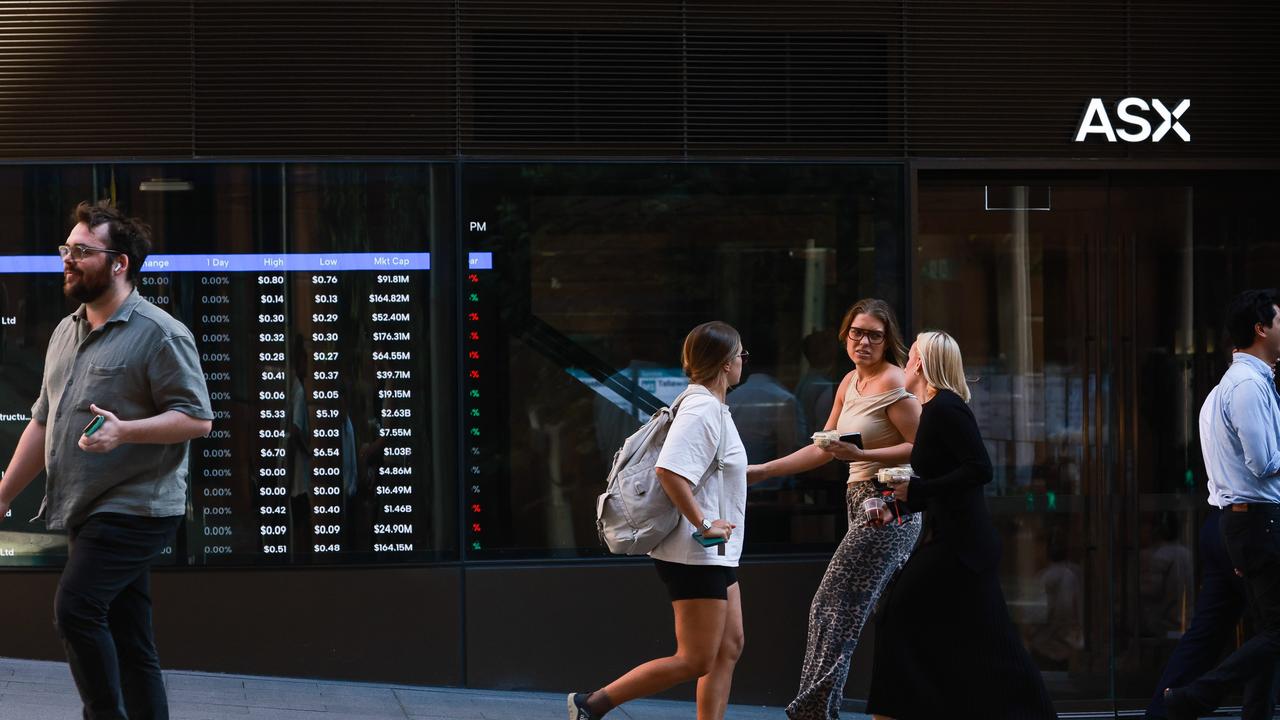
    On Tuesday, Australia’s domestic sharemarket touched a closely watched psychological threshold, briefly crossing the 9000-point mark before retreating, as investor sentiment got a boost from emerging signals that peace negotiations could restart in the conflict-torn Middle East.\n\nBy market close, the benchmark ASX 200 had gained 44.80 points, a 0.50% increase, to settle at 8970.80. The broader All Ordinaries index followed the upward trend, adding 51.70 points or 0.57% to close at 9165.10. Meanwhile, the Australian dollar edged slightly lower, dipping 0.08% to trade at 70.93 U.S. cents.\n\nSix out of the market’s 11 major sectors closed the trading day in positive territory, with technology and mining stocks leading the rally. In the tech segment, logistics software firm WiseTech Global rose 3.77% to $38.56 per share, cloud accounting provider Xero gained 3.92% to hit $73.18, and data center operator Next DC climbed 4.30% to close at $13.10.\n\nMining stocks also posted strong gains, fueled by reports that China had relaxed some iron ore cargo restrictions on major miner BHP. BHP’s share price rallied 3.22% to $56.10, while industry peers Rio Tinto added 1.29% to $174.29 and Fortescue Metals gained 1.58% to $20.60. Healthcare shares also contributed to the market’s upward momentum: CSL added 0.58% to $138.08, Sigma Healthcare jumped 1.50% to $2.71, and cochlear implant manufacturer Cochlear lifted 1.60% to $175.06.\n\nA decline in global crude oil prices also supported market gains, with Brent Crude futures falling 1.1% to slip back below $100 U.S. per barrel, trading at $98.30 U.S. ($138 Australian) at the time of reporting. Falling fuel prices take pressure off inflation and business input costs across the Australian economy.\n\nIG market analyst Tony Sycamore explained that the early-day surge above 9000 points was fueled by a positive lead from overnight trading on Wall Street, where investors latched onto news of potential renewed Middle East peace talks. That optimism pushed the U.S. Nasdaq index to its ninth consecutive daily gain, marking the longest winning streak for the index since December 2023.\n\nHowever, the local market could not hold onto the 9000-point milestone through the close, as a raft of downbeat domestic economic data dampened investor enthusiasm. Westpac’s latest consumer confidence survey showed Australian household sentiment remains near the record lows seen during the height of the COVID-19 pandemic, while National Australia Bank’s monthly business survey recorded a 29-point drop in business conditions in March.\n\nAdding to market caution, Reserve Bank of Australia (RBA) deputy governor Andrew Hauser flagged significant economic risks in a speech delivered in New York shortly before the Australian market opened. Hauser warned of a potential “nightmare” stagflation scenario, where inflation reaccelerates even as economic growth weakens – a combination that would severely limit the RBA’s policy options to support the economy.\n\nIndividual company news also brought mixed results. Flag carrier Qantas saw its shares slip 0.33% to $8.98 after it warned that spiking jet fuel prices would cut $800 million from its bottom line in the second half of the current financial year, and announced it would cut domestic flight capacity by 5% to offset costs.\n\nTop lender Westpac closed 2.61% lower at $41.48 after the bank acknowledged that ongoing Middle East conflict and resulting oil price volatility have created a more challenging operating environment for many of its customers. Waste management firm Cleanaway Waste Management dropped 2.58% to $2.27 after it downgraded its 2026 earnings guidance by $20 million, citing higher fuel and logistics costs tied to Middle East supply disruptions. Infant formula producer A2Milk extended losses from the previous trading day, falling 3.11% to $7.79, after it issued a profit warning on Monday due to ongoing shipping disruptions for exports to China.

  • Pope to walk in Augustine’s footsteps on day two of Algeria visit

    Pope to walk in Augustine’s footsteps on day two of Algeria visit

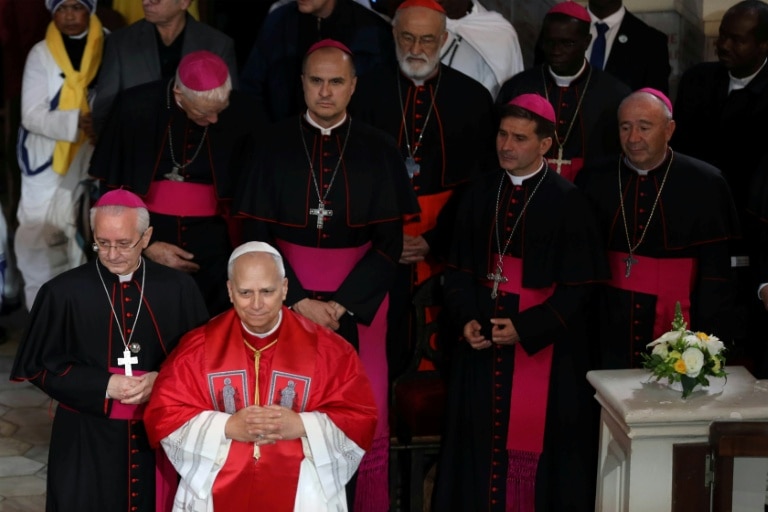
    On the second day of his groundbreaking first-ever papal visit to Algeria, Pope Leo XIV is set to travel to the northeastern coastal city of Annaba on Tuesday to walk in the footsteps of one of Christianity’s most influential theologians, Saint Augustine. This trip marks the opening stop of a four-nation African tour that already made history on Monday, when the American-born pontiff became the first pope to set foot on Algerian soil — but the opening day of his journey was largely overshadowed by sharp public criticism from United States President Donald Trump.

    Annaba, which was known as the ancient Roman city of Hippo in centuries past, was Saint Augustine’s long-time home. The theologian’s autobiographical work *Confessions* remains a foundational text across Christian denominations worldwide, holding deep spiritual and cultural significance for believers across the globe. As a member of the Augustinian religious order, Pope Leo has previously described himself as a “son” of Saint Augustine, adding personal weight to this stop on his itinerary.

    During his day in Annaba, the pontiff will first tour the archaeological vestiges of the city’s ancient Roman and early Christian past, before stopping at a reception center operated by Catholic nuns that provides support and care for low-income elderly residents of the city. In the afternoon, he is scheduled to lead an open-air Mass at the hilltop Basilica of Saint Augustine, with clergy from across the African continent in attendance.

    On Monday, during his first public remarks in the Algerian capital of Algiers following his arrival, Pope Leo honored the memory of those killed during Algeria’s 1954–1962 war of independence from French colonial rule, and issued a powerful call for cross-community forgiveness. His comments come at a moment of sharply elevated diplomatic tensions between Algiers and Paris, and were delivered just days after he held a private meeting with French President Emmanuel Macron at the Vatican.

    Beyond addressing historical tensions, the pope also used his address to urge Algeria’s ruling leadership to embrace greater public participation in national political life, calling for the growth of a “vibrant, dynamic and free civil society.” His appeal follows years of restricted civic space after the 2019 pro-democracy Hirak protest movement, which demanded sweeping governmental reform and greater institutional transparency. International human rights organizations have documented consistent rolling back of civil freedoms and increased state control over public assembly and expression in the years since the protests began. “Authorities are called not to dominate, but to serve the people and foster their development,” the pontiff told the crowd gathered at Algiers’ Basilica of Our Lady of Africa.

    The most high-profile drama of the trip’s opening day came not from Algerian politics, however, but from across the Atlantic, where Trump launched repeated public attacks on the pope over his recent calls for peace in the Middle East. Pope Leo’s calls for de-escalation in the ongoing U.S.-Israeli war against Iran have drawn fierce pushback from the American president, who lashed out at the pontiff before the trip even began. In pre-trip comments, Trump accused the pope of “toying with a country (Iran) that wants a nuclear weapon,” and added that he was “not a big fan” of the current pontiff.

    When faced with public outcry over his remarks after the pope arrived in Algeria on Monday, Trump doubled down on his criticism, saying he had “nothing to apologise for” and insisted that the pope was “wrong” to speak out on the conflict. Aboard the papal plane en route to Algiers, the pope pushed back against the attacks with calm resolve, telling reporters that the Gospel itself mandates advocacy for peace. “The Gospel says… blessed are the peacemakers,” he said, adding: “I have no fear, neither of the Trump administration, nor speaking out loudly about the message of the Gospel.”

    After wrapping up his two-day visit to Algeria on Wednesday, Pope Leo will travel onward to Cameroon, the second stop on his four-nation African tour. He will then continue to Angola and Equatorial Guinea for official visits before concluding the trip.