博客

  • Dubai Metro to extend operating hours on February 1, RTA announces

    Dubai Metro to extend operating hours on February 1, RTA announces

    Dubai’s Roads and Transport Authority (RTA) has announced a significant adjustment to metro operating hours in preparation for the upcoming Dubai Marathon 2026. Instead of the standard Sunday opening time of 8:00 AM, metro services will commence operations at 5:00 AM on February 1, 2026, maintaining service until midnight to accommodate the anticipated influx of participants and spectators.

    The temporary schedule modification represents a strategic response to the transportation demands created by one of Dubai’s premier sporting events. The extended hours will provide enhanced accessibility for marathon attendees while demonstrating the RTA’s commitment to supporting major city events through flexible public transportation solutions.

    This operational adjustment follows the authority’s ongoing efforts to optimize Dubai’s transit network, which recently included public awareness campaigns promoting metro etiquette and the development of station infrastructure projects. The early morning start time particularly addresses the logistical needs of marathon participants requiring transportation to event starting points before dawn.

    Regular Sunday metro service typically begins at 8:00 AM and continues until midnight. The RTA’s proactive announcement allows residents and visitors to plan their travel arrangements accordingly for the event day, ensuring smooth transit operations throughout the marathon proceedings.

  • Syrian government and SDF agree ceasefire and integration deal

    Syrian government and SDF agree ceasefire and integration deal

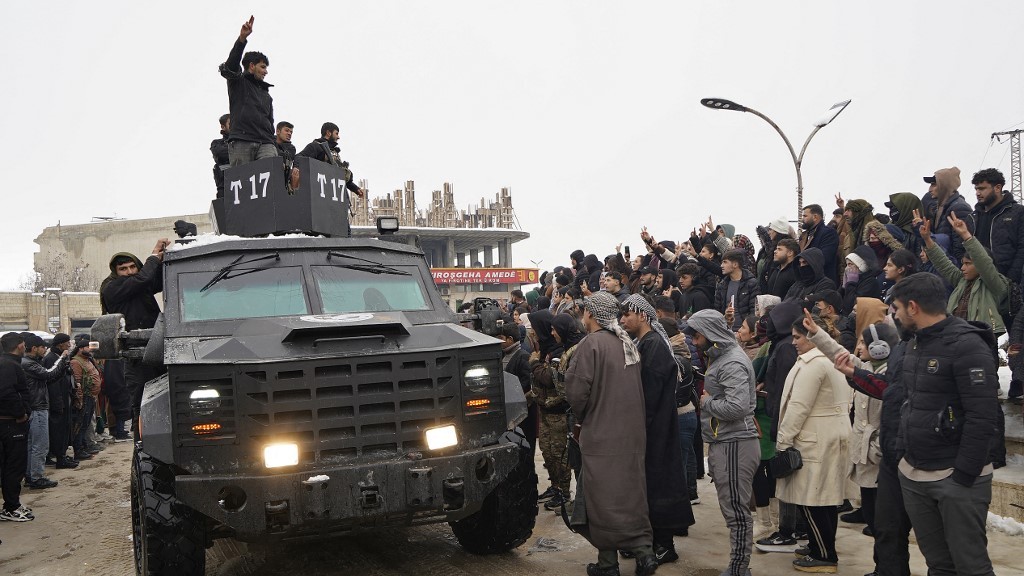
    In a landmark development for Syria’s protracted conflict, the Damascus government and the Syrian Democratic Forces (SDF) have finalized a comprehensive ceasefire agreement culminating in military and administrative integration. This resolution follows intense weeks of hostilities that significantly diminished the SDF’s territorial control.

    The accord mandates the deployment of Syrian interior ministry security forces to urban centers in Hasakah and Qamishli, northeastern cities presently under Kurdish-led administration. This strategic arrangement addresses immediate security concerns while facilitating administrative harmonization.

    The conflict’s recent phase has substantially reversed territorial gains made by the SDF since Syria’s civil war erupted in 2011, now largely constraining the group to Kurdish-majority regions. A central component of the integration plan involves establishing three new Syrian army brigades from existing SDF formations.

    The SDF, originally constituted in 2015 from primarily Kurdish People’s Protection Units (YPG) and allied Arab militias, played a pivotal role in combating Islamic State with substantial U.S. military support. However, the coalition’s aspirations for autonomous regional governance have been effectively neutralized through combined military pressure from Syrian government forces and shifting U.S. foreign policy priorities.

    The current Syrian administration, established following the overthrow of Bashar al-Assad in December 2024, has consistently opposed any devolution of power from Damascus. This agreement reinforces their centralization strategy while accommodating certain regional security realities. Complicating the dynamic, Turkey—a key government ally—maintains its designation of the YPG as inextricably linked to the Kurdistan Workers’ Party (PKK), which has waged an autonomy campaign against Turkish authorities since 1984.

  • What is Nipah virus? Symptoms, precautions explained

    What is Nipah virus? Symptoms, precautions explained

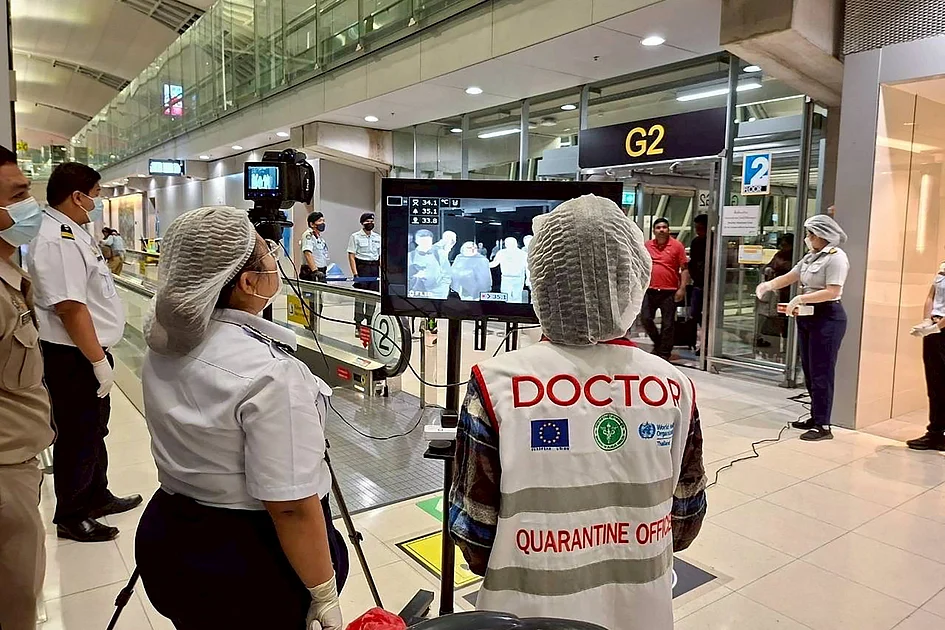
    The World Health Organization (WHO) has issued a risk assessment following India’s confirmation of two Nipah virus cases, determining the international transmission threat remains low. In an official statement released Friday, the global health body confirmed it does not advise implementing travel restrictions or trade limitations against India despite the recent infections.

    Nipah virus represents a zoonotic pathogen capable of transmission through multiple pathways: direct animal-to-human contact, consumption of contaminated food products, or human-to-human exposure. First identified during a 1998 outbreak among Malaysian pig farmers, the virus subsequently appeared in Singapore (1999) before emerging in India and Bangladesh approximately two years later. The Philippines documented cases in 2014, though Southeast Asia has remained outbreak-free in recent years. Conversely, Bangladesh has experienced near-annual outbreaks since 2001, while India continues reporting periodic cases, particularly in Kerala and West Bengal.

    Fruit bats from the Pteropodidae family serve as the virus’s natural reservoir, exhibiting asymptomatic carriage while contaminating fruits consumed by intermediate hosts including pigs, horses, and domestic animals. Human infection typically presents with non-specific influenza-like symptoms: fever, headache, respiratory distress, and generalized confusion. The disease frequently progresses to severe neurological complications including encephalitis (brain inflammation) and meningitis, with mortality rates ranging from 40-75% according to UK Health Security Agency estimates.

    Survivors often experience lasting neurological sequelae such as persistent seizures and personality alterations. Rare cases demonstrate viral reactivation months or years post-recovery. Currently, no approved vaccines or antiviral treatments exist, though WHO has designated Nipah as a priority pathogen within its Research and Development Blueprint, with several candidate products undergoing development.

    Healthcare providers must implement enhanced infection control protocols including patient isolation, contact/droplet precautions (medical masks, eye protection, gowns, gloves), and airborne precautions during aerosol-generating procedures. Similar protective measures are advised for animal handlers during slaughtering procedures. Early diagnosis through laboratory testing remains critical for implementing supportive care measures that can reduce mortality.

  • Satellite photos show activity at Iran nuclear sites as tensions rise over protest crackdown

    Satellite photos show activity at Iran nuclear sites as tensions rise over protest crackdown

    DUBAI, United Arab Emirates — Satellite imagery has revealed significant new construction activity at two Iranian nuclear facilities previously damaged in military strikes, raising concerns about Tehran’s efforts to conceal potential salvage operations of nuclear materials. Recent images from Planet Labs PBC show newly constructed roofs covering damaged structures at both the Isfahan and Natanz nuclear sites, marking the first major observable activity since last year’s conflict with Israel.

    The protective coverings effectively block satellite surveillance, creating a critical intelligence gap as Iran continues to deny access to International Atomic Energy Agency inspectors. Neither Iranian officials nor the IAEA have publicly commented on these developments.

    According to nuclear experts analyzing the imagery, the roofing projects likely represent attempts to obscure assessment and recovery operations rather than reconstruction efforts. Andrea Stricker of the Foundation for Defense of Democracies noted that Tehran appears to be determining ‘whether key assets — such as limited stocks of highly enriched uranium — survived the strikes’ without international observation.

    The Natanz facility, located approximately 220 kilometers south of Tehran, previously served as Iran’s primary uranium enrichment center, where advanced centrifuges enriched uranium to 60% purity—just a technical step from weapons-grade levels. The Isfahan site primarily produced uranium gas for centrifuge processing.

    Following June’s 12-day conflict, Israeli strikes initially targeted these facilities, with subsequent U.S. attacks employing bunker-busting bombs and Tomahawk cruise missiles. The U.S. government claimed these operations ‘significantly degraded Iran’s nuclear program,’ though specific damage assessments remain scarce publicly.

    Additional concerning developments include ongoing excavation work at Kūh-e Kolang Gaz Lā (Pickaxe Mountain) near Natanz, where Iran is suspected of constructing a new underground nuclear facility. Meanwhile, at Isfahan, satellite imagery shows defensive measures including tunnels packed with dirt as protection against missile strikes.

    Parallel reconstruction efforts are underway at Iran’s ballistic missile facilities, including the Parchin military complex southeast of Tehran. Particularly notable is the rapid rebuilding of the ‘Taleghan 2’ site—destroyed in an October 2024 airstrike—which previously housed explosive chambers and specialized X-ray systems for nuclear weapons research.

    These developments occur amid escalating regional tensions, with the U.S. deploying the USS Abraham Lincoln and several guided-missile destroyers to the Middle East. Former President Trump had repeatedly demanded Iran negotiate over its nuclear program while threatening military action in response to Tehran’s crackdown on domestic protests.

  • ‘No more orders’: UAE tailors overstretched weeks before Eid Al Fitr

    ‘No more orders’: UAE tailors overstretched weeks before Eid Al Fitr

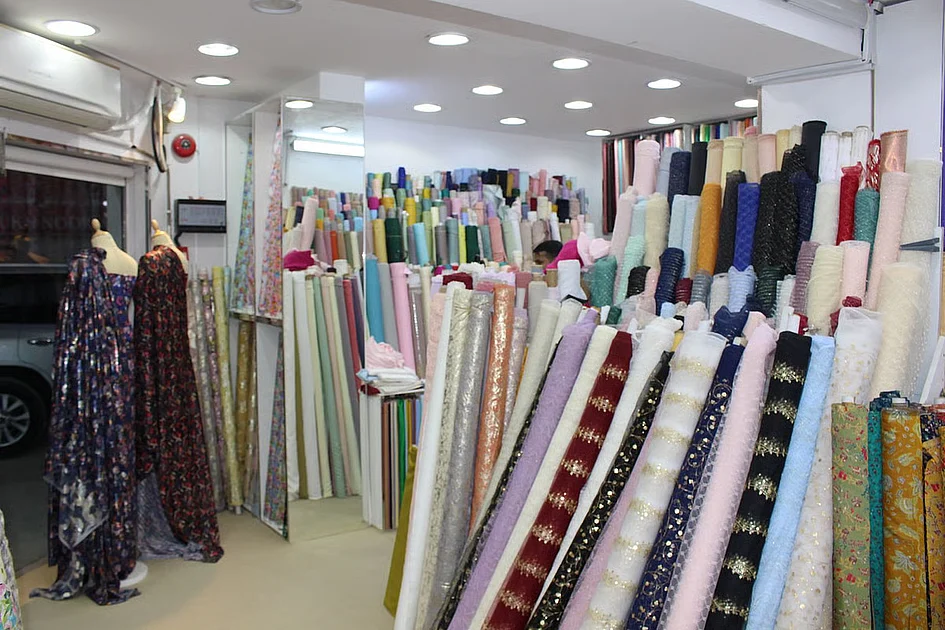
    Tailoring establishments across the United Arab Emirates are displaying ‘No More Orders’ signs unusually early this season, indicating an unprecedented surge in demand for custom Eid Al Fitr garments. With approximately 50 days remaining until the holiday, many shops have already closed their order books due to overwhelming demand for intricate women’s festive wear.

    The early closure phenomenon stems from the complex nature of traditional Eid dresses, which require extensive craftsmanship including detailed embroidery, fabric manipulation, and multi-layer construction. Naseem Ahmed, proprietor of Al Musabba Fine Tailoring in Sharjah’s Rolla district, explains that sophisticated designs can consume three or more full days of skilled labor, with hand embroidery alone requiring over five days per garment.

    In Dubai’s Naif area, Diplomacy Tailors representative Nawaz Khan emphasizes that pattern creation, cutting, fitting, and finishing processes cannot be rushed without compromising quality. Many tailoring businesses have implemented proactive strategies, including contacting regular clients weeks in advance to secure orders before January 15th.

    The demand surge has extended to abaya retailers as well. Syed Ali, master cutter at Mirdif’s Abaya Mall, reports that designed Eid abayas with special embellishments now require ordering well before Ramadan. Some establishments have even initiated home visitation services for valued customers to accommodate their busy schedules.

    Multiple factors contribute to the early order closures: limited availability of skilled artisans, reduced working hours during Ramadan, and exceptionally high seasonal demand. Tailors unanimously agree that early order termination ensures quality preservation and prevents customer disappointment, as the intricate craftsmanship involved cannot be accelerated without compromising the final product’s excellence.

  • Sharjah Light Village to continue till first few days of Ramadan; check out ticket prices

    Sharjah Light Village to continue till first few days of Ramadan; check out ticket prices

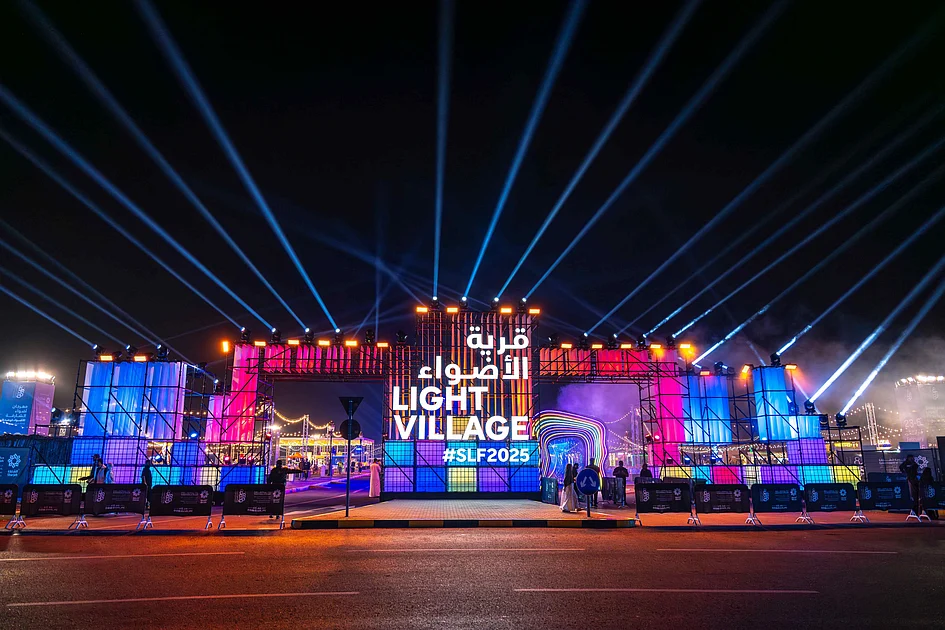
    The Sharjah Commerce and Tourism Development Authority has inaugurated the fifteenth edition of its acclaimed Light Festival, launching the Light Village experience on January 29, 2026. This annual celebration of Emirati culture and heritage through artistic illumination will officially commence on February 3 and continue through February 15, transforming the emirate’s architectural landmarks into dynamic canvases of light and creativity.

    In a significant expansion for 2026, the Light Village will extend its programming into the initial days of Ramadan, continuing through February 22 and offering 25 days of immersive experiences. The festival features groundbreaking light installations by international artists, including Japanese visionary Yasuhiro Chida, whose interactive works blend light, art, and technology within an environmentally conscious framework.

    The festival grounds include dedicated children’s play areas and interactive programming suitable for all age groups. Thirteen locations across Sharjah will host light displays, including the Dr. Sultan Al Qasimi House, Al Majaz Waterfront, Sharjah Mosque, Kalba Waterfront, and the historically significant Sharjah Fort.

    Admission pricing structure:
    – General admission (ages 12+): 20 AED
    – Children (3-11 years): 10 AED
    – Yasuhiro Chida’s immersive experience (adults): 50 AED
    – Yasuhiro Chida’s immersive experience (children): 25 AED
    – Combined entry and gallery bundle (adults): 60 AED
    – Combined entry and gallery bundle (children): 30 AED
    – Full season pass (January 29-February 22): 180 AED

    The February 3 opening ceremony will mark the official debut of light shows and interactive experiences throughout the emirate, celebrating cultural heritage through cutting-edge artistic expression.

  • Luigi Mangione will not face death penalty if convicted, judge rules

    Luigi Mangione will not face death penalty if convicted, judge rules

    In a significant legal development, a federal court has eliminated capital punishment as a potential sentence for Luigi Mangione, the accused murderer of UnitedHealthcare CEO Brian Thompson. U.S. District Judge Margaret Garnett, an appointee of President Biden, dismissed two federal firearms charges that carried death penalty specifications, determining they failed to meet the statutory definition of “crimes of violence.”

    The ruling represents a substantial setback for federal prosecutors who had characterized the December 2024 shooting as a “premeditated, cold-blooded assassination.” While removing the death penalty possibility, Judge Garnett preserved stalking charges that still carry a maximum sentence of life imprisonment. The court has granted government attorneys a 30-day window to appeal the death penalty exclusion.

    In a victory for prosecutors, Judge Garnett authorized the admission of critical evidence recovered from Mangione’s backpack at the time of his arrest. The inventory included a firearm, fraudulent identification documents, and a notebook allegedly containing Mangione’s detailed grievances against the American healthcare system. Defense attorneys had sought to suppress this evidence, claiming unlawful seizure without proper warrant authorization.

    Mangione, a 27-year-old Ivy League graduate from an affluent Maryland family, maintains his innocence against all federal and state charges. The federal trial is scheduled to commence jury selection on September 8th, with opening statements expected October 13th. Concurrently, New York state prosecutors are pursuing a separate trial timeline as early as July, where Mangione faces nine charges including second-degree murder.

    The case took another unusual turn recently when Minnesota resident Mark Anderson allegedly attempted to impersonate an FBI agent to secure Mangione’s release from Brooklyn detention. Authorities report Anderson arrived at the facility armed with a barbecue fork and pizza cutter, resulting in his current confinement at the same institution housing Mangione.

  • Cubans scramble to survive as US vise on island tightens in push to oust government

    Cubans scramble to survive as US vise on island tightens in push to oust government

    HAVANA — As Washington intensifies its economic pressure campaign against Cuba, citizens across the communist-led island are adopting innovative survival strategies to counter what experts characterize as a deliberate attempt to trigger popular unrest and governmental change.

    The economic stranglehold has tightened considerably following recent disruptions to vital Venezuelan oil shipments after US interventions in Caracas. While the full impact of these energy shortages remains impending, Cubans are proactively transforming their lifestyles in anticipation of further hardships.

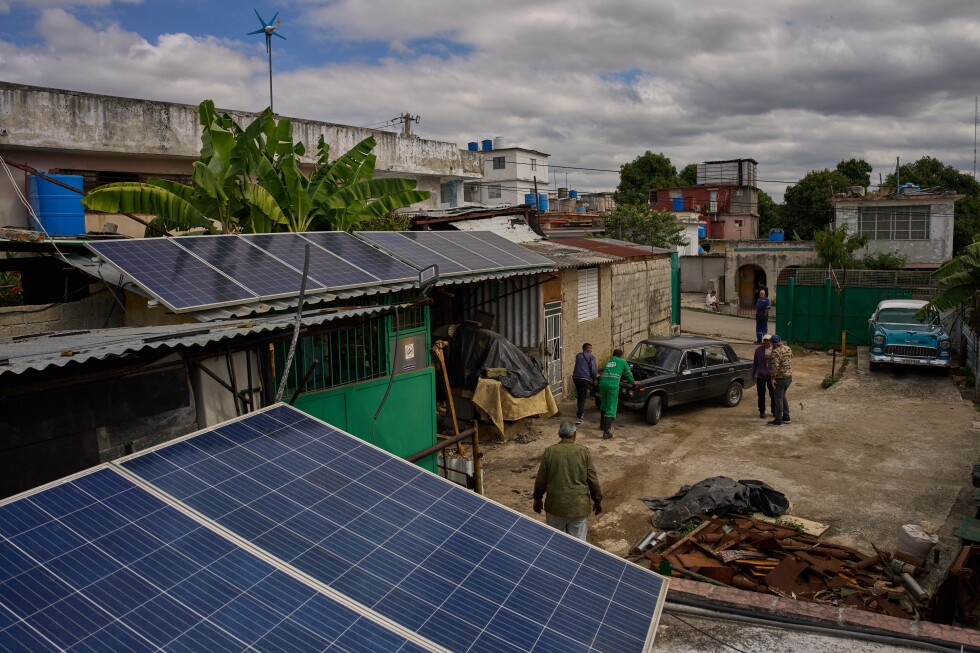
    Across the island, a quiet revolution in self-reliance is underway. Urban residents are installing solar energy systems, rural communities are returning to subsistence farming, and many are consciously adopting simpler technologies that bypass petroleum dependencies.

    Jose Ángel Méndez Faviel exemplifies this trend, having relocated from central Havana to a farm in Bacuranao to escape the nation’s severe blackouts. “It’s how you survive,” Méndez explained. “It’s best to depend on yourself.” His new agrarian lifestyle enables cooking with firewood and charcoal—impossible in his former darkened city apartment.

    Méndez remains uncertain about President Trump’s specific threats against Cuba but refuses to gamble with his family’s welfare. He has begun stockpiling gasoline, charcoal, and homegrown produce cultivated on his farm. The practical farmer is even considering repurchasing the horse he previously sold, recognizing that “You don’t need fuel for a horse. We need to go back in time.”

    The current crisis compounds existing challenges including chronic blackouts, hyperinflation, and scarcity of basic goods. President Trump’s recent executive order imposing tariffs on nations supplying oil to Cuba has amplified fears of catastrophic economic collapse, with the president himself declaring Cuba “very close to failing.”

    Yet many Cubans dismiss such predictions, particularly those who endured the 1990s “Special Period” following Soviet aid reductions. Yadián Silva, a nurse and classic car driver who has witnessed tourism’s dramatic decline, articulated the prevailing sentiment: “We have problems, and we know we have a lot of problems. But when things happen in Cuba, it’s because people truly feel they should happen. Not because someone from the outside says, ‘do this.’”

    This defiance manifested visibly during recent commemorations for national hero José Martí, where tens of thousands of torch-bearing Cubans, predominantly university students, marched through Havana. Sheyla Ibatao Ruíz, a 21-year-old law student, declared: “We are a dignified people, a people eager to move forward, eager to prosper, who do not believe in threats and are not intimidated by any reprisals from the enemy.”

    Meanwhile, technological innovation flourishes within the constraints. Ángel Eduardo launched “Con Voltage,” a solar installation business, after frustration with studying in darkness hampered his engineering education. Utilizing social media and AI tools like ChatGPT, Eduardo has installed dozens of solar systems across Cuba, experiencing surging demand since Venezuelan oil disruptions began.

    For older entrepreneurs like 62-year-old Niuvis Bueno Zavala, adaptation means exploring new revenue streams for her seaside drink stall. “I’ve never had it this hard,” she confessed, contemplating homemade food sales amid economic blockade.

    The sentiment resonates with retired pilot Pedro Carbonell, who recently waited over two hours for gasoline. “If we don’t have fuel, then we’ll ride bicycles,” he stated, echoing the resilience of the Special Period. “Our wine is bitter. But it’s our wine. And we don’t want anyone from somewhere else coming here and telling us how to drink our wine.”

  • Al Habtoor Motors launches Mitsubishi Destinator 7-seater SUV in the UAE

    Al Habtoor Motors launches Mitsubishi Destinator 7-seater SUV in the UAE

    Al Habtoor Motors, the exclusive UAE distributor for Mitsubishi Motors, has officially launched the all-new Mitsubishi Destinator SUV in the Emirates. The vehicle made its inaugural appearance at a dedicated launch event held at the Al Joud Ballroom within Dubai’s Hilton Al Habtoor City.

    Positioned as a mid-size seven-seater SUV, the Destinator represents a strategic expansion within Mitsubishi’s vehicle lineup. It is engineered specifically to address the growing consumer shift in the UAE automotive market toward vehicles that seamlessly blend urban sophistication with weekend adventure capability.

    Design and Engineering
    The Destinator’s exterior is built upon a design philosophy termed “Gravitas & Dynamism,” aiming to project both a stable, commanding presence and an energetic profile. Its front fascia is dominated by the evolved “Dynamic Shield” grille, which integrates strong horizontal and vertical elements. This is complemented by an innovative honeycomb-patterned inner grille set beneath a transparent acrylic surface. The rear design draws from Mitsubishi’s heritage, featuring the “Hexaguard Horizon” concept. Rugged styling cues are emphasized by pronounced front and rear skid plates, 18-inch wheels, and distinctive T-shaped LED lighting.

    Performance and Capability
    Under the hood, the SUV is powered by a high-efficiency 1.5-litre MIVEC Turbo engine, designed to deliver responsive performance and robust torque. This is paired with a Continuously Variable Transmission (CVT) tuned for smooth power delivery across diverse driving conditions. A key feature for regional adaptability is the inclusion of five selectable drive modes: NORMAL, GRAVEL, TARMAC, WET, and MUD. With a class-leading ground clearance of 214 millimeters and optimized approach, break-over, and departure angles, the Destinator is positioned as a confident performer on both city roads and varied terrain.

    Interior and Technology
    The cabin is crafted as a spacious, high-quality environment focused on family comfort and shared experiences. It is equipped with a monolithic display integrating a 12.3-inch Smartphone-link Display Audio (SDA) system and an 8-inch Digital Driver Display, offering standard Apple CarPlay and Android Auto connectivity. A notable first for Mitsubishi is the inclusion of a 64-colour ambient lighting system, controllable via the central screen. Premium comfort is further enhanced by a panoramic sunroof, dual-zone automatic climate control, and a bespoke console tray with wireless charging.
    For acoustic excellence, the vehicle features a Dynamic Sound Yamaha Premium audio system with an eight-speaker setup, fine-tuned by a Yamaha “sound meister” and offering four optimized sound modes. Practicality is addressed with generous storage solutions, including seatback tables, multiple USB ports (Type A and C) for all three rows, and significant cargo capacity that remains functional even with all seven seats in use.

    Market Positioning and Availability
    Ahmed Khalaf Al Habtoor, CEO of Al Habtoor Motors, stated that the Destinator’s launch responds to a clear market evolution. He highlighted increasing customer demand for mid-size SUVs that deliver advanced technology, genuine space, and everyday versatility without the compromises of larger vehicles. The Destinator is now available at Al Habtoor Motors showrooms across the UAE, offered in a palette of six monotone exterior colours including Quartz White Pearl, Blade Silver Metallic, and Lunar Blue Mica.

  • CCG conducts patrols around Huangyan Island and its surrounding waters

    CCG conducts patrols around Huangyan Island and its surrounding waters

    The China Coast Guard (CCG) has reinforced its maritime law enforcement operations throughout January in the waters surrounding Huangyan Island and adjacent areas, according to an official statement released Friday. The patrols represent China’s latest effort to assert territorial sovereignty and maintain maritime order in the region.

    The comprehensive operations have focused on regulating vessels engaged in unlawful activities and addressing provocations through strict legal channels. Beyond sovereignty enforcement, the CCG has simultaneously conducted search and rescue missions within China’s jurisdictional waters, successfully rescuing Filipino crew members during emergency operations.

    These dual-purpose patrols demonstrate China’s commitment to both territorial integrity and regional maritime safety. The coordinated efforts balance assertive sovereignty protection with humanitarian responsibilities, creating a multifaceted approach to maritime governance. The CCG’s statement emphasized that these operations would continue to safeguard national rights while promoting safety and order in the contested waters.

    The enhanced patrols occur amid ongoing regional tensions, though the CCG’s humanitarian actions highlight China’s dual role as both sovereignty enforcer and regional safety provider. This development represents the latest chapter in the complex maritime dynamics of the South China Sea region.