博客

  • Iran will not negotiate under threat: Iranian FM

    Iran will not negotiate under threat: Iranian FM

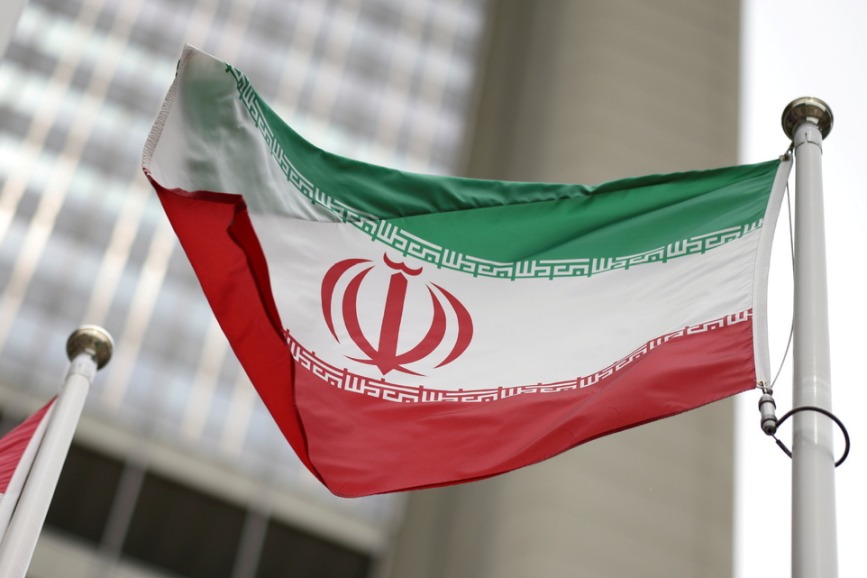
    Iranian Foreign Minister Seyed Abbas Araghchi delivered a firm stance on diplomatic engagement during his appearance in Istanbul on Friday, asserting that while Tehran remains open to dialogue, it will not enter negotiations while facing external threats.

    Addressing international relations in the region, Araghchi clarified Iran’s position: “The Islamic Republic has no inherent objection to diplomatic discussions and actively seeks peaceful resolution through dialogue. However, the foundation of any meaningful negotiation must be built on mutual respect and sovereign equality, not under the shadow of ultimatums or coercive measures.”

    The minister’s remarks come amid ongoing regional tensions and reflect Tehran’s consistent foreign policy approach that prioritizes national dignity in international dealings. Araphchi’s statement reinforces Iran’s long-standing position that productive diplomacy cannot occur when one party attempts to dictate terms through pressure tactics.

    This declaration from a senior Iranian diplomat signals the country’s continued resistance to what it perceives as Western attempts to force concessions through economic and political pressure. The Istanbul appearance provided a significant platform for Iran to communicate its diplomatic red lines to the international community.

    The foreign minister’s comments arrive at a time of complex geopolitical dynamics in the Middle East, where multiple nations are navigating delicate power balances and alliance structures. Iran’s insistence on threat-free negotiations establishes clear parameters for any future diplomatic engagements with Western powers.

  • A language course is reviving Moroccan Jewish culture and bridging Middle East divide

    A language course is reviving Moroccan Jewish culture and bridging Middle East divide

    Fez, Morocco — Dr. Yona Elfassi, a 37-year-old sociologist and anthropologist of Moroccan Jewish heritage, has transformed his academic research into a groundbreaking cultural preservation movement. Growing up in the historically rich city of Fez—a ninth-century center of learning that produced intellectual giants like philosopher Ibn Rushd and physician Maimonides—Elfassi was immersed in a multicultural tapestry of Jewish, Arab, Amazigh, Spanish, and French influences.

    This diverse background, where multiple languages and musical traditions coexisted, shaped Elfassi’s worldview. Despite Morocco’s Jewish population dwindling from 5% to approximately 2,500 today (with most of the diaspora in France, Canada, the United States, and Israel), Elfassi returned to his roots through academic pursuit. He earned dual doctorates from Sciences Po Bordeaux and Ben-Gurion University, writing his dissertation on Jewish identity among Moroccan Jews.

    His research evolved into Limud Darija, an innovative educational platform launched post-pandemic that teaches the Moroccan Arabic dialect to diaspora communities. The hybrid program combines Zoom classes with in-person gatherings in Israel, supplemented by music workshops featuring Sephardic liturgical poems and Moroccan pop classics. The initiative has rapidly grown to over 500 active members reconnecting with their heritage through language, stories, and cultural practices.

    Unexpectedly, Elfassi’s work has also attracted Moroccan Muslims through social media outreach, leading to reciprocal language exchange. A dedicated WhatsApp group now teaches Hebrew to Muslim Darija speakers, fostering connections that transcend political divisions. Participants report building relationships based on shared cultural heritage rather than geopolitical debates, effectively humanizing individuals across divides.

    Testimonials from students like Yehudit Levy, a retired Israeli teacher, highlight the profound personal impact: ‘Since learning with Yona, everything comes up—songs, music, food, poetry. I smell Morocco when I am in class.’ Another alumnus, neuroscience researcher Noam Sibony, notes how language learning builds relationships that transcend regional conflicts.

    Academic experts like Dr. Habiba Boumlik of LaGuardia University see parallel preservation efforts in Elfassi’s work and her own advocacy for Tamazight language. Boumlik emphasizes how Darija’s relationship to Judeo-Arabic dialects can enrich modern Moroccan vernacular while creating living connections to heritage beyond grandparents’ generation.

    Elfassi envisions this people-to-people approach as fundamental peacebuilding: ‘Peace will start with people, not decision-makers. It’s two people talking, showing respect for each other’s humanity, even when they disagree.’

  • Trump picks former Federal Reserve governor Kevin Warsh as next chairman

    Trump picks former Federal Reserve governor Kevin Warsh as next chairman

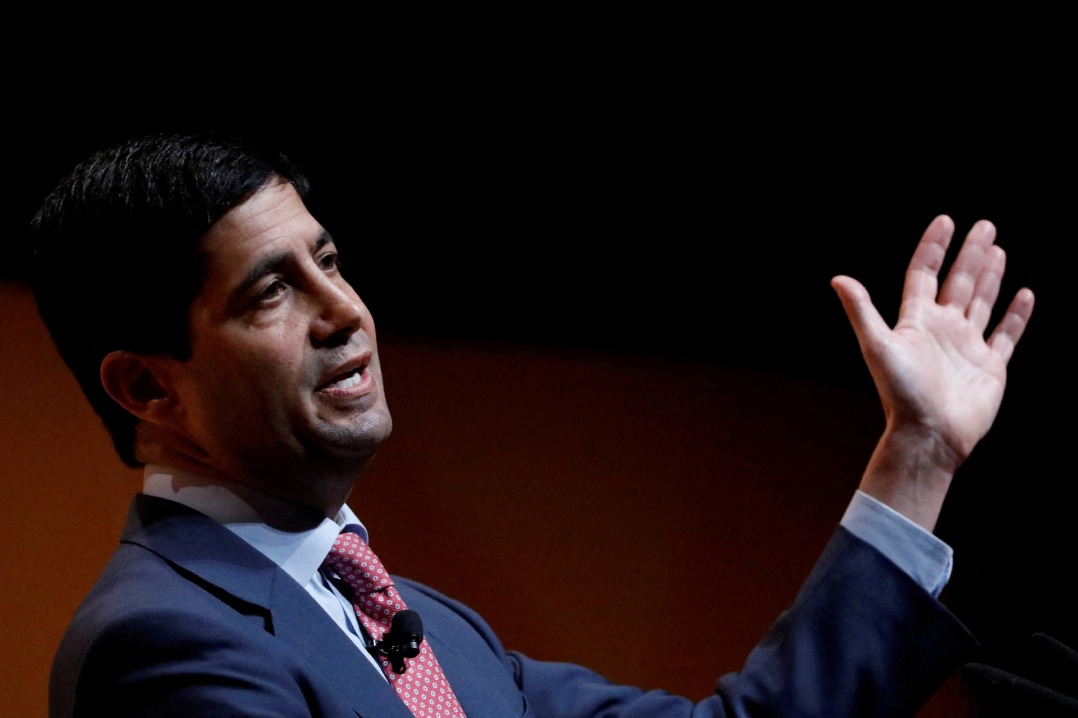
    In a significant move for US monetary policy leadership, former President Donald Trump has officially nominated Kevin Warsh, a former Federal Reserve governor, to assume the role of Chairman of the US central bank. The announcement was made public on Friday, January 30, 2026, through Trump’s Truth Social platform.

    Trump expressed strong confidence in his nominee, stating: ‘I have maintained a long-standing acquaintance with Kevin and possess absolute certainty that his tenure will be recorded among the most distinguished in Federal Reserve history, potentially even the most exceptional.’ The former president further emphasized Warsh’s qualifications by noting his appropriate demeanor for the position, remarking that he embodies ‘central casting’ and is a reliable choice who ‘will never let you down.’

    This nomination occurs against a backdrop of considerable investor anxiety regarding the future direction of US monetary policy. Financial markets have been closely monitoring the selection process, which analysts have characterized as a ‘no-win scenario’ for the eventual appointee due to complex economic challenges awaiting the next Fed leadership.

    Kevin Warsh, who served as a Federal Reserve governor from 2006 to 2011 during the tumultuous period of the global financial crisis, brings substantial experience in economic policymaking to the position. His previous tenure included hands-on management of the central bank’s response to the 2008 economic collapse, providing him with unique insights into crisis management and financial system stabilization.

    The nomination process now moves to congressional confirmation proceedings, where Warsh’s policy positions and approach to monetary policy will undergo thorough scrutiny from lawmakers and financial experts alike.

  • Hunan’s smoked fish and meat arrive in time for Spring Festival

    Hunan’s smoked fish and meat arrive in time for Spring Festival

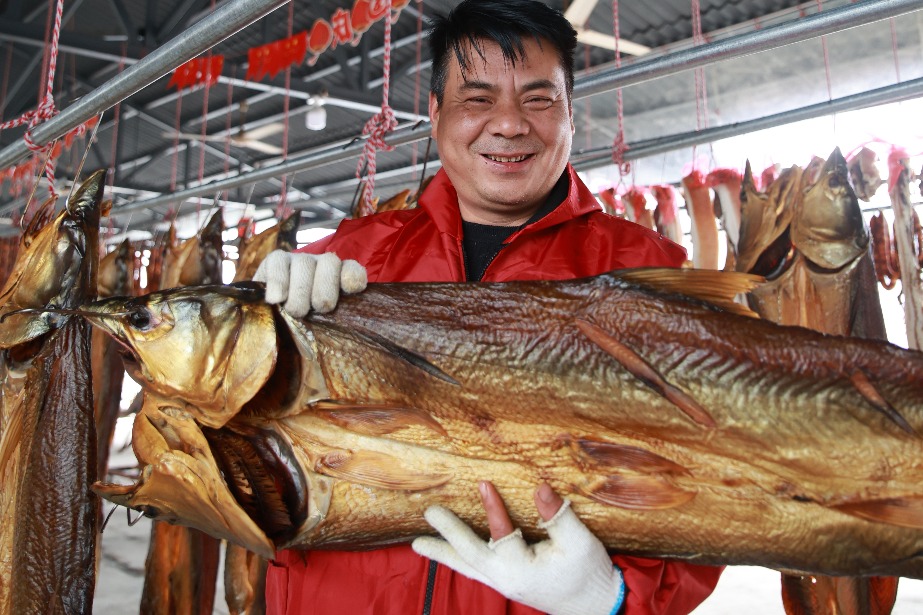
    As the Lunar New Year approaches, the air in Helonghu township of Yueyang, Hunan province becomes infused with the distinctive aroma of traditionally smoked fish and meat. In a region celebrated for its culinary heritage, artisans like 46-year-old Tan Wang are preserving generations-old techniques while meeting contemporary demand.

    For fifteen years, Tan has maintained her family’s craft in a workshop where rows of glistening smoked fish and golden-brown cured meats hang meticulously under natural light. These delicacies, prepared exclusively for Spring Festival consumption, represent both cultural tradition and economic livelihood for this Dongting Lake-adjacent community.

    The production process follows strict seasonal and methodological protocols. Commencing only after the winter solstice, artisans leverage the region’s cold, dry winds to create ideal curing conditions. Each batch undergoes a meticulous 20-day process involving precise salting, air-drying, and smoking with natural ingredients.

    “We exclusively use locally farmed fish, cured immediately after catching to preserve freshness,” Tan explained to regional media. The purification process employs only salt and baijiu (traditional Chinese liquor), deliberately avoiding modern additives or preservatives.

    Her husband Kuai Chao emphasizes the unchanging nature of their recipe: “Our smoking technique has remained identical across generations. This consistency produces the authentic color and flavor that defines our products.”

    The tradition has evolved into a significant local industry, with Helonghu township hosting nearly a thousand specialized smokehouses. Collective annual output surpasses two million kilograms, generating approximately 200 million yuan ($28.8 million) in economic value.

    Despite deep roots in tradition, producers like Tan are looking toward modernization. She expresses ambition to expand product varieties and develop online sales channels, hoping to share this cultural taste with broader audiences while maintaining artisanal integrity.

  • Trump nominates Kevin Warsh as next Fed chair

    Trump nominates Kevin Warsh as next Fed chair

    WASHINGTON – In a significant move for US monetary policy, President Donald Trump revealed his intention on Friday to nominate Kevin Warsh, a former Federal Reserve governor with extensive financial market experience, to lead the nation’s central bank. The announcement positions Warsh as the potential successor to current Fed Chair Janet Yellen, whose term concludes in early 2018.

    Warsh, who served as a Fed governor from 2006 to 2011 during the tumultuous period of the global financial crisis, brings substantial Wall Street expertise to the role. Prior to his previous tenure at the Federal Reserve, he worked as a special assistant to the president for economic policy and served as a key advisor on strategic planning.

    The nomination comes at a critical juncture for American monetary policy as the Federal Reserve navigates the complex process of unwinding its massive $4.5 trillion balance sheet while continuing to normalize interest rates. Warsh’s background in both governmental financial policy and private sector economics positions him uniquely to address these challenges.

    Market analysts immediately began assessing the potential implications of Warsh’s leadership style, noting his historical tendency toward more hawkish positions on monetary policy compared to the current chair. His nomination signals a potential shift in the Fed’s approach to regulatory matters and monetary normalization pace.

    The selection process involved several prominent candidates, including current Chair Yellen, who Trump praised despite ultimately selecting Warsh. The nomination now moves to the Senate for confirmation, where Warsh’s previous confirmation experience suggests a potentially smoother process than some presidential appointments have faced.

  • Turkey FM calls on US, Iran to come to negotiating table, says talks are ‘vital’

    Turkey FM calls on US, Iran to come to negotiating table, says talks are ‘vital’

    Turkish Foreign Minister Hakan Fidan has issued a compelling appeal for renewed diplomatic engagement between the United States and Iran during a high-level meeting with Iranian counterpart Abbas Araqchi in Istanbul on Friday. The top diplomat emphasized the critical importance of restarting nuclear negotiations between the two nations to alleviate mounting regional tensions.

    Fidan articulated Turkey’s firm opposition to foreign intervention in Iran while specifically addressing concerns about potential military action. The minister revealed intelligence indicating Israeli efforts to persuade Washington to launch strikes against Iranian facilities, warning that such actions would inflict ‘great harm’ on an already fragile region.

    ‘We observe Israel actively lobbying the US administration to authorize military operations against Iran,’ Fidan stated during a joint press conference. ‘We strongly hope American leadership will exercise prudent judgment and prevent this dangerous escalation from materializing.’

    The diplomatic intervention comes amid heightened tensions in the Middle East, with Turkey positioning itself as a regional mediator advocating for peaceful conflict resolution. Fidan’s remarks underscore Ankara’s strategic interest in stabilizing the region and preventing further military confrontations that could disrupt regional security and economic stability.

    This development follows recent cross-border attacks between Iran and Israel, and increasing international concern about Iran’s nuclear program. Turkey’s mediation attempt represents a significant diplomatic initiative to bridge the gap between the longstanding adversaries through dialogue rather than military action.

  • International arrivals to Guizhou skyrocket after visa-free policies

    International arrivals to Guizhou skyrocket after visa-free policies

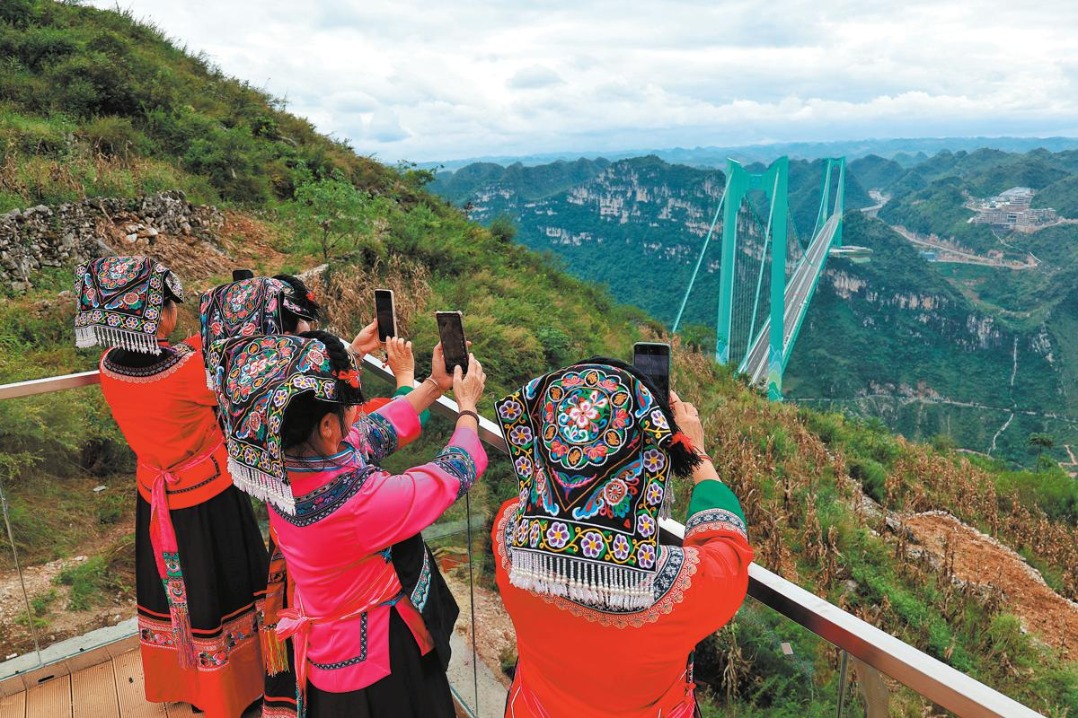
    Southwest China’s Guizhou province has experienced an extraordinary tourism boom, with international arrivals skyrocketing by 267% year-on-year throughout 2025. This remarkable growth has been primarily fueled by China’s expanded visa-free entry policies and the restoration of international air connectivity following pandemic-era restrictions.

    According to official data released by the Guizhou provincial border inspection authority, the region recorded over 74,000 foreign entries during this period. Notably, more than 29,000 of these arrivals utilized visa-exempt channels, representing a staggering 275% increase compared to the previous year.

    Yang Yujie, a representative from the Guizhou border inspection authority, identified tourism, academic pursuits, and business engagements as the primary motivations for international visitors. “We’re observing distinct patterns in travel demographics, with senior travelers, family vacation packages, and short-duration excursions emerging as dominant trends in cross-border tourism,” Yang noted.

    The statistical breakdown reveals particularly impressive growth from South Korea. During the 14-month policy implementation period beginning November 2024, Guiyang Airport welcomed over 2,000 South Korean visitors—accounting for approximately 6% of all foreign entries and marking a 46-fold increase compared to the same timeframe in the previous period. Tourism purposes motivated more than 80% of these South Korean arrivals.

    Enhanced aviation infrastructure has significantly contributed to this tourism surge. Guiyang expanded its international network in 2025 by launching two direct routes to South Korea (Incheon and Cheongju), bringing its total international passenger routes connecting to East, Southeast, and South Asia to 15 destinations.

    To accommodate the substantial increase in passenger volume, Guizhou’s border control authorities have implemented streamlined processing measures including fast-track clearance authorization systems and digital platforms for pre-submission of foreign entry vehicle documentation.

  • Doctors Without Borders: Sudan’s el-Fasher largely destroyed and empty

    Doctors Without Borders: Sudan’s el-Fasher largely destroyed and empty

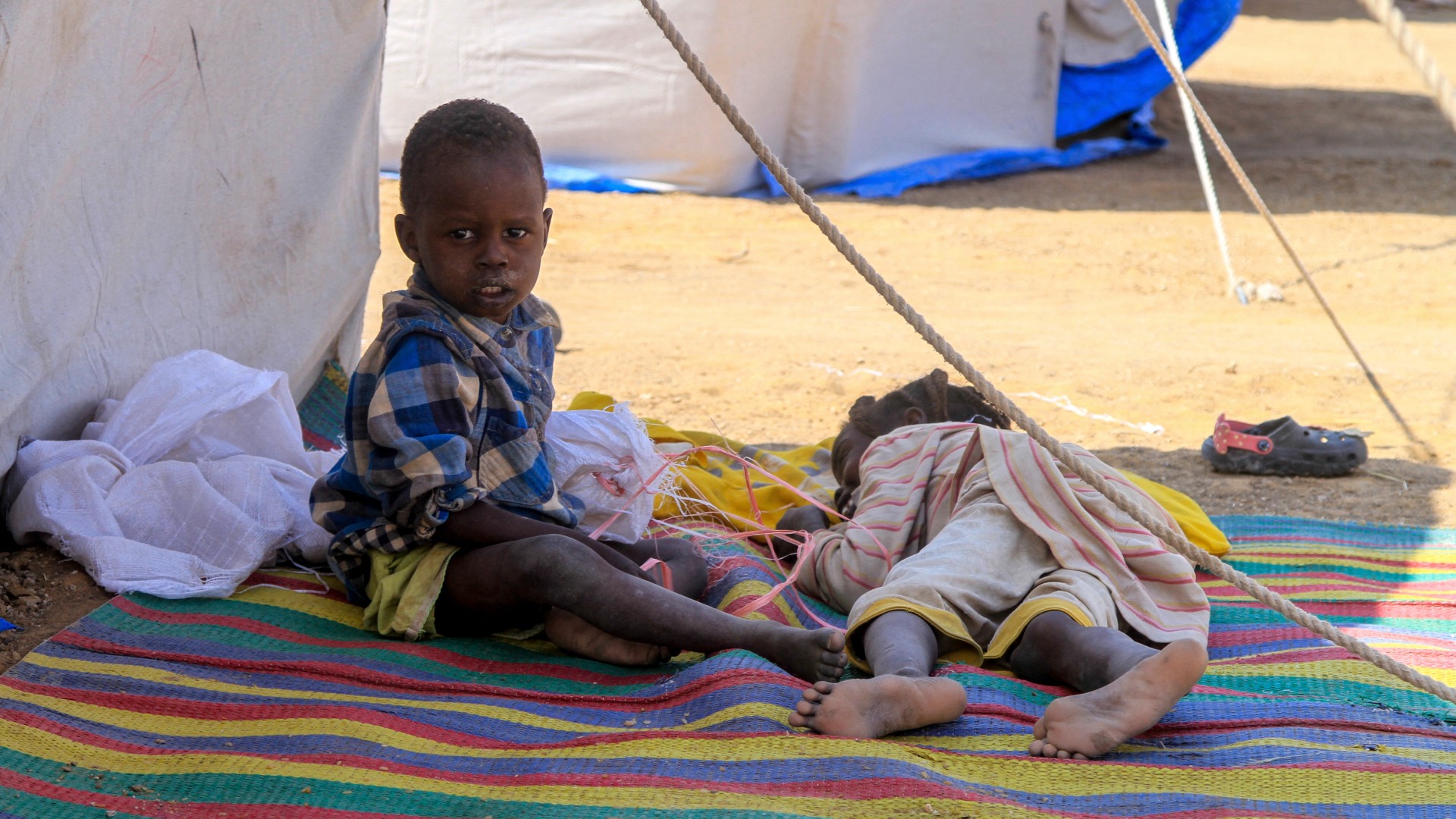
    The city of el-Fasher in Sudan’s North Darfur region has been rendered a desolate wasteland, according to Médecins Sans Frontières (MSF), which gained rare access to the area for the first time since February 2025. During a four-hour assessment on January 15, MSF personnel witnessed extensive devastation throughout the regional capital, characterizing it as ‘largely destroyed’ and ’emptied of the communities that once inhabited it.’

    The humanitarian organization reported that the city now resembles a ghost town, with minimal civilian presence remaining after the paramilitary Rapid Support Forces (RSF) captured the strategic location in October following a 550-day siege. Although MSF described the visit as too brief for comprehensive evaluation, it provided alarming evidence of the massive scale of destruction and population displacement that occurred during the military takeover.

    Survivors who managed to escape el-Fasher have provided harrowing accounts to various media and humanitarian organizations, detailing widespread atrocities including systematic massacres, mass rape incidents, and extensive looting perpetrated by RSF forces. Middle East Eye has corroborated these reports through analysis of footage showing RSF fighters specifically targeting civilians attempting to flee the conflict zone.

    The human cost of the siege has been catastrophic. Prior to the RSF offensive, approximately 260,000 residents were trapped within the city under siege conditions. Current estimates from the UN’s World Food Programme suggest between 70,000 to 100,000 individuals may remain trapped within the devastated urban center. The Yale Humanitarian Research Lab has further estimated that the RSF disposed of tens of thousands of bodies through burning or burial following their seizure of the city.

    Meanwhile, the conflict continues to expand geographically, with RSF recently launching new offensives in Sudan’s Blue Nile state, even as the Sudanese Armed Forces managed to break a two-year siege on the southern city of Dilling. The broader national conflict, which erupted in April 2023 over disputes regarding the integration of RSF into the regular military, has reportedly resulted in over 150,000 fatalities and displaced approximately 14 million people nationwide.

  • US military destroyer docks at Israel’s Eilat port, Israeli media reports

    US military destroyer docks at Israel’s Eilat port, Israeli media reports

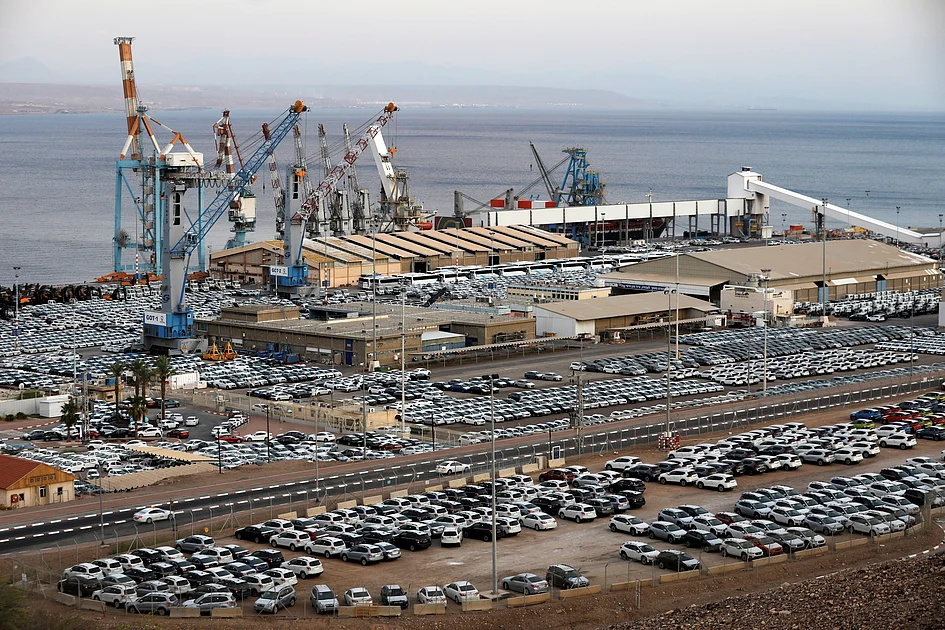
    In a significant military deployment amid heightened regional tensions, a United States Navy destroyer has arrived at the Israeli port of Eilat, according to reports from Israel’s Ynet news outlet. The vessel’s positioning on the Gulf of Aqaba places it near Israel’s strategic borders with both Egypt and Jordan.

    Israeli military sources indicated the docking was pre-coordinated as part of ongoing defense cooperation between the two allied nations, though both US Naval command and Israeli defense forces declined official commentary when approached by Reuters.

    The naval deployment coincides with contradictory signals from the Trump administration regarding Iran policy. While President Donald Trump has expressed openness to diplomatic engagement with Tehran, his administration has simultaneously bolstered military presence throughout the Middle East region.

    A US defense official, speaking on condition of anonymity due to security concerns, emphasized that operational details remain classified to ensure personnel safety. Pentagon representative Pete Hegseth affirmed military readiness to execute whatever actions the commander-in-chief might order.

    The strategic maneuvering occurs against a backdrop of escalating rhetoric. Trump has demanded Iran return to negotiations concerning its nuclear program under threat of “far harsher US action,” while Iranian leadership has vowed retaliation against American, Israeli, and allied targets if provoked. The President previously referenced an approaching “armada” destined for Iranian waters while simultaneously expressing hope that military force wouldn’t be necessary.

  • World creeps closer to eradicating human Guinea worm cases, with just 10 last year: Carter Center

    World creeps closer to eradicating human Guinea worm cases, with just 10 last year: Carter Center

    ATLANTA — The global campaign against Guinea worm disease has reached a pivotal milestone, with only 10 human infections reported worldwide in 2025—the lowest figure in recorded history. The Carter Center announced this breakthrough achievement on Friday, marking significant progress toward the ultimate goal of complete eradication.

    This development arrives just over a year after the passing of former U.S. President Jimmy Carter, who frequently expressed his aspiration to witness the parasite’s elimination. When the Carter Center initiated its eradication program during the mid-1980s, approximately 3.5 million people across developing nations suffered from Guinea worm infections annually.

    “We continually reflect on President Carter’s enduring legacy and his unwavering commitment to achieving zero cases,” stated Adam Weiss, director of the center’s Guinea worm eradication program. “While these diseases might not dominate global headlines, they represent catastrophic burdens for affected communities. We remain dedicated to fulfilling his mission of alleviating human suffering.”

    Geographically, the 2025 cases were confined to three nations: Chad and Ethiopia each reported four human infections, while South Sudan documented two. Notably, Angola, Cameroon, Central African Republic, and Mali maintained zero human cases for the second consecutive year—a testament to sustained intervention efforts.

    However, animal infections present ongoing challenges. Although Chad reported a 47% reduction in animal cases (down to 147 from previous highs), Cameroon documented 445 infections, Angola 70, Mali 17, South Sudan 3, and Ethiopia 1. This animal reservoir complicates eradication timelines, as infected animals can reintroduce the parasite into water sources.

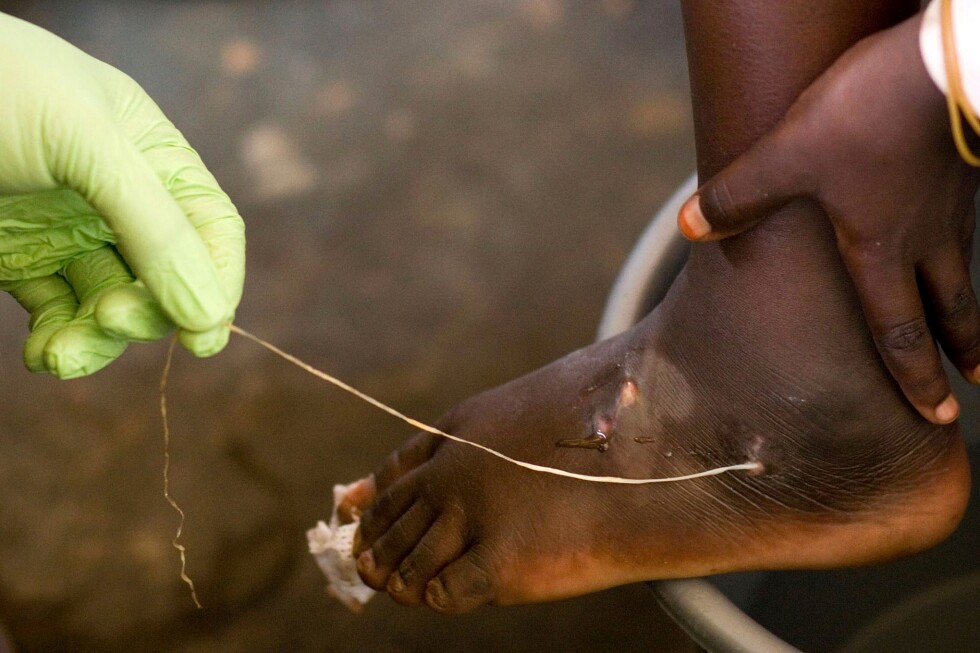
    Guinea worm disease manifests when individuals consume water contaminated with larvae. The parasite matures internally, growing up to one meter in length before emerging through painful blisters. Victims often seek relief in water, inadvertently releasing new larvae and perpetuating transmission cycles. Animals similarly spread the disease when accessing water sources.

    The Carter Center’s multifaceted approach—conducted alongside WHO and national health ministries—includes public education, volunteer training, and water filter distribution. With no medicinal treatment available, current management relies on pain alleviation and preventive behavioral changes.

    Looking forward, researchers are developing diagnostic tests for early detection in both humans and animals. Identifying infections before symptom onset could prevent water contamination, potentially accelerating eradication.

    Despite logistical challenges stemming from reduced U.S. involvement in international health initiatives, field operations continue uninterrupted. If successful, Guinea worm would become only the second human disease eradicated after smallpox, cementing President Carter’s vision of a parasite-free world.