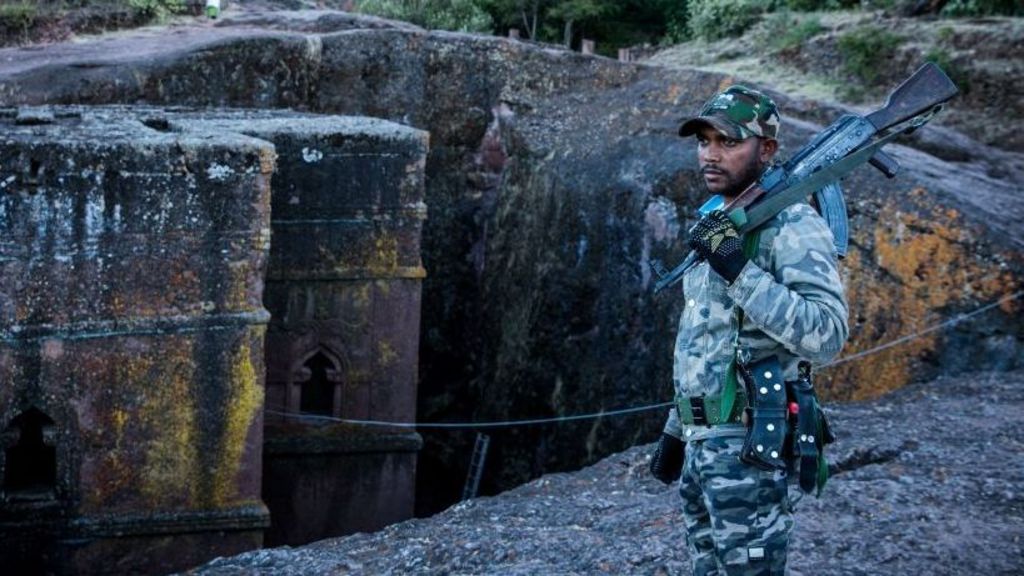
In a significant political shift that has reshaped Ethiopia’s already turbulent domestic landscape, seven separate insurgent factions from different regions of the country have formally revealed the formation of a coordinated new alliance aimed at challenging the sitting government led by Prime Minister Abiy Ahmed. This unification move comes after months of quiet negotiations between faction leaders, each of which has long held distinct grievances against the federal government over issues ranging from regional autonomy to resource allocation and political marginalization. For years, these rebel groups operated independently, carrying out isolated attacks and political actions that rarely posed a coordinated threat to Abiy’s administration. But growing discontent over the central government’s policies, combined with shared goals of pushing for systemic political change, has pushed these once-disparate factions to set aside individual differences and align against their common opponent. Analysts note that this new coalition represents one of the most substantial challenges to Abiy’s government since the end of the two-year Tigray conflict, raising urgent questions about the future of political stability and negotiations in the East African nation. The alliance’s announcement has already sparked international attention, with global powers closely monitoring how the Ethiopian government will respond to this consolidated opposition, and what implications the new bloc could have for peace processes and regional security across the Horn of Africa.
博客
-

Families welcome guilty verdict over Mali crash that killed 116
After more than 12 years of uncertainty and grief for hundreds of bereaved relatives, a Paris criminal court has issued a landmark ruling holding Spanish carrier Swiftair criminally responsible for one of the deadliest aviation disasters of the 2010s. The 2014 crash of Air Algérie flight AH5017, which claimed the lives of all 116 people on board, has finally resulted in a guilty verdict for involuntary manslaughter.
The tragedy unfolded on July 24, 2014, when a McDonnell Douglas MD-83 aircraft — owned by Swiftair, leased to Air Algérie, and operated by a Swiftair crew — crashed in the arid plains of northern Mali while en route from Ouagadougou, the capital of Burkina Faso, to Algiers, Algeria’s main international hub. Eyewitness and meteorological reports confirmed the plane was flying through a severe thunderstorm when it went down, killing passengers and crew from 15 different countries: among the deceased were 54 French citizens, 23 Burkinabè nationals, dozens of Lebanese and Algerian passengers, and all six Spanish crew members.
Years of investigation and legal wrangling uncovered the root causes of the disaster. The court concluded in its Monday ruling that systemic negligence in Swiftair’s crew training programs directly contributed to the fatal chain of errors during the flight. Investigators long established that the flight crew failed to activate the aircraft’s anti-icing system as it passed through stormy conditions, allowing dangerous ice crystals to build up on critical air pressure sensors. This blockage triggered an automatic, uncommanded reduction in engine power that left the plane uncontrollable, leading to the crash in the Sahel region south of the Sahara Desert.
The trial itself only opened in Paris this past March, delayed by years of cross-border legal disputes and procedural hurdles. Spanish prosecutors had previously closed their own investigation into the disaster without filing any criminal charges against the airline or its staff, leaving French courts to take on the prosecution. Swiftair’s defense team has repeatedly rejected the findings of the French investigation, dismissing the entire case as “a botched job” in court arguments. Following Monday’s guilty verdict, the company now has 10 days to file an appeal against the ruling.
The court handed down the maximum possible penalty permitted under French law: a €225,000 fine (equivalent to roughly $256,000 or £193,000). The court also ruled that Swiftair must cover all legal costs accrued by the prosecution and civil parties in the case, which legal representatives say will push total costs far above the base fine amount.
For victim relatives, who have waited more than 12 years for a formal ruling holding a party accountable for the crash, the verdict has brought a long-sought sense of closure. Sandrine Tricot, a leading advocate for victim families who lost her husband Frederic in the crash, called the outcome a profound relief after what she counted as “4,449 days of waiting for the victims’ families.”
Tricot, who heads the French National Federation for Victims of Terrorist Attacks and Collective Accidents — which joined the case as a civil party — spoke to reporters outside the Paris courthouse alongside other bereaved relatives. “The amount of money was never the end goal. We are relieved that justice has finally been delivered,” she said. “No amount of money could bring back our loved ones.” She added that coordinating with families across Algeria and Burkina Faso who also lost loved ones had been a long, difficult process, but she hoped the guilty verdict would bring all bereaved relatives a measure of peace. “The conviction is an important step towards recognising criminal responsibility for the disaster,” she noted.
Nathalie Police, who lost both her 65-year-old father Didier and her 18-year-old half-brother Nicolas in the crash, attended every day of the four-week trial and stood alongside Tricot outside court, also praising the ruling. Sébastien Busy, the lead lawyer representing the vast majority of victim families, echoed that sentiment, calling the guilty verdict a long-overdue relief for all those affected by the tragedy.
-

‘I’ve lost my peace’ – Cape Verde hero Vozinha on newfound fame
It has been months since Cape Verde’s unexpected underdog run at the World Cup turned 40-year-old goalkeeper Vozinha from a little-known professional athlete into a global sports sensation. But in a candid new interview with *The Observer*, the man who anchored one of the most memorable debut runs in modern World Cup history has revealed that sudden fame has come at a steep personal cost — and he would trade his high-profile life today for the quiet anonymity he enjoyed before the tournament.
Vozinha’s rise to global stardom began in June, during Cape Verde’s first ever World Cup group stage match against reigning European champion Spain. Over 90 minutes, the veteran goalkeeper delivered a legendary performance, turning down repeated high-quality chances from Spain’s star-studded attack to secure a shocking 0-0 draw for the tiny West African island nation, which boasts a total population of just 525,000. By the final whistle, his Instagram follower count had exploded from roughly 50,000 to more than one million overnight. His profile grew even larger after Cape Verde forced heavy favorite Argentina into extra time before being eliminated in the round of 32, with Vozinha again turning in a standout performance between the posts. Today, his social media following sits at more than 28 million.
His standout World Cup performances also earned Vozinha a nomination for the prestigious Ballon d’Or Men’s Goalkeeper of the Year award, and secured him a new spot at a Chilean professional club following the tournament. But for the keeper, the perks of fame cannot make up for the loss of the quiet life he once took for granted. “I’ve lost my peace and tranquillity,” he told *The Observer*. “I no longer have any privacy, or at least much less than I used to. Now I go out, I go to a restaurant, and there’s always someone who wants to take a photo with me or asks me for an autograph. Or, worse, someone is filming me. That’s what has changed most in my life, and I don’t think there’s anything I can do about it.”
The ripple effects of Vozinha’s fame have also upended the life of his mother, who became part of the World Cup fairytale after the goalkeeper shared that she could not afford the visa required to travel to the tournament to watch his debut. The public reveal prompted an outpouring of support, and US House Democratic Leader Hakeem Jeffries stepped in to arrange for her visa fee to be waived. Now, however, she receives constant visits from traveling fans who stop by her home asking for photos and conversations, adding another layer of disruption to the family’s daily life.
Vozinha noted that many people dream of achieving widespread fame and public recognition, but most only focus on the positive benefits that come with a public profile. “To be honest, if I were offered the life I have today or the life I had before, I’d choose the one I had before,” he said.
While he has struggled with the loss of privacy, Vozinha remains grounded in the historic achievement he and his Cape Verdean teammates pulled off at the tournament. He emphasized that the World Cup run was a collective team effort, and that he is proud to serve as an ambassador for his small home nation. Looking forward, Vozinha said his greatest hope is that the global momentum generated by Cape Verde’s historic debut can be leveraged to drive long-term development and improve living standards for all people across the island country.
-

US nuclear pact puts Saudi Arabia on path to the bomb
A proposed civilian nuclear cooperation agreement between the United States and Saudi Arabia has become one of the most divisive geopolitical flashpoints of 2026, exposing deep rifts between Washington’s stated nonproliferation goals and Riyadh’s long-term strategic ambitions amid a rapidly shifting Middle Eastern security landscape.
This month, The Washington Post published an exclusive report revealing that a classified U.S. intelligence assessment shared with Congress confirms Saudi Arabia has not closed the door on developing an indigenous nuclear weapons program. The disclosure has amplified bipartisan alarm among U.S. lawmakers over the nuclear pact championed by former President Donald Trump’s administration, which was finalized in July 2026 as part of a broader push to counter growing Chinese and Russian influence in the Persian Gulf region.
Under the terms of the multi-billion-dollar agreement, Saudi Arabia will initially cap uranium enrichment at below 5% — a level standard for civilian energy production — but will be permitted to raise enrichment to 20% in the future without first joining the International Atomic Energy Agency’s (IAEA) Additional Protocol. That framework requires far more intrusive, comprehensive inspections to verify no diversion of nuclear material for military uses.
Democratic members of Congress and leading nonproliferation experts have roundly criticized the terms, warning the agreement creates an unobstructed pathway for Saudi Arabia to produce weapons-grade fissile material. Critics warn this could trigger a regional nuclear proliferation spiral at a moment when tensions with Iran are already at breaking point following the outbreak of war between Iran and Israel in February 2026. Opponents have also raised allegations of conflicts of interest, pointing to ties between senior Trump administration associates, U.S. nuclear contractor Westinghouse Electric, and Trump’s senior adviser and son-in-law Jared Kushner.
While the U.S. State Department has defended the pact, arguing it upholds pragmatic nonproliferation standards, and Saudi Arabia has repeatedly insisted its nuclear program is exclusively for peaceful civilian energy use, congressional opponents have moved quickly to mobilize legislation to block the deal during a mandatory 90-day statutory review period. Political analysts widely expect any blocking measure to face a presidential veto, leaving its fate uncertain.
The roots of the current standoff stretch back years, long before the 2026 Iran war began. Saudi Crown Prince Mohammed bin Salman has openly stated for years that the kingdom will move quickly to acquire its own nuclear weapons if Iran successfully develops a nuclear device, a stance that has only hardened amid the ongoing regional conflict.
Consistent with this posture, Saudi Arabia has systematically leveraged U.S.-brokered normalization talks with Israel to secure permission for domestic uranium enrichment capabilities, even as it has developed Chinese-backed ballistic missile infrastructure. Riyadh has also openly warned Washington that it will turn to Beijing and Moscow for nuclear cooperation if the U.S. insists on strict nonproliferation safeguards.
This has left Saudi Arabia pursuing a deliberate dual-track hedging strategy: developing civilian nuclear energy while retaining the latent capacity to quickly build a nuclear weapon, a approach reinforced by Iran’s own steady progress toward weapons-grade uranium enrichment. While international sanctions and Saudi Arabia’s reliance on the U.S. security umbrella have deterred an immediate push for a nuclear weapon, the kingdom has retained all the technical infrastructure needed to accelerate production if it chooses.
The technical terms of the July 2026 agreement explicitly accommodate this latent capability. As nonproliferation analysts David Albright and Sarah Burkhard explained in an April 2026 report for the Institute of Science and International Security (ISIS), while 20% enriched uranium is not pure enough for a functional nuclear weapon, it is a critical stepping stone. Reaching the 20% threshold completes roughly 90% of the enrichment work required to produce 90% weapons-grade uranium. Albright and Burkhard note that just 200 kilograms of 20% enriched uranium can be quickly processed into the 25 kilograms of weapons-grade material needed for a single nuclear bomb. By allowing Saudi Arabia to reach this threshold without mandatory enhanced IAEA inspections, the agreement dramatically shortens the kingdom’s hypothetical “breakout window” to build a bomb, all under the cover of legitimate commercial energy development.
The February 2026 outbreak of full-scale war between Israel and Iran has already upended the core assumptions that shaped Saudi Arabia’s nuclear strategy, analysts note. In a July 2026 analysis for the Center for Strategic and International Studies (CSIS), researchers Michael Ratney and Abdullah Alhenaki argue that the war began without meaningful consultation from the U.S. — Saudi Arabia’s primary security guarantor — which completely reshaped Riyadh’s risk calculations. The conflict has turned the kingdom into a potential target for Iranian retaliation because of its ties to Washington and Israel, creating new vulnerabilities that did not exist when the original nuclear framework was negotiated. While heightened threats have reinforced Saudi Arabia’s reliance on U.S. air defense systems, Ratney and Alhenaki note that alignment with Israel’s war goals has magnified security risks for the kingdom without delivering any corresponding strategic benefits. When combined with Israel’s outright rejection of Palestinian statehood, the war has gutted the core rationale for Saudi diplomatic recognition of Israel, taking normalization off the table for the foreseeable future. This diplomatic stalemate has only pushed Riyadh to accelerate its efforts to diversify its foreign and security partnerships beyond Washington.
As Jean-François Seznec, a Middle East energy and geopolitics expert, argued in a September 2026 article for Responsible Statecraft, Saudi Arabia has grown increasingly frustrated with the U.S. habit of linking civilian nuclear cooperation to progress on Israeli normalization. In response, Riyadh has moved to build out an alternative security architecture, including the newly signed Mecca Agreement, a mutual defense pact with Pakistan and Turkey, alongside deeper strategic and economic ties with China.
China’s existing role in Saudi Arabia’s nuclear program is already well-documented. In August 2020, The Wall Street Journal reported that Riyadh had built an undisclosed uranium yellowcake extraction facility with technical assistance from Chinese state-owned nuclear firms, China National Nuclear Corp. and China Nuclear Engineering Group Corp., located near the northwestern city of Al Ula. The Saudi Energy Ministry has repeatedly denied the facility exists.
Faced with the reality that Saudi Arabia is already hedging toward China for nuclear and security cooperation, the Trump administration appears to have rewritten long-standing U.S. nonproliferation policy to retain influence in the kingdom. As Yoel Guzansky and Eldad Shavit argued in a July 2026 analysis for the Institute of National Security Studies (INSS), Washington has deliberately shifted its approach from preventing proliferation to managing long-term risk, using civilian nuclear cooperation as a tool to lock Saudi Arabia into the U.S. strategic orbit. Instead of insisting Riyadh abandon domestic fuel cycle capabilities — a demand that would almost certainly push Riyadh fully into the arms of Chinese and Russian nuclear suppliers — the U.S. is seeking to build decades-long institutional dependence through fuel supplies, technology transfers, workforce training and regulatory oversight. By positioning itself as the primary supplier and standard-setter for Saudi Arabia’s entire nuclear infrastructure, the U.S. retains critical transparency, operational leverage and inspection oversight to monitor any deviation from peaceful uses, counter geopolitical drift away from Washington and limit the risk of a sudden breakout to a nuclear weapon.
Despite this calculated strategic gamble, analysts warn the agreement carries severe structural risks for the entire Middle East. In a September 2026 analysis for the Observer Research Foundation (ORF), Cauvery Ganapathy argues that the U.S.-Saudi pact, which grants Riyadh a path to enrichment without standard IAEA Additional Protocol safeguards, is a clear example of strategic exceptionalism driven by great power competition. Ganapathy notes the deal exposes a stark double standard in U.S. policy, contrasting the loose terms for Saudi Arabia with the harsh scrutiny and sanctions imposed on Iran over its own nuclear program. She notes the concessions are strictly a product of U.S. national interest: Washington is willing to compromise on nonproliferation to counter Chinese influence, maintain long-term alignment with Riyadh, and pressure Saudi Arabia to resume normalization talks with Israel.
Most critically, Ganapathy warns that by waiving the requirement for Additional Protocol inspections, the U.S. could prompt other regional powers, most notably the United Arab Emirates, to demand renegotiation of their own 2009 “Gold Standard” nuclear agreements that explicitly ban domestic enrichment. By trading long-held nonproliferation principles for short-term transactional strategic influence, the U.S. risks triggering the very regional nuclear arms race it claims to be preventing. Far from locking Saudi Arabia into the U.S. orbit, the agreement allows Riyadh to leverage U.S. nuclear technology, Chinese diplomatic and military support, and the unstable regional security environment to build a sovereign nuclear weapons hedge that it can activate if its security needs change. In the long run, the pact could transform the Middle East from a region of managed nuclear deterrence into a volatile multipolar nuclear threshold zone, where regional powers set and pursue their own unrestricted nuclear agendas.
-
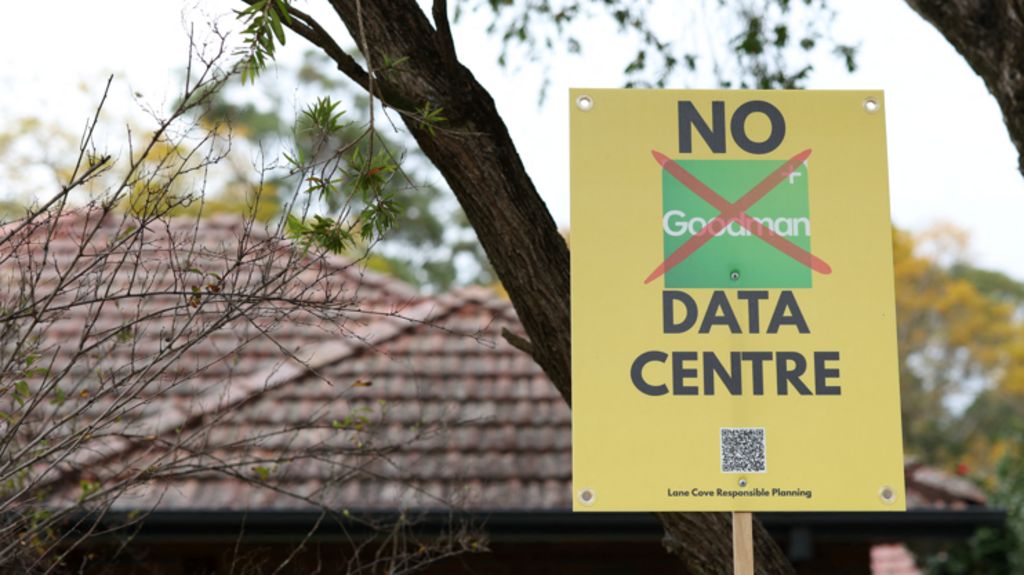
Plan for controversial Sydney data centre scrapped after push-back
A proposed A$1.2 billion ($841 million) data centre development just meters from residential homes in Sydney’s Lane Cove suburb has been officially canceled, after months of coordinated pushback from local residents and advocacy groups. The project, codenamed Project Mars, was spearheaded by Australia’s largest property firm Goodman Group, which had planned to build a 90-megawatt facility just 20 meters from the nearest occupied home.
Goodman Group confirmed its withdrawal of the development application in an official letter addressed to the New South Wales Department of Planning, marking a major victory for local community organizers who had rallied against the proposal since planning kicked off in early 2025. The controversial project drew widespread public pushback during the official consultation period: of the 374 public submissions received, only nine expressed support for the build. Local news outlet In the Cove reports this is the largest volume of submissions ever recorded for a data centre development application in the state.
The cancellation of Project Mars lays bare a growing national tension in Australia over the rapid expansion of data centre infrastructure, a boom driven by the global surge in generative AI adoption over the past several years. Australia has emerged as a top global destination for new data centre construction, thanks to its abundant available land, vast clean energy resources, and substantial natural gas reserves. The federal and state governments have actively courted investment from global AI and technology firms seeking to host new infrastructure, positioning the country as a regional hub for AI operations.
Yet the rapid influx of large-scale data centre projects has sparked fierce pushback from local communities across the country. These facilities are notoriously energy and water-intensive, and their construction near residential areas often brings prolonged disruption to daily life, noise pollution, and strain on local utility networks. The Lane Cove dispute has become a high-profile example of this growing friction, as communities push back against unplanned development near populated neighborhoods.
In its statement withdrawing the application, Goodman Group noted that since it began planning in March 2025, it had completed extensive technical studies, held stakeholder talks, and participated in required community consultation. The company added that both shifting policy and regulatory frameworks for large-scale data centre development, and the clear opposition expressed by the local community, led it to the decision to abandon the project.
The withdrawal comes just one month after the New South Wales state government unveiled a new fast-track approval program designed to speed up data centre development. Under the scheme, qualifying projects that meet strict industry standards and commit to funding expanded local water and energy infrastructure will receive planning approval within just 75 days, a move intended to attract more technology investment to the state.
Anthony Roberts, the New South Wales Legislative Assembly member who represents Lane Cove, celebrated the cancellation in a post on the Lane Cove Responsible Planning Group Facebook page, calling the outcome “a huge win for the Lane Cove West community.” He emphasized that the victory sends a clear message to future developers: appropriate site selection and community input are non-negotiable for large-scale projects.
“Data centres have an important role to play, but developments of this size and scale need to be appropriately located and planned with the surrounding community in mind,” Roberts said.
-
Apple ordered to pay $5.7bn after losing vibration tech patent suit
In a high-stakes intellectual property verdict that has sent ripples through the global tech industry, a US jury has ruled that technology giant Apple must pay $5.7 billion (£4.3 billion) in damages to a small audio company whose patented haptic technology the jury found Apple used without proper authorization.
The legal dispute stretches back to 2021, when California-based audio firm Taction Technology filed a lawsuit against Apple, alleging that the tech giant infringed on two patents it held for haptic feedback systems. Haptic technology, which powers the subtle vibrations devices emit to confirm user inputs like receiving a text message or pressing an on-screen button, has become a core feature of modern consumer electronics, integrated seamlessly into smartphones, smartwatches, gaming controllers and other touchscreen devices.
Taction, a manufacturer of specialized headphones and gaming headsets, holds two patents for haptic systems issued in 2020. The company argued in its original complaint that Apple’s incremental upgrades to its own haptic technology, which ships in every iPhone and Apple Watch sold globally, directly infringed on its intellectual property. Taction further claimed that Apple had leveraged the small firm’s innovations to boost its own devices’ user experience, unlawfully capitalizing on Taction’s research and development breakthroughs to drive device sales without permission or licensing.
Apple’s proprietary haptic system, branded the Taptic Engine, made its first public debut alongside the original Apple Watch in 2014. Since that launch, Apple has repeatedly updated and refined the underlying technology to deliver more precise, varied vibration feedback across its product line. The company has repeatedly and firmly denied all infringement allegations, maintaining that its Taptic Engine technology is fundamentally distinct from the systems Taction patented.
The legal process has taken multiple twists over the past five years. In 2023, a San Diego judge initially ruled that Apple had not violated Taction’s patents. But Taction appealed that ruling to a federal appellate circuit, which ordered a new jury trial that opened earlier this September at the U.S. District Court for the Southern District of California. That jury ultimately returned a verdict in Taction’s favor on Friday.
Notably, the jury did not find that Apple’s infringement was willful, a distinction that would have opened the company up to even higher statutory damages. Apple has already announced it plans to appeal the latest verdict, pushing back hard against the jury’s conclusion and the massive damages award.
“While we thank the jury for their consideration, we strongly disagree with today’s verdict and the damages awarded, which are entirely unsupported by the facts,” an Apple spokesperson said in a statement released after the ruling. “Apple’s Taptic Engine is fundamentally different from Taction’s technology, which Taction’s own testing of Apple’s products confirmed during trial.”
This high-profile verdict is just the latest in a string of costly patent infringement lawsuits that Apple has faced in recent years. In November 2025, a judge ordered Apple to pay $634 million in damages to medical technology company Masimo, after a jury found the firm had infringed on Masimo’s patents for blood oxygen monitoring technology that Apple integrated into the Apple Watch line.
Industry analysts note that the size of the $5.7 billion damages award in this case is likely to intensify debates around intellectual property protections in the consumer tech sector, as smaller innovators continue to bring claims against big tech firms that integrate new features into mass-market product lines.
-

Judge imposes £100,000 bail condition on Rwanda genocide accused
Nearly three decades after one of the worst atrocities of the 20th century, the first person to face UK criminal charges linked to the 1994 Rwandan genocide remains behind bars, after a London judge tightened bail conditions and raised the required financial guarantee to £100,000.
Dr. Vincent Brown, 65, a Rwandan-trained medical doctor who previously went by the name Vincent Bajinya and has built a decades-long life and career supporting refugees in the United Kingdom, stands accused of acting as a leader and supervisor of mass violence targeting ethnic Tutsis during the 100-day genocide that killed an estimated 800,000 people, mostly Tutsis alongside politically moderate Hutus. Prosecutors allege he directly participated in, directed, and encouraged the killing of six specific people between April 6 and April 13 1994: Dominique Mukurarinda, Immaculee Mukankusi, Gerasi Rurangirwa, Leandre Mbogoye, Charlotte Kamaguja and Olivier Tuyishime, a young child. Brown has repeatedly and unequivocally denied all charges against him.
The case marks a landmark moment for UK justice, as Brown is the first individual to be formally prosecuted in British courts for crimes connected to the Rwandan genocide. The charges came after a seven-year long investigation by British law enforcement into the alleged offences, and Brown’s arrest brought a long-running probe into alleged Rwandan genocide perpetrators residing in the UK into a new public phase.
At a Monday hearing at London’s Central Criminal Court, the Old Bailey, Judge Mark Lucraft KC granted conditional bail but imposed significantly stricter terms than those set during an earlier preliminary hearing. Most notably, he raised the required surety from the initial £25,000 set by magistrates to £100,000. Under the court’s ruling, Brown will remain in custody until the full £100,000 guarantee is paid to secure his release.
Additional strict conditions attached to the bail grant include an immediate surrender of all passports and national identity documents, a ban on applying for any new international travel documentation, and a mandatory curfew requiring Brown to remain at his Islington, north London home for overnight residence. He is also required to wear an electronic monitoring tag to track his movements and check in with local police every single day, a level of supervision intended to mitigate any risk of flight.
Before leaving Rwanda, Brown built a prominent public health career in the country: he qualified as a doctor in the 1980s and rose to lead the Rwandan Ministry of Health’s Department of Family Health in Kigali, where he lived in a suburban neighborhood with his wife and child. After relocating to the UK, he continued his work in refugee support services: in 2006 he joined Praxis, a London-based charity that provides support to displaced people from conflict zones including Rwanda, and he went on to serve on the UK government’s own Refugee Nurses Task Force, established in 2003 to advise policymakers on refugee health and workforce issues.
Judge Lucraft confirmed that Brown is next scheduled to appear for a further case management hearing at the Old Bailey on October 9. As the court proceedings move forward, British law enforcement continues active investigations into other individuals accused of genocide-related crimes stemming from the 1994 Rwandan atrocities who currently reside in the UK.
-
Mexico’s Pacific coast braces for Hurricane Polo
As Category 3 Hurricane Polo barrels toward Mexico’s northern Pacific coastline, communities across Baja California Sur have been forced into emergency preparations, with authorities closing beaches, shutting down schools, and deploying military resources ahead of the storm’s expected landfall Monday night or early Tuesday.
The National Hurricane Center (NHC), based in the United States, reports the storm carries maximum sustained winds of approximately 115 miles per hour (185 kilometers per hour). Forecasts show the hurricane is on track to pass directly over Baja California Sur, a region renowned for its popular tourist resorts, particularly the high-profile destination of Los Cabos. Polo has been fueled by unusually warm ocean temperatures linked to the El Niño climate pattern, moving gradually toward the Mexican coastline over recent days.
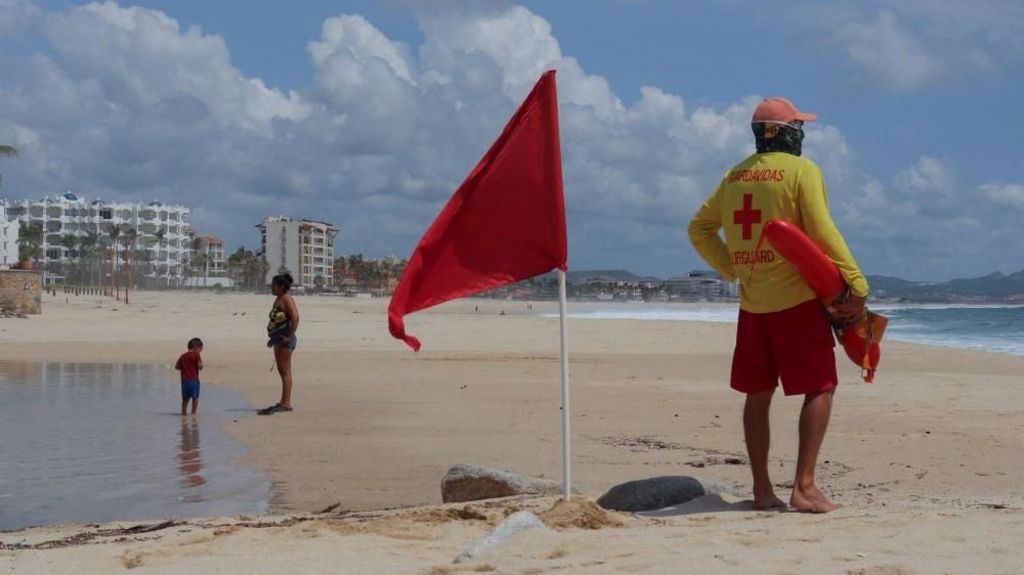
Meteorologists have issued multiple warnings about the potentially catastrophic impacts of the storm. Beyond strong winds, the NHC forecasts intense rainfall that could trigger life-threatening flash floods and mudslides, particularly in the region’s mountainous and steep-terrain areas. The storm is also expected to bring a dangerous storm surge, combined with large, destructive waves that threaten coastal infrastructure and beachfront communities. Lifeguards across Baja California Sur have already raised red warning flags to alert vacationers of the extremely hazardous sea conditions, and local officials in Cabo San Lucas have closed access to all public beaches. Cabo San Lucas, famous for its millennia-old natural rock arch shaped by centuries of wind erosion and tidal activity, is a major hub for sport fishing and whale watching tours; many local businesses, including waterfront restaurants, have already closed their doors in anticipation of the storm’s arrival.
Regional and federal authorities have implemented a wide range of preventive measures to protect residents and visitors. The Baja California Sur regional government ordered all schools to remain closed on Monday as a safety precaution. Governor Víctor Manuel Castro Cosío announced that temporary emergency shelters have been set up across the state to accommodate residents who need to evacuate high-risk areas. At the federal level, Mexican authorities have deployed thousands of army and navy personnel, along with specialized heavy machinery, to support evacuation efforts, emergency response, and post-storm recovery.
On Sunday, as news of the approaching storm spread, local residents rushed to grocery and hardware stores to stock up on essential supplies, including drinking water, non-perishable food, and emergency equipment, as communities braced for what could be one of the most significant hurricanes to impact the region in recent years.
-
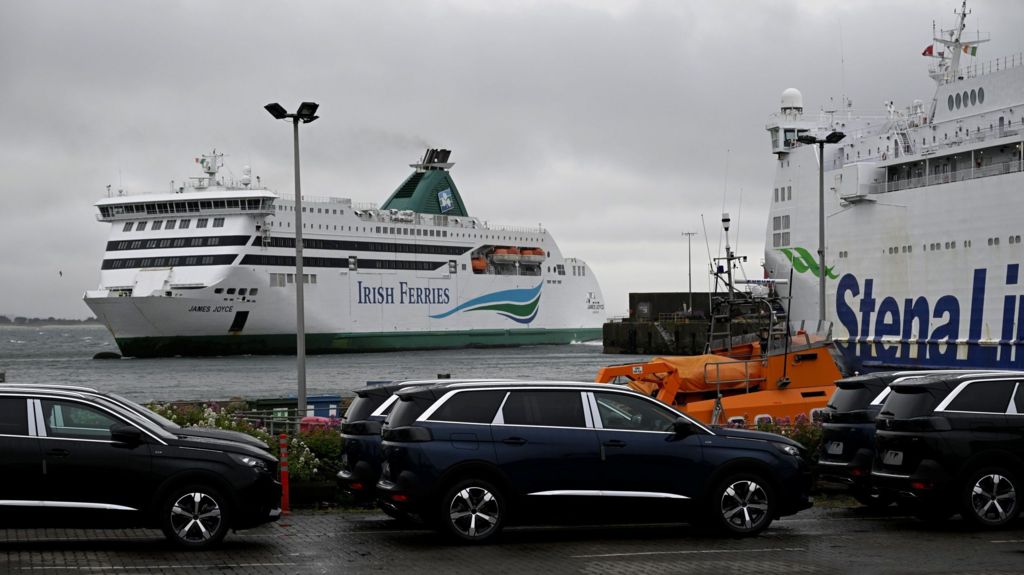
Passports needed for ferry passengers travelling between UK and Ireland
Starting this Monday, all passengers traveling across ferry routes connecting the United Kingdom and the Republic of Ireland will face a new travel requirement: a valid passport must be presented before boarding, bringing an end to years of allowing alternative photo identification for cross-channel trips.
Two of the region’s major ferry operators, Irish Ferries and Stena Line, have confirmed that the regulatory change applies to all major cross-route services between the two nations. For Irish Ferries, the new rule applies in both directions on its two busiest routes: Dublin to Holyhead, and Rosslare to Pembroke. Stena Line, meanwhile, has extended the mandatory passport requirement to all passengers departing from or arriving at its four terminals in Dublin, Holyhead, Fishguard and Rosslare.
Prior to this update, passengers crossing the Irish Sea were permitted to use a range of alternative official photo identification, including national identity cards and UK or Irish driving licences. Both operators have confirmed that these alternative documents will no longer be accepted on the affected routes starting Monday. The shift in policy is not a voluntary decision by the ferry companies, but a mandatory adjustment to bring operations in line with updated regulations issued by UK Border Force.
In an official notice published on its website, Stena Line explained that the new pre-boarding passport check requirement is designed to satisfy UK Border Force’s new standards for the accuracy and integrity of passenger identity data collected before departure. Irish Ferries echoed that the mandatory passport rule applies to all passengers, regardless of whether they hold Irish or British citizenship.
Beyond the new passport requirement, Irish Ferries has also issued an additional reminder for international travelers: non-British and non-Irish citizens planning a short stay of up to six months in the United Kingdom may need to apply for and obtain an Electronic Travel Authorisation (ETA) prior to travel. This digital entry permit grants approval for travel to the UK, as well as the Crown Dependencies of Jersey, Guernsey and the Isle of Man, for stays of up to six months. Notably, both ferry operators confirmed that passport cards, the wallet-sized alternative to full passport booklets offered by some national governments, will still be accepted for travel under the new rules.
-
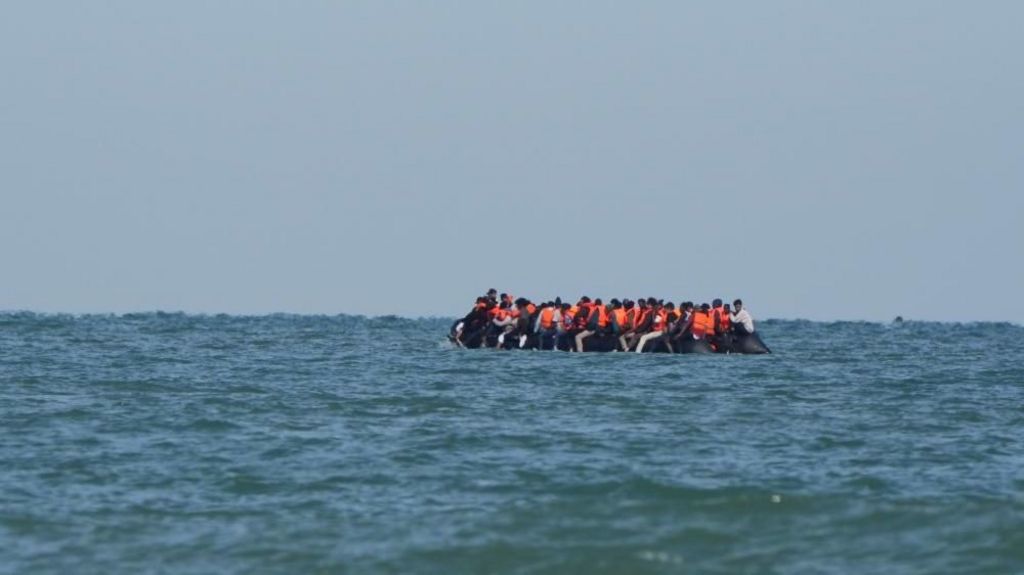
Three dead, including child, in Channel crossing attempt
A devastating migrant crossing incident in the English Channel has claimed three lives, including a 10-year-old child, French regional authorities have confirmed. Two adult women, both aged 30, also lost their lives when the overloaded small vessel carrying migrants encountered serious distress shortly after departing northern France.
The emergency response was triggered after a distress call was received from the boat, which was attempting the dangerous crossing to the United Kingdom from Blériot Plage, a popular beach on the Calais coast. According to official records, the small craft was carrying 105 passengers when it got into trouble early on Monday morning.
The French Maritime Prefecture of the Channel and the North Sea, which oversees maritime search and rescue operations in the region, confirmed that initial emergency care was provided to the three stricken passengers directly on the rescue craft. However, a specialist emergency medical team, airlifted to the scene by helicopter, later officially pronounced all three dead.
All surviving passengers were safely transferred to shore, with rescue vessels completing disembarkation at the Port of Calais later the same morning, according to reports from Agence France-Presse. The tragedy comes amid years of rising irregular migration attempts across the English Channel, which remains one of the world’s busiest shipping lanes and a notoriously dangerous crossing for small, unfit vessels.