博客

  • Struggle over Hormuz and Bab el‑Mandeb straits is centuries old

    Struggle over Hormuz and Bab el‑Mandeb straits is centuries old

    For months, the narrow strategic waterways of the Straits of Hormuz and Bab el-Mandeb have been at the center of escalating global geopolitical tension. These chokepoints control the flow of maritime traffic connecting the Arabian Sea and Red Sea to the Indian Ocean, and through them passes a disproportionately large share of the world’s most critical global trade. Rivalry over these strategic passages is far from new – conflict over control of these waterways has shaped maritime trade and international power dynamics for centuries. Today’s standoff between the United States and Iran is only the most recent chapter in this long history of extra-regional powers attempting to dominate the Middle East via maritime control.

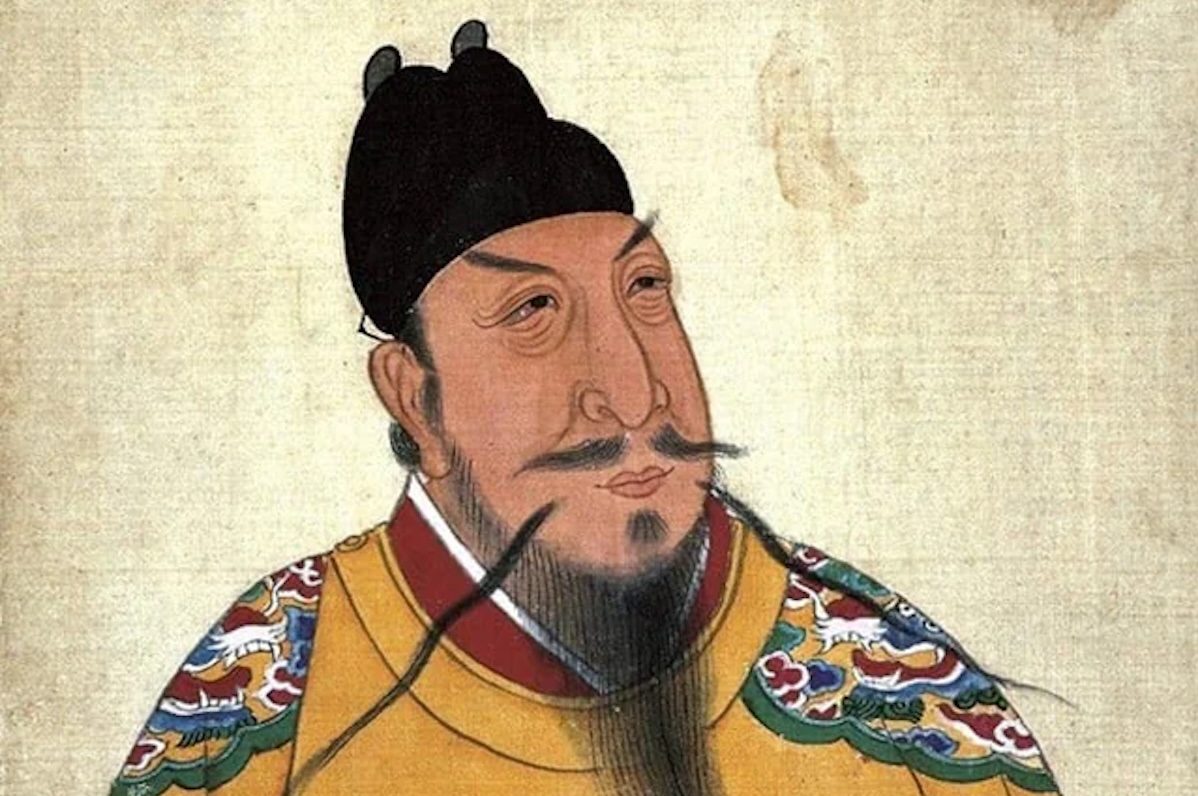
    One of the earliest recorded examples of an extra-regional power projecting influence across the Indian Ocean comes from Ming Dynasty China. In 1405, renowned Chinese admiral, explorer, and diplomat Zheng He launched the first of seven unprecedented voyages into the Indian Ocean. Leading a fleet of over 300 ships, Zheng He reached the trading hub of Hormuz around 1414, before sailing on to Aden in Yemen, passing through the Bab el-Mandeb into the Red Sea.

    Unlike the colonial powers that would follow centuries later, Zheng He’s expeditions did not seek to seize or colonize the straits. Instead, his Pax Sinica established a peaceful and mutually beneficial trading presence, built on displays of naval strength, formal diplomatic engagement, and profitable exchange of gifts. Zheng He integrated into the existing regional trade networks developed by Arab, Persian, Indian, and East African merchants rather than attempting to subvert or control them.

    Even so, Zheng He’s voyages illustrate a consistent historical pattern: overextended maritime power eventually reaches its limits. After the final expedition in the 1430s, changing domestic priorities in the Ming Court led to the abandonment of the voyages, as the imperial court chose to redirect state resources away from naval expansion and maintenance.

    Today, Beijing references Zheng He’s historic voyages to frame its modern relationships with Middle Eastern nations as a continuation of ancient peaceful ties. China positions its contemporary investments in regional infrastructure, energy development, and port projects – such as the deep-water port at Gwadar in Pakistan – as a revival of the pre-modern Silk Road’s inclusive, peaceful trade connections.

    By the 16th century, the growth of global shipping and the arrival of European colonial powers brought a dramatic shift toward violent, coercive control of the straits. Portugal led this new era of aggressive maritime power, revolutionizing naval warfare with heavy cannons mounted on ocean-going caravels. In 1513, Portuguese commander Afonso de Albuquerque launched an attack on Aden in a bid to control access to the Red Sea. The fortified coastal city, protected by steep surrounding terrain, withstood the assault, proving that even overwhelming naval superiority does not guarantee immediate victory on land – a lesson the United States would also learn centuries later. While Portuguese warships could destroy enemy vessels and bombard coastal harbors, controlling the waters off a port did not equate to controlling the territory inland.

    Two years later, in 1515, Albuquerque successfully captured Hormuz. There, he imposed the cartaz system, a mandatory paid permit that all merchants were required to purchase to sail through the Persian Gulf and Indian Ocean. This model of controlling trade through enforced tolls is effectively the same approach Iran has attempted to implement in the region today. The ruins of 16th-century Portuguese forts still stand on Hormuz Island, a tangible reminder of this era of coercive colonial control.

    Portugal’s Pax Lusitana was far more violent than the earlier Chinese presence in the region, and by 1622, a combined force of the Iranian Safavid Dynasty and ships from the English East India Company expelled the Portuguese from Hormuz, reopening the strait to free trade.

    With Portugal ousted, a new period of rivalry began, as Ottoman, Safavid, Omani, Dutch, and English powers competed for influence. This new system was dominated heavily by heavily armed European fleets, working alongside local rulers who retained control over coastal ports and traded goods.

    The Dutch East India Company arrived in the region in 1614, and established a presence at Yemen’s key port of Mokha, backed by heavily armed vessels. Following the expulsion of Portugal, the Dutch secured favorable commercial privileges in 1623, and competed directly with British traders out of Bandar Abbas, the primary Gulf trading hub opposite Hormuz.

    While Britain built its global trade around commodities such as tea, the Dutch came to dominate the global coffee market, which had previously been controlled exclusively by Yemeni merchants based in Mokha. The Dutch broke Yemen’s global coffee monopoly by smuggling Arabica coffee plants out of the region and establishing large-scale plantations on the Indonesian island of Java, demonstrating that control over production and trade networks could shift the balance of maritime power far more effectively than brute military coercion.

    By 1839, Britain had captured Aden, and seized de facto control over the Bab el-Mandeb at the dawn of the Industrial Revolution. The British secured their position through treaties with local rulers and tribal groups in southern Yemen. Aden quickly developed into a critical naval coaling station and global communications hub, connected to Britain’s crown colony in India via undersea telegraph cables. When the Suez Canal opened in 1869, Britain solidified its control over the entire Red Sea shipping route, which offered the fastest maritime passage to India.

    British hegemony in the region was built on steam-powered warships, controlled port infrastructure, diplomatic treaties, and financial loans, sustained through partnerships with local proxy allies along the entire coast from Aden to Kuwait.

    After World War II, the regional balance of power shifted once again. The United States replaced Britain as the dominant external power, building military bases, deploying carrier strike groups, and selling arms in exchange for access to Gulf oil. In 1980, U.S. President Jimmy Carter formally announced what would become known as the Carter Doctrine: any Soviet attempt to seize control of the Persian Gulf would be interpreted as an attack on core American interests, and would be met with military force.

    Forty-five years later, former President Donald Trump effectively dismantled the framework of the Carter Doctrine, even if inadvertently. While U.S. naval vessels remain deployed in the Strait of Hormuz to ostensibly protect freedom of navigation, it was Trump’s 2026 military campaign that initially endangered regional shipping, prompting Iran to retaliate by disrupting Gulf trade routes.

    History offers a clear lesson for contemporary powers: while external maritime hegemony over these straits is possible, it is always temporary. Dominance is fleeting, as ephemeral as the waves that carry naval vessels across the ocean. Ming China abandoned its ocean-going fleets, Portugal lost control of Hormuz, the Dutch shifted their focus to Java, and Britain eventually withdrew from Aden. Hegemonic power collapses when overextension, technological change, and shifting local alliances erode the foundations of control.

    Today, Iran and the Houthi movement, which recently seized the port of Mokha, do not need large aircraft carrier fleets to challenge external dominance. Instead, their arsenal of missiles, naval mines, and drones have driven up the cost of maritime insurance for commercial shipping, effectively weaponizing the risk of operating in these waters. For all its overwhelming naval might, the United States cannot eliminate the agency of local communities and nations that border the Straits of Hormuz and Bab el-Mandeb. Every empire that has attempted to control these chokepoints has eventually learned that seizing a geographic strategic point does not equate to controlling the political will of the people who live in the surrounding region.
  • Trump-Xi summit: What wasn’t said might matter the most

    Trump-Xi summit: What wasn’t said might matter the most

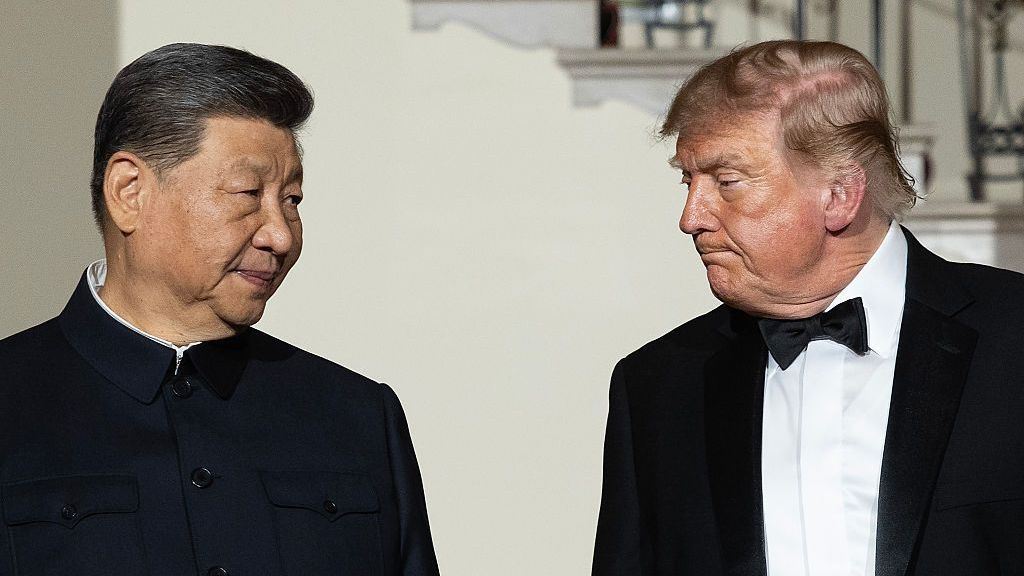
    Weeks after high-stakes talks between Chinese leader Xi Jinping and U.S. President Donald Trump in Washington, Beijing has released additional details outlining the limited outcomes of the meeting, highlighting that the gathering produced no joint communiqué and delivered few transformative breakthroughs in bilateral relations. Instead, both governments issued separate, independent readouts of the discussions – a choice that underscores lingering mutual wariness, even as both sides have framed the talks as a step toward warmer ties and included ceremonial gestures like White House tours. Below is a breakdown of what the new disclosures confirm, and what critical questions remain unresolved.

    First, the two sides have formally agreed to launch a new bilateral artificial intelligence dialogue, with the next round of talks scheduled for late November. They will also establish a dedicated communication channel for AI-related incidents, designed to prevent miscalculations or unplanned technological developments from escalating into broader confrontation. The agreement comes as both major powers compete aggressively to advance cutting-edge AI capabilities, which are increasingly integrated into sectors ranging from commercial supply chains to national defense planning. The outcome aligns with growing global calls for regulatory guardrails around fast-moving AI development, particularly in the wake of recent industry pushes from U.S. AI firms like Anthropic to slow the pace of advanced model deployment, and revelations that OpenAI gained unauthorized access to government websites in Australia and multiple U.S. federal agencies.

    Second, the existing bilateral trade truce has been extended through January 10, 2027, Chinese state media confirmed for the first time on Monday. The short two-month extension guarantees that both leaders will hold another meeting at high-profile international summits later this year: Trump is set to attend the Asia-Pacific Economic Cooperation (APEC) summit in Shenzhen this November, while Xi will travel to Miami for the G20 summit in December. Frequent face-to-face meetings between the leaders of the world’s two largest economies remain uncommon, but the limited extension falls short of Beijing’s hopes for a much longer truce extension, marking it as a modest incremental gain rather than a major breakthrough.

    On concrete trade concessions, China secured reduced U.S. tariffs on $30 billion worth of Chinese exports to the United States, with reciprocal tariff reductions expected from Beijing in turn. The lower tariffs will benefit a wide range of consumer goods shipped from China to U.S. retailers, including children’s toys, small household appliances, and holiday Christmas decorations. The Trump administration also announced that Beijing has committed to purchasing at least 10 million metric tons of U.S. coal annually in 2027 and 2028. Notably absent from the agreed outcomes, however, were any commitments to increase Chinese rare earth mineral exports to the U.S., and no progress was announced on easing U.S. restrictions on exports of advanced semiconductors to China.

    Third, the highly contentious issue of Taiwan highlights the gap between the two sides’ public accounts. The White House’s official factsheet made no mention of Taiwan at all, but Beijing’s readout makes clear the issue was a top priority for Xi. According to Chinese accounts, Xi urged Trump to formally oppose Taiwan independence and handle the issue with extreme caution. During a previous meeting in May, Trump revealed that Xi had directly asked whether the U.S. would defend Taiwan in the event of a Chinese attack, telling reporters “There’s only one person that knows that, and it is me,” and questioned the logic of U.S. forces traveling 9,500 miles to fight a war over the issue. This time around, Trump offered far less public clarity, telling reporters over the weekend “We didn’t talk about it too much… Right now, it’s fine. It’s just moving along. He understands very much how I feel.”

    That deliberate ambiguity holds significance. Trump has previously framed a proposed $14 billion U.S. arms package for Taiwan as a “very good negotiating chip” in talks with Beijing, and the package has been held up for months. Adding to confusion around the issue, U.S. Ambassador to China David Perdue told Fox News that Trump had offered to sell weapons to China during the summit. The U.S. State Department later issued a clarification noting that U.S. law prohibits arms sales to China, and no such proposal was under consideration. Beijing views the self-governing island of Taiwan as an inalienable part of Chinese territory. While most countries, including the United States, do not formally recognize Taiwan as an independent state, Washington maintains a policy of opposing any unilateral change to the status quo by force and is legally committed to supplying Taiwan with defensive arms.

    Fourth, the talks produced incremental steps toward expanding people-to-people and commercial ties, but major barriers remain unaddressed. Beijing announced it will allow more foreign financial firms, including U.S.-backed banks, investment firms, and insurance providers, to apply for operating licenses and open offices in mainland China – though all approvals will remain subject to domestic Chinese laws and regulations. That caveat is critical: for decades, foreign financial institutions have complained that hidden regulatory barriers, strict licensing requirements, and risks of exit bans still make large-scale expansion in China difficult, even when market access is technically permitted.

    Beijing also confirmed that the two sides are discussing ways to increase the number of commercial flights between the two countries, but neither side has released details on how or when that expansion would take effect. Despite China’s recent expansion of visa-free entry for travelers from more than 75 countries, U.S. citizens have not been added to that list. Meanwhile, the U.S. State Department continues to maintain a Level 2 travel advisory for China, urging U.S. travelers to “exercise increased caution” due to risks of arbitrary law enforcement, exit bans, and arbitrary detention of U.S. citizens.

    In sum, the Washington summit delivered expanded channels for dialogue but almost no sweeping policy shifts to resolve longstanding divides. The most contentious issues dividing the two superpowers – from advanced technology competition to the status of Taiwan – remain completely unresolved. For both leaders, however, this outcome fits a familiar pattern: a commitment to more communication, modest economic concessions, and incremental proposals to steady bilateral relations, rather than forcing confrontational negotiations over core differences. While both sides have reaffirmed their commitment to stabilizing ties, continued high-level dialogue has proven far easier to achieve than meaningful compromise from either global power.

  • Taylor Swift breaks record for most MTV VMAs as Madonna also wins

    Taylor Swift breaks record for most MTV VMAs as Madonna also wins

    The 2026 MTV Video Music Awards, held Sunday in Los Angeles and hosted by legendary rapper Snoop Dogg, delivered a night of historic milestones, surprise moments, and dominant wins for some of pop music’s biggest names, with women artists leading every major category.

    Headlining the history-making achievements was global pop superstar Taylor Swift, who walked away with the night’s highest honor—Video of the Year—and claimed her place as the most awarded artist in VMA history. Entering the ceremony tied with Beyoncé at 30 career VMA wins, Swift crossed the finish line after taking top prize for her music video *The Fate of Ophelia*, the standout visual pulled from her 2025 studio album *The Life of a Showgirl*. She also added another first to her night, winning the VMAs’ inaugural Artist Director award for writing and directing the lavish, theatrical *Ophelia* video herself.

    In an emotional acceptance speech, Swift dedicated her new award to country music icon Dolly Parton, calling her the “ultimate showgirl” and saying, “I think we were all very lucky to share this planet with Dolly Parton for a time.” The ceremony also marked the world premiere of Swift’s latest music video for *Patient Zero*, her first visual release since her marriage to NFL tight end Travis Kelce. Starring A-list actors Colin Farrell and Dakota Johnson, the dark gothic thriller is one of four new tracks included on *The Life of a Showgirl: The Encore*, the expanded reissue of Swift’s 2025 album that dropped last week.

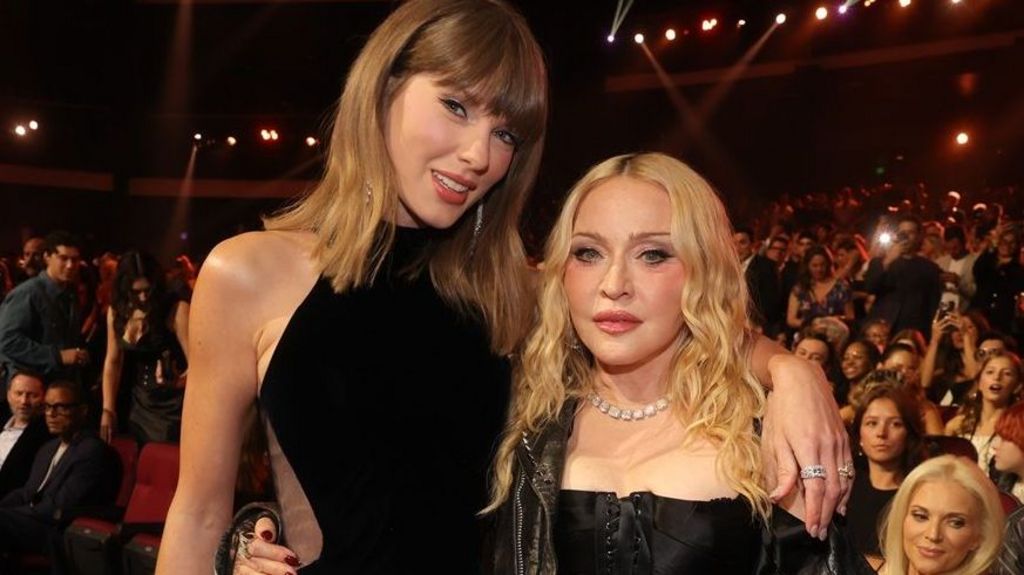
    Original “Queen of Pop” Madonna had an equally landmark night, taking home three major awards: Artist of the Year, Best Dance Video, and Best Collaboration for her hit dance single *Bring Your Love*, a joint track with rising pop star Sabrina Carpenter that serves as the lead single from Madonna’s 2026 album *Confessions II*. Madonna’s production team also claimed two additional awards for *Confessions II* the film, taking home prizes for Best Cinematography and Best Choreography.

    Opening her Artist of the Year acceptance speech, the 68-year-old pop icon reflected on her four-decade connection to the VMAs, noting, “Most of you were probably not born when I performed at the very first VMAs 43 years ago.” She recalled a career-altering early mishap from that debut performance, where a fall left her accidentally exposed, an incident that nearly ended her burgeoning career at the time. Looking back on her recent journey, she added, “I spent the last year and a half finding myself, believing in myself and really making the music that I wanted to make.”

    Madonna also lightheartedly revealed that when she first reached out to collaborate on *Bring Your Love*, Carpenter’s team took five days to respond to her request. “When five days passed and I still didn’t get connected with Sabrina and didn’t hear back from her about whether she wanted to do a song with me – five days – I DM’d her,” Madonna shared. “She answered me back and… within weeks we were in the studio together. It was fabulous.” A visibly amused Carpenter quickly clarified the mix-up during the shared acceptance speech, joking, “My team replies. Just so everybody knows, they do respond to people. But I respond faster. So direct line to me is always the best way to get in contact.”

    The ceremony also featured Madonna’s first VMAs performance since her iconic 2003 onstage kiss with Britney Spears, including a live duet of *Bring Your Love* with Carpenter and a guest appearance from British pop trailblazer Charli XCX for their new track *Danceteria (Afterhours)*.

    Another historic win came from Blackpink’s Lisa, who made history as the first Asian solo artist to take home the award for Best Pop for her hit single *Dream*, whose music video featured acclaimed Japanese actor Kentaro Sakaguchi. The Thai-born rapper-singer beat out a stacked field of top pop artists, including Taylor Swift, Ariana Grande, and Olivia Rodrigo, to claim the prize. An emotional Lisa, 29, addressed her dedicated fanbase—known as Lillies—during her speech, saying, “I wouldn’t be here without you guys.”

    Other notable winners from the night included British breakout star Sienna Spiro, who took home Best New Artist, BTS, who claimed Best Group and Song of the Year for their hit *Swim*, and Olivia Rodrigo, whose track *The Cure* won Best Alternative. Nirvana was honored with the prestigious Video Vanguard award in recognition of their decades-long impact on music and visual media, while British singer Raye performed alongside Spiro, and PinkPantheress and Zara Larsson took home Best Art Direction for their collaboration *Stateside*. The ceremony also included heartfelt tribute segments honoring the late Dolly Parton and George Michael, closing out a night that cemented new legacies while celebrating the enduring impact of pop music’s most iconic figures.

  • Trump rejects deal, Iran diplomat calls for ‘negotiated solution’

    Trump rejects deal, Iran diplomat calls for ‘negotiated solution’

    Tensions between the United States and Iran have escalated sharply in recent days after US President Donald Trump publicly rejected a new Iranian ceasefire proposal that would reopen the strategically critical Strait of Hormuz, leaving the region on the brink of resumed large-scale hostilities just weeks ahead of November’s US midterm elections.

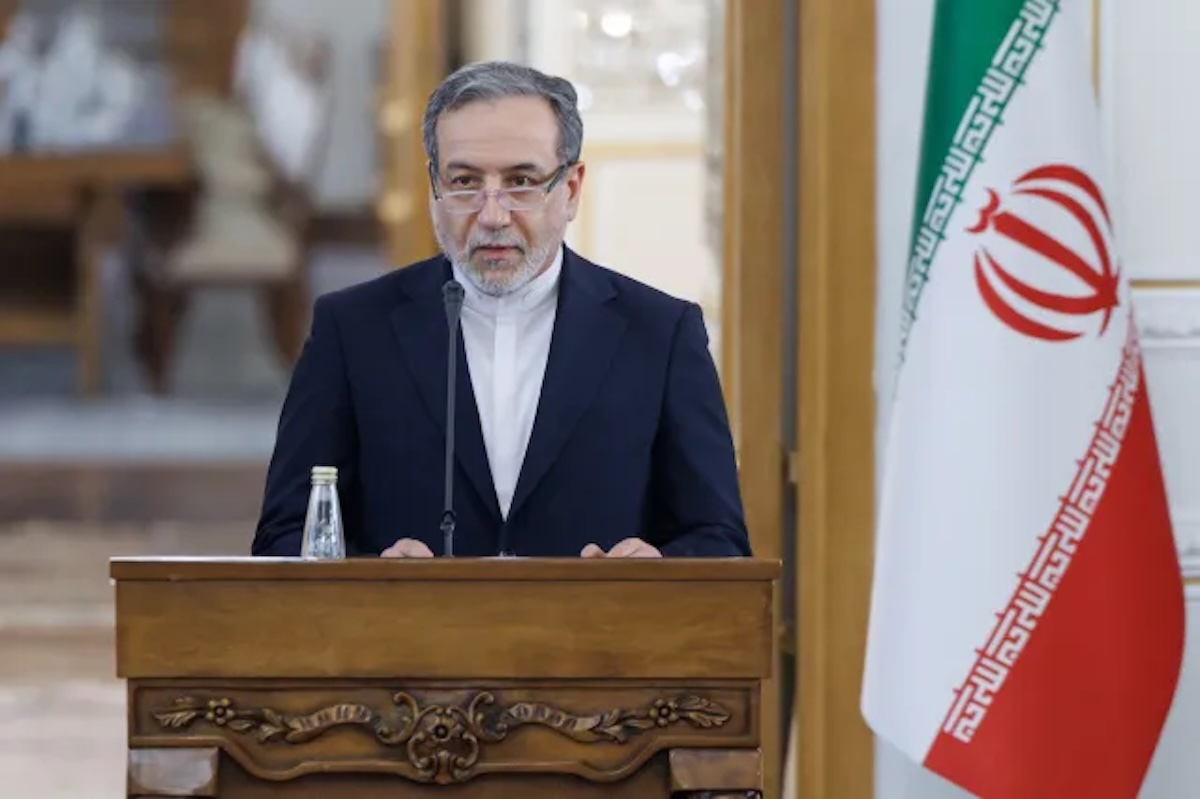
    Iran’s top diplomat reaffirmed Tehran’s long-held position over the weekend that no viable path forward exists outside of diplomatic negotiation, even as he acknowledged the US has repeatedly proven to be an untrustworthy negotiating partner. “There’s always hope for diplomacy,” Iranian Foreign Minister Seyed Abbas Araghchi stated during an appearance on NBC’s *Meet the Press* Sunday. “But we are fully prepared for war to resume. We will stand firm against any new act of aggression, even if it escalates to a doomsday conflict. At the same time, we remain open to diplomacy. The choice is entirely President Trump’s to make.”

    The proposal, which Iranian leaders advanced during their appearance at the United Nations General Assembly in New York this week, represents a adjusted version of a deal first floated in June, with a key change to the sequence of steps, according to Sina Toossi, senior fellow at the Washington-based Center for International Policy. Toossi explained to CNN that unlike prior frameworks, the new proposal requires the United States to take concrete, verifiable confidence-building steps first before Iran eases its restrictions on shipping through the Strait of Hormuz, a chokepoint through which roughly 20% of global oil supplies pass daily. During his UNGA address, Iranian President Masoud Pezeshkian reiterated that his country has borne the brunt of regional terrorism, and called out the high civilian death toll that has resulted from joint US-Israeli bombing campaigns launched against Iran in late February.

    Trump, who launched the current conflict despite conclusions from his own intelligence agencies that Iran abandoned all nuclear weapons development programs years ago, used his own UNGA speech to issue a brutal threat to “annihilate” Iran. Late Friday, the *Wall Street Journal* first reported that Trump had rejected Iran’s proposal for a seven-day temporary ceasefire, and had told senior aides he intends to resume bombing operations against Iran immediately after the November midterm elections. The US president confirmed this decision to reporters Saturday, framing his rejection as a product of US military dominance in the region. “I’m rejecting their deal,” Trump told reporters. “They want a deal where they open the strait immediately because they’re losing so badly. We’re winning tremendously, we have total control of the Strait of Hormuz. I like making deals too, but this deal is unacceptable.”

    Despite Trump’s public rejection, unofficial diplomatic channels remain active, according to a Saturday report from Axios. Unnamed US officials claimed that “positive and constructive” indirect talks are still ongoing between the two sides via third-party mediators, including discussions on long-stalled nuclear issues. Qatari mediators facilitated a new round of indirect negotiations on the UNGA sidelines between Araghchi and Trump’s personal envoys Steve Witkoff and Jared Kushner.

    In a detailed Persian-language statement posted to the messaging platform Telegram over the weekend, Araghchi noted that no formal response has yet been delivered to Tehran via official diplomatic channels, and pointed to the long pattern of contradictory public statements from the US president. “We have seen President Trump’s public reaction, but nothing has been conveyed to us through mediators yet,” Araghchi wrote. “Unfortunately, we have come to expect many contradictory statements from him. We are waiting for a definitive position to be delivered through official channels, and we will make our decision based on that formal input.”

    The foreign minister emphasized that Iran’s core terms for reopening the strait remain non-negotiable. “Our conditions are clear: any progress on opening the Strait of Hormuz depends entirely on the fullfilment of our stated conditions, and we will not back down from them. Only a negotiated solution can break this current deadlock,” he wrote. Any lasting agreement, he added, must be “rooted in honor and justice, that protects the rights of the Iranian people and meets our legitimate national demands.” He went on to highlight that the Iranian public has already proven its resilience across military, diplomatic, and economic domains, and has successfully withstood the impact of harsh international sanctions.

    Iran’s top military commander echoed this uncompromising stance, warning that Tehran will not accept a status quo that blocks Iranian trade while allowing foreign powers unfettered access to the region’s strategic waterways. “If Iran cannot trade, if Iran cannot live, no one will be able to trade or live in this region,” Army Commander-in-Chief Amir Hatam told Iranian state media, adding that the conflict is currently at a critical, decisive turning point.

    The ongoing war has sparked growing frustration back in the United States, where American consumers are facing soaring energy prices — particularly for diesel and gasoline — tied to Hormuz shipping disruptions. With less than six weeks until the midterm elections, and Trump’s Republican Party fighting to maintain its narrow congressional majorities, the president’s national approval rating has fallen to a record low.

    US advocacy groups have stepped up their push to end the conflict in recent days. After Trump’s rejection of the ceasefire proposal, Ryan Costello, policy director for National Iranian American Council (NIAC) Action, called out the president’s inconsistent approach to Iran dating back to his first term. “‘Art of the deal,’” Costello wrote on social media, mocking Trump’s well-known business branding. “Attack Obama for negotiating a successful nuclear deal. Tear up the deal, promise you’ll get a better one. Start an illegal war instead, blow up the US economy. Agree to a ceasefire to end the war, stick to it for two weeks. Then refuse to restart that deal right before the midterms.”

    Earlier this week, NIAC Action filed a federal lawsuit arguing that Trump’s war on Iran is unconstitutional because it lacks required congressional authorization. “No president should have the power to drag this country into an indefinite war on his own,” NIAC Action President Jamal Abdi said in a statement. “Congress never authorized this war. Yet Iranian families are being bombed, American service members have been killed, and communities on both sides are forced to bear the devastating consequences. This lawsuit asks a fundamental question: Can one single person unilaterally decide to keep an entire nation at war?”

  • Watch: Madonna and Taylor Swift win big at the MTV VMAs

    Watch: Madonna and Taylor Swift win big at the MTV VMAs

    One of the music industry’s most high-profile annual celebrations, the MTV Video Music Awards, wrapped up its Sunday evening ceremony in downtown Los Angeles, with some of the world’s biggest pop acts walking away with top honors.

    Headlining the list of standout winners are two legendary figures in contemporary pop: Madonna, the decades-long Queen of Pop who has redefined global pop culture and performance art, and Taylor Swift, the currently record-breaking singer-songwriter who has dominated charts and fan culture across the world for years.

    Joining these two veteran superstars on the winners’ platform was LISA, the Thai member of K-pop global sensation BLACKPINK, who continued her successful run as a solo artist with a major award win at the event.

    Hosted in the heart of Los Angeles, the 2024 VMAs brought together hundreds of A-list musicians, industry executives, and fans for a night of show-stopping performances and competitive awards, highlighting the most impactful music videos and artists of the past year. For the winning artists, the night cemented their ongoing influence across the global music landscape, capping off a successful year of creative work and fan engagement.

  • Israel revokes credentials of Dutch diplomats in Ramallah over West Bank trade ban

    Israel revokes credentials of Dutch diplomats in Ramallah over West Bank trade ban

    In a sharp escalation of diplomatic tensions following the Netherlands’ national ban on goods from Israeli occupied West Bank settlements, Israeli Foreign Minister Gideon Sa’ar announced Sunday that his government has revoked the working credentials of all Dutch diplomats based in Ramallah, giving the delegation seven days to surrender Israeli-issued diplomatic documentation.

    In an official post shared to the social platform X, Sa’ar confirmed that after the one-week deadline passes, all Israeli-granted diplomatic privileges and immunities extended to these Dutch envoys will officially lapse. Under the new Israeli order, the Netherlands will only be permitted to maintain its representation of interests to Palestinian authorities from land controlled by the Palestinian Authority, rather than using sovereign Israeli territory as an operational base, Sa’ar added.

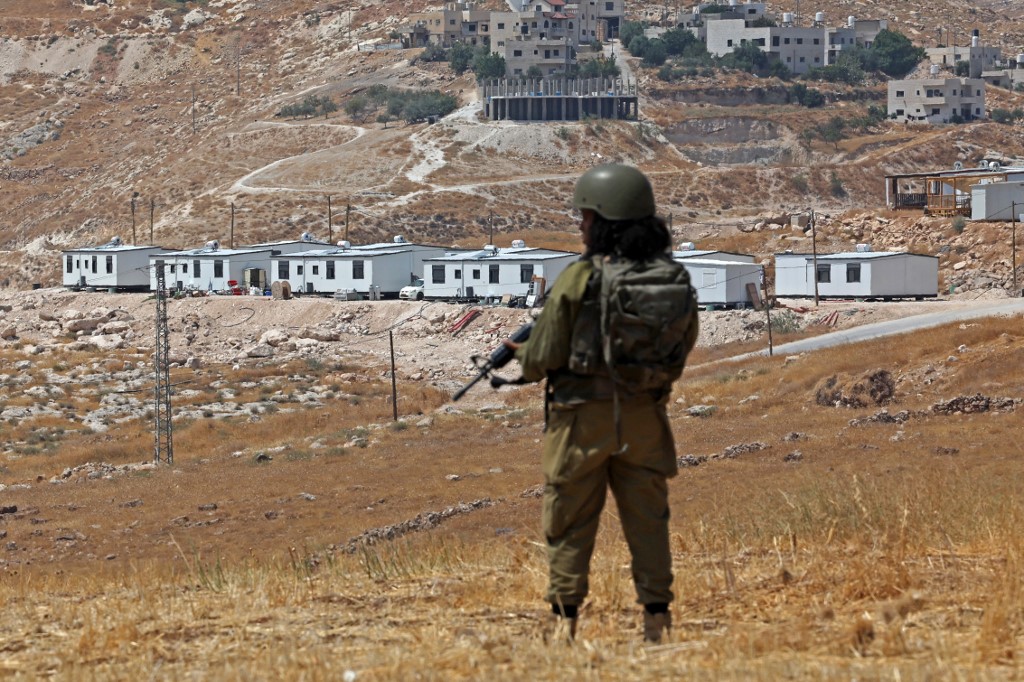
    This retaliatory measure did not emerge out of nowhere. It came in direct response to the Dutch government’s implementation of a nationwide ban on September 22, which prohibits the import, purchase, and sale of all goods originating from illegal Israeli settlements built on occupied Palestinian land. The ban puts the Netherlands in alignment with long-standing international legal positions: in announcing the policy, the Dutch government stressed that Israeli settlements in occupied territories violate international law, and the new measures fulfill the country’s obligation under international law to avoid contributing to the ongoing illegal situation.

    The Netherlands is not the first European country to adopt such a policy. Its ban follows similar regulatory actions taken by Ireland, Belgium, and Spain in recent months, marking a growing European pushback against Israeli settlement expansion in the occupied West Bank, a region that has seen a sharp surge in Israeli violence against Palestinian civilians and accelerated settlement growth over the past year.

    Beyond diplomatic retaliation, the Israeli government has moved to cushion the economic impact of the European bans on settlement businesses. Leading Israeli financial outlet Calcalist reported that Israel’s Ministry of Economy and Industry is rolling out a support package for companies operating in illegal settlements, offering eligible businesses grants of up to 200,000 Israeli shekels, equal to roughly $54,000. The ministry will also assist settlement-based exporters in identifying and accessing alternative markets outside of the European Union, with target new markets including the Philippines, India, the United Arab Emirates, Chile, and Argentina, according to the report.

    This report was originally published by Middle East Eye, an outlet that provides independent, on-the-ground coverage of the Middle East, North Africa, and surrounding global regions.

  • Taylor Swift and Charli XCX among stars to light up VMAs red carpet

    Taylor Swift and Charli XCX among stars to light up VMAs red carpet

    The 2026 MTV Video Music Awards officially kicked off its star-studded celebration on the West Coast this weekend, with some of the biggest names in global pop music gracing the iconic red carpet ahead of the main ceremony in Los Angeles.

    Leading the pack of high-profile attendees were two of pop’s most influential trailblazers: global superstar Taylor Swift and British alt-pop pioneer Charli XCX. The pair turned heads as they stepped out for photos, joining dozens of other A-list musicians, actors, and industry influencers who stopped to pose for paparazzi and greet fans gathered along the barricades outside the ceremony venue.

    The annual VMAs, known for its unpredictable live moments and career-defining performances, has long been one of the most high-profile events on the entertainment industry calendar, drawing millions of viewers worldwide each year. This year’s red carpet arrivals have already built massive hype ahead of the evening’s awards presentations and scheduled performances, with fans already taking to social media to share snaps of their favorite celebrities and debate the night’s biggest award categories.

  • Watch: Shipwreck uncovered on Nantucket island during nor’easter storm

    Watch: Shipwreck uncovered on Nantucket island during nor’easter storm

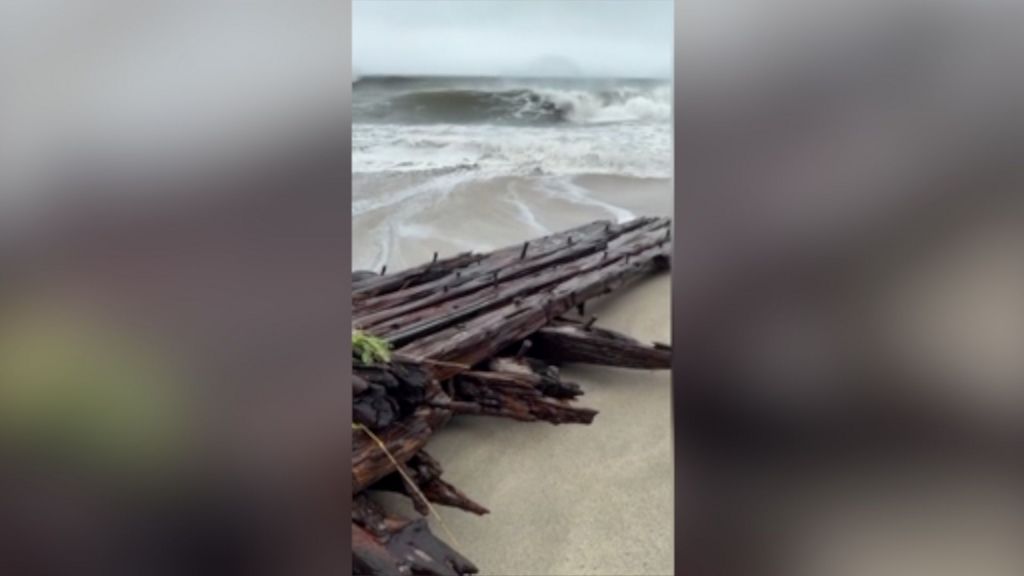
    A powerful nor’easter storm, the same type of intense coastal weather system that has long reshaped New England’s shorelines, has unearthed a long-buried piece of maritime history off the coast of Massachusetts, according to local regional media reports.

    The unexpected discovery unfolded on Nantucket Island, a popular tourist destination steeped in centuries of whaling and seafaring history, where storm-driven surf and shifting sand dunes stripped away layers of sediment that had hidden the vessel for decades, if not longer.

    Preliminary assessments from local historical groups suggest the exposed wreckage likely comes from a 19th-century sailing ship, a relic from the island’s golden age of commercial maritime activity. At this early stage, researchers have not yet confirmed the vessel’s exact identity, the circumstances of its sinking, or how long it has been buried beneath the island’s coastal sands.

    Nor’easters are large extratropical cyclones that roar up the U.S. East Coast, bringing strong winds, heavy rain or snow, and dramatic coastal erosion. While these storms often cause damage to coastal infrastructure and property, they also occasionally uncover long-lost cultural artifacts that have been locked away under sand for generations. Local historical preservation teams are now planning to conduct a full survey of the site to document the wreckage and determine next steps for further research or preservation before shifting sands re-bury the vessel once again.

  • Why some Indian civil servants become heroes for doing their jobs

    Why some Indian civil servants become heroes for doing their jobs

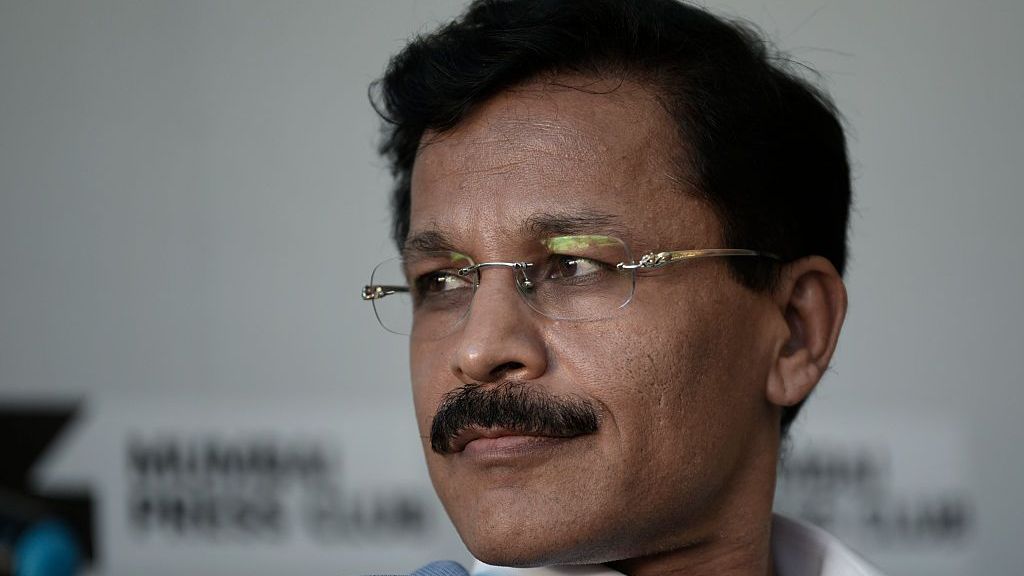
    Across India’s sprawling bureaucratic ecosystem, where millions of civil servants keep the world’s largest democracy functioning, only a tiny fraction break through to capture widespread public attention — and it almost always happens for the same striking reason. 51-year-old Tukaram Mundhe, the current commissioner of Maharashtra’s Food and Drug Administration, is the latest example of this rare phenomenon. Since assuming his post in May, Mundhe has spearheaded a wave of uncompromising enforcement sweeps: his teams have conducted surprise checks on thousands of restaurants and food processing businesses, uncovering widespread issues ranging from pest infestations and unhygienic food preparation practices to expired stock being sold to consumers. He has also drawn national attention to the stark markup gaps between what hospitals pay for basic medical supplies and the exorbitant rates they charge patients for the same items.

    Mundhe’s hands-on, no-nonsense approach has turned him into a viral social media sensation, with clips and photos from his inspection rounds shared millions of times across Indian platforms. Hundreds of commenters have voiced a common wish: that more bureaucrats across India’s 28 states would follow Mundhe’s example to tackle persistent public safety gaps in their own regions. He is far from alone in this unexpected fame: in Gurugram, a fast-growing commercial suburb of New Delhi, district town planner RS Batth has earned widespread public praise for cracking down on illegal construction and unauthorized land encroachments that have plagued the city’s unplanned expansion.

    The central question that emerges from this public adoration is simple: why are civil servants being celebrated as national heroes for simply doing the jobs they are paid to do? For decades, ordinary Indians have associated the country’s vast bureaucracy with crippling delays, routine bribe demands, and endless running between government departments to complete even basic tasks. When a public official cuts through this entrenched culture of red tape to deliver consistent, rule-based enforcement, the public reaction is overwhelmingly enthusiastic. As retired civil servant Kamal Kant Jaswal puts it: “What should have been normal has become exceptional.” For most Indian citizens, bureaucratic barriers, long wait times, and indifferent service have become such a regular part of interacting with government that efficient, accountable governance now stands out as a rare anomaly.

    Mundhe is not the first bureaucrat to gain national recognition for simply doing his job according to the rulebook. One of the most iconic examples is TN Seshan, who became a household name across India in the 1990s as chief election commissioner for his fearless enforcement of campaign finance and election rules. In the 1980s, Kiran Bedi — India’s first female Indian Police Service officer — earned the nickname “Crane Bedi” after she ordered the towing of an illegally parked car belonging to then-Prime Minister Indira Gandhi (the action was carried out by a subordinate, who later confirmed Bedi fully supported his decision to enforce the law regardless of the car’s owner). More recently, bureaucrat Ashok Khemka rose to national fame for challenging a controversial high-profile land transaction in 2012, while police officer Neeraj Jadaun earned widespread praise for confronting a violent mob during deadly 2020 religious riots in New Delhi.

    These high-profile cases have cemented the idea of the “honest, no-nonsense bureaucrat” as both a widely admired and extremely rarity in Indian public life. Jaswal, however, notes that thousands of upright civil servants across India do their jobs honestly and effectively every day without attracting any public attention. “Their work may not involve much direct contact with citizens, or may simply be less visible to the general public,” he explains. For most ordinary people, though, personal experience with government offices tells a different story. Rajesh Singh, a 43-year-old finance sector worker in New Delhi, says he has personally endured months-long delays to complete routine administrative tasks, with no guarantee of a positive outcome even after repeated visits. “What is supposed to take 24 hours, I have personally experienced being stretched to six months,” he says.

    For all the public praise rule-enforcing bureaucrats receive, they also often face sharp criticism for applying the law too rigidly, without accounting for on-the-ground economic realities. Mundhe has faced pushback from India’s food and hospitality industry, with business groups accusing him of overzealous and selective enforcement. The bureaucrat has repeatedly rejected these claims, insisting all inspections are evidence-based and that operating licenses are only suspended in cases of severe, repeated violations. Batth has faced similar backlash for his anti-encroachment drives, with critics arguing his actions disproportionately harm low-income and vulnerable residents who rely on unauthorised stalls and housing for survival. Jaswal explains this tension clearly: a street vendor’s small stall may be technically illegal under zoning rules, but it is often the only source of income for an entire family. In a country where millions of people migrate to cities for work each year, unauthorised housing is often the only affordable accommodation available to working-class families. This inherent conflict between legal compliance and livelihood survival explains why the same enforcement action can be seen as both necessary and unforgivingly harsh by different groups.

    Beyond public criticism, upright bureaucrats also face significant institutional and political pressure when they choose to enforce rules independently. Pushpa Sundar, a former civil servant who now writes extensively on Indian development issues, explains that officers who refuse to comply with improper political demands often face retaliation, including abrupt transfers to remote, undesirable postings. “They too have families, careers and financial responsibilities, and it needs extraordinary courage to risk those things in order to act independently,” Sundar says. She argues that Indian institutions need to provide far stronger protection and support for civil servants who refuse to carry out illegal or unethical requests from political actors.

    Jaswal speaks from personal experience when describing this pressure. In 1974, when he served as district magistrate of Uttarkashi in undivided Uttar Pradesh, a senior cabinet minister running for state legislature made multiple rule-breaking requests that Jaswal turned down. After the minister won the election, Jaswal received his transfer orders within weeks. Yet when he traveled to his new posting, thousands of local residents lined the highway for kilometers in the summer heat to say goodbye — a reminder that public respect often offsets the professional costs of doing the right thing. Jaswal notes that the relationship between elected politicians and career civil servants is rarely simple: many officers choose the path of least resistance to secure desirable postings and political favor, while standing up for independent, rule-based action almost always comes with a personal price.

    The rise of social media has accelerated the process by which diligent bureaucrats become national sensations, amplifying local actions to a national audience in a matter of hours. “Social media can turn an official into a national talking point almost overnight,” Sundar notes. That viral spread is exactly what catapulted Mundhe to fame, turning his routine enforcement checks into a national spectacle shared by millions. For Mundhe, however, all the media and social media attention is beside the point. In a recent interview with the BBC, he explained that his actions are rooted in basic public health priorities, and that businesses that follow food safety rules have nothing to fear. “The rules already exist,” he says. “My job is simply to enforce them.”

    Ultimately, the widespread public fascination with officials like Mundhe goes far beyond the actions of any single individual. When core government functions — enforcing safety rules, protecting public health, upholding existing laws — are carried out consistently and visibly, they feel extraordinary to millions of Indians, precisely because so many have grown to expect nothing but delay and corruption from their public institutions.

  • Five arrested as counter-terror police investigate major incident near RAF Fairford

    Five arrested as counter-terror police investigate major incident near RAF Fairford

    A large-scale counter-terrorism operation unfolded in southern England early Sunday morning, resulting in the arrest of five men on suspicion of plotting a terrorist attack and explosive-related offences, UK law enforcement officials have confirmed. The operation was triggered when local residents reported three unauthorised suspicious vehicles travelling toward RAF Fairford, a critical Royal Air Force base in Gloucestershire that hosts regular operations for the United States Air Force.

    The first report of suspicious activity reached emergency services at approximately 00:45 BST on Sunday. One local resident, who chose to remain anonymous, told the BBC she first contacted Ministry of Defence police to report three parked vans and a group of masked men near the base, but received no response before dialling 999 for emergency assistance. Following the report, authorities declared a major incident, ordered the evacuation of dozens of residential properties in the nearby village of Whelford, and established a 400-metre safety cordon around the search area.

    In the immediate aftermath of the declaration, specialised emergency resources were deployed to the scene: an Army explosive ordnance disposal team was brought in to examine the intercepted vehicles, a hazardous area response unit joined the operation, and counter-terrorism policing took lead of the ongoing investigation. Aerial imagery captured at the site shows a remote-controlled bomb disposal robot approaching the stationary white vans parked in a wooded area near the base, though police have not officially confirmed the robot’s use in the operation.

    As of Sunday evening, the five arrested men remain in police custody. Initially detained by Gloucestershire Constabulary on charges under the Explosives Act, the suspects were later additionally arrested on suspicion of preparing a terrorist act. Speaking at a press conference Sunday evening, temporary Chief Constable Maggie Blyth of Gloucestershire Constabulary confirmed that law enforcement does not believe any additional suspects remain at large, stating the incident is currently contained.

    Prime Minister Andy Burnham has received continuous updates on what officials have described as a “deeply concerning” situation near the base. RAF Fairford has a decades-long history of hosting US military operations, and in recent months has served as a staging ground for US warplanes carrying out defensive strikes against Iran. US President Donald Trump commented on the arrests Sunday, saying the suspects had been “looking to do big damage”, adding that “We had them under view for a long time, and we got them.”

    UK Defence Secretary Wes Streeting confirmed he had already held communications with his US counterpart, Secretary of Defense Pete Hegseth, to coordinate on the investigation and security protocols. A spokesperson for the US Air Force stated that all USAF personnel stationed at the base remain on high alert, but declined to share details of specific force protection measures being implemented. In the wake of the incident, the US Department of Defense elevated the threat level at another UK-based US Air Force installation, RAF Lakenheath in Suffolk, to its second-highest security category.

    An unverified image purporting to capture the moment of the suspects’ arrest was circulated to the BBC, showing detained men approximately 350 metres from the Crash Gate 6A runway access point at RAF Fairford. While the BBC has not confirmed the image’s original source, BBC Verify’s geolocation analysis confirmed the image matches the location of the operation and appears to be authentic.

    Evacuated residents have been advised they will not be able to return to their properties overnight Sunday, as bomb disposal experts and investigators continue to process the scene. Cotswold District Council has arranged overnight accommodation at a local leisure centre for displaced residents who are unable to stay with family or friends. Local residents described chaotic scenes in the early hours of Sunday: one resident, Julian Tudsbury, said he was woken at 7 a.m. by armed officers banging on his door, who ordered an immediate evacuation without elaborating on the incident, while another resident said he witnessed armed police detaining the suspects outside his home just two hours after the first emergency call was placed.

    Counter Terrorism Policing officials noted that as of Sunday evening, the investigation remains in its early stages, and no further details on the suspects’ backgrounds or alleged plot have been released to the public.