博客

  • Plans to clone over 100 yaks by 2028

    Plans to clone over 100 yaks by 2028

    A groundbreaking advancement in large mammal cloning for high-altitude livestock has set China on a path to expand its population of elite cloned yaks to more than 100 by 2028, marking a key step toward the industrial application of the new breeding technology, according to lead researchers on the project.

    The ambitious roadmap was unveiled by Fang Shengguo, a professor in the College of Life Sciences at Zhejiang University who heads the research initiative, coming shortly after China achieved its first successful batch cloning and natural delivery of 10 cloned yak calves in Damxung (Damshung) County, located in Lhasa, Tibet Autonomous Region. All 10 calves were carried to full term and born naturally between March 25 and April 15, a milestone that signals the technology has moved from isolated experimental success to small-scale, replicable commercial-ready production.

    Fang explained that the project will progress from its current “1-to-10” experimental phase to the “10-to-100+” scaling phase by 2028. By the end of the target period, the team aims to establish a core population of more than 100 superior cloned yaks, selected through whole-genome sequencing analysis, develop the first stabilized improved yak strain optimized for high-altitude plateau conditions, and formalize standardized commercial cloning and breeding protocols for the industry.

    This latest breakthrough builds on the 2025 birth of the world’s first cloned yak, named “Nam Co No 1”, which delivered the first proof that somatic cell cloning technology can be successfully applied to plateau-adapted livestock. “Nam Co No 1” has already demonstrated exceptional growth performance: it weighed 16.75 kilograms at birth, and reached 183.25 kilograms just nine months later, confirming the viability of the cloned breeding approach. To date, the research program has produced 11 healthy cloned yak calves and successfully established a stable somatic cell bank to support long-term breeding work.

    The technology developed by the team integrates two cutting-edge genomic and reproductive techniques: whole genome selection and somatic cell cloning. To identify the most desirable starting genetics, researchers sequenced the genomes of nearly 9,000 yaks across Tibet to pinpoint top-tier “seed yaks” that carry highly desirable traits, including faster growth rates, stronger reproductive performance, natural disease resistance, and exceptional adaptation to the extreme low-oxygen high-altitude environment. These elite genetic profiles are then replicated exactly through cloning, allowing for precise and rapid propagation of superior livestock that cannot be achieved through conventional breeding.

    Compared to traditional selective yak breeding, which typically takes 20 to 30 years to produce a stable improved strain, this new cloning-assisted method cuts the entire breeding cycle to just five years while enabling far faster expansion of high-quality breeding populations, Fang noted.

    Local industry leaders say this technological breakthrough solves decades-long challenges that have held back Tibet’s yak industry. According to Hu Ke, head of Damxung County, unregulated cross-breeding and environmental shifts have led to gradual degradation of native yak genetic resources over the past 30 years, resulting in widespread declines in average body size, adult weight, fertility, and disease resistance across regional herds. At the same time, conventional selective breeding methods have proven too slow and inefficient to reverse these declines at a pace that matches industry needs.

    “This breakthrough opens an entirely new technological pathway for rescuing and conserving native yak genetic resources, and for accelerating the expansion of improved breeds across the plateau,” Hu stated. He added that the achievement also fills a long-empty gap in cloning technology for large mammals at high altitudes, with broader implications beyond the yak industry: it supports plateau biodiversity conservation, creates new opportunities to boost the income of local herding communities, and aligns with regional ecological conservation goals for the Qinghai-Tibet Plateau.

    To support the scaling of the technology, Fang’s team has laid out clear next steps: ramping up in vitro embryo production, expanding the pool of healthy surrogate cows, and developing customized forage systems tailored to the needs of the new improved yak strain. On April 27, a dedicated Yak Breeding and Germplasm Conservation Innovation Center was officially inaugurated at the project’s base in Damxung, which sits 4,300 meters above sea level and is currently home to all cloned yak calves.

    Moving forward, Damxung County will deepen industry-academia-research collaboration to accelerate the development of large-scale high-quality yak breeding bases and build a national-level innovation hub for high-altitude livestock breeding, Hu confirmed.

    As a species endemic exclusively to the Qinghai-Tibet Plateau, yaks are far more than livestock for the region: they are the primary source of livelihood for millions of local herding households, and play a critical role in maintaining the ecological balance of the plateau’s fragile high-altitude ecosystems.

  • Plan to bring tangible benefits

    Plan to bring tangible benefits

    Against a backdrop of persistent global economic uncertainty and ongoing volatility from cross-border shocks, international economic and policy experts are praising China’s targeted strategy to expand domestic demand and advance industrial upgrading outlined in the 15th Five-Year Plan (2026–2030), noting the agenda not only strengthens China’s own economic stability and rebalancing but also delivers measurable, long-term advantages to economies across the world, particularly developing nations in the Global South.

    Sourabh Gupta, a senior fellow at the Washington-based Institute for China-America Studies, outlined that the plan combines actionable measures to stimulate both household consumption and fixed investment while pursuing systematic industrial upgrading. On the industrial side, China has already made notable progress rationalizing sectors plagued by overcapacity, streamlining operations to boost overall global competitiveness for affected industries. In national accounting frameworks, industrial upgrading investments also count toward domestic consumption as final private purchases, amplifying the plan’s impact on internal growth.

    Gupta highlighted that the plan includes a slate of consumer-focused initiatives: expanding national networks of electric vehicle charging infrastructure, promoting growth in leisure segments including ice and snow tourism, developing nationwide circular economy recycling systems, and incentivizing spending from international inbound tourists. One of the most impactful long-term structural reforms outlined in the plan, he added, is the proposed shift of value-added and consumption tax collection points from the production (upstream) end of supply chains to the retail (downstream) end. This reform would align local government tax revenues directly with local retail consumption growth, giving regional authorities far stronger incentives to prioritize policies that boost household spending.

    Gupta also pointed to foundational policy changes rolled out in 2024 that laid groundwork for the 15th Five-Year Plan’s consumption-focused agenda, including accelerated reforms to China’s household registration system, expansions to national old-age insurance coverage, and improved workers’ compensation protections. These social safety net upgrades address key drivers of precautionary household savings, creating conditions for a sustained shift toward greater household consumption as a core driver of China’s economic growth.

    Looking at the global ripple effects of China’s domestic policy agenda, Gupta explained that expanded Chinese demand and industrial upgrading create two clear channels of benefit for Global South economies. First, rising domestic consumption in China drives increased import demand, directly supporting export-focused developing economies. Second, China’s global leadership in high-efficiency green technologies — including solar panels, energy storage batteries, and electric vehicles — creates accessible development opportunities for low- and middle-income nations. Developing countries can import affordable, high-performance green technology from China, attract Chinese investment to build local clean energy manufacturing capacity, or access low-cost financing through the Belt and Road Initiative to expand national infrastructure and grid electrification.

    “As China moves up the global value chain, it opens up new space for lower-income economies to grow,” Gupta noted. “It can relocate lower-value, labor-intensive production such as textiles, apparel, and footwear to Southeast Asia, African nations, and other emerging markets, then import those finished goods back to China. That directly powers export-led growth in those developing countries.”

    Chris Pereira, founder and CEO of New York-based global business and communications consulting firm iMpact, expanded on these cross-border spillover effects, emphasizing that China’s domestic growth strategy creates mutually beneficial, symbiotic partnerships rather than one-sided aid. “China’s push for domestic growth is creating a massive ‘spillover effect’ for the Global South,” Pereira said. “As China moves up the value chain, it’s not just exporting goods, but also affordable, high-efficiency technology. By aligning with China’s technological pace, developing nations can leapfrog traditional development hurdles that held back past generations of industrialization. This isn’t charity; it’s a symbiotic partnership.”

    Pereira added that the plan leverages China’s 1.4 billion-person consumer market to accelerate global industrial innovation, turning the country into a premier testing ground for cutting-edge technologies from multinational firms. “The 15th Five-Year Plan’s focus on boosting domestic demand isn’t just about encouraging people to buy more; it’s a strategic move to accelerate China’s industrial upgrading,” he explained. “For global firms, this has become a premier ‘testing ground’ where they can refine their most advanced technologies at ‘Shenzhen speed’ before scaling them globally.”

    Against a backdrop of repeated external shocks that have tested global economic resilience, China’s stable and expanding domestic market has emerged as a key anchor for global confidence. Ahead of the 2026 International Monetary Fund and World Bank Spring Meetings, IMF Managing Director Kristalina Georgieva emphasized in an April 9 speech that “a resilient world economy is being tested again” by ongoing external shocks, noting “the strength and agility of your fundamentals is your best defense when shocks come” and that well-designed policy makes a tangible difference for sustained growth.

    At an IMF panel focused on global imbalances held during the Spring Meetings, Helene Rey, a London Business School economics professor and incoming head of the Bank for International Settlements’ Monetary and Economic Department, noted that the 15th Five-Year Plan prioritizes pro-growth investments in human capital, including expanded investment in public healthcare, to support long-term structural rebalancing.

    Speaking on the same panel, Georgieva highlighted that China has demonstrated clear commitment to rebalancing toward stronger domestic consumption, a shift that delivers benefits both for China’s own long-term development and for global economic stability.

    Gupta echoed this assessment, noting that China’s steady growth and rebalancing act as a stabilizing force for the entire global economy. “Just China being stable and growing is already a huge positive for the world,” he said.

    At an April 9 seminar hosted by the Peterson Institute for International Economics (PIIE), PIIE senior fellow Tianlei Huang noted that China still retains significant fiscal space to implement more forceful countercyclical policies to support continued domestic demand expansion. Harvard economics professor and PIIE nonresident senior fellow Karen Dynan added at the same event that persistent disruptions from geopolitical conflict, elevated energy prices, and ongoing supply chain volatility have dragged down global growth projections, making strong domestic demand in large economies like China more critical than ever for sustaining global stability.

    The broad assessment that China’s 15th Five-Year Plan agenda supports both Chinese and global growth is shared by leading international organizations. Speaking at the China Development Forum earlier in April, IMF First Deputy Managing Director Dan Katz noted that “Their 15th Five-Year Plan prioritizes increasing consumption as a driver of economic growth, which would also help reduce China’s external imbalances. These are helpful measures, but China can do more to increase consumption and domestic demand — especially for services — by boosting household incomes and reducing incentives for precautionary savings.”

    In closing, Pereira emphasized that China’s 15th Five-Year Plan focus on expanding domestic demand creates inclusive shared opportunities, allowing businesses and economies across the world to gain from China’s continued growth. “As China doubles down on its own growth through domestic consumption and industrial upgrading, there’s plenty of room at the table for those ready to engage,” he said. “China remains the engine of global growth, and pragmatic companies see the opportunities as more tangible than ever.”

  • War in the Middle East: latest developments

    War in the Middle East: latest developments

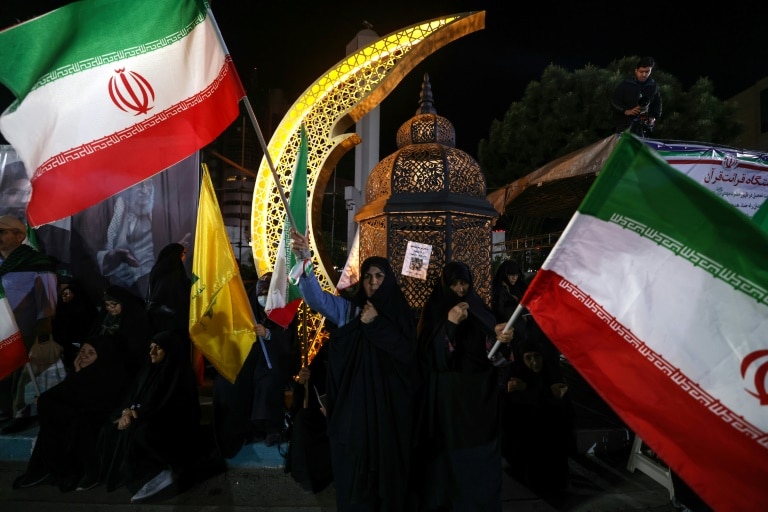
    Two months after a joint U.S.-Israeli military offensive sent shockwaves rippling through global energy markets and upended regional security, the Middle East remains locked in a state of elevated tension, with new diplomatic moves, ongoing military clashes and economic volatility defining the latest chapter of the crisis. On Monday, the White House confirmed it is reviewing a new proposal from Iran aimed at de-escalating tensions and unblocking the critical Strait of Hormuz, a chokepoint through which roughly 20% of global oil supplies transit daily. According to Iran’s Fars News Agency, Tehran transmitted the written proposal, which outlines Iran’s non-negotiable red lines covering both its nuclear program and activity around the strait, to Washington via diplomatic channels in Pakistan. U.S. President Donald Trump convened a meeting of his top national security advisors to assess the offer, with White House press secretary Karoline Leavitt telling reporters during a daily briefing that the proposal is “being discussed” among senior administration officials. As diplomatic talks remain in their earliest stages, the ongoing impasse between Washington and Tehran has already triggered fresh volatility across global markets. On Tuesday, international oil prices jumped sharply, while global equity markets sank, as shipping traffic through the Strait of Hormuz remains severely choked, disrupting global energy supply chains. Beyond the diplomatic standoff, Iran has laid out clear conditions for restoring security across the oil-rich Persian Gulf: Tehran demands ironclad security guarantees that the U.S. and Israel will not launch another offensive against its territory. “A durable and permanent cessation of aggression against Iran supplemented by credible guarantees of non-recurrence and full respect for the legitimate sovereign rights and interests of Iran” are non-negotiable preconditions for any de-escalation, Amir Saeid Iravani, Iran’s permanent representative to the United Nations, told a session of the UN Security Council Monday. Meanwhile, military clashes continue to claim lives across the region despite the existing ceasefire agreement between Israel and the Iran-backed militant group Hezbollah. Lebanon’s Ministry of Public Health confirmed Monday that recent Israeli airstrikes on southern Lebanon killed four people, including one civilian woman, and wounded 51 more, three of whom are children. Israeli military leadership has warned that the country faces an extended period of conflict across multiple fronts in the coming year. Israel Defense Forces Chief of Staff Lieutenant General Eyal Zamir noted that the IDF has maintained continuous, multi-front combat operations since the October 7, 2023 Hamas attack that sparked the ongoing Gaza war, and projected that 2026 will bring another full year of fighting across all active fronts. Israeli Prime Minister Benjamin Netanyahu echoed that assessment, emphasizing that Hezbollah remains a critical national security threat that requires continued Israeli military action in Lebanon. “There are still two central threats from Hezbollah: the 122mm rockets and the drones. This demands a combination of operational and technological activity,” Netanyahu said in a formal statement. While Netanyahu acknowledged that Hezbollah now retains only roughly 10 percent of the missile arsenal it held at the start of the current conflict, he added that the remaining weapons still pose a constant threat to Israeli civilians living in the country’s northern border regions. As tensions simmer on all fronts, the international community continues to monitor developments closely, with growing concern over the risk of the conflict expanding into a wider regional war that could have devastating consequences for the global economy and civilian populations across the Middle East.

  • A bird leaves nothing behind: The lesson behind Japan’s World Cup stadium cleanups

    A bird leaves nothing behind: The lesson behind Japan’s World Cup stadium cleanups

    When soccer’s biggest global tournament kicks off, there is one nation that consistently earns international acclaim not just for its on-pitch performance, but for a quiet, consistent act of sportsmanship off the field: Japanese soccer fans and players leaving match venues cleaner than they found them. This decades-long tradition has captivated global audiences, sparking curiosity about the cultural and social roots of the habit that surprises many foreign attendees accustomed to post-match trash-strewn stadiums.

    The long-running custom first entered the global spotlight in 1998, when Japan made its debut appearance at the World Cup in France. Since that tournament, the practice has carried on through every four-year cycle, including the 2022 World Cup held in Qatar. It is all but guaranteed to continue when Japan takes the pitch for group stage matches this June in Arlington, Texas, and Monterrey, Mexico. The behavior routinely astounds non-Japanese observers, many of whom are used to exiting stadiums and leaving discarded half-eaten food, crumpled wrappers, and half-empty beverage cups behind for venue staff to collect.

    This post-match cleanup is not a recent affectation for global cameras: it has deep roots in Japanese socialization that begins in early childhood. In elementary schools across Japan, students are responsible for cleaning their own classrooms, schoolyards, and athletic fields, with many institutions employing no full-time janitorial staff. Even in professional workplaces, adults set aside regular time to tidy their own work spaces. This upbringing carries into adult recreational and public behavior, including attending major sports matches.
    Koichi Nakano, a professor of politics and history at Tokyo’s Sophia University, explained to the Associated Press that the habits Japanese fans display at global tournaments are simply an extension of the values they learned growing up playing sports as children. The core Japanese philosophy that guides the behavior is captured in the phrase *Tatsu tori ato wo nigosazu*, which translates roughly to “A bird leaves nothing behind” in its literal form, and carries the practical meaning of “Return the space the way you found it.”

    Beyond childhood education, two additional cultural factors shape this persistent habit. First, Japan’s dense urban landscape means public spaces have far fewer public trash receptacles than many Western nations, so people are accustomed to carrying their waste with them to dispose of at home — a practice that keeps public areas clean, cuts municipal waste management costs, and deters pests. Second, the Japanese cultural concept of *meiwaku* emphasizes avoiding any inconvenience or annoyance to other people; for Japanese soccer fans, leaving a pile of trash in a stadium is seen as an unnecessary burden to venue staff and future visitors. With a population of roughly 35 million in the Greater Tokyo Area alone — nearly equal to the entire population of California — collective consideration for others is a core social value embedded from a young age.

    Sociologists studying the practice note that it reflects a broader cultural difference in priority between many Western societies and Japan: while Western cultures often emphasize individual rights and rely on public service staff to handle public space cleaning, Japanese culture centers collective well-being, meaning personal responsibility for shared spaces is normalized. Barbara Holthus, deputy director of the German Institute for Japanese Studies in Tokyo and a sociologist raised in Germany, warns against placing Japanese society on an unfair pedestal, noting the practice is simply the result of different socialization rather than any inherent difference. Even so, the widespread global praise Japanese fans have received for the habit has only reinforced the behavior, turning it into a point of national pride, according to Jeff Kingston, a history professor at Temple University Japan.

    The clean-up tradition is not confined exclusively to the men’s senior World Cup. Last year, Japanese fans repeated the practice at the Under-20 World Cup in Chile, and just last month they did the same following an international friendly win over England at London’s Wembley Stadium. Toshi Yoshizawa, who led the clean-up effort in Chile, called the practice “one of our traditions,” noting that Japanese people grow up taught to leave a place cleaner than they found it.

    William Kelly, emeritus professor of anthropology at Yale University and a Japan specialist, speculates that the custom is particularly tied to soccer in Japan rather than other popular sports. He links it to the founding of Japan’s professional J-League more than 30 years ago, when the new league sought to differentiate itself from established Japanese baseball by emphasizing deep community ties and fan commitment to local clubs, fostering a stronger sense of shared ownership over match venues among supporters.

  • Gunman, reportedly age 89, opens fire at 2 locations in Greek capital, wounding several people

    Gunman, reportedly age 89, opens fire at 2 locations in Greek capital, wounding several people

    On Tuesday, a shooting attacker carried out two connected shooting attacks at public facilities in the heart of Athens, Greece, leaving multiple people injured, Greek law enforcement confirmed. A wide-ranging police manhunt was immediately launched to track down the suspect, who local Greek media has identified as an 89-year-old man.

    According to police statements, the incident began when the suspect, armed with a shotgun, opened fire inside a local social security office located in central Athens. One employee of the office was hurt in the first attack. Responding officers reached the scene quickly to administer first aid to the wounded worker, but the shooter managed to escape before officers could secure the area.

    Shortly after the first shooting, authorities confirmed the same suspect was responsible for a second attack on the ground floor of a nearby courthouse, also situated in central Athens. Several additional people were wounded in this second incident, and law enforcement later recovered the shotgun used in both attacks at the scene.

    Footage captured by Greece’s state-owned public broadcaster ERT shows emergency medical teams moving at least three injured people from the courthouse to waiting ambulances for transport to local hospitals. As of the latest update, the full motive behind the coordinated attacks remains unconfirmed by authorities. ERT’s reporting notes that after carrying out the courthouse shooting, the suspect reportedly scattered a series of envelopes containing documents across the floor, claiming the papers contained his reasons for the violence.

    Alexandros Varveris, director of Greece’s National Social Security Fund (commonly referenced by its Greek acronym EFKA), shared more detailed on-the-ground context of the first attack. Varveris explained the shooter traveled to the fourth floor of EFKA’s Kerameikos district office, warned a specific employee to “duck” before opening fire, and accidentally struck a different employee in the leg. The suspect had managed to conceal the shotgun under a long trenchcoat to avoid detection when entering the building, Varveris added.

    “He entered the building, took the elevator to the fourth floor, raised his shotgun, ordered one employee to duck, and ended up hitting another staff member,” Varveris told ERT radio in an interview, noting that the injured victim did not appear to be the gunman’s intended target. First responders applied a tourniquet to the wounded employee’s leg at the scene before transferring him to a nearby hospital for further treatment.

    Notably, gun violence remains a relatively rare occurrence in Greece, a country where legal gun ownership is permitted but subject to extremely strict national regulations.

  • New study finds ‘brake’ gene for Alzheimer’s

    New study finds ‘brake’ gene for Alzheimer’s

    A groundbreaking collaborative study led by scientists based in Shanghai has identified a key gene that acts as a natural brake on Alzheimer’s disease progression, a discovery made possible by the creation of the world’s first in vivo functional map of regulatory molecular switches in brain astrocytes. The findings, published April 25, 2026 on the official website of the top peer-reviewed journal *Science*, mark a major new direction for Alzheimer’s treatment and open new doors for research into a wide range of other devastating neurological conditions.

    The research brought together experts from three institutions: the Center for Excellence in Brain Science and Intelligence Technology under the Chinese Academy of Sciences, Shanghai Sixth People’s Hospital, and the Shanghai-based biotechnology firm Genemagic. Astrocytes, the most abundant non-neuronal cells in the human brain, play a critical role in supporting and protecting healthy neurons. When Alzheimer’s develops, however, these supportive cells undergo harmful dysfunction that speeds up neuronal death, a process that has been poorly understood by the scientific community until now.

    To unpack how astrocyte function is regulated, the research team developed an innovative in vivo high-throughput sequencing platform called iGOFPerturb-seq, which enables large-scale, simultaneous analysis of transcription factor function — the molecular ‘switches’ that control how cells behave. The team used engineered adeno-associated viruses targeted specifically to astrocytes to deliver nearly 1,000 different transcription factors into the brains of laboratory mice, with each transcription factor tagged with a unique genetic barcode to track its effect. Using single-cell sequencing technology, the researchers analyzed nearly 400,000 individual astrocytes in parallel, linking each cell’s functional state to the specific transcription factor it had received. This method allowed them to assemble the first ever complete functional map of astrocyte regulatory switches in a living organism.

    “This map is like a treasure map, helping scientists quickly identify candidate master regulators that can prevent astrocytes from becoming dysfunctional,” explained Zhou Haibo, the lead scientist of the study. From an initial pool of 39 promising regulatory molecules, the team identified Ferd3l, a transcription factor, as the most potent modifier capable of reversing astrocyte dysfunction in Alzheimer’s. To test the gene’s effectiveness, researchers activated Ferd3l in astrocytes of mouse models genetically engineered to develop human-like Alzheimer’s disease via intravenous injection. The treated mice saw dramatic improvements to their cognitive function, with performance on object recognition and maze tests nearly matching that of healthy control mice.

    Zhang Liansheng, the first author of the published study, noted that further analysis revealed how Ferd3l works: it helps dysfunctional astrocytes re-establish healthy, cooperative interactions with both neurons and microglia — the brain’s primary resident immune cells — restoring functional order to the inflamed, disrupted brain environment characteristic of Alzheimer’s.

    Unlike the majority of existing Alzheimer’s therapies, which focus exclusively on clearing beta-amyloid plaques from the brain, this new research targets astrocyte function, offering a complementary treatment strategy that could significantly improve long-term patient outcomes. In 2025, China launched an innovative beta-amyloid targeting therapy that has since been added to supplemental public health insurance coverage in major Chinese cities including Beijing, with clinical data showing sustained patient benefits even after treatment is stopped following successful plaque clearance.

    Beyond Alzheimer’s, the study’s biggest impact may lie in its open-access resource: the full functional map of astrocyte regulators will be made available to research institutions and pharmaceutical companies across the globe, enabling scientists to search for similar ‘brake’ genes for other incurable neurological disorders including Parkinson’s disease and amyotrophic lateral sclerosis (ALS). The research also establishes a large library of potential new drug targets for a wide range of neurological conditions, accelerating the development of next-generation therapies for currently untreatable brain diseases.

  • What happened when Rebel Wilson gave evidence in court?

    What happened when Rebel Wilson gave evidence in court?

    Court proceedings have unfolded involving high-profile Hollywood comedian Rebel Wilson, who has been dragged into a legal dispute over alleged defamatory comments brought by Australian counterpart Charlotte MacInnes. As the case moves through the judicial system, all eyes have turned to the witness stand where Wilson has delivered her sworn testimony to answer the accusations leveled against her.

    MacInnes, who works alongside Wilson in the entertainment industry, claims that Wilson made statements that damaged her professional reputation and personal standing, forming the basis of the defamation claim filed against the Pitch Perfect star. Legal analysts note that defamation cases in the entertainment space often hinge on proving whether the comments in question meet the legal criteria for harm, and that the outcome of this case could set quiet precedent for similar celebrity disputes moving forward. At this stage of proceedings, both legal teams have presented their initial arguments, with Wilson’s legal team defending her statements and pushing back against MacInnes’ claims of reputational damage.

  • Chinese vice-premier urges regular assistance, consolidation of poverty alleviation

    Chinese vice-premier urges regular assistance, consolidation of poverty alleviation

    BEIJING — At a national working conference held in Beijing on Monday, Liu Guozhong, Chinese Vice-Premier and member of the Political Bureau of the Communist Party of China Central Committee, outlined key priorities for the nation’s poverty alleviation consolidation efforts, calling for steady progress in rolling out regular assistance mechanisms to protect hard-won anti-poverty achievements.

    Addressing attendees, Liu emphasized that preventing large-scale returns to poverty remains a core policy priority, even years after China achieved its goal of eradicating extreme poverty. He noted that 2026 marks the inaugural year for the full implementation of the regular assistance framework, making targeted, forward-thinking action particularly critical this year.

    To meet the framework’s goals, Liu urged policymakers to strengthen targeted, timely support for vulnerable groups, prioritize development-driven assistance models that empower communities rather than providing only short-term aid, and expand employment assistance through diverse, multi-channel initiatives tailored to local labor market needs.

    He also stressed the necessity of ramping up support for China’s less economically developed regions, further refining the national social security system to cover at-risk populations, and boosting the effectiveness of long-standing East-West regional cooperation schemes and targeted support programs led by central government departments.

    The conference concluded with a tangible step forward in advancing this cross-regional cooperation: eight provincial-level administrative regions in eastern China signed formal assistance agreements with 10 provincial-level regions in western China, cementing new partnerships for shared development and poverty prevention work over the coming term.

  • China defends firms as US sanctions Hengli over Iran oil

    China defends firms as US sanctions Hengli over Iran oil

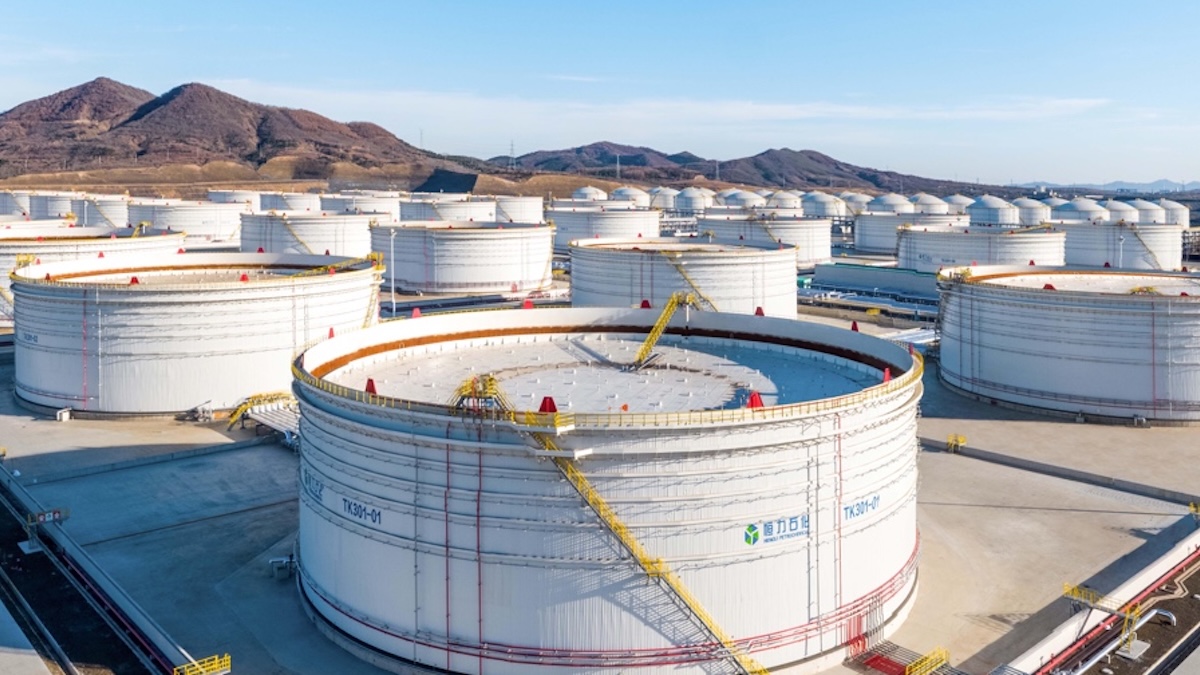
    On April 24, the United States escalated tensions over Iranian oil trade by blacklisting a major Chinese independent refinery and dozens of shipping-linked entities, triggering a sharp rejection from both the targeted firm and the Chinese government, which has pledged to protect domestic companies operating under international law.

    The U.S. Treasury Department’s Office of Foreign Assets Control (OFAC) added Hengli Petrochemical (Dalian) Refinery Co Ltd to its Specially Designated Nationals and Blocked Persons (SDN) List, labeling the facility — China’s second-largest independent “teapot” refinery — as one of Iran’s most critical crude oil customers. OFAC claims the Dalian refinery generated hundreds of millions of dollars in revenue for Iran’s military through its crude purchases, alleging that since at least 2023, the company has taken delivery of more than five million barrels of Iranian crude carried by multiple already sanctioned shadow-fleet tankers.

    Alongside the action against Hengli (Dalian), OFAC sanctioned roughly 40 vessels and shipping companies that Washington alleges form part of Iran’s informal shadow fleet for oil shipments. The targeted entities have registrations across multiple jurisdictions, including Hong Kong (China), mainland China, the United Arab Emirates, Vietnam and Malaysia. OFAC specifically named five Hong Kong-owned vessels linked to alleged Iranian oil cargo movements: Lisboa, owned by Lisboa Shipping Company Limited, which it says delivered more than 2.5 million barrels of Iranian naphtha to the UAE between July 2025 and January 2026; Lynn, owned by Ting Tao Company Limited, which conducted ship-to-ship crude transfers off Malaysia before delivering cargo to China; Stellar Beverly, owned by Yegua Trading Limited, which transported over two million barrels of Iranian crude to China in 2025; Covenio, owned by Extensive Shipping Limited, which moved more than six million barrels of Iranian oil to China since early 2025; and Golden Sunrise, owned by Xifoides Group Limited, which has carried several million barrels of Iranian crude since mid-2025.

    Hengli Petrochemical Co, the Shanghai-listed parent company of the sanctioned Dalian refinery, has forcefully denied all allegations, stating that it has operated in full compliance with all applicable national and international regulations throughout its history. The company emphasized it has never engaged in any trade with Iran, and all of its crude suppliers provide formal certification that their crude supplies originate from jurisdictions not subject to U.S. sanctions.

    “The U.S. Treasury’s decision to place Hengli (Dalian) on the SDN List lacks both factual and legal basis, and constitutes an unlawful unilateral sanction,” the company said in an official statement. “We firmly oppose these groundless allegations and unlawful measures, and will take all necessary steps to safeguard the legitimate rights and interests of the company and its shareholders.” Hengli added that its operations remain fully normal as of the statement, with production utilization holding at high levels, output and sales proceeding according to plan, crude inventories sufficient to cover more than three months of operations, and ongoing procurement activities unaffected by the sanctions.

    The Chinese Foreign Ministry has echoed the company’s rejection of the U.S. action. Spokesperson Lin Jian told a regular press briefing on Monday that “China opposes illicit unilateral sanctions that have no basis in international law. We urge the U.S. to stop willfully slapping sanctions and using long-arm jurisdiction. China will firmly defend the lawful rights and interests of Chinese companies.”

    The Dalian refinery at the center of the dispute is part of the empire built by Fan Hongwei, who currently ranks as the eighth-wealthiest self-made woman in the world and was named China’s richest woman by Bloomberg in 2022. Fan and her husband Chen Jianhua launched their business career in 1994 by purchasing a near-bankrupt textile mill in Suzhou, growing the business dramatically during the 1997 Asian financial crisis through strategic capacity expansion and discounted equipment acquisitions. In the early 2000s, the group moved upstream into chemical production to secure its raw material supply, investing heavily in purified terephthalic acid (PTA) manufacturing to cut operational costs. In 2010, the group outbid multiple state-owned energy firms to win approval for the 20-million-metric-ton Dalian refining and petrochemical complex on Changxing Island, completing the company’s vertically integrated business model and establishing it as one of China’s largest private energy and manufacturing powerhouses. Financial results released by the parent company in mid-April 2026 show 2025 full-year revenue fell 14.9% year-on-year to 201 billion yuan (equivalent to roughly US$28 billion), while net profit edged up 0.4% to 7.1 billion yuan.

    Observers note the timing of the new sanctions, which comes as reports have emerged of potential renewed peace talks between Washington and Tehran. Jiangsu-based political commentator Hua Xiangming argues the sanctions are a deliberate move by the U.S. to gain negotiating leverage ahead of any talks. “Targeting foreign refineries and freezing overseas assets to strengthen bargaining power reflects a typical form of hegemonic politics,” Hua said, adding that such actions abandon all pretense of commitment to free trade and open market principles.

    Hua also pointed to the lack of transparency around the U.S. claims, noting that while Washington alleges the sanctions relate to billions of dollars in Iranian oil purchases, no detailed evidence has been made public. He warned that the increasing weaponization of the U.S. dollar for geopolitical goals is accelerating global de-dollarization trends. “The dollar’s share of global foreign exchange reserves has already fallen below 60%, a multi-decade low. Countries now see that relying on dollar settlement carries the risk of asset freezes and financial coercion,” Hua explained. “Alternatives are already emerging, from non-dollar oil pricing mechanisms to new cross-border payment channels such as China’s Cross-Border Interbank Payment System (CIPS), which are speeding up global efforts to reduce dependence on the dollar.”

    The latest sanctions action builds on earlier U.S. pressure on global financial institutions over Iran-related transactions. On April 15, U.S. Treasury Secretary Scott Bessent confirmed Washington had issued warnings to banks across multiple jurisdictions, including two banks based in Hong Kong, that they could face secondary sanctions if they process transactions linked to Iranian oil trade. On April 21, British outlet The Telegraph reported that a U.S. federal court in New York has ordered five major global banks — HSBC, Standard Chartered, JPMorgan, Citibank and Bank of New York Mellon — to turn over internal documents as part of a civil investigation into alleged Iran sanctions evasion. None of the banks have been accused of wrongdoing, and are only required to cooperate as correspondent banking service providers.

    U.S. media, citing anonymous Treasury Department sources, has reported that Iran routed approximately US$9 billion in oil-related transactions through U.S. correspondent bank accounts in 2024 via a network of front companies, with most of that activity centered in Hong Kong, Oman and the UAE. A Henan-based financial commentator described the $9 billion figure as a “hot potato” for global financial institutions, noting that banks are now forced to spend months combing through transaction records to identify Iran-linked flows, disrupting normal business operations, raising compliance costs, and creating significant operational strain for institutions prioritizing stability. In response to the new risk environment, the commentator expects banks to tighten compliance scrutiny for all Middle East-based clients, particularly those with any potential ties to Iranian trade. Over the medium to long term, however, the commentator predicts Iran will develop alternative transaction channels to continue moving funds, while global oil traders will increasingly shift to settlement in currencies such as the euro and Chinese renminbi to reduce their exposure to U.S. dollar-related financial risk.

  • Australia moves to tax Meta, Google and TikTok to fund newsrooms

    Australia moves to tax Meta, Google and TikTok to fund newsrooms

    MELBOURNE, Australia — The Australian government has tabled a groundbreaking new legislative proposal that would impose a revenue-based tax on three major global digital platforms — Meta, Google, and TikTok — to compensate local news creators for their journalistic work, marking the nation’s second attempt in three years to enforce fair compensation for news content shared on big tech services.

    Unveiled on Tuesday, the draft legislation will be submitted to Australia’s Parliament by July 2. The policy, dubbed the News Bargaining Incentive, is structured to push large platforms to negotiate voluntary commercial deals with domestic news organizations. Under the framework, any qualifying platform that declines to strike such agreements will face a 2.25% levy on their annual Australian-generated revenue. If platforms do agree to compensate publishers for news content, they will qualify for tax offsets that reduce their overall financial obligation.

    This proposal comes in response to the failure of Australia’s 2021 regulatory framework, the News Media Bargaining Code. That original law required platforms to negotiate payment for news content with publishers, threatening binding arbitration if no deal was reached. While most major platforms opted to strike initial deals to avoid arbitration rather than face judicial price-setting, many have since refused to renew agreements, opting instead to remove news content from their platforms to avoid payment obligations.

    The Australian government projects the new incentive scheme will generate between AU$200 million and AU$250 million (US$144 million to US$179 million) annually — a figure that matches the highest annual total of platform payments to news outlets under the original 2021 code. Collected funds will be distributed to local news organizations proportional to the number of journalists each outlet employs, according to Communication Minister Anika Wells.

    Prime Minister Anthony Albanese defended the policy, arguing that journalistic work must be fairly compensated rather than exploited by multinational corporations for profit. “It shouldn’t just be able to be taken by a large multinational corporation and used to generate profits for that organisation with no compensation appropriate for the people who produce that creative content,” Albanese told reporters. “We think that investment in journalism is critical to a healthy democracy.” The prime minister also pushed back against potential criticism from the U.S. — where all three targeted firms are based — noting that Australia is a sovereign nation acting in its own national interest.

    Not surprisingly, the proposal has drawn sharp pushback from the targeted digital giants. All three argue the plan is an unfair “digital services tax” that misrepresents the value exchange between platforms and news publishers, and will not create a sustainable future for the Australian news sector.

    Meta argued in an official statement that news organizations voluntarily share content on its platforms because they benefit from the distribution and audience reach the company provides. “The idea that we take their news content is simply wrong,” the company said, adding that the tax would apply even if platforms host no news content at all, calling the policy “a government-mandated transfer of wealth from one industry to another” that would only create a news sector dependent on government subsidies rather than sustainable innovation.

    Google echoed the criticism, saying it already maintains active commercial agreements with Australian news creators. The company also pointed out that the policy arbitrarily excludes other major digital platforms active in Australia, including Microsoft, Snapchat, and OpenAI, despite the changing landscape of how consumers access news. “It ignores the fact that Google already has commercial agreements with the news industry, misunderstands how the ad market changed and mandates payments from some companies while arbitrarily excluding platforms,” Google’s statement read. TikTok has not yet issued a public response to the proposal as of Tuesday.