博客

  • US-Iran tensions raise regional concerns as Tehran signals willingness for talks

    US-Iran tensions raise regional concerns as Tehran signals willingness for talks

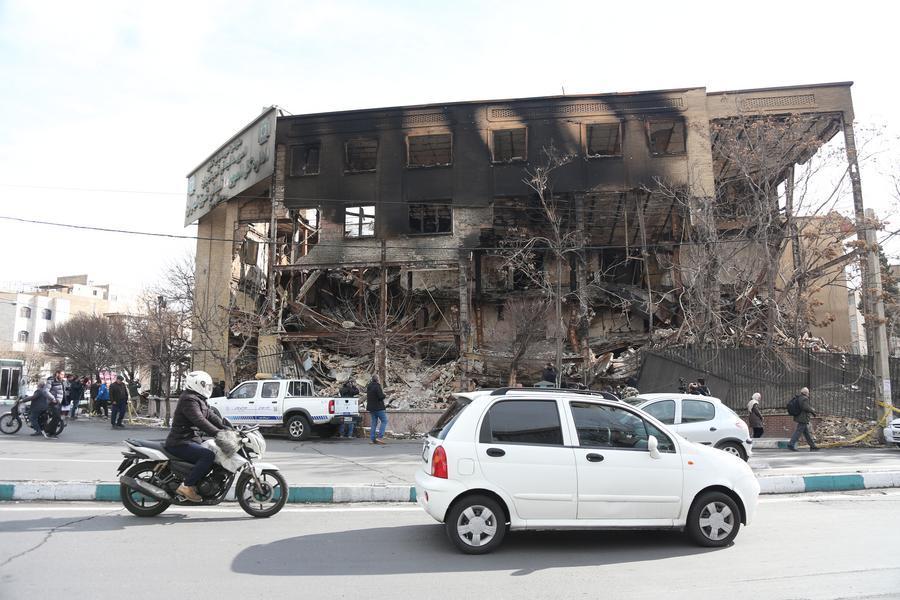
    Amid escalating US-Iran tensions that have triggered regional alarm, diplomatic channels show signs of activation as Tehran conditionally expresses willingness to return to negotiation tables. The situation has prompted urgent calls for de-escalation from Middle Eastern leaders who fear broader regional instability.

    Turkish President Recep Tayyip Erdogan has positioned Ankara as a potential mediator, offering facilitation services during a phone conversation with Iranian President Masoud Pezeshkian. Erdogan emphasized Turkey’s commitment to constructive diplomacy aimed at resolving the mounting crisis.

    President Pezeshkian articulated Iran’s diplomatic stance, emphasizing “dignity-based diplomacy” grounded in international law and mutual respect. In separate discussions with UAE President Sheikh Mohamed bin Zayed Al Nahyan, the Iranian leader clarified that Tehran seeks engagement rather than confrontation, while simultaneously criticizing Western powers for their perceived lack of genuine diplomatic commitment.

    Iran’s Foreign Minister Seyed Abbas Araghchi, during meetings in Istanbul with Turkish counterpart Hakan Fidan, reiterated Tehran’s conditional openness to negotiations. “We are prepared for talks with the United States,” Araghchi stated, “but only if they are fair and not conducted under threat.” He emphasized that Iran would not negotiate its defensive capabilities while acknowledging that logistical details regarding format, location, and agenda remain unresolved.

    The diplomatic movements coincide with heightened military posturing. US President Donald Trump announced the deployment of a “massive armada” toward Iranian waters, larger than the fleet recently sent to Venezuela and led by the aircraft carrier Abraham Lincoln. Simultaneously, the US guided-missile destroyer USS Delbert D. Black made a port call in Eilat, highlighting continued US-Israeli military coordination.

    Regional leaders expressed grave concerns about potential consequences. Egyptian President Abdel-Fattah al-Sisi warned that military confrontation could yield severe security and economic repercussions across the region. Azerbaijan’s Foreign Minister Jeyhun Bayramov, in discussions with Araghchi, committed to preventing Azerbaijani territory or airspace from being used against Iran or neighboring states.

    Despite the tensions, regional analysts suggest that direct military conflict may not be inevitable. Qatari political analyst Faleh Al Hajri observed that current indicators suggest the Trump administration is “using time as a weapon, brandishing force to raise the cost of Iran’s refusal” rather than having made a definitive decision to wage war.

    The diplomatic landscape further complicated as Iran’s top security official Ali Larijani visited Moscow for discussions with Russian President Vladimir Putin, focusing on economic cooperation and significant regional issues, though specific details remained limited.

  • Travelling amid Nipah scare? UAE doctors say no need to panic

    Travelling amid Nipah scare? UAE doctors say no need to panic

    Medical professionals across the United Arab Emirates are urging residents to maintain perspective regarding recent Nipah virus reports while emphasizing practical preventive measures for travelers. Contrary to widespread anxiety, physicians confirm that cancellation of travel plans remains unnecessary for most individuals.

    Dr. Vinod Tahilramani, specialist at Medcare Medical Centre in Motor City, emphasizes the statistical rarity of Nipah infection: “This remains an exceptionally uncommon condition that the majority of travelers will never encounter. The general public should proceed with their scheduled itineraries without undue concern.”

    Unlike highly contagious pathogens such as COVID-19 or influenza, Nipah virus demonstrates limited transmission capabilities. Infection typically requires direct exposure to bodily fluids of infected individuals or occurs within specific high-risk environments, particularly healthcare facilities during active outbreaks.

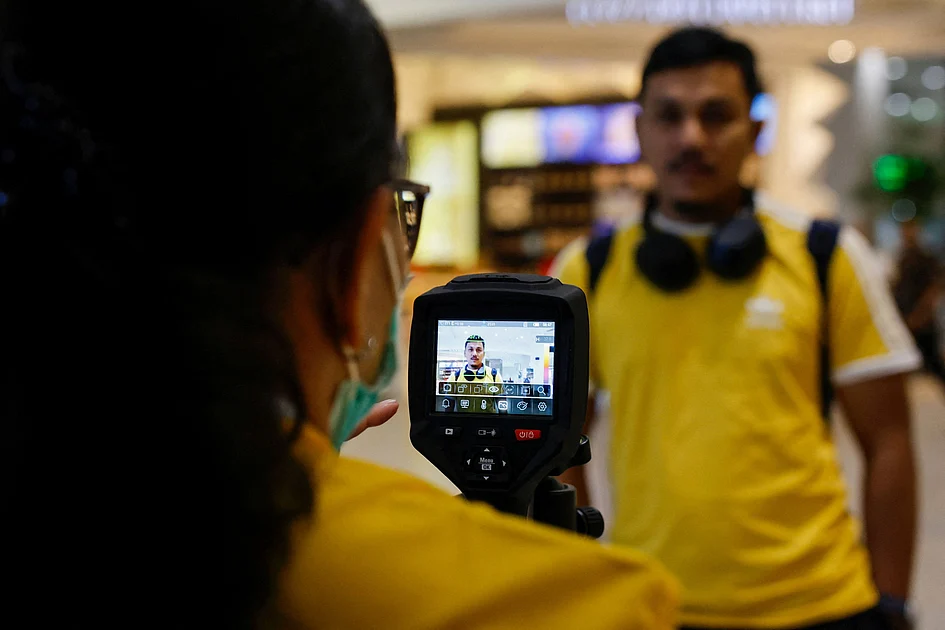
    Regarding airport screening implementations in various countries, medical experts acknowledge these measures provide an additional security layer by identifying visibly ill passengers, particularly those exhibiting fever. However, physicians note the limitations of such screenings since early Nipah symptoms often mimic common viral infections.

    “While screening contributes to safety protocols, it cannot guarantee complete protection,” Dr. Tahilramani notes. “This underscores the critical importance of personal awareness and prompt medical consultation when necessary.”

    Travelers visiting regions with reported cases should implement straightforward precautions:
    – Avoid close contact with symptomatic individuals
    – Maintain rigorous hand hygiene practices
    – Refrain from consuming uncovered street-vendor fruits
    – Avoid raw or improperly regulated food products
    – Limit non-essential hospital visits in outbreak zones
    – Healthcare workers should employ full protective equipment including masks and gloves

    Post-travel vigilance remains equally crucial. Dr. Deepak Dube, internal medicine specialist at International Modern Hospital Dubai, explains: “Initial presentation may resemble ordinary viral fever, but neurological symptoms including confusion, excessive drowsiness, seizures, or behavioral changes require immediate medical attention.”

    Medical professionals advise that fever accompanied by confusion or seizures warrants urgent care. Affected individuals should avoid public gatherings and explicitly inform healthcare providers of recent travel history.

    The consensus among UAE medical experts emphasizes informed preparedness rather than alarm. Through awareness, practical precautions, and timely medical response, travelers can mitigate risks while maintaining normal travel schedules.

  • Pedro Pascal and Meryl Streep lead tributes to Catherine O’Hara

    Pedro Pascal and Meryl Streep lead tributes to Catherine O’Hara

    The entertainment world is grieving the passing of Emmy-winning comedic actress Catherine O’Hara, who died at age 71 following a brief illness at her Los Angeles home on Friday. The Canadian icon, celebrated for her remarkable versatility and unparalleled comic timing, leaves behind an indelible legacy spanning five decades of film and television.

    Tributes poured in from Hollywood’s elite, with Meryl Streep commemorating O’Hara’s ability to bring ‘love and light to our world through whip-smart compassion for the collection of eccentrics she portrayed.’ The actresses had previously collaborated in the 1980s comedy ‘Heartburn,’ with Streep characterizing the loss as profound for both personal connections and the audiences who cherished her performances.

    O’Hara’s career encompassed iconic roles that became cultural touchstones. She achieved household recognition as Kate McCallister in the ‘Home Alone’ franchise and delivered memorable performances in Tim Burton’s ‘Beetlejuice’ (1988) and its 2024 sequel. Burton himself shared a poignant cast photo on social media, writing: ‘Catherine, I love you. This picture shows how much light you gave to all of us.’

    Her recent career resurgence came through the critically acclaimed series ‘Schitt’s Creek,’ where her portrayal of the eccentric Moira Rose earned her a Golden Globe for Best Actress in 2021. Co-creator Dan Levy described her as ‘family before she ever played my family,’ emphasizing the deep personal bonds formed during production.

    Michael Keaton, her ‘Beetlejuice’ co-star, reflected on their long professional relationship: ‘We go back before the first Beetlejuice. She’s been my pretend wife, my pretend nemesis and my real life, true friend. This one hurts.’

    Beyond her acting prowess, O’Hara was celebrated for her influence on comedy itself. Ben Stiller noted it was ‘hard to explain the impact she had on comedy,’ asserting there was ‘no one better.’ Director Christopher Guest, who collaborated with her on four films including ‘Waiting for Guffman,’ called her ‘one of the comic giants of our age.’

    Her ‘Home Alone’ son Macaulay Culkin posted an emotional Instagram tribute: ‘Mama. I thought we had time. I wanted more. I wanted to sit in a chair next to you. I heard you. But I had so much more to say.’

    O’Hara’s impact extended beyond Hollywood to her native Canada, where Prime Minister Justin Trudeau described her as a ‘beloved Canadian icon’ and comedian Mike Myers noted her passing marked ‘a very sad day for comedy and for Canada.’

    She is survived by her husband Bo Welch, whom she married in 1992, their two sons Matthew and Luke, and six siblings. O’Hara remains nominated posthumously at the upcoming Actor Awards for her role in Seth Rogen’s Hollywood satire ‘The Studio.’

  • Coordinated attacks by Baloch separatists kill 10 security personnel in Pakistan

    Coordinated attacks by Baloch separatists kill 10 security personnel in Pakistan

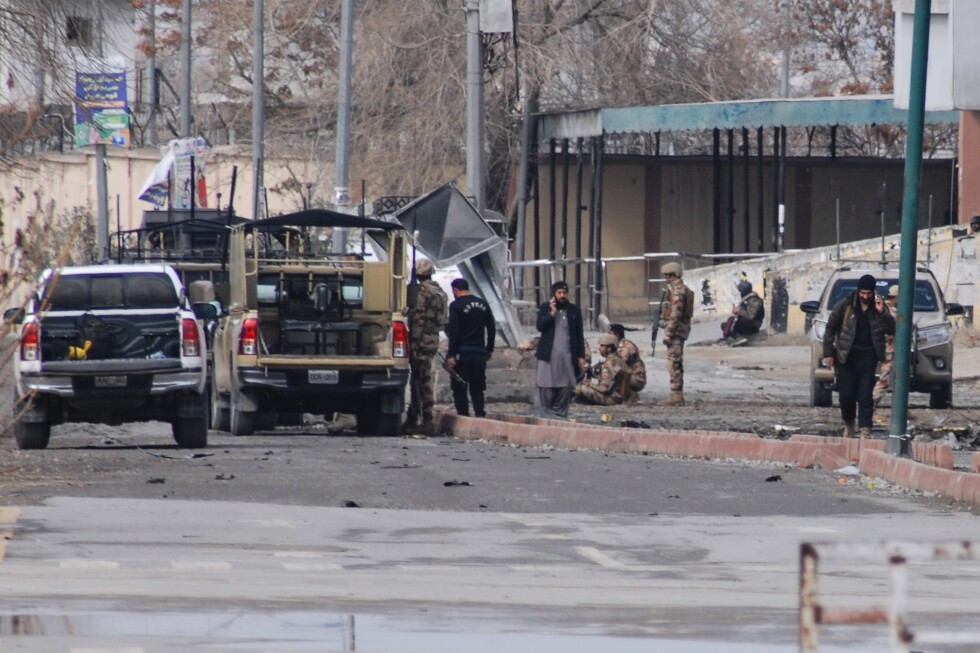
    QUETTA, Pakistan (AP) — In a significant escalation of violence, separatist militants from Pakistan’s restive Balochistan province executed a series of coordinated attacks targeting critical security installations across southern Pakistan early Saturday. The Baloch Liberation Army (BLA), an outlawed separatist group, claimed responsibility for the unprecedented multi-pronged offensive that struck a high-security prison, multiple police stations, and paramilitary facilities.

    According to official statements from Pakistani authorities, intense gunbattles resulted in the deaths of at least 10 security personnel and 58 insurgents. Interior Minister Mohsin Naqvi confirmed the security force casualties while praising their response that neutralized dozens of attackers across multiple locations. Government spokesperson Shahid Rind indicated that most attacks were successfully thwarted by security forces.

    The assault represented one of the most extensive coordinated operations in recent memory, with attacks occurring nearly simultaneously across Balochistan. Provincial Health Minister Bakht Muhammad Kakar reported that militants employed grenades against police vehicles in Quetta, the provincial capital, killing two officers and prompting emergency declarations at all regional hospitals.

    In one of the most significant breaches, dozens of insurgants stormed a prison in Mastung district, facilitating the escape of over 30 inmates. Additional attacks targeted the provincial headquarters of paramilitary forces in Nushki district, government administrative offices in Dalbandin, and security posts in Balincha, Tump and Kharan districts. Militants also attempted highway abductions of bus passengers in Pasni and Gwadar regions.

    The BLA released propaganda videos showcasing female combatants participating in the assaults, marking a strategic communications effort to highlight gender inclusion within their ranks. The group, designated as a terrorist organization by both Pakistan and the United States, has been accused of receiving support from India—a allegation New Delhi consistently denies.

    This escalation follows Pakistan’s military operations earlier in the week that killed 41 insurgents in raids on militant hideouts. Provincial Chief Minister Sarfraz Bugti reported that security forces have eliminated approximately 700 insurgents over the past year. The violence also disrupted transportation infrastructure as insurgents destroyed railway tracks, forcing suspension of train services from Balochistan to other regions.

    Balochistan has experienced prolonged separatist insurgency seeking independence from Islamabad’s central government, with both Baloch separatists and the Pakistani Taliban (TTP) intensifying attacks in recent months. Pakistan maintains that these militant groups operate from Afghan territory, a claim consistently rejected by Kabul’s Taliban administration.

  • Japanese PM’s provocations condemned

    Japanese PM’s provocations condemned

    Tokyo witnessed significant domestic opposition to Prime Minister Sanae Takaichi’s controversial Taiwan statements and military expansion policies during a Thursday gathering of Japanese societal leaders. The event highlighted growing concerns that Takaichi’s refusal to retract her provocative comments regarding Taiwan Strait contingencies has substantially elevated regional tensions and damaged bilateral relations with China.

    Former Prime Minister Yukio Hatoyama delivered a stern warning that Takaichi’s remarks fundamentally undermine the 1972 Japan-China Joint Statement, which explicitly recognizes Taiwan as China’s internal affair. He characterized her statements as essentially declaring military intervention intentions regarding Taiwan, representing a severe departure from established diplomatic foundations that have normalized and sustained Japan-China relations for decades.

    The controversy originated from Takaichi’s January 26th television appearance on TV Asahi, where she asserted that the US-Japan security alliance would ‘collapse’ if Japan failed to respond to hypothetical attacks on US forces in the Taiwan Strait. These comments echoed her earlier November 7th Diet statements suggesting potential Japanese military involvement in Taiwan scenarios, made shortly before dissolving the House of Representatives and calling snap elections.

    Takakage Fujita, secretary-general of the Association for Inheriting and Propagating the Murayama Statement, expressed alarm that Japan is pursuing military buildup along an ‘extremely dangerous road.’ He suggested Takaichi’s dissolution of parliament aimed primarily to consolidate her political base and advance her agenda of transforming Japan into a ‘military power.’

    Yuko Tanaka, former president of Hosei University, warned that Japan faces resurgence of ‘new militarism’ manifested through rapidly expanding defense budgets without stable fiscal foundations. She noted discussions have progressed beyond the 2% GDP defense spending target to proposals reaching 3.5% or even 5%, funded primarily through government bond issuance that accelerates national debt growth.

    Experts cautioned that deteriorating China-Japan relations, combined with yen depreciation and precarious public finances, could push Japan toward economic recession even before potential military conflicts materialize. The gathering participants unanimously emphasized that China-Japan friendship remains Japan’s most crucial guarantee for peace and security, urging withdrawal of Takaichi’s statements and opposing any attempts to provoke aggressive military actions.

  • Friendship built through music, travel

    Friendship built through music, travel

    PHILADELPHIA – As the Lunar New Year approaches, the Philadelphia Orchestra and China National Tourist Office have collaboratively orchestrated a powerful symphony of cultural diplomacy through a special concert series and tourism promotion event at the Kimmel Center for the Performing Arts.

    The ‘Ni Hao! China’ celebration, merging traditional Chinese music with tourism promotion, created a vibrant Spring Festival atmosphere that underscored five decades of artistic collaboration between the two nations. Chinese Ambassador to the United States Xie Feng emphasized the universal language of art during a pre-concert reception, noting that ‘people-to-people exchanges serve as a bridge’ between cultures.

    ‘When strings are struck and songs take flight, the beauty of art resonates between our two peoples,’ Ambassador Xie stated, highlighting art’s unique capacity to foster mutual understanding and trust. He pointed to recent cinematic successes including ‘Ne Zha 2’ in American markets and ‘Zootopia’ in China as evidence of thriving cultural exchange with significant economic benefits.

    The event featured a photographic exhibition titled ‘On the Road in China — China and the Philadelphia Orchestra,’ documenting the ensemble’s historic 1973 debut as the first American orchestra to perform in China and their subsequent twelve tours. Veteran violinist Davyd Booth, who has visited China approximately fifteen times since that inaugural trip, expressed his fortune in witnessing the country’s remarkable development and modernization.

    Philadelphia Orchestra President and CEO Ryan Fleur emphasized the enduring legacy of cultural exchange, noting his nearly twenty personal visits to China and the orchestra’s tradition of Spring Festival concerts since 2019. The celebration also included performances by the Central Conservatory of Music Chinese Orchestra, providing American audiences with authentic cultural experiences.

    China National Tourist Office Director Ma Yunfei highlighted the orchestra’s special relationship with China, noting that their exchanges have ‘always been about more than music—they are about openness and learning from one another.’ The event concluded with enthusiastic audience responses and expressions of interest in future travel to China, demonstrating music’s continuing power to build international friendship bridges.

  • Chinese Ambassador Xie Feng responds to ‘Becoming Chinese’ trend

    Chinese Ambassador Xie Feng responds to ‘Becoming Chinese’ trend

    Chinese Ambassador to the United States Xie Feng has formally acknowledged the burgeoning ‘Becoming Chinese’ social media phenomenon during a public address in Philadelphia on January 28. The diplomatic official extended a welcoming invitation to American citizens to visit China and personally engage with its cultural landscape, marking a significant diplomatic outreach effort.

    Ambassador Xie’s remarks represent the first official Chinese response to the organic trend that has gained substantial traction across various American social media platforms. The movement features content creators and ordinary users exploring and adopting aspects of Chinese culture, lifestyle, and customs in their daily lives.

    The ambassador’s Philadelphia appearance served as a strategic platform to address growing American interest in Chinese cultural elements. His comments emphasized the importance of direct cultural exchange and firsthand experience as foundations for mutual understanding between the two nations.

    This diplomatic overture occurs amid ongoing efforts to stabilize Sino-American relations through cultural diplomacy and people-to-people exchanges. The ambassador’s recognition of this grassroots social media trend signals China’s willingness to engage with organic cultural movements that emerge outside formal diplomatic channels.

    The invitation extended to American travelers aligns with China’s broader strategy of promoting cultural soft power and enhancing international perception through tourism and cultural exchange programs. This approach recognizes the growing influence of social media trends in shaping cross-cultural perceptions and international relations.

  • US Senate approves government funding deal

    US Senate approves government funding deal

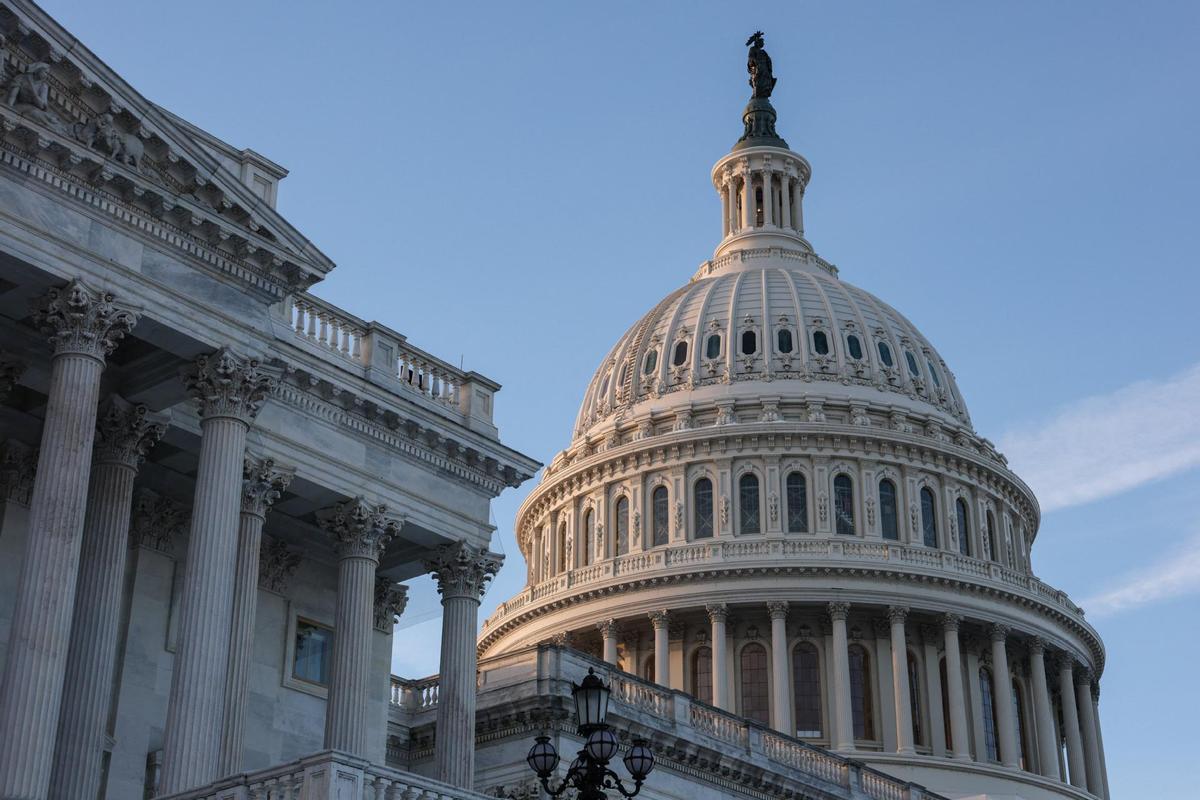
    WASHINGTON — In a critical legislative maneuver, the United States Senate ratified a provisional government funding measure late Friday, narrowly averting a complete federal shutdown. The eleventh-hour approval came mere hours before existing budgetary allocations were scheduled to terminate at midnight.

    Despite this congressional action, a temporary interruption in government financing remains probable due to procedural constraints. The House of Representatives currently stands in recess until Monday, creating an unavoidable gap between the Senate’s passage and the lower chamber’s opportunity to consider the legislation.

    This funding package represents a bipartisan compromise reached after intensive negotiations between Senate Democratic leadership and the White House. The arrangement ensures continued operation of federal agencies and services while legislators work toward a more comprehensive budgetary solution.

    The Senate’s decisive action prevents what would have been the fourth partial government shutdown in the past decade, maintaining essential services and preventing furloughs for hundreds of thousands of federal employees. However, the delayed House consideration means technical funding lapses may still affect some governmental operations over the weekend.

    This legislative development occurs against a backdrop of heightened political tensions regarding fiscal policy and government spending priorities. The successful Senate vote demonstrates the current administration’s ability to navigate complex legislative challenges despite a divided Congress.

  • Ukrainians brace for -20C despite energy truce: ‘It will be a catastrophe’

    Ukrainians brace for -20C despite energy truce: ‘It will be a catastrophe’

    As Eastern Europe braces for historically low temperatures, Ukrainian civilians face a dire humanitarian crisis caused by targeted Russian attacks on energy infrastructure. Yulia Hailunas, a resident of Dnipro, exemplifies the struggle as she endures subzero conditions inside her own apartment, clad in thermal layers and using makeshift heating methods like hot water pans and exercise to combat the cold.

    The situation threatens to worsen dramatically with forecasts predicting temperatures plunging below -20°C this weekend. “That’s what’s really scary,” Yulia expresses, “because all the heating pipes will burst and we won’t be able to repair them again. It will be a catastrophe.”

    This crisis unfolds against the backdrop of a questionable diplomatic development. Former US President Donald Trump announced that Vladimir Putin had agreed to a temporary halt in attacks on Ukraine’s major cities during the extreme cold snap. The Kremlin subsequently clarified that this purported goodwill gesture would expire on Sunday, coinciding with the anticipated coldest weather.

    Meanwhile, the conflict continues unabated in other regions. On Friday, shelling in Kherson killed one person and injured several others, while drone attacks persist across the country. Along the eastern frontline, fighting remains intense, forcing continued civilian evacuations.

    At a displacement center in Pavlohrad, approximately 40 miles from the front, families arrive dazed and uncertain about their future. Kateryna, who fled Vasylkivka with her two young children, described the emotional toll: “It’s like abandoning a piece of yourself.” Her mother Iryna detailed the increasing violence: “Our village wasn’t touched at first, but now it’s a total combat zone. The drones are hitting every day.”

    The energy grid attacks represent a clear violation of the Geneva Convention, which prohibits infrastructure attacks causing excessive harm to civilians. Ukraine’s heating system, targeted for four consecutive winters, grows increasingly fragile with each assault. Engineers from various sectors, including the national rail company, work tirelessly to restore electricity and repair damaged heating pipes beneath apartment complexes.

    While Ukraine has reciprocated by halting strikes on Russian oil infrastructure as a goodwill gesture in peace talks, Russian officials have actively dampened expectations of any imminent agreement. With another round of negotiations scheduled in the United Arab Emirates, civilians like Iryna remain skeptical: “Of course we are following the talks, we want some stability. But how can we trust Russia not to stab us in the back?”

    From the darkness and cold of their damaged homes, many Ukrainians perceive Moscow’s diplomatic gestures as mere manipulation tactics rather than genuine steps toward peace.

  • Fishing ban revives Yangtze finless porpoises

    Fishing ban revives Yangtze finless porpoises

    China’s landmark fishing moratorium on the Yangtze River has yielded remarkable ecological dividends, with the endangered finless porpoise population surging to 1,426 individuals according to the 2025 census data released by the Ministry of Agriculture and Rural Affairs. This represents a significant increase of 177 porpoises since the last survey in 2022, demonstrating the effectiveness of conservation measures implemented since the ten-year fishing ban commenced in 2021.

    The Yangtze finless porpoise, China’s only freshwater cetacean and a national first-class protected species, had experienced catastrophic decline from approximately 2,700 individuals in the early 1990s to a mere 1,012 by 2017 due to anthropogenic pressures. Vice-Minister Zhang Zhili characterized the species’ recovery as “reflecting the overall improvement of biodiversity in the river basin and the gradual restoration of ecological vitality in our mother river.”

    Complementing wild population recovery, China has established a comprehensive conservation network comprising five protected zones housing over 150 relocated porpoises, with more than 10 calves born annually. Scientific breakthroughs include the establishment of a freshwater cetatean sperm bank by researchers from the Chinese Academy of Sciences’ Institute of Hydrobiology, providing crucial technical support for breeding programs.

    Despite progress, the species remains critically endangered at roughly half its 1990s population level. An enhanced action plan aims to boost wild populations to approximately 1,700 by 2030 and 2,000 by 2035.

    The porpoise’s recovery signals broader ecological rehabilitation. Monitoring data reveals 351 fish species identified throughout the Yangtze basin from 2021-2025—43 more than pre-ban levels. The aquatic biological integrity index has shown substantial improvement, while unit fish biomass reached 2.4 kilograms in the main stream during 2025, doubling density compared to 2020 baseline measurements.

    Notably, the Chinese high fin banded shark, a nationally protected Class II species, has resumed natural reproduction after two decades of absence, recorded in both 2024 and 2025. Academician Gui Jianfang, head of the fishing ban’s midterm assessment expert group, projected continued aquatic recovery over the next five years while acknowledging that comprehensive ecological restoration will require sustained effort, particularly in stretches with severely fragmented habitats.