博客

  • Shane van Gisbergen remains NASCAR’s road-course ace with Watkins Glen win from the pole

    Shane van Gisbergen remains NASCAR’s road-course ace with Watkins Glen win from the pole

    WATKINS GLEN, N.Y. – On a sun-baked Sunday at the iconic Watkins Glen International road course, New Zealand native Shane van Gisbergen put on a driving masterclass that further cemented his reputation as NASCAR’s undisputed king of street and road courses, claiming his second consecutive Cup Series victory at the 2.45-mile track in dominant fashion.

    Starting from pole position in the No. 97 Chevrolet for Trackhouse Racing, van Gisbergen controlled the majority of the 100-lap event, leading 74 laps en route to his seventh career Cup Series win. Remarkably, all seven of his top-series victories have come on road or street layouts, extending his all-time NASCAR record for the most wins by a driver born outside the United States.

    The most stunning chapter of the race unfolded with just 24 laps remaining, when van Gisbergen pitted from the lead under green-flag conditions for a fresh set of four tires, a strategic call orchestrated by crew chief Stephen Doran. When he exited pit road, the Trackhouse driver sat 24th in the running order and nearly 30 seconds behind new race leader Ty Gibbs. What followed was a relentless charge through the field: van Gisberg carved his way past 23 competitors in just 17 laps, retaking the top spot before pulling away to a 7.288-second victory over runner-up Michael McDowell. Gibbs crossed the line third, with Chase Briscoe fourth and reigning points leader Tyler Reddick rounding out the top five.

    Van Gisbergen admitted the outcome looked far more assured than it felt from behind the wheel, noting that his team had struggled for pace in practice before a shock qualifying performance locked him onto pole. “We weren’t very good in practice, and then qualifying was amazing, and then today, what a race car,” van Gisbergen said post-race. “Stephen made great calls. I wasn’t sure how it was going to work, and then to run them down like that, it’s very, very special to do two in a row.”

    Despite the pressure that comes with being labeled the favorite for every road course event, van Gisbergen said he never takes his dominant streak for granted. Dating back to the Mexico City race last June, he has now won six of the last seven road and street course events on the Cup schedule. “It’s not easy,” he emphasized. “Everyone’s really good. McDowell was good. Connor (Zilisch) was good. Tyler Reddick. There were some really good guys and a lot of pressure. So just stoked to execute every facet of our game. And speechless. This is so cool.”

    McDowell, who started second and also fought through the field after dropping to 27th on his final pit stop, said he quickly realized van Gisbergen was pacing him during the race. “It felt like he was just pacing himself off me, and he’d take back off,” McDowell said. “We still got a little work to do, but it’s a good building block.”

    Doran, van Gisbergen’s crew chief, explained the bold late pit strategy that set up the win: unlike most competitors who pitted earlier to save fuel, the team opted for a late stop to give van Gisbergen the aggressive car he prefers. “He’s made it pretty clear, especially at these tracks, he likes to be on offense, so we put him there and just let him go do his thing,” Doran said.

    The win completed a dream weekend for Trackhouse Racing, whose rookie driver Connor Zilisch claimed victory in the O’Reilly Auto Parts Series race on Saturday. Zilisch was on track for a strong top-five finish in Sunday’s Cup race before a late tire issue dropped him to 20th. “Just frustrating because we had a really good day going,” Zilisch said. “At worst, we were going to get ourselves our first top five and walk out of here with something. But congrats to Shane, Trackhouse and everybody who makes this happen.” The organization’s overall performance was a marked turnaround: entering the weekend, Trackhouse had only secured four top-10 finishes across its three cars in the first 11 races of the season, but qualified all three entries in the top five on Sunday.

    Beyond the on-track action, eight-time NASCAR Most Popular Driver Chase Elliott made a rare public push Saturday for his uncle, engine builder Ernie Elliott, to be inducted into the NASCAR Hall of Fame. The vote for the 2027 Hall of Fame class is scheduled for May 19, and this year marks Ernie Elliott’s first appearance on the ballot. Ernie built engines for Chase’s father, Hall of Fame driver Bill Elliott, throughout the 1980s and continued to contribute to Chase’s early racing career. “I don’t talk about this stuff a lot, but you don’t have to dig very far into the Elliott racing story to recognize how much of a family effort it was,” Chase Elliott said. “I don’t think the story has the same ending… without Uncle Ernie and what he meant to all of us. He’s meant a lot to my career. There are a lot of very, very deserving names on the list, but he is one of the very deserving that doesn’t get talked about enough for the credit that he deserves.”

    This 2025 May running at Watkins Glen is also expected to be a one-off experiment. NASCAR has already confirmed the series will return to its traditional September date at the road course starting in 2027. The 2024 Cup race at Watkins Glen was held in September, and the previous 42 races at the track all took place in July or August. While next year’s schedule will not be released for several more months, new NASCAR CEO Steve O’Donnell reaffirmed during pre-race coverage on Fox that Homestead-Miami Speedway, which takes over as the season finale from Phoenix Raceway this year, will likely remain the final event on the Cup calendar in 2027.

    Up next on the NASCAR schedule is the All-Star Race, which makes its debut at Dover Motor Speedway on May 17. Christopher Bell enters as the defending champion of the exhibition event, which was held at North Wilkesboro Speedway for the past three seasons.
  • What next for US passengers evacuated from hantavirus-hit cruise ship?

    What next for US passengers evacuated from hantavirus-hit cruise ship?

    A coordinated international public health response is underway after a potential hantavirus exposure on a cruise ship docked in Spain’s Canary Islands, with 17 American passengers and one British resident of the U.S. being repatriated via government charter jet for specialized screening and quarantine at a leading U.S. medical facility.

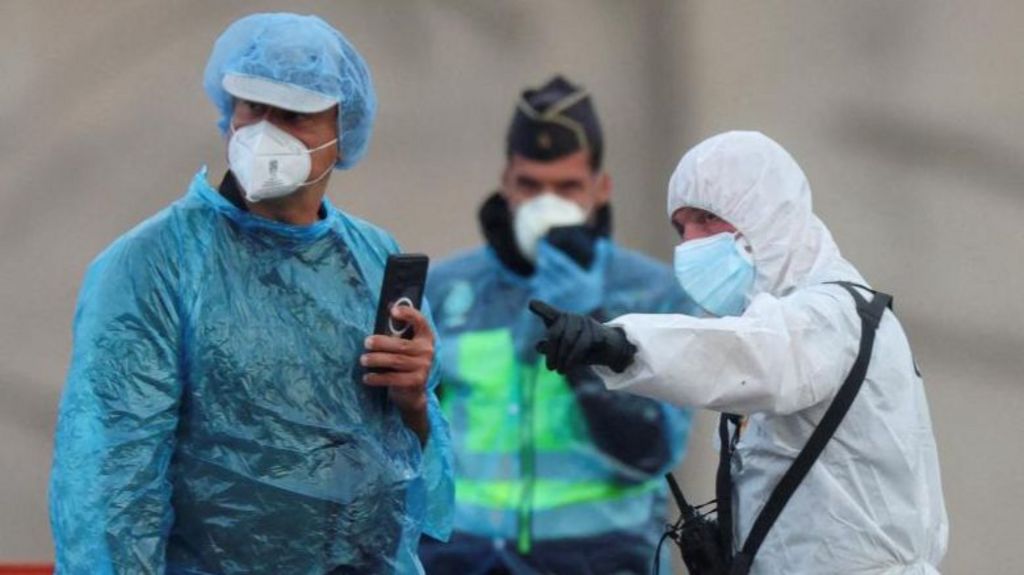
    The passengers were part of the more than 90 people evacuated from the MV Hondius on Sunday at the Port of Grandilla de Abona on the island of Tenerife. Photographs captured the group disembarking the vessel wearing full personal protective equipment, including disposable blue gowns, bouffant caps, and medical-grade face masks. Seven other U.S.-based passengers had returned to the country earlier and are already undergoing routine monitoring in their home states across the nation.

    Upon arrival early Monday morning at the University of Nebraska Medical Center (UNMC) in Omaha, the newly repatriated group will undergo formal risk assessment by public health officials to determine if they require treatment or can safely complete monitoring protocols, acting Centers for Disease Control and Prevention (CDC) Director Jay Bhattacharya confirmed to CNN.

    Officials stress that the overall risk of a large-scale hantavirus outbreak remains extremely low, and the public should not confuse this event with the rapid spread of COVID-19. Hantavirus only spreads between people through close, prolonged contact with an infected individual who is already showing active symptoms, meaning most exposed passengers face minimal public health risk.

    “ If they weren’t in close contact with someone who was symptomatic, then we’re going to deem them a low risk. If they were in close contact, we’re going to deem them a medium or high risk,” Bhattacharya explained. Tailored protocols will apply for each risk tier, he noted: low-risk passengers may be allowed to return home via controlled, isolated transportation to avoid exposing other members of the public, while higher-risk individuals will be offered the option to complete their quarantine period at the Nebraska facility. All passengers, regardless of risk classification, will complete a 42-day self-isolation period and ongoing monitoring by local health departments, with full CDC support throughout the process.

    Notably, none of the evacuated passengers are currently showing active symptoms of hantavirus infection, so broad testing is not being conducted at this time per CDC guidance.

    UNMC was selected for this operation because it houses the United States’ only federally funded national quarantine facility: a 20-bed National Quarantine Unit that opened in November 2019, just months before the onset of the COVID-19 pandemic. The facility is purpose-built for infection control, with all rooms fitted with negative air pressure systems designed to prevent the airborne spread of communicable pathogens. If any passenger does develop symptomatic hantavirus infection during their stay, they will be transferred to UNMC’s on-site Nebraska Biocontainment Unit, a specialized facility purpose-built to treat patients with high-consequence infectious diseases.

    UNMC leadership emphasized that the incoming passengers are not expected to be severely ill. “We don’t expect to see any of these passengers transported off on a gurney,” said Professor John Lowe, the center’s director. “They’re going to walk off a plane and walk into a vehicle and get driven over here and head into their quarantine room.”

    Dr. Michael Wadman, director of the National Quarantine Unit, added that the experience of quarantine for most passengers will be far from restrictive. “It’s pretty much like living in a hotel room with delivery of food. They can use their exercise devices in the room, we do daily symptom and monitoring as well as vital sign checks,” he explained, noting that passengers retain significant personal freedom during their stay.

    The seven U.S. passengers who returned earlier are currently being monitored by state health departments across the country: two are in Georgia, two in Texas, one in Virginia, one in Arizona, and an additional group is being monitored in California, with no reported symptomatic cases to date. Public health officials have repeatedly stressed that they are following decades-old, proven hantavirus containment protocols that have successfully limited past outbreaks, and there is no cause for widespread public panic. “This is not Covid. And we don’t want to treat it like Covid. We don’t want to cause a public panic over this. We want to treat it with the hantavirus protocols that were successful in containing outbreaks in the past,” Bhattacharya said.

  • Iran Nobel winner released on bail for medical treatment: supporters

    Iran Nobel winner released on bail for medical treatment: supporters

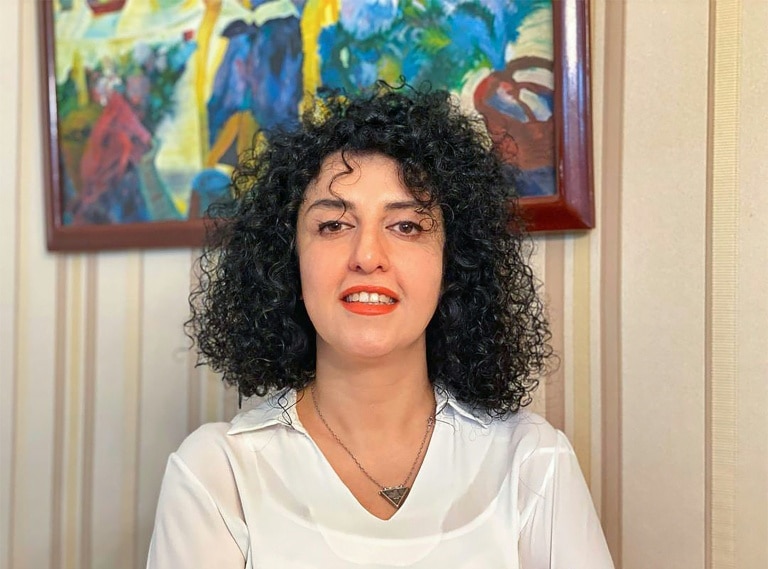
    In a move that comes amid mounting international and domestic concern over the declining health of imprisoned Iranian human rights activist Narges Mohammadi, Iranian authorities have granted her release on heavy bail to receive specialized medical care in Tehran, her supporters confirmed Sunday.

    The 2023 Nobel Peace Prize laureate, who has spent the better part of 20 years in and out of Iranian prisons for her human rights advocacy, was transferred by ambulance from a Zanjan hospital to a Tehran medical facility Sunday, where she will be treated by a personal medical team selected by her camp, according to a statement from the Narges Mohammadi Foundation. The organization did not disclose the exact value of the bail set by authorities, but confirmed that her sentence has been temporarily suspended to allow for treatment.

    The decision to grant medical release comes just one week after Mohammadi’s supporters raised urgent alarms that her life was at immediate risk following two suspected heart attacks behind bars at Zanjan Prison, where she was serving out a lengthy sentence. In a stark warning issued last week, Mohammadi’s Paris-based husband Taghi Rahmani emphasized that temporary medical transfer would not resolve the core threat to his wife’s health. “While she is currently hospitalised following a catastrophic health failure, a temporary transfer is not enough. Narges must never be returned to the conditions that broke her health,” Rahmani said in his statement.

    The foundation echoed this call, noting that Mohammadi requires advanced specialized care that was unavailable to her in Zanjan, and stressing that authorities must allow her to remain free rather than forcing her to complete the 18 additional years remaining on her original sentence. Her Iranian lawyer Mostafa Nili later confirmed the details of the transfer on the social platform X, stating that the move followed an official court order halting her sentence for medical purposes.

    At 54 years old, Mohammadi has a long well-documented history of activism focused on advancing women’s rights, abolishing capital punishment, and challenging Iran’s clerical ruling system established after the 1979 Islamic Revolution. She was most recently arrested last December, after delivering a public rebuke of the Islamic Republic at a funeral for a slain Iranian lawyer.
    Even before her recent health crisis, Mohammadi lived with a pre-existing chronic heart condition. Her first suspected heart attack came on March 24, with a second following just over a month later on May 1 inside Zanjan Prison. After the second event, she was moved to a local Zanjan hospital for urgent care, but remained under heavy constant guard the entire time she was there.
    Last week, her Paris-based lawyer Chirinne Ardakani shared harrowing details of the activist’s decline in custody. She told reporters that Mohammadi had lost 20 kilograms (44 pounds) since her latest arrest, struggles to speak clearly, and is now “unrecognizable” compared to her physical state before she was detained. Ardakani also added that her health has been further exacerbated by rising regional tensions: at least three Israeli or U.S. air strikes have occurred in close proximity to her Zanjan prison in recent months, compounding the stress and health risks of her incarceration.

    Mohammadi rose to international prominence as a leading voice of the 2022-2023 Iranian protest movement, which erupted after 22-year-old Kurdish woman Mahsa Amini died in morality police custody for allegedly violating Iran’s mandatory hijab laws. Mohammadi was arrested earlier this year, before the largest wave of January demonstrations, but she has remained an iconic symbol of resistance to the Iranian government’s policies. She was awarded the 2023 Nobel Peace Prize for her decades-long campaign to expand human rights and gender equality in Iran, but she was unable to travel to Oslo to accept the award due to her imprisonment. Her 13-year-old twin children, Ali and Kiana Rahmani, who have lived and studied in Paris for years and have not seen their mother in more than a decade, accepted the prize on her behalf.

  • Changing geopolitics are in focus as France’s Macron kicks off Kenya visit for an Africa summit

    Changing geopolitics are in focus as France’s Macron kicks off Kenya visit for an Africa summit

    On a Sunday morning in Nairobi, Kenya, French President Emmanuel Macron touched down to kick off a high-stakes diplomatic visit, setting the stage for the first-ever Africa Forward Summit — a landmark event designed to introduce France’s long-teased revised policy approach to the African continent. After decades of criticism over its colonial-era paternalistic influence across the region, Paris is positioning this summit as a formal break from the past, rebranding its relationship with African nations as one between equal partners rather than a dominant power and subordinate states.

    The 2024 summit carries historic weight: it marks the first time this kind of major France-led African diplomatic gathering has been hosted in an Anglophone nation, a deliberate shift that comes on the heels of France’s full withdrawal of all military troops from West Africa completed in 2023, a move that followed years of steadily waning French political and military influence across the Sahel region. Analysts and African leaders alike are closely watching the summit to see how Macron will frame this exit and what commitments France will make to its revised vision for the continent.

    For nearly 60 years after most former French African colonies gained independence, Paris maintained a system of economic, political, and military dominance across the region known colloquially as Françafrique. This system included the permanent stationing of thousands of French troops across multiple West and Central African states, a policy that drew repeated backlash from sitting African leaders and opposition figures alike. Critics across the continent have long decried Françafrique as demeaning and overly heavy-handed, arguing that it undermined African sovereignty and perpetuated neocolonial power structures.

    Kenyan President William Ruto, Macron’s host for the summit, has framed the gathering as a potential turning point for Franco-African relations. Speaking ahead of the two-day event, which is scheduled to begin Monday and expects to welcome 30 sitting heads of state from across the continent, Ruto noted that both he and Macron share the goal of building a more equitable collaborative partnership.

    Addressing shifting global geopolitical dynamics, Macron struck a conciliatory tone, acknowledging that while France may hold policy disagreements with some West African governments, it maintains unwavering respect for African populations. Ruto, for his part, pushed back against narratives that Kenya is aligning with either Western or Eastern power blocs, stating that Nairobi’s diplomatic priority is pursuing progressive, mutually beneficial relationships with all global partners, regardless of geographic or ideological orientation.

    Not all reaction to the summit and its Kenyan host venue has been positive, however. Kalonzo Musyoka, leader of Kenya’s main opposition bloc, has publicly condemned the decision to host the gathering in Nairobi. He argued that the country currently faces a deepening democratic crisis ahead of the 2027 national general election, noting what he calls escalating attacks on opposition voices, widespread human rights violations, and deep political divisions that undermine any claim of national cohesion. “There will be an air of pretense that we are a cohesive nation,” Musyoka said, adding “We know that is far from the truth.”

    On the first day of Macron’s visit, Kenya and France signed 11 new bilateral agreements covering cross-sector investment partnerships. Key projects include an ambitious new nuclear energy facility, upgrades to national transport infrastructure, and expanded investment in sustainable agricultural development. Macron emphasized that these investments are aligned with the summit’s core focus: supporting innovation across the continent and investing in Africa’s rapidly growing young population by strengthening human capital.

  • Body of US soldier who went missing in Morocco has been found and identified

    Body of US soldier who went missing in Morocco has been found and identified

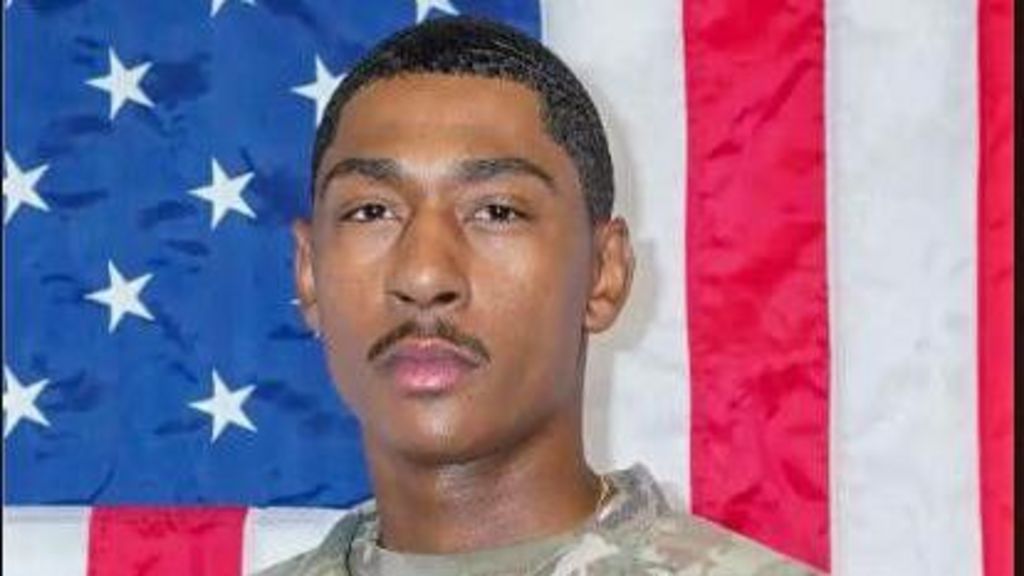
    In an official announcement made Sunday, U.S. Army Europe and Africa confirmed that the body of one of two U.S. soldiers who went missing during a scheduled joint military training exercise in Morocco has been recovered and identified. The fallen service member is 27-year-old First Lieutenant Kendrick Lamont Key Jr., a platoon leader and air defense artillery officer originally from Richmond, Virginia.

    Key’s remains were located by a Moroccan military search team in coastal waters roughly one mile from the cliffside where both soldiers disappeared on May 2, according to military officials. Combined U.S. and Moroccan search operations, leveraging ground, air, and maritime assets, are still ongoing to locate the second missing soldier.

    Preliminary reports obtained by CBS News, the U.S. partner of the BBC, outline the chain of events that led to the disappearance. The group of soldiers had been on a recreational hike to a cliffside sunset viewpoint when one soldier, who could not swim, slipped and fell into the Atlantic Ocean. Remaining group members first wove their belts together to form an improvised human chain in a desperate attempt to pull the fallen soldier to safety. When that rescue attempt failed, a second soldier entered the rough surf to try to save their comrade. A large wave immediately pulled the second service member under water, prompting a third soldier to jump in to assist. The third soldier ultimately managed to swim back to shore alone, after being unable to reach the two missing men. Military officials have not yet confirmed whether Key was the soldier who first fell into the water or the second who attempted a rescue.

    Both soldiers were deployed to take part in African Lion 2026, the largest annual joint military exercise held on the African continent. Hosted across Morocco, Ghana, Senegal, and Tunisia, the annual exercise is designed to strengthen operational coordination between U.S. forces, NATO allies, and African partner nations.

    Military leaders have publicly honored Key’s service and character. A 2023 entrant into U.S. military service, Key earned a bachelor’s degree in marketing and business from Methodist University in Fayetteville, North Carolina, before his commission. During his service, he was awarded the Army Achievement Medal and Army Service Ribbon.

    “Our hearts are with his family, friends, teammates, and all who knew and served alongside him,” stated Brigadier General Curtis King, commanding general of the 10th Army Air and Missile Defense Command. “The 10th Army Air and Missile Defense Command family is grieving, and we will continue to support one another and 1st Lt. Key’s family as we honor his life and service.”

    Lieutenant Colonel Chris Couch, commander of the 5th Battalion, 4th Air Defense Artillery Regiment — Key’s assigned unit — remembered Key as a leader of exceptional character. “Key was known for the care he showed for his Soldiers, his commitment to others, and the relationships he built across the formation,” Couch said. “Kendrick embodied the highest standards of service as a selfless, inspirational leader whose unwavering dedication to his Soldiers and their development leaves an enduring legacy within our ranks.”

    Key’s remains have been moved to a nearby morgue, and military officials confirmed plans to repatriate his body to the United States in coming days.

  • Tourist hotspot at ‘end of the world’ denies causing hantavirus outbreak

    Tourist hotspot at ‘end of the world’ denies causing hantavirus outbreak

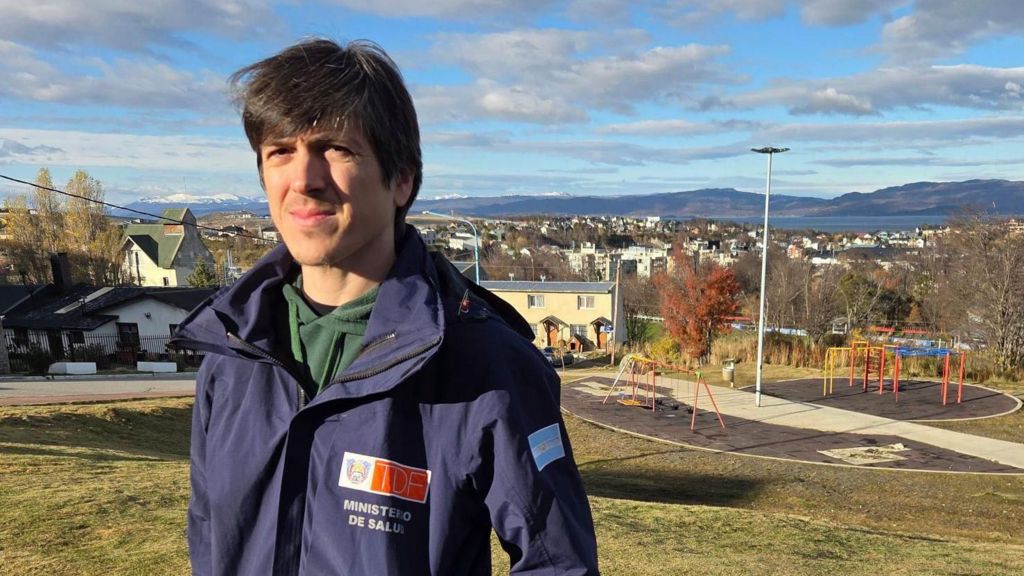
    Nestled at the southernmost tip of Argentina, Ushuaia has built its global reputation as the dramatic “End of the World” — a premier gateway for Antarctic expeditions and a starting point for explorers seeking the raw, untamed beauty of Patagonia’s landscapes. But in recent weeks, the popular tourist hub has been thrust into an unwanted spotlight, linked to a hantavirus outbreak that has spread to the Dutch cruise ship MV Hondius, currently anchored off Spain’s Canary Islands where all passengers and crew are being evacuated and repatriated.

    The MV Hondius departed Ushuaia, located in Argentina’s Tierra del Fuego province, on April 1 on a voyage that would end with an outbreak that has already claimed two lives. With 114 passengers and 61 crew members from 22 nations on board, public health investigators have operated under the working theory that the virus was introduced to the vessel during its stop in Ushuaia. But despite widespread media speculation, the exact origin of the infection and the full chain of transmission remain shrouded in uncertainty.

    The most prominent unconfirmed hypothesis, shared by anonymous Argentine officials with multiple media outlets, points to a popular birdwatching landfill on Ushuaia’s outskirts, where accumulated waste attracts large populations of rodents. But local health authorities have pushed back hard against this theory, emphasizing that Tierra del Fuego has no documented history of hantavirus infections anywhere in the province’s records.

    Juan Facundo Petrina, Tierra del Fuego’s Director General of Epidemiology and Environmental Health, has repeatedly defended his province against the ground zero claims in all recent press briefings and interviews. “In Tierra del Fuego we have no record of hantavirus cases in our history,” Petrina stated. “And specifically, since 1996 — when the National Surveillance System included it among mandatory reporting diseases — we haven’t had a single case in Tierra del Fuego.”

    Petrina, who took up his role in 2021 amid the COVID-19 pandemic, noted that the established endemic zone for hantavirus in Argentina sits more than 1,500 kilometers north of Tierra del Fuego, and the province lacks the conditions to support the disease’s primary vector. “To begin with, we do not have the subspecies of the long-tailed mouse which transmits the disease, nor do we share the same climatic conditions as northern Patagonia — neither in humidity nor temperature — for its development,” he explained. “And if rodents were to start moving, since they don’t respect geographical boundaries, it’s important to remember that we are an island. They would face the limitation of crossing the Strait of Magellan in order to infect local species, so that is an additional difficulty, beyond the climate.”

    Based on the World Health Organization’s estimated 1- to 8-week incubation period for hantavirus, Petrina estimates the original infection likely occurred between February 16 and March 13 — several weeks before the couple at the center of the outbreak arrived in Ushuaia. He believes the pair, a Dutch national who later died from the virus and is considered the likely patient zero, most likely contracted the disease in a northern Patagonian province such as Chubut, Neuquén or Río Negro. Chilean and Uruguayan health authorities have already ruled out their territories as the origin, based on the couple’s travel timeline.

    While many epidemiologists share Petrina’s skepticism that the outbreak began in Tierra del Fuego, Argentina’s national government has still authorized a team of specialist investigators to travel to the province to test for viral traces and confirm whether the disease-carrying rodent subspecies has expanded its range to the region. The team will collaborate with local biologists to trap rodents at the Ushuaia landfill and run hantavirus tests. Two days after the investigation was announced, however, the national expert team had not yet arrived, and a BBC visit to the site found no active testing or trapping underway.

    Eduardo López, head of the Department of Medicine and Infectious Diseases at Buenos Aires’ Ricardo Gutiérrez Children’s Hospital, argues that expanded investigation is still a necessary step, as shifting ecosystems have already altered rodent ranges across Argentina. “The case requires more study because ecosystems are changing,” López noted. “For example, the long-tailed pygmy rice rat, whose original habitat was the Patagonian Andes and north-western Argentina, can now be found in the province of Buenos Aires alongside other rodents that transmit the disease.”

    Beyond the public health urgency, resolving the origin question carries major economic stakes for Tierra del Fuego. Argentina’s youngest and least populated province relies on a mix of hydrocarbon extraction, fishing and tourism for its livelihood, and the cruise sector supporting Antarctic expeditions is a core economic pillar. Juan Manuel Pavlov of the Fuegian Tourism Institute confirms that more than 95% of all Antarctic-bound ships depart from Ushuaia’s port, with more than 500 vessel calls each year making the cruise industry fundamental to the provincial economy.

    To date, no official cruise cancellations have been recorded, though the industry’s summer season ended in mid-April, so any long-term impact on future bookings may not emerge for months. Local tourism stakeholders are pushing forward with preparations for the upcoming winter season, which they expect to be a strong one after years of investment in marketing and public safety protocols.

    On the ground in Ushuaia, daily life and tourist activity have continued largely as normal. Visitors still stroll the waterfront, book short excursions to landmarks like the iconic End of the World lighthouse on Isla de los Estados, and cruise the Beagle Channel. Tour operators report that the lack of local confirmed cases has helped keep visitor anxiety low.

    “The absence of cases here is very reassuring,” said Adonis Carvajal, an employee at a local tour operator. “People ask whether there are infections in the province, and the fact there are no reports of sick people here brings calm. The strain may be from the south — that’s not denied — but it didn’t originate here.”

    Many current tourists echoed that sentiment, saying they proceeded with their long-planned trips after confirming no local cases had been confirmed. David Bomparp, a Venezuelan expat living in Medellín, Colombia, who arrived in Ushuaia with his partner Daniela Sandoval just days after the outbreak news broke, said the couple decided not to cancel after checking official updates. “We planned this trip back in October, and only the day before boarding the plane did we find out what had happened,” Bomparp said. “As far as we understood, nothing had been confirmed here, so we came without worrying, following safety measures.”

    Sandoval added that while her mother was panicked enough to send constant worried updates through social media, she remained unconcerned by the unconfirmed claims. “I told her not to worry because there were no confirmed cases here,” she said. Costa Rican tourist Jordan Bermúdez, whose group traveled to Ushuaia from Chile’s Punta Arenas earlier this month, said the group researched the outbreak before departing and opted to keep their plans. “We arrived, found the city quite calm, did all the tours we had planned, and we think everything is normal,” Bermúdez said.

    Argentina’s National Ministry of Health has so far declined to endorse a definitive origin theory, noting that while a Tierra del Fuego origin cannot be completely ruled out, the province’s 27-year history of zero confirmed hantavirus cases is a critical contextual detail. Investigators hope that testing of passengers and crew evacuated from the MV Hondius in Tenerife will yield new genetic clues that help narrow down the virus’s origin. For now, however, with patient zero deceased and the couple’s full travel timeline not fully reconstructed, key questions about how the outbreak began remain unanswered.

  • Selfies galore as Eurovision kicks off in Vienna

    Selfies galore as Eurovision kicks off in Vienna

    The 70th edition of Eurovision, the world’s most-watched live song contest, has officially launched in Vienna, Austria, bringing a wave of excitement across the capital even as long-simmering controversy over Israel’s participation casts a shadow over the celebrations. Thousands of fans from across Europe and beyond have descended on the city to attend pre-final events, with the grand final scheduled to take place on May 16.

    On Sunday afternoon, event organizers rolled out a signature turquoise carpet — the contest’s alternative to a traditional red carpet — to kick off a vibrant opening ceremony welcoming 35 competing national delegations. Surrounded by fans snapping selfies with fellow attendees and contestants, French representative Monroe told reporters that the atmosphere on the ground was overwhelmingly warm. “There is a lot of positive energy, people are smiling, they’re very warm,” she said.

    In the city square in front of Vienna’s iconic neo-Gothic city hall, which has been converted into a secured fan zone, organizers have set up a giant screen screening highlights and memorable moments from the contest’s 70-year history. The competition, which draws more than 170 million viewers across television and online streaming platforms annually, generates billions of views on social media and other digital platforms worldwide. This year, Finland enters the contest as an early heavy favorite, with an entry pairing brooding vocalist Pete Parkkonen with acclaimed violinist Linda Lampenius. In a rare break from contest rules that require all instruments to be pre-recorded, the European Broadcasting Union (EBU), Eurovision’s governing body, has granted an exception to allow Lampenius to perform her part live, per Finnish media reports. While Austria earned an automatic spot in the final as last year’s winner, this year’s contestant Cosmo is not expected to challenge for the top title, with bookmakers placing the performer far down leaderboard projections. The five largest financial contributors to the EBU — Germany, France, Italy, the United Kingdom and Austria — all receive automatic final spots regardless of semi-final performance.

    Beyond the excitement of the performances, this year’s contest has been marked by widespread calls for a boycott over Israel’s inclusion, amid ongoing military conflict in Gaza. Five countries — Spain, Ireland, Iceland, the Netherlands and Slovenia — have already announced they will withdraw from the 2025 edition in protest. The countries have cited Israel’s devastating military campaign in Gaza, launched in retaliation for the October 7, 2023 attack by Hamas that killed roughly 1,200 people and took 250 hostages. Palestinian health officials report more than 34,000 Palestinians have been killed in the bombardment that has followed. More than 1,000 high-profile artists and musical groups have also backed the boycott call, including industry icons Peter Gabriel and British trip-hop group Massive Attack.

    On Saturday, one day before the official opening ceremony, hundreds of pro-Palestinian protesters marched through central Vienna to demonstrate against Israel’s participation. Hundreds of police officers were deployed to maintain security around the demonstration, which concluded peacefully. The controversy has also split European political leaders: German Culture Minister Wolfram Weimer, who has confirmed he will attend the contest, told German outlet Augsburger Allgemeine that the boycott calls cause him personal distress. “The boycott call against Israel made me ‘suffer’,” he said, adding that he had defended Israel’s right to participate “at the highest political levels.”

    Organizers have already stepped in to reprimand Israeli public broadcaster KAN, the country’s participating Eurovision outlet, after it released a public campaign urging viewers to cast 10 votes for Israel’s entry. Eurovision head Martin Green announced Saturday that the EBU had issued a formal warning to KAN, noting that such direct calls to drive up voting volumes violate both the contest’s rules and its core spirit. The EBU also updated its official voting rules ahead of this year’s contest specifically to prevent artificially inflated public voting, a change that came after Israeli broadcasters made similar mass voting appeals during the 2024 competition.

  • Dozens of Nigerian fishermen feared dead after Chad army strikes jihadists: local sources

    Dozens of Nigerian fishermen feared dead after Chad army strikes jihadists: local sources

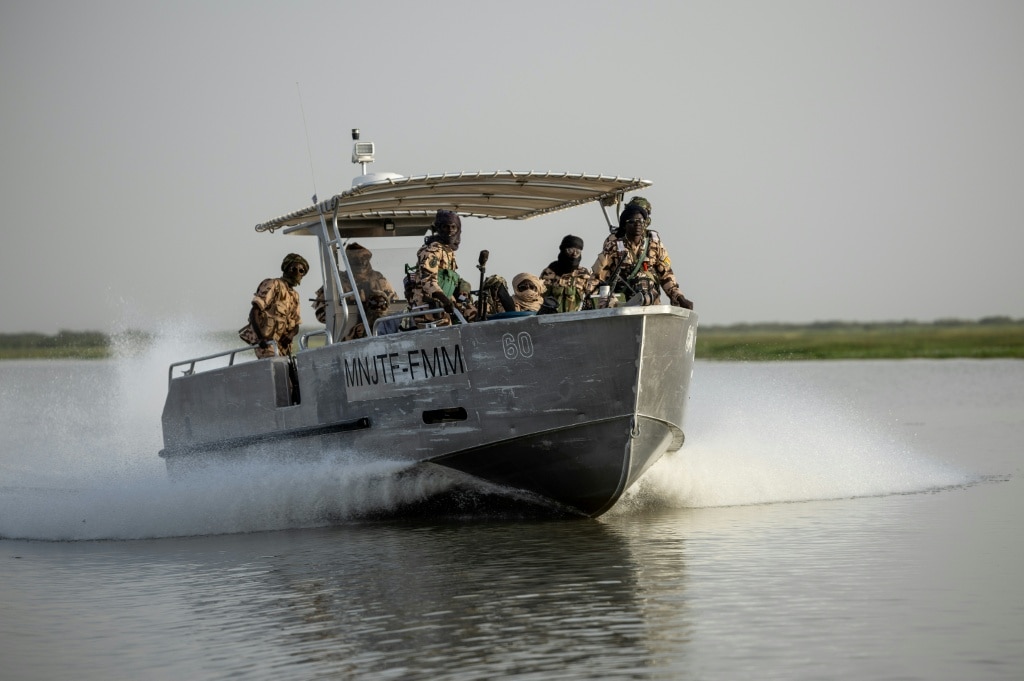
    A wave of airstrikes carried out by the Chadian military against jihadist insurgent positions on Lake Chad has left dozens of Nigerian fishermen missing and presumed dead, according to local sources speaking to Agence France-Presse on Sunday.

    The cross-border Lake Chad basin, which touches the territories of Nigeria, Chad, Cameroon and Niger, has been a hotbed of insurgent activity for more than a decade, with factions of Boko Haram and the Islamic State West Africa Province (ISWAP) controlling large swathes of remote waterways and islands. The latest military operation, which remains ongoing across the region’s scattered marshland and outcroppings, was launched in response to recent deadly attacks on Chadian military personnel by Boko Haram, a local civilian militia member confirmed.

    While the final death toll has not been confirmed as search and clearance operations continue, a senior official with the Lake Chad Fishermen’s Union told AFP that initial accounts from survivors indicate at least 40 local fishermen are still unaccounted for after Chadian fighter jets bombed two lake islands controlled by the insurgent group.

    “Chadian fighter jets have been bombing Boko Haram-held islands on the Nigerian side of the lake since Friday,” the militia member explained. “There have been huge casualties among the fishing communities that operate in these waters.” The bombing campaign was primarily focused on Shuwa Island, a key jihadist stronghold located at the tri-border intersection of Nigeria, Niger, and Chad, the source added.

    Adamu Haladu, a fisherman based in the northeastern Nigerian town of Baga, confirmed the high civilian death toll, noting that most of those killed or missing hail from Doron Baga, a lakeside Nigerian community, and Nigeria’s Taraba State. For years, local fishermen have operated in the rich fishing grounds of the remote lake islands under a de facto arrangement that requires them to pay regular tax to Boko Haram, which in turn provides transport for the fishermen to reach the areas and return with their catch, Haladu confirmed.

    As of Sunday, the Chadian military had not released any public statement confirming the operation or addressing the allegations of civilian casualties. The airstrikes come in the wake of two devastating Boko Haram attacks on Chadian troops in the region that killed more than two dozen soldiers, including two senior generals. Chad declared a three-day national period of mourning last week after the fatal ambush of an army patrol on the lake’s islands.

    This is not the first time Chadian military operations against Boko Haram have been linked to mass civilian deaths among Nigerian fishing communities. In October 2024, Chadian airstrikes on Tilma Island were accused of killing dozens of Nigerian fishermen, in what was framed as a reprisal attack for a jihadist assault that left 40 Chadian soldiers dead. At the time, Chadian military authorities denied intentionally targeting civilians, despite witness accounts confirming the deaths of civilian fishermen.

    Regional efforts to combat insurgent groups in the Lake Chad basin date back to the 1990s, with a multinational joint force reactivated by Nigeria, Chad, Cameroon and Niger in 2015 to coordinate counter-insurgency operations. However, the coalition was weakened last year when Niger withdrew following strained diplomatic relations between Niamey’s new military junta and its neighboring governments.

  • French national shows symptoms on return from hantavirus-hit ship

    French national shows symptoms on return from hantavirus-hit ship

    A global public health emergency has unfolded after a hantavirus outbreak on the Dutch-operated cruise ship MV Hondius left three people dead and triggered a coordinated multinational repatriation operation off the coast of the Canary Islands. On Sunday, authorities began the carefully planned process of evacuating more than 90 of the 150 total passengers and crew from the anchored vessel, with repatriation flights scheduled for multiple nations through the following day.

    French Prime Minister Sebastian Lecornu confirmed one French national developed visible hantavirus symptoms mid-flight during a chartered repatriation trip from Tenerife to Paris. As a precautionary measure, all five French passengers evacuated from the ship were placed into immediate strict isolation upon landing at Le Bourget Airport. Photos from the scene show airport officials in full personal protective equipment (PPE) waiting on the tarmac to greet the plane, before ambulances transported the group to Paris’ Bichat-Claude Bernard Hospital. According to an official statement from France’s Ministry for Europe and Foreign Affairs, the five passengers will undergo a mandatory 72-hour quarantine and full medical assessment at the hospital, followed by a 45-day period of at-home self-isolation.

    Other nations have also implemented strict public health protocols for their returning citizens. Fourteen Spanish nationals evacuated Sunday were flown to Madrid and placed into mandatory quarantine at a military hospital in the capital. A plane carrying 26 passengers and crew, including eight Dutch citizens, landed safely in the Netherlands, while all British nationals repatriated on Sunday arrived in Manchester. The UK Health Security Agency (UKHSA) confirmed no British passengers have reported symptoms to date, but all are under active monitoring. British evacuees will spend up to 72 hours in a government isolation facility for assessment before being cleared to complete quarantine at a location suited to their living situation. Repatriation flights for Turkish, Irish and US citizens were scheduled for the same Sunday, with an additional flight bound for Australia set to depart on Monday. Spanish Health Secretary Javier Padilla confirmed all passengers and crew will be repatriated by the end of Sunday, excluding the group heading for Australia.

    The coordinated evacuation operation, developed jointly by the Spanish government and the World Health Organization (WHO), launched shortly after 7 a.m. local time Sunday, when the MV Hondius anchored in Granadilla port. Witness footage shows passengers on the vessel’s deck and at portholes all wearing white medical face masks as evacuation got underway. Passengers on the first evacuation shuttle maintained social distancing as they approached shore, where officials in full white protective suits were waiting to receive them. Some British passengers, wearing blue PPE en route to the airport, waved and gave thumbs-up to assembled media parked along their transport route.

    The outbreak has sparked local pushback, with the Canary Islands’ regional president publicly voicing concerns about the risk of local transmission on Tenerife, where the ship anchored.

    Hantaviruses are primarily carried by wild rodent populations, but the Andes strain linked to this outbreak — which the WHO confirms passengers contracted during a port of call in South America — can spread between humans. Common hantavirus symptoms include high fever, severe muscle and body aches, extreme fatigue, gastrointestinal distress including stomach pain, vomiting and diarrhea, and progressing shortness of breath that can lead to life-threatening respiratory complications.

    The outbreak has already claimed three lives: the first death was recorded on April 11, a second on May 2, and the third victim was a 69-year-old Dutch woman who disembarked the ship at St. Helena on April 24, dying in South Africa two days later. Two confirmed cases in British men are currently receiving treatment in the Netherlands and South Africa respectively, while a third British man with a suspected case is being treated on the remote Atlantic island of Tristan da Cunha. British Army medics parachuted onto the island to deliver critical medical supplies for the patient’s care.

    Once all passengers and crew have disembarked, the MV Hondius will sail to the Netherlands, where the body of the deceased passenger and their personal belongings will undergo full disinfection before being removed from the vessel.

  • How hotels are stopping the ‘dawn dash’ for sunbeds after man wins payout

    How hotels are stopping the ‘dawn dash’ for sunbeds after man wins payout

    The long-running, low-stakes but highly frustrating travel industry conflict known as the ‘sunbed wars’ has taken a dramatic new turn, after a German court awarded a substantial payout to a holidaymaker who spent an entire Greek vacation locked in a daily battle for available poolside lounging space. The ruling has already pushed resorts across popular European holiday destinations to re-examine and strengthen their policies around the controversial practice of reserving sunbeds with towels long before they are actually used.

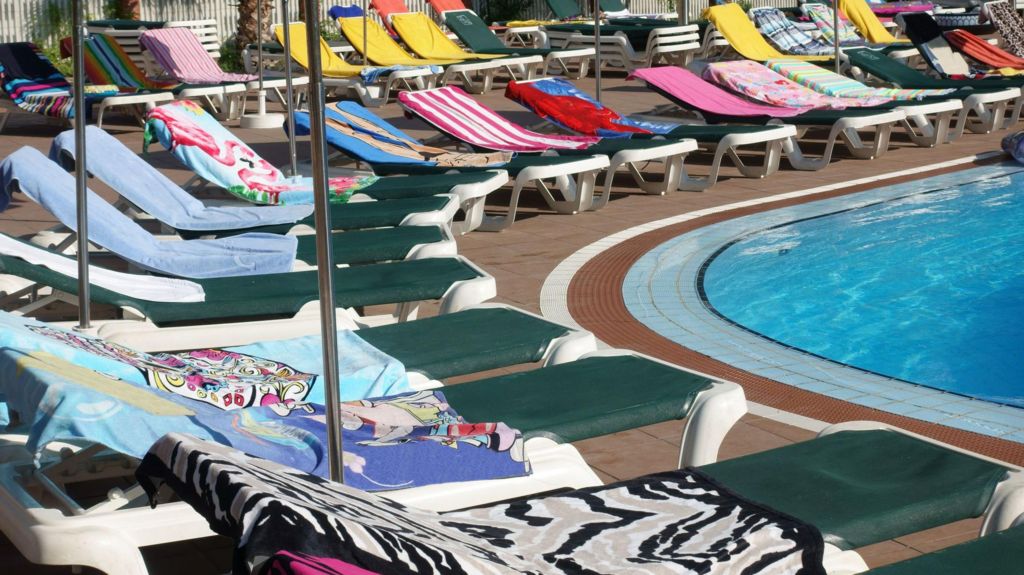
    The case that sparked this shift dates back to a 2024 package holiday to the Greek island of Kos, booked by a 48-year-old commercial pilot from Dusseldorf, who traveled with his wife and two children. The family paid €7,186 for the trip, but their vacation quickly soured over the persistent issue of reserved but unused sunbeds. Even when the plaintiff woke as early as 6 a.m. every day to claim a shaded spot, he told the court he still spent roughly 20 minutes each morning searching for an available lounger, because every single one of the resort’s 400 sunbeds had already been claimed via the towel-reserving trick. Many guests staked their claim early, then left the pool area for hours to head into town or return to their rooms for more sleep, leaving perfectly good loungers sitting empty while other guests had nowhere to sit. At one point, his children were even forced to lie on the hard floor near the pool because no space was available.

    The pilot argued that his tour operator had failed to uphold the resort’s own stated ban on towel reservations, and after the initial €350 refund offered by the operator failed to resolve the dispute, the case went to the district court in Hanover. Judges ruled this week that the family was entitled to an additional €550, bringing the total refund to €900 (£850). While the court acknowledged that the tour operator did not directly manage the hotel and could not guarantee a sunbed to every guest at every time of day, it ruled that travel companies do have a legal obligation to ensure resorts maintain a structured system that guarantees a reasonable ratio of sunbeds to booked guests, and enforce their own policies against misuse.

    In the wake of the ruling, the plaintiff told the Daily Mail that the decision is a critical warning to tour operators and hotels across the industry that turn a blind eye to the practice. He argued that as the 2025 peak summer holiday season gets underway, other travelers who face the same frustration will now feel empowered to pursue similar legal action, which could add up to millions in costs for travel companies if widespread claims follow.

    The BBC has since spoken to dozens of holidaymakers across the UK and Europe, and many shared that they have faced identical problems on their own trips. Andrew Mills from Newcastle told the BBC that during a 2024 trip to Zante, he spent most of his vacation away from the pool entirely, because all sunbeds were reserved by 6 a.m. every day. Another traveler, who recently returned from a trip to Antalya, Turkey, said the early-morning sunbed reservation trend completely ruined the enjoyment of his holiday.

    However, a number of resorts have already begun implementing targeted policies to crack down on the practice, with mixed reviews from past guests. On France’s Mediterranean coast, some popular holiday camps have adopted a strict check system: staff sound a horn twice a day, and any unoccupied sunbed with personal items left on it has those items moved to lost property, opening the space up for new guests. Multiple resorts across Cyprus have gone even further, adopting permanent pre-allocation systems that assign sunbeds to guests when they first check in. One resort in Paphos allows guests to request their preferred location upon arrival, allocates spots fairly, and permits guests to request changes if they want to move during their stay. 73-year-old Colin Davison from Newcastle-upon-Tyne called that system ‘brilliant’ during his recent stay. Another allocation model used at a Cypriot hotel numbers parasols, assigns one per two guests at the start of the holiday, with two sunbeds per parasol, giving larger groups multiple allocated spots automatically.

    Not all attempts to solve the problem have been official policy, however: one traveler recalled a 2024 trip to Ibiza where guests were reserving sunbeds as early as midnight. A group of fed-up travelers responded by sneaking down to the pool area in the middle of the night and throwing all the reserved towels into the swimming pool, a makeshift solution that quickly put a stop to the early staking — though it is not a method endorsed by any resort or travel industry body.