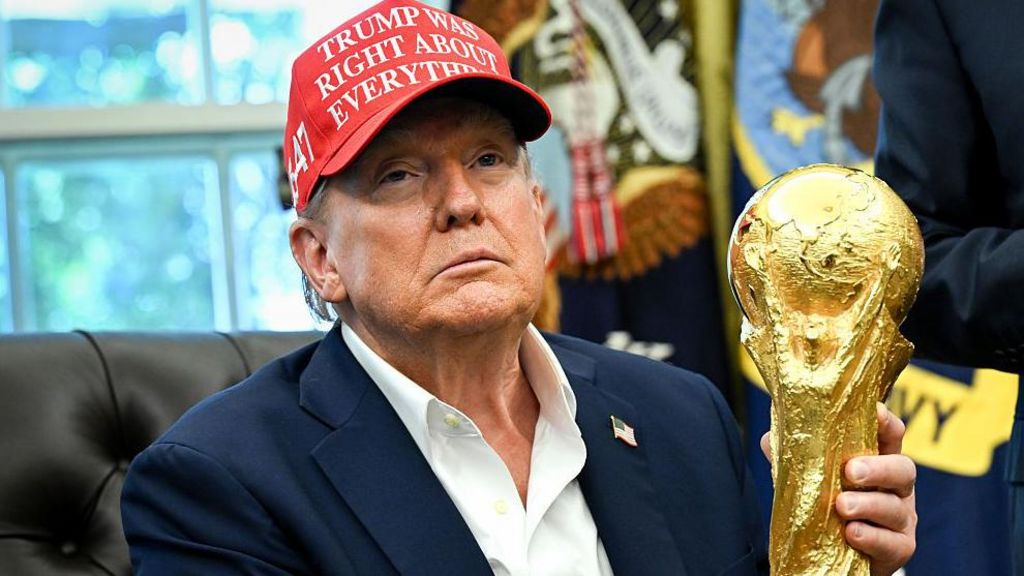
Ahead of the 2026 FIFA World Cup co-hosted by the United States, Canada, and Mexico, the Trump administration has issued a key policy adjustment: it will waive the mandatory $15,000 visa deposit requirement for football fans traveling from 50 restricted countries, as long as they hold valid match tickets for the tournament. Among the 50 countries included in this exemption, five national squads – Algeria, Cabo Verde, Ivory Coast, Senegal, and Tunisia – have already qualified for the global tournament kicking off on June 11. “We are waiving visa bonds for qualified fans who bought World Cup tickets,” Assistant Secretary of State for Consular Affairs Mora Namdar confirmed in an official statement provided to the BBC. The $15,000 visa bond mandate was first rolled out last August as part of a 12-month pilot program, a key component of the administration’s broader immigration enforcement push. U.S. State Department documentation notes the policy was designed to address the problem of visa overstays and cases where applicant screening and vetting materials are deemed insufficient. The full deposit would be returned to visitors once their authorized stay in the U.S. comes to an end. Prior to this new announcement, only participating players and coaches had been granted exemptions from the bond requirement, leaving ordinary ticket-holding fans subject to the fee until this week. While the bond suspension applies to fans from 50 countries, the exemption does not extend to fans traveling from Iran and Haiti, who remain barred from entering the U.S. under existing restrictions. Even for these two nations, however, World Cup-bound players and coaches are still exempt from the entry ban for tournament-related travel. Additional travel restrictions remain in place for fans from Ivory Coast and Senegal – both World Cup-qualified nations – under the administration’s expanded travel ban framework. This latest policy change comes as the U.S. maintains another controversial immigration rule that could impact World Cup visitors: late last year, the government announced that tourists from dozens of countries could be required to hand over five years of their social media history as a condition of entry. Human and civil rights organizations have repeatedly raised alarms about this policy, warning travelers that such extensive screening creates multiple risks, including heightened chances of entry denial, potential arrest, broader travel restrictions, targeted racial profiling, and increased government surveillance of visitors. The 2026 World Cup, the first to be expanded to 48 teams, will mark the first time the tournament has been co-hosted across three North American nations, with matches scheduled across multiple U.S. cities from the tournament’s opening round through the final. This policy adjustment reflects the administration’s effort to balance its strict immigration agenda with the logistical and diplomatic demands of hosting one of the world’s largest international sporting events.
博客
-
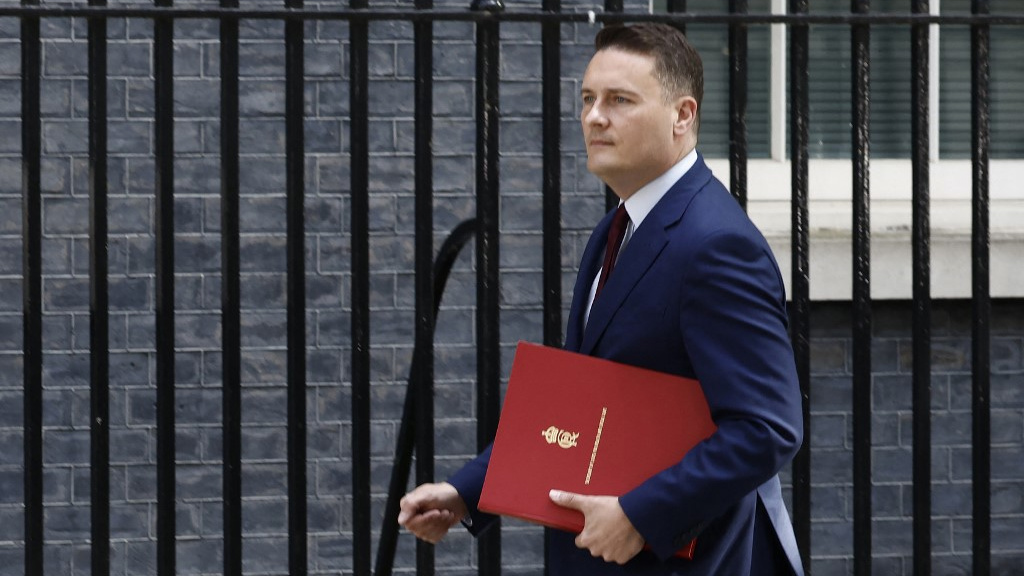
Who is the real Wes Streeting? His record on Israel and foreign policy examined
A stunning political upheaval is unfolding in UK politics, with British Health Secretary Wes Streeting reportedly preparing to launch a leadership challenge against incumbent Prime Minister Keir Starmer — a move many senior MPs have already labeled an internal party coup.
According to senior party sources, Streeting held a brief 10-minute closed-door meeting with Starmer at 10 Downing Street on Wednesday morning, and is now on track to step down from the cabinet and officially trigger a contest for the Labour leadership this Thursday. For the Ilford North MP, who aligns with the Labour Party’s right wing, this leadership bid is a race against the clock: he aims to unseat Starmer before the party’s soft left wing can unify behind a rival contender, most notably Greater Manchester Mayor Andy Burnham, who has long been floated as a potential candidate and could launch his own challenge if he secures a seat in parliament.
Crucially, Labour Together, the influential think tank that was instrumental in securing Starmer’s 2020 leadership victory, is widely understood to be backing Streeting. The group is eager to preserve its hold on power within a future Labour government should Starmer step down.
Regardless of which candidate ultimately prevails in a leadership contest, political analysts widely agree that a shift in British foreign policy is all but guaranteed — and few policy areas will see more change than the UK’s long-standing military and political alliance with Israel. The Israeli war in Gaza has been a deeply divisive flashpoint in British politics for more than two years, and the recent US-Israeli military campaign against Iran has already sent ripple effects through the British economy, driving up energy costs and stoking inflation. In the most recent local elections, the Green Party — the most prominent political voice opposing UK support for Israel — eroded Labour’s voter base far more severely than the right-wing Reform Party, underscoring how deeply the Israel issue has shifted voter loyalties on the left.
Any new prime minister replacing Starmer, whether through voluntary resignation or forced ousting, will be desperate to push back against the Green Party’s electoral gains and win back disillusioned left-wing voters. That political pressure almost certainly means a policy adjustment on Israel, but questions about what a Streeting-led government would actually do remain shrouded in contradiction. Middle East Eye’s deep dive into Streeting’s public and private record on Israel and the Middle East reveals a pattern of conflicting statements that have left even close political observers unsure of his true positions.
Streeting is a long-standing, active member of Labour Friends of Israel (LFI), a pro-Israel parliamentary lobby group. A senior Westminster source confirmed that Streeting meets regularly with LFI leadership in parliament. He has also received significant financial donations from Trevor Chinn, a 90-year-old former car industry magnate and philanthropist who was awarded the Israeli Presidential Medal of Honour in November 2024 for his lifelong service to the State of Israel. Between 2021 and 2024, Chinn donated more than £15,000 (approximately $20,200) to Streeting, and gave an additional £5,000 in 2025 — after Streeting became Health Secretary — to “support campaigning in Ilford North”.
Chinn’s father served as president of the UK branch of the Jewish National Fund (JNF), an organization that has long provided funding for Israeli settlements in the occupied West Bank, which are classified as illegal under international law. Public organizational records show that between 2015 and 2018, the UK JNF transferred more than £1 million to Hashomer Hachadash, a Zionist militia operating in the occupied West Bank. Chinn himself is a long-time supporter of both LFI and its Conservative counterpart, Conservative Friends of Israel, and two former officials from Tony Blair’s Labour government described him to Middle East Eye as a “very strong supporter of Israel” who was brought in as an unofficial advisor to Blair’s cabinet.
Despite these deep ties to pro-Israel lobbying, Streeting has a documented history of engaging with Palestinian stakeholders as well. In February 2016, he joined a trip to Israel and the occupied West Bank organized by Medical Aid for Palestinians and the Council for the Advancement of Arab-British Understanding, where he met with then-Palestinian Prime Minister Rami Hamdallah and sitting members of the Israeli Knesset, and visited a Palestinian community school in Khan al-Ahmar that was facing ongoing intimidation from Israeli settlers and military forces at the time. Later, he became the first member of Starmer’s shadow cabinet to visit Israel after Starmer won the Labour leadership, on a separate trip funded by LFI. He framed that visit as a four-day “fact-finding mission” during which he met with Israeli politicians, diplomats, academics and health experts, and later praised Israel’s medical innovation, saying “Israel is 10 years ahead of the NHS.”
After the 7 October 2023 Hamas attack on Israel, when Starmer’s then-opposition Labour Party backed the Conservative government’s policy of supporting Israel’s siege and bombing campaign in Gaza, Streeting aligned fully with official party line. Speaking to Sky News on 25 October 2023, he repeated Israel’s widely circulated claim that Hamas “cowardly [uses] innocent civilians, children, women, men as human shields” and echoed the Israeli assertion that “Hamas uses buildings like schools and hospitals as bunkers.” He refused to back calls for a permanent ceasefire, instead calling only for a temporary “humanitarian pause,” arguing that “Israel is a democracy… I don’t know if Hamas will abide by the rules for a pause.” In January 2024, he dismissed South Africa’s genocide case against Israel at the International Court of Justice as a “distraction from what needs to happen, which is the diplomatic heavy lifting to bring about an end to this conflict.”
By mid-2024, however, Streeting began to ramp up public criticism of Israeli actions. “You look at the scale of the bloodshed, you look at the scale of destruction in Gaza, the number of civilian casualties,” he noted in one interview. “They are disproportionate, and it’s horrible.” In the 2024 UK general election, Streeting only narrowly held onto his Ilford North seat, where British Palestinian independent candidate Leanne Mohammed came within just 600 votes of unseating him — a result widely interpreted as a reflection of widespread voter anger in the diverse constituency over Labour’s pro-Israel policies. A senior Labour source familiar with Streeting’s thinking confirmed to Middle East Eye that as Health Secretary, Streeting privately pressured Starmer to toughen his public criticism of Israel.
Under Starmer’s premiership, UK-Israel diplomatic relations did cool gradually: the UK introduced a partial arms embargo on Israel in September 2024. Yet Starmer’s government continued widespread military cooperation with Israel throughout the Gaza campaign, most notably carrying out hundreds of surveillance flights over Gaza and sharing real-time intelligence with Israeli forces. In March 2025, Starmer walked back previous comments from then-Foreign Secretary David Lammy that Israel was committing a “breach of international law.”
Streeting never publicly accused Israel of war crimes, but he continued to edge toward stronger criticism: in April 2025, he said Israeli attacks on Gaza were “intolerable” and “cannot be justified as self-defence.” By September that year, he went further, arguing that Israel’s actions in Gaza were “leading Israel to pariah status” and added that Israeli President Isaac Herzog “needs to answer the allegations of war crimes, of ethnic cleansing and of genocide that are being levelled at the government of Israel.”
That public shift, however, was thrown into new context in February 2026, when private text messages exchanged between Streeting and Peter Mandelson — former British ambassador to the U.S. and a controversial associate of the late Jeffrey Epstein — were leaked to the press. Multiple senior Labour sources told Middle East Eye that Streeting himself orchestrated the leak, in a bid to shore up left-wing support for his leadership bid and increase pressure on Starmer. One senior party official said Streeting was “intentionally presenting himself as more critical of Israel than official Labour policy” to appeal to disaffected voters.
The leaked texts revealed that Streeting privately acknowledged Israel was “committing war crimes before our eyes” as early as July 2025, and explicitly endorsed imposing economic and political sanctions on Israel. He told Mandelson that the Israeli government “talks the language of ethnic cleansing, and I have met with our own medics out there who describe the most chilling and distressing scenes of calculated brutality against women and children.” He noted that he had been a member of LFI for more than 20 years, adding: “I have never been a shrinking violet on Israel. [Israel is engaged in] rogue state behaviour. Let them pay the price as pariahs with sanctions applied to the state, not just a few ministers.”
While some left-wing critics welcomed Streeting’s private candor, the leak sparked fierce backlash from across the political spectrum. Former Labour leader Jeremy Corbyn published an open letter to Streeting, accusing him of a “shameful failure” for remaining in Starmer’s cabinet even as he privately condemned Israel’s war crimes in Gaza. Corbyn argued that “once a government acknowledges that Israel is committing war crimes, then any continued military or political support is an admission from the government that it is knowingly aiding and abetting those war crimes.” He pressed Streeting to answer a series of critical questions: why he did not resign from a government he believed was supporting war crimes, whether he believed the current Labour government was complicit in Israeli war crimes, whether he would cooperate with the International Criminal Court’s investigation into UK complicity, and what specific steps he had taken internally to end British military and political support for Israel. Corbyn noted that “our history books will shame government ministers who could have stopped the genocide in Gaza, but chose to stay silent instead,” and confirmed to Middle East Eye that Streeting has not responded to the letter.
In the run-up to 2026 local elections, Streeting also publicly attacked pro-Palestinian politicians challenging Labour in his own constituency, framing their criticism of Labour’s Israel policy as “sectarian politics.” In Redbridge, the east London borough that contains Streeting’s Ilford North seat, the Redbridge Independents — a local grouping backed by Corbyn’s Your Party — won nine council seats last week. In March, Middle East Eye reported that Streeting sent a campaign letter to constituents accusing Redbridge Independents of being “a divisive political party that aims to only represent some of us, more focused on foreign conflicts than on fixing potholes.” He doubled down in April, telling The Times that “We’re voting for Redbridge council, not the UN Security Council. Who you choose to run your local council matters and the Redbridge Independents represent a divisive brand of sectarian politics.”
Critics have pointed out the contradiction in this attack, noting that Starmer himself made foreign policy a central campaign issue during the same local elections, when he attacked Reform Party leader Nigel Farage and Conservative leader Kemi Badenoch over their stances on the Iran war, arguing that “Nigel Farage and Kemi Badenoch would have jumped into this war with both feet without thinking through the consequences… Britain would have been “in a war without a plan” had they been in power, adding that he “won’t be dragged in” to the US-Israeli war. Senior Labour MP John McDonnell, a prominent left-wing critic of Labour’s Israel policy, criticized Streeting’s attack on the independents, telling Middle East Eye that “one interpretation verges on a Reform [style] dog whistle politics. The last thing we need is more divisive politics in these elections.”
Today, as Streeting prepares for what could be one of the most dramatic internal leadership challenges in modern British political history, his true positions on Israel and foreign policy remain an enigma to most observers. His public and private stances shift dramatically depending on his audience, shaped by his long ties to pro-Israel lobbying, his precarious hold on a marginal seat, and his ambition to become prime minister. If Streeting follows through on his plan to launch a leadership challenge, he will finally be forced to lay out a clear, consistent foreign policy agenda for the UK — and he will almost certainly craft that agenda with an eye toward holding his marginal seat and winning the next general election.
-
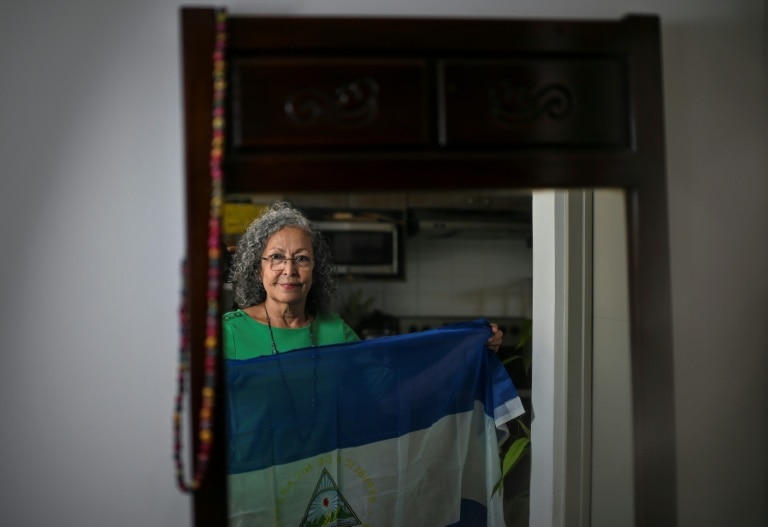
Ex-Nicaragua guerrilla believes Ortega-Murillo days numbered
In an exclusive interview with Agence France-Presse from her exile home in Costa Rica, a former veteran commander of the Sandinista National Liberation Front (FSLN) has issued a stark prediction about the future of Nicaragua’s ruling power couple. Seventy-one-year-old Monica Baltodano, who once fought alongside current Nicaraguan President Daniel Ortega in the revolution against the Somoza dictatorship, argues that 74-year-old Vice President and first lady Rosario Murillo will not be able to hold onto power once 80-year-old Ortega passes away.
Ortega, a once fiery Marxist revolutionary who led the 1979 uprising that ousted the U.S.-backed Somoza regime, has held the Nicaraguan presidency since 2007. His successive election victories have been widely questioned by the international community, and the United States has formally labeled his administration a dictatorship, accusing it of rewriting the national constitution to consolidate absolute control and systematically suppress all political dissent.
Today, Baltodano has broken completely with the regime she once helped bring to power, describing Ortega and Murillo as figures utterly corrupted by unbridled ambition for power. Speaking from her sunlit Costa Rican home, decorated with Nicaraguan art and personal mementos from her homeland, she reflected on how far the country has strayed from the revolutionary ideals they once shared.
Baltodano recalled that during the fight against the “genocidal” Somoza dictatorship, the FSLN built a broad movement that united civic resistance, armed struggle, public demonstrations and an independent press. By contrast, she argues, modern Nicaragua under Ortega is more closed and repressive than even the Somoza era, comparing its political climate to that of North Korea. She accuses the regime of weaponizing exile and denationalization to silence opponents, brutally repressing the Catholic Church, and eliminating all independent state institutions.
As rumors spread of Ortega’s declining health, opposition sources report that Murillo has already begun a quiet internal purge of the ruling party to solidify her grip on power ahead of Ortega’s death. But Baltodano says Murillo’s efforts are doomed to fail. “Rosario wouldn’t withstand Ortega’s disappearance because she’s still using him as a kind of icon, almost elevated to the level of a deity,” Baltodano explained. “Institutions wouldn’t be subordinated to her the way they are now.”
Baltodano fled Nicaragua in 2021 after publicly denouncing Ortega’s growing authoritarian turn. In 2023, she was stripped of her Nicaraguan citizenship alongside dozens of other exiled dissidents, a common tactic the Ortega regime has used against its opponents. Today, the Nicaraguan government faces sweeping sanctions from the U.S. and European Union, and thousands of Nicaraguans have fled into exile after hundreds of real and perceived opposition figures were jailed by the regime.
Baltodano notes that Ortega and Murillo rule in a climate of constant paranoia, pointing out that the regime now imprisons more dissidents from its own ruling ranks than it does from the formal opposition. Rejecting calls for foreign intervention similar to the recent push against Venezuelan leader Nicolas Maduro, an Ortega ally, Baltodano stressed that Nicaraguans must be the ones to solve their own political future. “We Nicaraguans have to be able to resolve our own problems, not by turning our backs on the international community, but not as the result of interventionist actions by any power either,” she said.
For Baltodano, life in exile grows “doubly painful” each passing year, separated from her homeland. A March report from independent United Nations experts documented the Ortega regime’s growing pattern of targeting Nicaraguan dissidents even in exile, but Baltodano says she refuses to live in constant fear. Though she takes basic safety precautions, she remains absolutely certain that she will one day return to a free Nicaragua.
-
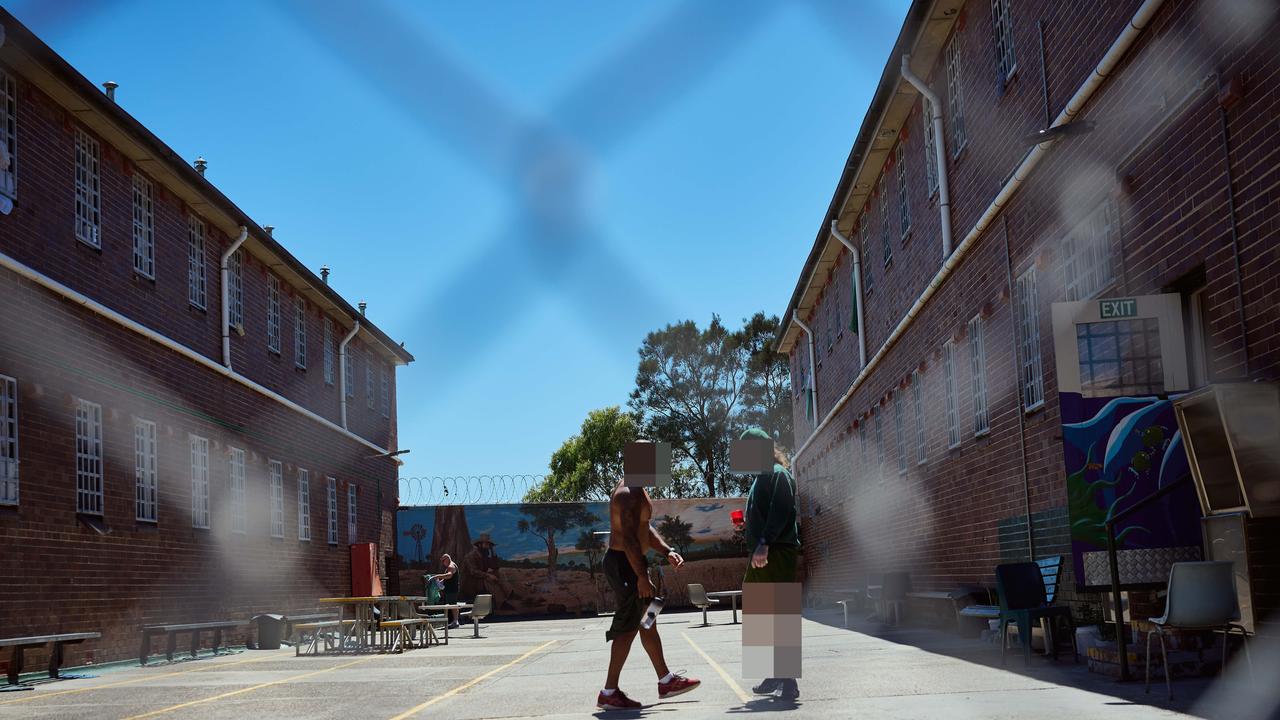
DV crackdown drives record surge in NSW prison numbers
A targeted law enforcement initiative against alleged domestic violence offenders has triggered an unprecedented jump in jail populations across New South Wales (NSW), with nearly half of the state’s current inmate population yet to go through court proceedings, new official crime data shows.
Released Thursday by the NSW Bureau of Crime Statistics and Research (BOCSAR), the latest figures put the state’s total current prison population at 14,070 – a new historic high. Of that total, 6,650 inmates are being held on remand, meaning they have not been convicted of any crime and are still waiting for their court dates or trials to begin. That marks a more than 15 percent year-over-year increase in the state’s remand population.
BOCSAR executive director Jackie Fitzgerald described the rapid growth as an extraordinary shift that has unfolded over an remarkably short timeline. “Prison numbers have grown more in four months than they did in the previous four years,” Fitzgerald told reporters. She added that the milestone of nearly half of all inmates being held on remand represents a fundamental shift in the demographic composition of NSW’s prison system.
The sharpest growth in remand numbers has been concentrated among people charged with domestic and family violence offenses, Fitzgerald confirmed. Domestic violence remand populations have accounted for 41 percent of total four-month growth in the state’s overall remand population. The primary driver of this surge has been Operation Amarok, an ongoing statewide police initiative launched in January 2023 that specifically targets alleged domestic violence offenders, which has led to thousands of arrests across NSW to date.
But expanded and more aggressive police activity across all offense categories is also contributing to the rising population, BOCSAR data confirms. Between December 2025 and March 2026, NSW police charged roughly 62,000 adult defendants, a 13 percent increase compared to the same 12-month period a year prior. Fitzgerald emphasized that this trend is not being driven by a rising overall crime rate, but rather by stricter enforcement and higher charging volumes that are pushing more defendants into pre-trial detention.
“What we are seeing is increased police activity and stronger enforcement resulting in more people entering the justice system,” Fitzgerald said. “Rather than a change in crime rates, higher charging levels are driving higher remand numbers, particularly for domestic violence.”
Breaking down the current population data, 13,108 of the state’s inmates are men, while 962 are women. Most notably, more than one-third of all people held in NSW jails – 4,834 people total – identify as Aboriginal, highlighting ongoing disproportionate representation of Indigenous people in the state’s correctional system.
-
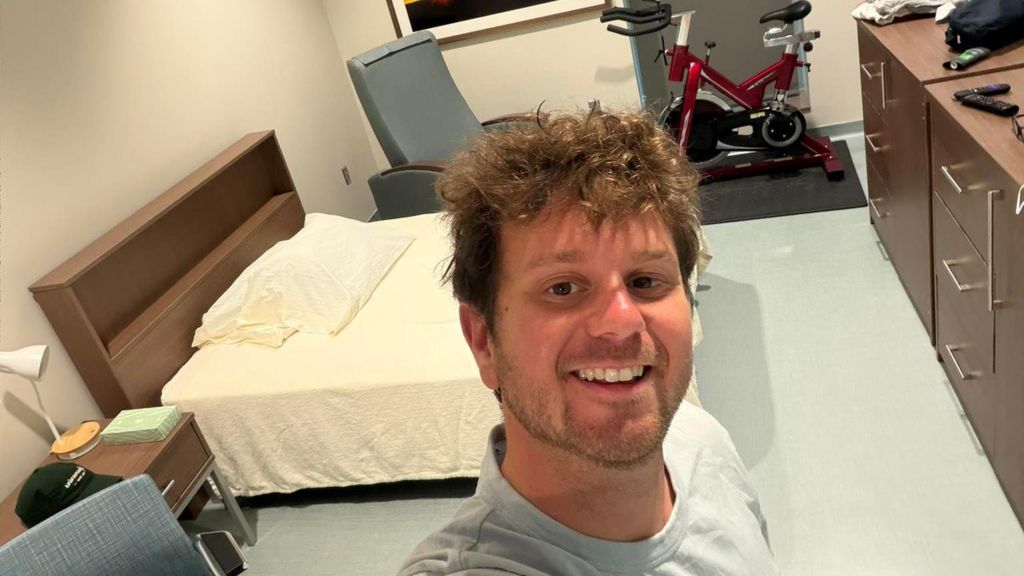
Egg sandwiches and isolation – Life in US hantavirus quarantine
For 29-year-old photographer and content creator Jake Rosmarin, what was supposed to be a 35-day expedition cruise to some of Earth’s most isolated destinations ended in unthinkable tragedy and an unexpected 40-day quarantine in a locked medical facility in Omaha, Nebraska. On a recent Wednesday, Rosmarin whiled away the first days of his isolation by assembling a homemade egg sandwich for breakfast, using pre-ordered ingredients pulled from a numbered menu provided to all the quarantined passengers at the National Quarantine Unit.
Rosmarin had originally planned to return home to Boston to his fiance shortly after the cruise concluded. But an outbreak of hantavirus aboard the expedition vessel MV Hondius left three passengers dead, triggering an international debate over repatriation protocols for the remaining exposed passengers and stranding the ship for days as it searched for a port willing to accept it. Today, 15 surviving passengers including Rosmarin are serving out a 40-day quarantine at the University of Nebraska Medical Center’s National Quarantine Unit – the only federally operated quarantine facility in the continental United States.
In an interview with BBC on Wednesday, Rosmarin explained that he has settled into the quiet, constrained routine of his quarantine stay. Twice daily, a nurse clad in enhanced personal protective equipment – including medical-grade masks and face shields, though not full hazmat suits – stops at his door to check in and request a temperature reading, which has remained normal so far. When medical staff entered his room Tuesday to collect blood samples for hantavirus testing, they wore full protective gear, and followed strict decontamination protocols to change out all equipment between patient rooms. As of Wednesday morning, Rosmarin had not yet received his test results.
To make his 40-day stay more comfortable, Rosmarin has arranged for comfort items to be delivered to his quarantine room, mixing personal orders with care packages sent by his family and fiance. He is expecting a mattress topper, new pillows, and other small items to make his basic facility room feel more like home. The first package he received contained an adult coloring book focused on inspirational quotes, though he is still waiting for a second package holding his coloring pencils to arrive. His room is already equipped with basic amenities: a private bathroom, a desk, a television, a landline telephone, and even an exercise bike to help him pass the long days of isolation.
All quarantined passengers pre-order their meals 24 hours in advance via the facility’s fixed menu, selecting items by their number on the list. For the Wednesday breakfast when he spoke to reporters, Rosmarin combined a la carte menu items to build his own breakfast sandwich, pairing scrambled eggs, bacon, and an English muffin with hot coffee and vanilla almond milk.
Throughout the entire outbreak, which began unfolding in the final days of the cruise, Rosmarin has shared regular updates about his experience on his social media channels – a choice he says has helped him manage his mental health through the crisis. His first posts, shared while the ship was still stranded at sea looking for a port, were raw and emotional, as he struggled with fear and uncertainty about the outbreak. Since arriving in Omaha, however, his posts and his overall outlook have become much calmer, he says.
“On the ship, every day I felt like I was trapped in a nightmare that I couldn’t wake up from,” Rosmarin told the BBC. “It still hasn’t fully hit me what we’ve been through, but I’m in a much better headspace now that I’m here in quarantine.”
As a content creator who builds his public life around sharing experiences online, Rosmarin says continuing to post has felt like a natural way to process the event, and public response has shifted over time. While he initially faced criticism, conspiracy theories, and even hate speech from online commenters – some of whom accused him of being selfish for pushing to disembark the stricken ship – many of those early critics have since reached out with messages of support. That outpouring of genuine public care, he says, is what got him through the most terrifying seven days of the crisis while the ship was stranded.
The outbreak was announced to passengers less than a day before they were scheduled to disembark, Rosmarin recalled. After the captain called all passengers to a lounge to share news of the first hantavirus case, Rosmarin and many other passengers immediately retreated to their cabins, and did not leave until the ship was finally cleared to dock. For days, the ship was stuck at sea with seriously ill passengers on board, as ports around the region refused to accept the vessel, leaving the exposed passengers in limbo with no way to test for the virus or get ill passengers medical care. Rosmarin called that period “really sticky, tough and scary.”
The turning point, he says, was finally stepping off the ship. “It was an overwhelming wave of emotion – I cried,” he said. “It really felt like we were finally being saved.” The journey to Omaha was still intimidating: he recalled being shocked by the sight of emergency personnel clad in full hazmat suits processing passengers off the ship, and felt nervous about the travel to Nebraska. But once he settled into his quarantine room, he says it was the most mentally calm he has felt since the outbreak was first announced.
The current arrangement for the American passengers sees 15 quarantined, asymptomatic passengers staying at the National Quarantine Unit in Omaha. One additional American passenger – Dr. Stephen Kornfeld, who provided emergency medical care to ill passengers while on the ship – has tested positive for hantavirus and is currently isolating in a nearby biocontainment unit. Two more American passengers were transferred to a biocontainment unit at Emory University in Atlanta for care.
Looking ahead to the remaining weeks of quarantine, Rosmarin says he plans to start writing about his experience to preserve the memory, so he can share the full story with his children someday. He also keeps in regular contact with his fiance, family, and other quarantined passengers staying at the Omaha facility, to stay connected while isolated.
-
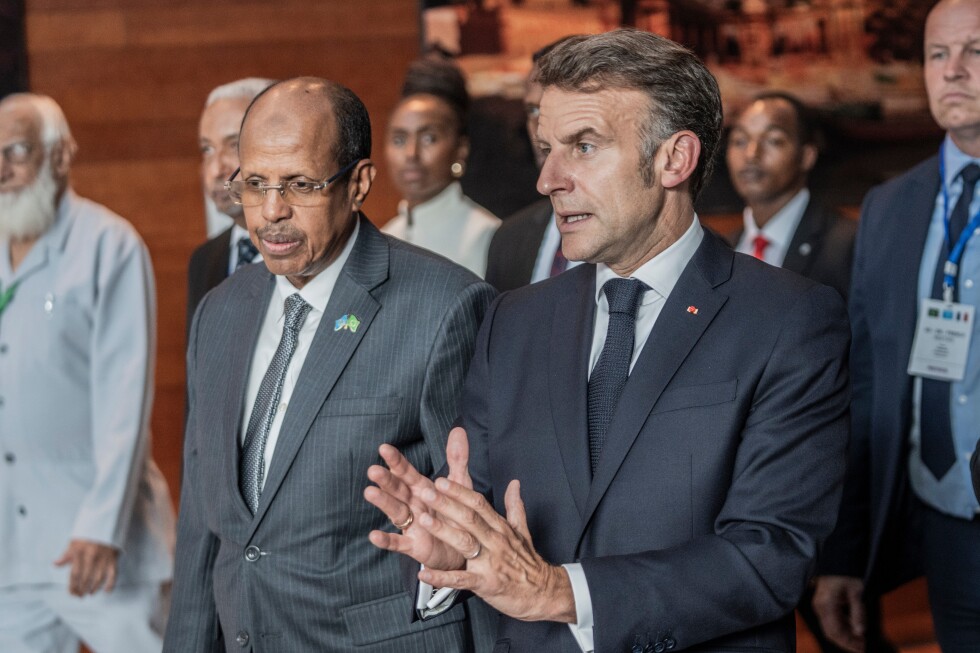
Macron ends Africa trip in Ethiopia with focus on UN reform and inclusive governance
On Wednesday, French President Emmanuel Macron wrapped up his multi-stop African tour in Ethiopia’s capital Addis Ababa, where high-level talks centered on one of the continent’s longest-standing global governance demands: permanent representation on the United Nations Security Council.
Macron’s three-nation trip, which also included stops in Egypt and Kenya, concluded with a full schedule of diplomatic engagements: he first held one-on-one discussions with Ethiopian Prime Minister Abiy Ahmed, then joined a multilateral meeting with African Union Commission Chairperson Mahamoud Ali Youssouf and UN Secretary-General António Guterres to examine reforms to global inclusive governance structures. A joint readout from the gathering confirmed all participants agreed on the critical necessity of expanding African representation within key UN bodies.
The push for Security Council reform gained new momentum earlier during the trip, at the first-ever Africa Forward Summit co-hosted by France and Kenya in Nairobi, a landmark moment as the summit was held for the first time in an English-speaking African nation. During his opening address to the summit, Macron explicitly backed the call for African nations to receive permanent seats on the Security Council, a position he reiterated during his Addis Ababa talks. The final peace and security declaration adopted at the summit echoed this demand, calling for urgent comprehensive reform to make the Security Council both more effective and reflective of today’s global population.
Africa’s campaign for permanent Security Council representation is rooted in a decades-long push to align the UN’s top decision-making body with modern geopolitical realities. Continental leaders and institutions have long criticized the current structure, which excludes the 1.4 billion people living on the African continent from permanent decision-making power, leaving the body out of touch with the world’s current demographic and geopolitical landscape.
Guterres echoed this critique during Wednesday’s meeting, noting that global governance would be far stronger with a geographically inclusive Security Council. “A Security Council that today does not represent geographically the realities of the world,” he said. “We have three European permanent members, one North American and one Asian. No Latin American, no African is obviously a Security Council that has a problem of legitimacy, and that brings with it a problem of effectiveness.”
Beyond high-level discussions of global governance, the diplomatic visit delivered tangible outcomes for Ethiopia: following Macron’s talks with Abiy, officials announced a new $63.9 million loan agreement to support the East African nation’s green energy investments and national digitalization program. This agreement aligns with the broader financial pledge Macron made at the Africa Forward Summit, where he announced that the French government and private sector would mobilize $27 billion in targeted investments to drive inclusive, sustainable economic growth across the entire African continent.
-
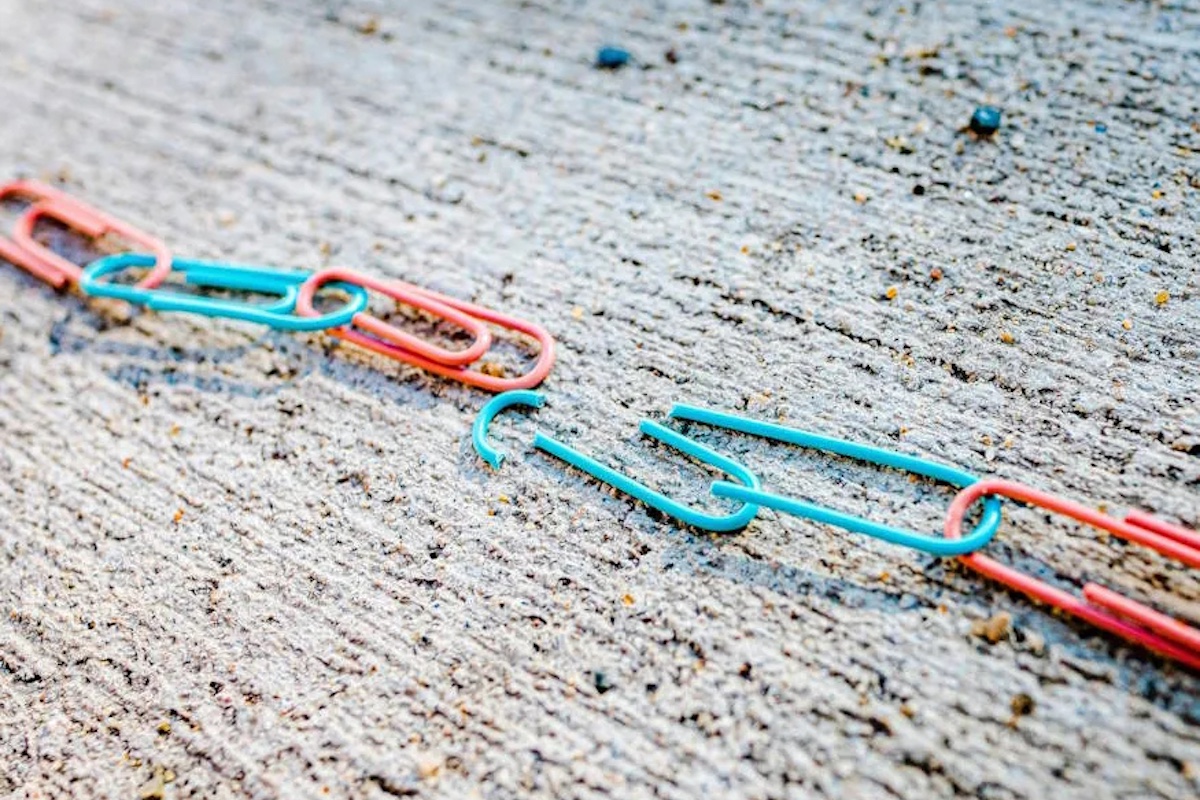
Trump has actually started to decouple US from China
As former President Donald Trump prepares to travel to Beijing for high-stakes trade talks accompanied by a contingent of leading American CEOs, all eyes are turning to the core promise that defined his two election campaigns: rolling back decades of U.S. economic integration with China. While much has been written about Trump’s unorthodox model of state-aligned corporate policy, which blends tariffs, export controls, government equity stakes and personal pressure to advance American commercial interests, this analysis digs into a more pressing question: nearly a decade after Trump first took office on a decoupling platform, how much progress has the U.S. actually made?
To contextualize the current state of relations, it is necessary to revisit the bilateral economic model that dominated the mid-2010s. Back then, the division of labor was clear: U.S. companies led research and development, designed finished products, then sent blueprints to China for final assembly. Components often came from third-party Asian economies like Japan, South Korea and Taiwan, though Chinese suppliers were increasingly common, before finished goods were shipped back to the U.S. for marketing, sales and after-sales service by American firms.
This arrangement left both nations dissatisfied. American observers argued that shifting labor-intensive assembly to China had gutted U.S. manufacturing employment – a claim backed by empirical evidence – and warned that outsourcing low-value work would eventually lead to the loss of higher-value, high-skill activities down the line, a projection that has proven increasingly plausible. For their part, Chinese leaders resented being trapped in the low-value-added segment of global supply chains, watching the bulk of profits flow to foreign firms. As a result, both sides began implementing policies to dismantle the old framework and build a new commercial order.
China deployed targeted industrial policy to onshore high-value component manufacturing and cultivate homegrown “national champion” brands, while successive U.S. administrations under both Trump and Joe Biden worked to cut American trade dependence on China, alongside tightening export controls on critical strategic technologies like semiconductors – a step China later matched with its own restrictions on rare earth exports. It is widely acknowledged that China has already delivered on its half of the decoupling: today, far more Chinese-made finished goods rely on domestic components, and the country has climbed the global value chain to produce globally competitive brands including BYD, Huawei, Xiaomi, DJI and CATL.
The question that remains fiercely contested is whether the U.S. has succeeded in its goal of reducing reliance on Chinese manufacturing. On the surface, hard data suggests significant change: the share of U.S. imports sourced from China has fallen sharply since the first Trump-era tariffs took effect. Analysis from The Wall Street Journal shows that while some firms have relocated production back to the U.S. to avoid tariffs, the shift remains modest: a 2025 survey of Ohio manufacturers found just 9% had reshored some production from China, up from 4% in 2021, with 60% of that reshoring activity coming from China. Most production exiting China has moved to Mexico and Southeast Asian nations instead.
The impact of tariffs is clear even from Trump’s first, less aggressive term: U.S. buyers shifted imports of tariffed goods away from China while maintaining non-tariffed imports, and the expanded tariffs implemented in Trump’s second term – which far outpace duties levied on U.S. allies – have accelerated this shift. The reallocation has been concentrated heavily in other Asian economies and Mexico, with product-specific trends marking the change: first-term tariffs targeted low-value goods like furniture, footwear and apparel, where China’s market share was already declining gradually due to rising domestic labor costs. More recent duties have cut into Chinese exports of consumer electronics including personal computers and smartphones; just two years ago, most U.S.-bound PCs were assembled in China, and today the majority are assembled in Vietnam.
Decoupling is not limited to trade flows: the trend is equally pronounced in foreign direct investment. 2025 saw a wave of reports about U.S. multinationals moving production capacity out of China, and this anecdotal evidence is reflected in aggregate data, which shows a sharp collapse in foreign direct investment inflows to China. Most of this diverted investment has landed in Southeast Asia, though advanced manufacturing capacity has largely shifted to Europe. Three core factors are driving this capital exodus. First, tariffs have made manufacturing in China for export to the U.S. far more costly, giving multinational firms a direct financial incentive to halt new factory investments in China. Second, repeated experiences of technology appropriation by Chinese domestic firms, often with implicit or explicit government support, have cooled multinationals’ enthusiasm for accessing China’s market – many firms have entered China chasing access to its huge consumer base, only to lose their core technological advantages to local competitors that do not play by global market rules. Third, rising geopolitical tensions over Taiwan and the South China Sea have raised the specter of conflict, which would leave foreign-held factories in China at risk of blockade or expropriation, forcing companies to reevaluate their supply chain risk exposure.
Despite these clear trends, a contingent of decoupling skeptics – the so-called “macro camp” – argues that any apparent shift is largely illusory. This group, which brings together unlikely ideological allies from protectionist economists frustrated that tariffs have not reduced global trade imbalances to free-trade advocates at outlets like *The Economist* and the Peterson Institute who argue tariffs are inherently ineffective, claims that persistent U.S. trade deficits and Chinese trade surpluses prove Chinese goods are still reaching the U.S. via hidden indirect routes. I have long pushed back against this framing: the persistence of aggregate macro imbalances does not prove Chinese goods are still entering the U.S. at the same rate. China can simply find new export markets for its goods, while the U.S. sources imports from new suppliers, leaving overall global imbalances intact even as bilateral trade between the two powers shrinks.
That said, to resolve this debate it is necessary to test the most common claims that decoupling is a myth. The most frequent argument is transshipment: the idea that Chinese firms evade tariffs by labeling goods “Made in Vietnam” or another third country before shipping them to the U.S. But analysis from economist Gerard DiPippo finds transshipment plays only a minor role, accounting for at most 18% of China’s lost U.S. export volume, and likely far less. DiPippo’s analysis compares what products China stopped exporting to the U.S. and what products China increased exports of to Vietnam after tariffs took effect; if large-scale transshipment were occurring, these product categories would align, and they generally do not.
A more credible argument focuses on trade mismeasurement. A persistent gap exists between the value of goods the U.S. records as imports from China and the value of goods China records as exports to the U.S., with China’s recorded decline far smaller than the U.S.’s. Much of this gap has been attributed to the de minimis exemption, which allowed Chinese firms to ship small packages directly to U.S. consumers tariff-free. Chinese manufacturers exploited this loophole by breaking large bulk orders into multiple small shipments to avoid duties. However, Trump closed this loophole via executive order in mid-2025, so it cannot explain the continued decline in Chinese exports to the U.S. over the past year.
The most convincing argument for continued hidden reliance on Chinese manufacturing centers on intermediate goods. Just as 2011’s “Made in China” iPhones relied heavily on components from Japan, South Korea and Taiwan, today’s “Made in Vietnam” iPhones often include large volumes of Chinese-made parts. Since high-value components account for the majority of a finished electronics product’s total value, this would mean the U.S. remains indirectly dependent on China even as final assembly shifts abroad. A 2024 study by Hsu, Peng and Wu found this effect is substantial, concluding that U.S. importers retain significant indirect dependence on China via third-party suppliers in Vietnam and Mexico. The major limitation of this research, however, is that its data only extends through 2022, the same cutoff for the OECD’s value-added trade data – the other key source for measuring indirect dependence. Even with this limitation, OECD data shows that U.S. import dependence on China on a value-added basis was declining before the COVID-19 pandemic, ticked back up during pandemic-related supply chain disruptions, and resumed its decline in 2022, matching the trend for gross import volumes.
What does this all add up to? The old bilateral model, where U.S. firms designed products and China assembled them for American consumers, is well and truly gone. The new normal is one where Chinese firms sell intermediate components to assemblers in other countries, which then export finished goods to the U.S. This is not an insignificant shift. It demonstrates that Chinese firms have successfully moved up the global value chain to become direct competitors to foreign multinationals. At the same time, final assembly, while the least profitable segment of the value chain, is still economically meaningful: it was the starting point for China’s own decades-long industrialization drive. The fact that U.S. tariffs have pushed this assembly work out of China is a meaningful change. It does not eliminate U.S. dependence on Chinese manufacturing entirely, but it reduces it. And just as China moved from assembly to component manufacturing over time, there are early signs that Vietnam and other emerging manufacturing hubs could follow the same path. There is no inherent reason China must remain the world’s default factory: other nations can develop industrial capacity just as China did.
Building a fully non-Chinese supply chain will not happen quickly or easily, and progress has been slower than headline trade numbers often suggest. But the U.S. has made a clear, promising start, and tariffs on China have been a core driver of that progress. While much of Trump’s trade policy has been haphazard, misdirected and marred by corruption, the decoupling project – which was continued by the Biden administration – has begun to deliver tangible results. It would be a missed opportunity if Trump abandons this progress on his upcoming trip in exchange for trivial short-term concessions like increased Chinese purchases of U.S. soybeans.
-
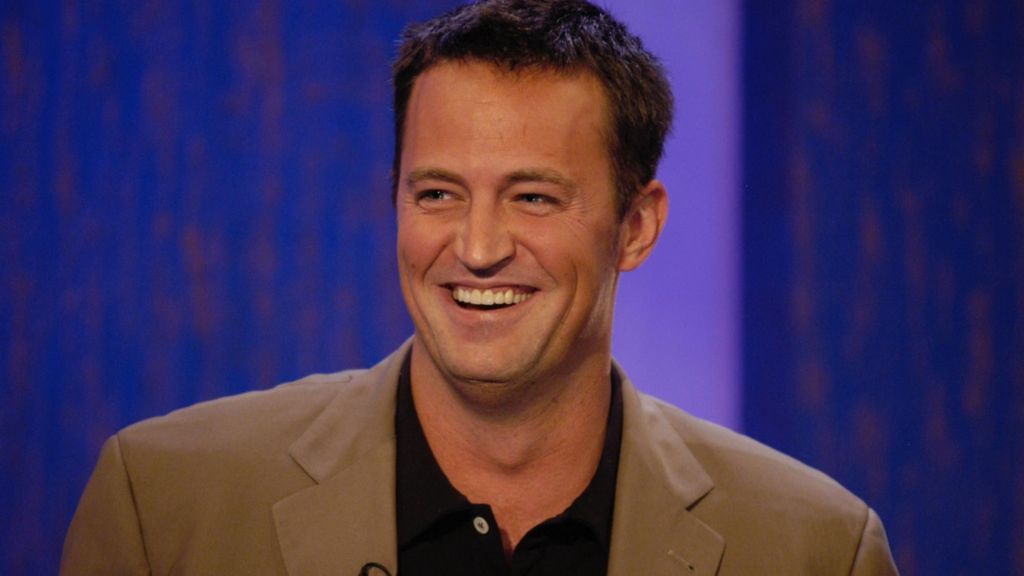
Drug addiction counsellor sentenced in Matthew Perry’s overdose death
The long-running legal case tied to the 2023 death of beloved *Friends* star Matthew Perry has reached another milestone, with a California man handed a two-year prison sentence for his role in distributing the ketamine that killed the actor, multiple U.S. media outlets have confirmed.
Fifty-six-year-old Erik Fleming, a drug counselor who admitted to sourcing ketamine from a Los Angeles dealer known widely as the “Ketamine Queen” and supplying the controlled anesthetic to Perry, entered a guilty plea to one count of conspiracy to distribute ketamine back in August 2024. In addition to his two-year prison term, U.S. federal Judge Sherilyn Peace Garnett also ordered Fleming to serve three years of supervised release following his incarceration and pay a $200 statutory fine.
Perry, who was globally famous for his decades-long portrayal of Chandler Bing on the hit NBC sitcom *Friends*, was found unresponsive and dead in the backyard hot tub of his Southern California home in October 2023. A subsequent official coroner’s investigation ruled his death was caused by acute toxicity from ketamine, ruling out other contributing factors.
During the sentencing proceedings held Wednesday, Fleming addressed the court directly, expressing profound remorse for his actions that led to Perry’s death. He told the judge that the tragedy is “a nightmare I can’t wake up from” and that he is permanently “haunted by the mistakes I made.” This public expression of regret echoed earlier statements he made in a pre-sentencing letter submitted to the court in April, where he called his choice “the biggest mistake of my life” and said he accepted full responsibility for the harm he caused. Fleming also stated that he provided ketamine to Perry out of a mix of financial motive and a misplaced belief he was helping a friend, writing that he was “overwhelmed with grief and shame” the moment he learned of the actor’s passing. In the memo, his legal team emphasized that he has taken “extreme lengths to atone for his criminal conduct” since Perry’s death.
Court arguments ahead of sentencing showed a clear divide between prosecution and defense over what an appropriate punishment would be. Federal prosecutors pushed for a 30-month prison term for Fleming, while his defense attorneys requested a far more lenient sentence: three months of prison followed by nine months of residential drug treatment.
Fleming is just one of five people charged by federal authorities in connection with Perry’s death. Prosecutors allege that all five defendants exploited Perry’s well-documented struggle with addiction, supplying him with ketamine for profit and ultimately setting the stage for his fatal overdose. All five have pleaded guilty in the federal case, and Fleming is the fourth to receive his sentence.
Just last month, Jasveen Sangha, the 42-year-old Los Angeles dealer nicknamed the “Ketamine Queen” who supplied the ketamine that Fleming passed to Perry, was sentenced to 15 years in federal prison after her conviction. In December 2024, two medical doctors who also supplied Perry with ketamine in the weeks leading up to his death received their sentences: Dr. Salvador Plasencia was ordered to serve 30 months behind bars, while Dr. Mark Chavez was given eight months of home detention and three years of supervised release.
The only remaining defendant awaiting sentencing is Kenneth Iwamasa, Perry’s live-in personal assistant, who pleaded guilty to one count of conspiracy to distribute ketamine causing death. Iwamasa is scheduled to appear in court for his sentencing on May 27.
-
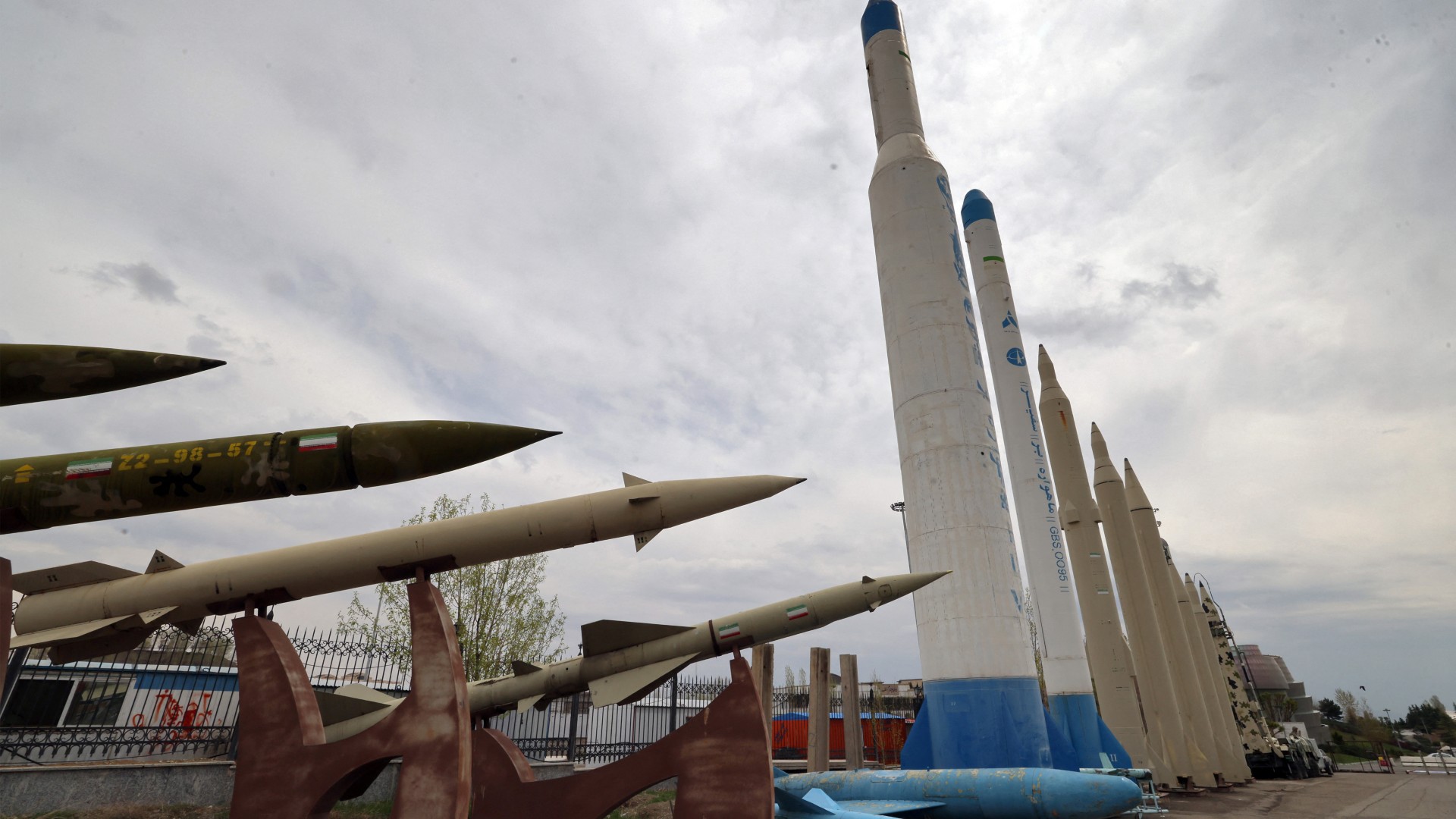
Iran has regained access to most missile and underground sites, US intelligence finds
A newly disclosed classified US intelligence assessment from earlier this month directly contradicts public statements from senior Trump administration officials who have claimed to have “decimated” Iran’s military missile capabilities, according to a new report published Tuesday by The New York Times. The findings, shared with US policymakers, paint a far different picture of Iran’s current operational capacity than the White House has presented to the public. The assessment confirms that Iran has restored operational access to 30 out of 33 key missile sites positioned along the Strait of Hormuz, one of the world’s most critical chokepoints for global energy trade. Through this narrow waterway, roughly one-fifth of the world’s total oil and liquefied natural gas supplies transit each day, meaning restored Iranian capabilities pose a renewed threat to international commercial shipping and US naval forces deployed in the region. Citing intelligence sources familiar with the document, The NYT reports that Iran can now deploy mobile missile launchers from many of these sites to reposition weapons across the country, and in some cases, can conduct direct missile launches from the existing launchpads at the restored facilities. Overall, Iran retains approximately 70 percent of its pre-war stockpile of missiles and 70 percent of its national fleet of mobile launchers, the assessment found. When it comes to Iran’s network of hardened underground missile storage and launch facilities, US military intelligence gathered via satellite imagery and other advanced surveillance methods indicates that Tehran has regained access to roughly 90 percent of these sites, which are now either partially or fully operational. These findings align with an earlier report from The Washington Post published last week, which cited separate US intelligence assessments showing Iran retained around 75 percent of its mobile launchers and 70 percent of its pre-war missile inventory. The gap between classified intelligence conclusions and the administration’s public rhetoric traces back to the strategic choices US military planners made when launching the joint US-Israeli offensive against Iran that began on February 28. According to The NYT’s reporting, when strikes targeted Iranian missile sites, US forces largely chose to seal off the entrances to underground facilities rather than completely destroying them from the inside out – a decision driven largely by critical shortages of heavy bunker-busting munitions. Military planners prioritized preserving existing stocks of these specialized weapons for potential high-intensity conflicts with North Korea and China, leading to a more restrained approach to destroying Iran’s hardened infrastructure. Additional reporting from The NYT has previously confirmed that the Iran offensive has already severely depleted US stockpiles of multiple key munitions types, including Tomahawk cruise missiles, Patriot interceptor missiles, MGM-140 Army Tactical Missiles, and Precision Strike missiles. To date, the US has fired roughly 1,100 long-range stealth cruise missiles in the campaign – a number equal to nearly the entire remaining stockpile the US held before the war began. It has also expended 1,300 Patriot interceptors, a volume that would take more than two years to replace at 2025 production rates. The Trump administration has pushed back hard against these reports, doubling down on its claims of a resounding victory in the campaign. A White House spokesperson rejected the NYT’s reporting, reiterating that Iran’s capabilities had been “crushed” and claiming that anyone who suggests Iran has reconstituted its missile forces is either “delusional or a mouthpiece” for Iran’s Islamic Revolutionary Guards Corps. Acting Pentagon press secretary Joel Valdez also issued a sharp rebuke, calling the NYT’s reporting “disgraceful” and accusing the outlet of acting as a public relations arm for the Iranian regime. Valdez insisted that Operation Epic Fury, the official name for the US-led offensive, stands as a “historic accomplishment.” Chairman of the Joint Chiefs of Staff Dan Caine also pushed back on claims of depleted munitions during a Tuesday appearance before a House appropriations subcommittee, telling lawmakers that the US currently “has sufficient munitions for what we’re tasked to do right now.” After the February 28 opening of the offensive, which began with a massive wave of joint US-Israeli airstrikes across Iran, Tehran responded with its own missile and drone strikes targeting Israel and allied Gulf Arab states, and temporarily closed the Strait of Hormuz to commercial traffic.
-
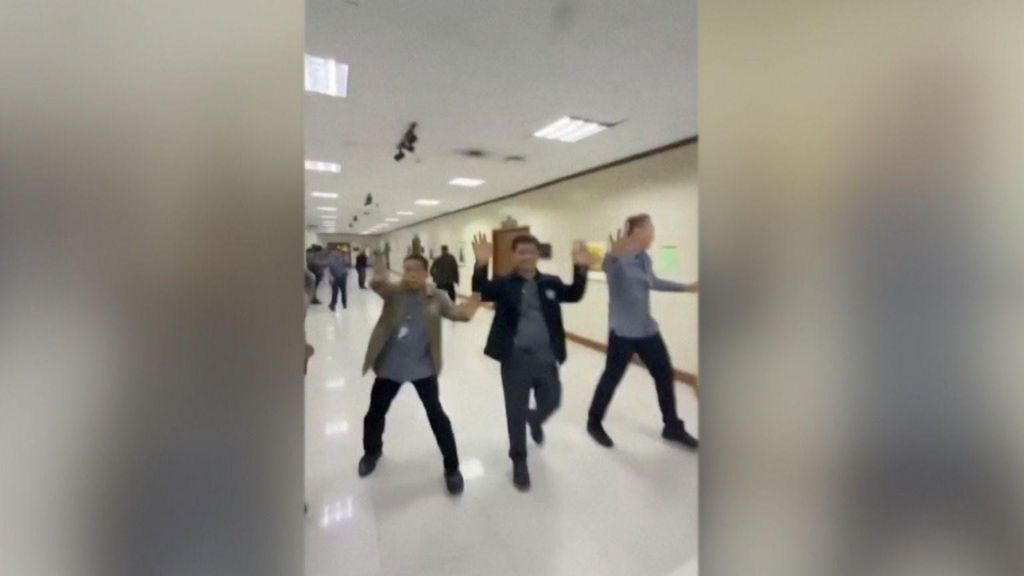
Journalists scramble as gunshots sound in Philippine senate
Chaos unfolded unexpectedly at the heart of the Philippine legislative branch on [relevant date] when multiple bursts of gunfire echoed through the Senate complex, triggering an immediate panic that sent working journalists scrambling for safety. Reporters who were on-site covering routine Senate business were caught off guard by the sudden sound of shots, with many abandoning recording equipment and rushing to secure shelter in locked offices and barricaded hallways as the complex went into lockdown. In the immediate aftermath of the incident, senior government and Senate officials have remained tight-lipped, releasing no official information confirming the identity of the person or persons who fired the weapons, the motive behind the incident, or whether any casualties have been reported. Local law enforcement units quickly deployed to the Senate grounds, establishing a security cordon around the building and launching an urgent investigation to piece together the details of what occurred. The incident has already sparked urgent questions about the state of security at high-level government facilities in the Philippines, as lawmakers and public figures call for a full review of access protocols and safety measures to prevent similar scares in the future. As of this update, the situation remains partially unresolved, with official updates still pending from relevant authorities.