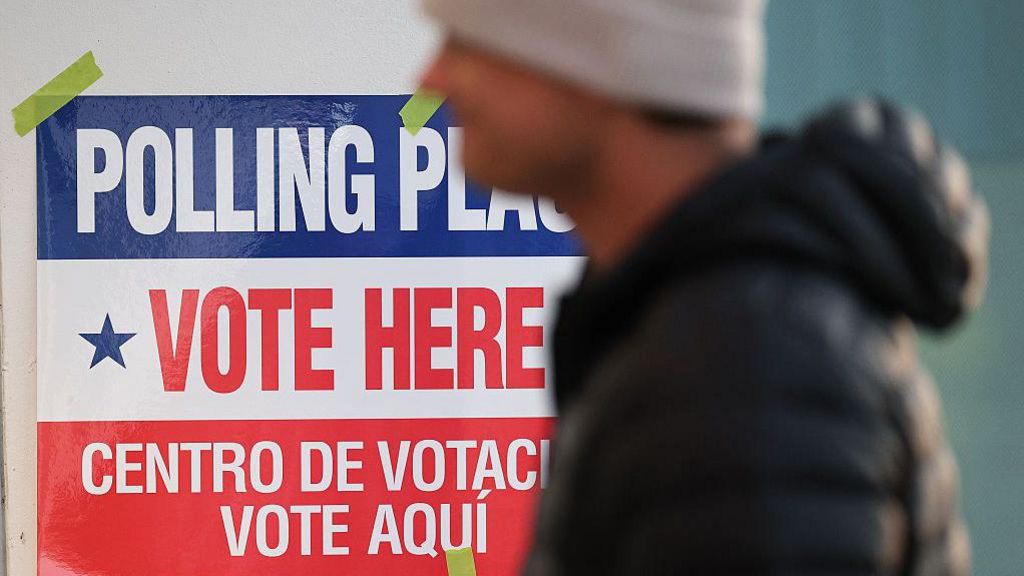
Just three weeks ago, the outlook for Republican control of the U.S. House of Representatives after November’s midterm elections looked far from promising. In the two months following the outbreak of the Iran War, former President Donald Trump’s approval ratings had slid steadily, with voters particularly sour on his management of the economy and persistent inflation. At the same time, Republican efforts to gain a partisan upper hand through congressional redistricting in conservative-led states like Texas had been effectively neutralized by countermoves from Democratic lawmakers in blue-leaning California and Virginia. Writing off the race entirely if it had been held that spring, former Republican House Speaker Newt Gingrich told The New York Times in April that the party would need to resolve voter anger over the ongoing conflict, rising cost of living, and soaring gas prices to have any shot at holding their majority. That gloomy political landscape has been upended entirely by two consequential court decisions that have dramatically reshaped the electoral map ahead of November’s vote. Last week, the Virginia Supreme Court struck down a voter-approved new congressional districting plan that had been on track to flip four seats currently held by Republicans to Democratic candidates. Following the ruling, House Republican Campaign Committee chair Congressman Richard Hudson declared in a public statement that the GOP was now gaining momentum ahead of the midterms, saying, “We’re on offence, and we’re going to win.” The ruling that set this entire shift in motion came one week earlier from the U.S. Supreme Court. The court’s conservative majority overturned decades of legal precedent, ruling that the landmark 1960s Voting Rights Act does not require states to draw congressional districts that give minority communities proportional representation to their share of the state’s overall population. The majority held that only overt, intentional racial discrimination qualifies as legal grounds to throw out a state’s districting plan, ruling that partisan gerrymandering — the practice of drawing district lines to benefit one political party — is fully constitutional, even when it weakens the voting power of racial minority groups. The ruling opened the door for Republican-controlled legislatures across the American South to rapidly dismantle court-ordered majority-minority districts, which have historically sent Black Democratic candidates to Congress due to consistent voting patterns. Since the ruling, GOP-led states have rushed to redraw their maps to lock in more Republican-held seats. Tennessee became the first state to act, approving a new map that gives the GOP a competitive advantage in all nine of the state’s congressional districts. In the early hours of Tuesday, the Louisiana Senate passed a revised map that is expected to flip one of the state’s two currently Democratic-held seats to Republican control. To accommodate the last-minute map change, the state’s Republican governor pushed back the congressional primary, originally scheduled for this past Saturday. Alabama is currently advancing similar map changes, and while a small group of Republican lawmakers in South Carolina joined Democrats to block a GOP-led redraw so far, the state’s Republican governor has threatened to call a special legislative session to force the plan through. When combined with a new Republican-friendly districting plan approved in Florida on the same day as the U.S. Supreme Court ruling, what had previously looked like a stalemate in the national redistricting fight is now projected to hand Republicans a competitive advantage in at least eight additional House seats. Currently, Republicans hold a narrow 218-212 majority in the chamber, with three Democratic and two Republican seats currently vacant. That narrow existing majority means the new map changes have made Democrats’ path to flipping control of the House far more challenging than it was just a month ago. “These recent changes have left Democrats with less room for error,” explained Geoffrey Skelley, an election analyst for nonpartisan election tracking site Decision Desk HQ. Even with the new pro-GOP electoral map, the race could still swing back to Democrats if Trump’s unpopularity with general voters persists through November. Current polling gives Trump lower favorability ratings than he had in 2018, when a blue wave handed Democrats a net gain of 40 House seats and control of the chamber. In a memo sent to House Democrats this week, Democratic House Leader Hakeem Jeffries argued that the GOP’s gerrymandering efforts would not be enough to offset the deeply unfavorable political environment Republicans face this November. “Given the highly unfavourable political environment confronting House Republicans, the extremists will not meaningfully benefit from their scandalous gerrymandering scheme,” Jeffries wrote. Still, the long-term impact of the new maps extends beyond 2026. Because every House seat is up for election every two years, the newly drawn districts will lock in a Republican advantage for future cycles when political conditions may be more favorable for conservatives. That long-term threat is why Democrats have pledged a fierce, all-out effort to block the new maps and re-level the electoral playing field before November. “Our effort to forcefully push back against the Republican redistricting scheme will not slow down,” Jeffries wrote. “We are just getting started.”
博客
-
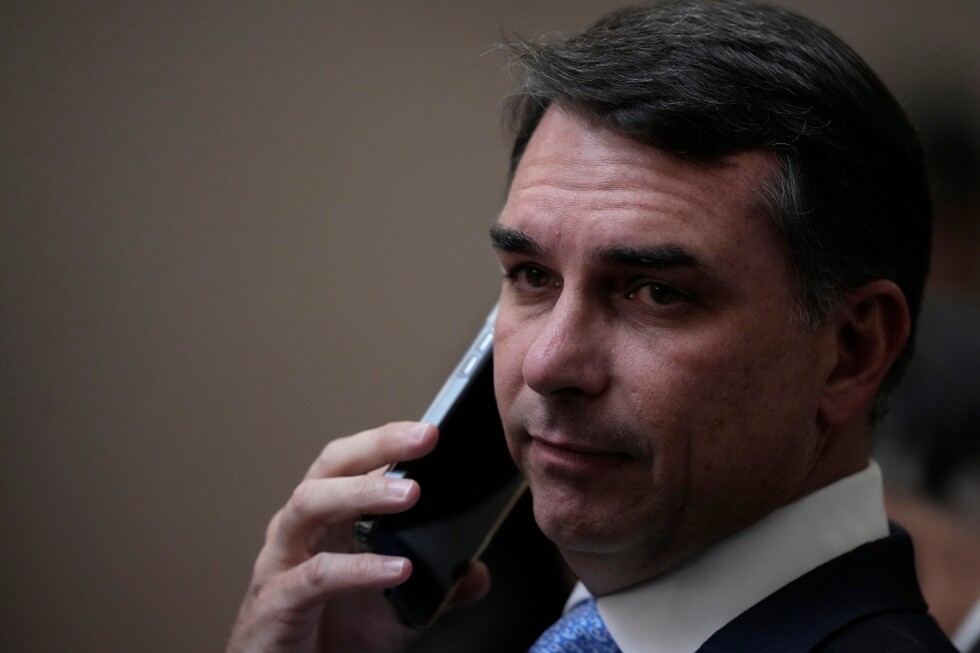
Brazil presidential hopeful Flávio Bolsonaro denies wrongdoing after asking banker for millions
SAO PAULO — Brazil’s political landscape has been upended by new allegations that Senate member and presumptive presidential candidate Flávio Bolsonaro solicited more than $12 million in funding from a jailed, fraud-accused banker, a scandal that threatens to derail his 2024 election bid against incumbent President Luiz Inácio Lula da Silva. On Wednesday, the lawmaker issued a flat denial of any illegal activity connected to the request. The controversy first came to light via an investigation published by The Intercept Brazil, which released leaked voice recordings of Bolsonaro asking Daniel Vorcaro, a former bank chief at the heart of one of Brazil’s biggest recent corruption scandals, for 61 million reais to fund a biographical film about his father, Jair Bolsonaro, the disgraced former Brazilian president who is currently imprisoned on corruption charges. Bolsonaro has framed the project, titled *The Dark Horse*, as a private work chronicling the elder Bolsonaro’s political life. Vorcaro, who led the now-defunct Banco Master until its forced shutdown, has been in custody since March this year, facing a slew of charges including orchestrating a massive fraud scheme that conned thousands of the bank’s clients out of millions of dollars through deceptive, unregulated investment deals. Both Brazil’s Federal Police and the Supreme Court have been leading a sprawling probe into the scandal, which has already dragged multiple high-profile political figures into its orbit since early 2024. In his first public response to the revelations, Flávio Bolsonaro pushed back hard against any implication of wrongdoing. “This is simply a case of a son seeking private sponsorship for a private film about his father’s story. No public funds were involved at all,” the senator said in an official statement. He went on to reject all claims of impropriety, adding: “I never offered any illegal favors in exchange for funding, I never held secret off-the-books meetings with Vorcaro, I never mediated business deals with the federal government, and I have not received any money from him at this point.” Political analysts warn that the timing of the scandal, which comes just days before Flávio Bolsonaro’s Liberal Party is set to formally nominate him as its presidential candidate for October’s election, could deal a catastrophic blow to his campaign. Thomas Traumann, a veteran Brazilian political consultant, noted that Flávio Bolsonaro’s political identity is almost entirely tied to his family name. “Flávio Bolsonaro is still a relatively unknown figure to most Brazilian voters, and his biggest political asset by far is his status as the son of the former president,” Traumann explained. “A scandal of this magnitude, where he is caught asking for large sums of money from a banker under active criminal investigation for fraud, and showing clear personal ties to him, could be devastating. It may even force the Brazilian opposition to replace its candidate at the last minute to preserve its chances of winning in October.” According to The Intercept Brazil’s reporting, the messages from Flávio Bolsonaro to Vorcaro were sent back in October 2023, months before Vorcaro’s arrest. Since being taken into custody, the former banker has been negotiating a potential plea deal with federal prosecutors in exchange for cooperating with their investigation. Brazil’s Central Bank first moved to shut down Banco Master, which held more than $16 billion in total assets at its peak, last November, after regulators uncovered massive irregularities in the bank’s operations. Since the allegations against Flávio Bolsonaro became public, he and his political allies have launched a counteroffensive, making unsubstantiated claims that the entire scandal is a plot orchestrated by the current Lula administration to undermine his campaign. To date, Brazil’s Federal Police have found no evidence linking Vorcaro or his scheme to Lula or his government. The controversy is just the latest to hit the Bolsonaro-aligned opposition in recent weeks: earlier this week, Sen. Ciro Nogueira, a former chief of staff to Jair Bolsonaro, also denied published reports that he had accepted regular, undeclared payments from Vorcaro in exchange for political support.
-

Watch: US Naval Academy’s freshman class completes annual ‘Herndon Climb’
For nearly eight decades, one of the United States Naval Academy’s most grueling and beloved annual rites of passage has drawn crowds and tested the grit of incoming freshman classes: the iconic Herndon Climb. This year’s iteration of the 76-year-old tradition delivered another dramatic display of teamwork and determination, culminating in a memorable victory for the son of New Jersey’s governor.
The challenge itself is as unforgiving as it is storied. Participants must work together as a cohesive unit to scale the smooth, 21-foot Herndon Monument, which has been fully coated in slippery vegetable oil to amplify the difficulty of the ascent. At the peak of the obelisk, a small midshipman’s hat is placed before the climb begins, and the first freshman to reach the top and retrieve the hat is declared the event’s official winner.
Unlike many competitive events that prioritize individual achievement, the Herndon Climb inherently relies on collective effort. Most freshmen end up covered in grease and exhausted by the end of the challenge, as they form human pyramids and boost their classmates upward, step by step, toward the top. This year’s class stayed true to that collaborative spirit, working through repeated attempts and slips to ultimately push their winning teammate to the summit.
The annual climb carries deep symbolic meaning for the Naval Academy, representing the transition of incoming plebes from civilians to military academy midshipmen, and the core values of teamwork, perseverance, and service that the institution was founded on. First held in 1940, the tradition has persisted through decades of change, becoming a defining experience that connects every incoming class to the thousands of midshipmen who came before them.
-
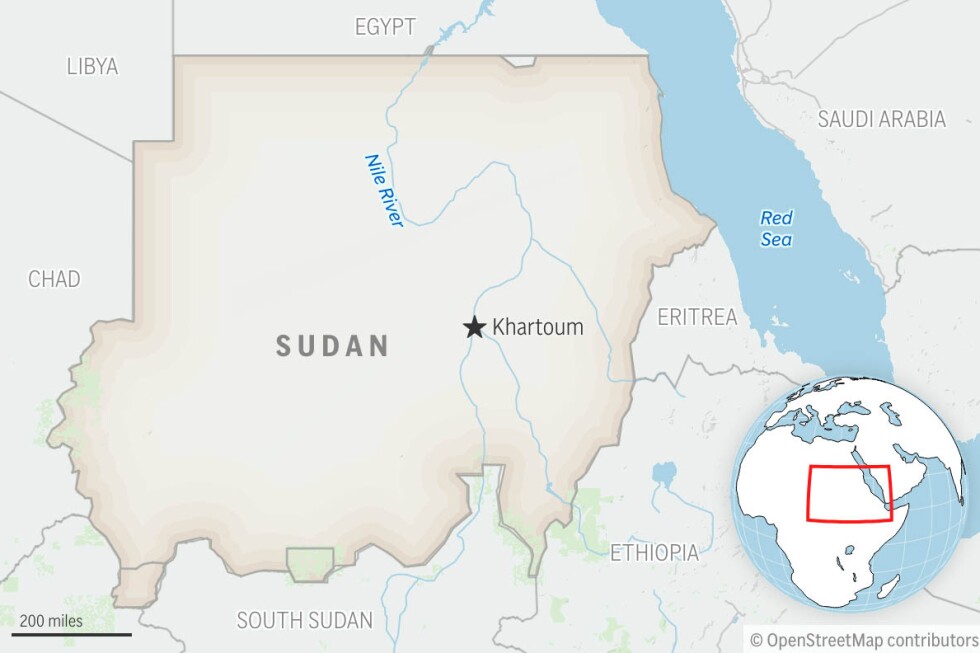
Two weeks of clashes in a southern Sudan region kill dozens, a local medical group says
Two weeks of brutal, concentrated armed clashes in Sudan’s southern South Kordofan region have claimed the lives of more than 61 people — nine of them children — a Sudanese medical monitoring organization confirmed Wednesday, in the latest outbreak of violence tied to the full-scale civil war that has torn the East African nation apart since early 2023.
According to the Sudan Doctors Network, a group that tracks civilian and combatant casualties across Sudan’s active conflict zones, the fighting flared earlier this month between fighters aligned with the rebel Sudan People’s Liberation Movement-North (SPLM-N) and militias from the local Otoro tribe in the town of Kauda. SPLM-N, a breakaway faction of the ruling party of neighboring South Sudan, has long operated in South Kordofan’s Nuba Mountains, where the Otoro are an indigenous minority community.
SPLM-N leader Abdel Aziz al-Hilu has openly aligned his faction with the Rapid Support Forces (RSF), the powerful paramilitary group that has been locked in a war for control of Sudan against the country’s official national military since April 2023. Al-Hilu’s group has even joined a local governing administration established by the RSF in territories the paramilitary controls along Sudan’s border with South Sudan.
As Sudan’s civil war enters its fourth year, the two main warring factions hold control over distinct swathes of the country. Sudan’s regular military governs most of the north, east, and central regions, including strategic Red Sea shipping ports and the country’s critical oil processing and pipeline infrastructure. The RSF and its allied armed groups, by contrast, hold the western region of Darfur as well as large sections of Kordofan along the South Sudan border — both territories rich in untapped oil reserves and gold deposits.
The casualty breakdown compiled by the Sudan Doctors Network, drawn from firsthand survivor testimonies collected by the group’s on-the-ground teams in South Kordofan, shows that five women and nine children are among those killed in the recent Kauda clashes. Mohamed Elsheikh, spokesperson for the medical network, told the Associated Press that severely limited communication infrastructure in the conflict zone makes full casualty verification nearly impossible, and the actual death toll is almost certainly higher than the current confirmed count as fighting continues.
Beyond the human toll, the medical group documented widespread property destruction: SPLM-N fighters are accused of burning down residential homes and local commercial shops, as well as looting civilian property across the Kauda area. Multiple survivors told the organization that civilians were deliberately and indiscriminately targeted in the attacks. The network added that systematic arson attacks on civilian communities have become commonplace around Kauda, with no established safe corridors to evacuate wounded civilians or bring life-saving humanitarian aid into the besieged area. The SPLM-N has not yet issued a public response to requests for comment on these allegations.
In a separate outbreak of violence Tuesday, artillery shelling carried out by the RSF in Dilling, another major South Kordofan town, killed seven people and wounded 17 more, according to local hospital officials. Omran Teia, director of Umm Bakhita Hospital in Dilling, confirmed to the AP that civilians were the main targets of the shelling, carried out jointly by RSF fighters and their SPLM-N allies.
Sudan’s ongoing civil war has already resulted in catastrophic humanitarian consequences across the country. The conflict erupted after years of escalating tensions between the military and the RSF boiled over into open combat. To date, the conflict has officially killed at least 59,000 people, displaced roughly 13 million Sudanese from their homes, pushed multiple entire regions into full-scale famine, and left more than 30 million people — nearly two-thirds of the country’s population — in need of urgent humanitarian aid.
Both the Sudanese military and the RSF and its allied factions, including the SPLM-N, have been repeatedly accused by the United Nations and international human rights organizations of committing widespread atrocities against civilian populations. These accusations include mass ethnic cleansing, extrajudicial executions of non-combatants, and widespread sexual violence as a weapon of war. International aid organizations have repeatedly warned that the true overall casualty toll of the conflict is far higher than confirmed counts, because independent monitors are blocked from accessing most active fighting zones across Sudan’s large territory.
-
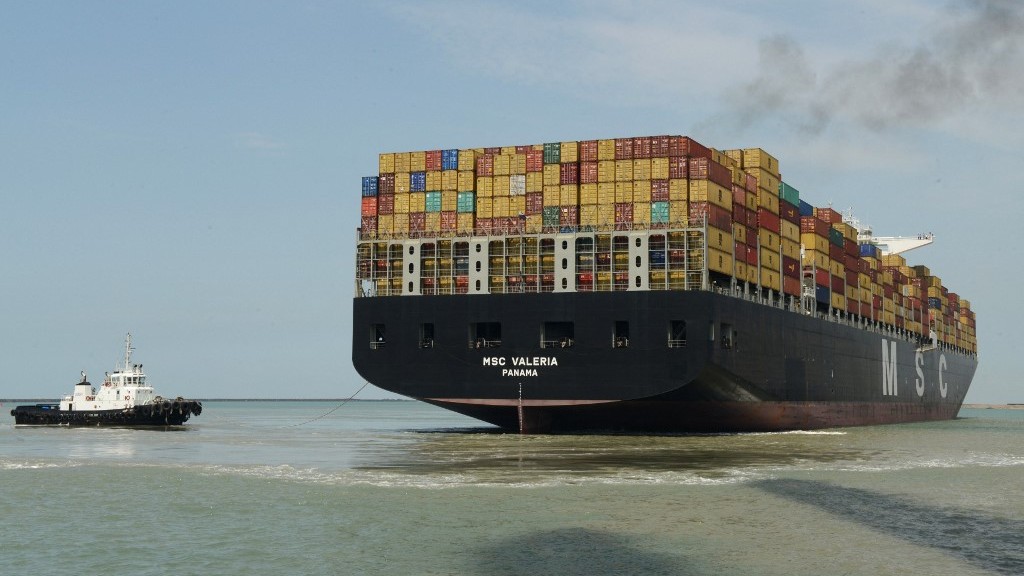
Activists raise alarm over ‘flood’ of military supplies from India to Israel
A coalition of pro-Palestinian advocacy groups — the global Boycott, Divestment and Sanctions (BDS) movement and No Harbour for Genocide (NHFG) — has sounded a urgent alarm over a surge of military-grade material shipments from India to Israeli weapons manufacturers, uncovering six separate consignments of military-spec steel that activists say are destined for artillery production for the Israeli military.
The six shipments, tracked by the coalition, collectively total roughly 806 tonnes of military-grade steel. Activists calculate this volume is sufficient to manufacture up to 17,458 155mm artillery shells, a core ammunition type used extensively by the Israeli military in its ongoing campaigns in Gaza and Lebanon. Three of the shipments, transported by Geneva-based global shipping giant Mediterranean Shipping Company (MSC), are currently detained at Italian ports: two in Calabria’s Gioia Tauro and one in Cagliari, Sardinia. Activists are escalating pressure on Italian authorities to conduct full inspections of the cargo. MSC has not responded to multiple requests for comment from Middle East Eye (MEE) on the matter. The remaining three shipments were diverted away from Mediterranean routes and rerouted to Sri Lanka, with shippers reportedly searching for an alternative path to deliver the cargo to Israel, according to the coalition.
Activists have confirmed all six shipments originate from R L Steels & Energy Limited, a firm based in Aurangabad, India, and are ultimately bound for a key ammunition production facility owned by Elbit Systems Land (formerly IMI Systems) in Ramat Hasharon, Israel. The $1 million worth of cargo departed India’s Jawaharlal Nehru Port in Maharashtra between January and March 2026. This is not the first time the Indian firm has supplied military material to Israeli arms manufacturers: in October 2025, R L Steels delivered 125 tonnes of military-grade steel to Israel as part of a larger 440-tonne military cargo that also included 175 tonnes of 155mm artillery shell bodies and 140 tonnes of mortar component parts, according to prior reporting from The Ditch.
Ilham Yaseen, military embargo coordinator for the BDS movement, told MEE that the series of shipments expose what the movement calls a ‘flood’ of military supplies flowing from India to Israel amid ongoing Israeli military campaigns. Founded in 2005, BDS organizes nonviolent pressure campaigns to push Israel to comply with international law. Yaseen said the movement is demanding global pressure to block these shipments from reaching Israeli forces, and to hold both India’s far-right national government and any complicit Indian private firms accountable for facilitating what the movement calls Israeli atrocity crimes in Palestinian and Lebanese territories.
Activists emphasize that the shipments come in a clear context: India has stepped in to fill critical gaps in Israeli military supply chains that have emerged over 2.5 years of active conflict in Gaza, despite a 2024 International Court of Justice ruling that calls on all UN member states to avoid any action that could support Israel’s military campaign, which has been formally recognized as genocide by the United Nations, hundreds of genocide scholars, and leading global human rights organizations. Since the outbreak of full-scale war in October 2023, more than 200,000 Palestinians in Gaza have been killed or injured, and activists note that even amid a recent temporary ceasefire, what they describe as a ‘slow-motion genocide’ continues in the besieged enclave. Israeli military operations in southern Lebanon have also killed more than 3,000 people since hostilities escalated in 2025.
A NHFG spokesperson explained that while Israel maintains a large domestic military industrial complex, it relies on imported raw materials for large-scale ammunition production. ‘This military steel is going directly to the Ramat Hasharon ammunition plant, which produces no civilian goods — 100 percent of its output is for military use,’ the spokesperson confirmed. The Ramat Hasharon facility was previously scheduled for permanent closure, but the urgent need for uninterrupted artillery production amid the current conflicts has led the Israeli government to keep it open and even ramp up output, according to activists.
Israel’s demand for 155mm artillery shells surged immediately after the October 7, 2023 Hamas attacks on southern Israel: Israeli forces fired more than 100,000 shells into Gaza and Lebanon in the first few months of the conflict alone, depleting stockpiles so rapidly that the Israeli government requested emergency additional shipments of 155mm rounds from the United States as early as mid-October 2023. India has a well-documented recent history of expanding military shipments to Israel: in early 2024, New Delhi delivered Indian-assembled Hermes 900 drones to Israel, followed by multiple shipments of other military equipment including rockets. NHFG says the newly tracked steel shipments are critical to helping Israel resolve its ongoing 155mm shell shortfall.
India’s federal government has already faced sustained criticism from domestic and international civil society for its ongoing military trade with Israel. New Delhi abstained from a April 2024 United Nations Human Rights Council vote that called for a global arms embargo on Israel, and in September 2025, the Indian Supreme Court immediately dismissed a petition filed by Indian activists and lawyers seeking a formal ban on all arms shipments to Israel.
Yaseen noted that imposing a military embargo on Israel at this juncture is both a moral and legal obligation for all states, adding: ‘India was once a global leader advancing UN principles and multilateralism rooted in justice, freedom, and equality. Today, its far-right government has turned India into a world leader in arming genocide and apartheid.’
Activists also uncovered evidence that shippers have deliberately structured the supply chain to obscure the origin and final destination of the cargo. Four of the six shipments share identical export codes and product grades, and are routed through a procurement intermediary called Banyan Group International (BGI), a firm that markets itself as a bridge connecting Israeli companies seeking to source raw materials from Indian suppliers. BGI did not respond to MEE’s request for comment. Activists say the use of intermediaries is a deliberate tactic to separate the end Israeli buyer from the Indian source of the material to avoid scrutiny.
As activists began tracking the MSC-chartered vessels carrying the cargo starting in February 2026, shippers have repeatedly altered routes and moved between ports to avoid detection, echoing tactics documented in an April 2026 NHFG report that found Greek shipping firms have hidden military cargo destinations and disabled vessel tracking systems to bypass Turkey’s official trade embargo on Israel. The current shipments have already faced widespread opposition across Europe: Spanish authorities initially blocked one vessel from docking, Portuguese parliamentarians raised formal questions about a port call in Sines, and Greek dockworkers refused to unload the suspected cargo, before three shipments were ultimately detained in Italy for potential inspection.
-
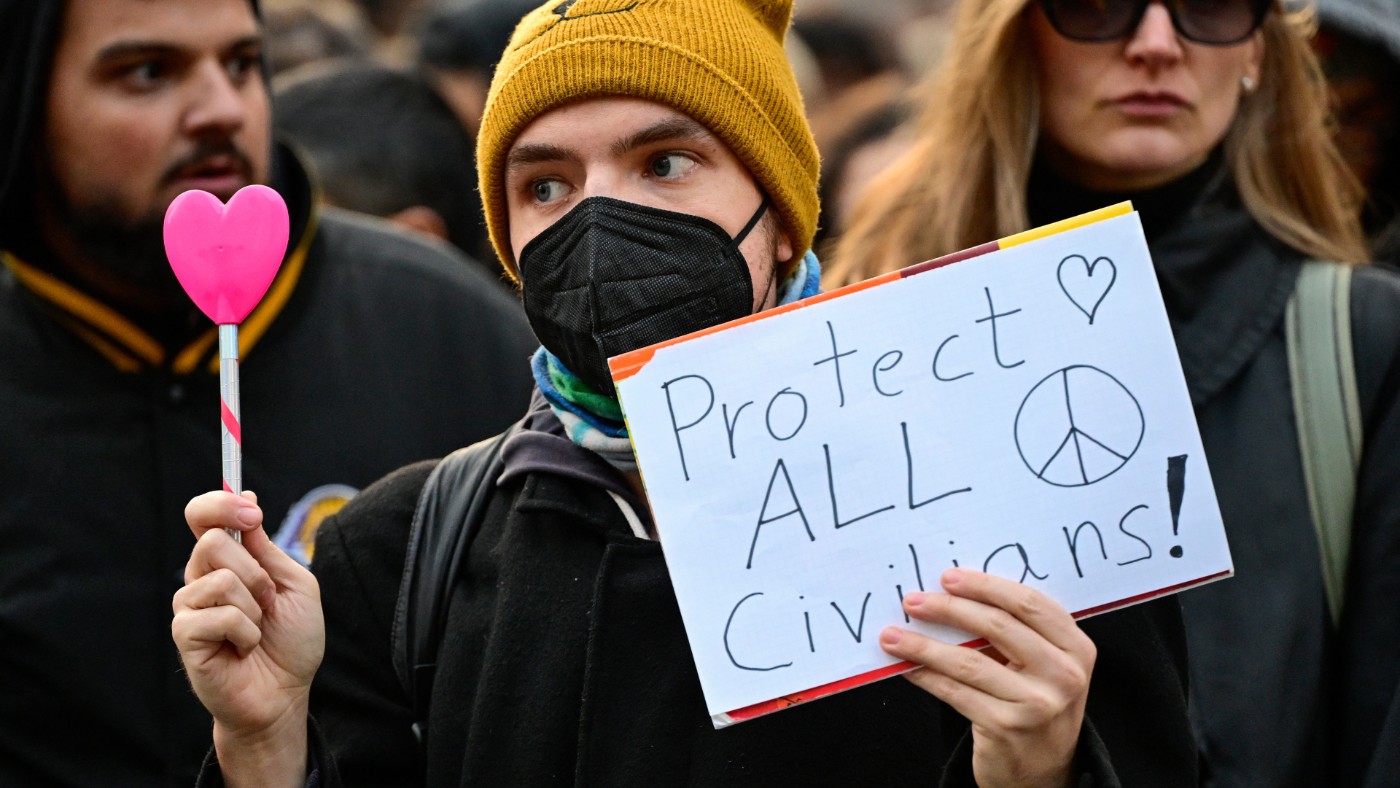
Watermelons and Handala: Germany outlines symbols of ‘secular pro-Palestinian extremism’
Germany’s Federal Office for the Protection of the Constitution (BfV), the country’s domestic domestic intelligence service, has released a controversial new dossier categorizing grassroots secular pro-Palestinian organizing within Germany as a form of extremism, triggering widespread debate over civil liberties, political speech, and the country’s official policy toward the Israel-Gaza conflict.
The document outlines three core focus areas: the alleged ties between antisemitism and secular pro-Palestinian extremism, common symbols and markers used by activist groups, and cross-ideological networking between pro-Palestinian organizers, left-wing extremists and Islamists. BfV notes that the movement is highly diverse, made up of long-standing established groups as well as newer formations that emerged following the October 7, 2023 attacks led by Hamas. According to the dossier, all these factions are united by what BfV frames as inherent hostility toward Israel, regularly rejecting the country’s right to exist and spreading rhetoric that runs counter to norms of international understanding.
The report specifically calls out pro-Palestinian protests against Israel’s military campaign in Gaza, noting that in Berlin, the epicenter of German pro-Palestinian activism, events frequently feature anti-Israel and occasionally antisemitic statements and displays. The dossier names the Popular Front for the Liberation of Palestine (PFLP) and the global Boycott, Divestment, Sanctions (BDS) movement as key “relevant actors,” claiming that even groups that publicly support a two-state solution implicitly endorse terrorist activity by Hamas, Palestinian Islamic Jihad (PIJ), and the PFLP, and frame the October 7 attacks as legitimate resistance. It also warns that so-called extremist Palestinian individuals are driving rising radicalization and increasing willingness to use violence.
In its section on protest symbols, BfV even frames widely used pro-Palestinian messaging as evidence of extremism. The popular slogan “from the river to the sea, Palestine will be free” and the sliced watermelon symbol — which uses the fruit’s red, green, black and white colors to echo the Palestinian flag, often as a subtle nod to Palestinian solidarity when public display of the flag is restricted — are both labeled as attempts to deny Israel’s right to exist. “The outline of the entire State of Israel is depicted in the colours of the Palestinian flag (as a sliced watermelon), thereby denying Israel’s right to exist,” the report reads. The dossier also alleges that pro-Palestinian extremists act as a unifying ideological bridge between disparate extremist factions across the political and religious spectrum, from Islamist groups to German and Turkish left-wing and even right-wing extremist networks, exploiting the humanitarian crisis in Gaza to radicalize mainstream civil society. The report only mentions the word “genocide” once when referring to accusations against Israel, referring to the death of more than 73,000 Palestinians and widespread destruction of Gaza simply as the “situation.” Notably, the BfV’s broad claims of antisemitism and extremism are not backed by specific cited examples in the document.
The release of the dossier comes as German law enforcement has already waged a sweeping crackdown on pro-Palestinian demonstrations across the country, with broad political backing rooted in Germany’s official “Staatsräson” — a core state principle that enshrines unconditional support for Israel as a central part of German national identity, a commitment tied to the country’s Nazi-era history of the Holocaust that killed six million Jews. In recent months, Berlin police have repeatedly broken up peaceful pro-Palestinian gatherings, arresting dozens of demonstrators including minor protesters. Video footage from multiple days of actions in April 2026 shows officers forcibly dragging non-violent protesters to the ground and aggressively restraining them, with no evidence of protester violence prior to police intervention.
One protester interviewed by Middle East Eye, whose reporting first documented the crackdown, said demonstrators have faced ongoing repression simply for their Palestinian identity and opposition to Israel’s military campaign. “They [have been] arrest[ing] us for three years until now,” the protester said. “Just because we are Palestinian, and they are committed to a genocide. They are fascism.”
The repression extends beyond street protests. In March 2026, families and legal representatives of anti-arms trade activists who were arrested for breaking into a facility run by Israel’s largest weapons manufacturer in Germany accused authorities of subjecting the detainees to extreme solitary confinement under harsh, restrictive prison conditions.
Germany’s unwavering political support for Israel has shaped both its domestic and foreign policy in recent years. Berlin is the world’s second-largest arms supplier to Israel, trailing only the United States. While Berlin briefly paused some arms transfers in October 2025 after Israel launched its ground offensive to seize full control of Gaza City, shipments resumed just one month later. In April 2026, Germany joined Italy to block a joint motion put forward by Spain, Ireland, and Slovenia at the EU level to suspend the bloc’s trade agreement with Israel over its conduct in Gaza. German Foreign Minister Johann Wadephul dismissed the proposal as inappropriate, arguing that critical conversations about Gaza must happen through constructive dialogue with Israel rather than punitive measures.
The BfV’s core claim that pro-Palestinian activism amounts to extremism because it rejects Israel’s right to exist has also sparked legal and political pushback. International law scholars note that while defenders of Israel regularly invoke the country’s right to exist, no provision of international law guarantees this right to any sovereign state; statehood is widely recognized as a political reality rather than a legally granted status. Critics also argue that the BfV’s framing conflates criticism of Israeli government policy with antisemitism, noting that the agency’s claim that activists fail to distinguish between the Israeli state and global Jewish communities echoes the very conflation it accuses protesters of making. Since the start of Israel’s current military campaign in Gaza, the country has expanded its territorial control through force, having already displaced 750,000 Palestinians during its founding in 1948. Today, Israeli forces occupy more than half of the Gaza Strip and have advanced into southern Lebanon, redrawing de facto borders across the region.
-
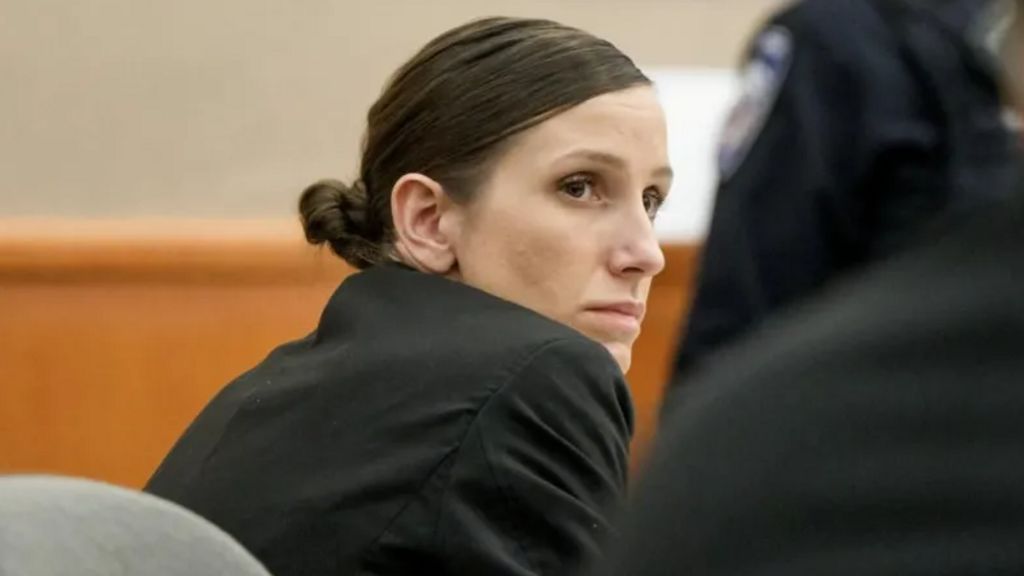
‘Too dangerous to ever be free’ – Utah mother who poisoned husband sentenced to life
In a shocking case that blurred the lines between public grief and alleged criminal violence, 36-year-old Kouri Richins, a Utah mother of three who penned a bestselling children’s book about coping with loss after her husband’s 2022 death, has been sentenced to life in prison without the possibility of parole for his aggravated murder.
A jury delivered a guilty verdict in March 2026, concluding that Richins poisoned her husband Eric Richins by slipping the powerful synthetic opioid fentanyl into one of his drinks. The sentencing, handed down on Wednesday, fell on what would have been Eric Richins’ 44th birthday, adding an extra layer of gravity to the court proceedings. Third District Judge Richard Mrazi emphasized the severity of Richins’ crimes in his sentencing statement, noting that a person convicted of such premeditated, harmful acts poses an unacceptable danger to the public if ever released.
Prosecutors laid out a clear motive during the weeks-long trial that captured national attention. They told the court that Richins had accumulated millions of dollars in unsustainable personal debt, taken out multiple life insurance policies on her husband without his full knowledge, and was engaged in an extramarital affair. In addition to the murder conviction, the jury found her guilty of fraudulent insurance fraud after she wrongfully collected death benefits following Eric’s death at the couple’s home outside Park City, a popular ski resort town. Prosecutors also confirmed that Richins wrongly expected to inherit her husband’s entire estate, valued at more than $4 million, and had already made plans to build a new life with her extramarital partner. She was additionally convicted of attempted murder for a separate earlier incident where prosecutors say she laced Eric’s sandwich with poison in a first attempt to kill him.
The case took a particularly jarring turn with the publication of Richins’ children’s picture book *Are You With Me?*, released in January 2023, just two months before her arrest. Richins marketed the book as a resource to help children and families navigate grief after losing a loved one, saying it was inspired by her own experience as a young widow raising three children alone. In a pre-arrest interview with local radio station KPCW, Richins said she hoped the book would bring comfort to her own family and other households going through similar loss, and she dedicated the book to Eric, calling him “my amazing husband and a wonderful father.”
Richins, who chose not to testify during her trial, addressed the court for roughly 30 minutes during Wednesday’s sentencing hearing, directing most of her comments to her three children, according to CBS News, which partners with the BBC on U.S. crime coverage. “I know today you don’t want to speak to me and you hate me. That’s OK. When you are ready, I will be here for you,” she told her children in a emotional statement.
The case has sparked widespread discussion about the manipulation of public sympathy and the hidden layers of domestic violence that often go unseen until a fatal outcome.
-

Alberta judge tosses out petition for province to separate from Canada
In a landmark ruling that underscores the centrality of Indigenous land rights in Canadian constitutional politics, an Alberta judge has dismissed a bid to hold a province-wide referendum on Alberta’s separation from Canada. The decision came after several Indigenous First Nations groups argued that proceeding with the independence vote without meaningful consultation would directly violate their inherent territorial rights.
According to Canadian public broadcaster CBC, Justice Shaina Leonard delivered the ruling Wednesday at an Edmonton courthouse, bringing an end to the latest push by separatist organizers to advance their long-held goal of breaking away from the Canadian federation. The petition was led by Stay Free Alberta, a grassroots separatist group that claimed to have collected more than 300,000 signatures – a threshold that would have legally required the province to schedule a binding referendum on independence. Leonard had already paused the official signature verification process while she reviewed the First Nations’ legal challenge, ahead of Wednesday’s final ruling.
In her dual rulings released this week, Leonard found that the Alberta provincial government failed in its legal duty to consult four affected Indigenous nations: the Athabasca Chipewyan First Nation, Blood Tribe, Piikani Nation, and Siksika Nation. Indigenous advocates have long argued that any separation initiative would redraw territorial boundaries and reconfigure land governance without the free, prior, and informed consent of the First Nations who have inhabited and governed those lands since time immemorial.
The push for Alberta separation is rooted in decades of growing resentment toward the federal government in Ottawa, particularly among segments of the province’s population. Frustration has centered most sharply on disputes over natural resource development: many Albertans argue that successive federal Liberal governments have prioritized national climate policy at the expense of the province’s lucrative oil and gas sector, blocking critical pipeline projects and imposing regulations that have stunted industry growth.
Separatist sentiment has also been fueled by a widespread belief among Albertans that the province, which holds vast fossil fuel and mineral wealth, contributes far more to federal tax revenues than it receives back in national transfers and public investment. Many residents also argue that eastern Canadian political elites consistently disregard western priorities, deepening a cultural and political rift that has widened in recent years.
What was once a marginal fringe movement only a decade ago has grown steadily in traction over the last 12 months, pushing the threat of a national unity crisis higher on Canada’s political agenda. While the Alberta separatist movement remains fragmented, with no single unified leadership or platform, most supporters agree that the province needs far greater autonomy over its natural resource management and domestic policy agenda, regardless of whether full separation is achieved.
Wednesday’s ruling marks a major legal setback for the separatist movement, prioritizing Indigenous rights over a popular grassroots push for political self-determination and setting a new precedent for future separation initiatives in the country.
-
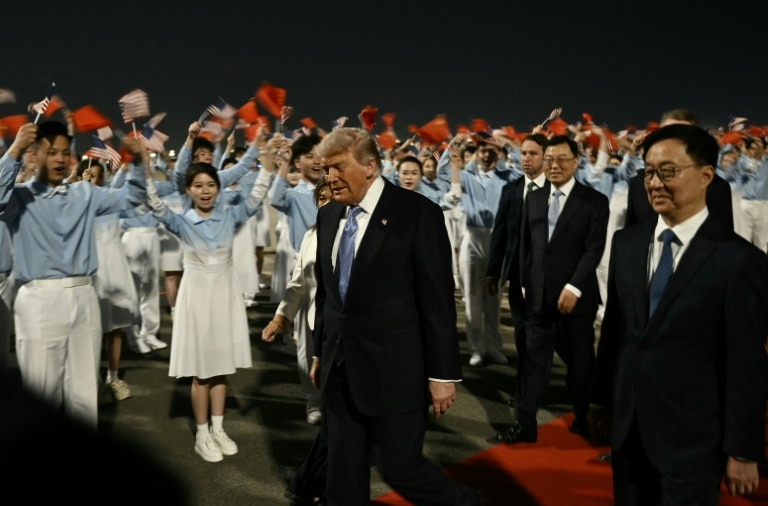
Trump and Xi set for high-stakes talks in Beijing
Eight years after his last visit to China, U.S. President Donald Trump touched down in Beijing Wednesday evening for a two-day high-stakes leadership summit, marking the first trip by a sitting U.S. president to the Chinese capital since 2017. Welcomed with traditional ceremonial fanfare, including a red carpet greeting and 300 uniformed Chinese youth chanting welcome and waving both national flags as the U.S. leader pumped his fist descending from Air Force One, the lavish opening sets the stage for discussions on a host of thorny issues that have split the world’s two largest economies and nuclear powers.
Trump’s traveling delegation includes some of America’s most high-profile business leaders, headlined by Nvidia CEO Jensen Huang and Tesla CEO Elon Musk — names the president has highlighted as symbols of the commercial breakthroughs he aims to secure during the meetings. On Thursday morning, Chinese leader Xi Jinping will formally greet Trump at Beijing’s opulent Great Hall of the People, followed by an official state banquet that evening. After the summit, Trump is scheduled to tour the Temple of Heaven, a centuries-old UNESCO World Heritage Site that once served as the ceremonial worship site for Chinese imperial dynasties, before holding informal talks, a tea gathering and working lunch with Xi on Friday ahead of his departure back to Washington.
This summit was originally scheduled for March, but was delayed by the escalating conflict around Iran, a sticking point that will still top the bilateral agenda. Most of Iran’s oil exports, which are sanctioned by the United States, currently flow to China, and Trump has confirmed the two leaders will hold a lengthy discussion on the issue, even as he downplays the need for Chinese cooperation on Washington’s policy toward Tehran.
Trade tensions, the longest-running source of friction between the two nations, will also be a core focus of the talks. Following Trump’s 2017 visit, the U.S. rolled out sweeping tariffs on hundreds of billions of dollars worth of Chinese goods, triggering a tit-for-tat trade war that saw retaliatory levies push combined duties to over 100% on many cross-border goods. The two leaders reached a one-year truce on tariffs during an October meeting in South Korea, and this week they are expected to negotiate an extension of that pause — though negotiators on both sides have cautioned a final agreement is far from guaranteed.
Trump has pinned his approach to the talks on his self-described close personal rapport with Xi, telling reporters ahead of the trip he expects a “great big hug” from the Chinese leader, who he has long praised for his firm governing style. Top on the president’s commercial priority list are new trade deals covering U.S. agricultural exports, aircraft sales and wider market access for American companies. Aboard Air Force One en route to Beijing, Trump wrote on social media that he would press Xi to “open up” China’s markets to U.S. firms, saying “these brilliant people can work their magic” given fair access.
For its part, the Chinese foreign ministry struck a constructive tone ahead of the summit, releasing a statement Wednesday saying Beijing “welcomes” Trump’s visit and stands ready to work with Washington to expand bilateral cooperation and productively manage differences. But analysts note China’s global position has shifted significantly since Trump’s last visit in 2017, with Beijing now far more assertive on geopolitical and trade issues, leaving multiple core disputes unresolved.
One of the most sensitive issues on the agenda is Taiwan, the self-governing democracy that Beijing claims as its sovereign territory. Trump confirmed ahead of the trip that he will raise the topic of ongoing U.S. arms sales to Taipei during his talks with Xi — a break from decades of U.S. policy that has refused to consult Beijing on arms sales to the island, a shift that is being closely watched by Taipei and U.S. regional allies.
Other topics slated for discussion include China’s export controls on rare earth minerals, the growing global rivalry in artificial intelligence development, and broader restructuring of the bilateral trade relationship. Both sides enter the summit seeking to secure tangible wins while preventing a further escalation of tensions, a delicate balance that carries major implications for the global economy and international security. Trump is also pushing to lock in a firm date for a reciprocal visit by Xi to the U.S. later in 2026, a move that would serve as a high-profile proof of his claim to have built a strong working relationship with his Chinese counterpart.
-
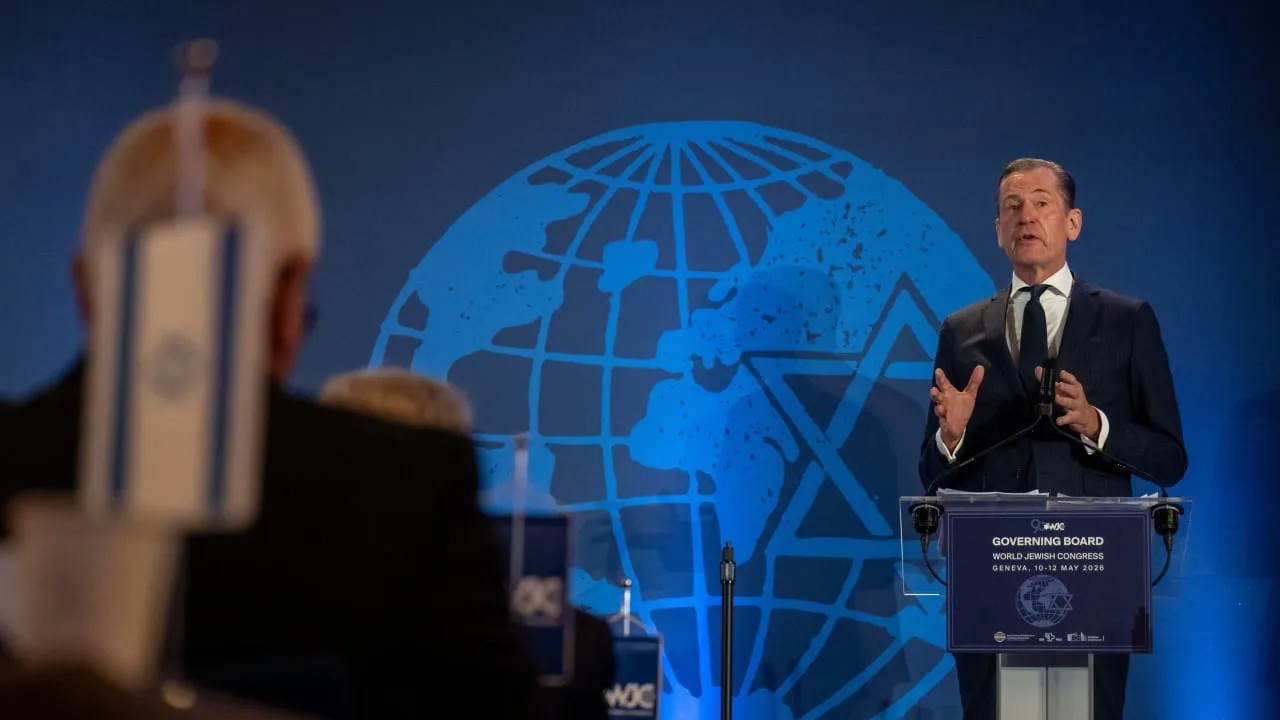
‘Europe must become more Jewish’ says owner of Telegraph and Politico
In a provocative address to the World Jewish Congress (WJC) Governing Board in Geneva this week, Mathias Dopfner, CEO of global media giant Axel Springer – owner of major outlets including The Telegraph and Politico – declared that anti-Zionism is indistinguishable from racism, while laying out a series of divisive policy proposals that have reignited debates over media independence, censorship and immigration.
Dopfner’s hardline stance on Israel is not new. Back in April, the media executive made international headlines when he told Politico journalists that any staff who refused to publicly back Israel must resign, a move that stoked widespread fears over the editorial independence of the political news outlet, which Axel Springer acquired in 2021. Opening his WJC speech, he doubled down on his ideological commitments, telling attendees: “I’m a goy, and I’m Zionist, with all my heart, out of conviction, and with passion.”
In a wide-ranging address that included sharp anti-immigrant rhetoric and broad attacks on cultural institutions, universities, musicians, artists and the United Nations, Dopfner launched a particularly scathing attack on the UN Human Rights Council. The body has drawn repeated international condemnation of Israel over documented war crimes, systemic human rights abuses and the imposition of apartheid rule in occupied Palestinian territories; Dopfner derided the council as the “human rights Twistings Council”, claiming it unfairly targets Israel.
Dopfner claimed that anti-Zionist sentiment – which he framed as any widespread, repeated criticism of the Israeli state – is spreading rapidly across North America and Europe, taking root in university campuses, arts and cultural circles, social media platforms and public street protests. While he conceded that criticism of Israel is not inherently forbidden, he argued that such critique should not become a normalized “everyday” conversation. He went further, claiming that rising criticism of Israel has rendered major Western European nations including Germany, France, the UK and Spain no longer “truly safe countries for Jews”.
Turning specifically to UK politics, he attacked the country’s Green Party, which has seen growing electoral support in part driven by its public criticism of Israeli policy. He took particular issue with the party’s framing of Zionism as a racist ideology, retorting: “There must be a misunderstanding here. It is not Zionism that is racism. It is anti-Zionism that is racism.”
Dopfner argued that the rise of anti-Zionism is fueled by “envy” of Jewish communal success, a claim that omitted any reference to Israel’s 56-year military occupation of Palestinian land, or ongoing public calls by sitting Israeli politicians for the establishment of a “Greater Israel” spanning territory from the Nile River in Egypt to the Euphrates in Iraq. “Only a self-assured, proud Jewish identity can help reduce envy and [the] new antisemitism,” he added.
Framing growing global criticism of Israel as a leading warning sign of rising authoritarianism in the West, Dopfner put forward a slate of draconian policy measures. Conflating all anti-Zionists with antisemites, he argued that anti-Zionists “regardless of their origin, must be expelled wherever legally possible”. He praised UK Conservative Party leader Kemi Badenoch for advancing similar policy proposals, arguing every democratic nation should adopt such measures. He also called for sweeping changes to European immigration policy, urging the continent to introduce preferential immigration and citizenship pathways exclusively for Jewish families, framing this as a counterbalance to what he called “Christian and particularly Muslim influences” in Europe. “Europe must become more Jewish,” he concluded.
Dopfner also joined growing calls for the forced sale or full censorship of TikTok in Europe, pointing to the 2025 US order forcing the platform to sell off its US operations to non-Chinese owners – a deal that would see pro-Zionist billionaire and close Israeli Prime Minister Benjamin Netanyahu ally Larry Ellison take control of the platform. “In America, TikTok has been forced to be sold… Europe should follow this example,” he said, warning that failure to root out anti-Zionism would lead the West to “destroy itself”.
Political analysts note Dopfner’s high-profile public intervention is part of a broader coordinated push by pro-Israel leaders to counter mounting global condemnation and diplomatic isolation of Israel, which has intensified sharply following Israel’s military campaign in Gaza that the UN and multiple international human rights organizations have ruled constitutes a genocide. Dopfner’s comments also echo growing alarm among pro-Israel elites expressed at the 2025 Tikvah Jewish Leadership Conference in the US, where billionaires, investment bankers, media leaders, lawyers and Zionist Christian activists gathered to address what they described as a growing global backlash against Israeli policy. That gathering, which brought together leaders from the WJC, the Jewish Leadership Conference and the Jewish Federations of North America’s General Assembly, collectively called for expanded censorship of voices across the political spectrum that criticize Israel – framed by attendees as an effort to “save America from the barbarians”.