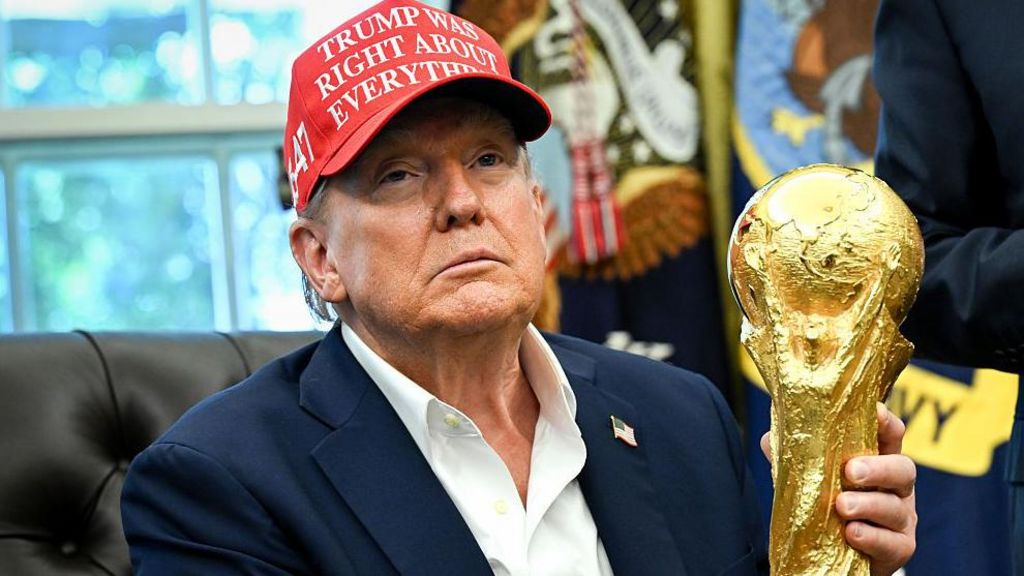
Ahead of the 2026 FIFA World Cup co-hosted by the United States, Canada, and Mexico, the Trump administration has issued a key policy adjustment: it will waive the mandatory $15,000 visa deposit requirement for football fans traveling from 50 restricted countries, as long as they hold valid match tickets for the tournament. Among the 50 countries included in this exemption, five national squads – Algeria, Cabo Verde, Ivory Coast, Senegal, and Tunisia – have already qualified for the global tournament kicking off on June 11. “We are waiving visa bonds for qualified fans who bought World Cup tickets,” Assistant Secretary of State for Consular Affairs Mora Namdar confirmed in an official statement provided to the BBC. The $15,000 visa bond mandate was first rolled out last August as part of a 12-month pilot program, a key component of the administration’s broader immigration enforcement push. U.S. State Department documentation notes the policy was designed to address the problem of visa overstays and cases where applicant screening and vetting materials are deemed insufficient. The full deposit would be returned to visitors once their authorized stay in the U.S. comes to an end. Prior to this new announcement, only participating players and coaches had been granted exemptions from the bond requirement, leaving ordinary ticket-holding fans subject to the fee until this week. While the bond suspension applies to fans from 50 countries, the exemption does not extend to fans traveling from Iran and Haiti, who remain barred from entering the U.S. under existing restrictions. Even for these two nations, however, World Cup-bound players and coaches are still exempt from the entry ban for tournament-related travel. Additional travel restrictions remain in place for fans from Ivory Coast and Senegal – both World Cup-qualified nations – under the administration’s expanded travel ban framework. This latest policy change comes as the U.S. maintains another controversial immigration rule that could impact World Cup visitors: late last year, the government announced that tourists from dozens of countries could be required to hand over five years of their social media history as a condition of entry. Human and civil rights organizations have repeatedly raised alarms about this policy, warning travelers that such extensive screening creates multiple risks, including heightened chances of entry denial, potential arrest, broader travel restrictions, targeted racial profiling, and increased government surveillance of visitors. The 2026 World Cup, the first to be expanded to 48 teams, will mark the first time the tournament has been co-hosted across three North American nations, with matches scheduled across multiple U.S. cities from the tournament’s opening round through the final. This policy adjustment reflects the administration’s effort to balance its strict immigration agenda with the logistical and diplomatic demands of hosting one of the world’s largest international sporting events.