博客

  • Thousands flee northwest Pakistan after mosques warn of possible military action

    Thousands flee northwest Pakistan after mosques warn of possible military action

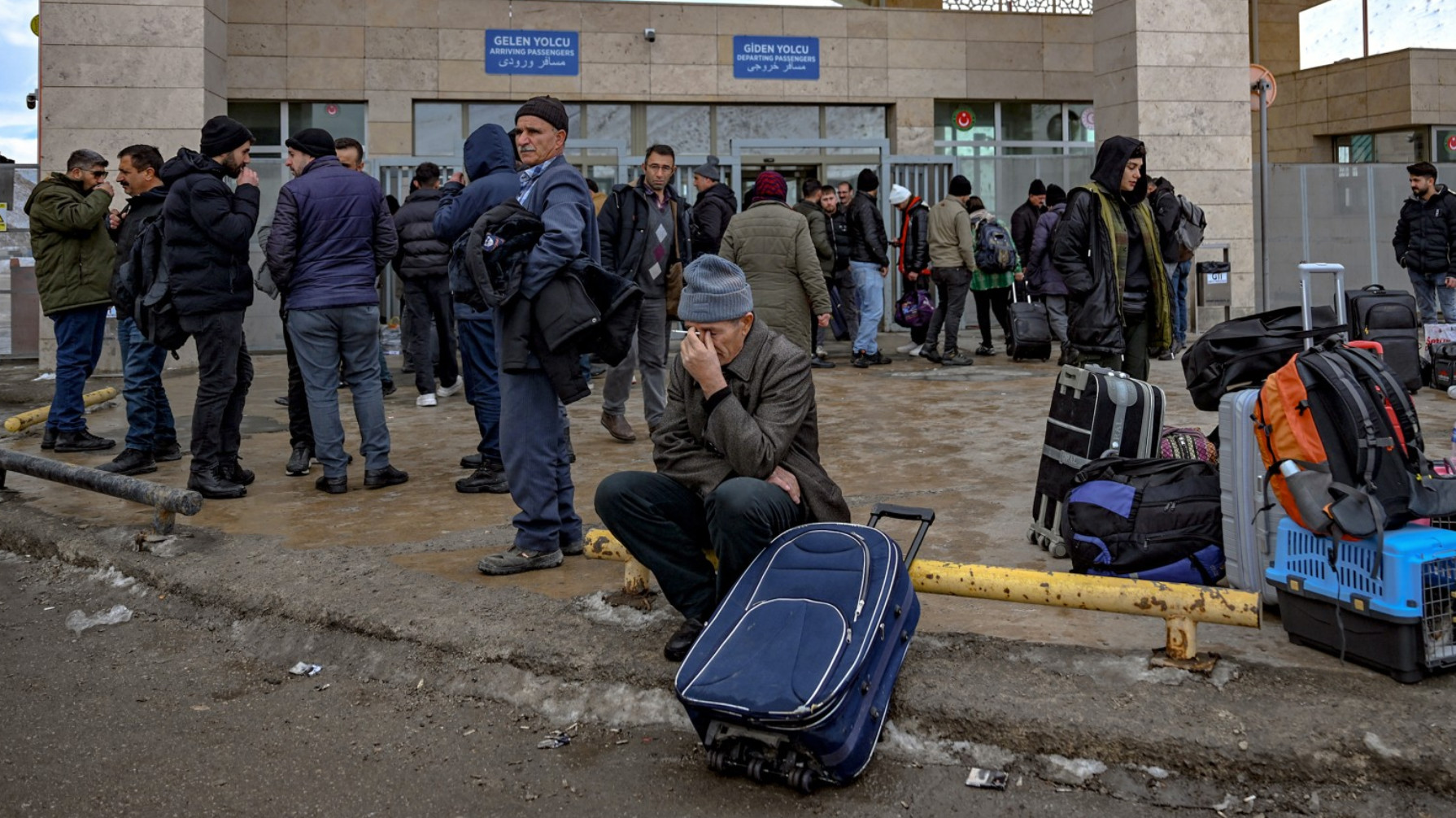
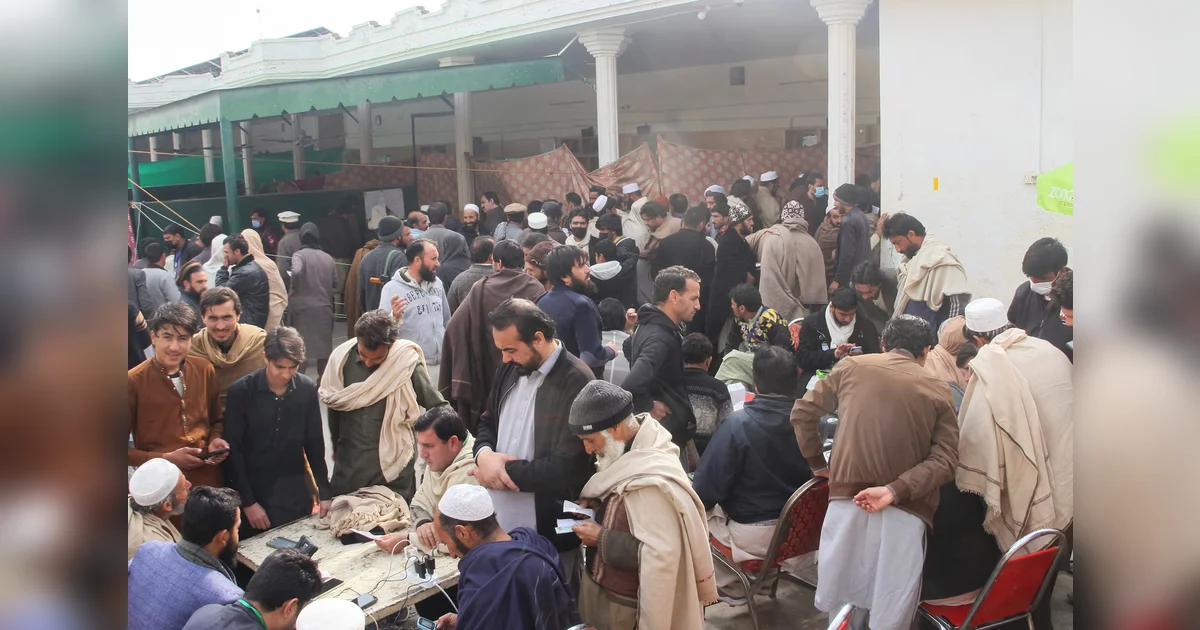
    A significant humanitarian crisis is unfolding in northwestern Pakistan as tens of thousands of residents flee the remote Tirah Valley region following mosque announcements warning of potential military action against militant groups. Despite harsh winter conditions with heavy snowfall, families have undertaken perilous journeys to nearby towns including Bara, located 71 kilometers east of the valley.

    Local officials report that thousands of displaced families are currently undergoing registration processes for assistance, though many complain of slow bureaucratic procedures and uncertainty regarding their temporary relocation. The exodus appears to contradict official statements from Pakistan’s federal government, with Defence Minister Khawaja Muhammad Asif denying any planned military operation and attributing the population movement to routine seasonal migration driven by winter conditions.

    However, a military source familiar with the situation revealed that the relocation followed months of consultations involving tribal elders, district officials, and security authorities regarding militant presence in Tirah Valley. The source, who requested anonymity, indicated that civilians were encouraged to temporarily evacuate to facilitate “targeted intelligence-based operations” against militants operating among civilian populations.

    The provincial government of Khyber Pakhtunkhwa has expressed frustration over being excluded from decision-making processes. Chief Minister Sohail Afridi characterized the developments as “closed-room moves” implemented without provincial consultation and rejected federal claims that residents were voluntarily migrating due to snowfall.

    Residents themselves vehemently dispute the official narrative, with shopkeeper Gul Afridi describing a week-long ordeal through snowbound roads accompanied by food shortages. Another displaced resident, Abdur Rahim, emphasized that winter conditions alone did not drive the exodus, stating, “We have lived there all our lives. People left because of the announcements.”

    The Tirah Valley has long been a sensitive security zone and stronghold for Tehrik-e-Taliban Pakistan, the militant group responsible for numerous attacks on Pakistani security forces. The region gained national attention in September following a deadly explosion at a suspected bomb-making site, though officials provided conflicting accounts regarding civilian casualties.

  • RTA announces temporary road closures on February 1 for Dubai Marathon

    RTA announces temporary road closures on February 1 for Dubai Marathon

    Dubai’s Roads and Transport Authority (RTA) has implemented a comprehensive traffic management plan to facilitate the smooth execution of the Dubai Marathon scheduled for February 1, 2026. The strategic road closures, announced on January 31st, are designed to ensure runner safety and optimal event organization while minimizing disruption to city mobility.

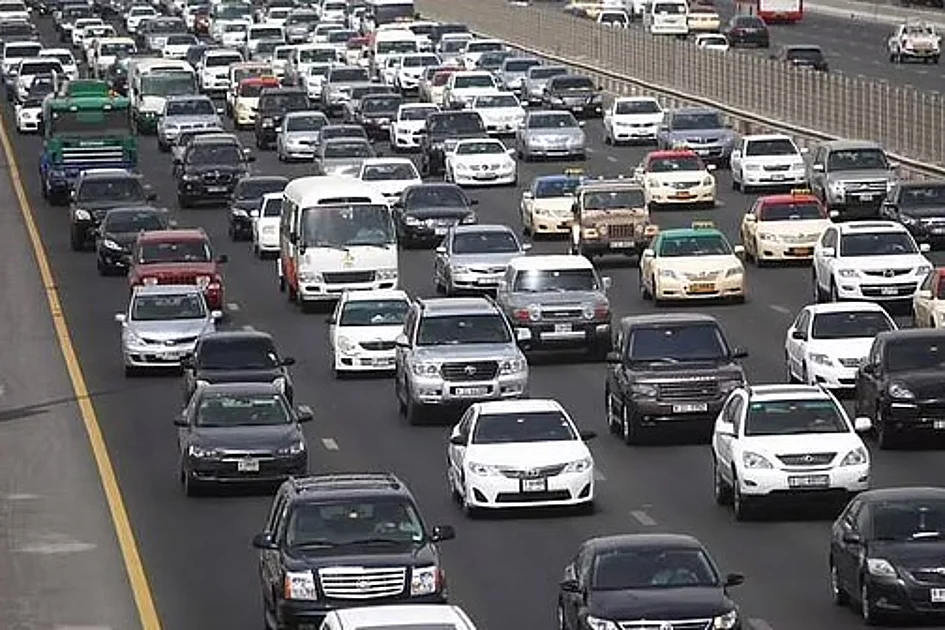
    Beginning at 1:00 AM on race day, Abdullah Omran Taryam Street will experience complete closure between Umm Suqeim Street and Al Thowima Street. Subsequent partial closures will commence at 4:45 AM along key arteries including Jumeirah Street and King Salman Bin Abdulaziz Al Saud Street, specifically affecting segments between Al Mehemal Street intersection and Dubai Internet City intersection.

    The transportation authority has developed a phased reopening strategy, with one lane on both Jumeirah Street and King Salman Bin Abdulaziz Al Saud Street scheduled to resume operations by 8:00 AM to alleviate traffic congestion. Motorists are strongly advised to conduct advanced journey planning and adhere to directional signage installations throughout affected areas.

    RTA officials have disseminated detailed route maps through official channels to keep residents informed about temporary accessibility modifications. The coordinated effort represents Dubai’s ongoing commitment to hosting world-class sporting events while maintaining its reputation for operational excellence in urban transportation management.

  • Iran’s army chief: any mistake will jeopardize security of US, Israel, West Asia

    Iran’s army chief: any mistake will jeopardize security of US, Israel, West Asia

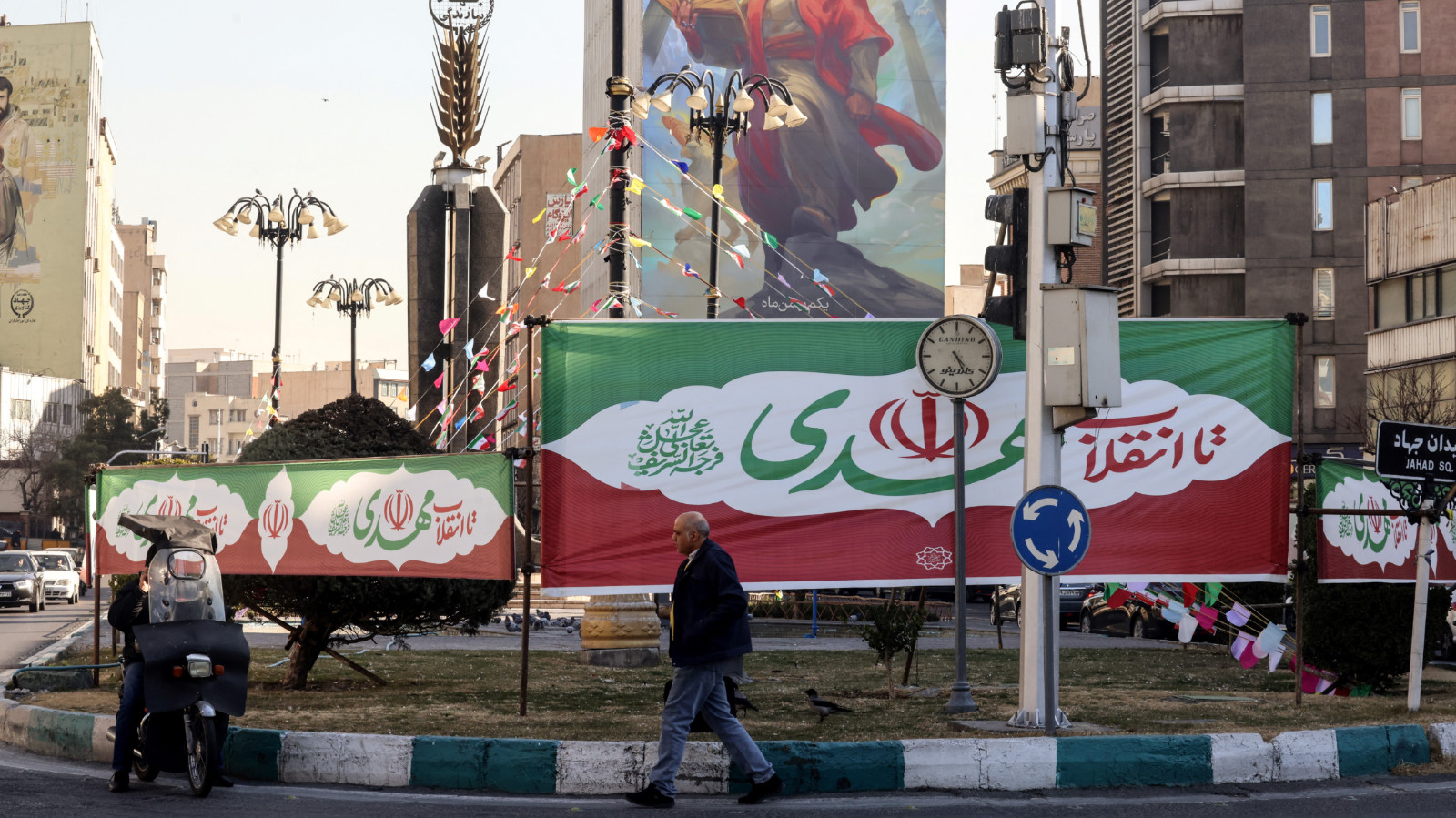
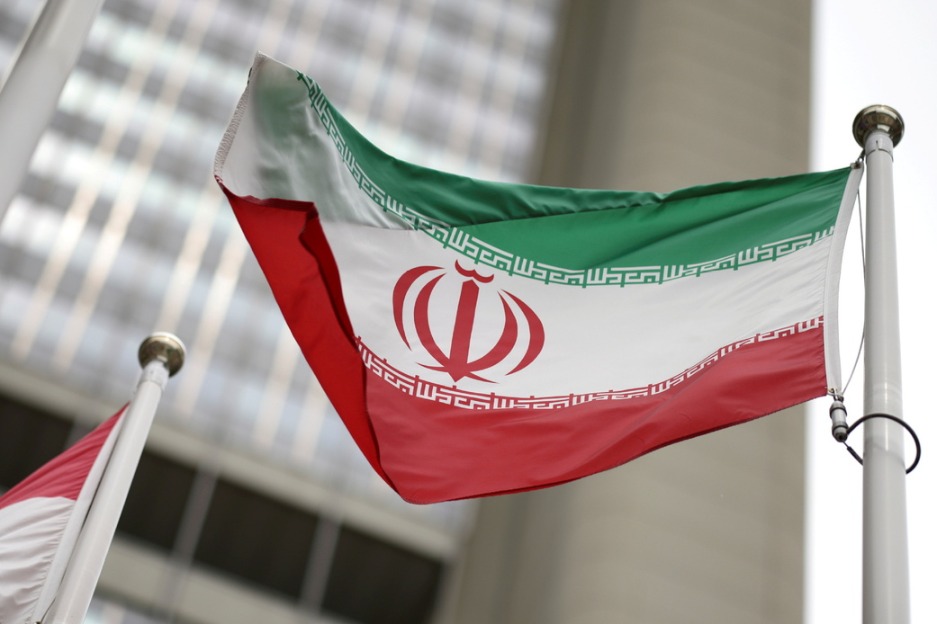
    In a sharply worded address delivered at a national festival in Tehran, Iran’s Army Chief Amir Hatami declared Saturday that any miscalculation by the United States would critically endanger the security of both American forces and Israeli interests throughout West Asia. The senior military official stated that Iranian armed forces maintain complete defensive readiness while closely monitoring regional movements of perceived adversaries.

    Speaking before national attendees, General Hatami emphasized that Iranian forces maintain constant vigilance with “our finger on the trigger,” suggesting immediate responsiveness to perceived threats. The commander’s remarks referenced recent regional diplomatic developments, specifically acknowledging neighboring nations’ commitments to deny use of their territories and airspace for operations against Iran. He characterized these assurances as recognition that regional instability inevitably follows any security compromise targeting Iran.

    The address included a conditional openness to diplomatic resolution, with Hatami stipulating that meaningful dialogue must originate from respectful treatment toward the Iranian nation. This positioning emerges alongside conflicting signals from Washington, where President Trump previously referenced a “massive armada” spearheaded by the USS Abraham Lincoln advancing toward regional waters, concurrently indicating diminishing patience for negotiated settlements.

    Contrasting the military commander’s stern rhetoric, Iran’s diplomatic corps separately expressed willingness for engagement under appropriate conditions. Foreign Minister Seyed Abbas Araghchi, speaking from Istanbul on Friday, confirmed Iran’s openness to negotiations with the United States while explicitly rejecting discussions conducted under coercive threats. This dual-track approach reflects Tehran’s simultaneous preparation for military confrontation and diplomatic resolution amid escalating tensions with Western powers.

  • Iranians seal windows and store food and water as they prepare for attack

    Iranians seal windows and store food and water as they prepare for attack

    A palpable atmosphere of apprehension enveloped Iran in late January as rumors of an impending U.S. military strike permeated the nation. Citizens from Tehran to distant diaspora communities found themselves confronting the psychological toll of potential conflict, creating a complex tapestry of fear, preparation, and political disillusionment.

    The tension emerged against the backdrop of heightened U.S. military movements in the Middle East, triggering not only multibillion-dollar arms agreements with regional allies but also profound anxiety among ordinary Iranians. This war anxiety compounds the collective trauma from recent violent crackdowns on economic protests that swept across Iranian cities, with estimated casualties ranging from official figures of 3,117 to outside reports exceeding 6,500 fatalities.

    Across the capital, residents like Milad, a 43-year-old engineer, described sleepless nights spent listening for explosion sounds. Meanwhile, Shohreh, a 68-year-old Tehran resident, noted the conflicting public sentiments: “They think that if the US strikes, everything will be fine. Because of the killings committed by the Islamic Republic, people are becoming desperate.”

    Practical preparations have become commonplace. Social media platforms, recently restored after a three-week internet blackout during protest suppression, now circulate extensive survival guides. Recommendations include stockpiling ten days of food and water, maintaining emergency medical kits, preparing evacuation bags with essential documents, and identifying safe spaces during attacks.

    Arzoo, a 32-year-old government employee, reported her neighbor’s ominous warning: “Seal the windows. When they bomb, there will be no difference between the regime and the opposition.” Like many, she has taken practical precautions despite uncertainty about the information’s origins.

    The anxiety extends beyond Iran’s borders to its approximately four-million-strong diaspora. Fatemeh, residing in Finland, expressed concern for her elderly parents in Tehran who lack evacuation options: “They said they had nowhere to go, which is why I asked a close friend to visit them and buy basic supplies.”

    Amin, a 75-year-old retiree who survived both the Iran-Iraq war and last year’s conflict, captured the tragic dilemma: “This regime executed my closest comrades… I have no sympathy for it. But I also hate war. War will destroy everything left for us.”

    Despite surface normalcy with schools operating and businesses open, profound disillusionment permeates Iranian society. Soroush, a 27-year-old student, articulated the sense of powerlessness: “Our lives and our deaths have become entertainment. A game for others”—referencing betting markets where speculators wagered on the timing of U.S. strikes.

    Saba, a 41-year-old mother, voiced frustration with all political actors: “What a miserable people we are. Our rulers massacre people in the streets. Reza Pahlavi has become the face of our opposition abroad. And our enemy is a fool like Donald Trump.”

    As Iranians navigate this precarious moment, they confront not only the threat of external conflict but also deep internal divisions and widespread skepticism toward both domestic leadership and external opposition figures, creating a complex landscape of fear and resilience amid escalating geopolitical tensions.

  • Coast Guard suspends search for missing crew after boat sinks off Massachusetts

    Coast Guard suspends search for missing crew after boat sinks off Massachusetts

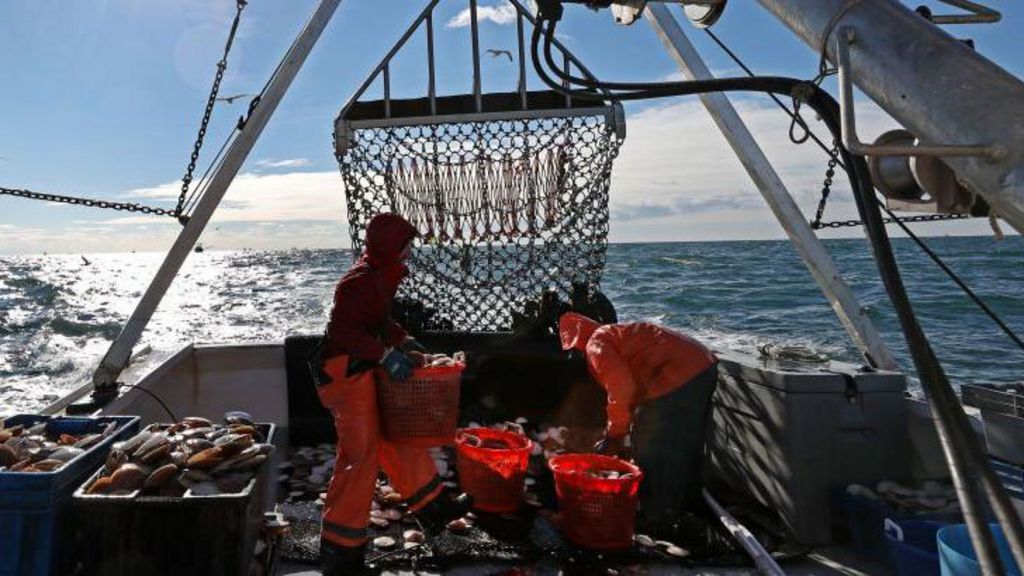
    The U.S. Coast Guard has officially suspended the search operation for missing crew members from the commercial fishing vessel Lily Jean, which sank approximately 25 miles off the coast of Cape Ann, Massachusetts. The decision came after exhaustive search efforts yielded only a debris field, one deceased individual, and an unoccupied life raft.

    The incident began early Friday morning when the Coast Guard received an automated emergency alert from the vessel’s distress beacon, notably absent of any mayday call. Seven crew members were reported aboard the 42-foot scallop dragger at the time of the tragedy. Captain Jamie Frederick, commander of Coast Guard Sector Boston, described the suspension as an ‘incredibly difficult’ decision, stating that all reasonable efforts had been exhausted by Saturday.

    The Lily Jean and its skipper were well-known figures, having been featured on the History Channel’s fishing miniseries ‘Nor’easter Men.’ The vessel’s captain was described by state Senator Bruce Tarr as ‘one of the kindest, nicest individuals’ and ‘among the best’ in the Gloucester fishing community, with deep family ties to the tradition.

    Massachusetts Governor Maura Healey expressed being ‘heartbroken’ by the tragedy, emphasizing on social media that fishermen are ‘core to the history, economy and culture of Gloucester.’ The port, America’s oldest working fishing harbor, was previously depicted in the film ‘The Perfect Storm,’ based on the similar loss of the Andrea Gail and its crew.

    The identities of the recovered individual and missing crew members have not been publicly released as the investigation continues into the cause of the sinking.

  • China, Algeria expand space cooperation with new satellite launch

    China, Algeria expand space cooperation with new satellite launch

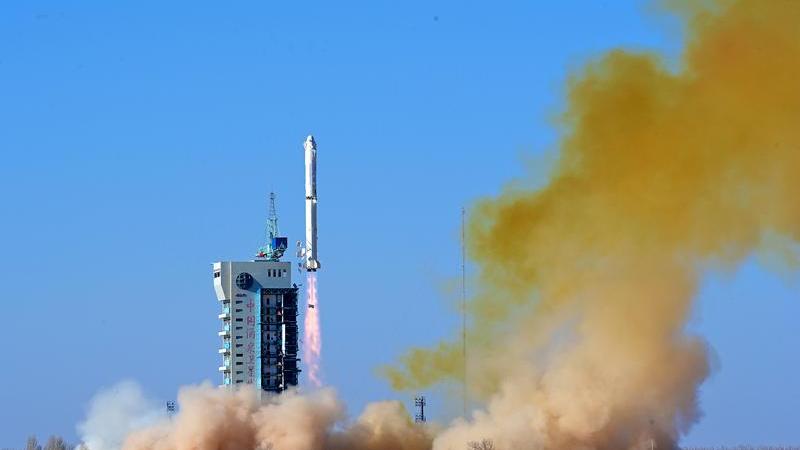
    In a significant advancement of Sino-Algerian space collaboration, China successfully deployed the AlSat-3B remote-sensing satellite into orbit on Saturday, January 31st, 2026. The spacecraft ascended aboard a Long March 2C carrier rocket from the Jiuquan Satellite Launch Center in Inner Mongolia at precisely 12:01 pm local time.

    The newly launched satellite represents the second component of Algeria’s enhanced Earth observation capabilities, joining its predecessor AlSat-3A which was similarly launched by Chinese partners just weeks earlier on January 15th. Both sophisticated satellites were developed by the China Academy of Space Technology, showcasing China’s growing prowess in international space technology partnerships.

    This bilateral project operates under a comprehensive cooperation agreement signed in July 2023 between the Algerian Space Agency and China Great Wall Industry Corporation, the international trade subsidiary of China Aerospace Science and Technology Corp. The contractual arrangement encompasses not only satellite delivery but also includes complete ground systems, specialized training programs, and ongoing technical support services.

    The twin-satellite constellation is designed to provide critical data for multiple civilian applications including geological surveying, agricultural planning, environmental monitoring, urban development mapping, and disaster management infrastructure. The partnership marks the most significant space cooperation between the nations since the successful deployment of Algeria’s Alcomsat-1 communications satellite in December 2017.

    The launch vehicle itself, the Long March 2C manufactured by China Academy of Launch Vehicle Technology, stands 43 meters tall with a 3.35-meter diameter and a substantial liftoff weight of 242.5 metric tons. The reliable rocket model specializes in deploying payloads into both low-Earth and sun-synchronous orbits.

    This mission represents the 629th flight of the Long March rocket series and China’s ninth successful orbital launch in 2026, demonstrating the nation’s accelerating pace in space operations and international technology cooperation.

  • Judge orders 5-year-old Liam Conejo Ramos and his dad released from ICE detention

    Judge orders 5-year-old Liam Conejo Ramos and his dad released from ICE detention

    A federal judge has mandated the immediate release of a five-year-old boy and his Ecuadorian father from a Texas immigration detention center by Tuesday, delivering a sharply worded ruling that condemned the Trump administration’s enforcement tactics. U.S. District Judge Fred Biery, appointed by President Bill Clinton, issued the order Saturday following the January 20th detention of Adrian Conejo Arias and his son Liam in Columbia Heights, Minnesota.

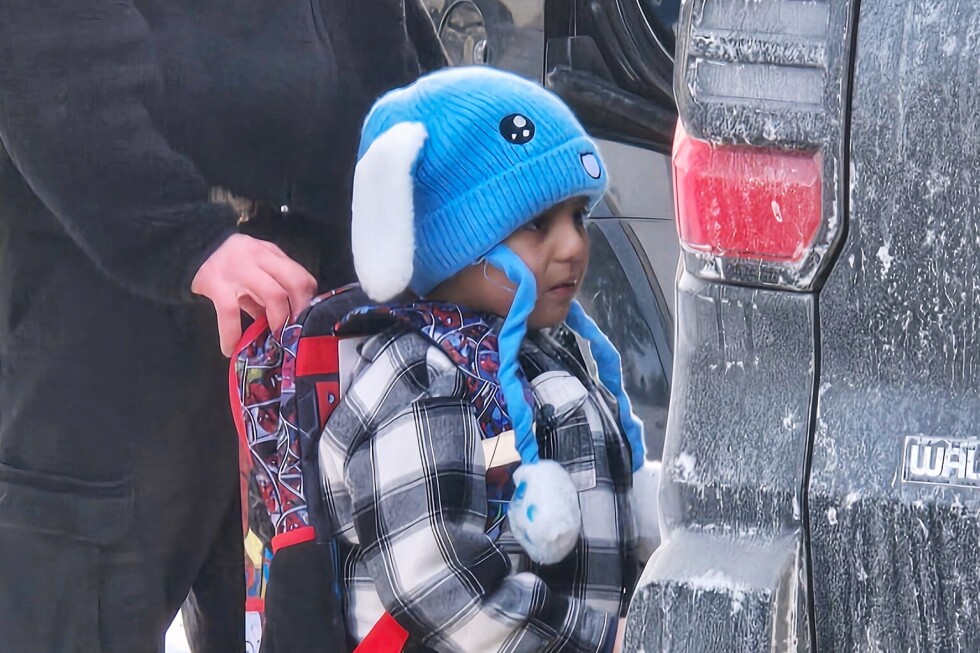
    The case gained national attention when images circulated showing young Liam—wearing a bunny hat and Spider-Man backpack—surrounded by Immigration and Customs Enforcement officers. Judge Biery’s ruling connected the incident to what he termed “the ill-conceived and incompetently-implemented government pursuit of daily deportation quotas,” adding that these efforts proceeded “apparently even if it requires traumatizing children.”

    Controversy emerged when neighbors and school officials alleged ICE used the preschooler as “bait” by having him knock on his home’s door to prompt his mother’s appearance—an accusation the Department of Homeland Security vehemently denied as an “abject lie.” The agency maintained that the father had abandoned the child in a running vehicle while fleeing on foot.

    The ruling contained extraordinary historical and religious references, with Judge Biery suggesting the administration’s approach mirrored grievances against King George III enumerated in the Declaration of Independence. The decision included biblical quotations and a photograph of Liam, emphasizing the human dimension of immigration enforcement.

    This case occurs within broader concerns about detention conditions at the Dilley, Texas facility, where approximately 1,100 individuals are housed. Reports have documented inadequate medical care, struggles for clean water, and even worms in food. An ICE report from December acknowledged holding about 400 children beyond the recommended 20-day limit.

    The family’s legal representatives announced they are working toward “a safe and timely reunion” following the traumatic ordeal, which included a visit from Texas Democratic Congress members Joaquin Castro and Jasmine Crockett, who witnessed the child’s exhausted state during their visit.

  • Explosion reported at building in Iran’s Bandar Abbas, cause unknown: State media

    Explosion reported at building in Iran’s Bandar Abbas, cause unknown: State media

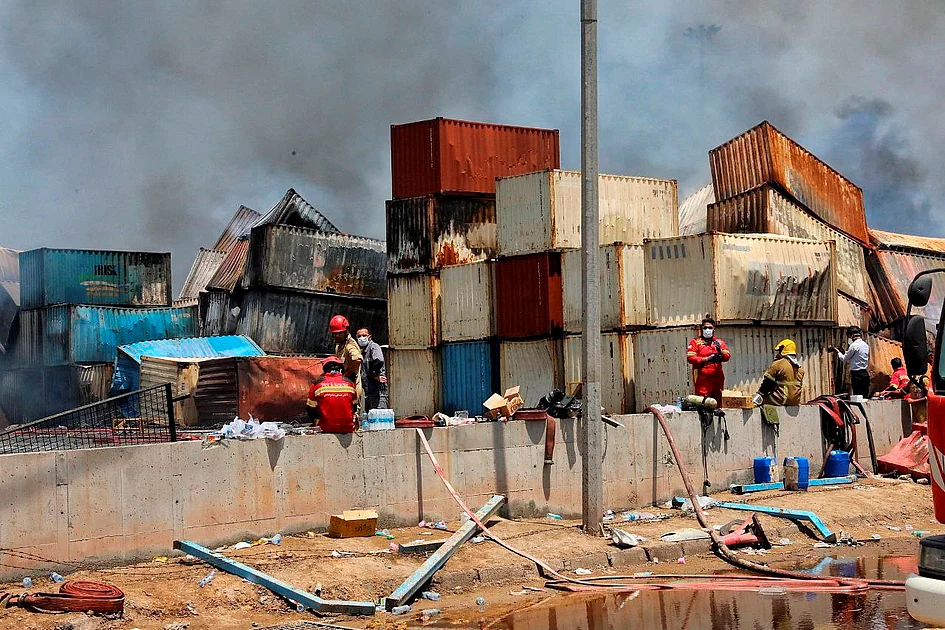
    A significant explosion struck an eight-story commercial-residential complex in Bandar Abbas, Iran’s strategic port city on the Persian Gulf, on Saturday afternoon. According to state television reports, the blast caused substantial structural damage, completely destroying two floors of the building while damaging several ground-level vehicles and retail establishments in the Moallem Boulevard area.

    Emergency response teams, including specialized rescue units and firefighting crews, were immediately deployed to the site to conduct search operations and provide medical assistance to potential victims. The precise cause of the detonation remains undetermined as authorities continue their preliminary investigation.

    Contrary to circulating social media speculation, Iranian news agency Tasnim explicitly denied claims that the explosion targeted a high-ranking commander of the Islamic Revolutionary Guard Corps’ naval forces. The semi-official news outlet characterized these reports as “completely false” without providing additional details about potential alternative causes.

    Bandar Abbas serves as a critical logistical hub for Iran’s energy exports and naval operations, housing major shipping terminals and military installations. The incident occurs amid heightened regional tensions and follows recent security incidents in southeastern Iran, where terrorist attacks have previously resulted in numerous casualties.

    Authorities have not released official statements regarding possible casualties or the explosive material involved. Investigation teams are examining multiple scenarios including industrial accident, structural failure, or possible deliberate explosive placement.

  • Traffic alert: Dubai Police warn of accident on Emirates Road towards Jebel Ali

    Traffic alert: Dubai Police warn of accident on Emirates Road towards Jebel Ali

    Dubai authorities issued an urgent traffic notification on Saturday, January 31st, 2026, alerting motorists to exercise heightened caution due to a vehicular incident on Emirates Road. The collision occurred in the inbound lanes toward Jebel Ali, specifically positioned beyond the Dubai-Al Ain Bridge interchange.

    Police communications emphasized the need for drivers approaching the affected zone to reduce speed and maintain increased awareness. The advisory, disseminated through official channels at approximately 4:16 PM local time, aimed to prevent secondary incidents and facilitate emergency response operations.

    While the precise nature of vehicles involved and potential injuries remained unspecified in the initial alert, the notification serves as part of Dubai Police’s ongoing traffic management strategy. This proactive approach to incident communication reflects the emirate’s commitment to road safety and efficient traffic flow management during emergencies.

    The strategic positioning of Emirates Road as a major arterial highway connecting key commercial and residential districts makes such incidents particularly impactful on regional transportation networks. Motorists were advised to consider alternative routes where possible and adhere to all directional instructions from traffic enforcement personnel.

  • Explosion reported at building in Iran Gulf city, cause unknown: state media

    Explosion reported at building in Iran Gulf city, cause unknown: state media

    A significant explosion erupted at a multi-story commercial building in the Iranian port city of Bandar Abbas on Saturday, causing substantial structural damage and raising concerns amid heightened regional tensions. Iranian state media confirmed the incident occurred along Moallem Boulevard, though the precise cause remains undetermined.

    Official reports from state television detailed that the blast severely impacted an eight-storey structure, resulting in the destruction of two entire floors. The explosion also damaged several vehicles and nearby commercial establishments. Emergency response units, including specialized rescue teams and firefighters, were promptly deployed to the site to manage the situation and provide necessary assistance.

    Televised images revealed the extensive nature of the damage, showing the building’s facade completely blown out, exposing internal structures and scattering debris across the surrounding area. The location of the incident carries significant strategic importance, as Bandar Abbas serves as a major port on the Strait of Hormuz—a critical maritime chokepoint between Iran and Oman through which approximately 20% of the world’s seaborne oil shipments pass.

    The semi-official Tasnim news agency moved quickly to dispel emerging speculation on social media platforms, explicitly denying reports that suggested a Revolutionary Guard navy commander had been targeted in the explosion, labeling such claims as “completely false.”

    This incident occurs against a backdrop of escalated regional tensions, following the United States’ deployment of an aircraft carrier group to the area after threats were issued by then-President Donald Trump. The timing of the explosion inevitably raises questions about potential connections to the broader geopolitical context, though authorities have not indicated any evidence supporting such links at this preliminary stage.