博客

  • Waymo driverless cars become trapped in Atlanta suburb after glitch

    Waymo driverless cars become trapped in Atlanta suburb after glitch

    A recent technical malfunction has left multiple Waymo driverless vehicles stranded in an Atlanta suburban neighborhood, shining a new spotlight on the ongoing challenges of scaling autonomous vehicle technology for real-world conditions.

    The Alphabet-owned self-driving car firm confirmed this week that the AI-powered vehicles experienced an unexpected routing error that forced the fleet into an endless loop. Each affected car repeatedly redirected itself back to the same quiet cul-de-sac, leaving the autonomous vehicles unable to navigate out of the area on their own and requiring manual intervention from Waymo’s technical teams to resolve the issue.

    Local residents reported seeing the unoccupied driverless cars circling the small residential street multiple times before the problem was fixed, with images of the stuck vehicles circulating quickly on local social media channels. Waymo has not yet disclosed how many vehicles were affected by the glitch, nor has it released details on whether the incident caused any traffic disruptions or property damage in the area.

    The incident comes as Waymo continues expanding its autonomous ride-hailing services across multiple U.S. cities, including recent launches in suburban and urban markets outside of its original testing hubs. Routing and navigation remain among the most critical technical hurdles for fully autonomous vehicles, which rely on a combination of AI algorithms, real-time sensor data, and pre-mapped infrastructure to make split-second driving decisions. Industry analysts note that even rare glitches like this highlight the iterative nature of self-driving technology development, as companies work to address edge cases that do not appear during controlled testing. Waymo has stated that it is already investigating the root cause of the routing error to prevent similar malfunctions from occurring in future deployments.

  • US federal watchdog sues Chick-fil-A operator for religious discrimination

    US federal watchdog sues Chick-fil-A operator for religious discrimination

    A federal workplace civil rights agency has brought a lawsuit against a Texas-based Chick-fil-A franchise operator, accusing the company of unlawful religious discrimination after it fired a manager who requested Saturdays off for her religious Sabbath observance. The United States Equal Employment Opportunity Commission, the independent federal body tasked with enforcing anti-discrimination laws in US workplaces, announced the legal action against Hatch Trick Inc. in an official press statement.

    The affected employee, a member of the United Church of God which recognizes the Sabbath as falling on Saturday rather than the more common Sunday observance held by most Christian denominations, first made her request for Saturday scheduling accommodation during her initial job interview in August 2023, the EEOC alleges. For the first several months of her employment as a delivery operations manager at the Austin, Texas Chick-fil-A location owned by Hatch Trick, the franchisee honored the request, with the employee working 45 to 50 hours weekly across Monday to Friday, plus occasional additional shifts on Sunday. That changed in February 2024, when management reversed course and ordered the woman to begin working Saturdays, according to the commission’s court filing.

    When the employee reaffirmed her need for religious accommodation and refused the new scheduling requirement, company leadership informed her that she could not retain her higher-paying managerial role if she could not work Saturdays, the lawsuit claims. Instead, Hatch Trick offered her a demotion to an entry-level delivery driver position, which came with reduced hourly wages, fewer benefits, and shorter scheduled hours. The worker offered multiple alternative reasonable accommodations to keep her management role, including arranging for a trained driver to fill her dispatch duties on Saturdays and adjusting her schedule to only work after sundown on the Sabbath. After she rejected the demotion offer, the franchisee terminated her employment, the EEOC found.

    “Religious discrimination in the workplace is unlawful, and employers must make reasonable accommodations for employees’ sincerely held beliefs,” said Norma Guzman, director of the EEOC’s San Antonio Field Office, in a statement accompanying the lawsuit filing.

    The case draws a particular note of irony from Chick-fil-A’s own well-known corporate policy of closing all locations on Sundays specifically to allow staff to observe the Sabbath if they wish. The company’s official website states that Sunday closing gives employees time “to rest, enjoy time with their families and loved ones or worship if they choose.”

    When contacted for comment by the BBC, corporate Chick-fil-A declined to provide a statement, but told ABC News affiliate KVUE that as a franchise system, all individual hiring and employment decisions are the exclusive responsibility of independent restaurant owners. The BBC has also reached out to Hatch Trick Inc. for a response to the EEOC’s allegations, and had not received a reply as of reporting.

  • Alleged murder of Aboriginal girl highlights Australia’s deep inequalities

    Alleged murder of Aboriginal girl highlights Australia’s deep inequalities

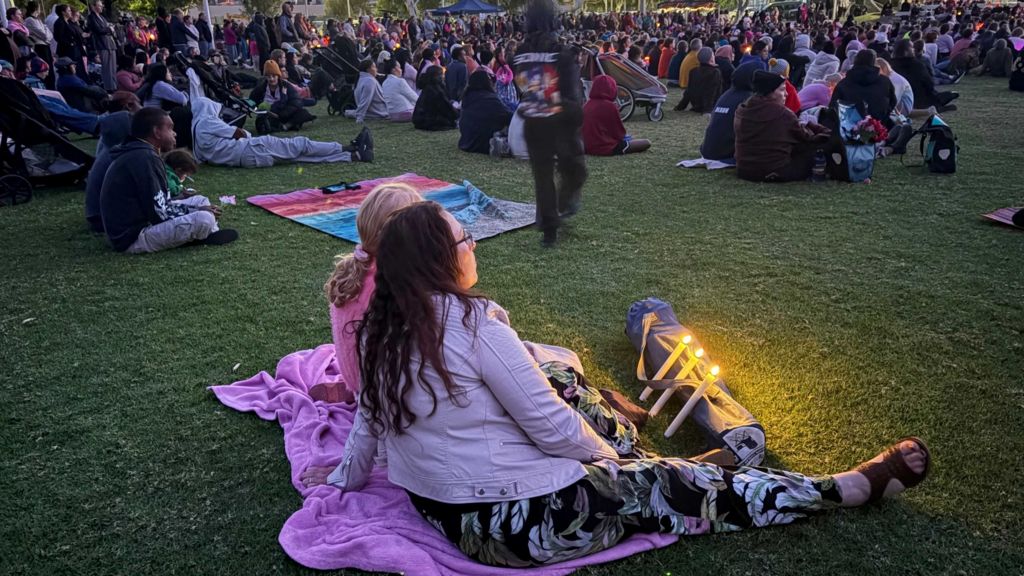
    In the dry, remote outback of Australia’s Northern Territory, a growing pile of flowers, handwritten sympathy notes, and soft cuddly toys has accumulated on the chain-link fence marking the entrance to Old Timers town camp, known locally as Ilyperenye. This impromptu memorial honors 5-year-old Kumanjayi Little Baby, a Warlpiri Indigenous girl who disappeared from her community in April and was found dead five days later. An Aboriginal man has since been charged with her murder, and the tragedy has rippled across the nation, sparking collective grief, widespread public outrage, and urgent demands to address long-buried systemic inequalities facing Indigenous Australian communities.

    Residents of Alice Springs, the small nearby town with a population of less than 30,000, describe a community frozen in grief. Many local residents joined the frantic search for Kumanjayi in the days after her disappearance. “The whole community is numb,” one mourner shared, a sentiment echoed across the region. Alice Springs Mayor Asta Hill notes that even in the depths of this tragedy, the crisis has drawn the tight-knit region closer: “In some ways you could say we’ve actually seen some of the best of the community in the absolute worst of times.” What began as a local loss has quickly become a national moment of reckoning: condolence motions have passed through federal parliament, Prime Minister Anthony Albanese has publicly acknowledged the heartbreak of the tragedy, saying “it breaks your heart,” and vigils have been held from Alice Springs to capital cities across the country.

    In a statement shared at an Alice Springs vigil, Kumanjayi’s mother described her young daughter as a beloved “princess.” The 5-year-old loved cartoons and computer games, adored spending time with her older brother, and was eagerly looking forward to starting primary school. “My heart is broken into a million pieces,” she wrote. “I want you to know that I am having trouble knowing how I can repair it and how I can live without my little baby.”

    Kumanjayi disappeared from Old Timers town camp, one of 16 informal Indigenous settlements scattered around Alice Springs. The story of these camps stretches back to the 1880s, when European colonisers displaced Aboriginal people from their traditional lands, forcing them to settle on the outskirts of the growing town. For decades until the 1960s, Aboriginal people were even barred from entering the majority-white town centre. The camps were only formalised as social housing in the 1970s, after residents pushed for basic access to electricity, clean running water, and permanent shelter. Today, the camps remain chronically underfunded: overcrowding is widespread, there are no local grocery stores, frequent power outages disrupt daily life in the desert heat, public transport is limited, internet access is scarce, and unpaved, poorly maintained roads lack basic street lighting. Public health researchers warn that this entrenched poverty fuels higher rates of alcohol misuse and domestic violence in the camps, creating constant pressure for resident families.

    Nina Lansbury, an associate professor at the University of Queensland who researches public health and housing in the Northern Territory, attended a local vigil for Kumanjayi and says the conditions that put the young girl at risk are nothing new. “I have a report from 1978 that I use in my research that’s from the Northern Territory that was citing all these same things – coming up to 50 years. It’s a big issue, it’s 2026 and this is still happening. Let’s hope this is a turning point,” she said, noting that Kumanjayi was never raised in a home environment that supported her family’s health and safety.

    Since Kumanjayi’s death, her community has entered “sorry business,” a traditional period of cultural mourning for Aboriginal and Torres Strait Islander peoples that can last for days, weeks, or even months, involving cultural ceremonies and practices. Her family has requested that her death be treated with respect and not exploited for political gain, but the tragedy has nonetheless forced a national reckoning with decades of policy failure that have left Indigenous children disproportionately vulnerable.

    Indigenous Australians currently experience stark systemic inequities: they are three times more likely to face unemployment than non-Indigenous Australians, have a significantly lower life expectancy, make up 37% of the national prison population despite accounting for just 3% of the total population, and face higher rates of both experiencing and perpetrating family violence. Prime Minister Albanese acknowledged this legacy of failure in parliament, admitting: “The simple truth is that all governments of all persuasions over generations have not done enough to deal with what are generational challenges.”

    This legacy stretches back more than a century, through policies that targeted Indigenous families and children. The most infamous is the Stolen Generation, which lasted until the 1970s: tens of thousands of Indigenous children were forcibly removed from their families as part of a brutal assimilation policy, with many placed in institutions or foster care where they suffered abuse and neglect. The 1997 landmark Bringing Them Home report estimated that as many as one in three Indigenous children were taken from their families during this period. More recently, the 2007 Northern Territory Intervention, launched to address child sexual abuse in remote communities, was scrapped after 15 years and widely deemed a failure. Catherine Liddle, CEO of SNAICC – the national peak body representing Aboriginal and Torres Strait Islander children and their families – says the Intervention left lasting intergenerational trauma: “Men stopped bathing babies, they stopped helping out because what they heard was if you do those things, you’re a paedophile and you’re going to get locked up and your children are going to get taken away. There was fear of even going to authorities for innocent reasons because you’re scared that you’re going to be told that you’ve done something wrong.”

    In response to public outcry after Kumanjayi’s death, Northern Territory Child Protection Minister Robyn Cahill has announced a full review of the territory’s child protection system, alongside planned reforms. “I will not be a minister who abandons yet another generation of Territory kids,” Cahill said. “The reality is we have kids in really difficult situations and for a long time people have been paralysed by the fear that they will be accused of [creating another Stolen Generation]. Children deserve to be safe – every single child in our community has a right to expect that.”

    However, peak Indigenous organisations have harshly criticised the proposed review and reforms, warning they risk deepening the existing crisis. In a joint statement, Aboriginal Peak Organisations Northern Territory (APONT) and SNAICC argued the changes threaten to weaken the Aboriginal Child Placement Principle, a critical framework designed to keep Indigenous children connected to their family, culture, and community. They warn that weakening this principle would amount to “a race-based attempt to blame Aboriginal families for conditions created by government failure.”

    Indigenous leaders are calling for a holistic, community-led approach to address the deep-rooted social inequalities that put children like Kumanjayi at risk. Liddle points to the overlapping failures of multiple systems: “When you look at the prison system in the Northern Territory, it is nearly always 100% Aboriginal children and nearly every single one of those children came out of the child protection system.” She notes that the Northern Territory lowered the age of criminal responsibility to 10 years old in 2024, a move justified by the government as a child protection measure, despite widespread pushback from doctors, human rights groups, and Indigenous organisations. “It’s like paving a road – it’s like putting down pavers and saying here you are this is going to be your journey and by the way we’re going to lock you up at the age of 10 when something goes wrong,” Liddle said.

    Liddle argues that any meaningful reform must be led by Indigenous communities themselves, not parliaments. “Difficult conversations need to be had – but these should also encompass failures in social policy, housing, the prison system and the justice system,” she said. “Those conversations needed to be led from community because the answers to this sit with community, they don’t sit in parliament. You have to find out what’s actually going on and that will change depending on which community you’re sitting in, what state you’re sitting in. You also need to ensure that you’re investing in the services that we need and investing in the services that were designed by us for us.”

    For many local residents, the tragedy also highlights the need to reframe how Indigenous communities are discussed and supported. Jonathan Hermawan, a vigil attendee, notes that while Kumanjayi was a beloved child who lived in poverty and vulnerability, there is a risk of homogenising and unfairly stereotyping diverse Indigenous communities. “Every system has its failures when you homogenise a group that’s very diverse,” he said. “The notion of Aboriginality is like comparing a white person and saying every white person is affected. We are far more diverse than that, we are far more complex than that.” Across the country, many hope that this national moment of grief will finally translate to lasting, meaningful change that addresses generations of inequity and keeps Indigenous children safe.

  • What China critics in Maga movement make of Trump’s Beijing trip

    What China critics in Maga movement make of Trump’s Beijing trip

    Just a decade ago, at a raucous 2016 campaign rally in Fort Wayne, Indiana, Donald Trump painted China as the United States’ top economic antagonist, roaring to the crowd that “We can’t continue to allow China to rape our country.” That fiery anti-China rhetoric defined his political career through years of rallies, his 2024 presidential run, and the early months of his second term in the White House.

    When Trump reclaimed the Oval Office, he stacked his senior cabinet with long-time China hawks who had built their political brands on criticizing Beijing: Secretary of State Marco Rubio, Vice President JD Vance, and senior economic advisor Peter Navarro. All were united in their claims that China was “ripping off” the U.S., stealing American intellectual property on an industrial scale, and fueling the national fentanyl crisis by channeling the drug into U.S. communities. The aggressive rhetoric quickly translated to policy: by mid-April 2025, dubbed “Liberation Day” by the Trump administration, U.S. tariffs on Chinese goods climbed from an initial 10% in February all the way to 145%. China responded in kind, imposing 125% retaliatory tariffs on U.S. imports and halting exports of critical rare earth elements to the U.S., launching a full-scale trade war.

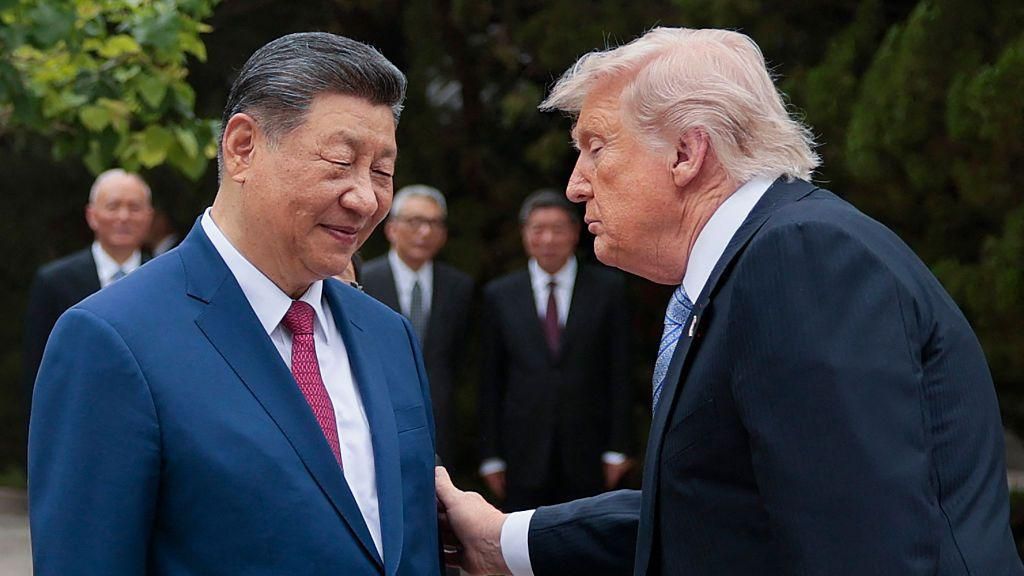
    But in a stunning turn of events this week, that antagonistic posture gave way to diplomatic detente during Trump’s landmark visit to Beijing. Welcomed with full ceremonial honors at the Great Hall of the People, Trump walked a red carpet to the sounds of the U.S. national anthem played by a Chinese military band, flanked by hundreds of flag-waving Chinese children. Standing alongside Chinese President Xi Jinping, Trump struck a dramatically warmer tone: “It’s an honour to be with you. It’s an honour to be your friend, and the relationship between China and the US is going to be better than ever before.”

    The shift from labeling China an economic predator to calling its leader a friend came alongside early announcements of limited but high-profile trade agreements, though concrete details and official figures remain scarce. Reports indicate that U.S. chip giant Nvidia has received approval to sell its semiconductors to 10 Chinese firms, aerospace manufacturer Boeing has locked in a 200-aircraft order, and global bank Citi has won approval to launch a full securities business in mainland China.

    Yet even amid the public pleasantries and softened rhetoric, long-standing hawkish U.S. positions and unresolved core tensions remain intact. Less than a week before the Beijing summit, the U.S. State Department imposed sanctions on three Chinese companies over allegations they provided satellite intelligence to Iran to aid attacks on U.S. military forces in the Middle East.

    The most contentious and unresolved issue remains the status of Taiwan, the self-governing island that Beijing claims as an integral part of its territory. The fate of a long-delayed $14 billion U.S. arms sale to Taiwan, a priority for both Democratic and Republican hawks, remains hanging in the balance. Ahead of the summit, a bipartisan group of U.S. senators sent a public letter urging Trump to move forward with the sale and raise the issue directly with President Xi. Speaking to reporters aboard Air Force One en route to Beijing, Trump offered no clarity: “On Taiwan, he [Xi] feels very strongly. I made no commitment either way. I will make a determination over the next fairly short period.”

    Notably, the official Chinese readout of the closed-door meeting centered heavily on the Taiwan issue, warning that failure to reach a clear understanding on the question could lead to “clashes and even conflicts, putting the entire relationship in great jeopardy.” No mention of Taiwan appeared at all in the White House’s official summary of the meeting. The stark difference in messaging was interpreted as an unambiguous threat by hardline figures within Trump’s own Make America Great Again movement. “I am shocked, given how much people wanted to make this into a positive spirit, he [Xi] started with a threat,” former Trump chief strategist Steve Bannon told Politico. “It was so brazen and so blatant, that they made this at the very top.”

    Surprisingly, most other prominent China hawks on Capitol Hill and within the Trump administration have remained largely silent in the wake of the summit, offering little public pushback against Trump’s new friendly tone and non-committal approach to the arms sale.

    U.S. China policy experts say this lack of backlash was entirely predictable. David Firestein, president and CEO of the George HW Bush Foundation for US-China Relations, told the BBC that even repeated high-level summits cannot erase decades of deep structural disagreement between the two global powers. “If you had 50 presidential summits in one month or one year, it still wouldn’t change the fact that there are some issues on which the US and China are simply never going to agree,” Firestein explained. “That doesn’t mean it’s not going to be a successful summit.”

    Firestein added that Trump’s softer tone likely reflects a quiet acknowledgment that the hardline tariff strategy adopted over the past eight years has failed to resolve long-standing U.S. grievances. “We still have the same problems today with market access, intellectual property rights, subsidies…the list goes on. None of those problems have been solved after eight years of having these tariffs on the books,” he said.

    David Sacks, an Asia studies fellow at the Council on Foreign Relations, noted that Trump’s new approach is likely to reshape broader Republican rhetoric and policy across the board, unlike the more fragmented approach of the first Trump administration. “Unlike the first Trump administration, and frankly, any other US administration in recent memory, this is much more top down. I think those in the administration are, mostly, in the role of implementation,” Sacks said. Stephen Orlins, president of the National Committee on US-China Relations, echoed that assessment, noting “When Trump opines, people follow. And the base follows.”

    For Trump, the Taiwan issue remains an intractable diplomatic dilemma. Bipartisan pressure to approve the $14 billion arms sale will only build ahead of President Xi’s planned reciprocal visit to the White House in September. Sacks noted that Congress will continue to press the administration for movement on the deal, with senior officials set to face repeated questions on the sale’s status during congressional hearings. Yet a final decision from Trump is far from certain. “A large US arms sale to Taiwan between now and September would potentially imperil that visit,” Sacks added. “The $14-billion package is actually now a big question.”

  • India and UAE sign defence and energy deals during Modi’s state visit

    India and UAE sign defence and energy deals during Modi’s state visit

    During Indian Prime Minister Narendra Modi’s official state visit to the United Arab Emirates on Friday, New Delhi and Abu Dhabi signed a suite of new bilateral agreements focused on defence cooperation and petroleum security, India’s Ministry of External Affairs (MEA) confirmed via a post on the social platform X. The new agreements are framed as an expansion of the two nations’ longstanding Comprehensive Strategic Partnership, according to official comments shared by MEA spokesperson Randhir Jaiswal.

    The visit yielded seven key bilateral outcomes, covering energy, defence and economic development. These include a new collaborative partnership between India’s state-run Strategic Petroleum Reserves Limited (ISPRL) and the Abu Dhabi National Oil Company (ADNOC), the formal establishment of a bilateral Strategic Defence Partnership, and a $5 billion development investment pledge from the UAE to India.

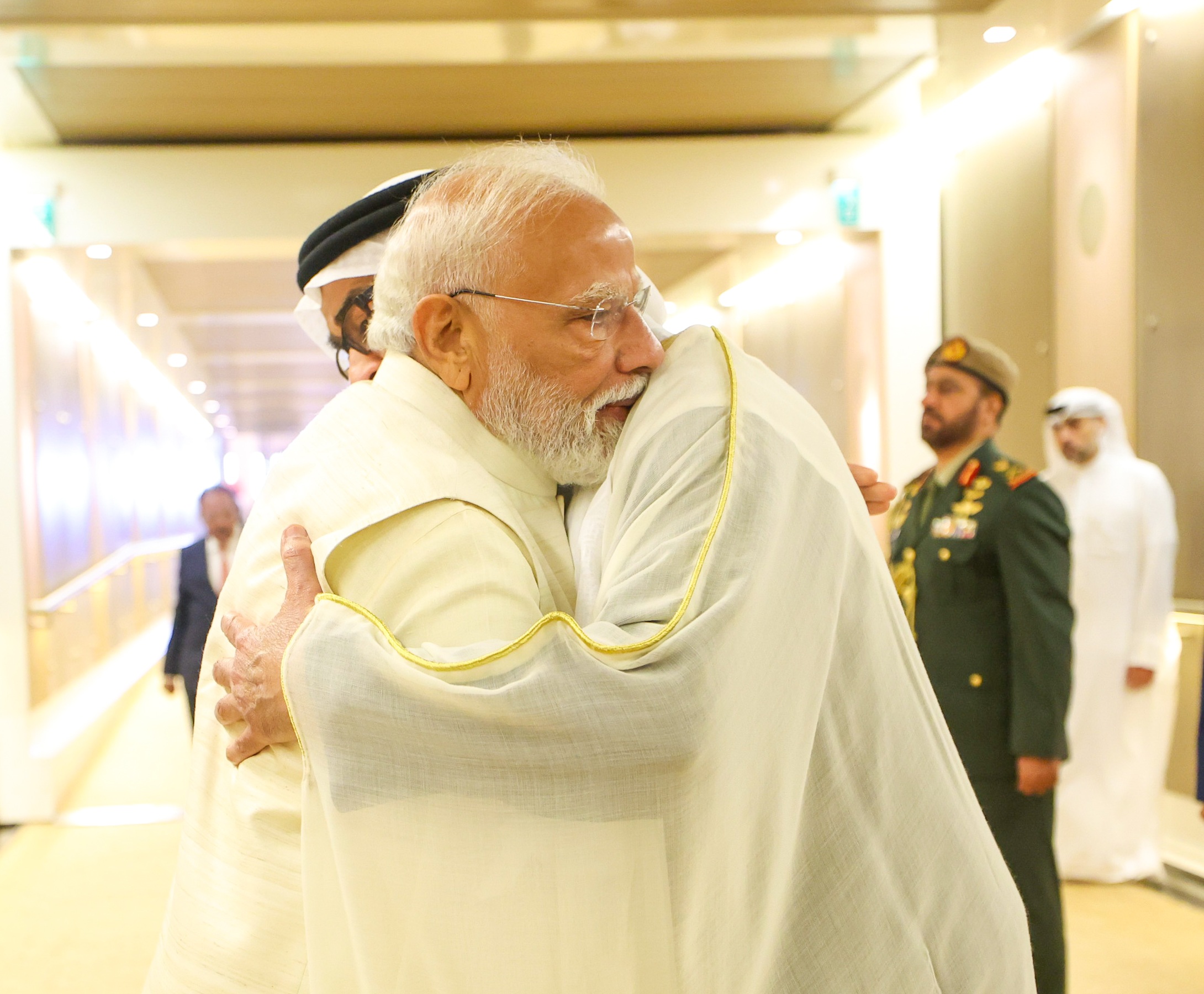
    Indian media reports document that in direct talks with UAE President Mohamed bin Zayed Al Nahyan, Modi issued a forceful condemnation of recent cross-border strikes targeting the UAE, which were carried out by Iran in retaliation for ongoing US-Israeli military operations against Iran. “India stands shoulder-to-shoulder with the UAE in every situation, and it will continue to do so,” Modi stated during the meeting.

    The high-stakes diplomatic meeting unfolds against a backdrop of severe energy instability for India, which is currently grappling with supply disruptions sparked by the escalated US-Israeli conflict with Iran. The South Asian nation relies on foreign imports to meet roughly 90% of its total crude oil demand, and recent disruptions to shipping traffic through the Strait of Hormuz—a critical global energy chokepoint that handles a large share of India’s oil imports—have cut the country’s commercial oil inventories by 15%, according to analysis from the Times of India.

    Last week, Modi publicly called for nationwide austerity measures to curb energy consumption, urging Indian citizens to adopt work-from-home arrangements, cut back on unnecessary international travel, and postpone gold purchases to reduce foreign energy outlay. But the prime minister’s appeal has drawn sharp pushback from Indian opposition parties and independent critics, who accuse Modi of prioritizing energy-intensive campaign events—including large-scale election rallies and roadshows for his ruling Bharatiya Janata Party (BJP)—while ignoring the country’s deepening economic and energy crisis.

    Since March 2025, widespread public protests have erupted across India over soaring liquified petroleum gas (LPG) prices and persistent supply shortages. Demonstrators highlight that the energy crunch has already triggered widespread job losses, small business closures, and sharp spikes in the price of essential daily goods, putting severe strain on low- and middle-income households.

    Modi’s UAE visit came just one day after New Delhi hosted a BRICS diplomatic gathering that included Iranian Foreign Minister Abbas Araghchi and other senior global envoys. Iranian state media reports that during the BRICS meeting, Araghchi publicly accused the UAE of direct involvement in US-Israeli military strikes against Iran, noting that Abu Dhabi failed to issue even a formal condemnation of the attacks when they first began. Araghchi’s comments followed emerging independent reports of undisclosed Emirati military strikes on Iranian targets, which have fueled claims of growing military coordination between the UAE, the United States and Israel.

    Friday’s bilateral agreements between India and the UAE reinforce a web of existing security and economic ties that also connect New Delhi to Tel Aviv. Since 2023, India has been a core member of the I2U2 Group, a quadrilateral strategic partnership that also includes Israel, the UAE and the United States. Throughout Israel’s military campaign in Gaza, which has been widely labeled as genocidal by international observers, India has steadily deepened its military and economic cooperation with Israel.

    This report was originally produced by Middle East Eye, an independent media outlet specializing in original, in-depth coverage of the Middle East, North Africa and surrounding regions.

  • Moscow court orders Euroclear to pay compensation to Russia’s central bank over seized assets

    Moscow court orders Euroclear to pay compensation to Russia’s central bank over seized assets

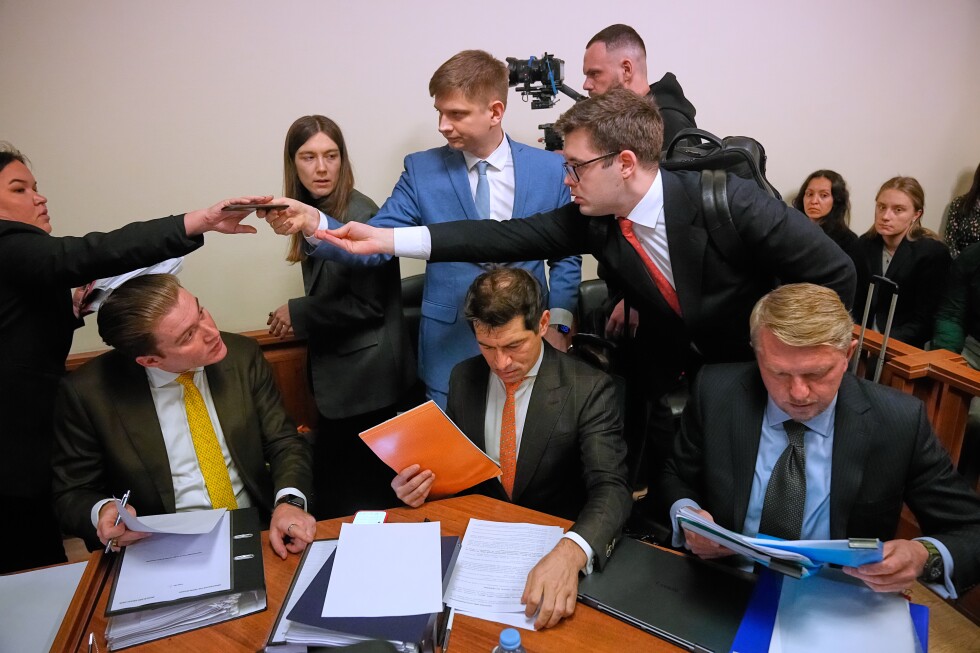
    A Moscow arbitration court has fully upheld a massive $249.7 billion damages claim brought by the Russian Central Bank against Euroclear, the European Union-based securities clearing institution that holds the vast majority of the bloc’s frozen Russian sovereign assets, Russian media outlets confirmed Friday. The legal action stems from sweeping EU sanctions imposed on Moscow following the 2022 full-scale invasion of Ukraine, which locked the Russian Central Bank out of accessing and managing its more than $200 billion in reserves held with Euroclear.

  • Israeli-born Dutch politician calls for violence worse than Gaza against Palestinians

    Israeli-born Dutch politician calls for violence worse than Gaza against Palestinians

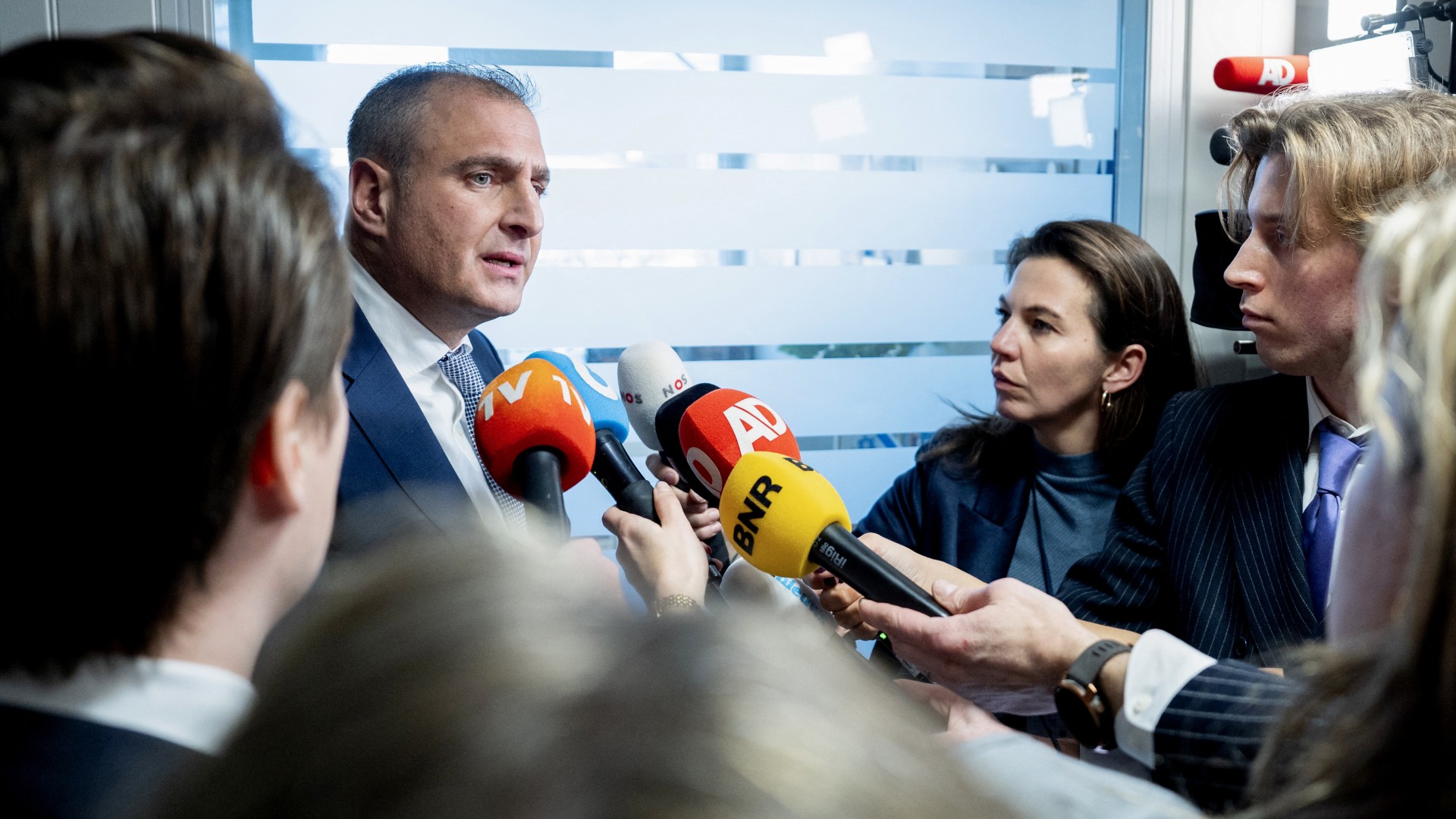
    A controversial Israeli-born right-wing Dutch politician has ignited a national firestorm after calling for European borders to be shut to Palestinian refugees through the use of lethal, excessive force, drawing formal accusations of incitement to violence and widespread condemnation across the Dutch political spectrum.

    Gidi Markuszower, who split from Geert Wilders’ far-right Party for Freedom (PVV) earlier this year to launch his own nationalist party, The Dutch Alliance, made the inflammatory remarks during a recorded video interview with independent Dutch media platform Left Laser.

    During the discussion about the entry of Palestinian asylum seekers to the Netherlands, Markuszower repeatedly insisted that force must be used to block their arrival. “We need to stop them with force, even more force than they are fleeing from,” he said. “The Netherlands and all of Europe must turn them away at the border with force.” When pressed by the interviewer to clarify whether this meant using greater violence than the Israeli military currently employs in Gaza, Markuszower affirmed, “If necessary, with force.”

    When asked directly if that would mean border security forces shooting unarmed Palestinians attempting to cross into the country, Markuszower did not back down. “With force, yes,” he replied. Pressed further on whether Royal Netherlands Marechaussee border guards should use service rifles to shoot people seeking entry, the lawmaker doubled down: “They do not have a valid visa, so they have no right to enter. If they persist in trying to cross, you have to defend yourself. Use maximum force.”

    Markuszower went even further in his anti-Palestinian rhetoric, claiming that roughly 90% of Palestinians vote for Hamas and are inherently committed to a “culture of destruction.” He added that Palestinians should remain in “Arabia” or “wither away” in the Gaza Strip, echoing far-right tropes that have drawn widespread rebuke from human rights groups.

    The Rights Forum, a leading Dutch human rights organization, has announced it will file a formal criminal complaint against Markuszower for incitement to violence against asylum seekers. The group labeled the lawmaker’s comments “morally reprehensible,” arguing that in a democratic constitutional state, such dangerous rhetoric demands review by the Public Prosecution Service and adjudication by the courts.

    The controversy comes amid ongoing debate over asylum policy in the Netherlands. Data shows that just under 6,000 people applied for asylum in the country during the first quarter of 2026, with roughly 1,100 applicants listed as holding “unknown nationality” – a classification that includes Palestinian refugees, as the Netherlands does not formally recognize Palestinian statehood.

    This is not the first time Markuszower has been mired in controversy over extremist rhetoric and security concerns. Born in Tel Aviv, he previously served as a spokesperson for the Dutch branch of Israel’s ruling Likud Party. In 2024, Wilders’ far-right incoming government planned to appoint Markuszower as deputy prime minister and migration minister, but withdrew the nomination following undisclosed security concerns flagged by Dutch intelligence services. This marks a decades-long pattern: in 2010, Markuszower dropped out of a parliamentary race after intelligence linked him to an unnamed foreign security service, widely reported by local media to be Israel’s Mossad. Despite that scrutiny, he won election to the Dutch Senate in 2015 and to the House of Representatives two years later. He has also been detained by police on weapons possession charges, though he was never ultimately prosecuted. In 2023, he drew outrage for claiming “the African jungle” was coming to the Netherlands “en masse.”

    This latest set of remarks has drawn sharp condemnation from across mainstream Dutch political parties this week. Jesse Klaver, leader of the center-left GroenLinks-PvdA alliance, called the comments “deeply abhorrent language, an absolute low point” for Dutch politics. Jan Paternotte, a senior lawmaker with the social liberal Democrats 66 party, echoed the criticism, saying: “What complete idiocy. Stop this dangerous contest of outbidding the radical right.”

    The report was originally published by Middle East Eye, an independent media outlet covering the Middle East and North Africa region.

  • Drake calls out DJ Khaled’s silence on Palestine in new track

    Drake calls out DJ Khaled’s silence on Palestine in new track

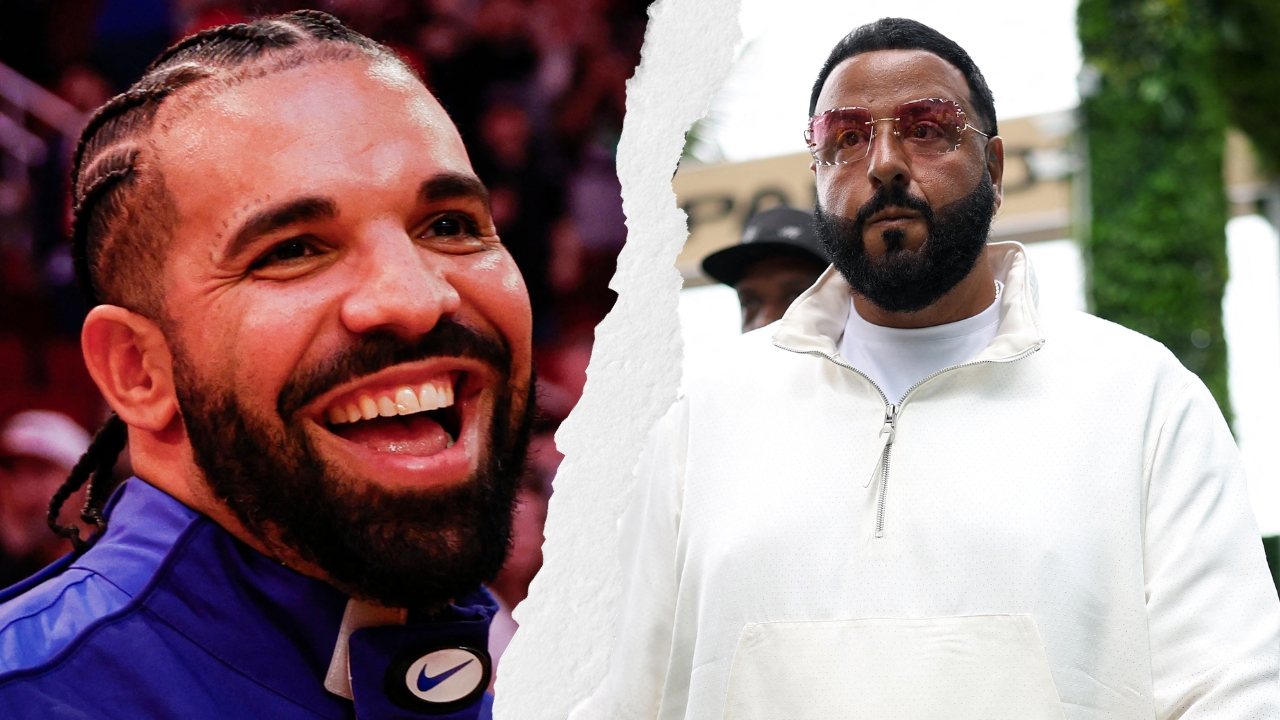
    In a surprising drop of three new studio albums released last Friday, global hip-hop superstar Drake has reignited public debate over celebrity silence on the crisis in Gaza, with a pointed lyrical diss targeting Palestinian-American hitmaker DJ Khaled for his failure to speak up in support of the Palestinian people.

    The scathing verse appears on *Make Them Pay*, a track pulled from Drake’s surprise-released album *Iceman*, one of three full-length projects the Canadian rapper dropped unannounced to shock fans worldwide. The lines in question directly name DJ Khaled – whose full legal name is Khaled Mohammed Khaled – and call out his public silence amid Israel’s ongoing military campaign in Gaza. Drake raps: “And, Khaled, you know what I mean / The beef was fully live, you went halal and got on your deen / And your people are still waitin’ for a free Palestine / But apparently everything isn’t black and white and red and green.”

    This is not the first time DJ Khaled has faced public backlash for his refusal to address the Gaza crisis. Since 2023, the renowned producer and artist, who regularly highlights his Palestinian heritage in public interviews and musical content, has been widely criticized by fans, activist groups and high-profile public figures for staying silent on Israel’s military operations in the besieged enclave. Last year, American comedian Dave Chappelle famously called out DJ Khaled’s inaction during a stand-up set, saying, “DJ Khaled, let me tell you something. For a Palestinian, this man is awfully quiet right now, and as a Palestinian, how could you be that quiet right now?” To date, DJ Khaled has not issued any public response to the repeated criticism, nor has he made any public statement addressing the crisis in Gaza. Middle East Eye attempted to reach DJ Khaled’s team for comment ahead of this report, but received no response by the time of publication.

    Supporters of Drake’s stance have quickly pointed to the Canadian rapper’s long-standing early support for Palestinian calls for peace. Political commentator Hasanabi noted on social media platform X that even amid broader criticism of Drake, he was among the first high-profile major recording artists to sign the *Artists4Ceasefire* open letter calling for an immediate end to hostilities in Gaza, just 23 days after the October 7 attacks in 2023.

    Drake’s latest batch of surprise releases is scattered with repeated references to Middle Eastern culture and Islamic practice, beyond the diss verse targeting DJ Khaled. On the track *Whisper My Name*, he raps “My YGs are fastin’ and prayin’ / You lucky it’s Ramadan”, while *Make Them Cry* includes a shoutout to “the Bulgari in Turkey”. One of the three albums dropped Friday is even titled *Habibti*, an Arabic term that translates to “my love”.

    Online discourse around the verse has remained divided: while many have praised Drake for holding a prominent Palestinian celebrity accountable for public inaction, others have pushed back, arguing that Drake himself has not maintained consistent, outspoken advocacy for Palestine despite his criticism of DJ Khaled.

  • Spain’s Sanchez slams Israeli minister for attack on Yamal over Palestinian flag

    Spain’s Sanchez slams Israeli minister for attack on Yamal over Palestinian flag

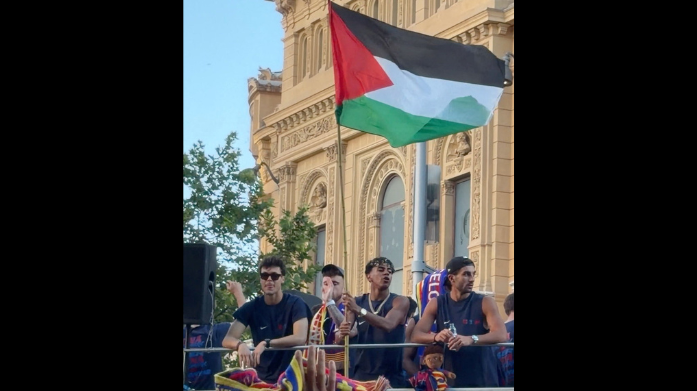
    A diplomatic and public controversy has erupted over a symbolic gesture by Spanish football star Lamine Yamal, drawing in top political leaders from Spain and Israel and sparking fierce global debate online over the meaning of the Palestinian flag. The 18-year-old Barcelona forward, one of the most talented young players in global football, waved the Palestinian flag from an open-top parade bus last Monday as the club celebrated its second straight La Liga title, with roughly 750,000 supporters lining the streets of Barcelona to mark the achievement. Thousands of fans immediately praised Yamal for the public expression of solidarity, but the gesture drew sharp condemnation from Israeli Defense Minister Israel Katz four days later.

    Katz took to the social platform X (formerly Twitter) to launch his rebuke, accusing Yamal of direct incitement against Israel and the Jewish people. In his public post, Katz called on the storied Barcelona club to publicly reject the player’s actions, writing: “I expect a great and respected club like @FCBarcelona to distance itself from these statements and make it unequivocally clear that there is no place for incitement or for support of terrorism.”

    Within hours, Spanish Prime Minister Pedro Sanchez issued a blistering public response in defense of Yamal, pushing back against Katz’s accusations. Sanchez, whose left-wing government has been openly critical of Israel’s military campaign in Gaza and formally recognized Palestinian statehood in 2024, argued that critics of Yamal’s gesture have abandoned fair judgment. “Those who consider waving the flag of a state to be ‘inciting hatred’ have either lost their judgment or been blinded by their own ignominy,” Sanchez wrote. The prime minister added that Yamal’s simple act reflected widespread public feeling across Spain, noting it was “a reflection of solidarity with Palestine felt by millions of Spaniards” and “another reason to be proud of him.”

    Officials at Barcelona have so far declined to issue an official public statement on the controversy. In comments to reporters earlier this week, Barca manager Hansi Flick acknowledged that he does not typically approve of players mixing political expression into title celebrations, but said he ultimately left the decision to Yamal, noting the player is an adult and fully capable of making his own choices. “I spoke with him. I said if he wants this, it is his decision. He is old enough. He’s 18 years old,” Flick said, adding that his top priority during the parade was celebrating the back-to-back titles with the club’s fanbase.

    The clash of words between the two top political officials quickly went viral across social media, drawing widespread reaction from users around the world. A large share of commenters praised Sanchez for his unflinching public support of Yamal, with many echoing the prime minister’s rejection of the claim that waving a Palestinian flag equals incitement or support for terrorism. “In this era, you are truly rare men of honor. Gaza holds profound gratitude for all that Spain has done on her behalf. We love you with all our hearts,” one user wrote. Palestinian writer Mosab Abu Toha echoed that praise, writing: “All respect to you, to Spain, and to Lamine Yamal! And to Barcelona, who I have been a fan of since the age of 13. Barcelona: more than a club. Lamine Yamal: more than a player. Spain: more than a country.”

    Many other users condemned Katz for equating the display of the Palestinian national flag with support for terrorism, arguing that the accusation itself exposes deep prejudice against the Palestinian people. “It is a shame and a disgrace that an Israeli Minister accuses Lamine Yamal of supporting terrorism and attacking his country just for holding a Palestinian flag,” one user commented. “It only evidences the hatred and lies of this genocidal government of Israel.” Another added: “Lamine Yamal didn’t say anything, he just raised a Palestinian flag, but for Israel’s Defence Minister, he ‘incited hatred.’ This only makes sense if you consider the existence of the Palestinian people intolerable.”

    Yamal, who is widely regarded as one of the best active players in global football, is scheduled to represent the Spanish men’s national team in the upcoming 2026 FIFA World Cup, set to kick off in June across North America.

  • Israel and Lebanon agree to extend ceasefire, US state department says

    Israel and Lebanon agree to extend ceasefire, US state department says

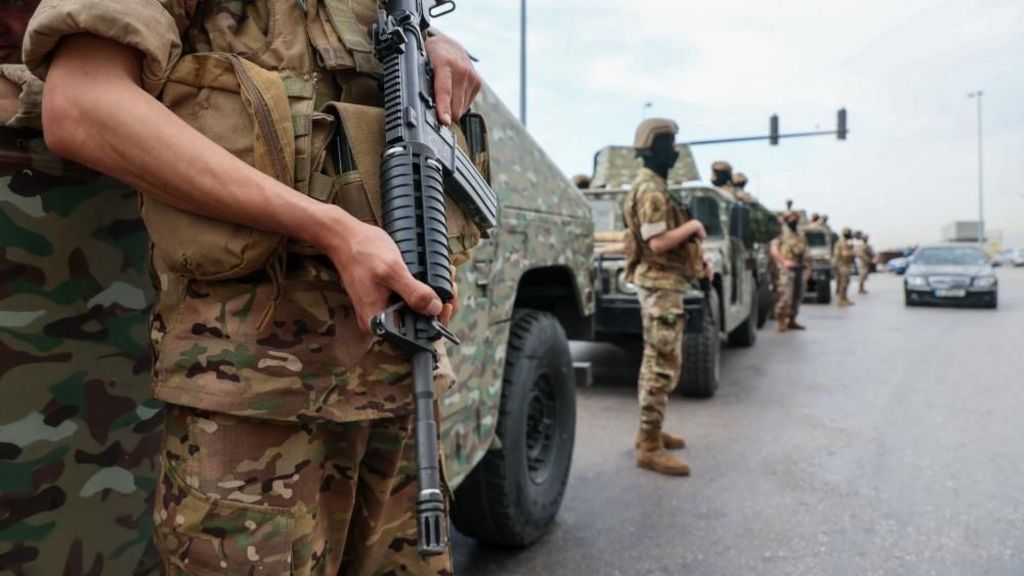
    After two days of intensive diplomatic negotiations hosted in Washington D.C., Israel and Lebanon have formally agreed to extend their fragile existing ceasefire for an additional 45 days, the U.S. State Department has confirmed. The announcement marks a tentative step toward de-escalation, even as sporadic deadly exchanges of fire have persisted across the shared Israel-Lebanon border since an initial truce was first announced by former U.S. President Donald Trump in mid-April.

    State Department spokesperson Tommy Pigott outlined U.S. hopes that the extended ceasefire window will create space for meaningful dialogue that paves the way for a durable long-term peace agreement between the two nations. “We hope these discussions will advance lasting peace between the two countries, full recognition of each other’s sovereignty and territorial integrity, and establishing genuine security along their shared border,” Pigott stated in an official press release.

    To move the diplomatic process forward, the State Department confirmed that formal political-level negotiations will reconvene in June, with a parallel security-focused negotiating track set to launch at the Pentagon on May 29. Military delegations from both Israel and Lebanon will take part in the security-focused talks, which are expected to center on border stability and de-escalation frameworks, according to Pigott.

    Despite the initial ceasefire that took effect in April, cross-border exchanges of fire between the Israeli military and the Lebanese armed group Hezbollah have remained an almost daily occurrence. In recent days, Israel has ramped up air and artillery strikes across southern Lebanon, with Israeli officials stating that all operations target Hezbollah fighters and militant infrastructure. The Lebanese Ministry of Health has pushed back against these claims, accusing Israeli forces of deliberately targeting civilian populations and medical first responders — an allegation Israeli authorities have repeatedly denied.

    The Israeli military has articulated a strategic goal of establishing a formal buffer zone across southern Lebanon, designed to prevent future cross-border attacks by Hezbollah. This military tactic mirrors the approach Israeli forces have deployed in the Gaza Strip, where entire residential villages in southern Lebanon have been left completely destroyed. International human rights organizations have raised alarm that some of the tactics used by Israeli forces in southern Lebanon may qualify as war crimes, another allegation that Israeli officials reject outright.

    For its part, Hezbollah has continued to carry out retaliatory attacks against Israeli military positions in southern Lebanon and northern Israeli territory, using a combination of rocket fire and drone strikes. The broader conflict between the two sides erupted on March 2, just two days after the U.S. and Israel launched a joint military strike targeting Iranian assets. Hezbollah launched an intensive rocket barrage into Israeli territory in response, triggering widespread Israeli air strikes and a limited ground incursion into southern Lebanon that has continued in various forms ever since.

    Official casualty figures underscore the devastating human cost of the two-month conflict. Lebanon’s health ministry reports that at least 2,896 people have been killed in Lebanese territory since hostilities began. In the most recent deadly incident this week, Lebanese health officials confirmed that Israeli air strikes across southern Lebanon killed 22 people on Wednesday, including eight children. On the Israeli side, government authorities report that 18 soldiers and four civilians have been killed since the conflict began in March.