博客

  • Crackdown on cross-border drug crimes intensified

    Crackdown on cross-border drug crimes intensified

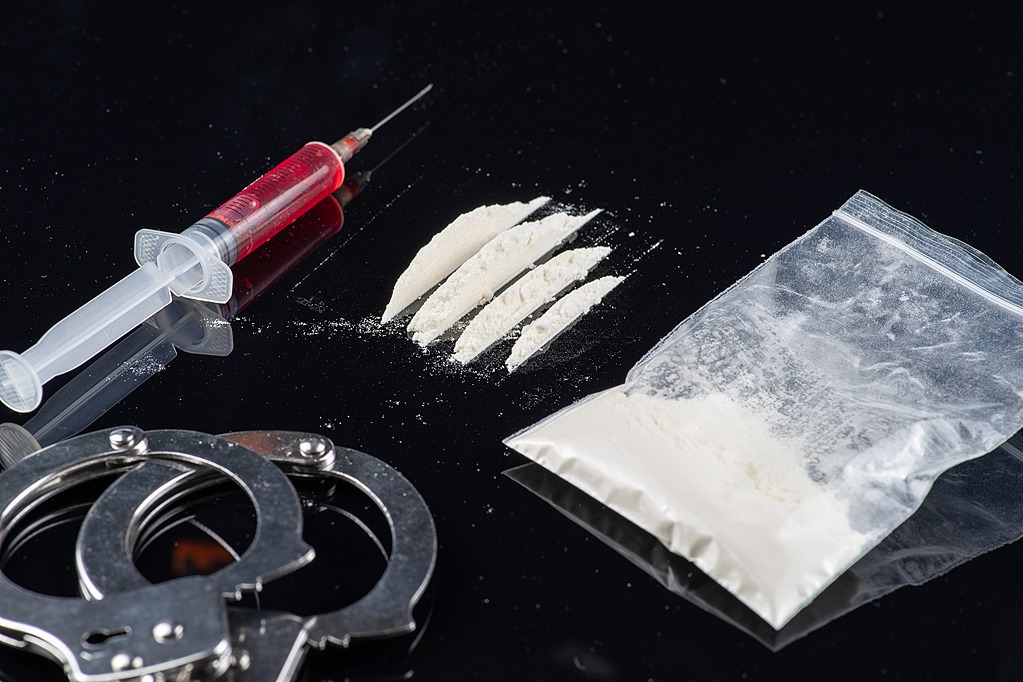
    China has significantly strengthened its law enforcement campaign against cross-border illegal trafficking of drug-manufacturing substances and other sensitive chemicals, China’s Ministry of Public Security announced in an official statement released Friday. Since the start of 2025, authorities have resolved 29 criminal cases linked to this illegal trade and taken 157 suspects into custody.

    Along with the arrests and case closures, law enforcement seizures have been substantial: authorities have confiscated 720 kilograms of illegal drugs, 1.3 metric tons of new psychoactive substances, 0.9 kilogram of stimulants, and 27.7 tons of uncontrolled precursor chemicals — materials that can be repurposed to produce illicit controlled drugs.

    The China National Narcotics Control Commission (CNNCC) has repeatedly issued public warnings to domestic enterprises and individuals, urging them to exercise extreme caution when exporting drug-making substances, new psychoactive substances, and related chemical products to overseas markets, and to remain alert to potential legal risks under foreign jurisdictions.

    In a formal notice issued November 10 last year, the CNNCC’s office mandated that all chemical exporters verify that their overseas buyers complete all required import procedures in compliance with local laws and regulations. This requirement applies specifically to unlisted precursor chemicals and production equipment, which have widespread legitimate industrial uses but can also be diverted to manufacture illegal controlled substances.

    The notice outlined a series of new regulatory requirements for domestic stakeholders. All companies engaged in the production, sale, transportation, import, and export of these sensitive chemicals and related equipment are required to strengthen internal compliance systems, maintain complete and accurate transaction records, and conduct strict background and identity verification for all overseas purchasers.

    Domestic operators have also been warned to watch for illegal recruitment tactics, which often disguise criminal requests as high-value commercial orders or legitimate sample testing requests. Postal services, courier companies, logistics providers, and international freight forwarders have been called on to strengthen screening protocols and assist authorities in intercepting illegal shipments.

    New tighter rules for online information dissemination have also been introduced. Private individuals are completely banned from posting any sales information for non-pharmaceutical precursor chemicals on public online platforms, while all entities and individuals are prohibited from publishing any public online advertisements for pharmaceutical precursor chemicals. Any party that posts sales information for unlisted drug-making chemicals or related production equipment on websites, social media platforms, or e-commerce marketplaces is required to complete mandatory real-name registration and comply fully with all domestic and international legal requirements.

    This is not the first regulatory warning on the issue: the CNNCC issued similar public notices in November 2023 and May 2024, both of which highlighted the serious legal risks associated with exporting drug-making precursors and new psychoactive substances to overseas markets. Despite these repeated warnings, the Ministry of Public Security noted that some domestic offenders have continued to traffic both controlled and uncontrolled precursors, new psychoactive substances, and other sensitive chemicals abroad, gradually building transnational illegal supply chains that create major global drug-related security risks.

    To counter this growing threat, Chinese public security authorities have launched multiple rounds of targeted special law enforcement operations. These operations focus on breaking up major criminal networks, investigating non-compliant enterprises, and holding illegal actors accountable. Officials noted that the campaign has three core goals: eliminating cross-border drug risks, cleaning up non-compliant activity in the domestic online business environment, and protecting the legitimate, healthy development of China’s overall chemical industry.

    One of the major cases resolved during the recent crackdown was a large-scale cross-border drug manufacturing and trafficking ring led by a suspect surnamed Tang, which was uncovered by police in December 2025. In this operation alone, authorities arrested 21 suspects, seized nearly 32 kilograms of illegal drugs, 1 ton of new psychoactive substances, and 15.4 tons of raw drug-making materials. Law enforcement also dismantled one illegal drug production facility and one unauthorized precursor chemical production site, froze approximately 6.92 million yuan ($1 million) in illicit funds linked to the ring, and imposed administrative penalties on three domestic chemical companies that failed to comply with regulatory requirements.

    Investigations into Tang’s operation revealed that he set up two dedicated websites to advertise sensitive chemicals directly to overseas buyers. After receiving orders, he contracted with chemical manufacturers in multiple domestic regions to develop and supply the controlled chemicals, then smuggled the products overseas via complicit international freight forwarding companies, and accepted payment via untraceable virtual currencies to avoid detection. In January 2026, Tang and a second key ringleader, surnamed Chen, were formally arrested on charges of smuggling, trafficking, transporting, and manufacturing illegal drugs.

    In closing, the Ministry of Public Security emphasized that all Chinese enterprises and individuals must strictly comply with domestic and international laws and regulations when conducting cross-border business. It reiterated the importance of proactively guarding against overseas legal risks, to protect both the legitimate rights and interests of Chinese companies and citizens, and global public safety by curbing the transnational drug trade.
  • Radical housing tax overhaul divides experts and property industry

    Radical housing tax overhaul divides experts and property industry

    Australia’s decades-old investor-centric housing tax policies have long been criticized for funneling billions of dollars in public benefits into speculative investment, driving skyrocketing property prices and locking millions of aspiring homeowners out of the market. Now, the Albanese Labor government has tabled one of the most radical housing policy overhauls in a generation as part of its latest federal budget, aiming to reorient the market toward greater affordability and accessibility – but the reform has sparked fierce debate across industry, politics, and advocacy circles.

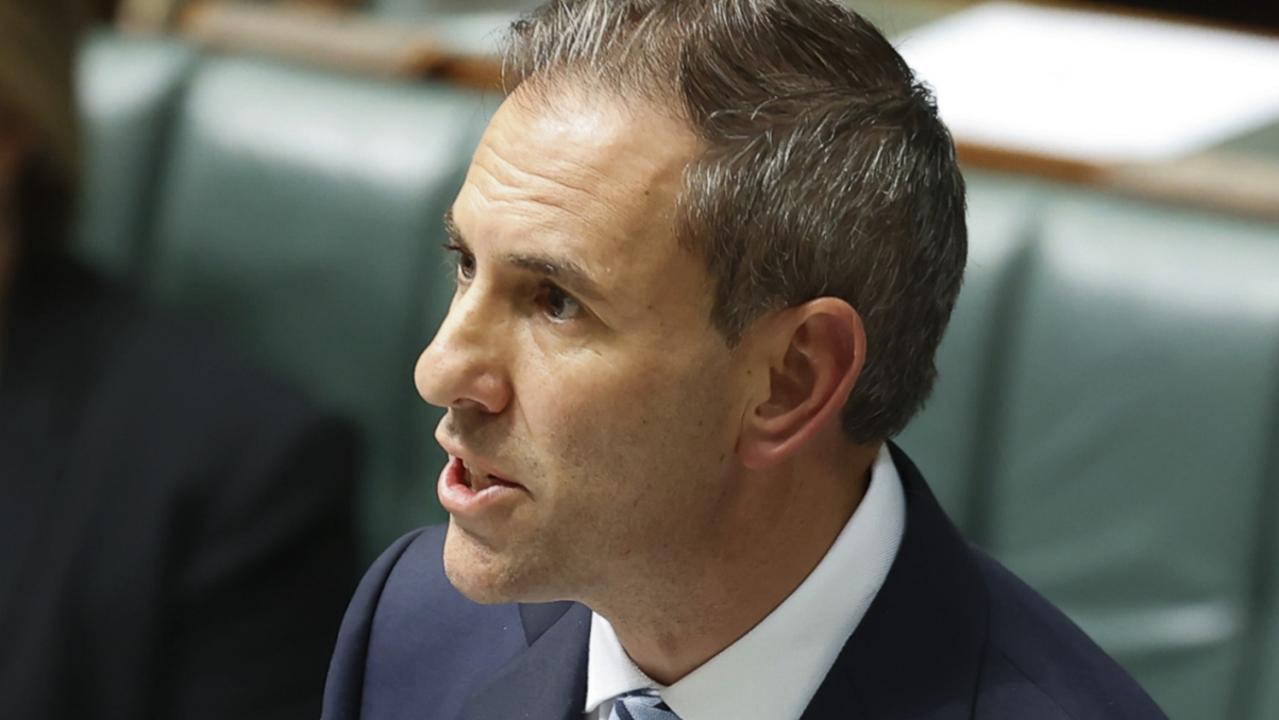
    Treasurer Jim Chalmers announced the two core changes in his Tuesday budget speech. First, the existing 50% discount on capital gains tax (CGT) for property investors will be replaced with inflation-adjusted indexation, a shift that reduces tax breaks for investors who profit from rapid property price growth. Second, new property investors will only be eligible to use negative gearing – the tax break that allows investors to offset rental losses against other income – when investing in newly constructed residences.

    Chalmers framed the reform as a long-overdue correction to a broken tax system that has favored speculators over working Australians chasing home ownership. “Since 1999, house prices have risen over 400%, more than twice as fast as average incomes,” he told parliament. “Our tax changes will help about 75,000 Australians achieve the dream of home ownership. We’re delivering a fairer tax system for workers, first-home buyers and future generations.”

    The policy has drawn sharp opposition from the conservative Coalition, which has already pledged to repeal the changes if it wins the next federal election. Shadow housing spokespeople argue the reform is “an assault on aspiration”, discouraging ordinary Australians from building property wealth through investment. The nation’s major housing and property industry groups have echoed this criticism, warning the changes will erode investor confidence, create market uncertainty, and ultimately undermine Australia’s already pressing housing supply targets.

    Jacob Caine, president of the Real Estate Institute of Australia (REIA), pointed out that the country is already behind schedule on its National Housing Accord target to build 1.2 million new homes between now and 2029. “At a time of acute rental stress and chronic undersupply, policy settings should be encouraging more investment into housing, not creating uncertainty or reducing confidence,” Caine said. “Private investment plays a critical role in Australia’s housing system.”

    Tim Reardon, chief economist for the Housing Industry Association (HIA), added that investors accounted for 43% of all new home purchases over the past year. He noted that contrary to the government’s framing, the policy will not simply shift investment from established properties to new builds: “In the real world, capital is mobile. Investors aren’t limited to choosing between new or established homes – they can redirect capital to industrial property, commercial assets, shares or other classes of investment entirely.”

    On the other side of the debate, housing affordability advocacy groups have hailed the changes as a historic turning point for Australia’s dysfunctional housing market. Everybody’s Home, a national campaign coalition working to end the national housing crisis, called the reform a long-overdue challenge to one of Australian policy’s most entrenched “sacred cows”.

    Maiy Azize, spokeswoman for Everybody’s Home, argued that for decades the federal government has wasted billions on tax breaks that have done nothing to expand affordable housing and everything to drive up prices and worsen inequality. “The government has spent about $2 billion a year on boosting new housing supply, but gave away orders of magnitude more through CGT discounts and negative gearing,” Azize said. “Imagine if we had that money available to invest in public housing instead.”

    Azize added that the reform will help curb the runaway house price growth that has left tens of thousands of aspiring homeowners playing catch-up on deposits. “For everyone trying to save for a home, you can start saving for a deposit and won’t have to constantly worry if house prices will jump $150,000 in 12 months,” she said. The change also acknowledges that decades of underbuilding have left Australia with a shortage of roughly 640,000 social and affordable homes, a gap that will take roughly 20 years to close even with the new policy in place.

    When it comes to the impact of the changes on property prices, economists are broadly aligned in one key prediction: the overhaul will slow the breakneck growth that has defined Australia’s housing market in recent decades. Commonwealth Bank senior economist Trent Saunders said the tax changes, combined with ongoing interest rate rises from the Reserve Bank of Australia and increasing cost of living pressures, will lead to moderately slower price growth over the next three years.

    “In response to these policy changes, house prices are expected to eventually be 3% lower than they otherwise would have been,” Saunders explained. The policy is projected to shave roughly 60 basis points off annual house price growth in 2026, rising to a full 1 percentage point reduction in 2027. Saunders added that a key downside risk remains: if investor sentiment drops sharply in the short term, price growth could cool even faster than current projections based on market fundamentals suggest.

    As the government moves to legislate the changes, the debate over their long-term impact continues: while supporters say they mark a critical first step toward restoring housing affordability for a new generation, opponents warn they could worsen the existing supply crisis and leave renters and buyers worse off in the long run.

  • UAE made failed attempt to get Saudi Arabia, Qatar to jointly attack Iran: Report

    UAE made failed attempt to get Saudi Arabia, Qatar to jointly attack Iran: Report

    Regional divisions across the Persian Gulf have been laid bare by a newly revealed failed diplomatic push, after Bloomberg reported Friday that the United Arab Emirates was unable to convince Saudi Arabia and Qatar to launch a coordinated joint military response to Iranian retaliatory attacks earlier this year.

    The failed outreach came in the immediate aftermath of a joint strike against Iranian targets by the United States and Israel on February 28. In response to that attack, Tehran launched a massive barrage of thousands of missiles and drones against Gulf states that had aligned with the U.S. and Israel. The UAE, which normalized diplomatic relations with Israel in 2021 under the U.S.-brokered Abraham Accords, bore the overwhelming weight of Tehran’s retaliation, with close to 3,000 projectiles hitting targets across the country.

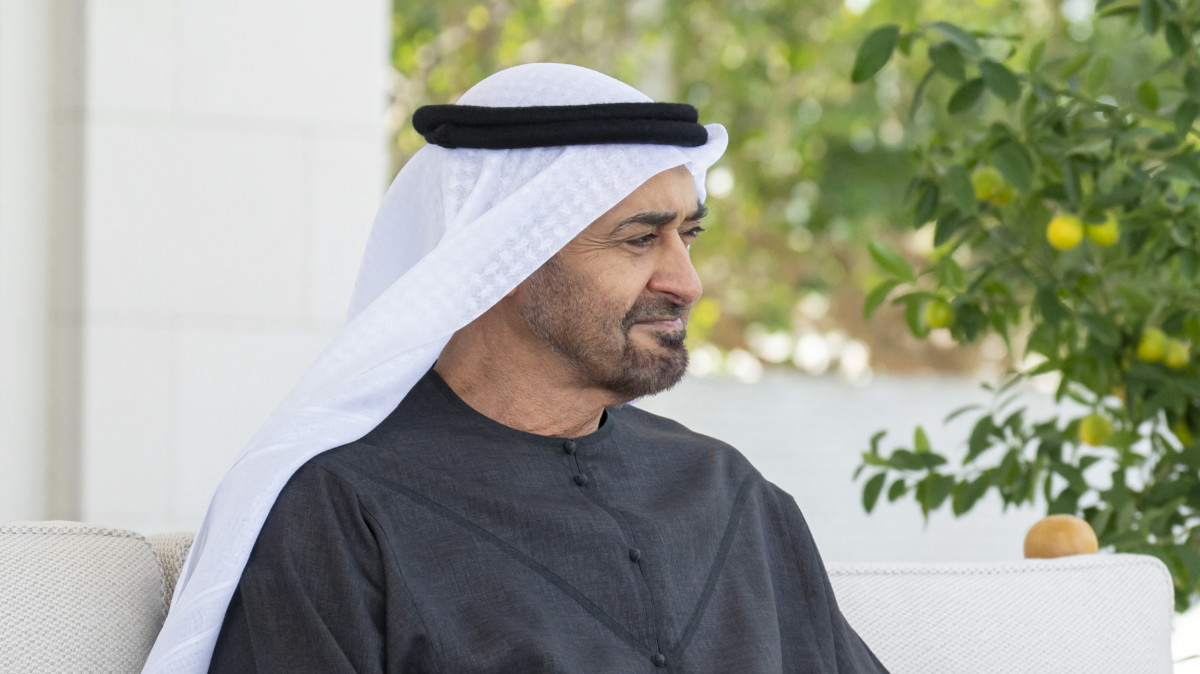
    Shortly after the attack, UAE President Mohamed bin Zayed Al Nahyan held a series of urgent phone consultations with top Gulf leaders, including Saudi Arabia’s de facto ruler Crown Prince Mohammed bin Salman. To the UAE’s disappointment, both the Saudi crown prince and other regional leaders rejected the call for a unified military offensive against Iran. Instead of uniting competing Gulf powers against a shared adversary, the unfolding conflict has amplified long-simmering tensions between Riyadh and Abu Dhabi, the report found.

    To date, both Saudi Arabia and the UAE have launched retaliatory strikes against Iran, but have acted entirely independently. Analysts have characterized Saudi Arabia’s military response as deliberately restrained; shortly after its strikes, the kingdom shifted its focus to supporting regional mediation efforts led by its close ally Pakistan.

    The UAE has taken a far more escalatory approach, however, targeting critical Iranian energy infrastructure. The Wall Street Journal reported that the UAE carried out an airstrike on Iran’s Lavan Island, a major Gulf oil and gas processing hub, in early April. The attack came at the exact moment the U.S. was publicly announcing a ceasefire in the conflict, and is reported to have sparked a massive blaze that knocked most of the facility’s operational capacity offline for months, representing a major escalation of hostilities.

    Geographic and economic realities have driven the UAE’s harder line. Unlike Saudi Arabia, which can route oil exports through its East-West pipeline to the Red Sea to avoid Gulf closures, the UAE’s energy trade and economic standing are far more vulnerable to Iranian actions. The ongoing conflict has also severely damaged the country’s core identity as a safe global tourism and financial hub.

    Abu Dhabi has aggressively lobbied both publicly and privately to convince the U.S. to continue its military campaign against Iran, and even put forward a failed United Nations resolution that would have authorized the use of military force to respond to Iran’s new control over the strategic Strait of Hormuz. Its frustration with regional allies has grown increasingly public: senior UAE presidential adviser Anwar Gargash openly criticized the Gulf Cooperation Council for what he called a “weak” collective response to Iran’s attacks. That discontent reached a breaking point in May, when the UAE announced its withdrawal from the OPEC oil cartel.

    Amid its growing estrangement from traditional Gulf partners, the UAE has doubled down on its deepening security and diplomatic alignment with Israel. U.S. Ambassador to Israel Mike Huckabee confirmed earlier this month during a public event in Tel Aviv that Israel has deployed Iron Dome air defense batteries, along with specialized military personnel to operate the systems, to the UAE to help defend against Iranian missile and drone attacks. “Israel just sent them — [the UAE] — Iron Dome batteries and personnel to help them operate them. How come? Because there’s an extraordinary relationship between the UAE and Israel based on the Abraham Accords,” Huckabee said.

    Even with this deepening security cooperation, the UAE has remained cautious about publicly acknowledging the full extent of its ties with Israel. This tension was on full display this week, when Israeli Prime Minister Benjamin Netanyahu’s office announced he had made an unpublicized visit to the UAE during the ongoing conflict, only for Abu Dhabi to issue an immediate denial that any such visit ever occurred.

    It should be noted that Israel’s ongoing military campaign in Gaza has been formally labeled a genocide by the United Nations, leading genocide scholars, leading international human rights experts, and multiple heads of state across the globe — including Saudi Crown Prince Mohammed bin Salman and Egyptian President Abdel Fattah el-Sisi.

  • China’s top diplomat says Xi-Trump meeting fruitful

    China’s top diplomat says Xi-Trump meeting fruitful

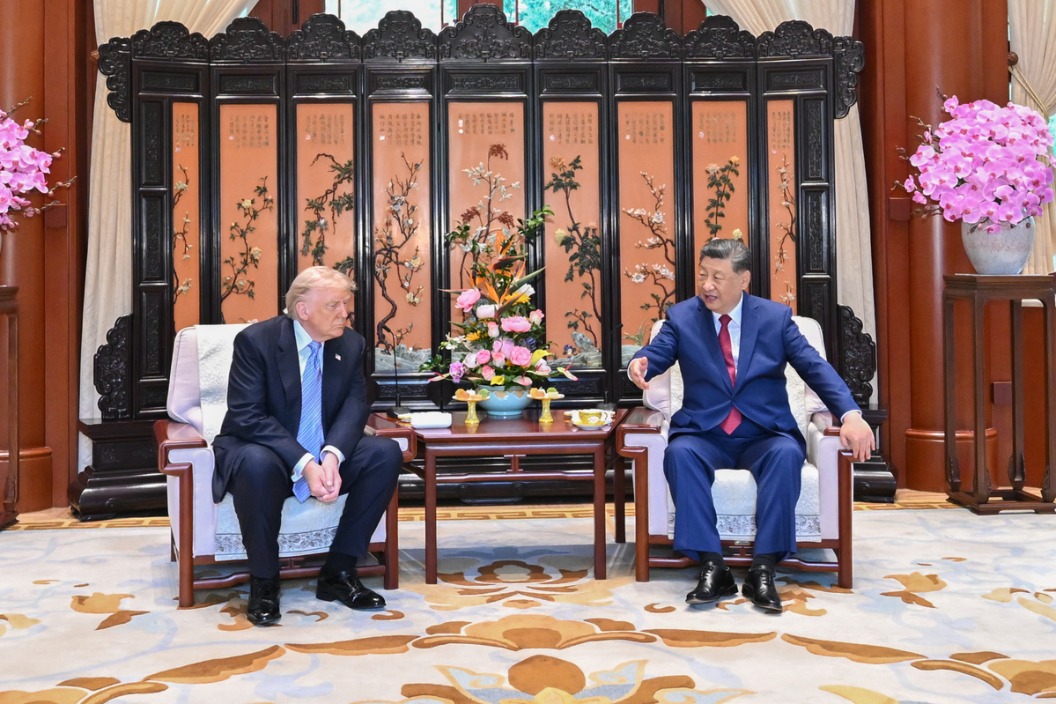
    BEIJING – A high-stakes meeting between the heads of state of China and the United States held in Beijing delivered substantive progress and productive results following in-depth, constructive discussions between the two leaders, China’s top diplomat Wang Yi confirmed during a press briefing Friday.

    Wang’s briefing came shortly after U.S. President Donald Trump wrapped up his three-day state visit to China, which ran from May 13 to 15, with the meeting with Chinese President Xi Jinping as the visit’s centerpiece. According to Wang, the summit featured a full slate of engagement: formal negotiating sessions, an official welcome banquet, an informal private discussion, and a guided visit. Across all these activities, the two leaders spent a total of nearly nine hours in direct interaction, characterized by a foundation of mutual respect, a shared dedication to maintaining global peace, and an open willingness to expand collaborative work between the two nations.

    The most consequential political agreement to emerge from the talks, Wang noted, is a shared consensus between President Xi and President Trump to work toward building a constructive, strategically stable bilateral relationship. This framework sets a clear direction for future interactions between the world’s two largest economies.

    Beyond overarching strategic direction, the two sides also articulated a shared commitment to deepen people-to-people and institutional exchanges across a wide range of priority sectors. These areas include diplomatic coordination, military-to-military communication, economic and trade cooperation, public health collaboration, agricultural trade and development, tourism expansion, cultural and educational people-to-people ties, and joint law enforcement efforts. Wang emphasized that the outcomes of this meeting have injected fresh, strong momentum into all future bilateral engagement between China and the United States, opening new pathways for cooperation on shared global and regional challenges.

  • Energy crisis set to worsen as Trump weighs renewed Iran assault

    Energy crisis set to worsen as Trump weighs renewed Iran assault

    The ongoing conflict between the United States and Iran, initiated under former president Donald Trump, is pushing the global energy system toward a potentially catastrophic worsening of an already severe crisis, according to new reporting from *The Wall Street Journal*, which warns the world is rapidly exhausting its emergency oil reserve buffer.

    When hostilities first erupted and Iran moved to block the Strait of Hormuz — a critical chokepoint that carries roughly a fifth of global daily oil trade — crude prices spiked sharply. This initial market shock was softened temporarily by existing crude surpluses held by major consuming nations, which allowed additional volumes to be released onto global markets to offset the blocked shipments.

    But that temporary relief is now running out. *The Journal* reports that global emergency and commercial oil inventories are being drawn down at a pace never seen before, with total stocks dropping by almost 250 million barrels in just the first two months of the conflict.

    This unprecedented drawdown has prompted senior oil industry leaders and energy analysts to warn that the current period of relative calm in global energy markets is about to be upended by a sharp correction. If the Strait of Hormuz remains closed to commercial shipping, acute fuel shortages and dramatic price spikes could hit global markets within a matter of weeks, the outlet noted.

    Citing analysis from global risk consulting firm Eurasia Group, the report projects that if current depletion rates hold, U.S. diesel reserves will fall below the 100 million barrel threshold by the end of this month — a level not seen in more than two decades.

    Ellen Wald, a senior fellow focused on global energy policy at the Atlantic Council’s Global Energy Center, told *The Journal* that while higher oil prices will naturally trigger some reduction in consumer and industrial demand, that demand response will not be nearly large enough to offset the massive supply shortfall created by the blocked strait. As a result, prices will continue to climb rapidly.

    “You can only decrease consumption so much, and when inventories run out, they are going to run out,” Wald explained. “At some point the market is going to collide and prices are going to shoot up.”

    The risk of a worse outcome is growing by the day, as new reporting indicates the Trump administration is preparing to escalate military hostilities against Iran. If new attacks are launched, Iran could respond with targeted strikes on regional oil production and export infrastructure, which would only deepen the global supply crunch.

    Independent outlet Zeteo reported Thursday that preparations for a new, imminent phase of military operations in the Iran conflict have accelerated in recent days, as the U.S. president has become increasingly frustrated with the lack of progress in ongoing peace negotiations. Citing anonymous sources familiar with administration planning, Zeteo reported that the U.S. military campaign will ramp up shortly after Trump concludes his upcoming visit to China, with options on the table including a large-scale new bombing campaign targeting Iranian assets.

    U.S. forces carried out widespread bombing of Iranian military targets and civilian infrastructure in the opening weeks of the conflict, but Iran has refused to reverse its decision to close the Strait of Hormuz to commercial traffic. With peace talks stalled and the threat of renewed fighting hanging over markets, Brent crude futures climbed sharply on Friday, pushing prices above $108 per barrel.

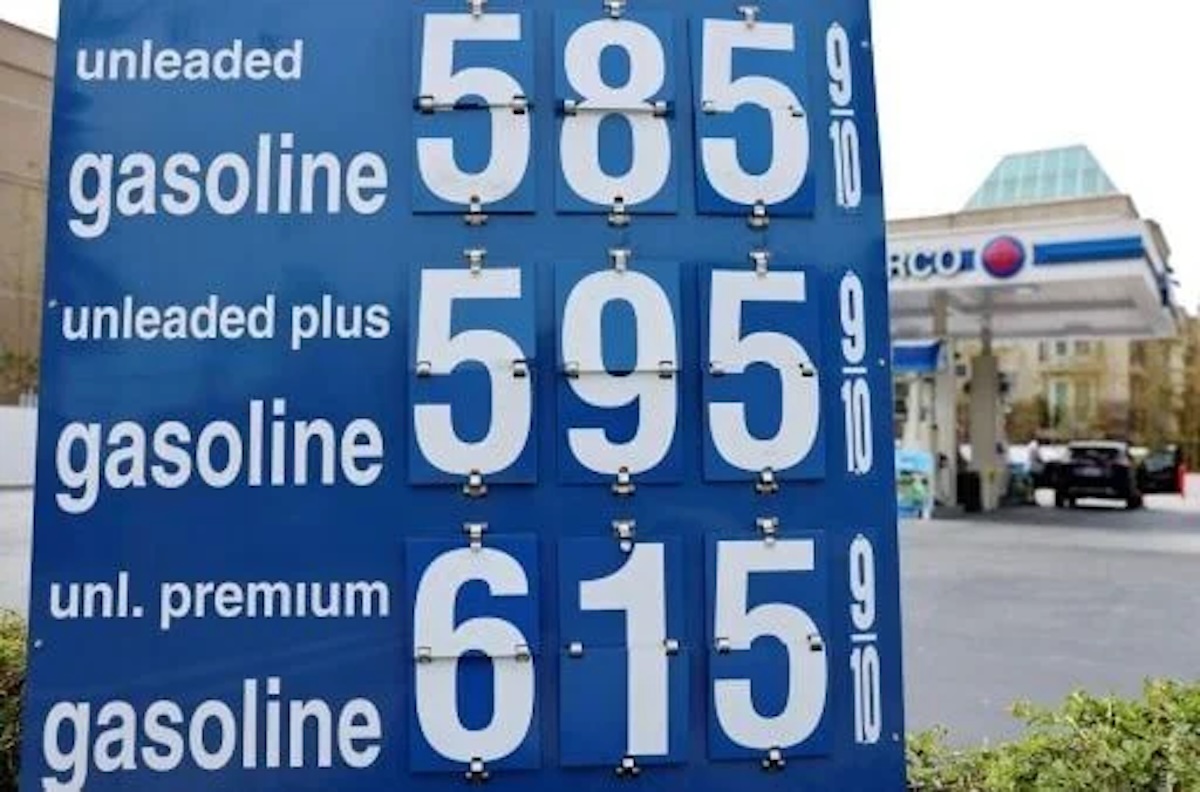
    Domestically, average retail gasoline prices across the United States remained above $4.50 per gallon on Friday. Petroleum industry analyst Patrick De Haan projected Thursday that if the Strait of Hormuz is not reopened in the near term, average U.S. gas prices could soon surge past the $5 per gallon mark, piling additional financial pressure on American households.

  • Prime Minister Anthony Albanese vows to defend hate group laws as neo-Nazis plan court fight

    Prime Minister Anthony Albanese vows to defend hate group laws as neo-Nazis plan court fight

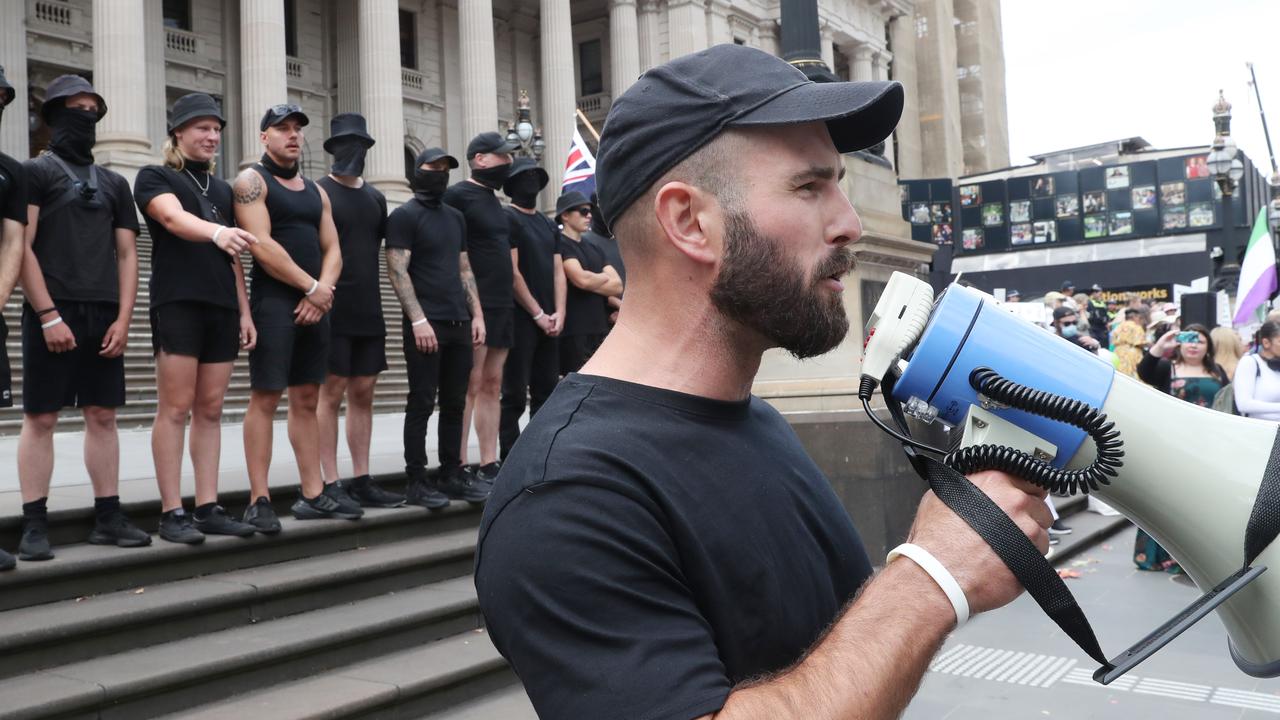
    In a landmark move to counter extremist white supremacist activity on Australian soil, the federal government has formally outlawed the National Socialist Network (NSN) and two linked extremist factions, White Australia and the European Australian Movement, designating them as prohibited terrorist hate groups under national counter-extremism legislation. The ban came into effect at midnight Friday, marking only the second time an organization has received this designation in Australia, following the 2024 ban of Islamist group Hizb ut-Tahrir.

    Home Affairs Minister Tony Burke told reporters Friday that any association with the banned group will now carry severe criminal consequences. Under the new designation, activities including supporting, financing, training new recruits, recruiting members, joining the group, or directing its operations all qualify as criminal offenses, carrying a maximum prison sentence of 15 years. Burke emphasized that the ban sends an unambiguous message that racial supremacist ideology has no tolerance in contemporary Australian society.

    The roots of this ban stretch back to earlier this year, when Australian parliament passed expanded counter-hate legislation in the aftermath of the fatal Bondi Junction terror attack. In response to that new legal framework, the NSN publicly announced it would disband. But Burke argued that the group simply carried out a so-called “phoenix” reorganization, rebranding under new names while continuing the same extremist activities that meet the legal threshold for a ban. “It doesn’t matter what they call themselves, or how they restructure their operations, these groups rely on the same thuggish, intimidating tactics that Nazis have always used to target Jewish communities and other marginalized groups,” Burke said.

    Within hours of the government’s ban announcement, current and former NSN members and supporters began a coordinated effort to erase their digital footprints across social media platforms. A warning message circulated widely among affiliated circles, urging supporters to exercise extreme caution online. The message instructs members to avoid praising the group, sharing its content or footage, and to exit all group chats that include former NSN members. “Please take this seriously,” the message reads. “Don’t allow yourself to become an example made by the state.”

    Thomas Sewell, the former leader of the NSN, has framed the ban as a politically motivated attack on his organizing efforts. In an online statement, Sewell claimed the government acted out of hatred for white Australians, and that the ban is retaliation for his attempt to register a new far-right political party. Sewell confirmed he has launched an appeal to Australia’s High Court challenging the constitutionality of the underlying hate group ban legislation.

    Prime Minister Anthony Albanese dismissed the challenge on Saturday, saying the government remains completely confident the appeal will be rejected. Albanese reiterated that the ban targets the group’s violent, divisive ideology, not just its branding. “These neo-Nazis have changed their names multiple times, but their core policies have never shifted: policies of hatred, policies of antisemitism, policies that seek to divide Australians and target vulnerable communities,” Albanese said. “These are critical laws that protect all Australians, and we will stand by them and defend them vigorously in court.”

  • A record-breaking race and Catholic blessing highlight the role of faith for Kenyan runners

    A record-breaking race and Catholic blessing highlight the role of faith for Kenyan runners

    In the heart of Kenya’s Rift Valley, the small town of Eldoret has long been known as the global cradle of elite long-distance running, turning out dozens of the world’s top champions over decades. Now, this quiet running hub is drawing new global attention for an unexpected reason: a historic record-breaking win that has put the deep connection between Kenyan elite runners and their Christian faith front and center.

    Thirty-one-year-old Kenyan runner Sabastian Sawe entered the 2025 London Marathon as one to watch, but few predicted the magnitude of what he would achieve on April 26. Maintaining a searing, nearly unheard-of pace from start to finish, Sawe crossed the line in a stunning 1 hour, 59 minutes, and 30 seconds, making history as the first athlete ever to complete the official 26.2-mile marathon distance in under two hours. The feat shattered a milestone many in the running community had long considered unachievable in an official, mass-participation race. Ethiopian rival Yomif Kejelcha finished just 11 seconds behind Sawe, also clocking a sub-two-hour time. For Sawe, the historic win comes just months after his 2024 marathon debut in Valencia, Spain, where he claimed victory with an already impressive time of 2:02:05.

    News of Sawe’s groundbreaking win sparked widespread, joyful celebrations across Kenya, a nation that has dominated international middle- and long-distance running for generations, earning its reputation as the undisputed home of long-distance running. In the days following the win, new details about Sawe’s pre-race routine emerged that shifted the conversation to the role faith plays in many Kenyan runners’ success: the devout Catholic had stopped at his home parish, Holy Family Catholic Church in Eldoret’s St. Josephine Bakhita Lower Moiben Parish, to attend Mass and ask for prayers from his parish priest just before heading to London.

    Parish priest Rev. Pius Tuwei told Religion News Service that when he blessed Sawe ahead of the race, he had no idea the runner would pull off such a historic, world-altering victory. “I was just blessing him like any other athlete or any other person,” Tuwei said. “It was really a surprise for me when I heard he had won.”

    Sawe’s faith and commitment to his parish are well-known among his community. Tuwei added that Sawe has long been generous to the church, a trait he likely inherited from his grandmother, a deeply charitable and active member of the congregation. “That could have really given him a very strong foundation on morals, the church and discipline— this could have contributed to his success,” Tuwei explained. “I think giving back to society is also holding him to his faith.”

    This link between running success and spiritual belief is not unique to Sawe. Christianity is the dominant religion in Kenya, and public displays of faith are a common sight in international races, where Kenyan runners often make the sign of the cross before starting and after finishing competitions. Many of the nation’s most legendary running champions have openly spoken about how their faith shapes their training and competition. Eliud Kipchoge, the global running icon who first broke the two-hour marathon barrier in a 2019 custom-designed exhibition event in Vienna (a feat that was never ratified as an official marathon record), told a running blog in 2019 that his Catholic faith is a core part of his athletic life. “It keeps me from doing things that could keep me away from my goals. On Sundays, I go to church with my family and pray regularly, even in the morning before a race,” Kipchoge said.

    For years, sports analysts have attributed Kenya’s unmatched long-distance running success to a combination of natural genetic advantage, early childhood training on rugged rural terrain, and years of high-altitude intensive training. Now, after Sawe’s historic win, athletes and religious leaders are bringing the role of faith forward as an underdiscussed contributing factor to consistent championship success.

    Patrick Makau Musyoki, a former world marathon record holder from Kenya, says that while elite talent is the starting point, spiritual belief drives Christian athletes to push past their limits. “We are able to train very well, but at the end of the day, for us to manage to go to a race and a winner to run the world record, we should have faith in God, who gave us the talent,” Makau said. “And he helps you to keep on improving talent.”

    Tuwei echoed this perspective, noting that faith reinforces moral discipline and keeps runners connected to what many see as the divine source of their ability. “When I look at Sawe, it seems his talent is real — not acquired,” he said.

    Not all experts agree that faith plays a direct role in race outcomes, however. Brother Colm O’Connell, an Irish missionary and legendary athletics coach widely known as the “godfather of Kenyan running,” said he was not surprised to hear Sawe sought a priest’s blessing before the London Marathon, but argued spiritual intervention had little to do with his record win. “If that was the case, then marathon runners might spend more time in the church than on the road,” O’Connell told Religion News Service. “I think that God helps those who help themselves. So, you know, he gave you a talent, and then you have to get out and use it, and not hide it.”

    O’Connell added that incremental improvements to training methods, nutrition, and sports technology will continue to push marathon boundaries lower over time, regardless of spiritual belief. “It’s 1 hour, 59 (minutes) now,” he said. “Then it will be 1 hour, 58, and then it will be 1 hour, 57.”

    For his part, Sawe summed up his historic achievement simply after crossing the finish line in London: “Nothing is impossible.”

  • US charges Iraqi militia commander with terrorism offences

    US charges Iraqi militia commander with terrorism offences

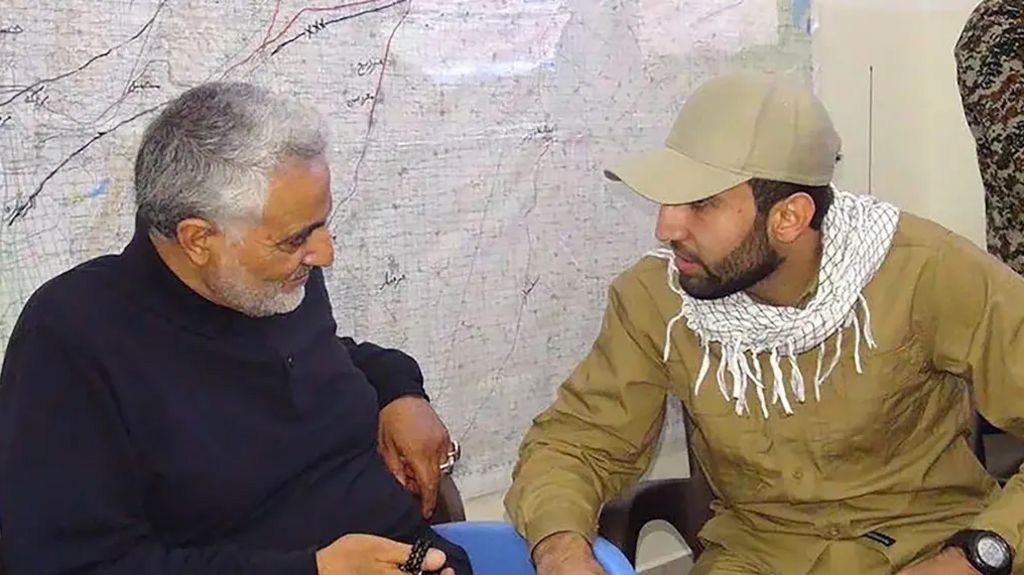
    In a major counterterrorism operation that spans three continents, United States federal authorities have taken an Iraqi militia commander accused of orchestrating nearly two dozen terror plots across North America and Europe into custody to face prosecution. The U.S. Department of Justice unsealed a multi-count criminal complaint on Friday detailing the charges against 32-year-old Mohammad Baqer Saad Dawood al-Saadi, a senior commander in Kataib Hezbollah — an Iraqi armed group branded a foreign terrorist organization by Washington with long-standing ties to Iran’s Islamic Revolutionary Guard Corps (IRGC).

    According to court documents, al-Saadi was first apprehended by law enforcement in Turkey, before being extradited to FBI custody and transported to the United States. He made his initial appearance at Manhattan federal court, where a judge ordered him held without bail ahead of his upcoming trial. Prosecutors allege al-Saadi’s coordinated campaign of planned and executed attacks was launched explicitly in retaliation for the 2020 U.S. drone strike that killed Qasem Soleimani, the top IRGC commander, and to advance the violent ideological objectives of Kataib Hezbollah and the IRGC.

    Court records outline that since March 9 of this year, al-Saadi has been linked to 18 separate attacks across European countries and two additional plots in Canada, all targeting U.S. and Israeli civilian and institutional interests. The string of documented incidents began with an explosive attack on a synagogue in Liège, Belgium, followed just four days later by an arson attack at a synagogue in Rotterdam, Netherlands. The next day, an explosive device was detonated at a Jewish school in Amsterdam, with a subsequent attack targeting the Bank of New York Mellon’s Amsterdam office just 24 hours later. The wave of attacks continued through March and April, spreading to major European cities including London, Antwerp, Paris and Munich. On April 29, an attacker stabbed two Jewish men in an attack in London that authorities tie to al-Saadi’s direction.

    Beyond the attacks already carried out, prosecutors say al-Saadi actively plotted large-scale assaults inside the United States, specifically targeting Jewish community centers. He is accused of attempting to recruit an individual he believed to be a member of a Mexican drug cartel to carry out attacks on three high-profile locations: a prominent, undisclosed synagogue in New York City, a Jewish institution in Los Angeles, California, and a third facility in Scottsdale, Arizona. According to official accounts, al-Saadi provided the undercover would-be operative with site photos, detailed maps of all three targets, and asked for a cost estimate to bomb the locations and ignite coordinated fires across the three sites simultaneously. A phone call recording from April 1 captures al-Saadi explicitly asking about the cost of hiring someone to carry out a bombing operation targeting “a Jewish temple, a Jewish centre” in the U.S., prosecutors allege.

    Al-Saadi faces six terrorism-related criminal counts, including conspiracy to provide material support to a designated foreign terrorist organization, conspiracy to support transnational terrorist acts, and conspiracy to bomb a public facility. However, his defense attorney Andrew Dalack has pushed back against the charges, framing the case as a politically motivated prosecution. Dalack told U.S. broadcaster CBS News that al-Saadi is essentially a prisoner of war and should be classified as such rather than facing civilian criminal trial. The BBC has reached out to Dalack for additional comment on the case, but has not yet received a response.

    Acting U.S. Attorney General Todd Blanche highlighted the arrest as a landmark success for American law enforcement, emphasizing the operation’s role in disrupting terrorist networks before they could carry out planned attacks inside U.S. borders. “As alleged in the complaint, Al-Saadi directed and urged others to attack U.S. and Israeli interests and to kill Americans and Jews in the U.S. and abroad, and in doing so advance the terrorist goals of Kata’ib Hizballah and Iran’s Islamic Revolutionary Guard Corps,” Blanche said in an official statement following the unsealing of the complaint.

  • What’s behind the latest fighting in Mali?

    What’s behind the latest fighting in Mali?

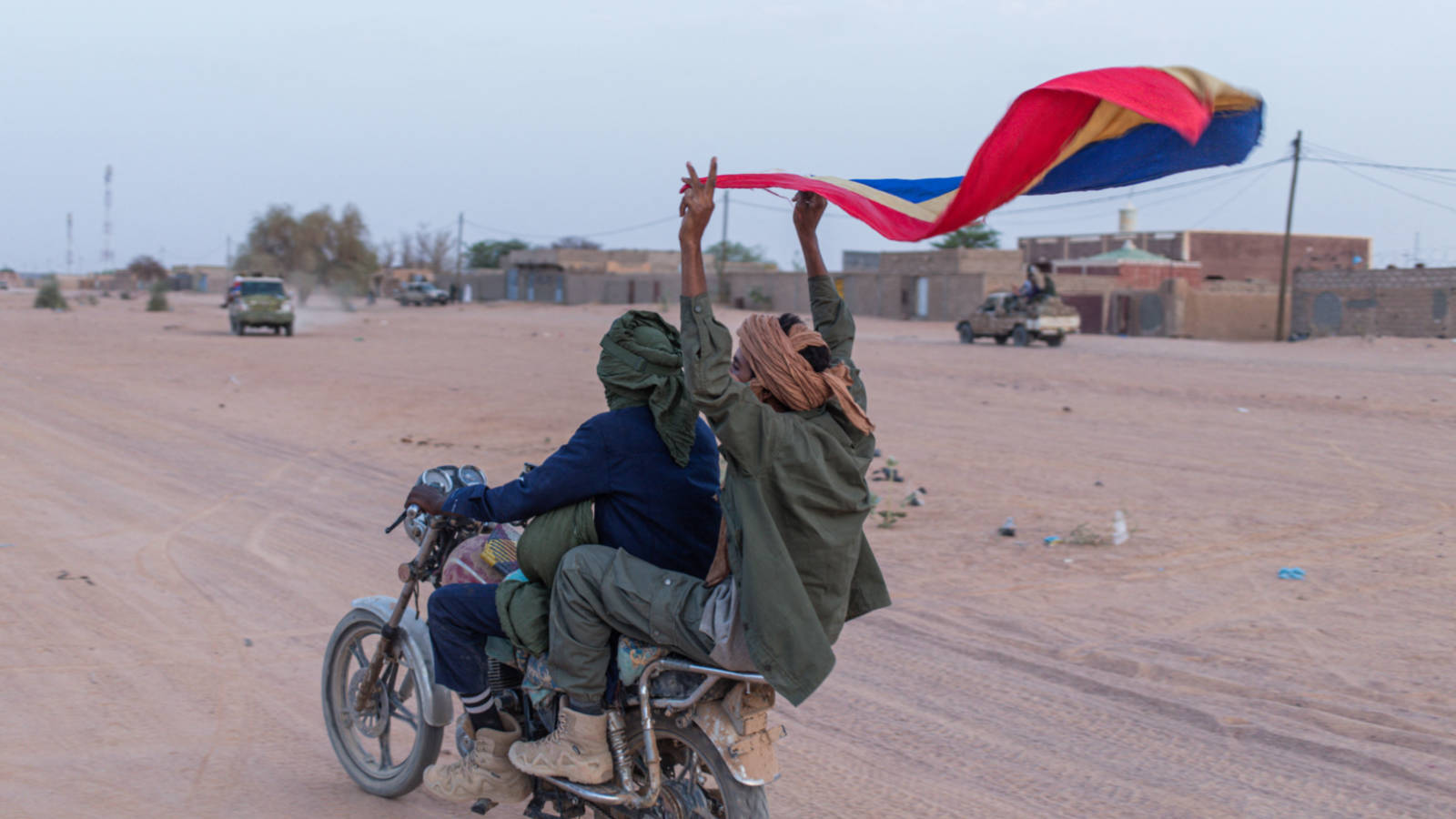
    More than a month after a joint surprise offensive by Tuareg separatist fighters and an al-Qaeda-linked militant coalition threw Mali into renewed large-scale conflict, fighting continues to rage across the vast West African Sahel nation, marking the most severe threat to the ruling military junta since it seized power in 2020.

    The coordinated assault, launched in late April by the Azawad Liberation Front (FLA, a Tuareg separatist grouping) and Jama’at Nusrat al-Islam wal-Muslimin (JNIM, the Sahel’s most powerful al-Qaeda-affiliated militant organization), has already yielded sweeping gains for the alliance. Rebel fighters have seized multiple population centers and military outposts, enforced a blockade of the capital Bamako, and assassinated Malian Defense Minister Sadio Camara in a suicide bombing targeting his residence in the key garrison town of Kati, just outside the capital.

    Rooted in decades of unresolved tension and a regional power vacuum created by the departure of Western and UN peacekeeping forces, the current crisis stretches back decades. A former French colony that gained independence in 1960, Mali has struggled to exert full control over its remote northern territories, which span more than 1,000 kilometers north of Bamako across the Sahara. Tuareg nationalist groups have demanded autonomy or independence from successive Malian governments since independence, launching repeated uprisings that culminated in a 2012 separatist rebellion that ignited the country’s ongoing interlocking civil conflict. That conflict has shifted and flared for 14 years, shaped by foreign intervention, military takeovers, and shifting regional alliances.

    Since August 2020, Mali has been ruled by a military junta led by Assimi Goita, a special forces officer who first led a coup against elected civilian president Ibrahim Boubacar Keita, then seized full power in a second 2021 coup after ousting the transitional civilian leadership he had installed. Under Goita’s authoritarian rule, Mali cut ties with long-time Western partners, expelled French counter-terrorism troops in 2022, and forced the decade-long UN peacekeeping mission to withdraw in 2023. In place of Western partners, Goita has deepened political and military ties to Moscow, which deployed first Wagner Group paramilitaries from 2021, then reorganized those forces into the state-run Africa Corps after Wagner’s collapse following Yevgeny Prigozhin’s 2023 mutiny and death. An estimated 2,000 Africa Corps mercenaries are currently deployed across Mali to support the junta’s counter-insurgency operations, though the force has been repeatedly accused of widespread human rights abuses against civilians alongside junta forces.

    The April 2025 offensive has already broken the status quo across the country. Within days of the initial attacks, FLA fighters captured Kidal, the strategic northern hub that is the heart of Tuareg separatist activity, forcing Africa Corps mercenaries to withdraw from the town on April 26. The Malian junta has responded with intense aerial bombardment of the occupied town, while JNIM advanced on the capital, releasing video footage on May 6 showing its fighters burning food trucks bound for blockaded Bamako. Three days after Camara’s assassination, Goita appointed himself interim defense minister and publicly claimed the security situation remained “under control,” but attacks have persisted. On May 6, JNIM fighters stormed Kenieroba Central Prison, a major maximum-security facility just outside Bamako that held more than 2,500 inmates, many of them detained insurgents and political prisoners.

    Human cost of the conflict continues to mount. Hundreds of people are estimated to have been killed across the country in the fighting, while junta forces have been accused of widespread forced disappearances of civilians accused of collaborating with rebel groups.

    To understand the unprecedented alliance between the FLA and JNIM, it is necessary to examine the distinct origins and goals of the two groups. JNIM, a Salafist jihadist organization formally affiliated with al-Qaeda, was formed in 2017 through the merger of four separate militant groups active across the Sahel. Designated a terrorist organization by the UN Security Council and governments worldwide including Mali and the United States, JNIM claims it seeks to expel Western influence from the region and impose strict Sharia law. With an estimated fighting force of 6,000 members drawn from multiple ethnic groups across the Sahel, JNIM is currently the strongest militant organization in the region, controlling swathes of territory in eastern Mali, northern Niger, and northern Burkina Faso, and has launched high-profile attacks as far south as coastal West African states including Benin, Togo, and Côte d’Ivoire. Since 2023, the group has enforced a partial blockade of the historic trading hub of Timbuktu, and launched a nationwide fuel blockade in November 2025 that has paralyzed economic activity across much of Mali.

    In contrast, the FLA is a Tuareg nationalist separatist group formed in 2024 through a merger of the long-standing Tuareg independence movement MNLA and smaller regional factions. The group seeks full independence for the northern Malian territory it calls Azawad, where Tuareg people make up the majority population and represent roughly 10 percent of Mali’s total national population. Led by veteran Tuareg commander Alghabass Ag Intalla, the FLA’s emergence followed the 2024 formal cancellation of decades of stalled peace negotiations between the junta and Tuareg separatist coalitions. The 2013 and 2015 Algiers peace accords, which were supposed to grant Tuareg regions broad autonomy, were never implemented by successive Malian governments, leading the FLA to abandon negotiations and renew armed struggle.

    While the two groups have sharply contrasting long-term goals—with the FLA focused on nationalist separatism and JNIM seeking a transnational Islamist state—regional analysts describe their current alliance as a pragmatic, temporary partnership united by a single shared enemy: the Goita junta. “This is a marriage of necessity from Azawad’s [FLA’s] perspective, and an operational arrangement from al-Qaeda’s [JNIM’s] perspective,” explained Jibrin Issa, a Sahel-based political analyst. “The aim is to distract the Malian army in the north while jihadist groups push southwards to encircle the capital and open multiple pressure fronts simultaneously.” Malian journalist Hamdi Jowara, based in Paris, echoed that analysis, noting that the coordination between the two groups takes the form of divided operational responsibilities rather than formal organizational integration, a dynamic that echoes a 2012 period of collaboration between the FLA’s predecessor MNLA and JNIM’s predecessor Ansar Dine that collapsed into violent infighting after Ansar Dine attempted to impose strict Sharia law on captured northern territories.

    The conflict has also drawn in multiple regional and global powers, reflecting the Sahel’s growing status as a site of great power competition. Russia’s Africa Corps, which has played a central role in the junta’s counter-insurgency efforts, has already suffered high-profile setbacks including the withdrawal from Kidal, with Algeria—long a key regional mediator with close ties to both Moscow and Mali—reportedly brokering the deal for the mercenary force’s exit from parts of the north. Beyond Russia, Turkey has expanded its influence in Mali in recent years, supplying drones to the junta and providing personal security for Goita through the Turkish private military firm Sadat. Ukraine, which has sought to counter Russia’s influence in the region, acknowledged in July 2024 that it had provided military support to Tuareg fighters battling Africa Corps, prompting the junta to sever full diplomatic relations with Kyiv that August; it remains unclear whether Ukrainian support for the rebels is ongoing.

    Regionally, the offensive comes as Mali leads the new Alliance of Sahel States (AES), a bloc formed by the three junta-ruled Sahel states of Mali, Burkina Faso, and Niger after they withdrew from the long-standing regional bloc ECOWAS in 2024. The AES inaugurated a 5,000-strong joint counter-terrorism force in December 2025, and has already condemned the FLA-JNIM offensive as a “monstrous plot backed by the enemies of the liberation of the Sahel.”

    Despite the junta’s promises of a sweeping crackdown to “neutralize” the rebel coalition, the FLA has openly announced plans for further territorial expansion. FLA spokesperson Mohamed Elmaouloud Ramadane confirmed to the BBC in late April that the group’s next targets are the major eastern Malian city of Gao, followed by the historic city of Timbuktu. “Timbuktu will be easy to take over once we fully control Gao and Kidal,” Ramadane said, signaling that the conflict is set to intensify in the coming weeks as rebels push to expand their control across northern Mali and JNIM continues to pressure the isolated capital.

  • From misfit to rap sensation: A ‘Reble’ storms into Indian hip-hop

    From misfit to rap sensation: A ‘Reble’ storms into Indian hip-hop

    At just 24 years old, Reble — born Daiaphi Lamare — has carved out an unprecedented space as one of the most distinct and captivating new voices in India’s rapidly evolving hip-hop scene. Hailing from the mist-shrouded hills of Meghalaya, a northeastern Indian state wedged between Bangladesh, China, and Myanmar, her art draws deeply from the cultural complexity of a region long sidelined as a cultural outsider within mainland India, and infuses that perspective into a sound wholly her own.

    Reble’s journey to mainstream recognition began far from the glitz of Mumbai’s entertainment industry. Growing up feeling like an outsider through years of boarding school, she recalled a childhood spent on the social margins: “Young Reble was always by herself. No friends. Sitting in one corner. Everybody was like, who’s that weird girl?” This early alienation shaped her stubborn, unapologetic artistic identity. She briefly pursued an engineering degree in Bengaluru’s tech hub, but always knew a conventional nine-to-five career would never fit. “I don’t like anybody telling me what to do,” she told the BBC, a mantra that has defined her career from its earliest days.

    Her stage name is more than a performance alias — it is a deliberate, personal rebellion. Rap became the perfect outlet for the tangled emotions of a lifelong misfit, she explains, turning her sense of disconnect into raw, intentional art. Unlike many of India’s high-energy, bombastic hip-hop artists, Reble’s style is defined by deliberate emotional restraint: she weaves verses thematically centered on distance, reinvention, and survival across three languages — English, Khasi, and her native Jaintia, the indigenous tongue that she calls her “emotional anchor.” This duality of being simultaneously local and global, rooted yet detached, sits at the core of her creative identity. A quirky irony defines her process: despite being lauded for her sharp lyricism, she openly admits she dislikes writing, leaving most of her verses as scattered, unfinished scribbles that take shape in performance.

    For years, Reble built her following within Shillong’s tight-knit local music community, a city far better known for its iconic rock bands, church choirs, and folk guitar traditions than hip-hop. Her breakout arrived unexpectedly through the soundtrack of the Bollywood action film *Dhurandhar*, where her cool, clipped verses cut through the movie’s chaotic, high-energy production to win over millions of new fans across the country. Her newly released single *Praying Mantis*, a dark, hypnotic track, has once again sparked widespread discussion, with fans dissecting every line across social media.

    Her rapid rise has not come without backlash. After her Bollywood breakthrough, some long-time fans accused her of “selling out” for pursuing mainstream commercial work. Others in her deeply religious home state, where Christian church culture dominates public life, have attacked her work as anti-Christian or even satanic over lyrical references to demons. Reble dismisses the outrage with characteristic cool: “When you get commercial success, people think you sold your soul.” For her, working on film projects is not compromise, but experimentation — and she remains selective about the work she takes on.

    Reble’s success is more than an individual success story: it reflects a sweeping shift underway in Indian popular culture, where regional artists from once-fringe regions are gaining national and global traction, breaking the long-held monopoly of big mainland cities over cultural relevance. Growing up in Shillong’s rich music ecosystem, where church choirs blend with teenage metal bands and blues bars, she absorbed both local tradition and global hip-hop influences. Early on, she connected deeply with Eminem’s work, particularly his ability to turn alienation into art — a theme that echoes through her own tracks. Yet her work remains unapologetically rooted in her identity: on *Opening Act*, she raps “I’m a Jaintia making moves/ I’m a tribal,” a proud declaration of heritage shaped by the village and the resilient women who raised her.

    Like many Indigenous northeastern Indians who have lived outside the region, Reble has faced systemic racism and concedes that artists from her part of India have never had the same opportunities as their mainland counterparts. But she frames her journey through pride, not resentment: “Coming out from a region like that, I feel very proud.” Back home, even when audiences do not always fully grasp every layer of her hip-hop sound, the reception has been deeply emotional. “They’re happy that someone is doing something. Like — that’s our girl,” she says.

    For those watching from the outside, Reble’s rise can feel sudden, but she frames it as the simple result of deliberate consistency. “The biggest lesson so far is that consistency is key,” she says. “More than talent, I believe in the discipline of getting better over time. If you’re not good at something, you need to get better. Be realistic enough to know how bad you are.” That grounded, unromantic approach to struggle is what makes her story stand out: even as she turns lifelong alienation and marginalization into art, she refuses to sensationalize hardship, letting the quiet power of her work speak for itself. As Indian culture continues to decentralize, with the most exciting creative energy emerging from once-overlooked regions, Reble got there first — and she’s only just getting started.