博客

  • England thumps France to seal an eighth straight Women’s Six Nations title and Grand Slam

    England thumps France to seal an eighth straight Women’s Six Nations title and Grand Slam

    BORDEAUX, France — In a highly anticipated showdown that packed the largest home crowd in French women’s rugby history, England delivered another masterclass of championship dominance to secure a record-extending eighth consecutive Women’s Six Nations title on Sunday. The red roses also claimed their fifth straight Grand Slam, capping off an undefeated tournament run with a convincing 43-28 win over a formidable host French side.

    Heading into the clash, all signs pointed to a tight, competitive match. France entered the final round of the tournament also unbeaten, riding a wave of home support and momentum that many experts predicted would end England’s multi-year stranglehold on the competition. What is more, England took the field with just six players who were part of their 2024 Rugby World Cup winning squad from last September, leading many to wonder if the relatively reshuffled lineup would be able to hold off the French challenge.

    But the young, refreshed English side quashed all doubts early, crossing the try line six times en route to the final score line. Fly-half Zoe Harrison was the standout performer of the match, her accurate right boot proving decisive in stretching England’s lead across the 80 minutes. Harrison slotted six out of seven attempted goalkicks on the day, closing out an extraordinary tournament with a total conversion rate of 29 successful kicks from just 31 attempts.

    The victory extends England’s unprecedented world record winning streak to 38 consecutive international matches. Since the start of 2019, the side has lost just one match across 69 total outings, a mark of consistency that is unmatched in elite women’s rugby. The side will not face another test of their winning run until September, when they are set to host second-ranked New Zealand and third-ranked Canada in the annual WXV tournament. Until then, England will hold their position as the undisputed dominant force in European women’s six nations rugby.

  • Trump issues dire warning to Iran to accept peace deal

    Trump issues dire warning to Iran to accept peace deal

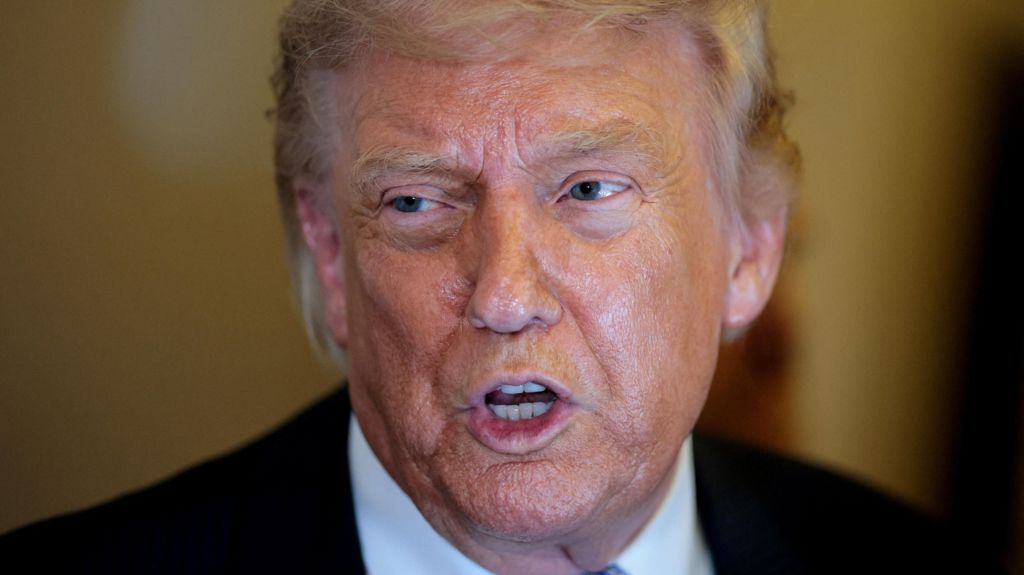
    Escalating tensions across the Middle East reached a new boiling point on Sunday, as former President Donald Trump delivered a stark ultimatum to Iran, demanding Tehran immediately accept a U.S.-brokered peace deal or face catastrophic consequences that would leave the Islamic republic “nothing left.”

    The regional conflict, which began on February 28 when joint U.S. and Israeli military forces launched large-scale strikes against Iran, has remained deadlocked for weeks, failing to produce any breakthrough toward de-escalation even as it sends shockwaves through global energy markets and upends security across the Middle East. In a post published Sunday on his Truth Social platform, Trump doubled down on pressure against Tehran, writing, “For Iran, the Clock is Ticking, and they better get moving, FAST, or there won’t be anything left of them. TIME IS OF THE ESSENCE!”

    Beyond the core U.S.-Iran conflict, the war has triggered widespread secondary instability across the region. It has effectively blocked the Strait of Hormuz, the strategic global chokepoint through which roughly 20% of the world’s peacetime oil exports pass. It has also dragged neighboring Israel and Lebanon into a violent parallel confrontation, even as fragile ceasefires hold in name on multiple fronts.

    Iran, which provides military and financial support to the Lebanese militant group Hezbollah, has set a precondition of a permanent ceasefire in southern Lebanon before it will enter any broader peace negotiations with the U.S. That demand comes as Trump has grown increasingly frustrated by Tehran’s refusal to accept terms on Washington’s schedule.

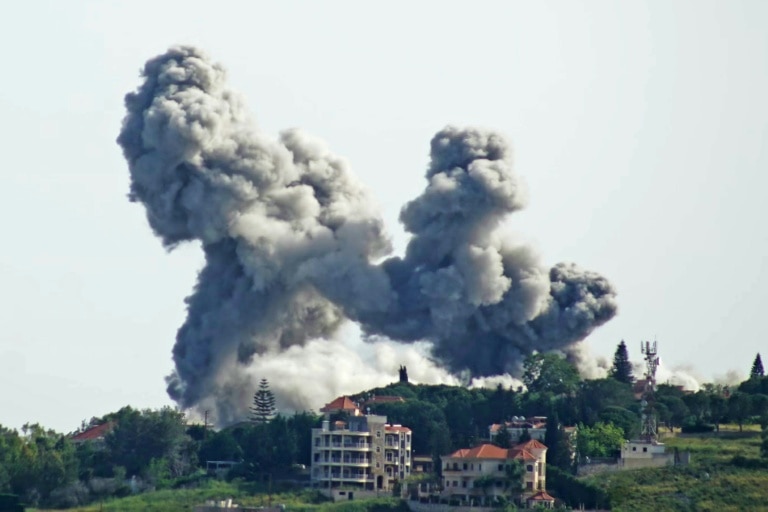
    The situation on the Lebanese border remained deadly over the weekend, despite a recently extended ceasefire between Israel and Hezbollah. An unnamed Israeli military official confirmed Sunday that Hezbollah launched approximately 200 projectiles at Israeli territory and military positions over the previous 48 hours. In response, new Israeli airstrikes across southern Lebanon killed five people, including two children, according to Lebanon’s health ministry. Lebanese official data underscores the scale of the human toll: since the broader regional war began, more than 2,900 people have been killed in Lebanon, with 400 of those deaths occurring after a partial truce took effect on April 17.

    While a bilateral truce between Washington and Tehran went into effect on April 8, peace negotiations have remained completely stalled, with low-level sporadic attacks continuing across multiple fronts. On Sunday, Iranian state media pushed back against U.S. negotiating positions, reporting that Washington had failed to offer any concrete concessions in its latest response to Iran’s proposed negotiation agenda.

    According to Iran’s semi-official Fars News Agency, the U.S. delivered a five-point proposal that includes extreme demands: requiring Iran to operate only a single nuclear facility and transfer its entire stockpile of highly enriched uranium to U.S. control. The report added that Washington has also refused to release even 25% of the billions of dollars in Iranian assets frozen abroad, and has rejected any calls for reparations to cover war-related damage to Iranian infrastructure. Another major Iranian state outlet, Mehr News Agency, summed up Tehran’s view of the negotiation impasse, noting that “the United States, offering no tangible concessions, wants to obtain concessions that it failed to obtain during the war, which will lead to an impasse in the negotiations.”

    Unrest spread beyond the core conflict zones on Sunday, as authorities in the United Arab Emirates confirmed that a drone strike sparked a fire near a nuclear power plant in Abu Dhabi. Officials reported no injuries and no disruption to plant operations or radiation levels, but the attack underscores the spread of violence to Gulf states. The strike follows a pattern of recent attacks linked to Iranian-backed armed groups, which maintain drone-equipped factions in Iraq, while Tehran’s Yemeni ally the Houthi movement also operates advanced combat drones capable of long-range strikes.

    Diplomatic efforts to break the impasse continued Sunday, with Pakistan stepping in as a third-party mediator. Pakistani Interior Minister Mohsin Naqvi held talks in Tehran with Iran’s chief negotiator and parliament speaker Mohammad Bagher Ghalibaf. Following the meeting, Ghalibaf emphasized the far-reaching destabilizing impact of the U.S.-Israeli war on the entire Middle East. “Some governments in the region believed that the presence of the United States would bring them security, but recent events showed that this presence is not only incapable of providing security, but also creates the grounds for insecurity,” he said in a social media statement.

    Earlier this week, Trump held a high-stakes summit with Chinese President Xi Jinping where the Iran conflict was a core topic of discussion, but the meeting produced little visible progress toward a diplomatic resolution. Trump claimed after the meeting that Xi assured him China would not provide military assistance to Iran. For its part, the Chinese Foreign Ministry released a statement Friday calling for the immediate reopening of global shipping lanes through the Strait of Hormuz, aligning with global calls to restore critical energy trade routes.

  • Canadian national health agency confirms 1 positive hantavirus test

    Canadian national health agency confirms 1 positive hantavirus test

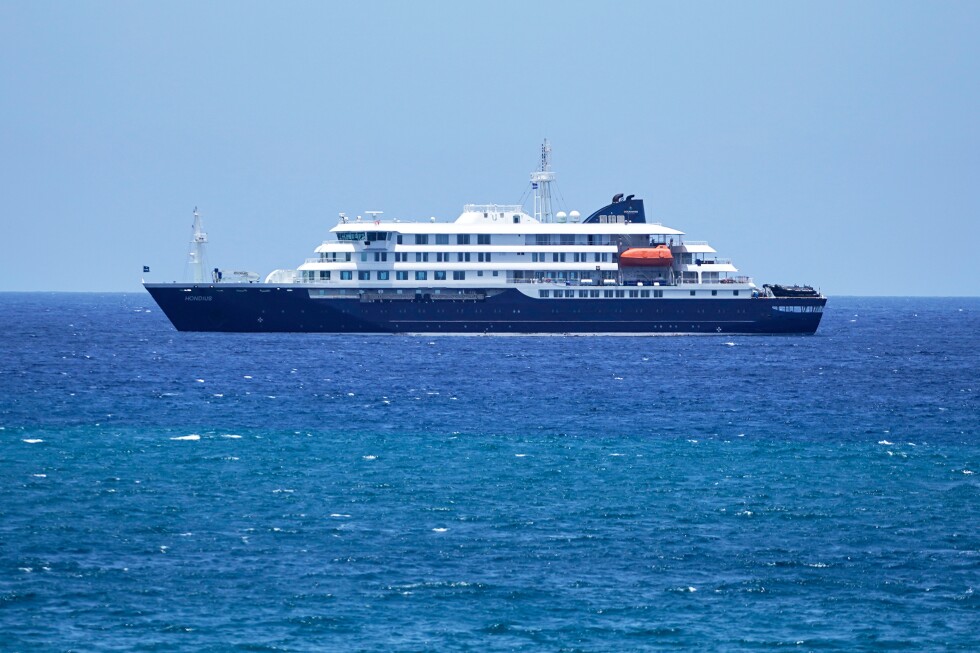
    VANCOUVER, British Columbia — Public health officials in Canada have formally confirmed a positive hantavirus infection in one of four Canadian travelers who recently returned home from the MV Hondius, the cruise ship at the center of a global outbreak that has already claimed three lives. The confirmation from the Public Health Agency of Canada came one day after British Columbia’s provincial public health department announced the case had initially been classified as a presumptive positive, with final testing pending at the National Microbiology Laboratory in Winnipeg.

    In an official public statement Sunday, the national health agency confirmed that only one of the two tested samples from the returning group returned a positive result for the hantavirus. The negative test belonged to the traveling partner of the confirmed case, who is part of the same travel party. Both individuals are a couple in their 70s originally from Yukon, and they are currently receiving care in a Victoria hospital.

    The four Canadian passengers disembarked and returned to British Columbia one week prior to the confirmation. Alongside the Yukon couple, the group includes a second person in their 70s from Vancouver Island, and a 50-something British Columbia native who resides outside of Canada. All four travelers are currently in isolation per public health protocols.

    This newly confirmed Canadian case marks the 10th positive hantavirus infection tied to the MV Hondius outbreak. To date, the outbreak has killed three people, including a Dutch couple that public health investigators identify as the index cases — researchers believe the pair were first exposed to the virus during a stop in South America before boarding the vessel.

    Canadian health authorities have emphasized they are following strict precautionary measures to safeguard the general public. In their statement, the agency noted that the current population-level risk of Andes hantavirus linked to the cruise outbreak remains very low for people living in Canada. As of the update, every confirmed infection connected to the event has been limited to passengers and crew members who were aboard the MV Hondius.

    To support global public health safety, Canada has shared full details of the confirmed case with the World Health Organization, and will continue contributing data to the ongoing international investigation into the outbreak.

  • New York rail strike continues as commuters brace for Monday chaos

    New York rail strike continues as commuters brace for Monday chaos

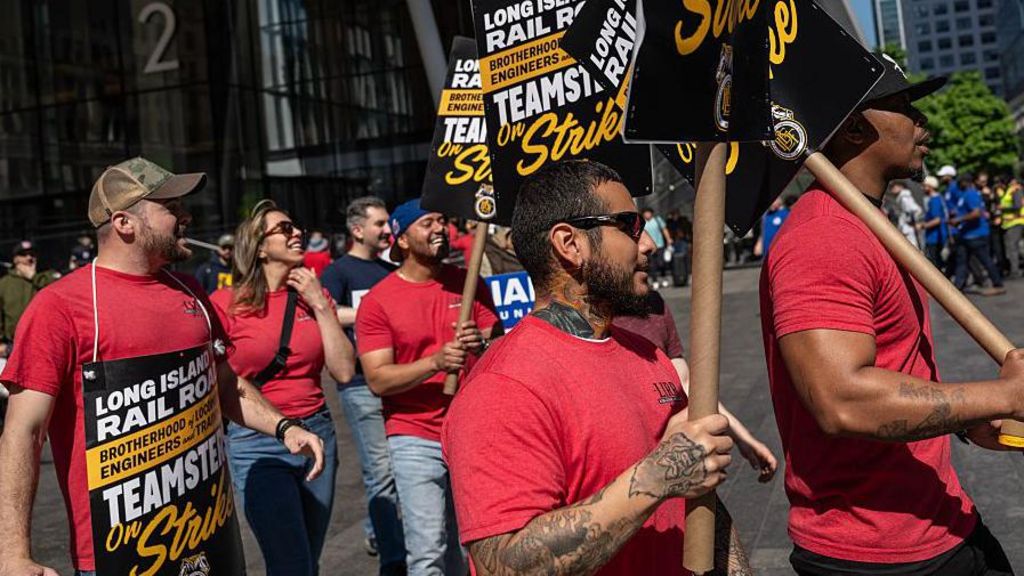
    As the first work stoppage on the Long Island Rail Road in three decades stretched into its second day Sunday, hundreds of thousands of daily commuters across the New York metropolitan region braced for crippling travel disruptions at the start of the workweek, after union and management officials failed to schedule new negotiations to resolve a bitter dispute over wages and working conditions.

    Around 3,500 unionized workers walking off the job at LIRR — the busiest commuter rail system in North America — launched the strike Saturday, when contract talks between labor leaders and the Metropolitan Transportation Authority, which oversees the rail line, collapsed without a resolution. It is the first full strike on the line since a two-day stoppage in 1994, ending a 30-year period of uninterrupted service.

    MTA officials have issued urgent warnings that there is no viable replacement for regular LIRR service, advising daily commuters to plan for remote work whenever possible to avoid gridlock. Limited shuttle bus service is being operated for passengers who have no alternative travel options, but the agency has cautioned that widespread severe congestion and lengthy delays are unavoidable throughout the affected region.

    The work stoppage has already upended travel plans and public events across the city and Long Island. The New York Mets, who play their home games at Citi Field in Queens adjacent to LIRR lines, issued an advance alert to ticket holders for weekend games warning of significant transit access challenges.

    Commuters already began feeling the impact within hours of the strike’s launch. Ramses Brye, a Queens resident, told CBS News — the US news partner of the BBC — that he learned of the walkout mid-trip on his way to an overnight work shift. “I took the train at midnight. That was the last time, and then I looked at the TrainTime app at like 12:30, and, like, yeah, they’re definitely on strike,” Brye said.

    Another regular commuter from Long Island reported that his usual daily trip into Manhattan took far longer Saturday, forcing him to take two connecting buses from Port Washington to reach the city center.

    New York Governor Kathy Hochul has publicly pushed both sides to return to the negotiating table, warning that a prolonged shutdown would spill over to impact local businesses and disrupt the routines of hundreds of thousands of residents who rely on the line for daily travel.

    Union representatives have framed the strike action as a last resort after years of frozen wages for their members. “To every LIRR passenger whose trip is disrupted, know that the MTA left us no choice but to strike,” said Gil Lang, General Chairman of the LIRR General Committee at the Brotherhood of Locomotive Engineers and Trainmen, one of the unions participating in the walkout. “After three years without raises, we cannot make any more compromises to cover for the MTA’s mismanagement,” Lang added.

    MTA chair and CEO Janno Lieber pushed back on the union’s demands in his public comments, arguing that the agency cannot responsibly approve a contract that would destabilize its operating budget. “And we refuse to make a deal that puts it on riders and taxpayers to fund outsized wage increases – far beyond what anyone else at the MTA is getting – and for folks who are already the highest-paid railroad workers in the country,” Lieber said.

    With no formal talks scheduled for Sunday, the prospect of the strike continuing into Monday’s morning rush hour — the busiest travel period of the workweek for the line — grows increasingly likely.

  • In Cannes standout ‘Fatherland,’ Sandra Hüller stuns again

    In Cannes standout ‘Fatherland,’ Sandra Hüller stuns again

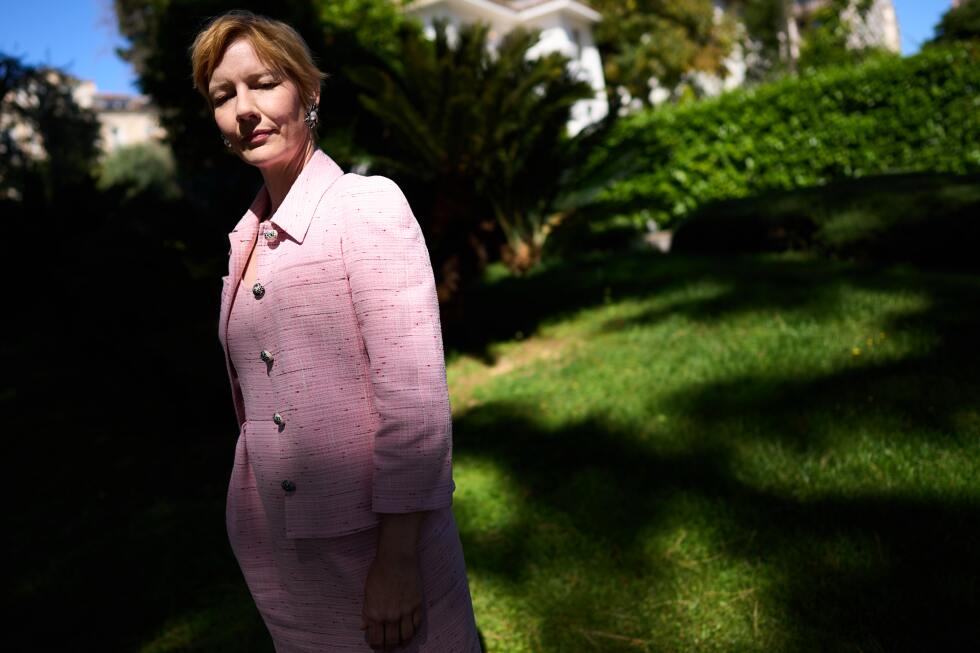
    CANNES, France — For acclaimed German actress Sandra Hüller, unbridled emotional outbursts are not her default performance style, nor her preferred mode of being. Soft-spoken and drawn to quiet reserve, Hüller often builds her most riveting on-screen intensity through stillness, through the quiet power of simply watching a scene unfold. But when her character does finally break into rage, grief, or even unexpected joy — like her viral karaoke scene in this year’s box office hit — the result is nothing short of spectacular.

    “It’s not something I particularly enjoy doing,” Hüller shared in a candid interview in a sun-dappled Cannes garden, pausing to take a drag from a cigarette before reflecting further. “I’m actually more drawn to characters who don’t erupt constantly. To be honest, people who lash out all the time can be pretty draining, right? I much prefer observing others to being the center of attention myself. When you deliver a big, explosive performance, all eyes are on you — I think that’s probably the root of my preference. Don’t worry, I won’t drag you into playing therapist today to unpack all that,” she said with a warm laugh.

    This year, audiences and critics alike are getting the full, breathtaking scope of Hüller’s talent, with four wildly diverse new releases showcasing every corner of her range. The most anticipated of these projects is *Fatherland*, the latest feature from award-winning Polish filmmaker Paweł Pawlikowski, the visionary behind Oscar-winning works *Ida* and *Cold War*, which premiered in competition for the Palme d’Or at the 2026 Cannes Film Festival.

    Within days of its first screening, *Fatherland* — set for a global release later this year via Mubi — has emerged as one of the festival’s most widely praised standout entries and an early frontrunner for the festival’s top prize. Staying true to Pawlikowski’s signature aesthetic, the film is shot in elegant, stark black-and-white, clocks in at a tight 82 minutes, and hums with the unprocessed grief and fractured identity of post-World War II Europe.

    Hüller stars as Erika Mann, daughter of iconic German author Thomas Mann, played by Hanns Zischler. In 1949, the pair return to their divided homeland for a cross-country road trip, moving seamlessly between the U.S.-administered West Germany and Soviet-controlled East Germany. Their old country has ceased to exist, leaving them caught between two opposing new worlds — what Thomas Mann dubs the choice between “Mickey Mouse or Stalin.”

    For Hüller, who was born in former East Germany, *Fatherland* comes on the heels of her chilling, Oscar-nominated turn in Jonathan Glazer’s *The Zone of Interest*, which was set on the grounds of the Auschwitz concentration camp. While her *Zone of Interest* character was complicit in Nazi atrocities, Erika in *Fatherland* is a vehement anti-Nazi, forced to live among former collaborators who refuse to reckon with their actions.

    “Portraying emptiness is an enormous challenge, and I think tackling that is a really big deal,” Hüller explained. “We talk about this period constantly in German history classes, but I never got a real sense of what it actually felt like to live it. We have thousands of photos of women clearing rubble from the streets, because most men were dead or imprisoned after the war. But that feeling of waking up and no longer recognizing the country you were born into — that’s something we rarely connect with.”

    *Fatherland* is far from Hüller’s first iconic turn at Cannes. The festival has already hosted two of her most celebrated career performances: the 2016 critically adored comedy *Toni Erdmann*, and 2023’s Palme d’Or-winning *Anatomy of a Fall*. What makes 2026 unique is the sheer volume of high-profile, diverse work coming from the actress, a career streak most performers only dream of.

    Earlier this year, Hüller took home the Berlin Film Festival’s Silver Bear for Best Leading Performance for *Rose*, a meditative exploration of gender set in the aftermath of the Thirty Years’ War. In the spring’s blockbuster hit *Project Hail Mary*, she co-starred opposite Ryan Gosling, who encouraged her to lean into the spontaneous energy of what became the film’s most beloved scene: a raw karaoke performance of Harry Styles’ “Sign of the Times.” She will also appear in Oscar-winning director Alejandro G. Iñárritu’s highly anticipated upcoming feature *Digger*, set for release later in 2026.

    “I’m almost 50 now, and I feel incredibly lucky to be having this run of experiences right now,” Hüller said. “For a lot of my peers at this age, work slows down, or it feels like the end of the road. That’s not the case for me, and I don’t take that for granted.”

    Just as Erika is torn between two competing worlds in *Fatherland*, Hüller currently moves seamlessly between European art house cinema and major Hollywood blockbusters, thriving in both spaces. “I’ve just been looking at every project that comes my way and asking myself if I can say yes, if I’m ready to take it on,” she explained. “So many new experiences are coming my way that I’ve never had before — I’d be so stupid to turn them down. It’s not about chasing success, really. It’s about growing as a person and an artist, getting to know new spaces so you can move more freely through the world. That brings me so much joy. It’s dangerous, it’s way outside of my comfort zone, but it’s worth it.”

    Despite this unprecedented career high, success has come with a trade-off for Hüller, who identifies first and foremost as a theater actor. She is eager to return to the grassroots theater collective where she honed her craft early in her career; she still directs productions with the group, but her widespread fame makes it impossible for her to step back into an ensemble role without drawing unwanted attention.

    “I miss theater like a heartbroken person misses someone they love,” she said, her eyes filling with tears as she spoke. “Even talking about it right now, I can’t hold back the tears.”

    Pawlikowski, known for his stripped-back, minimalist filmmaking style, occasionally adds spontaneous moments to his meticulously crafted shots. During filming, he came up with a last-minute scene where Erika, who has grown quietly skeptical of her father’s cautious optimism for a new, united Germany, finally confronts him in a shouting match.

    “I told her, ‘Listen, if the scene doesn’t work, I won’t put it in the final cut — just give it your best shot,’ and she was brilliant,” Pawlikowski recalled in an interview at Cannes. “That’s the luxury of working with an actress who can do anything. I just watched her and thought, how did she pull that off? It was even better than what I’d imagined.”

    Hüller didn’t expect Pawlikowski’s unique directorial approach to reshape her acting process, but it did. Pawlikowski’s framing leaves an enormous amount of empty space for performances to breathe, and Hüller had to learn how to occupy that space without falling into stillness that reads as lifeless on camera.

    “It all comes down to presence, awareness, and focus, and having a rich inner life that isn’t necessarily visible on the outside,” she said. “But audiences can feel it, somehow. The more precise that inner movement is, the better it works within Pawlikowski’s very precise, carefully constructed frames. That’s a lesson I had to learn through making this film, and it’s one I’ll carry with me for the rest of my career.”
  • World champions England see off France to clinch another Women’s Six Nations

    World champions England see off France to clinch another Women’s Six Nations

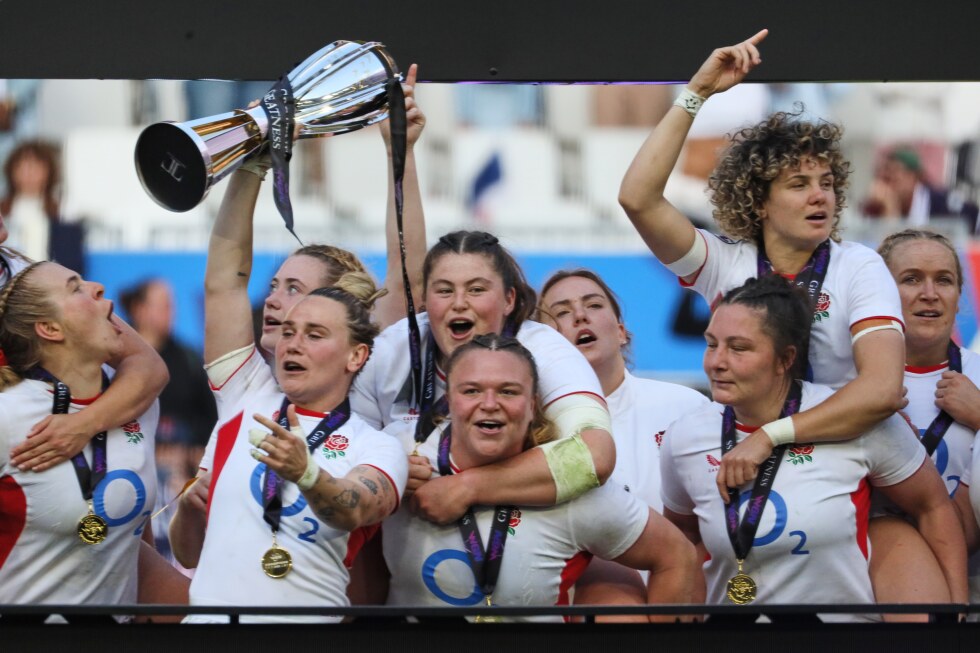
    Reigning world champions England have cemented their dominance in European women’s rugby, securing an eighth consecutive Women’s Six Nations title and fifth straight Grand Slam after a hard-fought 43-28 away win against France in Bordeaux on Sunday. The victory stretched the Red Roses’ extraordinary unbeaten streak, which has now run for nearly four years across 38 consecutive test matches. Sunday’s title decider pitted two undefeated sides against one another, with France entering the clash boasting four wins from four matches just like their English visitors, setting up a much-anticipated battle for the championship crown.

    In a major show of England’s unrivaled depth across the squad, head coach John Mitchell was forced to leave more than a dozen first-team players sidelined for the final fixture, with absences stemming from pregnancy, injury, and retirement following the side’s 2024 World Cup triumph. France got off to a blistering start, putting together a spectacular full-field attacking move that saw scrum-half Pauline Bourdon Sansus cross the line for an opening try, which Carla Arbez converted to give the hosts an early 7-0 lead.

    England responded swiftly, however, with prop Sarah Bern powering over the line for a try converted by fly-half Zoe Harrison to level the scores in the 22nd minute. Seven minutes later, Red Roses captain Meg Jones launched a clever kick downfield from a loose ball, which bounced perfectly into the path of full-back Ellie Kildunne for England’s second try. Four minutes before halftime, a sharp cross-field attacking move ended with right wing Jess Breach extending England’s lead, and Kildunne grabbed her second try before the break to leave the visitors with a commanding 26-7 halftime advantage.

    An early second-half penalty from Harrison pushed England’s lead out to 22 points at 29-7, but France mounted a fierce comeback to claw their way back into the contest. Anais Grando crossed in the right corner for a try, before Bourdon Sansus caught England off guard with a sniping break from a close-range scrum to score under the posts on the hour mark. Arbez converted both tries to cut England’s lead to just eight points at 29-21 heading into the final quarter, setting up a tense finale.

    Breach put a stop to France’s comeback momentum in the 65th minute, when Kildunne delivered a perfectly timed pass to send the winger over for her second try. Harrison’s conversion restored England’s comfortable advantage at 36-21. France’s hopes of a late turnaround were further damaged when replacement scrum-half Alexandra Chambon was sent to the sin bin for a high tackle on Claudia Moloney-MacDonald, leaving the hosts down to 14 players for the final 10 minutes. England sealed the win with a sixth try from Amy Cokayne, who crossed on the blindside from a close-range line-out with two minutes remaining. Harrison added the extra points, and a late converted try from France’s Rose Bernadou on the final play of the game was not enough to alter the final result.

    In earlier kickoffs across the tournament, Ireland delivered a dominant performance to claim third place in the standings, routing Scotland 54-0 in their first ever stand-alone women’s Six Nations match at Dublin’s iconic Lansdowne Road. The Irish side ran in seven tries in a stunning first-half display, with No 8 Aoife Wafer crossing twice to put Ireland 47-0 up at the break. Scotland avoided a scoreless result with a late try from Aicha Sutcliffe on the final play, but the result marked a fourth defeat from five matches for the side in this year’s championship. “The first half was the best version of us and we were excellent,” Ireland coach Scott Bemand told the BBC after the match.

    In Cardiff, Italy ran in seven tries to secure a 43-24 win over Wales, which stretched Wales’ losing streak to a record nine consecutive test matches. Wales held a surprise 19-17 halftime lead, but Italy pulled clear after the break to claim a comfortable win. The result means Wales have finished bottom of the Women’s Six Nations table for the second consecutive year, after losing all five of their 2025 championship fixtures. For head coach Sean Jones, who took charge in January 2024, the defeat leaves him with just one win from 15 tests in charge, and he offered no excuses for the result post-match. “What I’ve just said to the players is that we’ve just got to be better,” he said.

  • Trump warns ‘clock is ticking’ for Iran as peace progress stalls

    Trump warns ‘clock is ticking’ for Iran as peace progress stalls

    Negotiations aimed at ending the ongoing conflict between the United States and Iran have hit a major deadlock, after former President Donald Trump publicly rejected Tehran’s counter-offer to Washington’s initial peace framework, dismissing the proposal as completely unacceptable. The standoff has intensified tensions, with Trump issuing a stark time-sensitive warning to Iranian leadership ahead of a scheduled call with Israeli Prime Minister Benjamin Netanyahu.

    In a post published to his Truth Social platform over the weekend, Trump emphasized that the “clock is ticking” for Iran to adjust its position. “They better get moving, FAST, or there won’t be anything left of them,” he wrote, adding, “TIME IS OF THE ESSENCE!” The harsh public warning came hours before Trump’s scheduled Sunday discussion with Netanyahu, a key US ally in the Middle East, to discuss the stalled negotiation process.

    Iranian state media has pushed back against Trump’s criticism, framing Tehran’s proposal as a constructive, good-faith effort to reach a lasting ceasefire. Semi-official Iranian outlet Mehr News Agency reported Sunday that Washington had failed to offer any tangible concessions in its response to Tehran’s counter-proposal, warning that this lack of flexibility from the US side would cement the current impasse in talks. This is not the first public split between the two sides: earlier this week, Trump already claimed that the ceasefire that has held since early April was on “massive life support” after rejecting Tehran’s core demands, calling its counter-offer to US initial peace proposals “totally unacceptable” garbage.

    Iranian foreign ministry spokesperson Esmail Baghaei has pushed back against this characterization, defending Tehran’s proposal as both “responsible” and “generous”. According to semi-official Iranian news agency Tasnim, the counter-offer lays out several core non-negotiable demands for Tehran. First, it calls for an immediate full cessation of hostilities across all regional fronts — a stipulation that explicitly references ongoing Israeli military operations against the Iran-aligned militant group Hezbollah in Lebanon. The proposal also demands an end to the US naval blockade of Iranian ports, formal international guarantees that no further military attacks will be launched against Iranian territory, payment of compensation for damage sustained during the recent conflict, and formal recognition of Iran’s full sovereignty over the strategically critical Strait of Hormuz.

    The conflict escalated into open military confrontation on February 28, when joint US-Israeli forces launched large-scale air strikes across Iranian territory. A fragile ceasefire designed to create space for diplomatic negotiations went into effect on April 8, and the truce has mostly held in the weeks since, with only sporadic exchanges of fire reported across front lines. Pakistan has stepped in to serve as a neutral mediator between Washington and Tehran throughout the negotiation process, but after weeks of talks, the two sides remain far apart on core sticking points.

    In a notable shift of position announced Friday, Trump indicated that the US would be willing to accept a 20-year suspension of Iran’s nuclear program, a longstanding core point of contention between the two nations. The announcement confirmed a reported policy shift for the Trump administration, which had previously demanded a complete permanent end to Iran’s nuclear activities.

    This is a developing breaking news story, and additional details are expected to be released as more information becomes available.

  • Bulgaria gives its Eurovision winner Dara a grand welcome upon her return home

    Bulgaria gives its Eurovision winner Dara a grand welcome upon her return home

    Hundreds of enthusiastic supporters flooded Sofia’s Vasil Levski Airport on Sunday, waving Bulgarian national flags and cheering loudly to welcome home Dara, the newly crowned winner of the 70th Eurovision Song Contest. Looking exhausted but beaming with joy, the 27-year-old artist stepped off the plane holding aloft her Eurovision trophy, marking a historic milestone for the small Southeast European nation. All major Bulgarian broadcast networks interrupted their scheduled programming to carry live, uninterrupted coverage of the homecoming celebration for viewers across the country.

    Dara, whose full legal name is Darina Yotova, secured Bulgaria’s first ever Eurovision win on Saturday at the competition held in Vienna, topping the leaderboard with her high-energy, crowd-pleasing hit “Bangaranga”. Outperforming 24 other competing artists from across Europe and beyond, the track’s catchy, infectious beats and polished synchronized choreography resonated strongly with both professional jury panels from participating nations and global public voters, whose combined scores determine the annual contest’s champion.

    In brief remarks to reporters upon her arrival, Dara framed her victory as more than just a personal achievement. “This award marks the beginning of my future international career,” she said, adding that the win should draw attention to the depth of creative talent emerging from her home country. “We have done something great for Bulgarian music, and I hope this sends a message that Bulgaria’s performers and artists deserve stronger support. Bulgaria is an exceptionally talented nation that will continue to receive more and more attention,” she added.

    The win has sparked a wave of national pride across Bulgaria, with top political leaders joining public celebrations of Dara’s achievement. Parliamentary Speaker Mihaela Dotsova described the victory as “an inspiration for the nation,” while President Iliana Yotova called it a “triumph for Bulgaria.” Prime Minister Rumen Radev echoed that praise, noting the win is “a victory with global resonance” for the country.

    Sofia Mayor Vassil Terziev was also on hand at the airport to greet the new champion, and confirmed that the Bulgarian capital is already prepared to host the 2027 edition of the iconic song contest. The 2027 event would align with the 20th anniversary of Bulgaria’s accession to the European Union, creating a fitting milestone for the country’s first time hosting the long-running competition.

  • Latest militant attacks on schools in Nigeria leave more than 80 children missing, officials say

    Latest militant attacks on schools in Nigeria leave more than 80 children missing, officials say

    ABUJA, Nigeria – A spate of coordinated militant attacks targeting educational institutions across Nigeria has left more than 80 schoolchildren unaccounted for, local authorities and global human rights organization Amnesty International confirmed Sunday. The abductions mark the latest escalation of a persistent crisis of school kidnappings that has plagued the West African nation, where federal security forces are already engaged in prolonged counterinsurgency operations against multiple jihadi factions and other armed criminal groups.

    The first documented assault unfolded between Wednesday and Thursday in the remote Askira Uba and Chibok local government areas of Borno State, Nigeria’s conflict-ravaged northeastern border region. According to official reports, 42 children were abducted from a local primary school in this strike. Amnesty International pinpointed the attack location as Mussa village, a settlement positioned on the edge of Sambisa Forest – the historic core stronghold for Boko Haram, the long-running insurgent group, and its offshoot, the Islamic State-aligned faction Islamic State West Africa Province (ISWAP).

    Just two days later, a separate pair of attacks hit secondary schools in southwestern Nigeria’s Oyo State, an area where large-scale school abductions have historically been extremely rare. Though Amnesty’s Nigeria office initially put the number of abducted children from the two Oyo State schools at no fewer than 40, local government official Peter Wabba from Mussa confirmed Sunday that updated community counts place the total at 48. The attacks were carried out just hours apart from one another, in the Oriire local government area roughly 220 kilometers outside Nigeria’s commercial hub, Lagos.

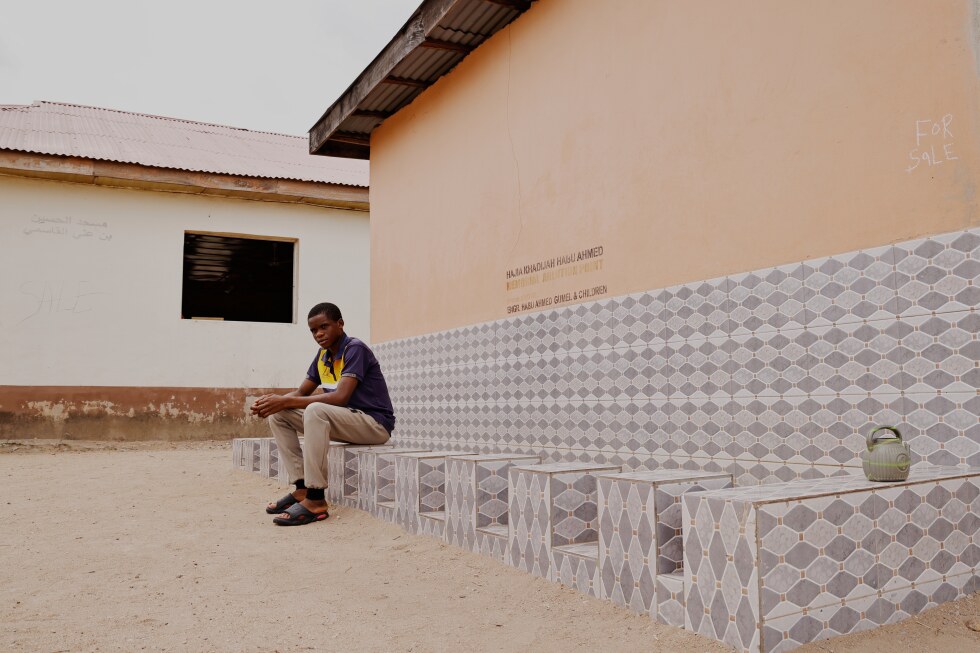
    In its public statement Sunday, Amnesty International issued a stark warning about the cascading social costs of the persistent abduction crisis. The organization noted that widespread fear of kidnapping has already driven thousands of children out of Nigeria’s educational system, with many families pulling underage girls out of classrooms specifically and forcing them into early marriage as a desperate protective measure against attack.

    Local families of the missing children expressed growing frustration with the pace of official response. “The government is assuring us that they are doing their possible best to see that these children are rescued but up till now, we are still waiting,” Wabba told the Associated Press in an interview Sunday. Amnesty further criticized Nigerian authorities for longstanding failures to follow through on commitments to address the crisis, saying that officials “never fulfill promises to investigate the incidents and bring the perpetrators to justice,” adding, “Victims and their families continue to be denied access to justice.”

    Security officials have made limited progress in the Oyo State case, however. On Saturday, police spokesperson Ayanlade Olayinka confirmed to AP that three suspected gunmen linked to the Oyo attacks had been taken into custody. Olayinka said community members identified the suspects, who were subsequently arrested by local law enforcement. Police have not yet clarified whether additional suspects remain at large in the incident.

    Mass school abductions have become one of the most visible markers of systemic insecurity across Nigeria, Africa’s most populous country. While kidnappings for ransom and insurgency-driven abductions are most common in the country’s northern regions, the recent attacks in the southwest mark a troubling expansion of the crisis into previously low-risk areas. In 2023 alone, two high-profile mass school abductions in northern Nigeria shook national public opinion, with more than 300 children taken captive in separate incidents. Security analysts point to a clear strategic logic driving the targeting of schools: armed gangs and insurgent factions view soft, unguarded educational institutions as high-impact targets that generate widespread media and government attention, advancing their political and financial goals.

  • Africa’s Ebola outbreak public health emergency of int’l concern: WHO

    Africa’s Ebola outbreak public health emergency of int’l concern: WHO

    GENEVA – In an official announcement posted to its website Sunday, the World Health Organization (WHO) has formally designated the ongoing Ebola outbreak driven by the Bundibugyo virus across the Democratic Republic of the Congo (DRC) and Uganda as a Public Health Emergency of International Concern (PHEIC), stopping short of classifying the event as a full pandemic emergency.

    The latest epidemiological data published by the WHO, updated through May 16, 2026, paints a preliminary but concerning picture of the outbreak’s spread. In the DRC’s northeastern Ituri Province, health authorities have recorded eight confirmed Ebola cases, 246 suspected cases, and 80 reported deaths among suspected patients. One additional confirmed case has been detected in Kinshasa, the DRC’s capital, marking the virus’s reach into a major urban center far from the original outbreak zone. Neighboring Uganda has also confirmed two cases of Ebola traced back to importation from the DRC, both detected in the Ugandan capital Kampala. To date, researchers have found no clear epidemiological connection between the two Ugandan cases, adding to uncertainties around transmission dynamics.

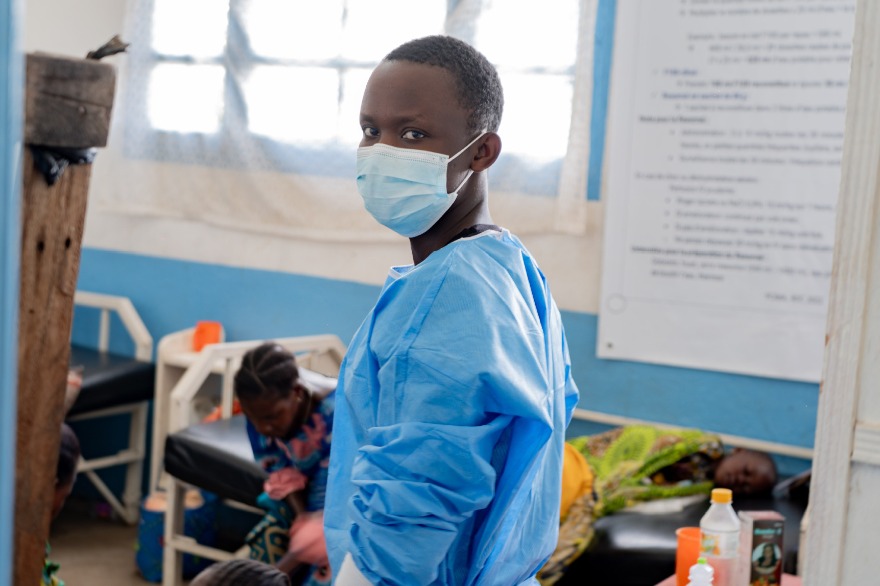
    Among the most alarming early developments is the death of at least four frontline healthcare workers who treated Ebola patients in affected regions. These fatalities have amplified experts’ concerns about ongoing nosocomial, or hospital-based, transmission of the virus, a risk that can quickly overwhelm under-resourced local health systems.

    The WHO emphasized that large gaps remain in understanding the full scope of the outbreak. Significant uncertainty surrounds the actual total number of infections, the full geographic range of virus circulation, and the transmission links connecting confirmed and suspected cases. Compounding these challenges is the absence of any globally approved, targeted therapeutics or vaccines specifically designed to protect against or treat infection with the Bundibugyo strain of Ebola.

    To coordinate a unified global response, the WHO announced it will convene an independent Emergency Committee in the near term to develop evidence-based guidance for response measures for affected nations and the international public health community.

    WHO officials warn that early indicators suggest the outbreak is far larger than current detected and reported case counts indicate. Key red flags include a high positivity rate among initial patient samples, the confirmation of cases in two capital cities (Kinshasa and Kampala), and a steady upward trend in both suspected cases and deaths across Ituri Province. Multiple structural factors are amplifying the risk of widespread spread: persistent insecurity in affected regions that disrupts outbreak surveillance and response, an ongoing humanitarian crisis that has left millions of vulnerable people without access to adequate health care, high cross-border and internal population mobility, the location of current outbreak hotspots in urban and semi-urban areas, and an extensive network of unregulated informal health care facilities that lack infection control infrastructure.