博客

  • Kenya suspends strike after transport paralysis over high fuel prices

    Kenya suspends strike after transport paralysis over high fuel prices

    Just 48 hours after a disruptive nationwide strike over skyrocketing fuel prices brought major Kenyan urban centers to a complete halt, public transport operators have agreed to pause industrial action through next Tuesday to allow for expanded negotiations with the national government. The walkout, which was sparked by a record-breaking fuel price increase tied to Middle East geopolitical instability, left a trail of violence and disruption in its opening days, killing at least four people, injuring 30 more, and leading to more than 700 arrests across the country, according to official Kenyan government figures.

    The strike entered its second day on Tuesday when the tentative deal to suspend action was announced. Interior Cabinet Secretary Kipchumba Murkomen confirmed that the breakthrough followed closed-door consultations between senior government officials and public transport sector representatives. Per the agreement, high-level negotiations addressing the core demands of the transport operators will be convened within the coming seven days.

    Edwin Mukabane, national chairman of the Federation of Public Transport Sector, emphasized that the suspension of the strike is not a sign of satisfaction with current government actions, but a deliberate choice to give diplomatic negotiations a fair shot. “If this is not taken seriously within the seven days, the strike will be back on,” Mukabane warned in a press statement following the talks.

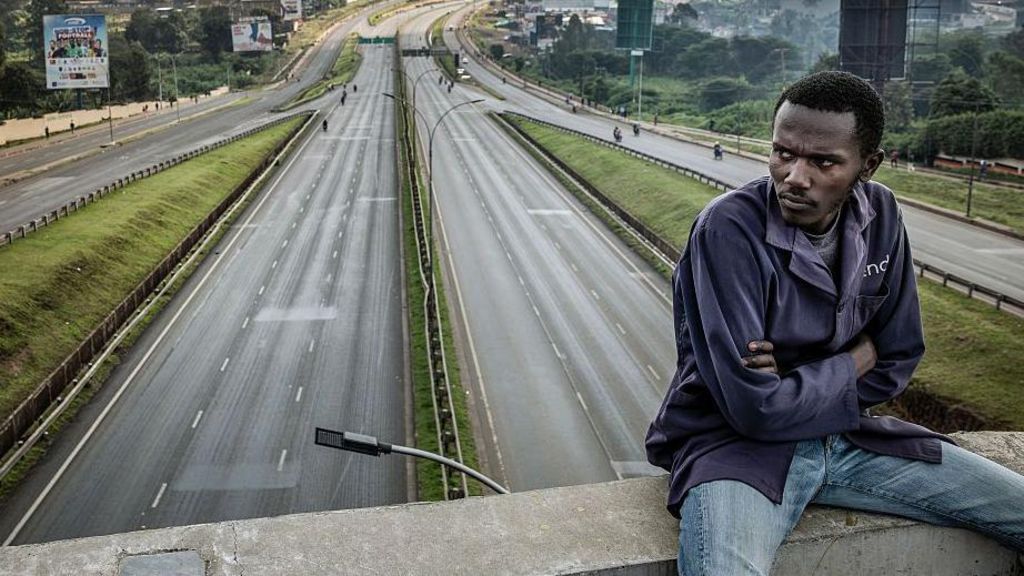
    Well into Tuesday morning, key arterial roads across the capital Nairobi remained largely empty, with most businesses shuttered and schools keeping their doors closed following the unrest. Mirroring the conditions seen on Monday, thousands of ordinary Kenyans were forced to walk long distances to reach work, medical appointments, and other essential destinations, though a small fraction of public transport operators had resumed limited services on select routes by midday. Heavily armed police patrols were deployed across high-traffic areas of the capital to maintain public order, following reports that protesters had blocked key intersections and highways over the 48-hour period. Law enforcement officials have publicly urged all demonstrators to avoid violence, specifically warning against looting and the destruction of public and private property. The Directorate of Criminal Investigations confirmed that probes into Monday’s violent clashes are ongoing, with dozens of arrested suspects already arraigned in local courts.

    The violence has drawn sharp criticism from Kenyan human rights groups. Vocal Africa, a prominent Kenyan civil rights organization, has publicly denounced what it calls “the use of lethal force by law enforcement” against peaceful demonstrators. The Kenya National Commission on Human Rights (KNCHR), a state-funded human rights oversight body, has joined the call for immediate independent investigations into the violence and property destruction that unfolded during the strike, while urging police commanders to mandate strict restraint among deployed officers.

    In contrast to the lingering disruption in Nairobi, coastal tourist hub Mombasa had already returned to a near-normal state by Tuesday, with most public transport services back in operation.

    The current unrest traces back to a record fuel price hike that hit consumers earlier this month. Early talks between government and transport representatives held on Monday produced a preliminary concession: Energy Minister Opiyo Wandayi announced an agreement to cut the price of diesel, which had surged to a historic high of 242 Kenyan shillings ($1.80 USD, £1.40 GBP) per liter. The national energy regulator subsequently implemented a 10-shilling per liter cut to diesel prices, leaving petrol prices unchanged at 214 shillings per liter.

    That reduction fell far short of the transport sector’s demands, however, prompting operators to continue the strike following Monday’s initial meeting. After a follow-up negotiating session held Tuesday morning, Wandayi said the government remains committed to addressing the struggles of ordinary Kenyan fuel consumers and thanked transport leaders for agreeing to pause the strike. Transport operators are pushing for a total 46-shilling per liter cut to fuel prices, which would bring costs back to levels seen before the outbreak of conflict between Israel and Iran that began on 28 February.

    Like many sub-Saharan African nations, Kenya relies almost entirely on imported fuel from Gulf Cooperation Council states, whose production and export routes have been severely disrupted by the ongoing regional conflict. Though a ceasefire has been agreed to by both parties, the Strait of Hormuz — the chokepoint through which roughly one-fifth of the world’s daily global oil supply transits — remains blocked, keeping global energy prices elevated. Last month, the Kenyan government already attempted to ease consumer pressure by cutting value-added tax on fuel from 16% to 8%, a reduction that will remain in place through July. But critics say the move has not been enough to offset the broader price increases driven by the Middle East conflict, leading to the widespread industrial action.
  • Zoe Kleinman: Why the AI industry is the real winner of the Musk-Altman trial

    Zoe Kleinman: Why the AI industry is the real winner of the Musk-Altman trial

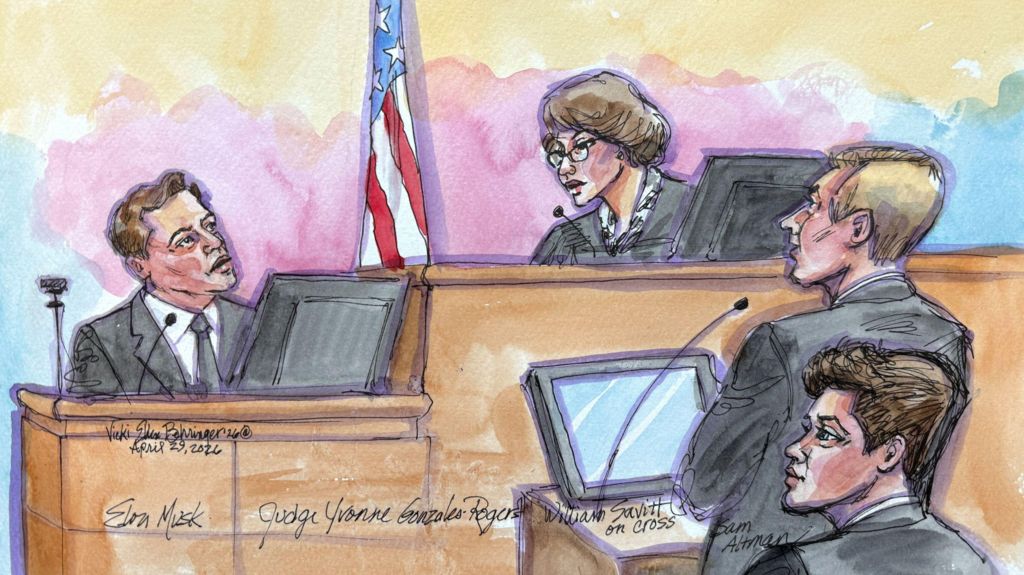
    For weeks, a high-profile legal battle in Oakland, California, has pulled back the curtain on the cutthroat power struggle unfolding between the most influential men at the peak of the global artificial intelligence industry. When the gavel fell on the case pitting billionaire Elon Musk against OpenAI, the verdict sent a clear message: fierce competition and profit-driven ambition in the fast-growing AI sector are just standard business practice, even as Musk walked away with a technical defeat that leaves his original claims unaddressed.

    What many have framed as a watershed moment for the industry does more than resolve one dispute between two former collaborators. It has torn away the carefully cultivated public image of unified collective action that top AI firms have long presented to the public. For years, industry leaders have positioned themselves as collaborative partners working together to advance safe, inclusive AI research for the good of humanity. But this trial has exposed the deep cracks running through that carefully constructed facade.

    This is not the first time the veil of unity has been pulled back. Earlier this year, at a global AI summit hosted in New Delhi by Indian Prime Minister Narendra Modi, tech leaders were invited on stage to hold hands in a show of collective purpose. Among them were Sam Altman, OpenAI’s chief executive, and Dario Amodei, head of rival AI firm Anthropic – one-time colleagues at OpenAI who are now bitter industry competitors. Rather than clasp hands as directed, both men clenched their hands into tight fists to avoid any physical contact, a small but loaded act that laid bare their deep personal and professional animosity.

    The same brand of dramatic, ego-fueled tension played out across the California courtroom over the course of the trial. No party emerged from the proceedings looking like a hero: the entire spectacle laid bare the oversized personal ambitions that drive many of the men vying for control and profit in the multibillion-dollar AI sector.

    For OpenAI, the verdict comes at a critical moment. The company has burned through hundreds of millions in investor capital in its race to scale its AI products, and has recently brought on Denise Dresser, a veteran executive from workplace communication platform Slack, as its new chief revenue officer to build out sustainable income streams. In a recent meeting, Dresser declined to comment on the trial, but outlined OpenAI’s plan to split future revenue equally between consumer users and enterprise clients. She also highlighted the company’s underdiscussed coding tool Codex, which she described as her internal “chief of staff” for day-to-day work.

    Prior to the ruling, economist and author Sebastian Mallaby projected that OpenAI faced a 50% chance of collapsing into bankruptcy by 2027, driven by its massive spending and mounting competitive pressure. Avoiding a multibillion-dollar damage payout to Musk has drastically improved those odds, and clears the way for OpenAI to move forward with its long-rumored initial public offering, which insiders hint could value the company at as much as $1 trillion. Amid widespread market concerns that the AI sector is a overinflated bubble poised to burst, the court outcome has arguably bought the industry vital time to prove its long-term value.

    For Musk, the technical loss is unlikely to cause lasting damage. The world’s richest man has a long history of high-stakes courtroom battles, and his well-documented tendency to hold grudges means he will almost certainly continue to attack OpenAI and Altman via his social media platform X. While the two AI titans have been distracted by their legal clash, competing firms have surged ahead. Anthropic has drawn global attention with its latest large language model Claude Mythos, which the company claims has advanced hacking capabilities – a claim dismissed by some as empty hype but hailed by others as a defining turning point for AI capability. Meanwhile Google, whose early AI advances originally prompted Musk, Altman and other founders to launch OpenAI as a competitor, continues to rapidly integrate generative AI across its most popular consumer and enterprise services.

    Industry analysts and policy experts say the trial leaves far more questions unanswered than it resolves. “The trial served as a reminder of how much the future of AI still depends on a remarkably small group of powerful tech figures and their personal rivalries,” explained Sarah Kreps, director of the Cornell University Tech Policy Institute. The ruling’s focus on a legal technicality “leaves a lot of questions and debates unresolved,” she added, ranging from how cutting-edge AI systems should be regulated to who gets to capture the massive economic gains the sector is projected to generate. The case also highlighted a wider gap between the small group of people building AI technology and the much larger global population that is now expected to live and work alongside increasingly capable systems, Kreps noted.

    Veteran tech journalist Kara Swisher argued the spectacle has done lasting damage to public trust in the AI industry. Speaking to BBC Radio 4’s *Today* programme, Swisher noted that widespread mistrust of AI, particularly among younger generations, has only been amplified by the trial’s drama. “Right now the brand of AI has just been trashed and this certainly doesn’t help,” she said. “When you look at these testimonies of people who are very petty, there’s a lot of weird drama, obsession with money… the whole thing feels weird and dramatic.”

    On balance, the verdict confirms that the global AI sector still holds enormous market value. But it has also definitively exposed the oversized personal egos and cutthroat competition that are driving its fastest growth – a reality that industry leaders have spent years working to hide from public view.

  • Pep Guardiola: Catalan genius who changed football

    Pep Guardiola: Catalan genius who changed football

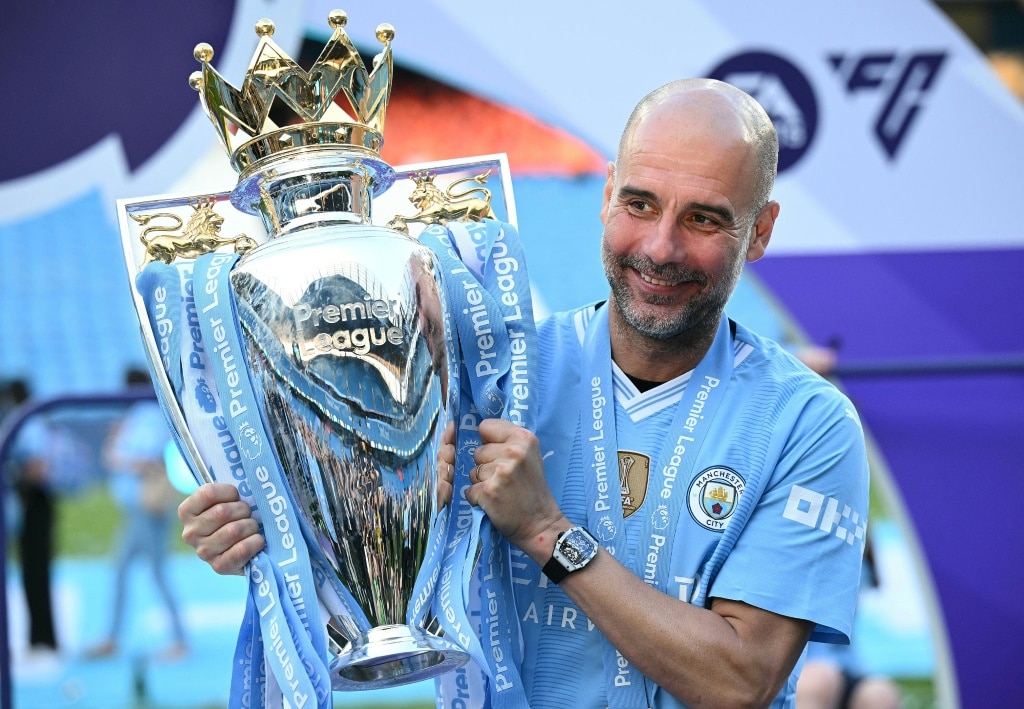
    After a decade of unprecedented success that transformed both Manchester City and the landscape of English football, Pep Guardiola is widely expected to bring his iconic reign at the Etihad Stadium to a close this weekend, leaving behind a legacy few managers in history can match.

    While neither Guardiola nor the club has issued an official confirmation of his departure, multiple reports indicate Sunday’s Premier League clash with Aston Villa will mark the Catalan’s final match in charge of the club. The 55-year-old, who still has 12 months remaining on his current contract, has dodged persistent questions about his future for months, even as City remains in the hunt for a rare domestic treble to cap his final campaign. Guardiola lifted his third FA Cup with the club at Wembley Stadium this past Saturday, and still holds out hope league leader Arsenal will drop points in the final stretch to hand City another league title.

    Guardiola first arrived in Manchester in 2016, already established as one of the most sought-after coaching talents in global football after trophy-laden, era-defining stints at Barcelona and Bayern Munich. Backed by the substantial investment of the club’s Abu Dhabi ownership, he turned a talented but underperforming City side into an unrelenting winning juggernaut in the world’s most commercially lucrative top division. Over 10 years, Guardiola has collected a staggering 20 major honors, including six Premier League titles – four of which came consecutively between 2021 and 2024, a feat never before achieved in English top-flight history. In 2023, he guided City to the first Champions League title in the club’s history, completing a historic treble of league, FA Cup, and European crown that mirrored his 2009 achievement with Barcelona. That triumph made City only the second English club ever to claim a continental treble, following Manchester United’s 1999 success, cementing a permanent power shift in Manchester.

    Beyond silverware, Guardiola’s tenure is defined by his transformative impact on how football is played and coached across England. His signature brand of fluid, possession-focused football and unwavering commitment to building attacks from the back – even under intense high pressure – has been adopted at every level of the English game, from grassroots youth clubs to the top elite sides. A relentless innovator, he redefined tactical flexibility: in 2022, he won the Premier League using an unorthodox system without a recognized starting center-forward, regularly shifting players into unfamiliar hybrid roles to outthink opponents.

    Guardiola’s influence also extends through a new generation of head coaches who cut their teeth under his tutelage. Arsenal’s title-chasing manager Mikel Arteta got his first senior coaching role as Guardiola’s assistant at City, while Enzo Maresca – the favorite to take over the City job if Guardiola departs – is also a former member of his coaching staff. Former City captain Vincent Kompany now thrives as manager of Bayern Munich, and new Chelsea boss Xabi Alonso worked under Guardiola during his time in Munich. His outsize impact on English football even led to brief speculation that he could be tapped to manage the English national team one day.

    Off the pitch, Guardiola has never shied away from speaking out on pressing political issues: he is a public supporter of Catalan independence and has repeatedly advocated for Palestinian children, saying he feels a responsibility to use his high-profile platform to “speak up to be a better society.” A product of Johan Cruyff’s iconic Barcelona youth system, Guardiola played as a holding midfielder for Cruyff’s legendary “Dream Team” and still credits the late Dutch icon as his greatest mentor and inspiration. Rejecting comparisons between his own legacy and Cruyff’s, he noted: “Nobody is like Johan. It’s a big compliment you say that, but nobody is like him, the charisma, personality. He changed the mentality of two clubs — Ajax and Barcelona — as a player and as a manager with a charisma that’s impossible to replicate.”

    Regardless of his own modesty, Guardiola has already secured a place among the greatest coaching talents the sport has ever seen. Manchester City’s scheduled end-of-season title parade through the streets of Manchester on Monday is widely expected to double as a public farewell to the most influential manager of his generation.

    One of the most beloved subplots of Guardiola’s Premier League tenure was his era-defining rivalry with Jurgen Klopp, whose Liverpool side employed an explosive “heavy metal” style of play that pushed Guardiola’s City to consistently greater heights, widely regarded as one of the golden periods of Premier League competition.

  • Victim or enabler? Epstein girlfriend who could face questions despite plea deal

    Victim or enabler? Epstein girlfriend who could face questions despite plea deal

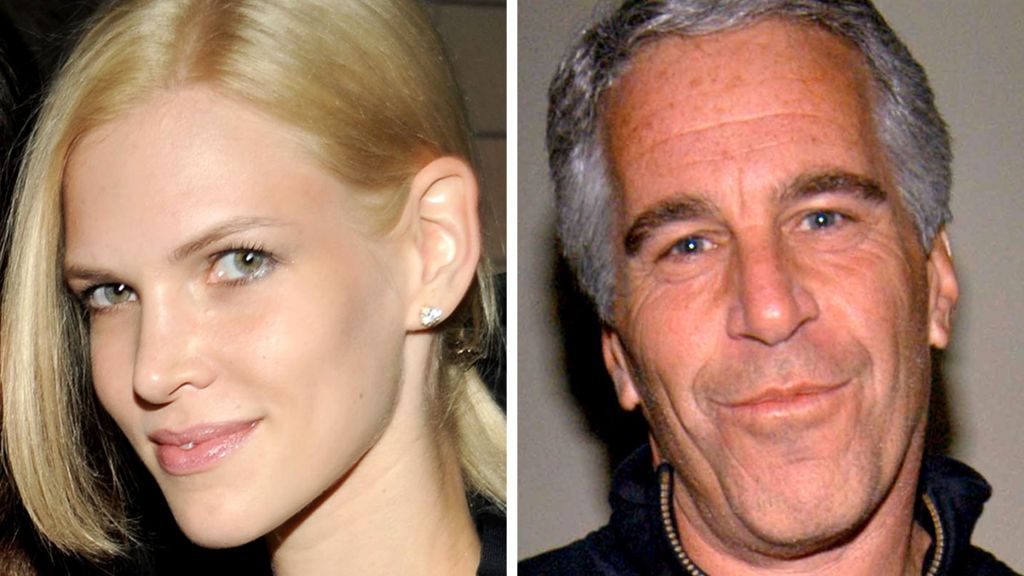
    For nearly a decade after Jeffrey Epstein’s death in prison while awaiting sex trafficking charges, one of his closest partners has remained out of the public eye – but new scrutiny of court documents, private emails and first-hand accounts is pulling Nadia Marcinko into the center of ongoing questions about Epstein’s criminal network.

    Marcinko, a former Slovakian model who trained as a professional pilot, was Epstein’s primary romantic partner for seven years following the end of his sexual relationship with Ghislaine Maxwell, newly analyzed correspondence from Epstein’s personal files confirms. Their connection began in 2003, when 18-year-old Marcinko, then working for a modeling agency run by Epstein’s close associate Jean-Luc Brunel, was introduced to the 50-year-old financier at a New York birthday party. Brunel arranged Marcinko’s U.S. visa, and Epstein funded Brunel’s agency to the tune of $1 million, creating an immediate power imbalance that would shape their entire relationship.

    Born into a stable, upper-middle-class Slovakian family, Marcinko was described by childhood classmates as deeply reserved – a “little grey mouse” who was pushed into modeling as a teenager. Within days of their first meeting, Epstein invited her to his Palm Beach mansion, then to his private Caribbean island Little St. James, and the pair quickly became constant companions. Emails show the pair marked September 17 as their relationship anniversary for years, and by 2009, Epstein acknowledged to a third party that he was “in love with nadia.”

    But the warm exchanges in their correspondence are paired with clear evidence of Epstein’s coercive, controlling behavior. He dictated every detail of Marcinko’s life, requiring her to master domestic skills, complete a fixed reading schedule, and get his approval for any item brought into their shared home, according to a 2009 email. In a heavily redacted Department of Justice document released earlier this year, Marcinko (identified by matching testimony details) told investigators Epstein controlled her weight and clothing, forced her to undergo multiple plastic surgeries, and physically abused her – including choking her and throwing her down a flight of stairs. In one archived email, Marcinko herself accuses Epstein of “abusive partner behavior.”

    A recurring theme through years of emails is Epstein’s demand that Marcinko recruit other women to satisfy his sexual desires. Marcinko complied with these requests, writing in a 2006 message: “I will do what I can, even though if this is simply about you having sex with someone else, I don’t know how it makes our relationship better. I will try to find girls whenever we are in New York.” The BBC’s review of the files found no direct evidence Marcinko ever recruited underage girls, but legal experts note that deceptive recruitment of adults for sexual exploitation can still qualify as trafficking. Even at the height of her involvement, Marcinko acknowledged her discomfort with the dynamic, writing in 2006: “Since I met you, my life revolves around you, there is nothing else I have and it makes me feel very uneasy.”

    During Epstein’s 13-month 2008-2009 prison sentence for a 2008 conviction of soliciting sex from a minor, prison records show Marcinko visited him at least 67 times. That same period, Epstein paid for her to train as a commercial pilot, a skill she pursued enthusiastically, earning multiple certifications and working toward financial independence. After Epstein’s release, their relationship intensified, with emails revealing the pair attempted to start a family together in 2009. They finally split in 2010 after a particularly violent assault, Marcinko told investigators, though she remained connected to Epstein for years afterward: she worked as a co-pilot for his private jet starting in 2012, and Epstein agreed to double her annual income from aviation work as late as 2015.

    In a striking turn, Marcinko began cooperating with the FBI’s Epstein investigation in 2018, a year before Epstein’s second arrest and death in prison. In 2022, when her U.S. visa expired, the FBI supported her application for permanent residency, stating in court filings that she had been “recruited, harbored and obtained by Jeffrey Epstein and others for purposes of a coercive sexual relationship.” Since that ruling, she has dropped out of public view, with public records linking her to a New York Zen Buddhist center as recently as 2024. Her legal team has previously stated she is a victim of Epstein’s abuse, working through trauma and plans to speak out publicly to support other survivors one day.

    Today, Marcinko finds herself facing new calls for investigation. She was one of four women granted immunity from prosecution as part of Epstein’s controversial 2008 plea deal, and while two of the other women – Sarah Kellen and Lesley Groff – are set to be questioned by U.S. congressional investigators this year, Representative Anna Paulina Luna, a Republican member of the House Oversight Committee, has called for all four women (including Marcinko and Adriana Ross) to be probed, claiming all were complicit in the trafficking of minors.

    The case of Marcinko raises a nuanced, critical question that legal experts are still grappling with: Can a person who was a victim of coercive control also be considered an accomplice to crimes committed under that coercion? Bridgette Carr, a clinical law professor at the University of Michigan who specializes in human trafficking victim advocacy, says the key distinction lies in whether a victim was able to escape the perpetrator’s power before committing criminal acts. “The line I draw is whether the victim has ever been away from the power and control of the perpetrator,” Carr explains. “What matters is whether it’s reasonable that [the victim] would believe that that perpetrator [still] has power over them.”

    For outsiders, the full scope of the choices Marcinko made during her 15-year association with Epstein can never be fully known, but one 2012 email she sent to Epstein offers a rare glimpse into her own conflicted conscience: “I do not want to be with you, but it upsets me to see you use the same exact patterns to seduce, manipulate, and ultimately control and hurt other girls. I don’t even like them and I actually feel guilty about knowing how they will end up. I know what you are capable of and I will always be protective of you out of pure loyalty and stubbornness, but my conscience is far from clear.” The BBC reached out to Marcinko for comment for this report, and received no response.

  • Deadly shooting at San Diego mosque leaves 5 dead, including teen suspects

    Deadly shooting at San Diego mosque leaves 5 dead, including teen suspects

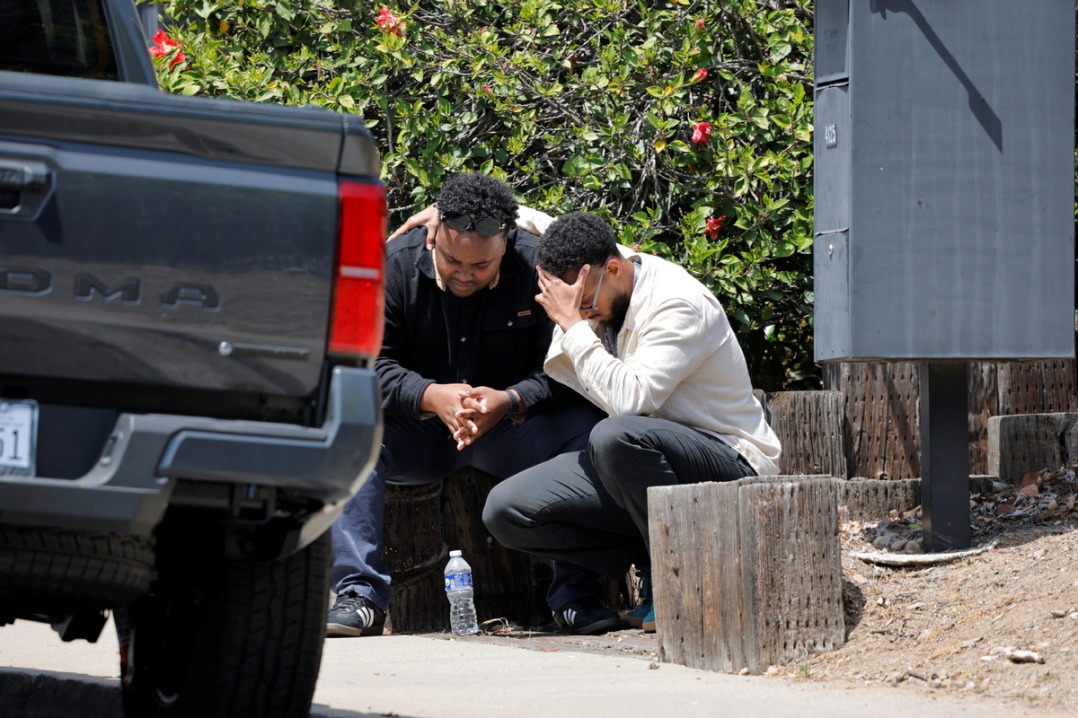
    On May 18, 2026, a mass shooting at the Islamic Center of San Diego, one of Southern California’s largest Muslim places of worship, left five people dead, three congregants and two teenage suspects, and sent shockwaves through Muslim communities across the American West Coast. What began as a routine Monday of worship and study at the mosque in San Diego’s quiet Clairemont neighborhood erupted in violence shortly before noon, triggering an immediate large-scale response from local law enforcement.

    San Diego Police Chief Scott Wahl told reporters that officers arrived on scene within four minutes of the first active shooter call. First responders discovered three fatally shot adult victims outside the building, among them a security guard who officials have credited with stopping the attack from becoming far deadlier. “The security guard played a pivotal role in keeping this from being much worse,” Wahl confirmed at a press briefing shortly after the shooting.

    As law enforcement teams swept the mosque and its surrounding grounds for additional threats, reports of fresh gunfire surfaced several blocks from the site of the initial attack. Authorities ultimately tracked the two suspects, 17-year-old and 19-year-old males, to a vehicle where they were found dead from what appear to be self-inflicted gunshot wounds, according to police statements.

    Investigators are currently working to confirm that anti-Muslim extremist ideology motivated the attack. The Los Angeles Times reported that law enforcement found a cache of hate-related materials, anti-Islamic writings, and a suicide note referencing racial supremacy inside the suspects’ vehicle. Authorities also noted that at least one of the firearms used in the shooting is believed to have been obtained from one of the suspects’ parent’s home. The Federal Bureau of Investigation has joined local law enforcement to lead the investigation, which is officially being treated as a hate crime probe.

    The Islamic Center of San Diego does not only operate as a place of worship – it also hosts an accredited K-12 Islamic school on its grounds. Police immediately evacuated all students and staff from the campus during the response, and community leaders later confirmed that no children were harmed in the attack. The timing of the violence, which came at the start of Dhu al-Hijjah, one of the holiest months in the Islamic calendar when Muslims worldwide prepare for the annual Hajj pilgrimage and Eid al-Adha celebrations, has deepened the community’s trauma.

    “This is obviously very alarming,” said Deana Helmy, chair of the Islamic Shura Council of Southern California. “This is a house of worship. There’s a school with children there who are trying to learn.” Taha Hassane, the mosque’s long-serving imam, added that the attack had left an unprecedented mark on the local Muslim population. “We have never experienced tragedy like this before,” Hassane said. “It is extremely outrageous to target a place of worship.”

    In the wake of the shooting, regional civil rights groups including the California chapter of the Council on American-Islamic Relations (CAIR-California) have begun working with mosques across the state to audit and upgrade existing security protocols to prevent similar attacks. Both California Governor Gavin Newsom and San Diego Mayor Todd Gloria confirmed they have received full briefings on the incident and issued statements praising the speed and work of first responders at the scene.

    As of May 19, the investigation remains ongoing, with authorities still working to piece together the full sequence of events and confirm all motivating factors behind the attack. The shooting has renewed conversations about rising anti-Muslim hate violence and gun control in the United States.

  • Security surveillance officer wins legal fight with boss after being sacked for falling asleep on the job

    Security surveillance officer wins legal fight with boss after being sacked for falling asleep on the job

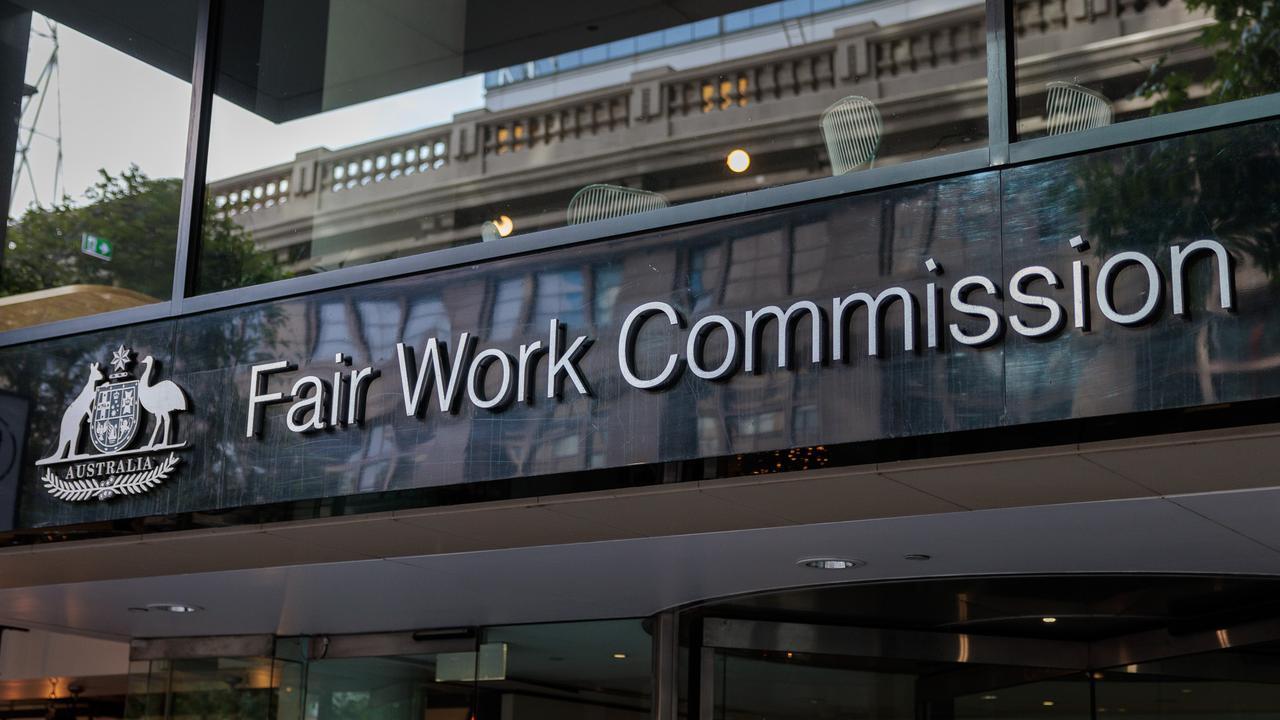
    An Australian casual security surveillance officer has secured a legal victory after the country’s Fair Work Commission (FWC) ruled his termination for falling asleep on duty was harsh and unjust.

    Chanaka Ranawakage had been employed by MSS Security, a national security services provider contracted to government agencies across Australia, for roughly one year before his dismissal in October last year. The officer was assigned to a 7pm to 5am night shift with Sydney Trains, the New South Wales state government-owned rail operator, when he was spotted sleeping in his personal vehicle while on shift.

    Three misconduct allegations were brought against Ranawakage following the incident: that he failed to complete required patrols for an extended period, neglected to offer backup to his work partner, putting the colleague at unnecessary risk, and was found asleep on duty with a sports match streaming on his mobile phone. FWC Deputy President Judith Wright, who delivered the ruling on Tuesday, only upheld the third allegation, dismissing the other two claims due to lack of supporting evidence.

    Ranawakage argued he had been on an official break when he fell asleep, though he acknowledged he failed to log the break in his shift records. Wright accepted this account, noting there was no evidence the officer had already taken his allotted break time earlier in the shift. She also confirmed that MSS Security and Sydney Trains did not prohibit surveillance officers from streaming content during breaks, as long as they remained available to respond to operational alerts. Wright did, however, agree that sleeping during a break ran counter to the requirements for on-duty staff to remain alert and responsive at all times.

    Despite confirming the misconduct, Wright found the termination was disproportionate to the offense. Key to her ruling was the fact that Ranawakage had maintained a spotless, positive employment record with MSS Security in the year leading up to the incident, with no prior performance concerns. Wright also noted the incident was an isolated, unintentional occurrence, not a deliberate violation of company policy. She pointed out that the discovery of Ranawakage sleeping came shortly after Sydney Trains had raised broader concerns about security staff napping on shift, making it an unfortunate coincidence rather than a pattern of poor conduct.

    Instead of ordering Ranawakage’s reinstatement to the role, the FWC ruled that appropriate remedy for the unfair dismissal was financial compensation. MSS Security has been ordered to pay Ranawakage the equivalent of five weeks of base wages, plus additional superannuation contributions, minus standard tax deductions. The ruling has drawn attention to workplace justice standards in Australia’s security sector, where casual workers often face less job protection than permanent employees, and highlights the FWC’s approach to balancing employer policy requirements with fair treatment of staff for isolated, low-severity misconduct.

  • Channel 4 pulls episodes of ‘Married at First Sight UK’ after sexual misconduct claims

    Channel 4 pulls episodes of ‘Married at First Sight UK’ after sexual misconduct claims

    U.K. broadcaster Channel 4 has removed every episode of its popular reality dating series *Married at First Sight UK* from all its streaming and on-demand platforms, following explosive claims from three former contestants that they were sexually assaulted by their on-screen matched partners on the show.

    The allegations mark one of the most serious controversies to hit reality television in the U.K. in recent years, with both the broadcaster and national government weighing in on the gravity of the claims. A spokesperson for the British government stated Tuesday that any criminal activity or unethical behavior connected to the case must face appropriate consequences.

    First developed as a Danish original format, *Married at First Sight* has grown into a global reality franchise, with localized adaptations airing in more than a dozen countries including the United States, Australia and South Africa. The show’s core premise pairs complete strangers based on compatibility assessments from relationship experts, who then walk the participants down the aisle for a legally non-binding wedding ceremony, before requiring the new couples to immediately move in together and begin living as spouses.

    According to claims unearthed during an investigation by BBC’s flagship current affairs series *Panorama*, two female former contestants allege they were raped by their on-screen husbands, while a third contestant says she endured a non-consensual sexual act at the hands of her matched partner. The BBC has confirmed that none of the three accusers have formally filed reports with law enforcement, and all three men named in the allegations have publicly denied the claims.

    Caroline Dinenage, a Conservative lawmaker who chairs the House of Commons Culture, Media and Sport Committee, which oversees broadcasting standards in the U.K., told the BBC that the series’ premise inherently creates avoidable risk for participants. “It’s a TV show that almost expects and anticipates people that have only just met will have to become really quite intimate with each other,” Dinenage explained. “They’re expected to share a bed and a life together within minutes of meeting. It almost feels like an accident waiting to happen.”

    The British adaptation of the series is produced by independent production studio CPL, which has aired 10 full seasons on Channel 4 to date, with an 11th season already scheduled to premiere later in 2025. CPL had not issued a formal response to requests for comment on the allegations as of Tuesday.

    Channel 4 officials defended the network’s existing participant protection policies, noting that the series was produced under “some of the most comprehensive and robust welfare protocols in the industry.” These measures include mandatory criminal background checks for all contestants, a publicly shared code of conduct outlining clear behavioral standards, and daily check-ins with each participant carried out by a dedicated specialist welfare team. Even so, the network has launched a full independent review of all participant welfare standards and protocols connected to its unscripted programming.

    “I want to express my sympathy to contributors who have clearly been distressed after taking part in *Married at First Sight UK*,” said Priya Dogra, Chief Executive of Channel 4. “The well-being of our contributors is always of paramount importance.”

    The allegations are the latest in a long line of scandals that have fueled ongoing public debate across Britain about the ethical treatment of reality TV contestants and the excessive psychological and emotional pressure placed on participants. High-profile past controversies include the 2018 and 2019 suicides of two former *Love Island* contestants, followed by the 2020 death by suicide of *Love Island* host Caroline Flack, which prompted widespread calls for sweeping industry reform.

    Other major British broadcasters have also faced growing scrutiny over participant treatment in recent months. Just this year, the BBC introduced mandatory chaperones for all contestants and professional partners on its hit dance competition *Strictly Come Dancing*, following a wave of bullying and harassment allegations in 2024. In 2024, the network also fired long-time *MasterChef* hosts Gregg Wallace and John Torode after internal investigations into separate claims of inappropriate workplace behavior.

    This story includes discussion of sexual violence. If you or someone you know needs help, please call the National Sexual Assault Hotline at 1-800-656-4673 in the U.S.

  • Spanish fashion magnate’s son arrested on suspicion of involvement in his death

    Spanish fashion magnate’s son arrested on suspicion of involvement in his death

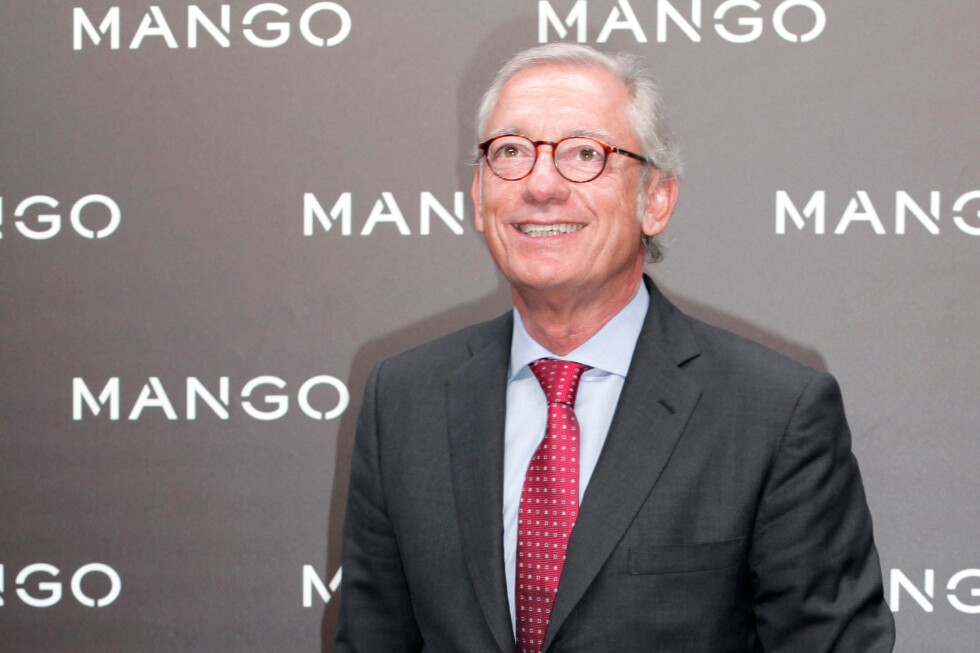
    In a major development in a high-profile case that has gripped Spanish business and legal circles, Catalan regional police have arrested Jonathan Andic, 45-year-old vice chairman of Spanish fast fashion giant Mango and eldest son of the brand’s billionaire founder Isak Andic, in connection with his father’s fatal cliff fall in late 2024.

    The incident first unfolded last December, when 71-year-old Isak Andic fell approximately 150 meters (nearly 500 feet) from a cliff while hiking in mountain terrain outside Barcelona. At the time, Jonathan Andic was the only person accompanying the retail tycoon and the sole witness to the accident. Law enforcement initially launched an inquiry into the death but closed the case within weeks, only to reopen the probe last March. By October, regional police confirmed they were re-examining the death as a suspected homicide, leading to this week’s arrest.

    A spokesperson for the Catalan regional police force Mossos d’Esquadra, who requested anonymity in line with department protocol, confirmed Tuesday that the suspect has been transferred to court facilities in Martorell, the eastern Spanish city where the investigation is currently based. The spokesperson also noted that a court-ordered nondisclosure order remains in effect for the case, barring the release of additional details about the ongoing probe.

    Beyond the legal investigation, the case casts an unexpected shadow over a landmark year for Mango, the retail empire built by Isak Andic over four decades. Born to a Turkish family, Andic relocated to Spain in his youth and opened the brand’s first boutique in Barcelona in 1984. Under his leadership, Mango expanded from a single local store to one of Europe’s most dominant fast fashion players, with a global footprint spanning 2,900 locations across 120 international markets. Most recently, the company announced a record-breaking 2025 fiscal performance, with total annual revenue climbing 11% year-over-year to nearly 3.8 billion euros (equivalent to 4.4 billion U.S. dollars).

    As heir to his father’s estate and a top executive at the firm, Jonathan Andic has held a key leadership role at Mango for years. The arrest marks an unprecedented twist in a case that has drawn widespread public attention across Spain, as the investigation proceeds under court-ordered secrecy.

  • Ebola may be spreading faster than first thought, WHO doctor warns

    Ebola may be spreading faster than first thought, WHO doctor warns

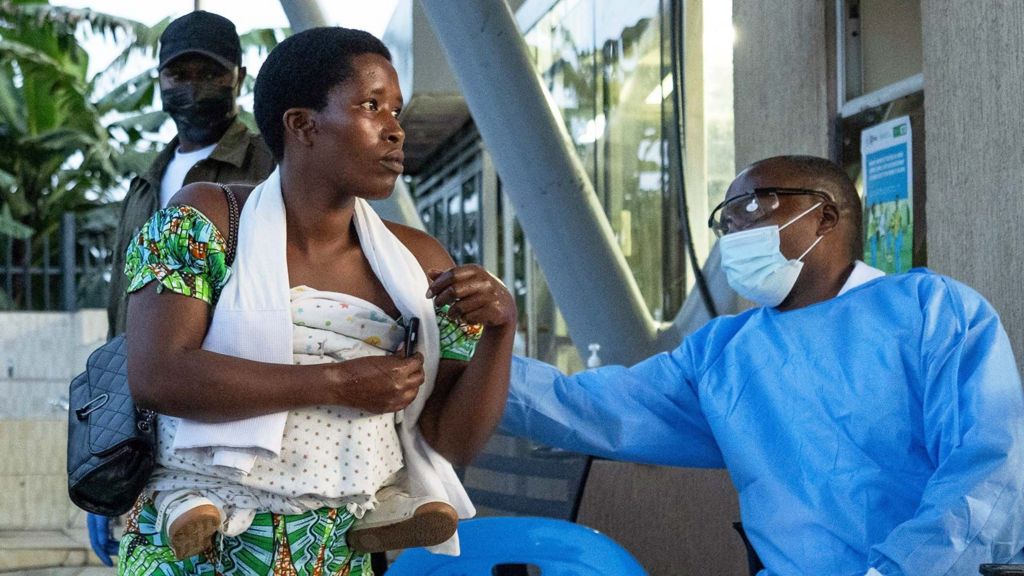
    An ongoing Ebola outbreak originating in the Democratic Republic of the Congo (DRC) has spread faster and wider than initial assessments projected, international health officials have warned, with cases already detected in neighboring Uganda and multiple provinces across the unstable Central African nation. As of Tuesday, official counts put suspected cases in the DRC at more than 513, with 131 recorded fatalities in the country and one additional death in Uganda. But new analysis from the London-based MRC Centre for Global Infectious Disease Analysis suggests official numbers are likely far lower than the actual caseload, with researchers warning that substantial under-detection could mean the total number of infections has already surpassed 1,000. The true size of the outbreak remains uncertain, the study added, noting that current confirmed figures understate the outbreak’s real scale.

    The World Health Organization (WHO) representative to the DRC, Dr. Anne Ancia, told the BBC that expanded on-the-ground investigations have confirmed the virus has reached multiple new regions, including the conflict-affected province of South Kivu and Goma, eastern DRC’s largest population center home to roughly 850,000 residents that is currently controlled by Rwandan-backed armed groups. The outbreak’s epicenter remains DRC’s Ituri province, a chronically insecure region marked by widespread forced population displacement that has severely complicated response efforts. “The more we are investigating this outbreak, the more we realise that it has already disseminated at least a little bit across border and also in other provinces,” Ancia explained. Chronic instability across multiple affected provinces pushes residents to move frequently, raising the risk of further transmission, she added.

    The Red Cross echoed the WHO’s warning, noting that all the conditions that allow Ebola to escalate rapidly—delayed case identification, low community awareness, and strained health systems—are already present in the current outbreak. DRC President Félix Tshisekedi called for calm and urged citizens to maintain vigilance following an emergency crisis meeting on the outbreak Monday evening. WHO Director-General Tedros Adhanom Ghebreyesus, who declared the outbreak a Public Health Emergency of International Concern (PHEIC) last week, said he is deeply alarmed by both the size and acceleration of the epidemic.

    Health investigators believe the outbreak had been circulating for several weeks before it was first officially detected on April 24. Complicating response efforts further, there is no approved vaccine for the specific viral strain driving the current outbreak: the rare Bundibugyo strain, which has only caused two recorded outbreaks previously, with roughly a third of infected patients dying from the disease. The WHO is currently evaluating whether existing antiviral treatments developed for other Ebola strains may offer some protection against Bundibugyo.

    Neighboring and regional countries have already implemented emergency precautions to slow cross-border spread. Rwanda has closed its entire border with the DRC, while Uganda has advised citizens to avoid traditional greetings including hugs and handshakes, and multiple other African nations have tightened entry screenings and prepped health facilities to handle potential cases.

    International fallout from the outbreak has already spread beyond Africa: an American citizen, identified as missionary doctor Peter Stafford, developed Ebola symptoms over the weekend and is being evacuated to Germany for treatment. The U.S. Centers for Disease Control and Prevention (CDC) confirmed it is also coordinating the evacuation of at least six other American citizens who had potential exposure to the virus.

    WHO and partner humanitarian organizations are currently working alongside DRC government officials and local community leaders to contain transmission, urging residents to follow public health safety guidelines and seek immediate care at the nearest health facility if they develop any Ebola symptoms.

    Ebola is a viral infectious disease that begins with flu-like symptoms including fever, headache, and fatigue. As the infection progresses, patients often develop vomiting and diarrhea, which can progress to organ failure; some patients also experience internal and external bleeding. The virus spreads through direct contact with infected bodily fluids such as blood or vomit. The 2014-2016 West African Ebola epidemic, caused by the Zaire strain for which an approved vaccine now exists, remains the largest outbreak of the virus since its discovery in 1976, with more than 28,600 confirmed infections and 11,325 recorded deaths across multiple countries including Guinea, Sierra Leone, the United States, the United Kingdom, and Italy.

  • Two bodies of missing Italians recovered from inside Maldives cave

    Two bodies of missing Italians recovered from inside Maldives cave

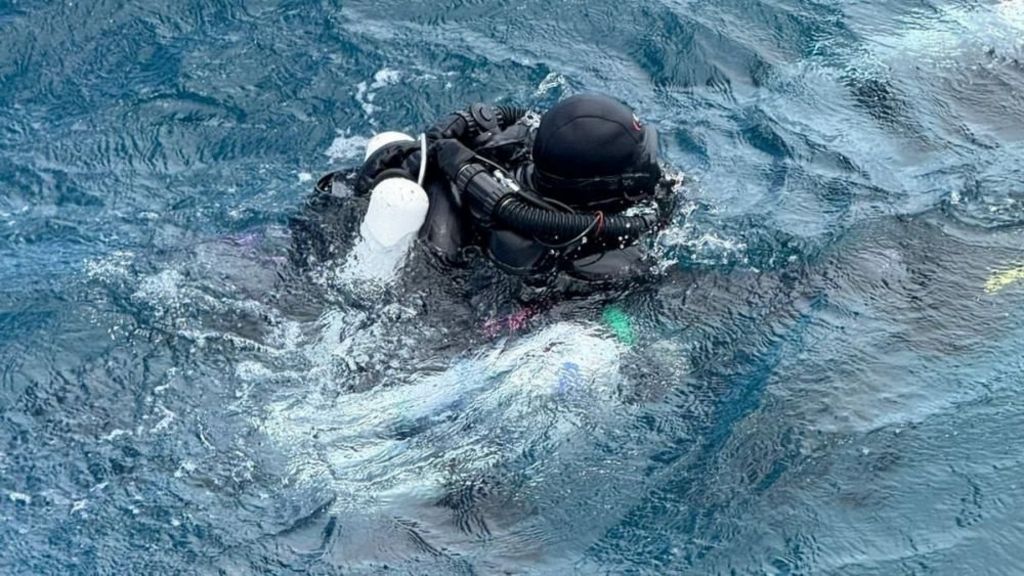
    A deadly scuba diving incident off the coast of the Maldives last week has left five people dead, with recovery teams continuing the grim work of retrieving the remaining victims trapped in a deep underwater cave. On Tuesday, a team of specialized Finnish divers successfully pulled the bodies of two Italian divers from the third chamber of the infamous local site known as Shark Cave, capping a difficult two-hour retrieval operation, Maldivian government spokesperson Mohamed Hossain Shareef confirmed to the BBC.

    The two recovered remains are now being transported to the Maldivian capital Male for formal identification. The tragedy unfolded last Thursday near Vaavu Atoll, when a group of divers entered the unapproved cave system, which reaches depths of up to 60 meters (197 feet). The first victim, Italian diving instructor and boat operations manager Gianluca Benedetti, was recovered shortly after the accident, according to local reports.

    The disaster claimed a fifth life on Saturday, when a Maldivian rescue diver died during an initial search effort for the missing divers. On Monday, Finnish specialist divers located four of the missing divers in the cave chamber furthest from the entrance, clearing the way for Tuesday’s retrieval of two of the bodies. Recovery operations for the two still-trapped victims are scheduled to resume Wednesday, with local officials expressing cautious optimism that both will be recovered by the end of the day.

    Investigators hope that full retrieval of all victims will help shed light on the exact sequence of events that led to the accident. The recovery operation has been classified as highly complex from the start, due to the cave’s extreme depth, tight interior corridors, and extremely poor visibility. The cave’s entrance already sits 47 meters below the surface, with its interconnected chambers ranging to even greater depths. Complicating matters further, weather conditions on the day of the accident were rough, with local authorities having already issued a yellow warning advising against activity for passenger boats and fishing vessels.

    New details have also emerged about the dive team’s background: four of the Italian divers were affiliated with the University of Genoa, but institutional representatives told the BBC the university never authorized any deep-sea diving activity as part of the team’s research mission in the region. “Any requests submitted to the Maldivian authorities were evidently made outside the scope of the mission authorised by the University,” a university spokesperson said. Maldivian government officials confirmed the team held a permit to dive to a maximum depth of 50 meters, but never disclosed their plan to explore Shark Cave in their permit application.