博客

  • Russia holds massive drills of its nuclear forces as Ukraine steps up its drone attacks

    Russia holds massive drills of its nuclear forces as Ukraine steps up its drone attacks

    On Tuesday, Russia initiated a sweeping, three-day set of exercises for its nuclear-capable military forces, a major show of strength that comes as Ukrainian drone attacks on Russian territory have grown dramatically in frequency and intensity in recent weeks.

    According to statements from the Russian Defense Ministry, the maneuvers are among the largest planned nuclear drills in recent years, involving a massive deployment of military hardware and personnel: 64,000 active troops, more than 200 missile launch systems, over 140 military aircraft, 73 surface warships, and 13 submarines. Eight of the participating submarines are armed with nuclear-tipped intercontinental ballistic missiles (ICBMs), putting the full scope of Russia’s sea-based nuclear deterrent on display. The drills will include live practice launches of both nuclear-capable ballistic missiles and cruise missiles, the ministry confirmed.

    The core focus of the exercises, Defense Ministry officials noted, is refining protocols for “the preparation and use of nuclear forces under the threat of aggression.” The drills also integrate joint training with Belarus, Russia’s closest western ally that already hosts Russian nuclear weapons on its territory, including the advanced new Oreshnik intermediate-range nuclear-capable missile system.

    The timing of the maneuvers is not accidental. They unfold against a backdrop of sharply escalating Ukrainian drone strikes deep inside Russian territory. Over the weekend, a large drone barrage targeted Moscow’s outlying suburbs, killing three civilians and damaging multiple residential and industrial buildings. These increasingly frequent and impactful strikes have created a growing challenge for the Kremlin, which has long attempted to frame the ongoing conflict in Ukraine as a distant operation that does not disrupt the daily lives of ordinary Russian citizens. The spread of attacks to major population centers close to the Russian capital has undermined that narrative.

    This nuclear saber-rattling aligns with a long-standing strategy Russian President Vladimir Putin has pursued since launching the full-scale invasion of Ukraine in February 2022: repeatedly drawing global attention to Russia’s massive nuclear arsenal to deter Western nations from expanding military support to Kyiv. Tuesday’s drills also kicked off on the same day that Putin began a high-profile two-day official visit to China, where he is set to reaffirm the deepening strategic partnership between Moscow and Beijing.

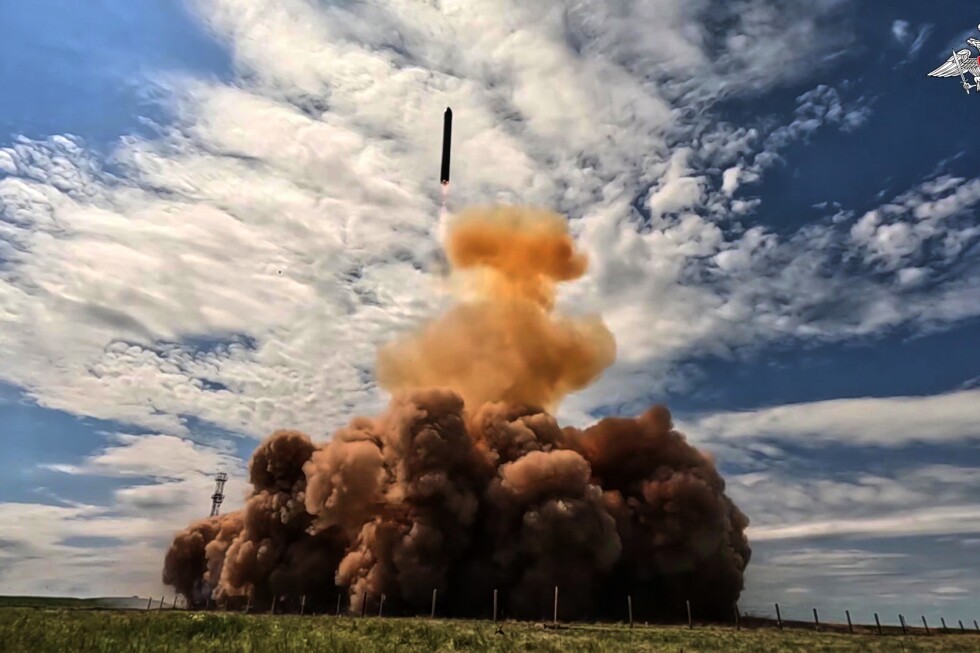
    Just one week before the drills, Putin publicly celebrated the successful test launch of the new Sarmat intercontinental ballistic missile, a system designed to replace aging Soviet-era ICBMs and bolster Russia’s long-range nuclear strike capacity. In 2024, Putin enacted a revised Russian nuclear doctrine that significantly lowered the threshold for a potential Russian nuclear response: the document states that any conventional attack on Russia backed by a nuclear-armed power will be treated as a combined attack on the Russian state. Analysts widely view this revision as a direct warning to the West aimed at blocking Ukraine from gaining access to longer-range Western weapons that can strike deeper into Russian territory.

    Hardline Russian commentators and military hawks have long pressured the Kremlin to take harsher retaliatory action against Ukrainian drone attacks, arguing that Russia should target production facilities in NATO member European countries that supply Ukraine with drone components. Last month, the Russian Defense Ministry took an unprecedented step, publishing a public list of European factories it says are involved in manufacturing drones and parts for the Ukrainian military. The ministry issued a clear warning that any Ukrainian drone attacks on Russian territory using European-built hardware carry the risk of “unpredictable consequences” for the countries hosting those facilities, a threat that has raised tensions between Russia and the Western alliance even further.
  • NATO jet shoots down what’s believed to be a Ukrainian drone over Estonia

    NATO jet shoots down what’s believed to be a Ukrainian drone over Estonia

    On Tuesday, a NATO air policing F-16 fighter jet operated by Romania intercepted and shot down an unidentified aerial object later confirmed to most likely be a Ukrainian drone over southern Estonia, according to Estonian national authorities, intensifying already simmering cross-border tensions tied to Ukraine’s expanding long-range drone campaign against Russia.

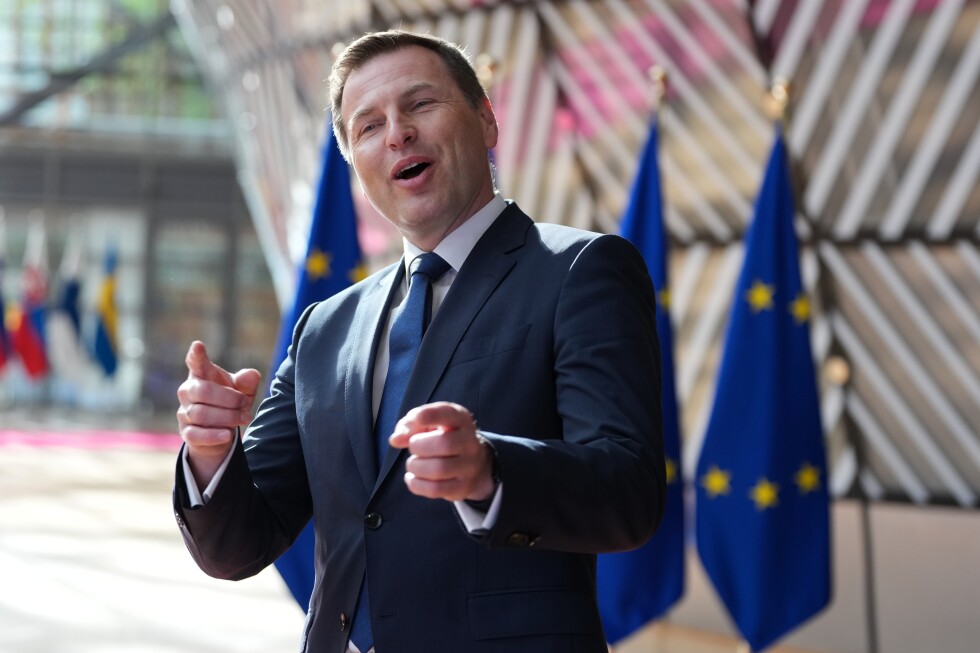
    Estonian Defense Minister Hanno Pevkur told the Associated Press that the decision to engage the drone was based on its observed flight path, adding that preliminary assessments indicate the unmanned aircraft was originally intended to strike a target inside Russian territory. This incident marks the latest in a growing series of accidental incursions into NATO territory by Ukrainian drones targeting Russia, a pattern Western officials broadly attribute to extensive Russian electronic jamming operations that alter the course of incoming unmanned weapons.

    In the wake of the incident, Ukraine issued a formal apology for the unintended incursion. Ukrainian Foreign Ministry spokesperson Heorhii Tykhyi announced via a post on X that Ukraine apologizes to Estonia and all Baltic allies for the accidental incident, adding that joint expert teams from Ukraine and Estonia are already developing new protocols to prevent similar events from occurring in the future. Pevkur confirmed that Estonian officials have repeatedly urged Ukraine to adjust flight trajectories for drone strikes on Russia to keep them as far from NATO territory as possible.

    Russia has seized on the incident to issue stark warnings of retaliation. The Russian Foreign Intelligence Service (SVR) claimed in a Tuesday statement that Ukraine is preparing to launch drone strikes against Russian targets from the territory of Baltic NATO member states, alleging that Ukrainian military personnel have already deployed to Latvia. The statement warned that NATO membership would not shield Baltic states from what it called “just retribution”, noting that modern intelligence systems can accurately pinpoint the origin of any drone launch.

    Latvian President Edgars Rinkēvičs immediately refuted Russia’s claims, posting on X that Moscow’s assertions about Latvia allowing third parties to use its territory or airspace for attacks on Russia are entirely false. Tensions around stray drone incursions have already had concrete political fallout in the region: just last week, the entire Latvian government collapsed after Prime Minister Krišjānis Kariņš resigned, triggered when the defense minister was forced to step down over his handling of multiple suspected Ukrainian drone incidents and his party pulled out of the ruling coalition.

    While Estonia reaffirmed its unwavering support for Ukraine’s right to defend itself against Russian invasion, it also moved quickly to clarify its position on cross-border operations. Estonian Foreign Minister Margus Tsahkna stated in an official release that Ukraine retains full legitimate right to target Russian military assets, but emphasized that Estonia has never granted permission for its airspace to be used for offensive strikes against Russia. Echoing the assessment of other Western officials, Tsahkna tied the accidental incursion directly to Russian electronic jamming efforts that divert Ukrainian drones off their intended courses.

    The downing comes amid a steady escalation of Ukraine’s long-range drone campaign against Russian infrastructure. As Ukraine’s domestic drone production capacity and technical sophistication have improved in recent months, Kyiv has ramped up strikes on key Russian energy facilities and military arms factories located hundreds of miles inside Russian territory. Just two days before the Estonia incident, Russian authorities reported that one of the largest Ukrainian drone strikes on Russian soil killed at least four people, three of them in areas surrounding Moscow, and wounded a dozen more.

    Long-range drone attacks have become a defining feature of the Russia-Ukraine war, now entering its fifth year since Russia launched its full-scale invasion of Ukraine in February 2022. For NATO member Baltic states, which have been among the most vocal supporters of Ukraine’s war effort, these accidental incursions have created a tricky diplomatic and security balancing act, stoking internal political tensions while drawing aggressive saber-rattling from Moscow.

  • Animal welfare groups say 3 South African zoo elephants are depressed and sue to move them

    Animal welfare groups say 3 South African zoo elephants are depressed and sue to move them

    A landmark legal battle over the mental health of three captive elephants at Johannesburg’s public zoo is set to get a court hearing this week, pitting leading animal welfare advocates against city authorities in a case that could reshape animal protection standards across South Africa.

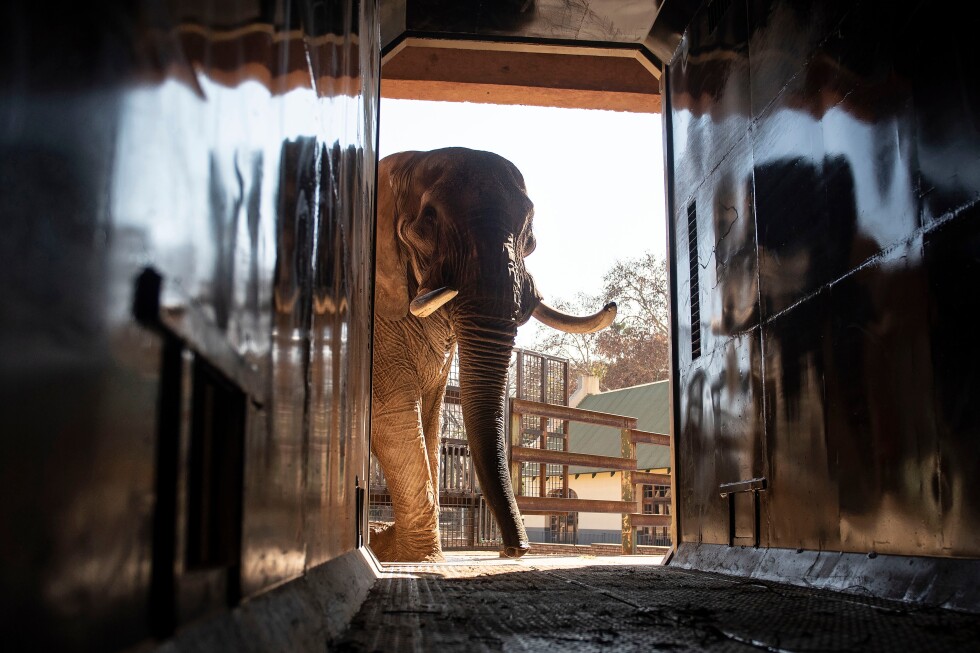
    The dispute centers on three elephants — Lammie, Ramadiba and Mopane — held in the zoo’s enclosure. Animal welfare groups, including Animal Law Reform South Africa, argue that the confined space and lack of species-appropriate stimulation have left the animals clinically depressed, and they are demanding the elephants be transferred to a larger, semi-wild conservation park where their complex biological and social needs can be met.

    David Bilchitz, board member of Animal Law Reform South Africa, one of the lead petitioners in the case, explained that the legal challenge focuses on whether South African state authorities are fulfilling their constitutional obligations to protect animal welfare. A core plank of the petitioners’ argument draws on a clause in South Africa’s Constitution that explicitly imposes a duty on governing bodies to safeguard animal well-being, and expert witnesses are set to testify in court to confirm the elephants’ poor psychological state.

    Unlike their wild counterparts, who naturally live in large herds of 20 to 50 individuals and roam across vast expanses of terrain, the three zoo elephants are confined to an enclosure only slightly larger than a standard soccer pitch. Bilchitz noted the space lacks key features elephants require for natural foraging and stimulation, including mature trees to feed on and mud pools to bathe in.

    “There is no doubt these animals are sad, depressed and deeply frustrated,” Bilchitz told the Associated Press. “They spend their days listless, standing around with nothing to engage them, and they’ve developed clear signs of psychological distress: repetitive rocking movements and other compulsive behaviors that are well-documented indicators of poor mental health in captive elephants.”

    Officials at the publicly owned Johannesburg Zoo have pushed back against the claims, defending their care of the three animals. In an official statement, the zoo argued that coverage of the elephants’ condition has amounted to a “media scourge,” maintaining that the trio are in good physical health, well cared for by staff, and remain a popular attraction for visitors. The institution also warned that relocating captive elephants to semi-wild sanctuaries does not always result in positive outcomes for the animals.

    The case is not entirely without precedent in South Africa. In 2024, an elderly bull elephant named Charley was successfully moved from another South African zoo to an extensive game reserve following advocacy from animal welfare groups. Charley had outlived all his herd mates in captivity, after spending 16 years performing in a circus, and experts confirmed he was suffering from profound loneliness. The zoo ultimately agreed to the relocation, allowing Charley to spend his final years in retirement in a more natural environment.

    The outcome of this new case could set a transformative legal precedent for animal welfare regulation across South Africa, testing the scope of constitutional protections for animals kept in captivity and potentially forcing a re-evaluation of housing conditions for elephants and other large wild animals in the country’s public and private zoos.

  • Honduran ex-president controversially pardoned by Trump speaks to BBC

    Honduran ex-president controversially pardoned by Trump speaks to BBC

    Just one month before U.S. special forces removed Venezuelan leader Nicolás Maduro from power, a starkly different outcome played out for another former Latin American head of state: Juan Orlando Hernández, ex-president of Honduras, who had been convicted on nearly identical drug trafficking charges, walked free after receiving a full presidential pardon from former U.S. President Donald Trump.

    Hernández had spent nearly four years behind bars at West Virginia’s maximum-security Hazelton Federal Correctional Institution, serving a 45-year sentence for his 2024 conviction on conspiracy charges linked to a transnational cocaine trafficking ring that moved 400 tonnes of the drug into the United States. Trump announced the pardon on his Truth Social platform on November 28, just 48 hours before Honduras’ general election. In the same post, Trump threatened to cut U.S. aid to Honduras unless his preferred candidate – Nasry Asfura of Hernández’s conservative National Party – won office. After a tightly contested race and delayed vote count, Asfura ultimately claimed victory.

    In an exclusive interview with the BBC from his current residence in the U.S., Hernández described his sudden release as an extraordinary turnaround, saying he is “thankful and just trying to rebuild my life” after half a decade of incarceration. He has forcefully rejected claims that the pardon was granted for political reasons, aligned with Trump’s long-stated regional policy rooted in a reinterpretation of the Monroe Doctrine, which frames the Americas as Washington’s exclusive sphere of influence.

    Most notably, Hernández pushed back hard against comparisons between his case and that of Maduro. Both right- and left-leaning sitting presidents were ultimately accused of large-scale drug trafficking, but Hernández secured Trump’s backing while Maduro faced forced removal. “My case is completely different,” he insisted, arguing that the entire criminal narrative around him was constructed by “leftist politicians in Honduras in tandem with left-wing politicians in Venezuela.” He claims upcoming evidence in Maduro’s upcoming U.S. drug trial will reveal that corrupt, drug-linked connections actually lie with members of Honduras’ left-wing Libre party, not his conservative administration.

    The pardon granted Hernández unconditional legal clearance for all the charges he was convicted of, leading the U.S. Second Circuit Court of Appeals to dismiss his pending appeal as moot, since the conviction no longer carried legal weight. The Trump administration has framed the pardon as a correction of what it calls a wrongful prosecution carried out under the Joe Biden administration.

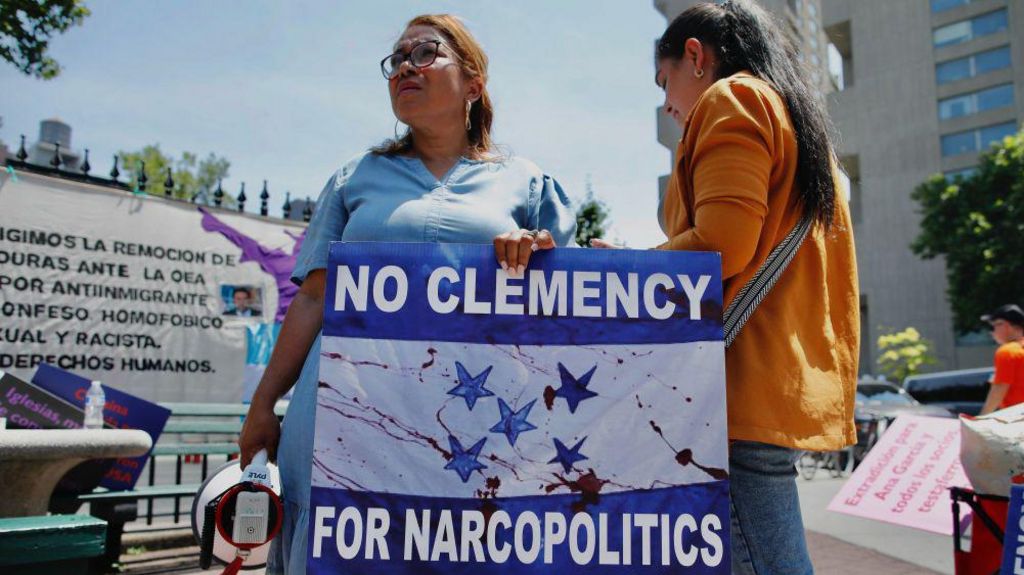
    But for many Hondurans, the pardon does nothing to change their view of Hernández, who remains the most controversial Honduran president in recent memory, and was extradited to the U.S. in shackles to face trial. The decision sparked widespread protests both among Honduran communities in the U.S. and across Honduras, with demonstrators gathering outside the U.S. embassy in Tegucigalpa to condemn the move. “It’s a mockery for Honduras. This country doesn’t deserve that,” one local resident told Honduran television at the time.

    At Hernández’s 2024 sentencing, U.S. District Judge P. Kevin Castel branded him a “two-faced politician” who leveraged his presidential authority and Honduras’ national security forces to protect drug traffickers who bribed his administration and funded his political career. Prosecutors alleged he turned Honduras into a narco-state, a particularly notable charge given the country’s long-standing role as a key transit point for South American cocaine bound for U.S. consumers.

    Hernández has repeatedly denied all charges, pointing to a extradition law passed by his own administration – the same law that allowed his extradition to the U.S. for trial – as proof of his commitment to combating drug trafficking. He claims the law angered traffickers who ultimately coordinated to testify against him in retaliation.

    Among the most damning evidence introduced at trial was an alleged quote attributed to Hernández, in which he reportedly told a senior Honduran trafficker: “We’re going to shove the drugs right up the noses of the gringos.” Prosecutors also claimed he accepted a $1 million bribe from infamous Mexican drug lord Joaquín “El Chapo” Guzmán. Pressed on these claims, Hernández dismissed them as “false and ridiculous,” noting that El Chapo was already known to U.S. law enforcement at the time of the alleged meeting and was never in Honduras. “If you look at El Chapo’s trial, he doesn’t even mention Juan Orlando Hernández,” he told the BBC.

    He also rejected another key piece of prosecution evidence: handwritten ledger entries from a major Honduran trafficker that purportedly documented bribes paid to both him and his younger brother, Tony Hernández, a former Honduran congressman who is currently serving a life sentence in the U.S. for drug trafficking. Tony Hernández’s conviction two years before his brother’s trial was a core part of the prosecution’s case against Juan Orlando; Tony was secretly recorded meeting with a top Honduran trafficker, who later testified against both siblings, alleging a $250,000 bribe was paid for protection while Juan Orlando was running for president. When asked what Tony was doing at that meeting, Hernández acknowledged: “I ask myself the same question, it was a grave mistake.”

    Hernández has framed the entire case against him as a “political operation” built on the testimony of witnesses motivated by revenge, reduced sentences and entry into witness protection programs. He claims the prosecution was backed by an international alliance of left-wing politicians, including Democratic leaders in Washington, targeting him as a conservative leader. He and his family echo Trump’s description of the case as a “horrible witch-hunt” carried out by a politicized Biden-era Department of Justice, arguing the pardon merely corrected a gross injustice.

    However, multiple current and former officials from the Department of Justice, State Department and Drug Enforcement Administration who worked on the case told the BBC their investigation was conducted with full due process and no improper political interference. They emphasized that the investigation into Hernández began during Trump’s first term, and was not a Biden administration initiative. Ana María Méndez Dardón, Central America director at the Washington Office on Latin America research organization, confirmed the years-long investigation was built on solid evidence. “The conviction had strong evidence that supported finding Juan Orlando Hernández guilty as a drug trafficker,” she said. “There were many witnesses which exposed linkages with other transnational drug organisations, including El Chapo Guzmán. It was huge. And it goes beyond Juan Orlando Hernández as a former president and a former convicted drug trafficker.”

    Five months after his release, Hernández has still not been reunited with his family in person. He remains facing outstanding corruption and misappropriation of state funds charges in Honduras, and his wife Ana García Carías has been subject to U.S. visa restrictions since his 2020 arrest. Hernández says his top priority is securing permission to return to Honduras to be with his family, and he has ruled out any return to politics: “I’m not interested [in returning to politics]. My interest is in my family. I’ll never get back those four years I lost. Even today, I still haven’t seen them.” With his former National Party colleagues back in power in Tegucigalpa, however, Hernández is growing increasingly hopeful he will be allowed to return home. If he does, he will face the massive challenge of convincing the Honduran public, many of whom are frustrated by corrupt political elites avoiding accountability, of his version of events.

  • Israeli forces intercept the remaining activist flotilla vessels headed for Gaza

    Israeli forces intercept the remaining activist flotilla vessels headed for Gaza

    In a major escalation of tensions over Israel’s two-decade blockade of the Gaza Strip, Israeli military forces completed the interception of all remaining vessels from the Global Sumud Flotilla, an international activist mission organized to challenge the long-running naval closure and draw attention to the catastrophic humanitarian crisis facing Gaza’s nearly 2 million residents. The interdiction, carried out in international waters hundreds of kilometers off Gaza’s Mediterranean coast, has triggered widespread international condemnation and sharp diplomatic divisions over the operation.

    The flotilla, which departed from Turkish ports last week, launched the multi-vessel mission to draw global attention to severe shortages of basic necessities in Gaza, including housing, food, and life-saving medical supplies. Israeli forces began halting flotilla vessels roughly 268 kilometers from Gaza’s coastline on Monday, when they intercepted and detained crews from approximately 41 boats off the coast of Cyprus. By Tuesday, all remaining vessels had been stopped.

    Live streaming footage broadcast on the Global Sumud Flotilla’s official website showed armed Israeli soldiers boarding detained vessels, with unarmed activists wearing life vests complying by raising their hands. Soldiers proceeded to disable and destroy cameras mounted on the boats to document the mission. Flotilla organizers allege that Israeli troops fired rubber bullets at five of the intercepted boats, causing material damage to the vessels. The incident prompted Italy’s Foreign Minister Antonio Tajani to call for an urgent investigation into Israel’s use of force during the operation.

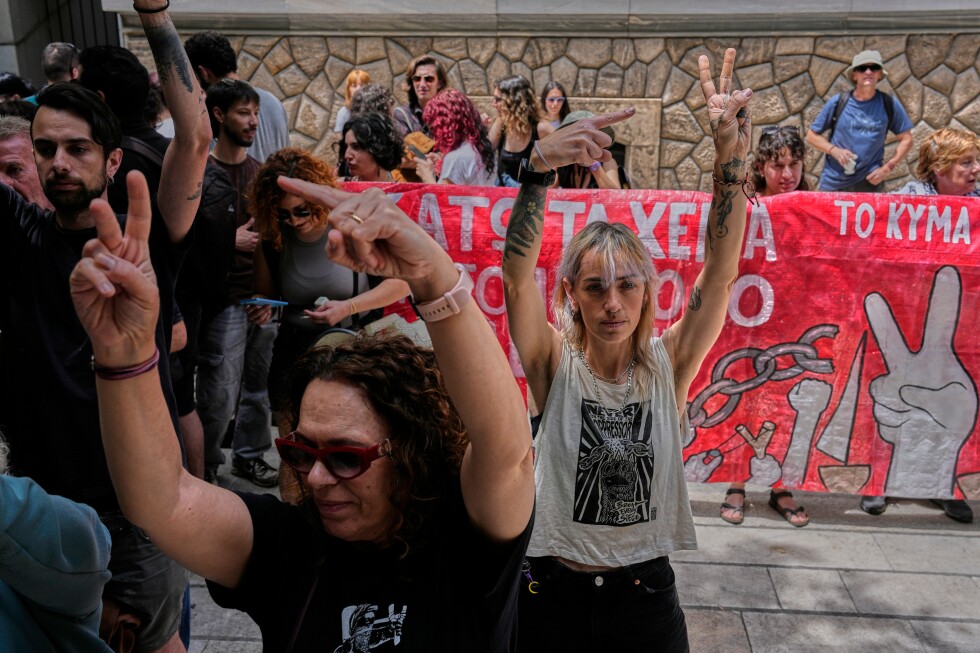
    In the aftermath of the interceptions, the Global Sumud Flotilla confirmed that hundreds of activists from more than 40 countries are being forcibly transported by Israeli vessels to an undisclosed port. The detained cohort includes more than a dozen Irish citizens, among them the sister of Irish President Catherine Connolly. Irish Prime Minister Micheál Martin has publicly condemned the interception of civilian boats in international waters as “absolutely unacceptable.”

    The activist organization has issued urgent warnings about the well-being of detained crew members, pointing to testimonies from activists held during an earlier Israeli interception of a Gaza aid mission on April 30. Those accounts detailed repeated patterns of torture, severe physical abuse, and invasive sexual violence inflicted by Israeli forces during detention – allegations that Israeli officials have outright denied. The flotilla is demanding the immediate, unconditional release of all its detained participants, alongside the liberation of more than 9,000 Palestinian political prisoners held by Israel, and has called on global leaders to pressure Israel to meet these demands.

    International reaction to the interception has been deeply divided. Turkey and the Palestinian group Hamas have labeled the operation an act of open piracy in international waters. Italy, Spain, and Indonesia have all joined calls for Israel to immediately release all detained activists and guarantee their physical safety. In contrast, the U.S. Treasury Department has announced new sanctions against four European activists who were aboard the flotilla, with Treasury Secretary Scott Bessent characterizing the mission’s participants as “pro-terror.”

    Israeli officials have dismissed the entire flotilla initiative as “a provocation for the sake of provocation,” arguing that the vessels carried only a symbolic amount of aid and had no genuine intention of delivering humanitarian assistance to Gaza. The Israeli defense body that oversees humanitarian access to Gaza claims that sufficient aid is already entering the territory, noting that around 600 trucks of assistance cross into Gaza daily, a volume it says matches pre-war levels. However, this official account directly contradicts data published by the United Nations World Food Programme, which recorded a dramatic drop in humanitarian and commercial truck entries into Gaza during March, following the outbreak of conflict between Israel and Iran. The WFP data shows an average of only 112 trucks entered Gaza per day that month.

    One Italian activist, Daniele Gallina, avoided detention after he and six other crew members diverted their sailboat to a Cypriot port due to unplanned technical issues. In an interview with the Associated Press, Gallina emphasized that the mission’s purpose extended far beyond delivering aid. “What matters is not only the aid itself, important as it is, but the structural change it represents. It is also about challenging the collaboration of our own governments with these policies,” he said. Gallina rejected Israeli claims that the flotilla was a provocative act, noting that the entire mission was “entirely pacifist” and carried no weapons. He added that Israel’s response to the civilian mission underscores the open disregard for international law targeting peaceful humanitarian efforts. Despite the interception of the entire flotilla, Gallina said activists remain fully determined to continue their campaign “until Gaza is reached.”

    Background to the current confrontation dates back nearly 20 years. Israel imposed a naval blockade on Gaza after Hamas took control of the territory in 2007, and significantly tightened the restriction following the October 7, 2023, attacks led by Hamas on southern Israel that killed approximately 1,200 people and saw more than 250 people taken hostage. Israeli authorities justify the blockade as a necessary security measure to prevent weapons from reaching Hamas. Critics across the globe argue that the blockade amounts to unlawful collective punishment of Gaza’s entire civilian population. Egypt, which controls the only land border crossing into Gaza not administered by Israel, has also imposed severe restrictions on movement in and out of the territory.

    According to Gaza’s Ministry of Health, which is run by Hamas but staffed by medical professionals whose detailed casualty records are widely viewed as reliable by the international community, Israel’s retaliatory military offensive in Gaza has killed more than 72,700 people since the offensive began. The ministry does not publish a breakdown of casualties between civilians and combatants. The latest interception comes as global attention remains focused on efforts to secure a permanent ceasefire in Gaza, following months of devastating conflict.

    The report was filed from Nicosia, Cyprus, by correspondent Hadjicostis, with additional reporting contributions from Associated Press journalists Suzan Fraser in Ankara, Turkey, Derek Gatopoulos in Athens, Greece, Giada Zampano in Rome, and Fatima Hussein in Washington, D.C.

  • Anti-government demonstrators and police clash in Bolivia

    Anti-government demonstrators and police clash in Bolivia

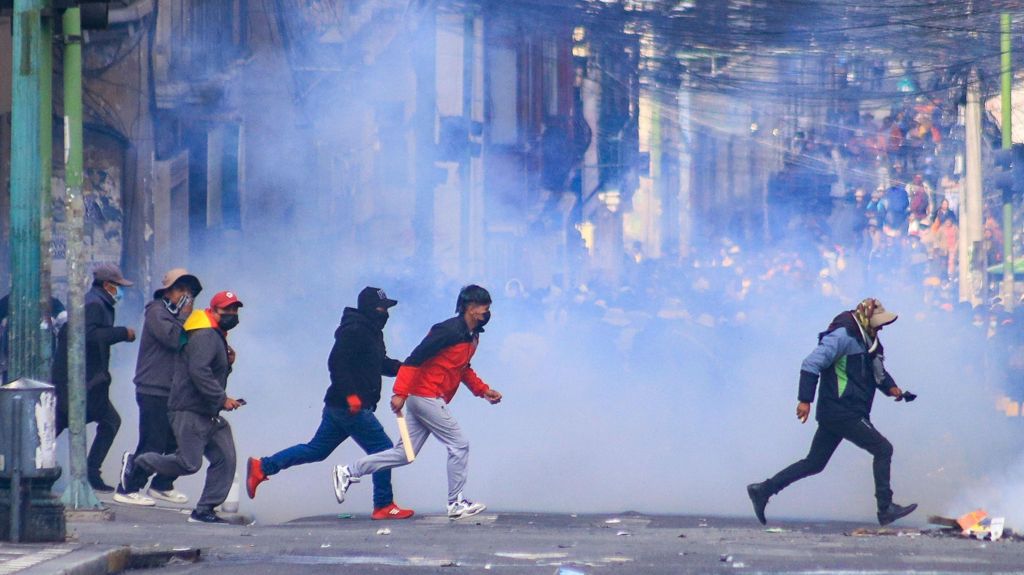
    Weeks of growing political tension in Bolivia boiled over into new violence this week, as anti-government demonstrators clashed directly with state law enforcement officers amid escalating calls for the country’s sitting president to step down.

    The unrest, which has gripped the Andean nation for multiple weeks, has already strained public order and eroded public confidence in the country’s executive leadership. Protesters, drawn from a range of civic and opposition groups across Bolivia, have maintained consistent demands for presidential resignation, pushing their movement into a critical new phase that saw direct confrontation with police on the streets.

    While additional details on injuries, arrests, or the scale of the latest clashes are still emerging, the escalation of conflict marks a dangerous turning point in the country’s ongoing political crisis. The standoff has drawn quiet international attention, as regional observers monitor developments for further signs of political breakdown or efforts to de-escalate the standoff. For Bolivians, the continued unrest means deepened uncertainty over the country’s political future, with no clear path to resolution between the protesting movement and the incumbent administration.

  • Irish leaders condemn Israel’s detention of president’s sister

    Irish leaders condemn Israel’s detention of president’s sister

    In a sharp rebuke of Israeli military action in international waters, Ireland’s top political leaders have decried the detention of 12 Irish citizens who were part of a humanitarian aid convoy bound for Gaza, calling the move illegal, unacceptable, and a violation of international law.

    The interception, carried out early Monday by Israeli forces, targeted the Global Sumud Flotilla, a 60-vessel collective organized to deliver critical aid to Palestinian civilians in Gaza amid a lingering humanitarian crisis. Flotilla organizers confirmed that Israeli commandos boarded and seized 10 of the convoy’s boats while the group was operating in international waters. Among the detained Irish citizens is Dr. Margaret Connolly, the sister of Irish President Catherine Connolly.

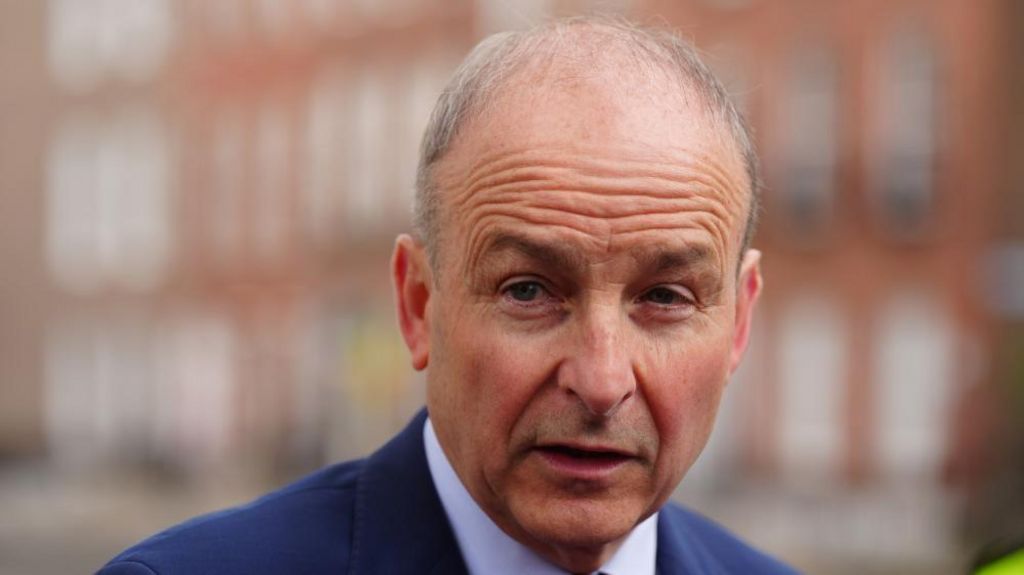
    Speaking publicly about the incident, Taoiseach Micheál Martin, Ireland’s head of government, emphasized that the aid mission was rooted in a legitimate effort to draw global attention to the catastrophic humanitarian situation unfolding in Gaza. “In the first instance, what happened is absolutely unacceptable and is wrong,” Martin stated, adding that participants had every right to engage in peaceful protest for the cause. The Irish government, he confirmed, will escalate the issue to the European Union to push for collective international action.

    Deputy Prime Minister Simon Harris went further, labeling Israel’s actions outright illegal. “My heart goes out to President Connolly and her family, and indeed all of the families of those detained,” Harris said, noting that the Irish government, opposition, and global observers have repeatedly condemned Israeli policy in Gaza, yet Israel has consistently ignored international condemnation. “That’s why I think it’s important that we look at the actions that can be taken,” he added.

    For her part, President Catherine Connolly — currently on a scheduled three-day official visit to the United Kingdom — described the news of her sister’s detention as “quite upsetting.” While she expressed deep pride in her sister’s commitment to the humanitarian cause, she made clear that she is consumed by worry for her safety.

    Israeli Prime Minister Benjamin Netanyahu defended the interception, framing the operation as a necessary measure to counter what he called a “malicious plan” to break the blockade Israel has imposed on Hamas, the governing group in Gaza. The Israeli foreign ministry also pushed back against the need for the flotilla, claiming that Gaza is already “flooded with aid,” asserting that more than 1.5 million tonnes of aid and thousands of tonnes of medical supplies have entered the enclave over the past seven months.

    That narrative directly contradicts recent assessments from the United Nations, which warned last week that the humanitarian situation in Gaza remains catastrophic despite an October 2024 ceasefire between Israel and Hamas. The UN report highlighted that more than 2.1 million Palestinians — the vast majority of Gaza’s total population — have been displaced from their homes, with most forced to shelter in overcrowded tents or badly damaged buildings with no access to safer alternatives. Basic services remain severely compromised: clean water access is inconsistent, waste management systems are non-functional, and public health risks linked to unsanitary conditions and pest infestations continue to grow.

    The current conflict traces its origins back to the October 7, 2023, attack led by Hamas on southern Israel, which killed approximately 1,200 people and took 251 hostages. Israel’s subsequent large-scale military campaign in Gaza has left more than 72,770 people dead in the enclave, according to Gaza’s Hamas-run Ministry of Health.

  • Libyan detention facility head known as ‘Angel of Death’ faces International Criminal Court

    Libyan detention facility head known as ‘Angel of Death’ faces International Criminal Court

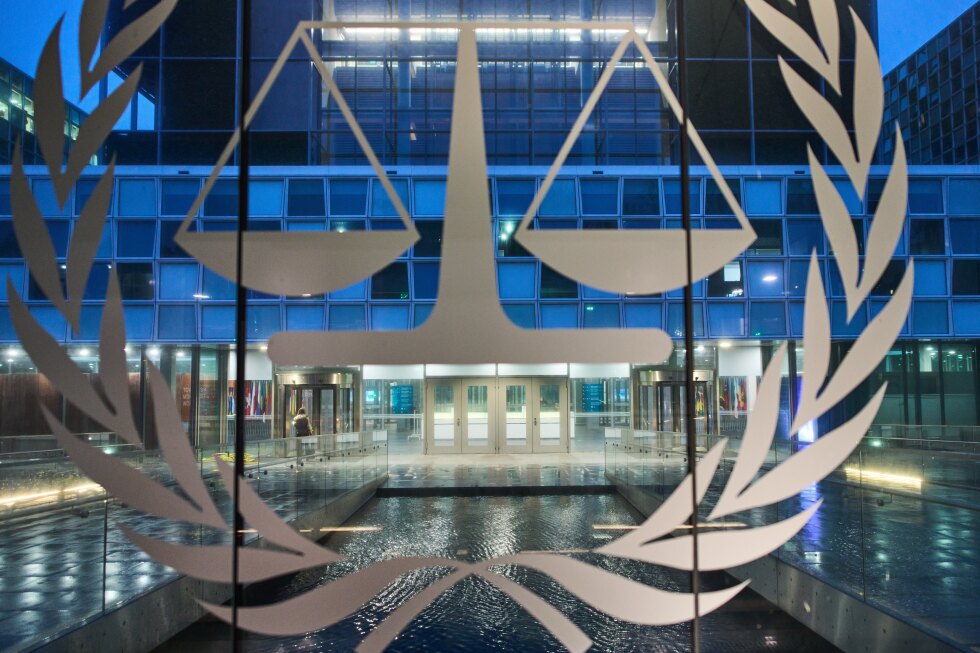
    In a landmark proceeding marking the International Criminal Court’s first case involving a Libyan national, pretrial hearings got underway this week in The Hague for a former senior prison commander charged with gross violations of international law. Khaled Mohamed Ali El Hishri, 47, faces 17 counts of crimes against humanity and war crimes for atrocities allegedly carried out at Tripoli’s notoriously violent Mitiga prison between 2015 and 2020, years after the fall and killing of long-time Libyan dictator Moammar Gadhafi plunged the North African nation into widespread lawlessness.

    Deputy ICC Prosecutor Nazhat Khan laid out the grim details of the allegations in her opening statement to judges this Tuesday. Citing testimony from nearly 1,000 documented victims connected to the case, Khan told the court that detainees dubbed El Hishri the “Angel of Death” for his pattern of brutal violence against people held at the facility. According to the charges, El Hishri served as a senior commander at the prison and oversaw the facility’s women’s section, where systematic sexual violence was endemic. Prosecutors further allege that El Hishri routinely carried a loaded firearm and deliberately shot detained people in the legs and knees to inflict permanent harm. He stands accused of personally carrying out murders and rapes inside the prison, in some cases committing these violent acts in front of victims’ own children. Photographs from the opening hearing showed El Hishri, dressed in a blue suit and matching tie, maintaining a blank expression as prosecutors detailed the charges against him.

    Khan emphasized to the court that the atrocities documented at Mitiga were not isolated abuses by rogue low-level guards, but actions linked to the facility’s command structure, where El Hishri held a senior leadership role. This week’s proceeding is not a full trial; rather, it is a pretrial hearing that allows ICC prosecutors to present a full outline of their evidence to the judges. Following the conclusion of the hearing, the panel of judges will have 60 days to review the prosecution’s case and determine whether there is sufficient credible evidence to proceed with a full public trial.

    El Hishri was taken into custody by German law enforcement in July this year on a previously sealed ICC arrest warrant, and was extradited to the Netherlands to face the charges this past December. His case is poised to become the first trial of a Libyan suspect at the ICC, a process that originates from a 2011 United Nations Security Council mandate that ordered the court to open an investigation into crimes committed in Libya as the uprising against Gadhafi unfolded. The ICC issued an immediate arrest warrant for Gadhafi in 2011, but rebel forces killed the former dictator before he could be apprehended and transferred to The Hague for prosecution.

    To date, the court has active open arrest warrants for nine additional Libyan suspects accused of grave crimes, including one of Gadhafi’s surviving sons. The ICC’s effort to hold perpetrators accountable for crimes in Libya has faced repeated setbacks in recent years, most recently in January when Italian authorities arrested one of the wanted suspects—Ossama Anjiem, also known as Ossama al-Masri, who was also charged with atrocities at Mitiga prison—only to release him on a procedural technicality. That decision sparked widespread outrage from global human rights advocates who have pushed for full accountability for crimes committed in Libya in the decade following Gadhafi’s ousting.

  • A fuel strike in Kenya is suspended after 2 days of protests that left 4 people dead

    A fuel strike in Kenya is suspended after 2 days of protests that left 4 people dead

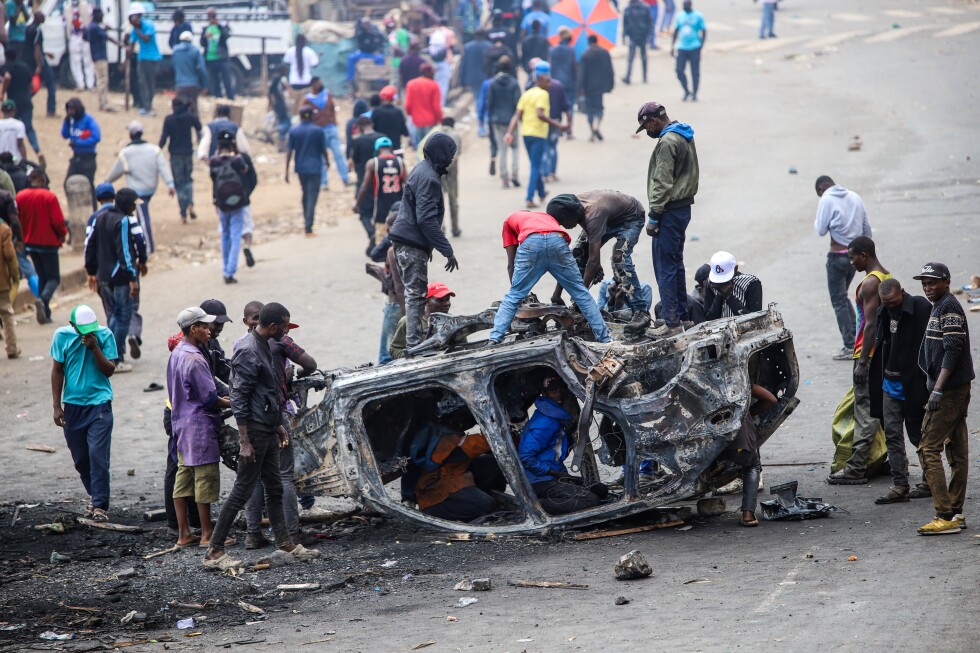
    NAIROBI, KENYA – After two days of widespread, deadly civil unrest driven by skyrocketing fuel costs, Kenya’s public transport operators agreed Tuesday to pause a nationwide strike for a seven-day window to hold formal consultations with government officials. The temporary truce comes after violent clashes left four dead and over 30 injured across the country, disrupting travel and bringing major road corridors to a standstill.

    The industrial action first erupted after Kenya’s Energy and Petroleum Regulatory Authority announced historic fuel price hikes last Friday. The new pricing adjusted diesel costs up by 23.5% and gasoline by 8%, pushing already strained operating budgets for transporters and household costs for commuters to breaking point. An initial round of talks between operators and government representatives collapsed Monday, when providers refused to back down from their core demand: an immediate rollback of fuel prices to offset spiking transportation costs for both operators and regular commuters.

    Even as the strike suspension was announced early Tuesday, commuters across the country spent a second consecutive day stranded, as most transport operators had already pulled their vehicles off roads before the truce agreement was reached. The two days of unrest saw chaotic confrontations between demonstrators and police on major highways, where protestors lit burning tire barricades that blocked through traffic for hours. At least 348 people arrested during the unrest are scheduled to face criminal charges related to participation in the illegal demonstrations, authorities confirmed.

    The national government has pinned the sharp price increase on global market volatility stemming from the ongoing conflict between Iran and Israel, which has disrupted global energy supply chains and pushed up crude prices globally. But Kenya’s opposition has pushed back on that narrative, arguing the dramatic jump is instead driven by corrupt industry insiders colluding to inflate profit margins at the expense of ordinary Kenyans.

    In a live televised address to the nation this week, Interior Cabinet Secretary Kipchumba Murkomen confirmed that the government would open inclusive negotiations with all fuel sector stakeholders over the next seven days to address the growing public anger over pricing. Kennedy Kaunda, a senior spokesperson for Kenya’s transporters association, confirmed that operators would resume service while negotiations proceed. Kaunda added that if the seven-day talks fail to produce a satisfactory agreement on fuel price relief, the association will issue new guidance to members within a week on next steps for the industrial action.

  • Spanish ex-PM Zapatero under investigation for influence peddling

    Spanish ex-PM Zapatero under investigation for influence peddling

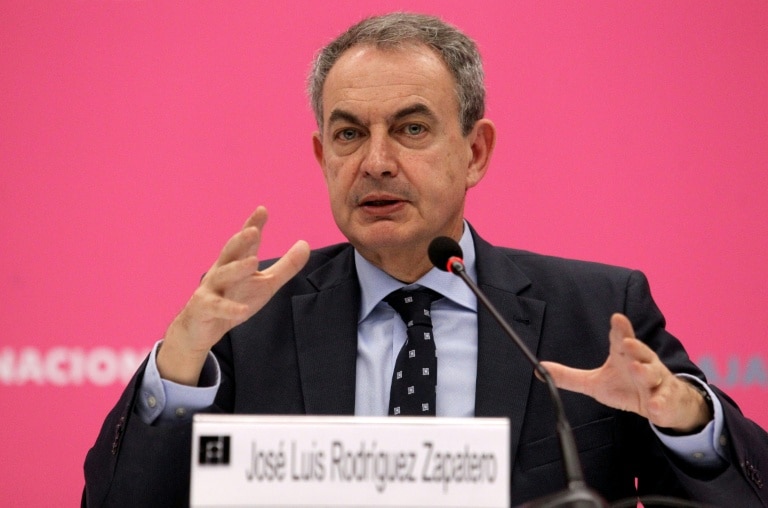
    In an unprecedented move for Spain’s modern democratic history, former Socialist Prime Minister Jose Luis Rodriguez Zapatero is now the subject of a formal criminal investigation over allegations of influence peddling linked to a 2021 public bailout of a small Spanish airline, the nation’s top criminal court confirmed Tuesday.

    The investigation, which marks the first time a former Spanish head of government has faced formal probes in modern history, has escalated political pressure on sitting Socialist Prime Minister Pedro Sanchez, who is already grappling with overlapping corruption controversies involving his close family members and top political allies. Zapatero, who led Spain from 2004 to 2011, was initially not closely affiliated with Sanchez’s leadership faction but has emerged as one of the sitting prime minister’s most high-profile and vocal defenders in recent years.

    Per the court’s official statement, Zapatero has been ordered to give sworn testimony on June 2, and law enforcement teams have already executed search warrants at his personal offices as well as three unidentified private companies connected to the case. The investigation centers on a €53 million ($62 million) emergency government loan awarded to Plus Ultra, a small Madrid-based airline that operated a limited route network connecting Spain to Ecuador, Peru and Venezuela with a fleet of just a few Airbus A340 aircraft.

    The bailout was approved through a national public fund created to support strategically important companies that suffered severe financial disruption during the height of the COVID-19 pandemic. Almost from the moment the rescue was announced, opposition parties raised sharp questions about the airline’s eligibility for the public funds, pointing to its extremely limited operational scale and its well-documented ties to Venezuelan business interests. The airline counts multiple Venezuelan-linked shareholders, a detail that has kept political controversy around the bailout simmering for years.

    Spanish media outlets have reported that investigators are currently examining whether a consulting firm tied to one of Zapatero’s close associates served as an intermediary for suspect financial transactions connected to the bailout, including alleged improper payments tied to the approval of the emergency loan. Authorities are also tracing potential unreported commissions and irregular financial flows linked to the rescue deal. Zapatero has repeatedly and forcefully denied any wrongdoing, asserting he never received any improper payments from Plus Ultra or any party connected to the case.

    The main opposition conservative Popular Party (PP) has seized on the investigation to attack both Zapatero and Sanchez, labeling the former prime minister Sanchez’s “political muse” and claiming the two are bound by shared corruption. In a public statement, PP argued “Both used their families to enrich themselves and both degraded the institutions they represented.”

    The criticism comes as Sanchez already faces separate corruption controversies touching his inner circle: his brother David is set to stand trial on influence peddling charges, while his wife Begona Gomez is under investigation in a separate unrelated corruption probe. Sanchez has repeatedly dismissed all cases against his family as manufactured political attacks, rather than legitimate criminal inquiries. His former top political ally, ex-Transport Minister Jose Luis Abalos, who helped propel Sanchez to the national premiership in 2018, recently concluded his own corruption trial, with a verdict still pending. Abalos stands accused of accepting illegal kickbacks in exchange for awarding irregular contracts for personal protective face masks at the start of the COVID-19 pandemic, when global supplies were severely depleted.

    The growing slate of corruption cases has already eroded public support for Sanchez’s Socialist Party, which has suffered a string of devastating electoral defeats in recent regional elections, including in its historic long-time stronghold of Andalusia. Just this past Sunday, the Socialists secured only 28 out of 109 seats in the Andalusian regional parliament, marking the worst electoral result in the party’s history in the southern region. Zapatero had personally campaigned for the Socialist candidate in the race, Maria Jesus Montero, Sanchez’s former deputy prime minister and ex-finance minister.

    Despite opposition demands to move up the next national election, currently scheduled for 2027, Sanchez has refused to accelerate the national vote. The Socialist Party has come out swinging in defense of Zapatero, pointing to his landmark progressive policy achievements during his time in office, including the legalization of same-sex marriage and sweeping expansions of social welfare programs, and arguing the investigation itself is politically motivated. “Zapatero’s time in office was marked by an ambitious programme to extend rights, equality, and social protection. The right and far right have never forgiven him for these advances,” the party said in an official statement.