博客

  • Elon Musk’s X Corp given $750,000 penalty for eSafety breach

    Elon Musk’s X Corp given $750,000 penalty for eSafety breach

    Elon Musk’s social media giant X Corp has been ordered to pay a total of $750,000 in penalties and legal costs after being found in breach of Australian online safety regulations for failing to respond to a regulator’s inquiry into measures targeting child sexual exploitation material. The case, which stretched more than two years, has set a clear precedent for global technology companies that even large platforms cannot ignore national regulatory requirements when operating in foreign markets.

    The story dates back to early 2023, when Australia’s eSafety Commissioner Julie Inman Grant issued a mandatory transparency notice to Twitter, alongside other major social platforms, seeking detailed information on what steps each platform was taking to detect and remove illegal child sexual exploitation content from their services. Just weeks after the notice was issued, Elon Musk completed his $44 billion acquisition of Twitter and rebranded the company as X Corp, merging the original Twitter entity into the new corporate structure.

    X Corp missed the original March 29, 2023 deadline to submit a complete, adequate response to the regulator’s questions. The company only addressed the gaps identified by eSafety in a follow-up submission on May 5 of that year. When eSafety brought legal action over the missed deadline, X Corp mounted a legal challenge, arguing that the notice had been issued to the original Twitter entity which no longer existed, so the new corporation had no legal obligation to comply.

    That challenge was first rejected by Federal Court Justice Michael Wheelahan in early 2024, and the ruling was later upheld by the full bench of the Federal Court in July 2024. On Thursday, Justice Wheelahan handed down the final penalty at a hearing in Melbourne: X Corp must pay a $650,000 civil penalty for the contravention, and cover $100,000 of eSafety’s legal costs stemming from the court action.

    In his written judgment, Justice Wheelahan emphasized that Australia’s Online Safety Act, which grants eSafety the power to issue such information notices, is designed explicitly to protect Australian internet users. “The reporting requirements under the Act are an essential aspect of enforcing those expectations,” he wrote. “Accordingly, where the operator of a large social media platform has failed to comply with those reporting requirements, the public has an interest in the Commissioner seeking and obtaining a public declaration of contravention, which will contribute to a deterrent effect.”

    In a post-ruling statement, eSafety Commissioner Inman Grant said the penalty sends an unambiguous message to all technology companies that offer services to Australian users: they are bound by Australian laws, regardless of their size or ownership structure. “Meaningful transparency is critical to holding technology companies to account,” she said. “This is not only a key part of our work as Australia’s online safety regulator, it also provides the Australian public with important information about how these companies are tackling the worst-of-the-worst content on their platforms.”

    The ruling comes amid broader global momentum for stricter online child safety regulation, driven in part by News Corp Australia’s high-profile “Let Them Be Kids” campaign. The campaign spent 18 months documenting the widespread harm social media use causes to Australian children’s mental and physical health, including sharing testimonies from families who lost children to suicide linked to harmful online content. Its advocacy helped push Australia to become the first country in the world to pass legislation requiring a minimum age of 16 for social media access, a law set to go into effect in December 2025. To date, 52 other countries have announced they are considering adopting similar age restriction regulations.

  • ‘Ready for violence’: Serbian hooligans target protesters

    ‘Ready for violence’: Serbian hooligans target protesters

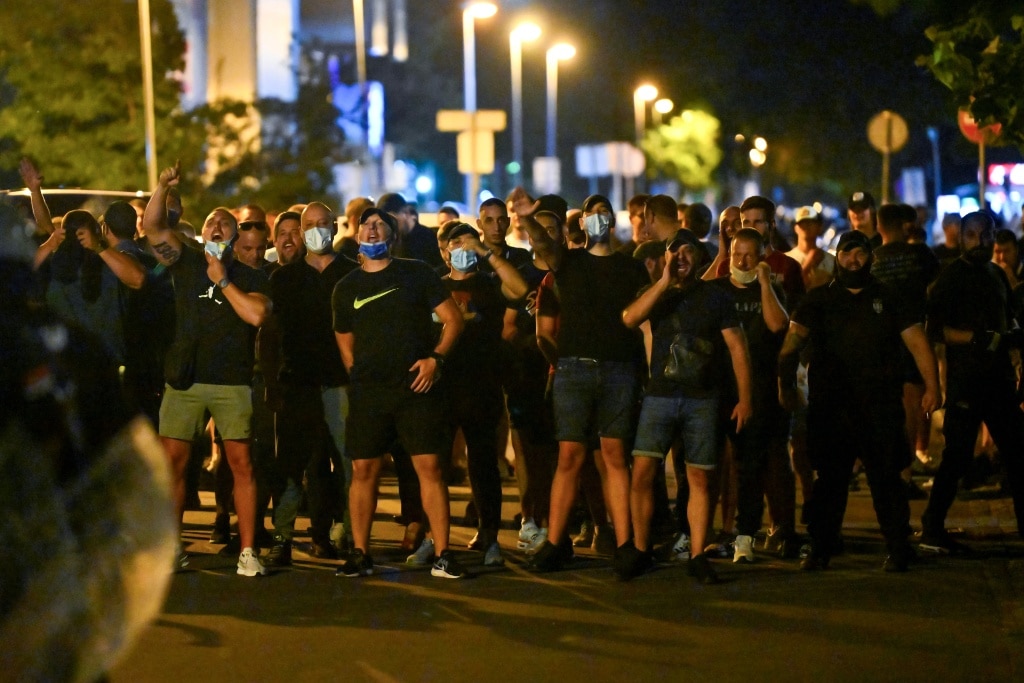
    For over a year, Serbia has been roiled by mass, student-led anti-government demonstrations that have grown into one of the largest political challenges to President Aleksandar Vucic’s administration since the fall of Slobodan Milosevic in 2000. What began as calls for a transparent public inquiry into the November 2024 railway station canopy collapse that killed 16 people has snowballed into a broader movement demanding early national elections – and as the protests have expanded, so too has targeted violence against movement participants.

  • Salah set to captain Egypt at World Cup

    Salah set to captain Egypt at World Cup

    As the 2026 FIFA World Cup quickly approaches, Egypt has finalized its preliminary 27-man roster for the expanded tournament co-hosted by the United States, Canada, and Mexico, with Liverpool star Mohamed Salah confirmed to lead the side as captain. The 33-year-old forward, who will bring an end to his nine-year spell with English Premier League club Liverpool at the conclusion of the current season, has built an extraordinary international record for the Pharaohs, netting 67 times across 115 national team appearances. Salah has held the captaincy of Egypt since 2019, and he will carry that responsibility into what is one of the most anticipated Egyptian World Cup campaigns in recent memory. Joining Salah in the preliminary forward group is Manchester City winger Omar Marmoush, as well as 18-year-old Hamza Abdelkarim, the uncapped Barcelona Under-19 prospect who earns his first call-up to the senior national setup. Notably, Nantes striker Mostafa Mohamed was omitted from the squad entirely, a surprising selection call from head coach Hossam Hassan. Hassan has confirmed he will cut one final player from the group following a friendly fixture against Russia hosted in Cairo on May 28, trimming the roster down to the 26 players required by FIFA regulations for the final tournament. In preparation for the World Cup, Egypt will face another high-profile test when they take on five-time World Cup champions Brazil in an international friendly in Cleveland on June 6. Drawn into Group G for the group stage, Egypt will kick off their World Cup campaign against Belgium on June 15, before facing New Zealand on June 22 and closing out group play against Iran on June 27. The historic 48-team expanded tournament will run from June 11 through July 19 across the three North American host nations. The full preliminary squad breakdown is as follows: Goalkeepers: Mohamed El Shenawy, Mostafa Shobeir (both Al Ahly), El Mahdi Soliman (Zamalek), Mohamed Alaa (El Gouna). Defenders: Mohamed Hany, Yasser Ibrahim (both Al Ahly), Tarek Alaa (Zed), Hamdy Fathy (Al Wakrah), Rami Rabia (Al Ain), Hossam Abdelmaguid, Ahmed Fatouh (both Zamalek), Mohamed Abdelmonemn (Nice), Karim Hafez (Pyramids). Midfielders: Marwan Ateya, Emam Ashour, Ahmed Zizo, Mahmoud Trezeguet (all Al Ahly), Mohanad Lasheen, Mostafa Ziko (both Pyramids), Nabil Emad (Al Najma), Mahmoud Saber (Zed), Ibrahim Adel (Nordsjaelland), Haissem Hassan (Real Oviedo). Forwards: Omar Marmoush (Manchester City), Mohamed Salah (Liverpool), Aqtay Abdallah (Enppi), Hamza Abdelkarim (Barcelona U19).

  • Cambodian villagers honor guardian spirits to pray for rain and good fortune

    Cambodian villagers honor guardian spirits to pray for rain and good fortune

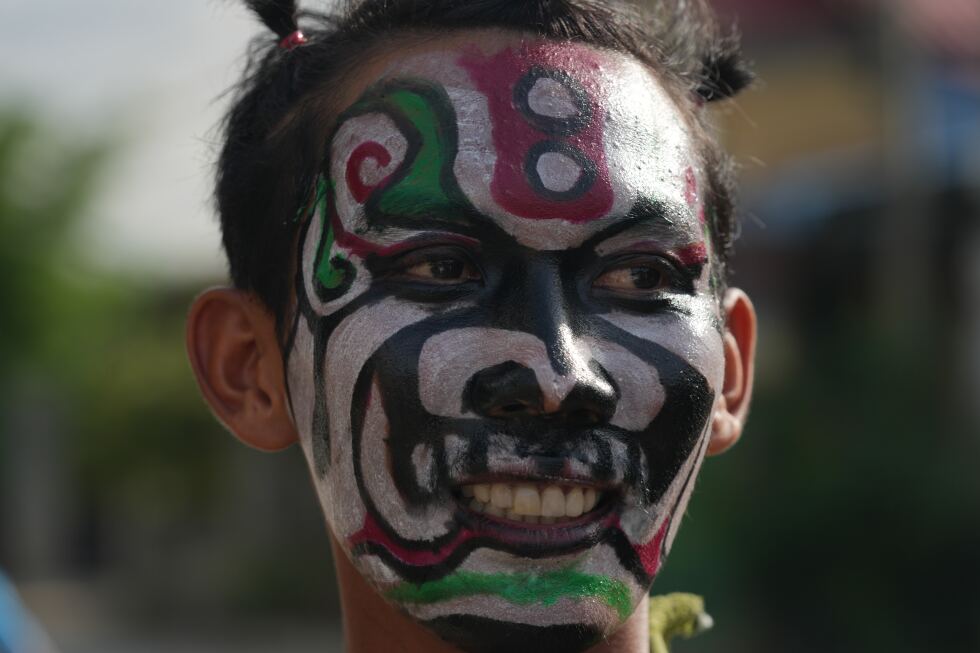
    Deep in the rural countryside 15 miles northwest of Cambodia’s capital Phnom Penh, hundreds of local residents gathered at dawn on Thursday to carry on a fading ancient tradition: the annual He Neak Ta ceremony, a vibrant ritual honoring village guardian spirits that has been passed down through hundreds of generations. Timed to align with the arrival of the summer monsoon, the annual gathering comes as Cambodian farmers prepare to plant water-reliant rice, the country’s staple crop, and communities come together to plead for abundant rain, good health, and widespread prosperity. Though the majority of Cambodia’s population identifies as Buddhist, the He Neak Ta ritual reflects the deep-rooted persistence of animist beliefs that have shaped local culture for centuries — a worldview holding that spiritual entities can dwell in all things, both living and inanimate. For participants across age groups, the ceremony is far more than a cultural relic: it is a living connection to the ancestors who built their communities. Twenty-six-year-old blacksmith Chamrouen Ratha set aside his work for the day to join the celebration, following the same tradition his family has practiced for generations. “The significance of this ceremony is to pray for happiness and prosperity for all the villagers in this area and the participants who have joined this ceremony,” he explained. Before the procession begins, villagers of all ages congregate roughly 1.2 miles from the local monastery dedicated to their guardian spirit. Young male participants paint intricate, folklore-inspired designs across their faces and bodies, slipping into grass skirts and handcrafted costumes designed to embody the spirits they honor; a handful even wear large, elaborately painted effigy heads atop their outfits to complete the transformation. Young women in attendance dress in traditional handwoven silk garments, adorned with gilded necklaces and fresh flowers tucked behind their ears, and many take to the open ground to dance gracefully to the rhythmic beat of handheld drums and small bronze gongs. The ragtag, joyful procession — which includes some participants traveling on motorbikes and even horseback — winds slowly toward the small shrine dedicated to the village guardian spirit. Once there, attendees light sandalwood incense and lay out offerings of fresh fruit, home-cooked food, soft drinks, and rice alcohol, laying their requests for good fortune, consistent rainfall, bountiful harvests, and freedom from disease before the shrine. The half-day celebration concludes with priests and elder community members spraying holy water over all gathered participants, blessing them for the year ahead. Thirty-year-old driver Sim Pov, one of the costumed marchers, shared his quiet hope for the coming growing season: “I pray for enough rainfall with abundant rice production … so that villagers would enjoy their harvest.” Sixty-four-year-old Neak Mao, who brought two of his own horses to join the procession, has attended every annual ceremony since he was a child. For him, the ritual’s greatest purpose is preserving the cultural legacy passed from one generation to the next. “This celebration is to ensure that the traditions of our ancestors are not lost, which they have tried to preserve and we continue to do so every year,” he said. As modernization has pushed many ancient animist rituals into decline across Southeast Asia, this small Cambodian village remains committed to carrying forward a practice that binds their community together, linking the past, present, and future in a single colorful annual gathering.

  • Elon Musk’s X fined for not complying with Australia’s child protection laws

    Elon Musk’s X fined for not complying with Australia’s child protection laws

    A years-long legal standoff between Australian regulators and Elon Musk-owned social media giant X Corp has come to a close, with a national court upholding a substantial fine for the company’s deliberate failure to adhere to national online child safety rules.

    The dispute traces back to February 2023, when Australia’s independent online safety regulator eSafety issued a formal transparency request to Twitter, the predecessor of X. The regulator demanded internal information about the platform’s systems and practices for identifying and removing child sexual exploitation material circulating on its service. One month after the request was filed, Twitter completed its merger into X Corp, a corporate restructuring led by Musk.

    X initially refused to comply with the information order, arguing that the original legal demand was issued to Twitter — an entity that no longer existed after the merger — and that the new X Corp bore no responsibility to meet the request. For three years, the company fought the regulator’s enforcement action in Australian courts, even after an earlier ruling last year confirmed X was legally obligated to respond to the transparency notice.

    On Thursday, X reversed its position and formally admitted to the wrongdoing. Justice Michael Wheelahan of the Australian court ordered the US-based company to pay a total fine of A$610,000, adjusted up from the original 2023 penalty, plus an additional A$100,000 to cover eSafety’s legal costs. The combined penalty amounts to approximately US$463,000, with full payment due within 45 days.

    In his ruling, Justice Wheelahan explained that a penalty near the maximum allowed under Australian law was necessary given X’s size and global reach. “A penalty near the maximum is appropriate in the case of the respondent, which is a substantial corporation so that it operates as a real deterrent and is not simply a cost of doing business,” he wrote in his judgment.

    This is not the first high-profile clash between X and Australia’s eSafety regulator. The agency has previously taken on the platform over its non-compliance with Australia’s world-first ban on social media use for children under 16, and its refusal to take down graphic footage of a 2024 Sydney church stabbing that spread widely across the platform. Tensions escalated dramatically in 2024, when Musk referred to eSafety Commissioner Julie Inman Grant as a “censorship commissar” in a post to his 196 million X followers. In the aftermath of that post, Grant revealed she received death threats, and her children’s personal information was leaked online in a doxxing attack.

    In a public statement released after Thursday’s ruling, Grant emphasized that the outcome reaffirmed the importance of holding large tech platforms accountable for child safety online. “Meaningful transparency is critical to holding technology companies to account,” she said, noting that the information request at the center of the case was designed to shed light on how platforms address the spread of harmful child sexual abuse material.

  • Heat wave empties roads and markets in north India as some farmers turn to nighttime work

    Heat wave empties roads and markets in north India as some farmers turn to nighttime work

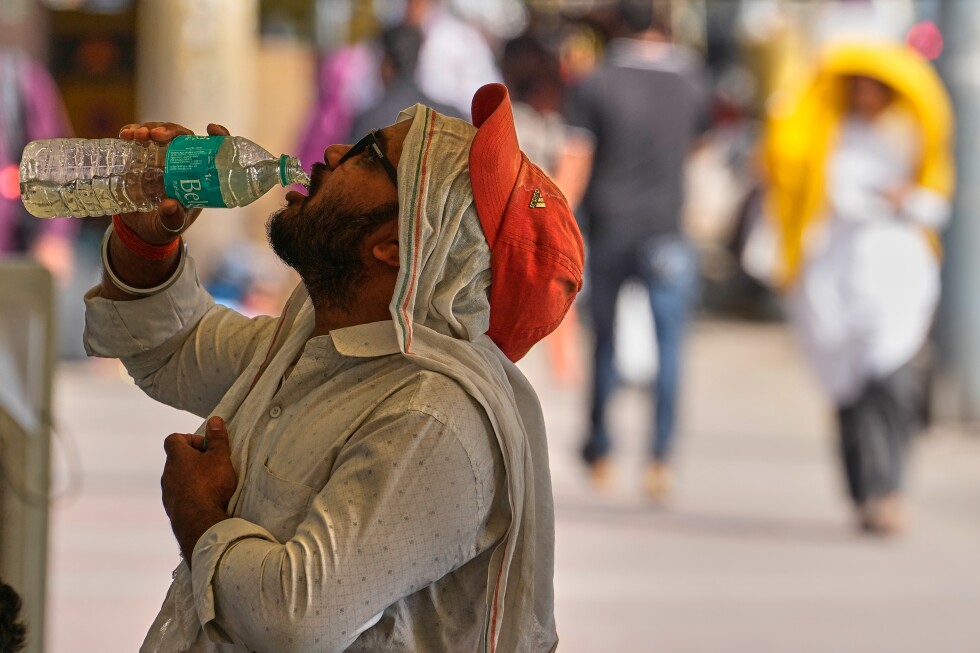
    A brutal, record-breaking heat wave has settled over large swathes of northern India, forcing widespread shifts to daily routines, pushing authorities to activate emergency cooling measures, and highlighting the growing risks of climate change-driven extreme weather in South Asia.

    By midday across affected regions, city streets and local marketplaces stand nearly empty. As daytime temperatures climb to life-threatening levels, many workers have restructured their schedules to avoid the worst of the heat. Farmers, whose livelihoods depend on working the land, have moved their planting, harvesting and field maintenance to overnight hours, while small traders have shifted operations to the cool early morning before temperatures spike.

    India’s national meteorological service forecasts that Thursday’s high temperature in the capital New Delhi will hit roughly 45 degrees Celsius, or 113 degrees Fahrenheit. The department has warned that the anomalous hot conditions will persist for at least several more days across multiple northern states, with temperatures holding far above long-term seasonal averages for this time of year. Local officials have issued repeated public advisories urging residents to remain indoors during the hottest afternoon window, and to take proactive precautions to avoid heat exhaustion and other heat-linked illnesses.

    In India, heat waves are officially classified when temperatures rise above 40 degrees Celsius (104 Fahrenheit) in low-elevation plain regions, and above 30 degrees Celsius (86 Fahrenheit) in the country’s hilly northern and northeastern areas. This current event far exceeds those thresholds across most of the affected zone: on Tuesday, the northern city of Banda recorded a maximum temperature of 48.2 degrees Celsius, or 118.8 Fahrenheit. That reading prompted local education authorities to end the spring school term early and suspend classes, pushing forward the start of summer vacation to protect student health.

    To provide emergency relief for unhoused residents, commuters and visitors, New Delhi authorities have set up dozens of temporary cooling zones across the capital. These shaded shelters are equipped with air coolers, circulating fans, free drinking water and oral rehydration solution to help people combat dehydration and overheating. On Wednesday, dozens of people rested inside one central tent, sitting near running coolers as staff distributed salt-infused rehydration drinks. “We came here for a trip, but the heat was far worse than we expected. This cooling station has been a lifesaver for us,” said 25-year-old tourist Basharat Ahmad Malla.

    Climate researchers confirm that this extreme heat event is part of a long-term warming trend driven by anthropogenic, or human-caused, climate change. India has seen a sharp increase in the frequency and intensity of heat waves over the last decade, and every one of the country’s 10 warmest years on record has occurred since 2014. “India has warmed dramatically over the last 10 years as a result of human-caused climate change, and the northwestern part of the country is warming much faster than most other regions,” explained Anjal Prakash, a contributing author to United Nations climate assessments and professor of public policy at Pune’s Flame University.

    Prakash noted that while India is no stranger to hot summer weather, climate change is dramatically increasing the odds of extreme, widespread heat events like the current one. “Climate change is loading the dice towards extreme and pervasive episodes like those we see now,” he said.

    Public health data underscores the deadly toll of these repeated heat waves. Research conducted between 2008 and 2019 found that an average of 1,116 heat-linked deaths are officially recorded each year in India. But public health experts warn the true annual death toll is likely far higher, in the thousands, because heat is rarely listed as a primary cause of death on official death certificates, leaving many fatalities uncounted in government statistics.

    This report includes contributions from Associated Press journalists Biswajeet Banerjee based in Lucknow, Piyush Nagpal in New Delhi, and Sibi Arasu in Bengaluru.

  • Laser hair removal device sparks bomb scare at Melbourne airport

    Laser hair removal device sparks bomb scare at Melbourne airport

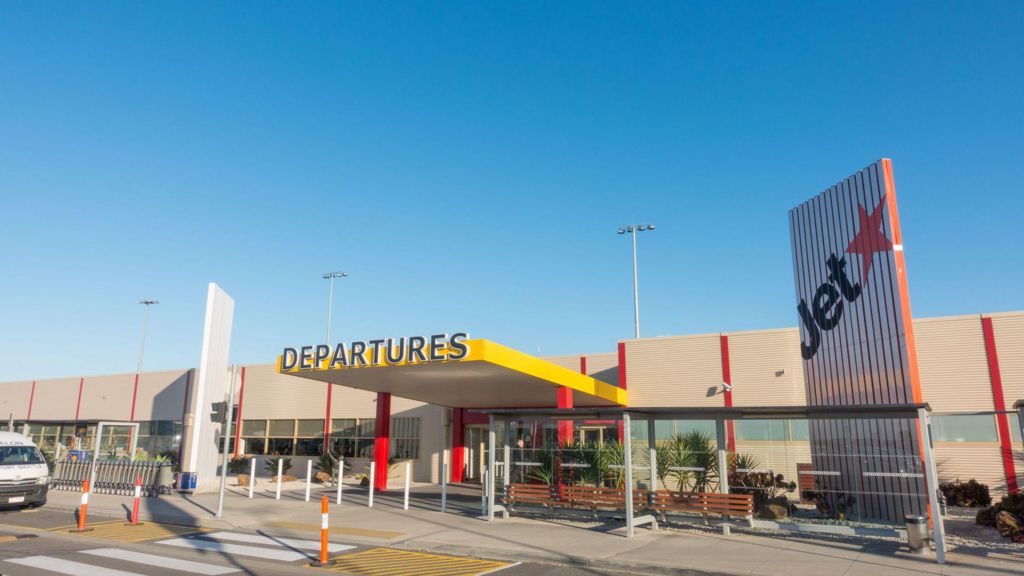
    One of Australia’s busiest regional air travel hubs was thrown into chaos on Thursday, when two unexpected everyday items sparked a full-scale bomb alert that suspended domestic flight operations for nearly half a day. Avalon Airport, the second-busiest air gateway in the state of Victoria located 31 miles southwest of central Melbourne, was placed under partial lockdown after security screening staff flagged a suspicious piece of checked baggage just before 6 a.m. local time, which equals 8 p.m. GMT on the previous day. Emergency protocols were immediately activated, with local law enforcement and bomb disposal units dispatched to the scene to investigate the potential threat. International flight schedules remained unaffected throughout the incident, but all domestic operations were paused as a precaution, leading to widespread cancellations and delays for thousands of passengers. After a thorough examination by the bomb squad, the suspicious package was found to contain nothing more dangerous than a laser hair removal device and an insulated hot chocolate container, a far cry from the explosive device authorities had prepared for. The owner of the baggage, a Melbourne resident, was taken into custody for questioning immediately after the discovery, but was eventually released without any criminal charges, Victoria Police confirmed. According to Acting Inspector Nick Uebergang of Victoria Police, the uncooperative behavior of the baggage owner extended the duration of the security lockdown. “The person who had the bag wasn’t too cooperative with us to start off with, which made things a little bit difficult. They probably could have averted things and we could have got out of here a little bit quicker,” Uebergang told reporters. Full operations at the airport resumed approximately four hours after the initial alert was raised. In a statement following the incident, an Avalon Airport spokesperson emphasized that the rapid, by-the-book response to the potential threat highlighted the effectiveness of the facility’s security protocols. “This response demonstrates the vigilance of the screening and security processes, and precautionary measures were taken immediately to ensure the safety of passengers, staff and the broader community,” the spokesperson said. Many passengers caught up in the sudden lockdown shared their chaotic experiences with local media outlets. One traveler who arrived at the airport around 7 a.m. told ABC Radio Melbourne, “We arrived at the airport around 7am and they had just put up the closure. No one sort of knew what was going on. We knew something was fairly significant because there were a lot of police cars and other sort of cars going into the airport.” Manjeet Singh, who was scheduled to board a flight to Brisbane, said he was directed to wait in the airport carpark with no basic amenities provided during the lockdown. “There’s no arrangements, no bathroom, no toilet, no beverages, no nothing,” he told local newspaper The Age. As Victoria’s second busiest aviation hub, Avalon Airport is a key base for budget airline Jetstar, a Qantas subsidiary that operates both domestic and international services from the facility. By the time the airport reopened, two domestic services – one incoming flight from Sydney and one outgoing flight to Sydney – had already been cancelled, with multiple other domestic routes facing lengthy delays. No injuries or actual security threats were reported during the incident.

  • Europe faces stray Ukrainian drones as Kyiv targets Russian oil exports

    Europe faces stray Ukrainian drones as Kyiv targets Russian oil exports

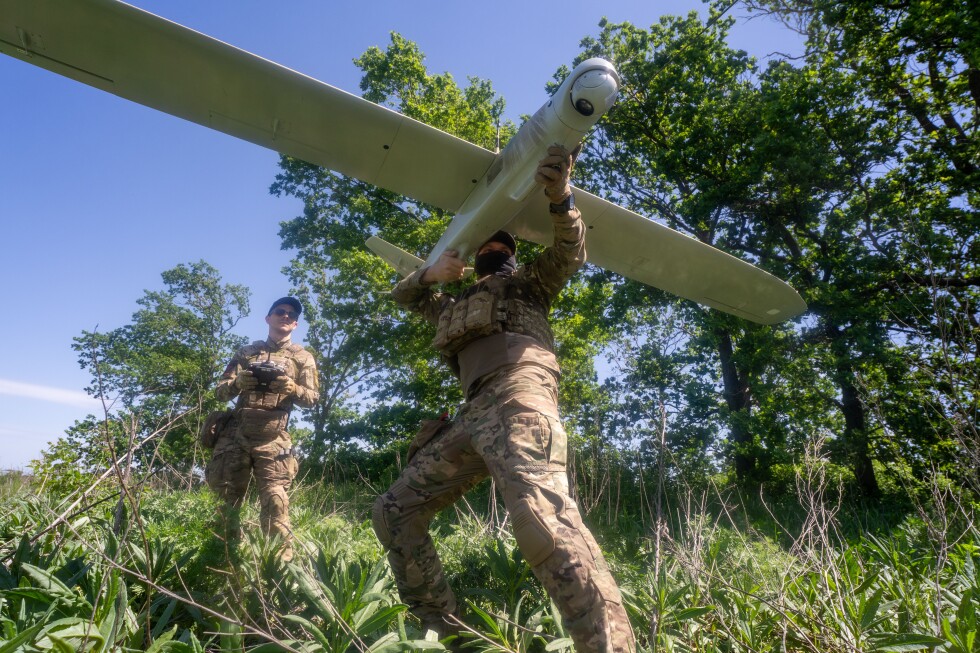
    Over recent months, a string of unintended Ukrainian drone incursions into the airspace of NATO and European Union Baltic member states has exposed gaps in regional air defenses, sparked political upheaval, and escalated geopolitical tensions along the alliance’s eastern border. What began as a series of isolated incidents has evolved into a major security challenge, with far-reaching implications for NATO cohesion and Ukraine’s efforts to disrupt Russia’s energy revenue streams.

    The incursions trace back to Kyiv’s expanded military campaign targeting Russian Baltic Sea ports that serve as critical hubs for Moscow’s oil exports. With oil prices pushed higher by U.S. involvement in the Iran conflict, these energy exports represent a core source of funding for the Kremlin’s war effort in Ukraine, making port and energy infrastructure a top strategic target for Kyiv. Ukraine has concentrated its strikes on key Russian ports of Ust-Luga and Primorsk, located just kilometers from the Estonian and Finnish borders. In one major May attack on Primorsk that ignited large port fires, regional Russian governor Alexander Drozdenko confirmed more than 60 Ukrainian drones were intercepted and downed during the assault.

    But as Ukraine’s long-range drones travel north to reach these targets, several have gone off course, crossing into NATO territory. Incidents have included a drone crashing into a power plant chimney in Estonia, another striking empty fuel storage tanks in Latvia, and a third being shot down by a Romanian fighter jet deployed to Lithuania as part of NATO’s rotational defense mission. Most recently, on a Wednesday in Vilnius – the capital of NATO member Lithuania – residents were ordered to shelter in underground parking garages amid official warnings of unidentifiable drone activity near the Belarusian border. It marked the first time a NATO capital has implemented such shelter protocols since Russia’s full-scale invasion of Ukraine in 2022. To date, no fatalities or injuries have resulted from the stray incursions, but the repeated airspace violations have triggered significant political and security fallout: in May, the incursions directly contributed to the collapse of Latvia’s sitting government, with both the prime minister and defense minister stepping down after the incident.

    Ukrainian officials have repeatedly apologized for the unintended incursions, blaming Russia’s widespread electronic jamming and spoofing operations for pushing the drones off their intended course. The explanation has been backed by Baltic leaders, who have long documented consistent Russian interference with global navigation satellite systems (GNSS) across the region. Russia uses two primary tactics to disrupt drone navigation: jamming, which overwhelms satellite navigation receivers with strong competing radio frequencies that block location calculation, and spoofing, which transmits fake satellite signals to trick a drone’s navigation system into believing it is operating in a different location. Lithuanian Foreign Minister Kęstutis Budrys has explicitly stated Russia is deliberately redirecting stray Ukrainian drones into NATO airspace to sow chaos and stoke tensions between Kyiv and the alliance.

    The repeated incursions have also drawn renewed attention to longstanding gaps in air defense coverage across NATO’s eastern flank. A September 2025 incident that saw 20 Russian drones enter Polish airspace – which required scrambling expensive multirole fighter jets to intercept – first exposed these vulnerabilities, as the drones were not detected prior to crossing the border. Last week, an armed Ukrainian drone crashed in Lithuanian territory after also evading early detection, according to Vilmantas Vitkauskas, head of Lithuania’s National Crisis Management Centre. While Poland and Romania have already deployed new purpose-built anti-drone defense systems, the first of their kind used by the alliance, this specialized technology has not been rolled out across the entire Baltic region. Estonian Defense Forces Colonel Janno Märk notes that countering drone incursions is an inherently complex challenge: drones operate across a wide range of speeds and altitudes, requiring a layered, multi-system defense approach rather than a single one-size-fits-all solution. Despite the tensions, Budrys says Baltic nations are looking to Ukraine itself for support: as Kyiv has led the world in developing advanced counter-drone technology amid its two-year war with Russia, Ukrainian expertise offers the most effective path to mitigating future incursions, especially as Kyiv now holds the capability to strike targets deep inside Russian territory, increasing the volume of drone traffic near NATO borders.

    The drone incidents have also prompted aggressive rhetoric from Moscow, which has sought to frame the incursions as proof that NATO is directly involved in the war against Russia. Russia’s Foreign Intelligence Service (SVR) recently made an unsubstantiated claim that Ukraine plans to launch drone strikes against Russia from Baltic territory, and alleged Ukrainian military personnel have already deployed to Latvia. The SVR warned that Latvia’s NATO membership would not shield the country from what it called “just retribution.” Both Ukraine and Baltic leaders have rejected the claim outright. Ukrainian foreign ministry spokesman Heorhii Tykhyi confirmed no Baltic state or Finland has ever permitted Ukraine to use their territory for strikes against Russia, while Budrys dismissed the SVR’s allegation as a “transparent act of desperation” designed to distract from Ukraine’s successful strikes against Russia’s military supply chains. NATO Secretary-General Mark Rutte has echoed that framing, praising the alliance’s calm, decisive, and proportional response to the drone incidents, and placed full blame for the incursions on Russia’s illegal war of aggression against Ukraine.

  • Montenegro at 20: After breaking with Serbia and joining NATO, EU is the next frontier

    Montenegro at 20: After breaking with Serbia and joining NATO, EU is the next frontier

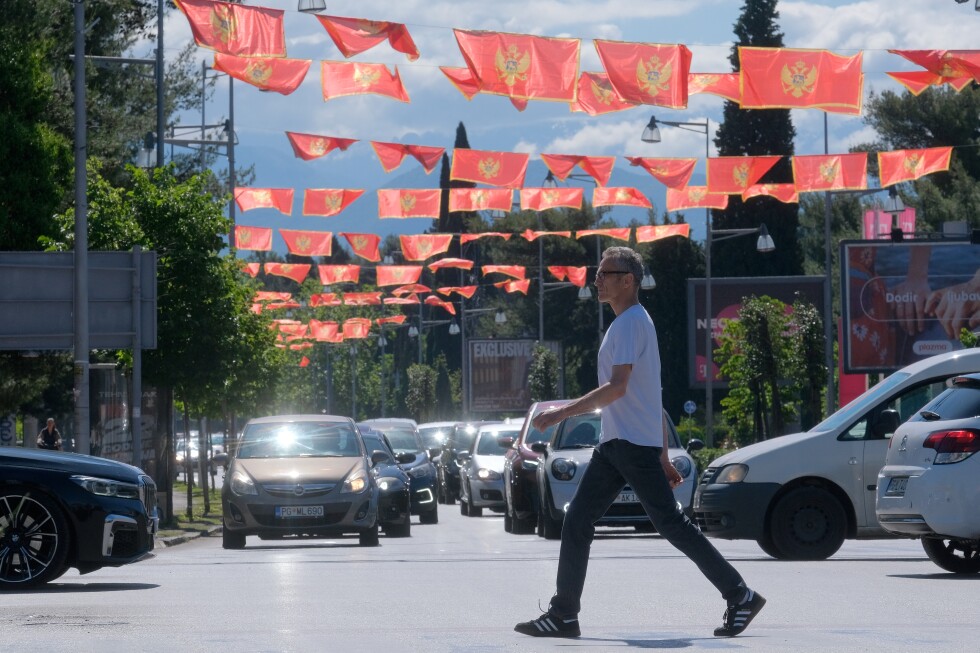
    This week, the small Balkan nation of Montenegro is holding nationwide celebrations to commemorate two decades of full independence following its split from the state union with Serbia. Over the past 20 years, the country has already achieved one major strategic milestone by joining the North Atlantic Treaty Organization, and now it is laser-focused on its next ambitious goal: full integration into the European Union.

    In an interview with the Associated Press on the sidelines of national independence festivities, Montenegrin President Jakov Milatovic framed NATO membership as a defining achievement for the young nation. He expressed unwavering confidence that Montenegro, a country with a total population of just 623,000, will meet its target of becoming the 28th member of the 27-nation EU by 2028. This goal has become so central to the country’s national agenda that the motto “28 by 28” has even been painted on the fuselage of one of Montenegrin national airline’s aircraft. “We can achieve it,” Milatovic stated from his office in the capital Podgorica. “I am optimistic about it.”

    Known for its dramatic, turquoise Adriatic coastline and rugged, towering mountain ranges, Montenegro is hosting concerts, community events and formal celebrations across Podgorica and smaller towns throughout the country this week to mark the historic anniversary of the 2006 independence referendum.

    The path to independence was far from unified two decades ago. After a decade of regional conflict that accompanied the dissolution of Yugoslavia, capped by the 1999 NATO bombing campaign to end the Kosovo War, Montenegro held its independence referendum on May 21, 2006. The final result was narrow: 55.5% of voters backed splitting from the State Union of Serbia and Montenegro to form an independent Montenegrin state.

    The split exposed deep divisions across the country, given Montenegro’s centuries-long cultural, political and social ties to Serbia. Roughly one-third of the population identifies as ethnically Serb, the two nations share the Eastern Orthodox Christian faith, their languages are mutually intelligible, and they have a long history of political alliance. The independence movement was led by longtime Montenegrin leader Milo Djukanovic, who guided the country into NATO and shifted its geopolitical alignment away from Russia, another historic Slavic ally.

    Milatovic emphasized that the 2006 referendum put Montenegrins in control of their own future, laying the groundwork for all progress that has followed. “The major progress probably happened when the country became a part of NATO in 2017,” he added. “Being a part of NATO for a small country like Montenegro is very important because NATO is indeed a security guarantee for our independence and statehood.”

    Today, Montenegro stands as the leading candidate for EU accession among the six Western Balkan nations that are at varying stages of the membership process. The EU has already established a specialized working group to draft Montenegro’s accession treaty, a clear signal that membership is within tangible reach. EU leaders are expected to reaffirm their support for Western Balkan integration at a summit of candidate country leaders to be held in the coastal Montenegrin town of Tivat in early June, where delegates from Albania, Bosnia-Herzegovina, North Macedonia, Serbia and Kosovo will also gather. Multiple other countries, including Ukraine, also hold candidate status and aim to join the bloc in the coming years.

    Milatovic noted that public support for EU membership in Montenegro remains very high, hovering around 80%. However, he acknowledged that the country still needs to complete a series of key democratic and economic reforms, and the speed of progress moving forward “is now entirely up to Montenegro.”

    Challenges remain substantial on the road to accession, according to Jovana Marovic, Montenegro’s former European integration minister. The country has been an official EU candidate since 2010, and a top unmet priority is strengthening democratic state institutions to meet EU standards. “What was missing in the last 14 years, we have to provide now just in six months,” she said. “So it’s really demanding, but the process is going on.”

    For ordinary Montenegrin citizens, improving economic conditions and raising living standards are the most pressing priorities. While Montenegro has already adopted the euro as its national currency and made significant democratic strides, its economy remains small and disproportionately reliant on the seasonal tourism industry. Zorana Popivoda, a 28-year-old Montenegrin, praised the restoration of independence but echoed widespread economic frustration: “then you go into a store and you see that you can buy absolutely nothing.”

    Milatovic, a 39-year-old economist who took office in 2023, criticized previous administrations for failing to move faster on democratic reforms and crack down on endemic organized crime and corruption in the early years of independence. “I think that over the last 20 years, we can objectively say that the country experienced progress,” he said, “but also that Montenegro had a number of missed opportunities.” Moving forward, the president’s administration is committed to meeting the 2028 accession target and delivering tangible improvements to the lives of all Montenegrin citizens.

  • The United Nations’ top court will issue an advisory opinion on the right to strike

    The United Nations’ top court will issue an advisory opinion on the right to strike

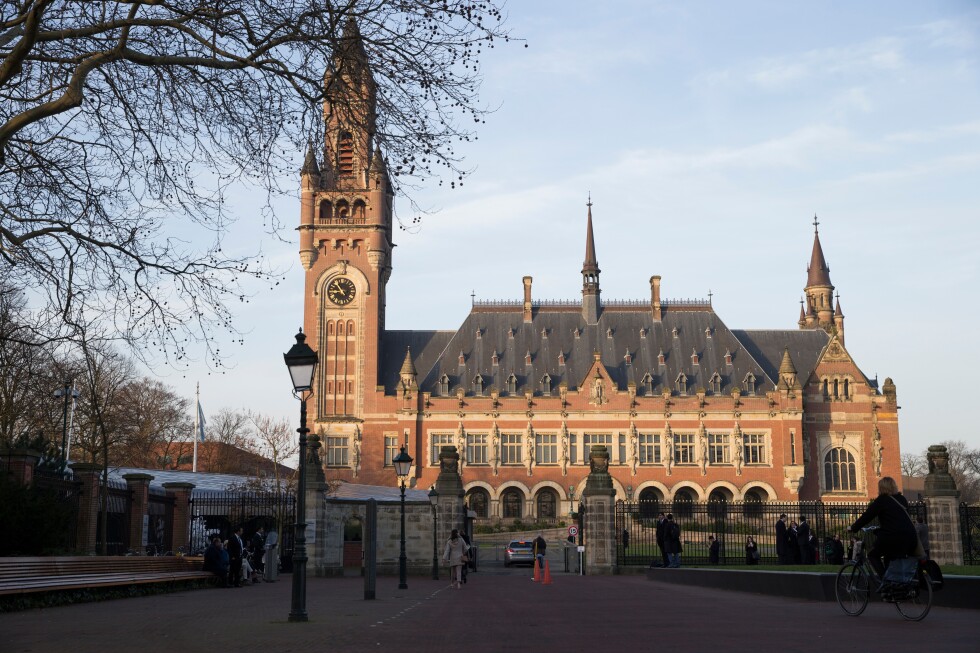
    THE HAGUE, Netherlands — A highly anticipated landmark ruling from the United Nations’ highest judicial body is scheduled for Thursday, which will bring long-awaited clarity to the long-debated question of whether workers hold a legally recognized right to walk off the job. Back in 2023, the International Labour Organization (ILO), a specialized United Nations agency focused on global labor standards, turned to the 15-judge panel of the International Court of Justice (ICJ) to resolve an ongoing internal disagreement: does one of the ILO’s core labor conventions explicitly enshrine the right to strike for employees around the globe?

    The convention at the center of the dispute has already been ratified by 158 countries around the world. Its standards are already embedded in binding United Nations labor frameworks, official guidance from the Organization for Economic Cooperation and Development, and countless international trade agreements that govern cross-border commerce. Notably, while the United States holds membership in the ILO, it has not completed the ratification process for this specific convention.

    While ICJ advisory opinions are not formally legally binding on sovereign states, they carry substantial moral and political weight in international law, and Thursday’s decision is widely expected to reshape labor regulations across every region of the world. This is not the first time the ICJ has delivered a high-stakes advisory opinion on a matter of global interest in recent years: in 2023, the court issued a groundbreaking ruling that found countries can be held in violation of international law if they fail to enact adequate measures to protect the global climate system from dangerous anthropogenic climate change.

    When the ICJ held public hearings on the right to strike case last October, legal representatives from 18 sovereign countries and five major international organizations (including the ILO itself) presented oral arguments before the court. Dozens of other governments submitted formal written arguments for the judges to consider, and the clear majority of participating stakeholders voiced support for recognizing an explicit right to strike under the convention.