博客

  • Malaysia orders TikTok to explain ‘grossly offensive’ fake content targeting king

    Malaysia orders TikTok to explain ‘grossly offensive’ fake content targeting king

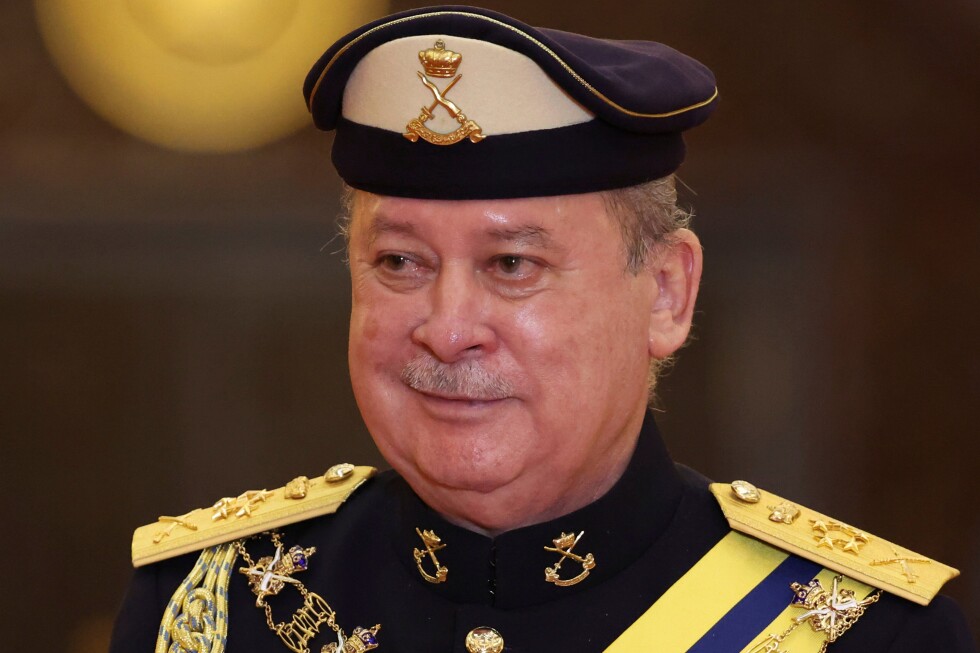
    Malaysian regulators have taken formal action against global short-video platform TikTok, demanding the company explain and fix its repeated failure to rapidly remove harmful content that targets the country’s royal establishment. The Communications and Multimedia Commission announced the legal order Thursday in Kuala Lumpur, confirming the move comes after widespread circulation of severely inappropriate material targeting the monarchy, including AI-manipulated videos and altered images spread from an account that falsely claimed affiliation with King Sultan Ibrahim Iskandar.

    In its official statement, the regulator emphasized that content touching on Malaysia’s core sensitive domains of race, religion, and royalty carries unique gravity. Unauthorized and insulting material in these areas does not merely violate online community standards, it also poses a direct threat to public order, national unity, and public respect for the country’s constitutional institutions, the commission noted.

    The agency added that Malaysian authorities had already notified TikTok of the problematic content and held prior discussions with the platform to secure content removal. Despite these previous engagements, TikTok’s content moderation response fell far short of expectations, particularly when it came to speedily taking down harmful posts and blocking their further spread across the platform.

    TikTok, which has not issued any public statement on the regulatory action to date, also declined to comment on the matter when contacted by The Associated Press. The legal notice delivered to the company requires two core actions: first, a full explanation of why its moderation systems failed to catch and remove the content in a timely manner; second, immediate remedial steps to strengthen its content moderation infrastructure and step up enforcement against any content that violates Malaysian national law or domestic community standards.

    The commission stressed that all social media platforms operating within Malaysian borders bear a fundamental responsibility to proactively prevent unlawful and damaging activity on their services. It also issued a clear warning that regulators will continue to implement firm, proportionate enforcement measures going forward to ensure all digital platforms uphold their obligations to maintain a safe, respectful online ecosystem for Malaysian users.

    This latest action against TikTok aligns with Malaysia’s broader ongoing effort to tighten regulatory oversight of large digital platforms operating within its jurisdiction. Over the past several years, Malaysian authorities have ramped up enforcement against social media companies over a range of issues, from harmful content and public order threats to scams and unregulated online gambling.

  • China says US should stop ‘threats’ against Cuba after ex-leader charged

    China says US should stop ‘threats’ against Cuba after ex-leader charged

    A decades-old Cold War-era incident between the U.S. and Cuba has reignited a high-stakes diplomatic standoff, after a U.S. court unsealed murder and conspiracy charges against 94-year-old former Cuban President Raúl Castro. The charges stem from the 1996 downing of two small aircraft operated by Brothers to the Rescue, a Cuban-American dissident group based in Florida. Four people, including three U.S. citizens, were killed in the incident, which has remained a flashpoint of tension between Washington and Havana for nearly 30 years.

    At the time of the incident, Castro, who stepped down as Cuba’s head of state in 2018, led the country’s armed forces. He was indicted alongside five other co-defendants earlier this week, with the charges carrying extreme penalties including life imprisonment or the death penalty. Cuban President Miguel Díaz-Canel has rejected the accusations outright, labeling them a baseless political maneuver with no legitimate legal standing.

    The indictment comes as part of a broad, escalating campaign of pressure on Cuba by the Trump administration, which has openly targeted the country’s communist government for regime change. In recent weeks, the White House has ramped up sanctions: earlier this month, President Trump issued an executive order blacklisting officials across Cuba’s energy, defense, financial and security sectors, targeting individuals the U.S. accuses of human rights violations and public asset misappropriation. The U.S. has also tightened its long-standing trade embargo to block oil shipments to Cuba, a move that has exacerbated the country’s ongoing economic woes, triggering widespread power blackouts and acute food shortages.

    The Trump administration’s aggressive posture toward Cuba follows the January capture and extradition of former Venezuelan President Nicolás Maduro to the U.S. to face narco-terrorism and drug trafficking charges. In public remarks after the capture, Trump openly stated he believed Cuba was “ready to fall,” signaling further escalation against the island nation.

    In response to the latest indictment, Beijing has reaffirmed its long-standing diplomatic and economic support for Havana, a close ally. Chinese Foreign Ministry spokesperson Guo Jiakun issued a formal statement Thursday condemning the U.S. action, calling on Washington to end its use of “coercion” and “constant threats of force” against Cuba. Guo emphasized that China firmly opposes any attempt by outside powers to pressure Cuba under any pretense, and urged the U.S. to stop misusing sanctions and judicial mechanisms as tools of political coercion. “China resolutely supports Cuba in safeguarding its national sovereignty and dignity, and opposes external interference in Cuba’s internal affairs,” Guo said.

    China has deepened its economic and diplomatic ties with Cuba over the past decade, following President Xi Jinping’s 2014 official visit to the island. In 2018, formally joined China’s transcontinental Belt and Road Initiative, a massive infrastructure investment framework that has already funded multiple key strategic development projects across Cuba.

  • Deadly DR Congo Ebola outbreak spreads to M23-held South Kivu

    Deadly DR Congo Ebola outbreak spreads to M23-held South Kivu

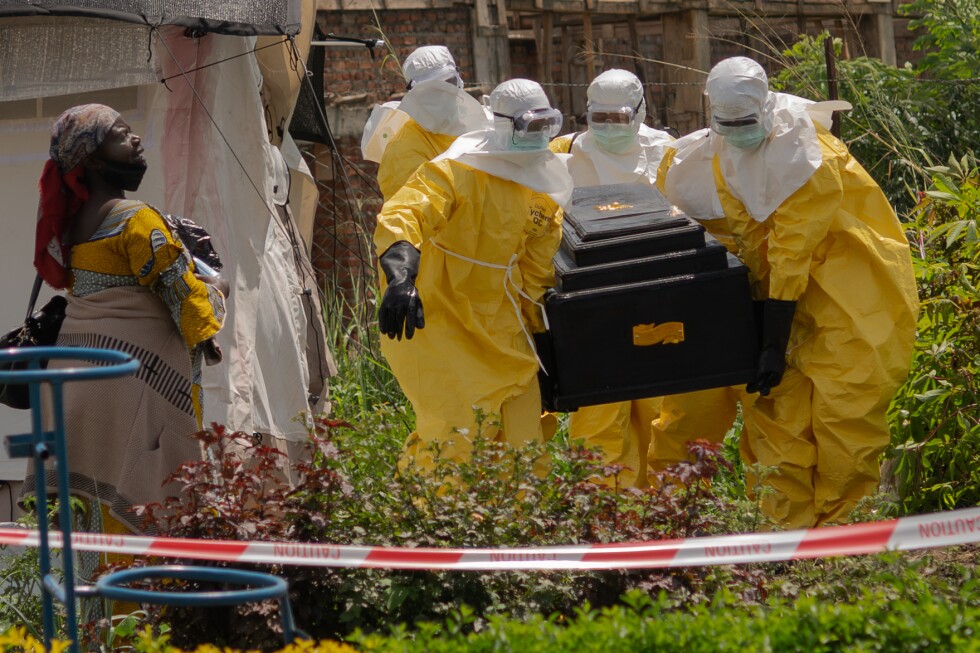
    A catastrophic development in the ongoing Ebola crisis in the Democratic Republic of the Congo has seen the deadly virus cross into a new contested region, dealing a major blow to already strained international response efforts. On Thursday, a spokesman for the Rwanda-backed M23 militia confirmed that the first confirmed Ebola case has been recorded in South Kivu, an eastern province largely under the armed group’s control.

    The current outbreak, which the World Health Organization (WHO) has already designated as a Public Health Emergency of International Concern, has been consistently undermined by decades of persistent conflict in the DRC’s mineral-rich eastern region, where ongoing military clashes between the Congolese national army and M23 have carved the territory into fragmented, hard-to-access zones. Backed by Rwandan military support, M23 has seized large swathes of eastern DRC since early 2025, establishing a parallel governing administration separate from the national government in Kinshasa — but the group has never before been forced to coordinate a response to a large-scale, high-mortality epidemic like Ebola.

    Since the 1970s, Ebola has claimed more than 15,000 lives across the African continent. According to M23’s spokesperson, the confirmed case in South Kivu involves a 28-year-old man who traveled to Bukavu, the province’s capital that fell to M23 control in February 2025, from Kisangani, the major urban hub of neighboring Tshopo province. No cases linked to the current outbreak had previously been recorded in either South Kivu or Tshopo. Tragically, the patient died before official diagnostic testing could be completed, the spokesman added. As of publication, Congolese national health authorities have not released any official comment on the new case.

    The WHO reports that this outbreak is the 17th recorded Ebola event in the DRC, a central African nation of more than 100 million people. To date, the outbreak has been linked to nearly 600 probable cases, with more than 139 suspected deaths recorded. The epidemic’s epicenter remains in northeastern Ituri province, where most cases have emerged in remote areas plagued by a tangled network of competing armed groups that restrict aid access. Prior to this confirmation, cases had only been recorded in Ituri, North Kivu, and neighboring Uganda.

    Widespread access barriers have complicated the public health response: because most affected areas are cut off by conflict, few patient samples can be transported to certified laboratories for testing, meaning most official counts rely on suspected rather than laboratory-confirmed cases. Both North and South Kivu are now split by active front lines between Congolese government forces and M23 and its Rwandan backers. The critical international airport in Goma, North Kivu’s capital, which previously served as the main hub for airlifting emergency medical aid into eastern DRC, has been closed since M23 seized the city in January 2025.

    Complicating the crisis further, no licensed vaccines or specific clinical treatments exist for the Bundibugyo strain of Ebola that is driving the current outbreak. While the WHO assesses the outbreak risk as very high for the DRC and the broader central African region, it classifies the risk of a global pandemic as low. The response effort is also being stretched by deep funding cuts to major humanitarian organizations, driven in large part by sweeping U.S. foreign aid reductions implemented after U.S. President Donald Trump returned to office. One of Trump’s first actions upon resuming the presidency was to withdraw the United States from the WHO, an agency he repeatedly criticized for its handling of the COVID-19 pandemic.

  • Dozens of vehicles burnt as Mali jihadists enforce blockade

    Dozens of vehicles burnt as Mali jihadists enforce blockade

    An escalating insurgent blockade targeting Mali’s capital Bamako has entered a more dangerous phase, with jihadist fighters aligned with al-Qaeda burning dozens of civilian and commercial vehicles on key arteries leading into the city, multiple verified sources confirm.

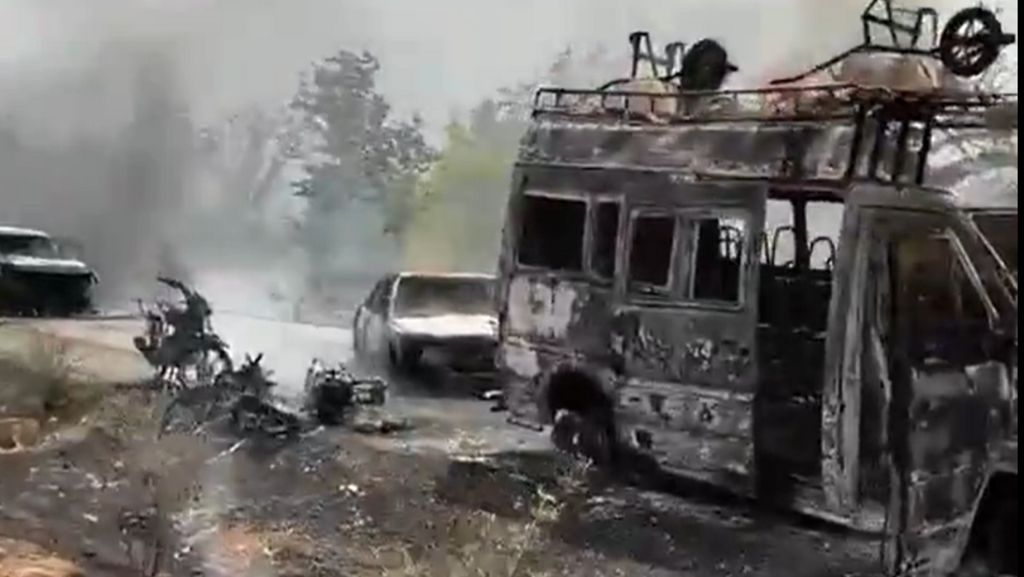
    The destruction, which took place on a major roadway roughly 45 kilometers west of the capital, was captured on video by witnesses traveling through the area. Independent analysis by BBC Verify confirmed the footage was authentic: analysts cross-referenced two distinct roadside structures with recent satellite imagery to confirm the location, and ruled out artificial manipulation of the video. Complementary verification came from NASA’s Fire Information for Resource Management System (FIRMS), a satellite platform designed to detect surface heat sources, which recorded a significant heat signature matching the attack site on Tuesday.

    Footage of the incident shows the charred, smoldering wreckage of more than a dozen vehicles, including commercial fuel tankers, passenger minibuses, and cargo trucks. Crucially, there have been no reports of civilian casualties in this latest attack: witnesses report militants ordered all drivers and passengers to exit their vehicles before setting them alight.

    This attack is part of a broader, year-long campaign by Jama’at Nusrat al-Islam wal-Muslimin (JNIM), the al-Qaeda-affiliated jihadist group that has waged a fuel blockade on Bamako to cripple the West African nation’s ruling military junta. The group dramatically tightened the blockade last month, following coordinated large-scale attacks across multiple Malian cities that killed the country’s defense minister, Sadio Camara, in a suicide truck bombing targeting his residence near the capital.

    As a landlocked nation, Mali relies entirely on overland fuel shipments from neighboring coastal states including Senegal and Ivory Coast to keep its economy running and civilian services operational. Since the blockade began last year, JNIM militants have kidnapped transport workers and destroyed more than 100 fuel trucks on major national highways. While military escorts have allowed a limited number of fuel convoys to reach the capital, persistent attacks have created a sustained national fuel crisis. Just before this latest incident, government officials had signaled the crisis was beginning to ease, raising hopes for a return to normalcy.

    The current Malian government is led by General Assimi Goïta, who first seized power in a 2020 coup. Goïta rose to power on a promise to stamp out the country’s years-long Islamist insurgency and restore security across national territory. In January of this year, he appointed Brigadier General Famouké Camara to lead a new specialized counter-blockade operation aimed at breaking JNIM’s grip on key supply routes. Despite this new initiative, attacks on fuel convoys have continued unabated.

    When the military junta first took power five years ago, it enjoyed broad popular support from Malians frustrated by the government’s failure to contain a growing insurgency that grew out of a 2012 Tuareg separatist rebellion in northern Mali, which was later co-opted by JNIM and other Islamist militant groups. Despite receiving military backing from Russian mercenary forces, the junta has failed to roll back insurgent gains, leaving large swathes of northern and eastern Mali effectively ungovernable.

    Security analysts say the blockade is a deliberate strategic move by JNIM: by cutting off fuel supplies to the capital, the group aims to choke off Mali’s already fragile economy and erode public confidence in the ruling military leadership, whose core mandate has been resolving the country’s security crisis. The BBC has reached out to Mali’s transitional government for official comment on the latest attack, but has not yet received a response.

  • Nigeria’s anti-drug agency shut down large meth laboratory in a raid

    Nigeria’s anti-drug agency shut down large meth laboratory in a raid

    In a landmark blow against international organized crime, Nigeria’s premier anti-narcotics enforcement body announced the dismantling of a cross-border drug syndicate with links to both Nigerian and Mexican criminal networks operating in the country’s southwest. The National Drug Law Enforcement Agency (NDLEA) revealed Wednesday evening that its specialized tactical operations team successfully neutralized an industrial-scale secret drug production facility hidden within a remote forest region of Ijebu, located in Ogun State. Ogun State shares a direct border with Lagos, Nigeria’s economic and commercial hub, making the syndicate’s proximity to a major population and transportation center a particularly alarming threat.

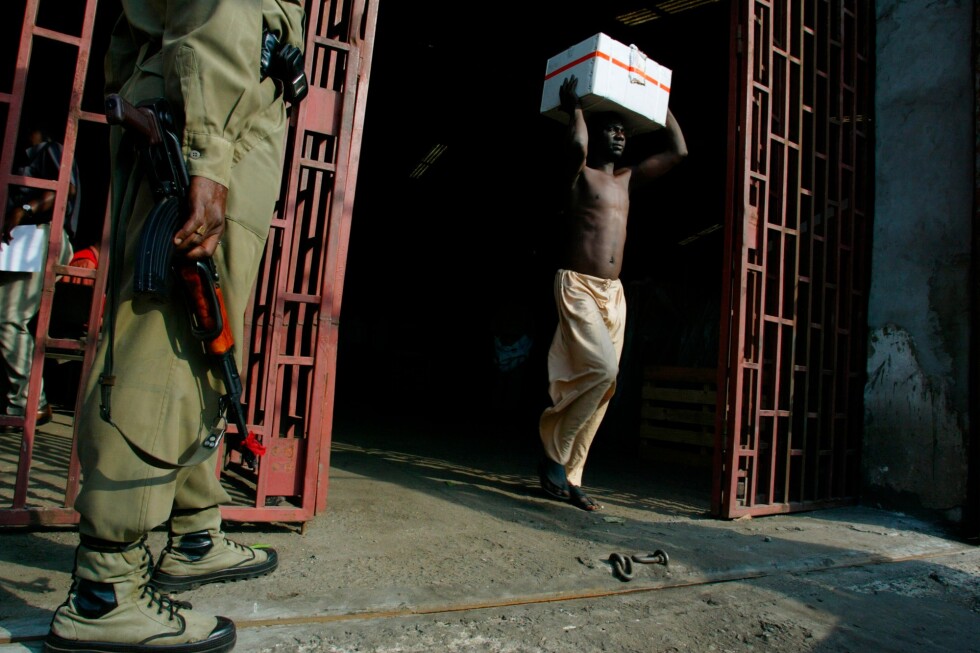
    NDLEA officials confirmed that this operation marks the largest single drug interdiction in Nigeria’s recorded history. During the targeted raid, enforcement officers apprehended seven core members of the cartel: four Nigerian citizens and three Mexican nationals. Three additional suspects linked to the network were taken into custody in subsequent sweep operations carried out in the days following the initial raid.

    Brigadier General Mohamed Buba Marwa, director-general of NDLEA, emphasized that the criminal network posed an unprecedented danger to Nigeria beyond simple drug trafficking. “This network did not just traffic drugs; they were actively manufacturing industrial-scale quantities of highly lethal illicit substances right on our soil, threatening the national security and public health of Nigeria,” Marwa stated in the agency’s official announcement.

    Authorities confirmed that the operation yielded a massive haul of contraband: more than 2.4 tons of drug chemicals and finished methamphetamine, with an estimated street value of 480 billion naira, equivalent to roughly $363 million. Two vehicles used by the syndicate to transport materials and finished product were also seized as evidence.

    The takedown aligns with longstanding warnings from global drug control bodies about growing criminal activity in West and Central Africa. For years, the United Nations Office on Drugs and Crime has highlighted that the region has become a global hotspot for both illicit drug production and transnational trafficking, driven largely by weak border security, widespread porous border crossings, and systemic corruption that allows criminal networks to operate with relative impunity.

  • EasyJet boss says summer flights won’t be hit by jet fuel shortages

    EasyJet boss says summer flights won’t be hit by jet fuel shortages

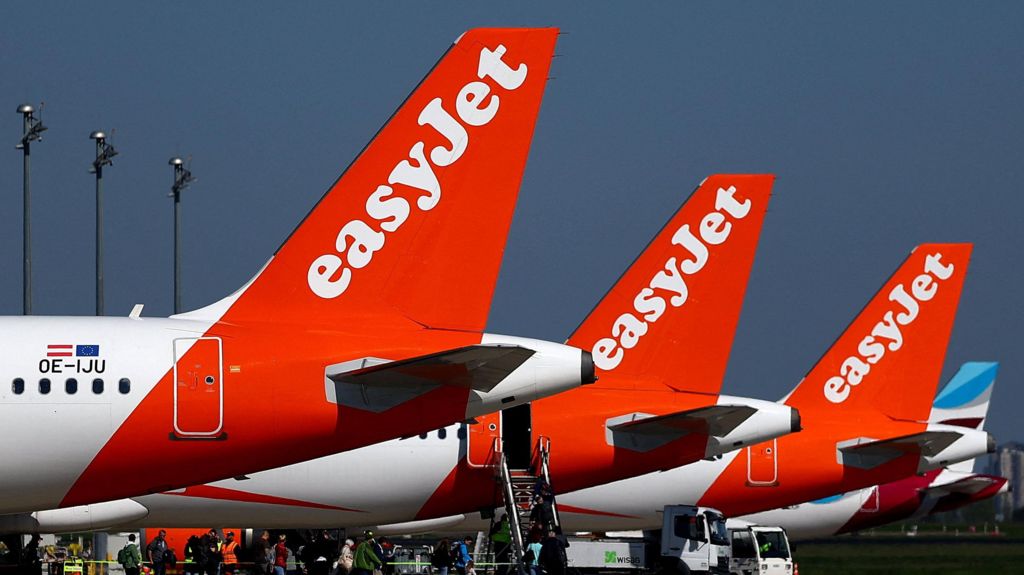
    As peak summer travel season approaches, the chief executive of British low-cost carrier EasyJet has moved to reassure passengers that the airline will not face disruptions from jet fuel shortages, even as geopolitical tensions in the Middle East linked to the Iran conflict roil global energy markets and shift traveler booking habits.

    Kenton Jarvis, EasyJet’s CEO, told the BBC that travelers have no reason to panic over fuel availability, and can book summer flights with full confidence. The ongoing conflict has disrupted shipping through the Strait of Hormuz, a critical chokepoint that traditionally carries a large share of jet fuel supplies bound for European markets, pushing fuel prices to nearly double their pre-conflict levels at their peak. This market volatility has come alongside shifting policy plans in the UK, where proposed restrictions on Russian-derived diesel and jet fuel imports were recently softened amid widespread industry concerns over supply crunches and further price hikes.

    Against this tense backdrop, Jarvis stressed that EasyJet has not encountered any fuel supply issues at any of its operating bases across the UK, Europe, or other global locations. The airline maintains constant close coordination with fuel suppliers, airport operators, and national governments, he said, and none of these stakeholders have flagged upcoming supply risks. “I would absolutely say don’t panic about it, at EasyJet we fully intend to fly the summer schedule that we have on sale,” Jarvis stated, adding that the carrier has no plans to introduce sudden fuel surcharges on existing or new ticket bookings.

    To offset supply disruptions from the Gulf region, Jarvis noted that jet fuel production has ramped up in Norway, West Africa, and the Americas, while jet fuel refining capacity outside the Middle East has expanded substantially. These market adjustments have kept supply flowing to European airports, he argued.

    The most visible shift EasyJet has recorded is a move toward shorter booking windows, with strong demand concentrated on flights departing within the same month, while bookings for trips further in advance have slowed. “As you look further out people are more cautious, people are waiting and watching, but they are booking… and I expect that strong late booking market to run through the summer,” Jarvis said. This trend of delayed bookings is not unique to EasyJet: rival travel operator Jet2 reported last month that bookings have shifted increasingly close to departure since the Iran conflict began, while Tui Group recorded a 10% drop in early summer holiday booking revenue from UK customers. The Advantage Travel Partnership, a UK travel agent consortium, confirmed that while consumer appetite for travel remains solid, many travelers are holding off on long-term bookings to monitor how the geopolitical situation develops.

    Jarvis’s comments came as EasyJet released its half-year financial results covering the six months ending in March, reporting a pre-tax loss of £552 million – a standard result for European airlines, which typically post winter losses ahead of peak summer profits that cover off-season costs. The carrier reiterated that its full-year second-half financial performance will face headwinds from elevated fuel prices and uncertain consumer demand.

    Earlier this year, EasyJet announced it would cut available summer seat capacity by just 0.3%, and confirmed that the Iran conflict added an extra £25 million to its fuel bill in March alone. Price data illustrates the scale of market volatility: before the first US and Israeli airstrikes in late February, European jet fuel traded at $831 per tonne. By early April, that price spiked to $1,838 per tonne before pulling back to around $1,300 in recent weeks.

    To mitigate exposure to these price swings, EasyJet has hedged 72% of its jet fuel needs for the six months through September at pre-conflict price levels, with that hedging ratio falling to 53% for the 2026-2027 winter period. Industry analysts note that EasyJet is more exposed to fuel price fluctuations than many of its European competitors. “The recent spike in fuel prices looks set to take a big toll on profitability,” said Aarin Chiekrie, equity analyst at Hargreaves Lansdown. “Even if the Middle East conflict is resolved in the near term, fuel prices are likely to remain elevated for some time.” Rival airline Ryanair offered a similar assessment to EasyJet earlier this week, stating that Europe remains relatively well supplied with jet fuel despite geopolitical disruptions.

  • Trump’s push for deep-sea mining spawns new companies and fast-tracked rules

    Trump’s push for deep-sea mining spawns new companies and fast-tracked rules

    Twelve months have passed since former U.S. President Donald Trump signed an executive order to jumpstart a commercial deep-sea mining industry from scratch, and the sector has already seen explosive investor activity, soaring stock valuations, and a rushed federal permitting push that could bring the first U.S.-approved commercial seabed mining projects to fruition within the next two years. An Associated Press investigation into the nascent industry reveals sharp divides over its economic viability, environmental risks, and legal legitimacy, even as regulators move aggressively to auction off access to seafloor deposits stretching from Alaskan waters to American Samoa by the end of 2025.

    At least nine companies are currently in active discussions with federal regulators to secure exploration and commercial mining rights, marking a dramatic reversal of decades of U.S. policy that aligned with international agreements governing the global seabed. For context, deep-sea mineral deposits — most notably polymetallic nodules, fist-sized rock formations formed over millions of years that contain high concentrations of manganese, copper, nickel, cobalt and rare earth elements critical to clean energy technology — have drawn prospector interest for more than a century. Trillions of these nodules lie on the international seabed between Mexico and Hawaii, an area classified as the shared heritage of all humankind under the governance of the Jamaica-based International Seabed Authority (ISA). To date, the ISA has granted only exploration rights to 24 contractors, and has not finalized rules to allow commercial mining, a process that has dragged on for more than a decade.

    Trump’s 2024 executive order broke with this international framework, reversing longstanding U.S. commitments to wait for ISA rules and directing federal agencies to accelerate domestic permitting. The order framed seabed mining as critical to U.S. economic prosperity and trade independence from China, a framing that has rallied industry and political support. Today, two federal agencies are leading the permitting push: the Bureau of Ocean Energy Management (BOEM), which regulates U.S. territorial waters, and the National Oceanic and Atmospheric Administration (NOAA), which oversees activity in international waters. Neither agency has ever approved a commercial deep-sea mining project, but political appointees installed during Trump’s second term have moved rapidly to rewrite rules and expand capacity. In June 2025, Interior Secretary Doug Burgum ordered BOEM to streamline its review process, announced plans to rebrand the agency as the Marine Minerals Administration, and scheduled the first lease auction for as early as August 2025, covering areas off Alaska, Virginia, American Samoa and the Northern Mariana Islands. NOAA, meanwhile, revised its rules in January 2025 to allow companies to apply for commercial and exploration permits simultaneously, and has requested expanded staffing to process 16 applications in the 2026 fiscal year. A White House spokesperson has defended all actions as legally sound.

    But a closer look at the companies leading the race for seabed access reveals a pattern of legal disputes, failed past projects, and questionable track records that raise alarms for analysts and observers. The most high-profile contender is The Metals Company, widely viewed as the industry front-runner, which says it is prepared to launch commercial mining before the end of 2026 if it receives a permit. The firm conducted a 2022 test that pulled 3,000 metric tons of nodules from the seabed, and has close ties to the Trump administration: CEO Gerard Barron was at the White House for the signing of the executive order, has testified three times before Congress on deep-sea mining, and has received financial advice from Cantor Fitzgerald, the firm led by current Commerce Secretary and NOAA overseer Howard Lutnick. The company submitted its permit applications within a week of the executive order, and resubmitted under the new streamlined rules just one day after NOAA finalized the regulatory changes, leading Democratic Rep. Ed Case of Hawaii to accuse the firm of being improperly aligned with the agency. Barron has denied the accusation, noting the company spent nearly $800,000 on lobbying starting in 2024 to streamline permitting rules.

    The Metals Company’s leadership also has a history of failed deep-sea mining projects: Barron got his start in the sector as an investor in Nautilus Minerals, which won the world’s first commercial seabed mining license from Papua New Guinea in 2011, only to collapse before production began, leaving the government holding more than $100 million in debt for its 15% stake in the project. In a statement, a company spokesperson said The Metals Company has 15 years of preparation and testing behind it, and faces no unfair advantages in the permitting process.

    Other leading contenders bring similarly controversial track records. Tampa-based Odyssey Marine Exploration, which got its start in the 1990s hunting sunken shipwrecks for profit, pivoted to deep-sea mining after a years-long legal battle with the Spanish government over a 1804 wreck of a Spanish naval galleon loaded with gold and silver. After a high-profile dispute, Odyssey was forced to return the treasure, and turned its focus to coastal mineral sand mining. The company won a phosphate dredging permit in Mexico’s Gulf of Ulloa, but the Mexican government revoked the permit over fears of harm to marine habitats including critical habitat for endangered loggerhead turtles. Odyssey sued Mexico and won a $37 million settlement in 2024, and has since applied to BOEM to begin dredging off the coast of Virginia. In 2025, the company announced it would merge with American Ocean Minerals Corporation, a newly formed firm that has applied for a NOAA exploration license for deep-sea nodules. An Odyssey spokesperson said the company has selected its project area to avoid sensitive habitats and that dredging can be done safely.

    Another startup, Impossible Metals, has targeted seabed deposits off American Samoa and the Northern Mariana Islands, despite widespread local opposition: American Samoa and nearby Guam have already banned deep-sea mining in territorial waters, and a similar ban is being considered in the Northern Mariana Islands. Because the federal government controls waters beyond three miles from shore, the final decision rests with Washington, not local leaders. Impossible Metals has marketed itself as an environmentally friendly alternative to traditional deep-sea mining, planning to use floating robots that only collect nodules free of marine life, and has offered local governments 1% of future profits. Critics, however, question whether the untested technology works, and whether any profits will ever materialize. The company declined to respond to AP’s requests for comment.

    Smaller, newer entrants to the sector have also faced questions: Deep Sea Minerals Corp., a Canadian public company founded in 2022, recently acknowledged its marketing materials may have overstated its growth prospects, and confirmed it currently holds no mining rights and has no specialized deep-sea mining technology. Even among the small group of applicants, conflict has already emerged: The Metals Company and American Metal Resources are currently involved in mutual lawsuits alleging the misuse of confidential business information.

    Beyond questions about corporate track records, deep-sea mining faces major unresolved economic and environmental challenges. Deep-sea ecologists have long warned that the deep ocean is one of the least studied ecosystems on Earth, and large-scale mining could drive fragile, unique deep-sea species to extinction. But economic analysts are also deeply skeptical that the promised profits from the sector will ever materialize.

    Proponents of deep-sea mining have long anchored their business case on rising demand for battery minerals for electric vehicles, which drove a surge in cobalt and nickel prices five years ago. But battery technology has evolved rapidly, with modern designs relying far less on the two minerals, reducing projected demand. Even copper, the most consistently in-demand metal found in nodules, is being replaced by aluminum in some industrial applications. At the same time, analysts point out that abundant, lower-cost mineral reserves remain untapped on land: multiple copper, cobalt and nickel mines in the U.S. are already fully permitted but remain inactive, suggesting that permitting barriers are not the primary constraint on domestic mineral supply.

    The Metals Company’s own 2024 pre-feasibility study, required for public mining companies by the U.S. Securities and Exchange Commission, projected that the firm would not break even on its first project until the eighth year of operation — the same year it projected all of its currently identified reserves would be fully mined. Mining industry analysts say that forecast is a clear red flag: no viable project expects to only break even when its reserves are exhausted. “Anyone with industry experience would conclude that the project should be abandoned at this stage,” said mining consultant Steven Emerman, who conducted an independent analysis of the study at the request of deep-sea mining opponents. The Metals Company argues that it will find additional economically viable reserves after the project launches, and that the unique mix of four minerals in nodules makes the project resilient to shifting demand. A spokesperson said the cost of surveying additional reserves is best incurred once operations are underway, and the company is confident additional reserves will prove viable.

    Another major unaddressed barrier is processing capacity: the U.S. currently has no large-scale domestic processing facilities for nickel, manganese or cobalt, despite the executive order’s focus on trade independence. Building these facilities would require billions in capital and years of construction, meaning companies will initially have to rely on processing partners in Japan, South Korea and Indonesia. That reliance creates major legal risk, because most other countries are party to the ISA and could face legal action for assisting U.S. mining in international waters that is not authorized by the ISA. For example, The Metals Company relies heavily on Swiss firm Allseas, which owns the specialized mining ship and collection vehicles the company plans to use. Allseas has said it will only deploy its technology once all relevant national and international regulatory requirements are met, leaving the project’s core infrastructure in limbo.

    Some companies, including Impossible Metals, have suggested the U.S. government could de-risk the sector by purchasing nodules for the National Defense Stockpile, creating a guaranteed buyer for early production. But the Defense Logistics Agency, which manages the stockpile, says there are currently no plans to acquire seabed nodules. Even if the government did step in, analysts note that unprocessed nodules stored in warehouses offer no strategic benefit.

    Former senior regulators warn that current U.S. rules are not equipped to govern the novel industry, with insufficient requirements to ensure operators have the financial capacity and technical expertise to complete projects safely. “You want to make sure that the operators are financially capable … (that) they actually have the skills and the resources that would be required,” said Elizabeth Klein, who led BOEM during the final two years of the Biden administration. “The current regs don’t speak to much of that at all.” A BOEM spokesperson countered that current rules require companies to demonstrate financial capacity during the lease bidding process and require a security deposit, and that the agency is required to ensure projects are carried out safely and responsibly.

    Despite the long list of unanswered questions and risks, industry supporters remain optimistic. Tony Romeo, founder of South Carolina-based startup Deep Sea Rare Minerals, which got its start searching for Amelia Earhart’s lost plane, says his firm expects to begin production by 2028. “There’s going to be some flops. There’s going be some failures. Some businesses aren’t going to make it, but somebody will,” he said. For now, industry leaders are pushing for long-term certainty, fearful that a future president less supportive of deep-sea mining could cancel their projects. At a January 2025 industry conference, top NOAA and BOEM officials declined to offer any long-term guarantees, noting no one can predict future policy changes. For the immediate future, they said, the door is open for business.
  • India-Africa summit postponed as aid groups in Congo warn Ebola outbreak is ‘gaining momentum’

    India-Africa summit postponed as aid groups in Congo warn Ebola outbreak is ‘gaining momentum’

    A fast-growing, deadly Ebola outbreak in the Democratic Republic of the Congo has triggered global public health alarm, prompting the postponement of the upcoming India-Africa Forum Summit that was set to open next week in New Delhi.

    The announcement, released Thursday in a joint statement by India’s Ministry of External Affairs and the African Union, cited the rapidly evolving public health crisis across parts of the African continent as the core reason for the delay. The decision was made to guarantee full participation of African heads of state and key stakeholders, while prioritizing the continent’s urgent public health response. New Delhi has reaffirmed its unwavering solidarity with affected African nations, pledging full support to the African Centres for Disease Control and Prevention-led response efforts to contain the outbreak.

    The outbreak itself, caused by the rare Bundibugyo strain of Ebola, has spread rapidly through eastern Congo’s conflict-stricken Ituri province, overwhelming underfunded and understaffed local health systems. As of the latest official updates, 139 suspected deaths and nearly 600 suspected cases have been recorded, but international health experts warn the true scale of the crisis is far larger than official counts. The London-based MRC Centre for Global Infectious Disease Analysis estimates actual cases could already exceed 1,000, and the World Health Organization has confirmed it has not yet identified patient zero, the initial source of the outbreak.

    Making the crisis far more dangerous, no approved vaccine or targeted treatment exists for the Bundibugyo strain. The virus spread undetected for weeks after its first recorded death, as public health authorities initially tested for the more common Zaire strain of Ebola and returned false negative results. Aid workers and health responders are now playing a dangerous catch-up game to curb transmission, but systemic challenges have blocked effective action.

    Ituri province, the current epicenter of the outbreak, is already grappling with a years-long humanitarian crisis driven by persistent interethnic conflict and attacks by armed groups linked to the Islamic State, including the Allied Democratic Forces and CODECO militia. More than 920,000 people have been internally displaced in the province, and years of underfunding and recent international aid cuts have gutted already weak local health infrastructure and disease surveillance capacity. The International Rescue Committee reported it was forced to suspend surveillance activities in three out of five Ituri districts over the past year due to funding shortfalls, leaving communities blind to early spread of the virus.

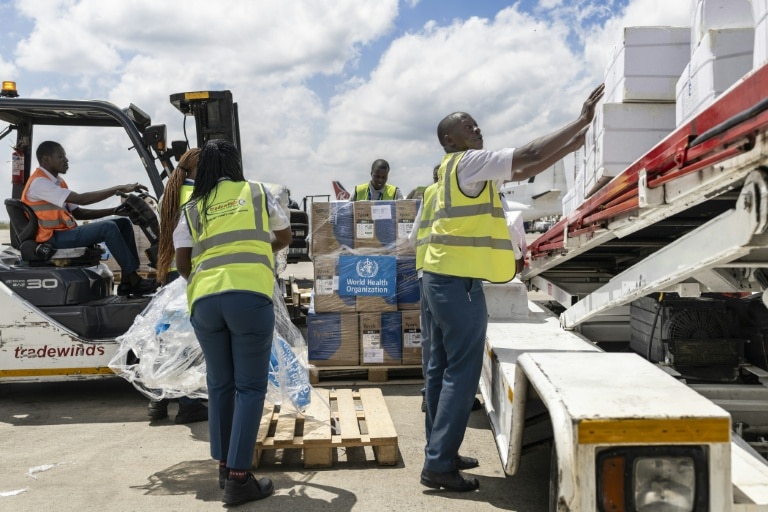
    Ground reports from response teams paint a grim picture of the situation on the ground. Even after almost 20 tons of emergency aid was airlifted to Bunia, the site of the first recorded death, doctors report treating suspected Ebola patients in general hospital wards with outdated personal protective equipment, due to a total lack of dedicated isolation space. At Bambu General Hospital, suspected Ebola patients share open wards with patients suffering from other injuries and illnesses. At Mongbwalu General Hospital, where around 30 suspected cases are currently receiving care, the medical director told the Associated Press that staff are untrained in Ebola response, lack proper protective gear, and are on the brink of being completely overwhelmed if case numbers continue to rise.

    Local residents, already reeling from years of security crises, described growing anxiety as the virus spreads. “It’s truly sad and painful because we’ve already been through a security crisis, and now Ebola is here too,” said Justin Ndasi, a Bunia resident. Even as some residents have begun wearing face masks, supplies of protective gear have become increasingly scarce, and many public spaces including schools and churches remain open, with few public health prevention measures like handwashing stations in place. Near the Uganda border in Mongbwalu, gold mining operations continue as normal, creating further risks of cross-border transmission; two confirmed cases have already been recorded in Uganda.

    In mid-August, the World Health Organization officially declared the outbreak a Public Health Emergency of International Concern, the highest level of global public health alert. WHO Director-General Tedros Adhanom Ghebreyesus warned this month that he is deeply concerned by the “scale and speed” of the epidemic, with WHO experts noting the outbreak likely began two months earlier than initially detected, and could last at least two more months. Ongoing insecurity in the region continues to hamper response efforts: just this week, an ADF attack in an Ituri village killed at least 17 civilians, further disrupting emergency response work.

    As Congo and global health partners scramble to scale up response, the impact of the outbreak is already rippling across international events, with the India-Africa summit becoming the first major diplomatic gathering to be postponed due to the crisis.

  • No winners announced in Thursday night’s Powerball draw as massive prize jackpotted to $60m

    No winners announced in Thursday night’s Powerball draw as massive prize jackpotted to $60m

    For the fourth straight week, Australia’s beloved Powerball lottery has failed to produce a Division One grand prize winner, sending the top jackpot surging to a massive $60 million ahead of the next draw.

    The previous draw, held Thursday evening, carried a Division One prize of $40 million, and no ticket matched the full winning combination to claim the top reward. This rolling over of the unclaimed grand prize means that when the next draw is held next Thursday, hopeful ticketholders across the country will compete for a $60 million windfall that ranks as the second largest lottery jackpot offered anywhere in Australia in 2026.

    While the top prize went unclaimed, the draw did deliver life-changing windfalls for lower-tier winners. Two lucky Division Two winners, who matched all seven main numbers but not the Powerball, each walked away with a six-figure payout of $369,858.25. One of the winning Division Two tickets was purchased in New South Wales, and the other was bought in South Australia.

    In addition to the Division Two winners, the Thursday draw also awarded 59 Division Three winners, each taking home a payout of $15,507. The jackpot has not been claimed by a Division One ticketholder since April 23, marking a full month of consecutive rollovers that have steadily grown the prize pool to its current record-sized value.

    The official winning numbers drawn on Thursday, ordered numerically, were 1, 13, 15, 16, 29, 32, and 34, with the Powerball number being 6, according to official data released by The Lott, the organization that manages the national lottery game. Lotteries officials have noted that the upcoming $60 million jackpot is one of the most anticipated draws of the year, with a surge in ticket sales already expected as hopeful players across the country try their luck at claiming the massive prize.

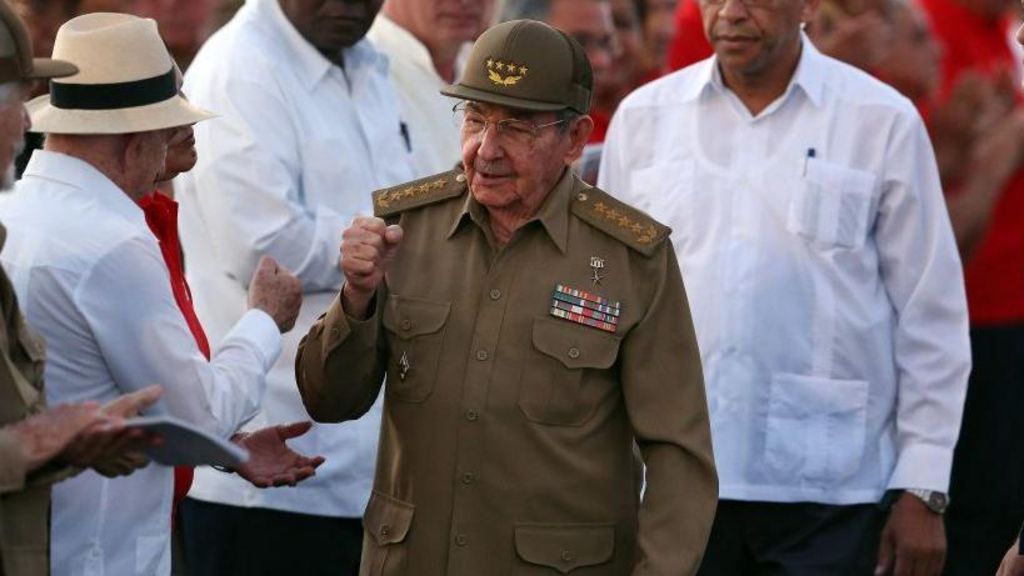
  • Cuba outraged after US indicts Raul Castro

    Cuba outraged after US indicts Raul Castro

    In a provocative new escalation of long-standing US pressure on Cuba’s communist government, the United States’ indictment of 94-year-old former Cuban president Raul Castro on murder and conspiracy charges has triggered widespread shock and anger across the island nation, adding fuel to fears of further American intervention amid a crippling months-long US oil blockade that has already pushed Cuba’s fragile economy to the edge of collapse. The charges, which also include the destruction of aircraft, stem from the 1996 downing of two civilian aircraft flown by anti-Castro operatives that violated Cuban airspace. Cuban authorities have long characterized the shootdown as a legitimate act of self-defense, and now dismiss the indictment as a baseless, politically motivated attack decades in the making.

    Raul Castro, younger brother of iconic revolutionary leader Fidel Castro who defied US influence for decades, remains a powerful political figure in Cuba even after stepping down from the presidency. The indictment comes as the culmination of a steady campaign of pressure from the Trump administration, which has ramped up sanctions and blockades against the island in recent months. This move also follows a pattern of aggressive international intervention by the Trump administration, including the 2025 toppling of Venezuelan president Nicolas Maduro, escalated tensions with Iran, and even public overtures to purchase Greenland from Denmark.

    Cuban officials have called on citizens to rally in protest against what they call a “despicable” action, organizing a demonstration outside the US Embassy in Havana for early Friday. Ordinary Cubans on the ground have echoed this outrage, linking the indictment to the ongoing economic suffering caused by the US oil blockade that has paralyzed daily life on the island. For four months, the blockade has cut off critical fuel supplies, leaving residents grappling with daily power outages that can stretch to 20 hours, dried-up municipal water supplies, runaway inflation that has sent prices for basic necessities soaring, and uncollected trash piling up across Havana’s streets.

    “This is not actually a legitimate accusation over an incident from more than 30 years ago — this is a deliberate public attack on a revered Cuban public figure,” 30-year-old Havana accountant Fabian Fernandez told Agence France-Presse. “This is purely a political move, a play for public image.” Retiree Pedro Leal, 65, condemned the US action for its direct harm to ordinary Cuban people. “What the US government is doing now, on top of the energy blockade that keeps us from getting fuel, is honestly criminal,” Leal said. Many Cubans, like 58-year-old self-employed worker Iris Herrera, say they fear the indictment is a precursor to full-scale US military intervention. “I do not agree with a United States war here in Cuba. It’s inhumane, because there will be deaths — many deaths,” Herrera said.

    Cuban President Miguel Diaz-Canel wrote on the social platform X that the charges lack any legal foundation, saying they “add to the file they are fabricating to justify the folly of a military aggression against Cuba.”

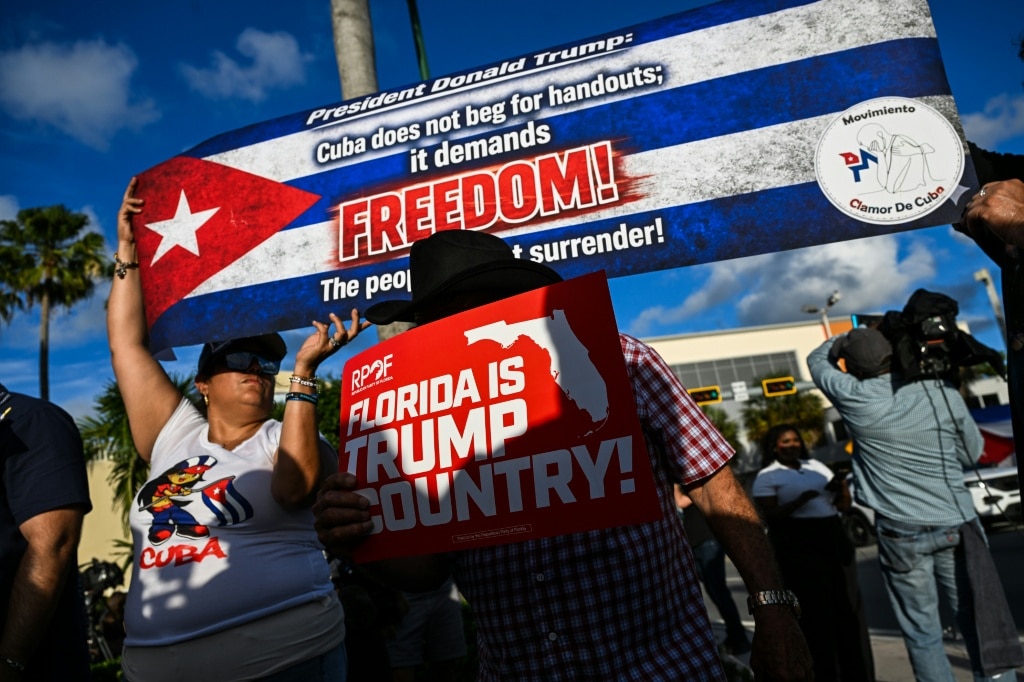
    The US acting Attorney General Todd Blanche openly declared that Washington expects Castro to face prosecution and imprisonment in the US, speaking to a cheering crowd of anti-Castro Cuban-Americans at a Miami news conference. “We expect that he will show up here by his own will or by another way and go to prison,” Blanche said.

    International pushback against the indictment has been led by China, which issued a firm statement of support for Cuba and called on the US to de-escalate tensions. Chinese foreign ministry spokesman Guo Jiakun told reporters Thursday that Washington “should stop brandishing the sanctions stick and the judicial stick against Cuba and stop threatening force at every turn.”

    Beijing’s criticism comes amid a visible US military buildup in the region: US Southern Command announced Wednesday that the USS Nimitz aircraft carrier strike group has entered the Caribbean Sea, posting a welcome message on X alongside a video showcasing the warship’s military capabilities.

    President Trump has called the indictment a “very big moment” but downplayed suggestions of imminent military escalation, telling reporters Wednesday: “There won’t be escalation. I don’t think there needs to be. Look, the place is falling apart. It’s a mess, and they sort of lost control.”

    Regional analysts warn the move follows a clear playbook the US already deployed in Venezuela, where US authorities used a domestic criminal indictment of sitting president Maduro — a close Cuban ally — as justification for military intervention that toppled his government earlier this year. “The message here is clear: we can do to you what we did to Nicolas Maduro,” Christopher Sabatini, senior fellow for Latin America at the Chatham House think tank, told AFP. Sabatini noted that Cuba’s military would almost certainly mobilize to defend the country against any US intervention, but added that “whether the people would or not, it’s difficult to say.” The escalating crisis has left the Caribbean region bracing for further instability, as the combination of economic pressure, political provocation, and military posturing raises the stakes for one of the longest-running geopolitical standoffs in the Western Hemisphere.