博客

  • A parody ‘cockroach’ party in India becomes major outlet for youth anger and protest

    A parody ‘cockroach’ party in India becomes major outlet for youth anger and protest

    In the digital age, grassroots political discontent often emerges in the most unexpected of forms. What started as an offhand, throwaway comment from one of India’s top judicial officials has evolved into a viral satirical protest movement that is capturing the attention of millions of young Indians and upending the country’s online political landscape.

    The story of the Cockroach Janta Party (CJP) — Janta translates to “people” in Hindi — began last month, when Supreme Court Chief Justice Surya Kant made inflammatory remarks during a public hearing. Addressing widespread anger over widespread unemployment, leaked government exam papers that have derailed job recruitment drives, and skyrocketing living costs, Kant compared unemployed young activists and job seekers to cockroaches, claiming they operated as “parasites” attacking India’s democratic institutions. “There are youngsters like cockroaches, who don’t get any employment or have any place in the profession,” Kant said, adding that many turned to social media activism to “start attacking everyone.”

    The comments spread like wildfire across Indian social media, with many young users decrying them as a dehumanizing dismissal of widespread youth hardship. While Kant later issued a clarification, saying his remarks targeted only people obtaining fraudulent academic degrees and that he never intended to insult India’s younger generation, the damage was already done. The controversy set the stage for what would become one of the fastest growing online movements in India’s recent history.

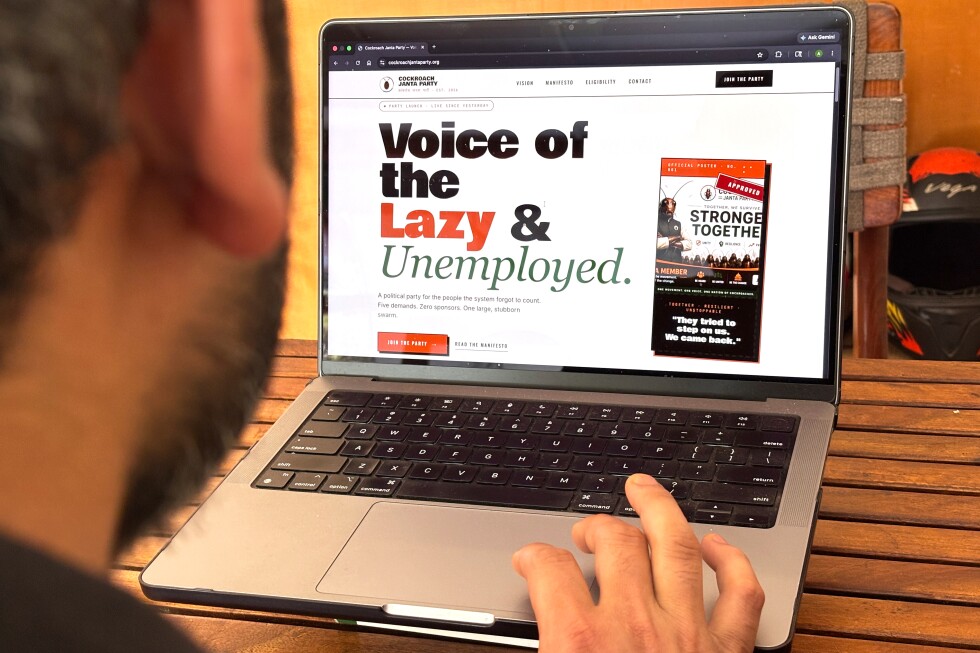
    Abhijeet Dipke, a political communications strategist and Boston University student with past experience working with the opposition Aam Aadmi Party, launched the CJP’s website and social media accounts just one week after Kant’s comments. What Dipke calls an accidental, unplanned satirical project quickly exploded in popularity: within five days of its launch, the CJP’s Instagram page had amassed more than 15 million followers, a figure that already outpaces the 8.8 million followers Prime Minister Narendra Modi’s ruling Bharatiya Janata Party (BJP) holds on the platform.

    Adopting the cockroach as its official party symbol — a nod to the insect’s legendary ability to survive even the harshest conditions, and a playful reclamation of the insult lobbed at unemployed youth — the CJP has turned absurdist humor into a powerful vehicle for protest. Its feed is flooded with viral memes, short skits, and satirical commentary mocking systemic political corruption, persistent joblessness, and the widespread dysfunction of India’s traditional political establishment. The movement leans heavily into self-parody: its tongue-in-cheek membership requirements include being unemployed, chronically active online, professionally skilled at political rants, and “lazy.” Its satirical manifesto nonetheless tackles serious, divisive issues in Indian politics, from allegations of voter manipulation to the cozy ties between corporate media and the Modi administration to the controversial practice of appointing retired judges to key government posts.

    Within days of launching, the CJP drew more than tens of thousands of online volunteers who signed up via a public Google Form, and earned public endorsements from several opposition politicians. Dipke says the movement’s explosive growth reflects a long-simmering wave of discontent that has been building among India’s young population for years. “It is the younger people who were actually very frustrated. They didn’t have any outlet. They were really angry at the government,” Dipke told the Associated Press in an interview.

    India’s youth make up more than 27% of the country’s 1.4 billion population, and decades of rapid population growth have left millions of young people facing scarce job opportunities and double-digit youth unemployment, a crisis that successive governments have failed to address. Beyond economic hardship, many young Indians have grown increasingly critical of Modi’s ruling Hindu nationalist BJP, citing rising religious polarization, widening economic inequality, and growing authoritarianism as core sources of anger.

    Dipke emphasizes that the CJP is not formally affiliated with any existing political party, but its rapid rise fits into a broader regional trend across South Asia, where youth-led movements have toppled sitting governments in recent years, from the 2022 uprising that ousted Sri Lanka’s Rajapaksa regime to mass student-led protests in Bangladesh and Nepal. “Five years ago nobody was ready to speak up against Modi or the government. The times are changing,” Dipke said.

    Not everyone has welcomed the satirical movement. Supporters of Modi and the BJP have dismissed the CJP as nothing more than an opposition-aligned online gimmick, arguing that its viral popularity will fade as quickly as it emerged, noting that it remains a digital-first movement with no established grassroots infrastructure. Critics have also pointed to Dipke’s past work with the Aam Aadmi Party to claim the movement is not the spontaneous outpouring of youth anger its founders claim.

    But Dipke pushes back against those claims, arguing that what started as an online project will not remain confined to social media, and that it will permanently reshape India’s political discourse. “This is the movement that has arrived in India … it will change the political discourse,” he said. “It will continue online, and if required it will also come on the ground.”

    Already, the movement has begun to spill over into offline space, with young volunteers appearing at public protests dressed in full cockroach costumes. And as the movement grows, it has already faced its first wave of official pushback. Last week, Dipke announced on X (formerly Twitter) that the CJP’s original X account, which had amassed roughly 200,000 followers, had been blocked within India’s borders for reasons that have not been publicly disclosed. Within minutes, Dipke launched a replacement account and shared a defiant poster reading: “Cockroach is back. You thought you can get rid of us? Lol.”
  • Philippine justice chief orders arrest of senator wanted by the ICC over Duterte-era killings

    Philippine justice chief orders arrest of senator wanted by the ICC over Duterte-era killings

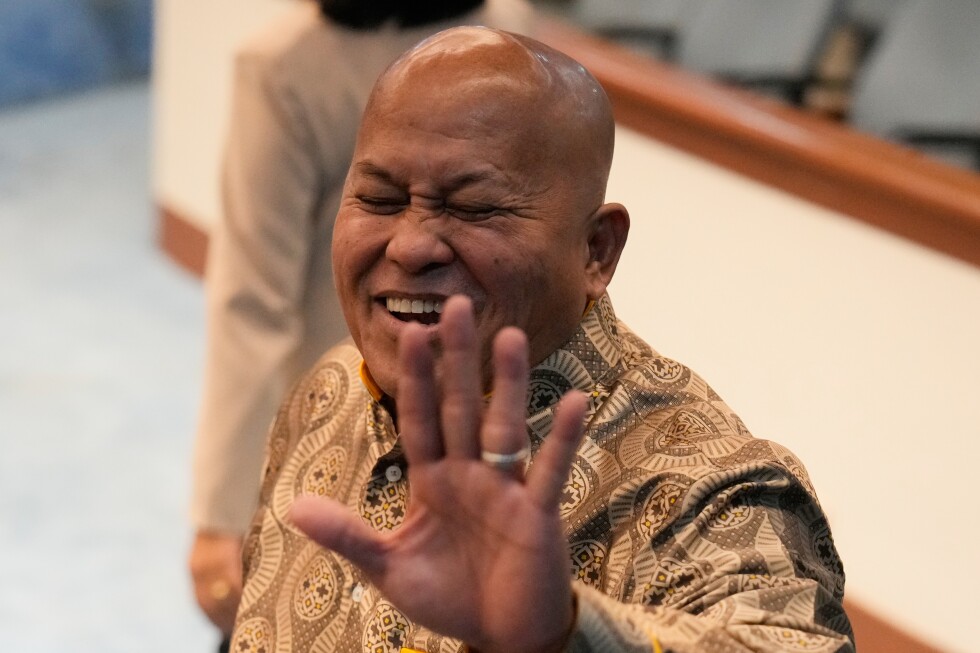
    A major political and legal standoff has deepened in the Philippines this week, after the country’s top justice official formally ordered law enforcement agencies to act on an International Criminal Court (ICC) arrest warrant for Senator Ronald Dela Rosa, a former police chief accused of crimes against humanity linked to Rodrigo Duterte’s deadly anti-illegal drug crackdown. In a public press briefing, Justice Secretary Frederick Vida made clear the government’s position: Dela Rosa is now classified as a fugitive from justice, and must be taken into custody to stand trial at the ICC’s headquarters in The Hague.

    Dela Rosa’s ties to the controversial drug war date back to his tenure as chief of the Philippine National Police from 2016 to 2018, when he oversaw the implementation of then-President Duterte’s hardline campaign against narcotics. The crackdown ultimately claimed the lives of thousands of mostly low-level suspects, drawing widespread condemnation from Western governments and global human rights advocacy groups for allegations of extrajudicial killings. Duterte himself, who held the presidency from 2016 to 2022, was already taken into ICC custody last year and transferred to The Hague, where he is currently on trial facing identical charges of crimes against humanity.

    The ICC unsealed the arrest warrant for Dela Rosa on May 11 this year, charging him with the crime against humanity of murder for the killings of no less than 32 people between July 2016 and April 2018, the period during which he led national police operations. Vida emphasized the weight of the accusations in his briefing, noting that thousands of victims – including children and even toddlers – were killed during the campaign. “It’s the government’s obligation to support and help them achieve justice,” Vida stated.

    Dela Rosa had previously attempted to block the warrant through a petition to the Philippine Supreme Court, arguing that the country is no longer a member of the ICC and the court has no jurisdiction over Filipino citizens. The Supreme Court rejected his petition, clearing the way for arrest efforts.

    The senator has been in hiding for months, skipping regular Senate sessions to avoid detainment. He made a surprise public reappearance on May 11, however, to back fellow Senator Alan Peter Cayetano’s bid for Senate presidency in the 24-member chamber, helping Cayetano secure a narrow majority victory. Dela Rosa arrived at the Senate building inside Cayetano’s vehicle, but when agents from the National Bureau of Investigation moved to serve the warrant, he fled into the Senate plenary hall, where allied senators granted him temporary protective custody.

    Chaos erupted just two days later on May 13, when security personnel assigned to the Senate building fired multiple volleys of warning shots after spotting armed government arrest teams positioned in a nearby adjacent building. The gunfire sent senators, staff, and journalists – including two reporters from The Associated Press – scrambling for safety. In the resulting confusion, Dela Rosa escaped the compound, driven away in an SUV by allied Senator Robinhood Padilla. Police have launched an investigation into whether the security team intentionally sparked the chaos to facilitate Dela Rosa’s getaway.

    Vida confirmed Thursday that authorities already have credible leads on Dela Rosa’s current location, but declined to share further details to avoid tipping off the fugitive. He issued a clear warning to any person considering aiding Dela Rosa in evading the nationwide manhunt: anyone who assists him will face criminal charges themselves.

    Dela Rosa’s legal crisis comes amid a rapidly escalating political power struggle between the Duterte political bloc and the administration of current President Ferdinand Marcos Jr. Vice President Sara Duterte, daughter of the former president, has already publicly accused Marcos of orchestrating what she calls the “kidnapping” of her father and his transfer to the ICC. Last week, the Marcos-dominated House of Representatives voted overwhelmingly to impeach Sara Duterte, who has announced her intention to run for the presidency in 2028. She faces multiple allegations including unexplained accumulated wealth, misuse of public government funds, and making a public threat to assassinate President Marcos. She has denied all charges but declined to answer them in detail. Her impeachment trial, which will be convened in the Senate, is scheduled to begin in July.

  • UK offers cheaper chocolate and tickets to the zoo in bid to ease cost of living squeeze

    UK offers cheaper chocolate and tickets to the zoo in bid to ease cost of living squeeze

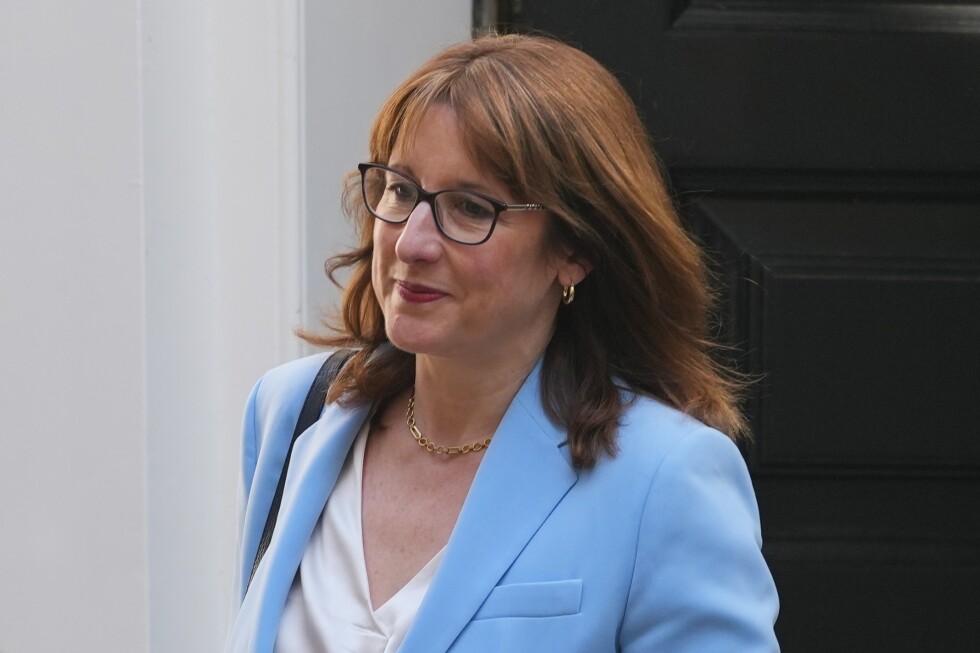
    LONDON – Facing simmering internal party unrest and growing public frustration over soaring household expenses, the British government has rolled out a series of modest cost-cutting measures designed to ease cost-of-living strains and rebuild voter support, according to a recent announcement from top Treasury official Rachel Reeves. The targeted relief comes as inflation faces new upward pressure spurred by the Iran war, which has disrupted key global energy supply chains. Reeves outlined the package Thursday, noting that the policy package is crafted to shield families and businesses from unexpected price shocks while setting the foundation for long-term economic stability.

  • Village in Ghana to celebrate Villa win with parade

    Village in Ghana to celebrate Villa win with parade

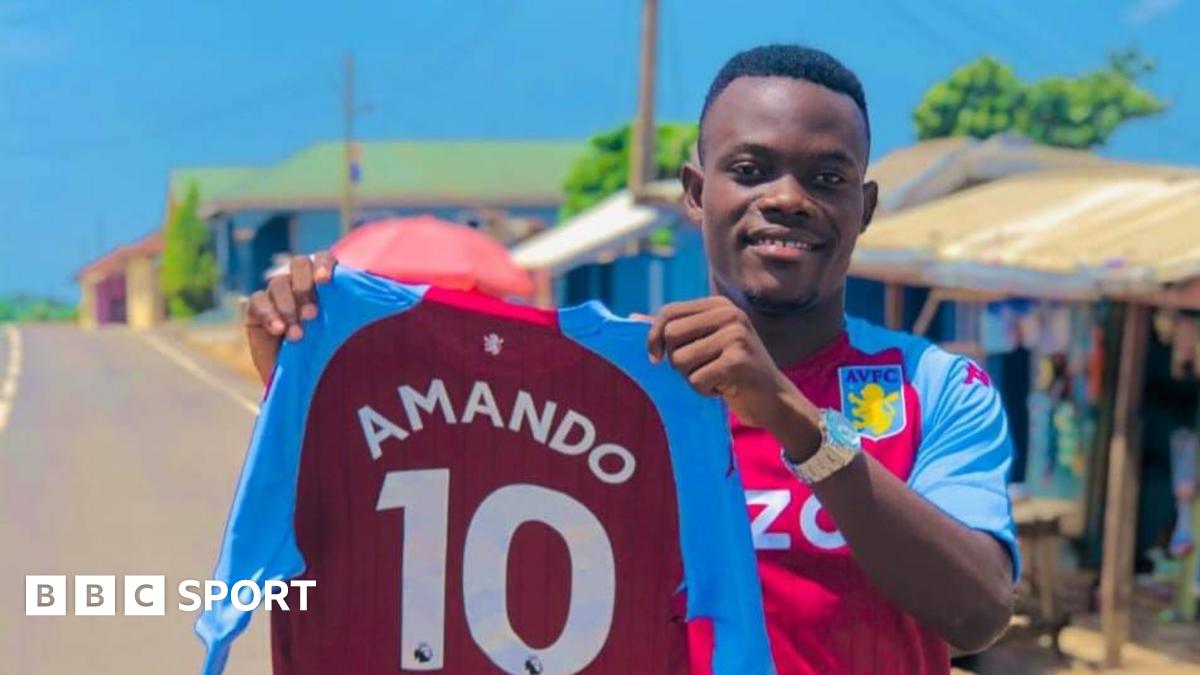
    When English football club Aston Villa paraded their long-awaited European trophy through the streets of Birmingham aboard an open-top victory bus on Thursday, thousands of kilometers across the African continent, a matching celebration was already underway. A local supporters’ group in the tiny Ghanaian village of Juaben marked the club’s historic end to a 41-year European trophy drought and 30-year overall title drought with their own homegrown parade – 30 decorated motorcycles leading a packed minibus that mirrored the main event held half a world away.

    Aston Villa secured their landmark 3-0 win over German side SC Freiburg at Istanbul’s Besiktas Park on Wednesday, clinching the Europa Conference League title and snapping a dry spell that stretched all the way back to their 1996 League Cup victory. The milestone sent shockwaves of joy through the club’s global fanbase, but nowhere was the emotion more palpable than in Juaben, a village that boasts an unlikely community of roughly 1,000 diehard Villa supporters organized into the fan group the Ghana Lions, led by lifelong fan Owusu Boakye.

    “Yesterday was one of the best moments of our entire lives – there could never be a better time to be an Aston Villa supporter,” Boakye shared with BBC ahead of the village’s celebration. “We’ve rented 30 motorcycles to ride through every corner of our community, and we’re using our own minibus just like the first team is doing in Birmingham today. We can’t wait to see the whole village chanting and sharing this joy together.”

    Juaben’s generations-long love affair with Aston Villa traces back to Boakye’s grandfather Daniel, who developed an affection for the Midlands club while staying with a Villa-supporting family that originally hailed from Birmingham. “When we were growing up, he would sit us down and tell us story after story about Aston Villa’s history and legends,” Boakye explained. “He always talked about one player he called ‘God’ – that was Paul McGrath.”

    McGrath, the iconic Irish defender who made more than 250 appearances for Villa between 1989 and 1996, was part of the 1996 League Cup-winning squad that lifted the club’s last major trophy before Wednesday’s win. For decades after that victory, successive generations of young Juaben villagers grew up hearing tales of Villa’s glory, waiting patiently for their own moment of celebration to arrive. That moment finally came when goals from Youri Tielemans, Emi Buendia and Morgan Morgan Rogers sealed the win over Freiburg in Turkey.

    “It was absolutely incredible – this is a moment to remember for a lifetime, having the whole community come together for Aston Villa,” Boakye said. “When Villa won their first European Cup back in 1982, almost none of the fans who celebrated with us yesterday had even been born. We’ve been waiting our whole lives to make our own history, and now that day is finally here.”

  • Gonorrhoea and syphilis hit record levels in Europe

    Gonorrhoea and syphilis hit record levels in Europe

    Newly released surveillance data from the European Centre for Disease Prevention and Control (ECDC) has revealed an alarming public health crisis across the continent: rates of two major bacterial sexually transmitted infections (STIs), gonorrhoea and syphilis, have reached their highest levels in more than a decade in 2024. The official figures paint a stark picture of accelerating transmission, with confirmed gonorrhoea cases climbing to 106,331 — a staggering 303% jump from 2015 levels. Over the same nine-year period, syphilis diagnoses more than doubled to hit 45,557 in 2024.

    ECDC officials have identified growing gaps in routine STI testing and prevention services as a key contributing factor to this explosive surge, and are calling for immediate coordinated action from public health bodies across the region to reverse the trend. Bruno Ciancio, head of ECDC’s Directly Transmitted and Vaccine-Preventable Diseases unit, emphasized the serious long-term health risks associated with undiagnosed STIs. “These infections can cause severe complications, such as chronic pain and infertility, and in the case of syphilis, permanent damage to the heart or nervous system,” Ciancio explained. He added that even more concerning, cases of congenital syphilis — which occurs when an infected mother passes the infection to her newborn during childbirth, often leading to lifelong health complications — have nearly doubled between 2023 and 2024.

    Despite the rising caseload, Ciancio noted that basic protective measures remain effective at reducing transmission risk: “Protecting your sexual health remains straightforward. Use condoms with new or multiple partners, and get tested if you have symptoms.”

    Among the 31 European countries participating in the ECDC surveillance program, Spain reported the highest absolute number of confirmed cases for both infections in 2024, recording 37,169 gonorrhoea cases and 11,556 syphilis cases. The data also highlights stark disparities in infection rates across population groups: men who have sex with men remain the most disproportionately affected demographic, accounting for the sharpest long-term increases in both gonorrhoea and syphilis transmission. Public health experts also flagged a notable surge in syphilis cases among heterosexual women of reproductive age, a trend that directly ties to the rise in congenital syphilis diagnoses.

    While gonorrhoea and syphilis continue to spread at unprecedented rates, the data offers one small point of relief: chlamydia, the most commonly reported bacterial STI across Europe, has seen a 6% drop in confirmed cases since 2015, falling to 213,443 total diagnoses in 2024.

    The United Kingdom withdrew from the ECDC surveillance program following Brexit, but the UK government publishes independent annual data for England. Figures released by the UK Health Security Agency in December 2024 show the same upward STI trend playing out across the country: England recorded 71,802 gonorrhoea cases and 9,535 syphilis cases in 2024, alongside 168,889 chlamydia diagnoses. In response to a record 85,000 gonorrhoea cases reported in 2023, the UK rolled out a national gonorrhoea vaccination program in 2025 to curb transmission.

    Public health officials stress that many STIs can progress without obvious symptoms, making routine testing critical for early intervention. For gonorrhoea, common symptomatic presentations include pelvic or urinary pain, abnormal genital discharge, and genital inflammation, though a large share of infections are asymptomatic. The UK’s National Health Service (NHS) notes that infection can be prevented through consistent, correct condom use and vaccination for eligible groups. Syphilis symptoms, which often go unnoticed in early stages, include painless sores on the genitals or mouth, a non-itchy rash on the palms of the hands or soles of the feet, patchy hair loss, and flu-like systemic symptoms; symptoms often fade temporarily even as the infection remains active in the body. Like gonorrhoea, syphilis is preventable through condom use and fully treatable with common antibiotic regimens when caught early. Without prompt treatment, however, both infections can cause irreversible chronic health damage.

  • Midfielder Hložek returns from injury in Czech Republic’s preliminary World Cup squad

    Midfielder Hložek returns from injury in Czech Republic’s preliminary World Cup squad

    PRAGUE — In a major boost for Czech Republic ahead of the 2026 FIFA World Cup co-hosted by the United States, Mexico and Canada, attacking midfielder Adam Hložek has bounced back from a persistent long-term injury to earn a spot on head coach Miroslav Koubek’s 29-man preliminary roster, announced Thursday.

    The 23-year-old Hoffenheim playmaker missed the vast majority of his club season this year after suffering a series of calf and foot injuries that sidelined him for months. But speaking to reporters following the squad announcement, Koubek confirmed Hložek has now regained full match fitness and will get the opportunity to prove his sharpness in pre-tournament warm-up fixtures. Hložek has not featured for the Czech national side since June 2024, during the final round of World Cup qualifying, and boasts 41 caps and four international goals to his name across his senior career.

    Koubek’s preliminary squad includes three fresh-faced first-time call-ups, an exciting addition for a Czech side that is set to make its first World Cup appearance since the 2006 tournament. The newcomers are 17-year-old Sparta Prague midfielder Hugo Sochůrek, Viktoria Plzeň midfielder Alexandr Sojka, and Mladá Boleslav forward Christophe Kabongo. All three will get minutes on the pitch in the Czech Republic’s opening warm-up clash against Kosovo, scheduled for May 31 in Prague, Koubek confirmed.

    Immediately after the Kosovo friendly, Koubek will trim his 29-man group down to the final 26-player tournament squad allowed by FIFA. The side will then travel to the United States for a final preparation match against Guatemala, set to take place in New Jersey on June 4.

    Notably, two Slavia Prague players — forward Tomáš Chorý and defender David Douděra — were included in the preliminary squad despite being suspended by their club for the remainder of the domestic season and placed on the transfer list over disciplinary breaches earlier this year. The squad also retains all of the Czech Republic’s key regular starters, including West Ham United’s Tomáš Souček, Bayer Leverkusen striker Patrik Schick, and Lyon midfielder Pavel Šulc. Three additional players who featured in the side’s qualifying playoff run against Ireland and Denmark, including FC Cincinnati midfielder Pavel Bucha, were also named to the preliminary group despite having yet to earn senior international caps.

    Once the final squad is confirmed, the Czech team will set up their tournament base camp in Mansfield, Texas, just outside Dallas. They kick off their Group A campaign against South Korea on June 12 in Guadalajara, Mexico, before facing South Africa in Atlanta on June 18 and wrapping up group stage play against tournament co-host Mexico in Mexico City on June 25.

    For Czech football, this marks a historic milestone: the nation’s first qualification for the World Cup finals in 20 years.

  • Late queen pushed for son Andrew to be UK trade envoy: official papers

    Late queen pushed for son Andrew to be UK trade envoy: official papers

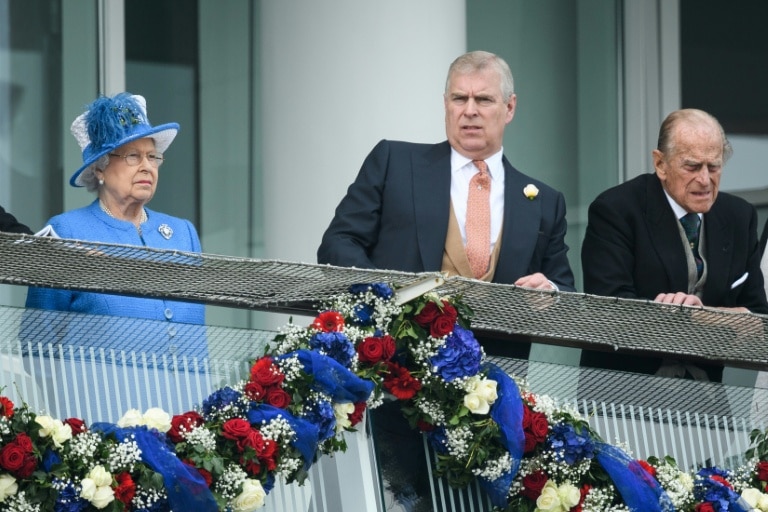
    Newly declassified British government documents have pulled back the curtain on a decades-old royal appointment, revealing that the late Queen Elizabeth II personally lobbied for her son Prince Andrew (full name Andrew Mountbatten-Windsor) to be given a prominent role as the UK’s international trade envoy at the turn of the 21st century. The release of the 11 files, which date back to 2000 and detail the negotiations around Andrew’s appointment to the role with British Trade International (BTI) – the public body tasked with promoting UK commerce overseas – comes amid ongoing fallout from the Jeffrey Epstein scandal that has continued to engulf the disgraced former royal. Andrew’s connection to the late American convicted sex offender has already cost him all of his official royal patronages and titles, which were stripped from him in 2022 following the public release of court documents tied to Epstein. Most recently, in February of this year, he was taken into police custody for questioning over allegations of misconduct in public office, with prosecutors claiming he shared sensitive state information with Epstein during his 10-year tenure as trade envoy from 2001 to 2011. After hours of interviews with law enforcement, Andrew was released without charge, and he has repeatedly denied all wrongdoing related to the allegations. The declassified files lay bare the direct role the late monarch played in securing the post for her son. In a February 25, 2000 letter sent by BTI chief David Wright to the then UK foreign secretary, Wright wrote that after a “wide-ranging conversation” with the Queen’s private secretary, it was made clear that appointing Andrew to the role was the Queen’s explicit “wish”. The letter further emphasized that “The Queen is very keen that the Duke of York should take on a prominent role in the promotion of national interests.” Even in the earliest internal discussions ahead of the appointment, protocol officials flagged unusual preferences from Andrew. A month before Wright’s letter, in an internal memo with the subject line “Duke of York’s travel”, protocol head Kathryn Colvin advised that the royal “should not be offered golfing functions abroad” during official trips, while also noting that the duke favored visits to “more sophisticated countries” and “liked travelling, especially when on royal business.” While the post itself was an unpaid position, Andrew’s decade in the role earned him the unflattering nickname “Air Miles Andy” due to his constant global travel, with all travel costs and luxury accommodation expenses covered by British taxpayers. In a written statement to the UK Parliament released alongside the declassified documents, current Trade Minister Chris Bryant confirmed that a thorough review of the files found “no evidence that a formal due diligence or vetting process was undertaken” ahead of Andrew’s appointment. Bryant added that the lack of formal vetting was “understandable”, given that the appointment was framed as a continuation of longstanding royal family participation in UK trade and investment promotion work. The document release also casts new light on another figure tied to the Epstein scandal: former cabinet minister Peter Mandelson, who was forced to resign as UK ambassador to the US last year over his undisclosed connections to the convicted sex offender. Mandelson is already under investigation over allegations of misconduct in public office dating back to his time as a government minister in the 2000s, and the Liberal Democrat Party – which pushed the current UK government to release the Andrew files – is now calling for the public release of all correspondence between Mandelson and the former prince. Andrew has been mired in controversy for years over his long personal friendship with Epstein. In one of the most high-profile accusations, Virginia Giuffre, an Epstein accuser who died by suicide in 2024, claimed that she was trafficked to have sex with Andrew three times starting in 2001, including two encounters when she was just 17 years old. Andrew agreed to settle a 2022 civil lawsuit brought by Giuffre out of court, without ever admitting legal liability for the allegations.

  • Germany urges the EU to offer Ukraine ‘associate membership’ and boost talks with Russia

    Germany urges the EU to offer Ukraine ‘associate membership’ and boost talks with Russia

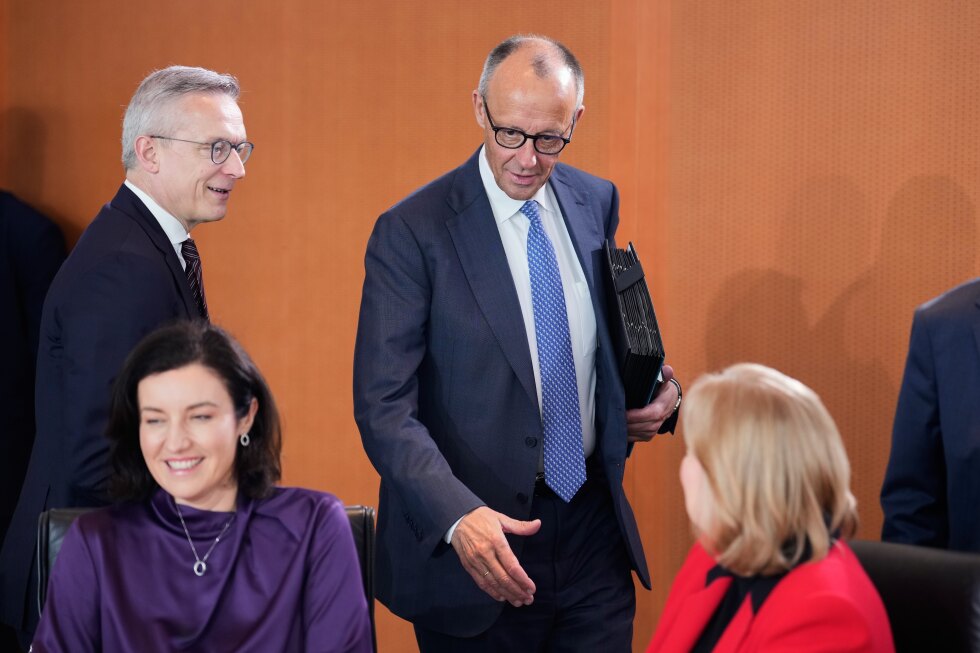
    BRUSSELS – In a new proposal shared with top European Union leadership, German Chancellor Friedrich Merz has called on the 27-nation bloc to explore granting associate membership status to Ukraine, a move he argues will unlock progress toward a negotiated end to the more than four-year-long war with Russia, documents obtained by the Associated Press confirm. Merz’s proposal lands at a pivotal moment for the EU, as leaders weigh whether to launch an independent European negotiating channel with Russian President Vladimir Putin after U.S.-mediated peace efforts stalled, with Washington’s strategic focus shifted to escalating conflict in Iran.

    Under the terms laid out by Merz, Ukraine would gain full access to participate in EU-level meetings and secure non-voting observer seats in both the European Commission, the bloc’s powerful executive arm, and the European Parliament. The German chancellor stressed that this framework is not a watered-down alternative to full membership, emphasizing it would go far beyond the existing Association Agreement that currently structures relations between Kyiv and Brussels. To guard against democratic erosion, Merz also proposed a snap-back mechanism that would reverse associate status if Ukraine fails to uphold required democratic governance standards. Crucially, Merz reaffirmed his support for the longstanding EU commitment to launch full official membership negotiations with Ukraine without delay, a position already restated by European Council President Antonio Costa and European Commission President Ursula von der Leyen last month.

    Ukrainian President Volodymyr Zelenskyy has already signaled cautious optimism about the progress of accession talks, telling the public in a recent address that the development is “very important for us” and noting that Kyiv has completed all required reforms to move the process forward. The accession process requires candidate states to align their national legislation with EU standards across 35 distinct policy chapters, covering everything from judicial independence and rule of law to agricultural and fisheries regulation. Every chapter requires unanimous approval from all 27 EU member states to open, and again to close after alignment is complete. For months, Hungary served as the primary blocker to opening negotiations, but the recent swearing-in of a new Budapest administration has sparked widespread speculation that Budapest’s long-held opposition may soften.

    Despite the momentum for expanding EU-Ukraine ties, Merz’s proposal faces resistance from many Brussels-based officials, who argue that full EU membership must remain a strictly merit-based process that only concludes once all reform benchmarks are fully met. Merz has also proposed extending the associate membership framework to other candidate states in the Western Balkans, a region that will be the focus of a major EU leaders’ summit scheduled for next month.

    On the conflict itself, Merz argued that closer EU integration through associate membership will create the necessary political foundation to advance a negotiated peace agreement, writing that “this is essential not only for Ukraine’s but for the entire continent’s security.” For Ukraine, integration into Western institutional structures is viewed as a core long-term security guarantee. While full NATO membership remains Kyiv’s ultimate goal, the current U.S. administration has repeatedly ruled out NATO accession for Ukraine in the near term, and many other Western capitals remain wary of extending membership while active conflict continues.

    With U.S.-led mediation efforts stalled, EU capitals have increasingly debated the need for a parallel European-led negotiating track, and begun floating potential candidates to serve as EU mediators in the event Putin agrees to direct talks. Earlier this month, Costa confirmed the bloc’s growing interest in an independent European role, saying “we need, in the right moment, to have talks with Russia to address our common issues on security,” adding that this channel would not interfere with ongoing U.S.-led efforts but is necessary to advance Europe’s own core security priorities.

    European media has been rife with speculation over potential mediators, with names including former German Chancellor Angela Merkel – a fluent Russian speaker with long-standing personal ties to Putin – and former European Central Bank President Mario Draghi emerging as leading contenders. Putin himself has suggested he would be open to talks with former German Chancellor Gerhard Schröder, but the proposal has been widely rejected even in Berlin. Schröder’s close personal and business ties to Russian state energy firms, and his longstanding friendly relationship with Putin, have destroyed his domestic political credibility since Russia’s 2022 full-scale invasion of Ukraine. EU High Representative for Foreign Affairs Kaja Kallas recently noted that allowing Putin to handpick the European negotiator “would not be very wise,” particularly given Schröder’s role as a “high-level lobbyist for Russian state-owned companies.”

    For his part, Zelenskyy has welcomed European involvement in the peace process, saying over the weekend that “Europe must be involved in the negotiations. It is important for Europe to have a strong voice and presence in this process, and it is worth determining who will represent Europe specifically.”

    Reporting for this article was contributed by Moulson in Berlin and Susie Blann in Kyiv.

  • Malaysia orders TikTok to explain ‘grossly offensive’ fake content targeting king

    Malaysia orders TikTok to explain ‘grossly offensive’ fake content targeting king

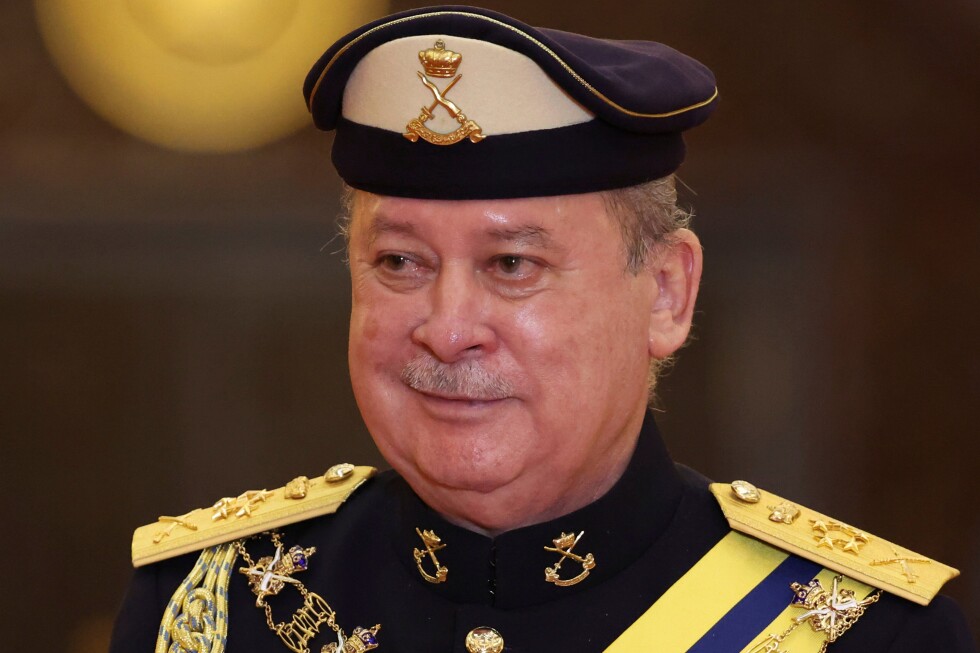
    Malaysian regulators have taken formal action against global short-video platform TikTok, demanding the company explain and fix its repeated failure to rapidly remove harmful content that targets the country’s royal establishment. The Communications and Multimedia Commission announced the legal order Thursday in Kuala Lumpur, confirming the move comes after widespread circulation of severely inappropriate material targeting the monarchy, including AI-manipulated videos and altered images spread from an account that falsely claimed affiliation with King Sultan Ibrahim Iskandar.

    In its official statement, the regulator emphasized that content touching on Malaysia’s core sensitive domains of race, religion, and royalty carries unique gravity. Unauthorized and insulting material in these areas does not merely violate online community standards, it also poses a direct threat to public order, national unity, and public respect for the country’s constitutional institutions, the commission noted.

    The agency added that Malaysian authorities had already notified TikTok of the problematic content and held prior discussions with the platform to secure content removal. Despite these previous engagements, TikTok’s content moderation response fell far short of expectations, particularly when it came to speedily taking down harmful posts and blocking their further spread across the platform.

    TikTok, which has not issued any public statement on the regulatory action to date, also declined to comment on the matter when contacted by The Associated Press. The legal notice delivered to the company requires two core actions: first, a full explanation of why its moderation systems failed to catch and remove the content in a timely manner; second, immediate remedial steps to strengthen its content moderation infrastructure and step up enforcement against any content that violates Malaysian national law or domestic community standards.

    The commission stressed that all social media platforms operating within Malaysian borders bear a fundamental responsibility to proactively prevent unlawful and damaging activity on their services. It also issued a clear warning that regulators will continue to implement firm, proportionate enforcement measures going forward to ensure all digital platforms uphold their obligations to maintain a safe, respectful online ecosystem for Malaysian users.

    This latest action against TikTok aligns with Malaysia’s broader ongoing effort to tighten regulatory oversight of large digital platforms operating within its jurisdiction. Over the past several years, Malaysian authorities have ramped up enforcement against social media companies over a range of issues, from harmful content and public order threats to scams and unregulated online gambling.

  • China says US should stop ‘threats’ against Cuba after ex-leader charged

    China says US should stop ‘threats’ against Cuba after ex-leader charged

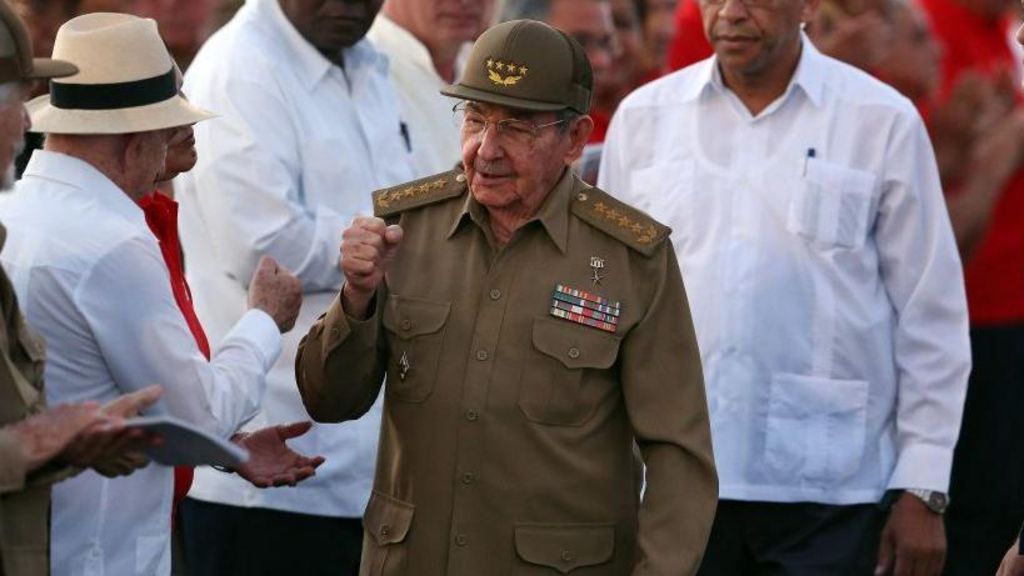
    A decades-old Cold War-era incident between the U.S. and Cuba has reignited a high-stakes diplomatic standoff, after a U.S. court unsealed murder and conspiracy charges against 94-year-old former Cuban President Raúl Castro. The charges stem from the 1996 downing of two small aircraft operated by Brothers to the Rescue, a Cuban-American dissident group based in Florida. Four people, including three U.S. citizens, were killed in the incident, which has remained a flashpoint of tension between Washington and Havana for nearly 30 years.

    At the time of the incident, Castro, who stepped down as Cuba’s head of state in 2018, led the country’s armed forces. He was indicted alongside five other co-defendants earlier this week, with the charges carrying extreme penalties including life imprisonment or the death penalty. Cuban President Miguel Díaz-Canel has rejected the accusations outright, labeling them a baseless political maneuver with no legitimate legal standing.

    The indictment comes as part of a broad, escalating campaign of pressure on Cuba by the Trump administration, which has openly targeted the country’s communist government for regime change. In recent weeks, the White House has ramped up sanctions: earlier this month, President Trump issued an executive order blacklisting officials across Cuba’s energy, defense, financial and security sectors, targeting individuals the U.S. accuses of human rights violations and public asset misappropriation. The U.S. has also tightened its long-standing trade embargo to block oil shipments to Cuba, a move that has exacerbated the country’s ongoing economic woes, triggering widespread power blackouts and acute food shortages.

    The Trump administration’s aggressive posture toward Cuba follows the January capture and extradition of former Venezuelan President Nicolás Maduro to the U.S. to face narco-terrorism and drug trafficking charges. In public remarks after the capture, Trump openly stated he believed Cuba was “ready to fall,” signaling further escalation against the island nation.

    In response to the latest indictment, Beijing has reaffirmed its long-standing diplomatic and economic support for Havana, a close ally. Chinese Foreign Ministry spokesperson Guo Jiakun issued a formal statement Thursday condemning the U.S. action, calling on Washington to end its use of “coercion” and “constant threats of force” against Cuba. Guo emphasized that China firmly opposes any attempt by outside powers to pressure Cuba under any pretense, and urged the U.S. to stop misusing sanctions and judicial mechanisms as tools of political coercion. “China resolutely supports Cuba in safeguarding its national sovereignty and dignity, and opposes external interference in Cuba’s internal affairs,” Guo said.

    China has deepened its economic and diplomatic ties with Cuba over the past decade, following President Xi Jinping’s 2014 official visit to the island. In 2018, formally joined China’s transcontinental Belt and Road Initiative, a massive infrastructure investment framework that has already funded multiple key strategic development projects across Cuba.