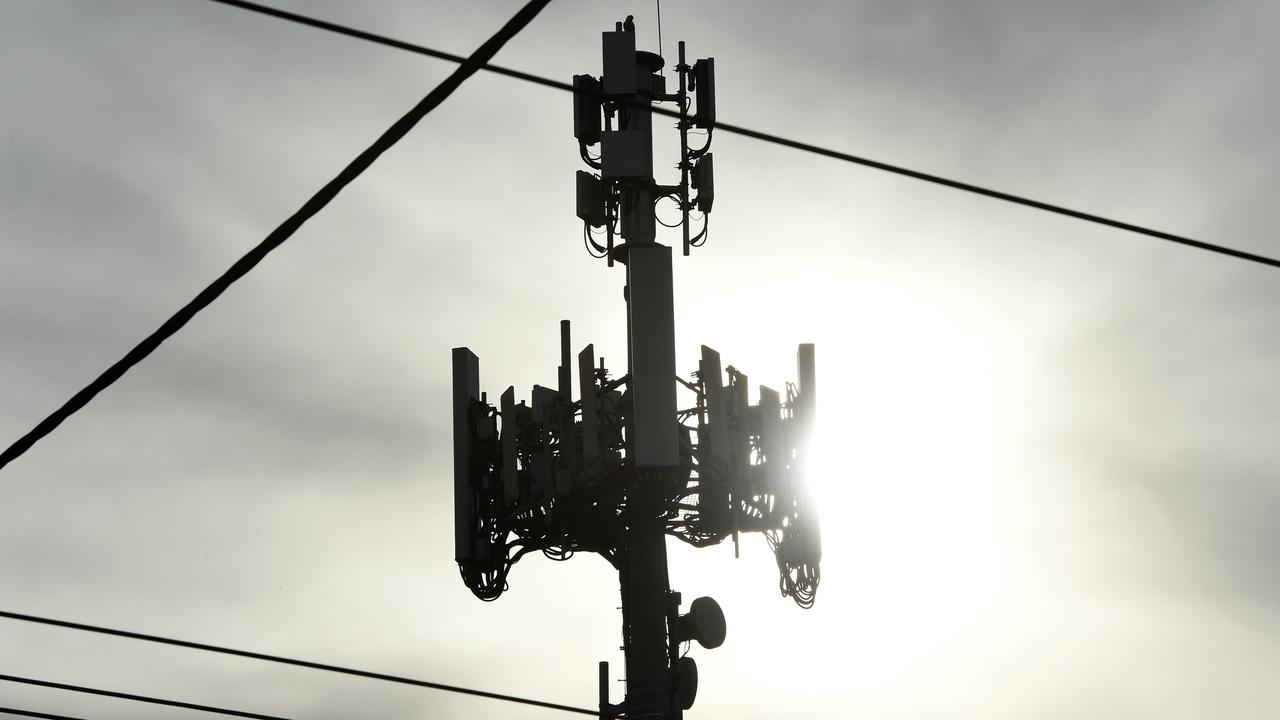
In response to a string of crippling national network failures that have already been tied to preventable deaths, Australia’s three largest mobile network operators have joined forces with the government’s national emergency call oversight body to roll out a critical public education campaign on accessing the 000 emergency line when primary networks go down.
The joint initiative, launched Monday by industry giants Optus, Telstra and TPG Telecom (owner of the Vodafone network), comes in partnership with the Triple-Zero Custodian, the government office established in 2024 to oversee Australia’s national emergency call system. The campaign is designed to arm everyday Australians with clear, actionable guidance to reach first responders even when their home network suffers an outage.
“This campaign gives Australians practical, easy-to-find information about how their phones connect to emergency services, and what steps they can take if their regular provider’s network is unavailable,” said Jane McNamara, a corporate spokesperson for Optus, the carrier at the center of the most recent high-stakes outage. “By raising public awareness of existing safeguards like the emergency camp-on system and delivering simple guidance that people can remember under pressure, we are helping Australians better prepare for the moments when reliable access to 000 matters more than anything else.”
The catalyst for this urgent public outreach is the widespread Optus outage that struck in September 2025, which blocked 000 calls across large swathes of Australia: South Australia, Western Australia, the Northern Territory, and far western New South Wales. Over the 14-hour outage, 75% of all 000 calls placed through the network failed to connect, and official records have linked two preventable deaths to the communications failure.
In the wake of the disaster, the Australian Communications and Media Authority launched legal action against Optus, alleging the carrier breached two separate legal regulatory obligations more than 1,000 times. An independent investigation commissioned by Optus itself later traced the outage to multiple overlapping errors that occurred during a routine network upgrade carried out by Optus teams and contractor Nokia.
The new public campaign breaks down how existing emergency backup systems work, and clarifies the different status messages that iOS and Android devices display when network access is compromised. At its core is an explanation of the “emergency camp-on” function, a pre-existing safeguard that automatically routes a 000 call from an unavailable home network to a competing carrier’s active network, if local coverage from another provider is available.
The guidance outlines key steps for users attempting to access this backup system: Callers will typically experience five seconds of silence at the start of the first call attempt while the system routes the connection. If the first attempt does not connect, users are instructed to hang up and retry, and on subsequent attempts, to stay on the line for up to 60 seconds to allow the routing process to complete.
Luke Coleman, chief executive of the Australian Telecommunications Alliance, the national peak body for the telecommunications sector, emphasized that the campaign is intended to address gaps in public knowledge that could cost lives during a crisis. “Our priority is to ensure Australians are equipped with simple advice they can recall and use in a worst-case scenario if they need to call 000 and find their usual network is unavailable,” Coleman explained.
The campaign also clarifies what different device status messages mean for users: If emergency camp-on access is available, iPhones will display “SOS” or “SOS only” in the status bar, while Android devices will show “Emergency calls only”, “No service – emergency calls only”, or a dedicated SOS icon. If a device displays a plain “No service” message, however, no mobile network coverage is available at all. In that scenario, users are advised to locate a working landline, public payphone, or connect to a Wi-Fi network to place an emergency call.