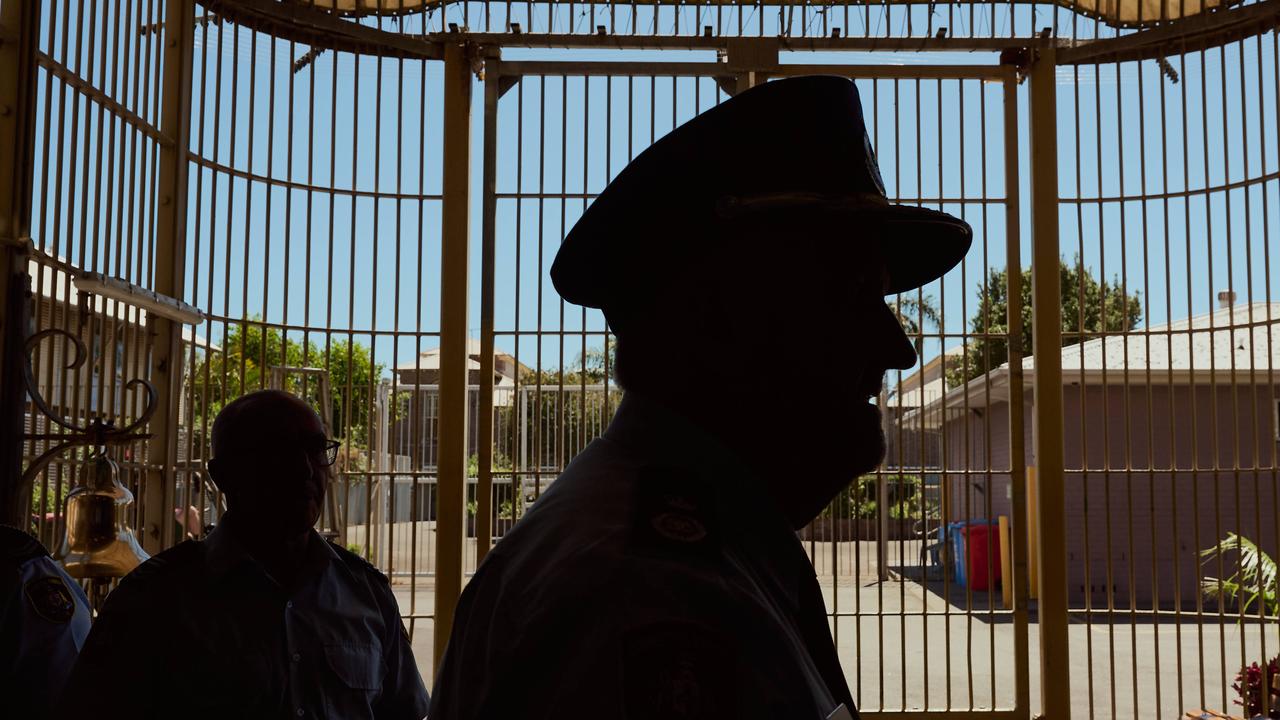
A wave of industrial action has swept through New South Wales’ correctional and judicial systems this week, after a 21-year-old inmate allegedly left a senior corrections officer with life-altering injuries in a brutal attack, only to walk free on bail before formal charges were laid over the assault.
Thousands of corrections officers and related public sector workers walked off the job across 30 state prisons and hundreds of regional and metropolitan courthouses at 7 a.m. on Tuesday, launching a 24-hour work stoppage that has disrupted court schedules and locked all inmates in their cells across the state. The strike was organized by the state’s Public Service Association (PSA), after the alleged attacker was granted bail on Monday on separate, unrelated drug charges – days before police pressed charges for the violent assault on the guard.
Union secretary Stewart Little said PSA members, who are sacrificing a full day’s pay to participate in the action, are furious at what they see as a systemic failure to protect corrections staff who face rising violence on the job. “Our members are livid,” Little told reporters. “A corrections officer gets bashed and left with life changing injuries and the guy gets released back into the community without being charged? It’s outrageous. This is our message: we will not tolerate being assaulted on the job, and we will not accept a double standard that treats attacks on our members less seriously than attacks on the general public.”
The July 25 assault took place at the John Morony Correctional Centre, a medium-security men’s facility located in Berkshire Park, on Sydney’s outer northwestern fringe. The 55-year-old victim, a veteran corrections officer, was attacked around 9 a.m. while on duty, sustaining a broken eye socket, broken nose, and multiple knocked-out teeth before being rushed to hospital for emergency treatment.
Police did not launch a formal investigation into the assault until July 28, three days after the incident, and only arrested the 21-year-old suspect on Tuesday – the same day the strike began. The suspect has now been formally charged with causing grievous bodily harm to a law enforcement officer with reckless disregard for harm, and has been denied bail following his arrest.
In a statement responding to the strike, a Corrective Services NSW spokesperson acknowledged that staff had every right to demand full legal accountability for inmates who assault them. “If this assault was perpetrated on a member of the public, we would expect the perpetrator to be charged and be outraged if this did not occur,” the statement read. “Why should there be a different standard for our corrections officers?” The agency called on on-duty staff to remain at their posts while the police investigation proceeds, noting that the decision to file charges over the incident rests with law enforcement, not correctional authorities.
The PSA has linked the recent spike in prison violence to the New South Wales state government’s ongoing hardline crackdown on domestic violence offenders. Little told reporters that serious assaults against correctional staff have risen 30% since the policy was introduced, pointing to a surge in remanded domestic violence suspects who are often drug-affected when they enter custody and create heightened conflict within facilities. He warned that Tuesday’s strike will not be the last if the government and justice system do not step up to support frontline corrections workers. “Corrections officers need to be backed up by the rest of the justice system and the government, otherwise this strike will only be the beginning,” Little said.
As of Tuesday afternoon, all inmates across the state remain locked in their cells, and all inmates scheduled for court hearings have been transported back to correctional facilities following the union’s strike vote, bringing most regular court and prison operations to a standstill for the 24-hour action.