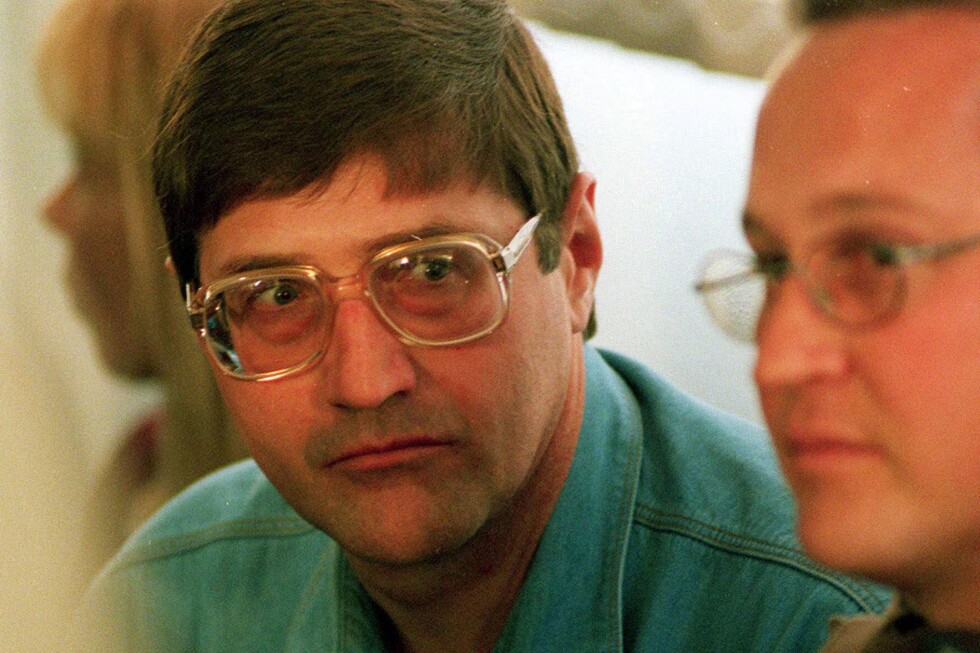
JOHANNESBURG — In a landmark hearing that underscores South Africa’s renewed commitment to addressing historical injustices, Eugene de Kock, the infamous apartheid-era police commander known as “Prime Evil,” provided testimony Monday regarding the 1985 killing of four anti-apartheid activists. The inquiry represents part of the nation’s broader effort to confront previously unpunished atrocities committed by security forces during decades of institutionalized racial segregation.
De Kock, former head of a special counterinsurgency police unit, denied direct involvement in the Cradock Four case—one of apartheid’s most shocking crimes—but revealed disturbing details about police operations. He testified that authorities maintained photographic records of approximately 6,000 anti-apartheid activists classified as “known terrorists” who were to be tracked and eliminated if arrest proved impractical. Notably, he asserted that the Cradock Four—Matthew Goniwe, Fort Calata, Sicelo Mhlauli, and Sparrow Mkonto (three of whom were teachers)—were not included on this list.
The victims were abducted at a police roadblock before being murdered and burned, their bodies discovered in a condition that horrified the nation. De Kock further disclosed that one implicated officer sought his assistance in orchestrating a cover-up, specifically requesting help with obtaining alternative firearms and interfering with ballistic evidence.
Now 77, de Kock appeared under police guard in Gqeberha (formerly Port Elizabeth), where the original crimes occurred. His image was deliberately obscured in official broadcasts following a judicial ruling. Having been sentenced in 1996 to two life terms plus 212 years for murder, kidnapping, and other charges related to anti-apartheid activist abuses, de Kock was paroled in 2015.
This latest judicial review follows years of pressure from victims’ families and comes after two previous apartheid-era inquiries—widely suspected as cover-ups—failed to deliver accountability. Six former policemen identified as perpetrators were never prosecuted despite being denied amnesty during South Africa’s Truth and Reconciliation process in the late 1990s; all have since died.
The Cradock Four investigation joins several other reopened cases examining apartheid-era crimes, including the deaths of Nobel Peace Prize winner Albert Luthuli (1967), lawyer Griffiths Mxenge (1981), and iconic activist Steve Biko (1977). Additionally, President Cyril Ramaphosa ordered a separate inquiry last year to determine whether post-apartheid governments deliberately obstructed investigations into historical human rights violations.