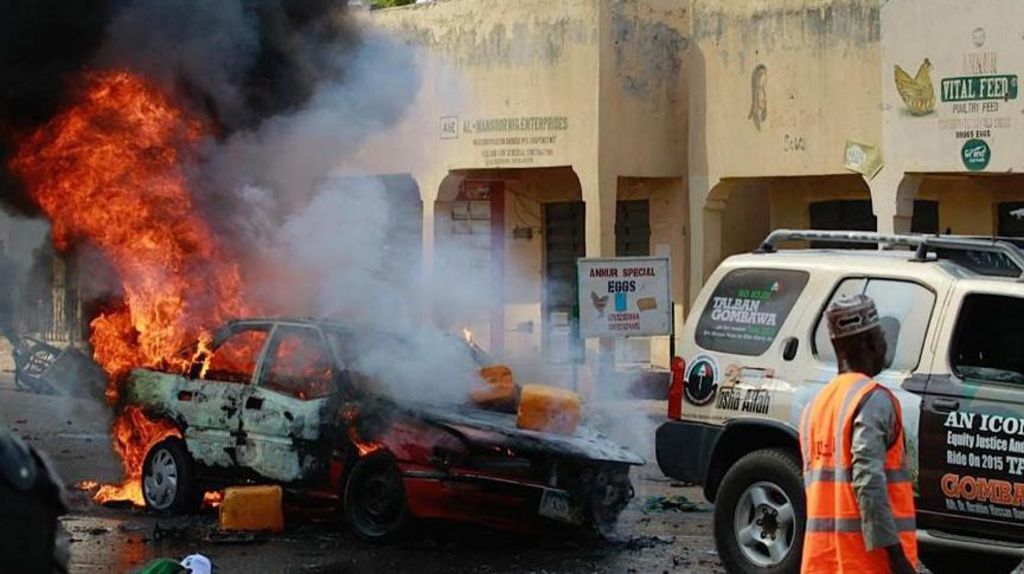
Seventeen years after the Boko Haram insurgency first ignited in Nigeria’s northeast, the West African nation has launched one of the largest mass terrorism prosecutions in its history, moving to try more than 500 people linked to widespread militant violence that has torn through communities across the country.
For decades, a glaring gap in Nigeria’s counterterrorism efforts has left families and affected communities frustrated: despite thousands of deaths and widespread displacement from bombings, raids, and ransom kidnappings, very few people accused of involvement in militant attacks have ever faced legal prosecution. Many detained suspects have spent years behind bars without ever appearing in court, fueling public anger and persistent rumors that accused militants are often quietly released to return to violent activity.
That long-standing inaction took a sharp turn on Tuesday, when the mass trial opened at Nigeria’s capital Abuja’s High Court. According to federal Attorney General Lateef Fagbemi, 227 suspects were formally arraigned before a panel of 10 judges on the opening day, with the full proceedings set to unfold in successive phases. Extraordinary security measures were put in place for the session: suspects were transported in heavily armored convoys escorted by a combined force of military personnel, police officers, and intelligence agents, while international observers, representatives from human rights organizations, and members of the Nigerian Bar Association were granted access to monitor the process.
The charges brought against the defendants cover a wide range of alleged ties to militant activity. While most of the accusations are linked to direct participation in attacks across northern Nigeria, other suspects face counts of facilitating terrorism through financing militants, trafficking illegal arms, and providing critical logistical support. In an early development, five of the accused have already received prison sentences ranging from seven to 20 years after entering guilty pleas, admitting to crimes including selling livestock, supplying food, and sharing intelligence with militant networks.
In a statement ahead of the proceedings, Attorney General Fagbemi emphasized that the unprecedented scale of the trial demonstrates the Nigerian federal government’s unwavering commitment to ending decades of unaddressed militant violence. “The federal government is committed to ensuring that due process is followed while bringing those involved in terrorism to justice,” he said.
The opening of the trial comes as Nigeria continues to grapple with near-daily militant violence. Just one day after the proceedings began, gunmen suspected to be linked to local kidnapping gangs and Islamist militant networks raided rural villages in Shiroro district of Nigeria’s western Niger State, killing at least 20 residents, according to local witnesses and AFP reporting. Since the Boko Haram insurgency first emerged in 2009, insecurity has spread far beyond the northeast, leaving vast rural areas across the country vulnerable to frequent attacks, kidnappings for ransom, and gang violence that has killed hundreds of people just in 2026 alone.
Security analysts have broadly welcomed the mass trial as a turning point in Nigeria’s long fight against insurgency. Retired army major Bashir Galma, a leading Nigerian security expert, told the BBC that the proceeding marks a “positive development” and a “significant milestone” for the country’s counterterrorism efforts. He noted that for years, Nigerians have repeatedly raised demands to resolve the backlog of unprosecuted terror suspects held in long-term detention. “This will bring some level of peace for people whose loved ones were killed or injured,” Galma said, adding that the trial also addresses long-circulating rumors that suspects are regularly released to resume their terrorist activity.
Even with this progress, Galma cautioned that some defendants may still be released in the coming months, as many of the suspects were arrested years ago, a legal circumstance that judges are required to consider during sentencing.