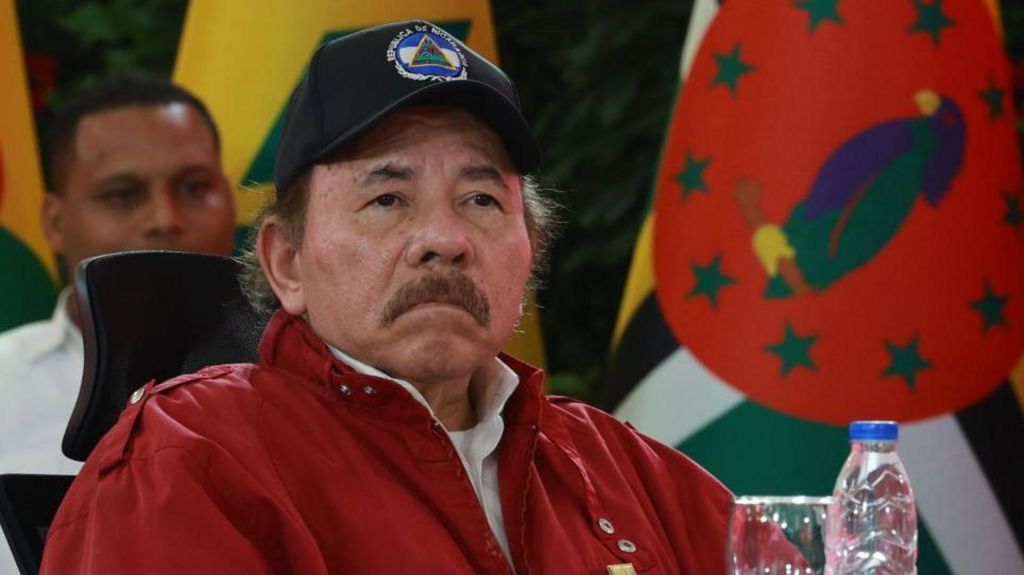
At 80 years old, Daniel Ortega has held uninterrupted control of Nicaragua’s presidency since 2007, and he is now pushing for a further expansion of his hold on power through a new constitutional reform package that includes a one-year extension of the current presidential term. The proposal, which will go before the government-dominated National Assembly for a vote in September, is the latest in a series of changes to the country’s political rules that have steadily consolidated Ortega’s authoritarian rule over nearly two decades in office.
Beyond the term extension, the planned constitutional overhaul includes provisions that would ban any opposition figures labeled by the Ortega administration as “traitors” or “coup plotters” from running for public office, effectively barring most critical voices from electoral participation. This crackdown on political opposition has been a defining feature of Ortega’s long tenure: opponents have been systematically jailed, forced into exile, and stripped of their Nicaraguan citizenship to eliminate any viable challenge to his rule.
This is not the first time Ortega has reshaped Nicaragua’s electoral rules to extend his power. In 2014, the National Assembly—then already aligned with Ortega’s government—eliminated all presidential term limits entirely. A decade later in 2024, the body extended the length of a presidential term from five years to six years. The same legislative session also approved Ortega’s controversial plan to name his wife, Rosario Murillo, to the newly created position of co-president. The arrangement was structured to clear a path for Murillo, who already held significant political influence long before her formal appointment as co-president, to take over the presidency if Ortega, whose health has been reported as frail, is declared permanently unable to fulfill his duties.
The most recent presidential election in Nicaragua, held in November 2021, was widely criticized as a heavily skewed contest after a widespread government crackdown on the opposition. All major potential candidates who stood a realistic chance of drawing significant voter support were either detained, disqualified from running, or driven out of the country. Dozens of additional opposition activists and organizers were arrested, leaving only a small group of little-known, largely non-competitive candidates on the ballot, guaranteeing Ortega an easy victory.
Since that 2021 election, United Nations High Commissioner for Human Rights Volker Türk has warned that state repression in Nicaragua has intensified, with the rule of law continuously eroded and the persecution of political dissidents growing more aggressive. Public opposition has been effectively silenced among Nicaraguans still living in the country, after security forces killed more than 300 people to crush widespread anti-government protests in 2018—a violent crackdown that has deterred most open criticism of the regime in the years since.
Even dissidents who have fled the country to live in exile are not spared from retaliation: the Ortega administration has revoked the citizenship of hundreds of exiled opponents, and seized and sold off the properties and homes they left behind in Nicaragua, eliminating their ties to the country and weakening their ability to organize opposition from abroad.