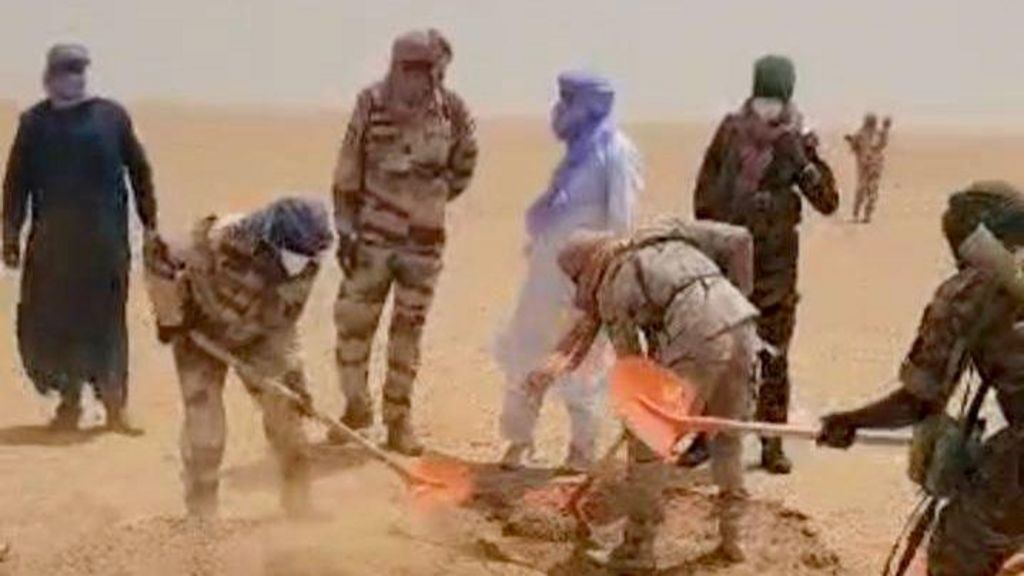
A devastating tragedy has unfolded in the remote, unforgiving expanse of Niger’s northern Sahara Desert, where at least 49 people have died from dehydration after the truck they were traveling in suffered a mechanical breakdown and left them stranded without access to water, regional authorities have confirmed. The group of travelers was heading back to Niger from Mali, where they had gathered to take part in a regional Muslim festival, when their vehicle became stuck more than 80 kilometers west of Assamaka, a key border checkpoint connecting Niger and Algeria.
In an official statement released via Facebook by the Agadez Governorate, regional officials outlined the brutal conditions the stranded group faced. “The travelers found themselves trapped in the heart of a hostile environment where extreme temperatures and lack of supply points make survival extremely difficult,” the statement read. Just two people from the first group managed to survive: after days of waiting for help, the pair undertook a dangerous cross-desert trek to reach Assamaka, where they immediately notified local authorities of the emergency.
According to the governor’s account, the truck had departed from the Malian border town of Telhandek but drifted off its planned route into an unmonitored, isolated stretch of the desert. For several days, the driver, his apprentice, and all the passengers worked tirelessly to fix the disabled vehicle, but their attempts to repair it failed completely. Cut off from any outside sources of water, the group was left completely exposed to the desert’s extreme heat. “Dozens of lifeless bodies were found under the immobile truck and in its surroundings,” the statement added. Once rescue teams reached the site, they recovered the remains of the victims and buried them in marked mass graves.
In a startling secondary discovery, the rescue team—made up of local emergency personnel and Nigerien military troops—stumbled on a second stranded group while returning from the first recovery mission. This second truck, carrying more than 60 passengers, had also broken down after suffering a battery failure, and the group had already been stranded without aid for three days. The vehicle had departed from Harouba, another Malian town located more than 300 kilometers from the Niger’s northern border. Rescuers immediately distributed emergency water to the exhausted and dehydrated passengers, successfully repaired the truck’s battery, and helped the group continue their journey safely.
The Sahara Desert that spans northern Niger remains one of the most dangerous transit corridors for irregular migrants from across West Africa who are seeking to reach Europe via North Africa. Thousands of migrants attempt the crossing every year, despite well-documented risks of extreme heat, dehydration, and vehicle failure in remote areas where rescue can take days to arrive. In the wake of the tragedy, the Agadez governor emphasized that the incident highlights the extreme vulnerability of young people who engage in irregular cross-border migration and informal cross-border economic activity. Many of these travelers are forced to traverse ungoverned, high-risk desert areas out of economic necessity, as they seek to escape poverty and access better living opportunities, he added.