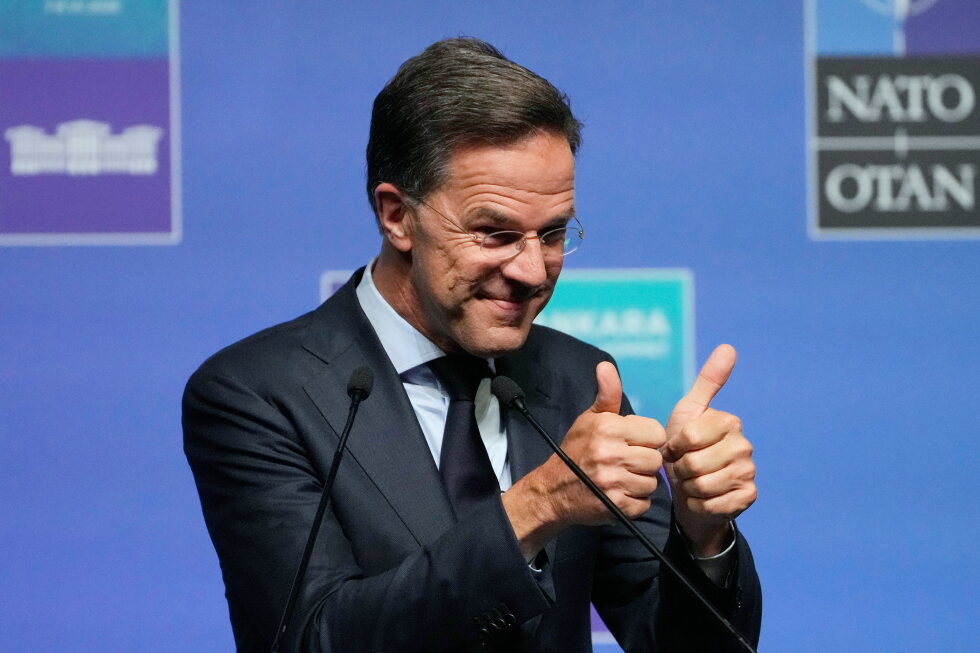
As NATO prepares to convene its annual two-day summit in Ankara starting Tuesday, Secretary-General Mark Rutte has issued a stark call on all 32 member nations to table detailed, actionable plans to meet the alliance’s ambitious new defense spending target. The gathering comes at a defining moment for the transatlantic bloc, as the United States continues to draw down its long-standing leading security role in Europe and pushes partners to take on a greater share of collective defense costs.
Last year, all NATO members formally agreed to a landmark new spending framework that commits nations to invest 5% of their total gross domestic product in defense annually. Under the agreement, 3.5% of GDP will go toward core national defense budgets, while the remaining 1.5% will be allocated to upgrading critical infrastructure — including roads, bridges, and port facilities — to enable rapid deployment of troops and military equipment during conflict scenarios.
The new target represents a significant increase from the alliance’s prior requirement of 2% of GDP, a threshold that many member states have yet to meet even years after it was adopted. Spain, for example, has formally endorsed the 5% goal but has pushed back on the required spending level, arguing it can meet NATO’s security needs without allocating such a large share of its economic output. Other smaller and lower-income member states continue to face budget constraints that make hitting even the old 2% target a major challenge.
When pressed on consequences for members that fail to present a clear roadmap to compliance, Rutte told reporters in the Turkish capital on Monday that the alliance has established mechanisms to encourage holdouts to fall in line, though he declined to share further details. That comment echoed remarks from U.S. Ambassador to NATO Matthew Whitaker, who hinted last week that Washington has prepared unspecified repercussions for allies that refuse to increase their defense investments.
On a more encouraging note, Rutte highlighted that preliminary defense spending data from European allies and Canada shows positive momentum so far. NATO’s own projections indicate that combined defense spending by these nations will be $258 billion higher in 2024 and 2025 than it was in the years before the latest push for increased investment, a trend Rutte called “impressive”.
Even with that growth, however, the increased spending may still fall short of the demands coming from the current U.S. administration. President Donald Trump has repeatedly criticized NATO allies for failing to contribute their fair share to collective defense, and has previously gone so far as to threaten that the U.S. would not honor its mutual defense commitment to members that do not meet spending targets. Trump has also recently demanded “loyalty” from alliance members, after a number of nations refused to allow the U.S. to use their military bases in connection with U.S.-Israeli military actions against Iran.