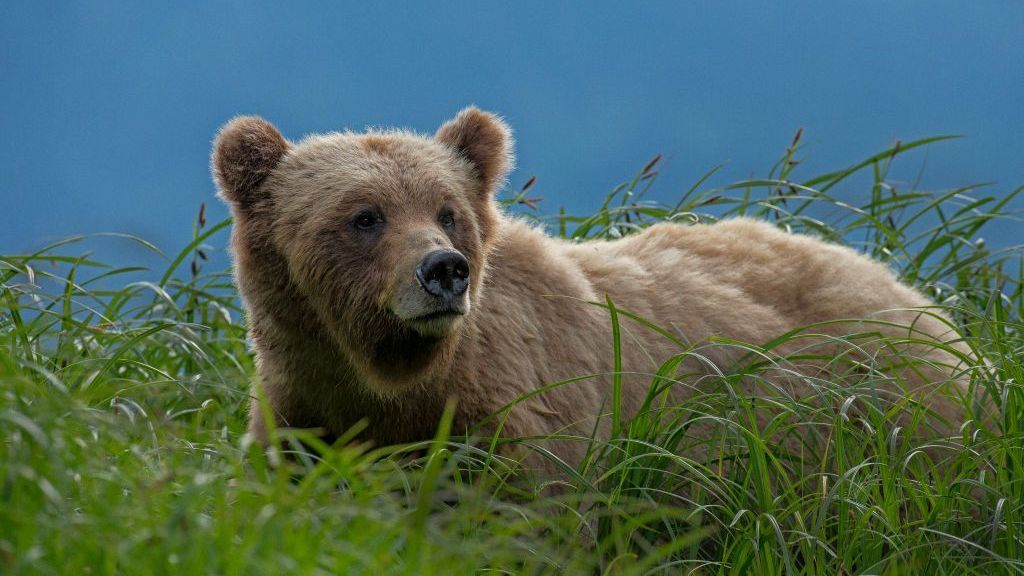
A tight-knit mother and daughter pair who had been enjoying a new life chapter in rural British Columbia have been confirmed dead following a suspected fatal grizzly bear mauling, their grieving family announced this week. Jennifer Balcarras, 48, had recently relocated to the remote Bella Coola community to launch a new professional path, often exploring local hiking trails alongside her 20-year-old daughter Selah Reed, who shared her love of outdoor recreation. The pair was first reported missing on November 1 after failing to return from what was planned as a brief afternoon walk, triggering a coordinated search operation led by the BC Conservation Officer Service (BCCOS) and Royal Canadian Mounted Police teams. Search crews recovered Balcarras’ remains on a local backcountry trail on Monday, with Reed’s remains located the following day. Initial on-scene evidence collected by investigators strongly points to a predatory wildlife encounter as the cause of death, BCCOS officials confirmed. Jeff Tyre, a senior inspector with the provincial conservation service, noted that investigators have not yet ruled out the possibility that multiple grizzlies may have been involved in the incident. Teams are currently conducting targeted tracking operations in the surrounding wilderness to identify any bears linked to the attack; any animal confirmed to be responsible will be humanely dispatched in line with British Columbia’s formal human-wildlife conflict response protocols, a measure implemented to eliminate ongoing public safety risks. Describing the pair’s exceptionally close bond, Josh Balcarras, Jennifer’s brother, told local CBC reporters the two were “two peas in a pod” who rarely spent time apart, with Selah almost always joining her mother on every hiking excursion. A community online fundraiser launched to support the family with unexpected funeral costs has already drawn widespread local donations from residents shocked by the tragedy. The incident is the latest in a string of high-profile grizzly-human conflicts in British Columbia in recent years, at a time when the province is home to an estimated 10,000 to 13,000 grizzly bears, classified as a vulnerable species under provincial rules and listed as a federally designated “species of special concern”. Provincial wildlife regulators note that unprovoked grizzly attacks on humans remain statistically rare, with most conflicts occurring when bears are startled, or acting to defend cubs or stored food caches. However, two serious incidents were recorded in the province as recently as late 2025: a grizzly attack in the McGregor Mountain region in October of that year left two hikers injured, one fatally, with the bear later found deceased, followed by a separate Bella Coola area grizzly encounter that injured 11 members of a student school group the next month. The BC Wildlife Federation has repeatedly linked the rising number of reported human-grizzly conflicts to the 2017 provincial ban on recreational grizzly bear hunting. The organization’s executive director Jesse Zeman has previously warned that without regulated hunting pressure, grizzly populations are increasingly overlapping with human residential and recreational spaces, leading to predictable, avoidable dangerous encounters for local residents and outdoor visitors.