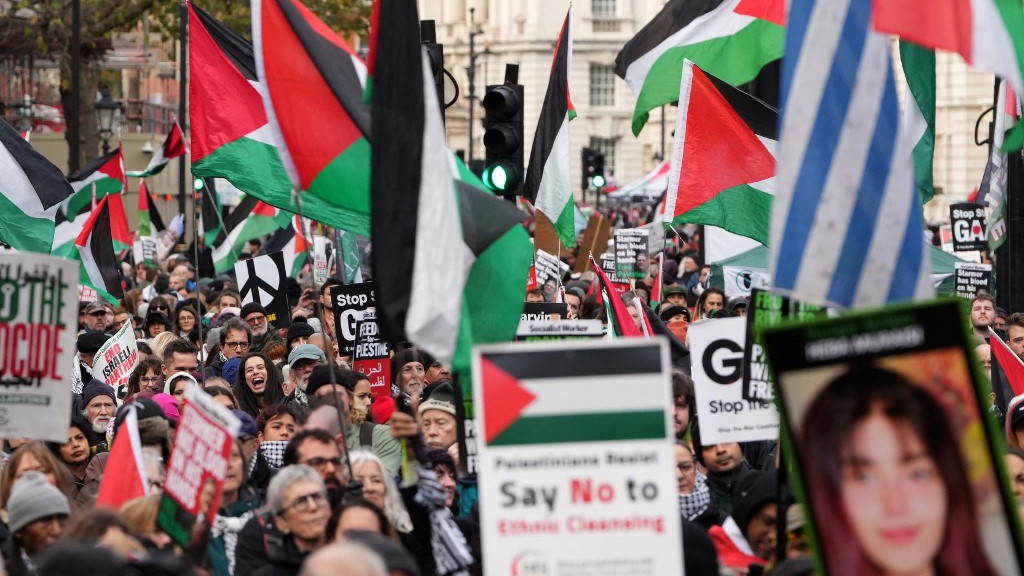
Ahead of the United Kingdom’s May 7 local elections, exclusive data obtained by Middle East Eye shows more than 1,600 candidates across major and minor political groups have signed a pro-Palestine rights pledge organized by the Palestine Solidarity Campaign (PSC). The commitment, which binds signatories to advance Palestinian rights through their elected office, puts candidates at odds with the national Labour government’s official policy that bans local council boycotts of Israeli-linked businesses.
The core of the PSC pledge requires elected officials to push for local councils to divest public pension funds and other administered assets from companies complicit in Israel’s violations of international law. Signatories also vow to oppose all forms of council complicity in normalizing Israel’s actions, and commit to upholding what the pledge calls the Palestinian people’s inalienable rights, as well as supporting accountability for alleged Israeli crimes of genocide, military occupation, ethnic cleansing and apartheid.
Breakdown of the signatory data reveals a stark partisan divide. More than 1,000 Green Party candidates, over 200 Labour aspirants, more than 200 independent candidates and small local party groups, along with a handful of Liberal Democrat and Conservative candidates have added their names to the pledge. This divide plays out across key battleground councils, many of which are expected to see major shifts in control following the election, which is being framed as the first major national electoral test since Keir Starmer took office as prime minister in July 2024.
In Camden, the London borough that contains Starmer’s own parliamentary seat, 33 Green candidates signed the pledge, while not a single Labour candidate did. In east London’s Newham, where Labour holds 56 of 66 current council seats and faces a strong challenge from left-wing and Green challengers, only five Labour candidates signed, compared to 28 Greens and 19 Newham Independents. In Hackney, where polls indicate Labour is likely to lose its long-held council majority to the Greens, 31 Green candidates including the party’s mayoral hopeful Zoe Garbett signed, while just two Labour candidates joined.
Similar gaps appear across regions of England. In the northern city of Bradford, 16 Greens, 12 members of the independent Your Bradford Independents Group and six Labour candidates signed. In the Midlands’ largest city Birmingham, 27 Greens, four independents and only one Labour candidate committed to the pledge. In Newcastle, where Labour holds 34 of 78 seats and risks losing control to a coalition of Greens and independents, two Greens and five Labour candidates are signatories.
The pledge comes amid growing tensions between grassroots pro-Palestine activists and the national Labour government, which earlier this year doubled down on a 2016 national policy prohibiting local councils from implementing procurement boycotts targeting Israeli firms and businesses that trade with Israel. In January, Communities Secretary Steve Reed issued a formal warning to Labour-run councils, noting that municipalities could face legal action if they move forward with boycotts of Israeli-linked businesses.
Despite the national warning, a growing grassroots movement across UK local government has pushed for divestment over the past two years. Multiple local authorities have passed votes to cut ties with companies that profit from Israeli occupation of Palestinian territories or supply arms to Israel, and several major councils including Islington, Lewisham, Wandsworth and Caerphilly have already removed companies listed by the United Nations as operating in occupied Palestinian territories from their pension fund portfolios.
PSC deputy director Peter Leary emphasized that the widespread support for the pledge demonstrates cross-party backing for Palestinian rights, even as many national party leaderships reject divestment. “Councillors who can get their councils to stop all complicity – such as divesting pension funds that are linked to companies that are enabling Israel’s crimes – can play a crucial role, and voters at these local elections will be looking carefully to see who stands on the side of freedom and justice for Palestine,” Leary said.
Green Party national elections coordinator Faaiz Hasan framed the divestment push as a link between international policy and domestic economic pain, noting that the ongoing conflict in Gaza and tensions across the Middle East have exacerbated the UK’s cost of living crisis. The Greens are campaigning for local councils to divest pension funds not just from companies linked to human rights abuses in Palestine, but from fossil fuel companies and arms manufacturers that profit from conflict and climate damage, Hasan added.
Former Labour leader Jeremy Corbyn, now heading the Your Party which backs independent local candidates across the UK, said his party’s challengers stand in stark contrast to right-wing alternative parties, campaigning on domestic progressive policies including free school meals, expanded social housing and the insourcing of public services, while unapologetically opposing the Labour government’s stance on Gaza. “They will be standing fearlessly against this government’s shameful complicity in genocide,” Corbyn said.
The May 7 election will see more than 5,000 council seats across 136 local authorities contested, with the conflict in Gaza and UK foreign policy toward Israel emerging as one of the most salient issues in the campaign.