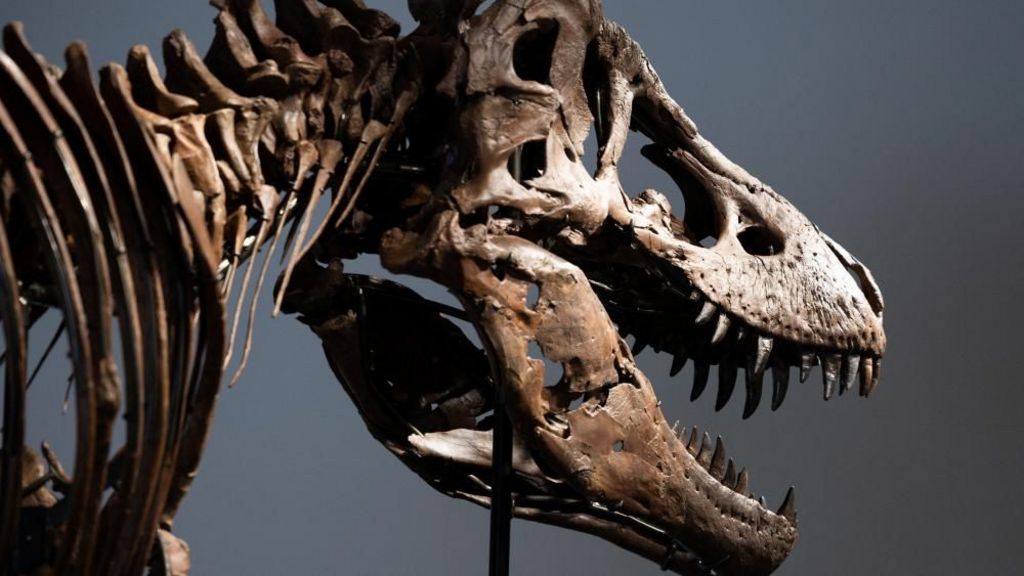
A remarkable 67-million-year-old Tyrannosaurus rex fossil, nicknamed ‘Gus’, has made history by becoming the most expensive dinosaur fossil ever sold at auction, surpassing a record that stood for less than a full year. The fossil, which preserves rare bone structure from one of the most iconic predators to ever walk the Earth, fetched a final sale price that outstripped the previous high mark set by a well-preserved Stegosaurus specimen auctioned in 2024. Paleontology enthusiasts and private collectors alike have followed the sale closely, as high-profile dinosaur fossil auctions continue to spark conversation about accessibility to important prehistoric specimens. The unprecedented price tag for ‘Gus’ underscores the intense demand among private collectors for one-of-a-kind prehistoric artifacts, a trend that has reshaped the market for rare fossils over the past decade. While the sale confirms the significant cultural and commercial value of iconic dinosaur remains, it also reignites ongoing debate within the scientific community about whether such rare specimens should remain publicly accessible for research rather than entering private collections. Experts note that ‘Gus’ offers valuable insights into the biology and evolution of Tyrannosaurus rex, one of the most studied yet still poorly understood apex predators of the Cretaceous period. The new record set by this sale signals a continuing shift in the global fossil market, where rare, charismatic specimens draw increasingly high bids from wealthy collectors around the world.