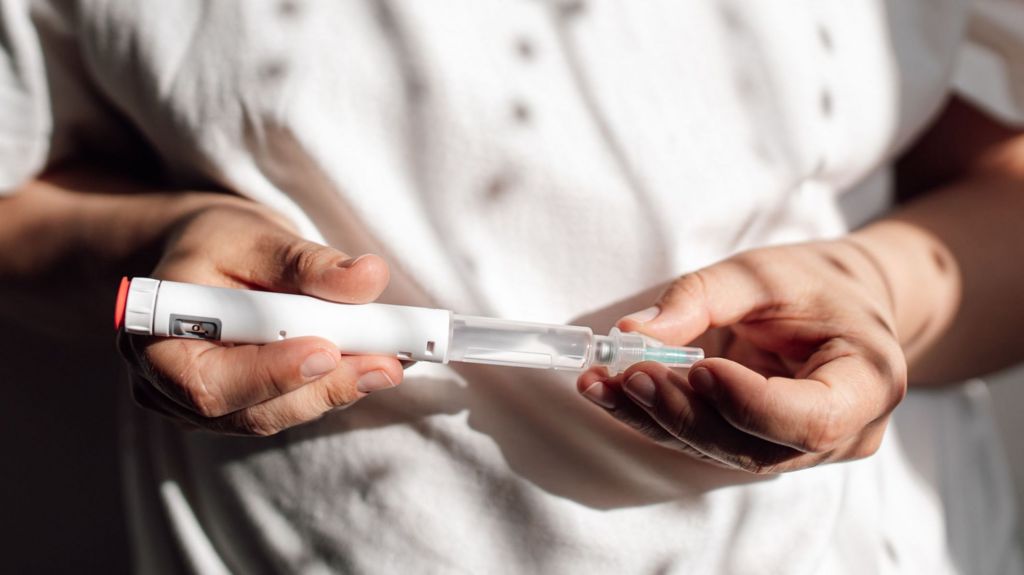
The U.S. Food and Drug Administration has formally issued a regulatory directive requiring manufacturers of top-selling GLP-1 class medications, including widely prescribed weight-loss and diabetes treatments Ozempic, Wegovy, Mounjaro, and Zepbound, to add explicit new warning labels alerting users to the risk of nonarteritic anterior ischemic optic neuropathy (NAION), an uncommon but potentially sight-stealing eye condition. NAION develops when blood vessels feeding the optic nerve become obstructed, cutting off critical oxygen supply to the nerve tissue, and can trigger painless, sudden vision reduction in one eye that may become permanent with no proven treatment to reverse resulting vision loss, the federal health regulator confirmed. The condition is already recognized as the leading cause of acute optic nerve damage in people aged 50 and older, per clinical data from the American Academy of Ophthalmology. The FDA’s new mandate follows a rigorous, months-long review of adverse event reports submitted by GLP-1 users, paired with cross-analysis of existing peer-reviewed medical studies, which the agency concluded demonstrates a measurable elevated risk of rare NAION occurrences among people taking these medications. Regulators acknowledged that drawing clear causal links presented analytical hurdles, as many patients prescribed GLP-1 drugs for type 2 diabetes or severe obesity already carry independent underlying risk factors for NAION unrelated to the medications themselves, and the exact biological mechanism behind the observed elevated risk remains unconfirmed. In an official public statement shared with the BBC, the American Academy of Ophthalmology emphasized that the overall added risk of NAION from GLP-1 therapies appears to be very small, and a definitive causal relationship between the drugs and the eye condition has not been fully established. The academy stressed that GLP-1 medications deliver life-changing, clinically validated benefits for patients managing diabetes, obesity, and associated cardiovascular disease, and advised patients to never discontinue their prescribed GLP-1 regimen without first consulting their treating physician, while urging anyone experiencing sudden, painless vision loss in a single eye to seek immediate care from a qualified ophthalmologist. The affected drug manufacturers, Denmark’s Novo Nordisk (maker of Ozempic and Wegovy) and U.S.-based Eli Lilly (producer of Mounjaro and Zepbound), have been contacted for official comment by the BBC. The GLP-1 class already carries existing mandatory warning labels for a range of other potential adverse effects, including pancreatitis and gallbladder disease, with the semaglutide active ingredient found in many of the most popular formulations commonly triggering mild to moderate side effects such as nausea, vomiting, and abdominal discomfort. International regulatory bodies have previously flagged similar NAION risks: last year, the safety committee of the European Medicines Agency estimated that up to 1 in every 10,000 people taking semaglutide may develop the condition. A 2022 U.S. study that analyzed health data from 17,000 patients found that semaglutide users faced four times the rate of NAION diagnoses compared to matched cohorts not taking the medication, though lead study author Dr. Joseph Rizzo, a Harvard Medical School ophthalmology professor, noted the findings are statistically significant but preliminary, calling for larger, more diverse population studies to clarify the exact nature of the link between GLP-1 use and optic nerve injury.
Makers of GLP-1 drugs ordered to add warnings about rare eye condition that can lead to blindness