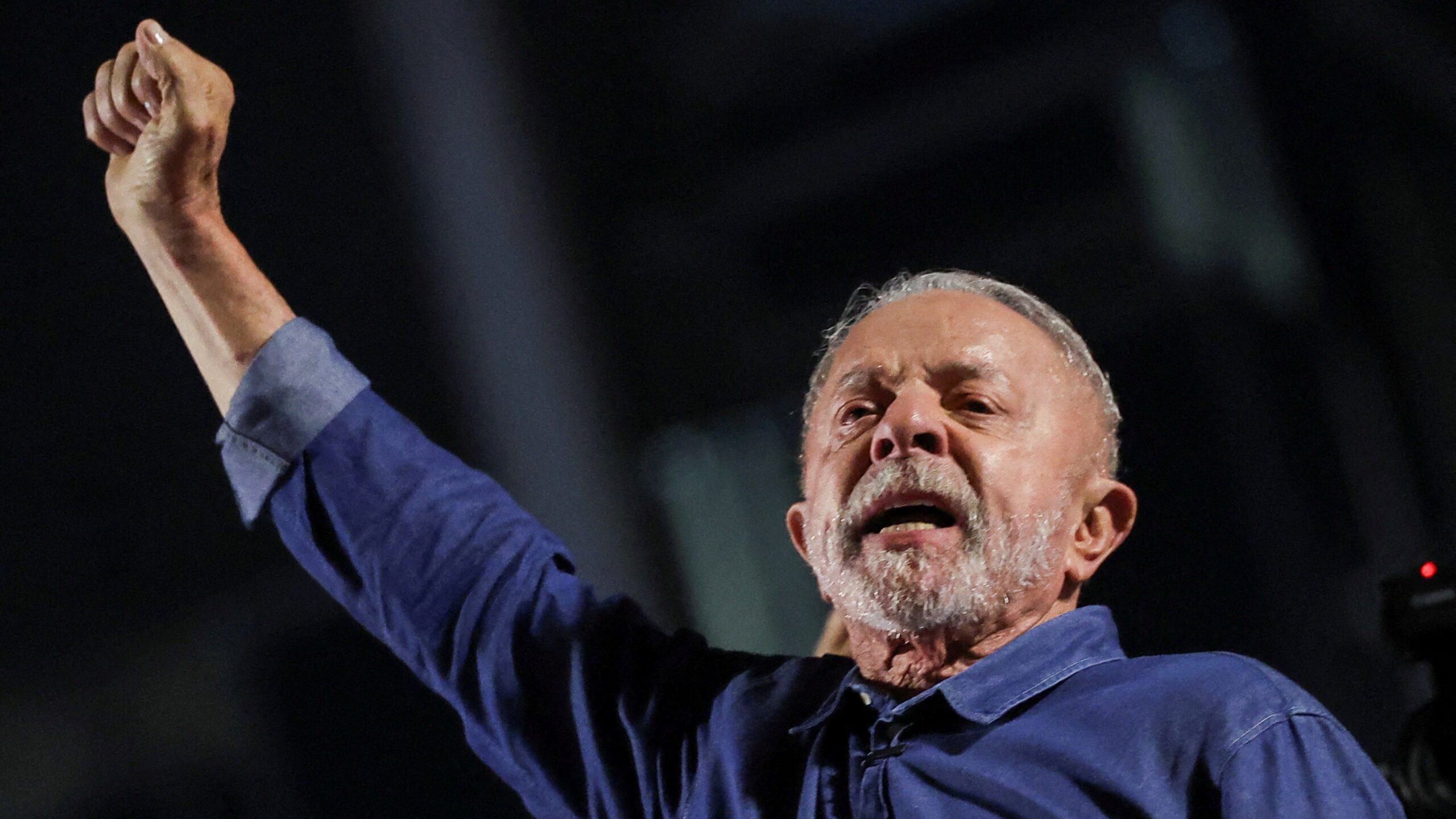
In a landmark late Sunday runoff vote outcome confirmed by Brazil’s Superior Electoral Court (TSE) on October 26, 2026, leftist incumbent Luiz Inacio Lula da Silva has claimed his fourth non-consecutive presidential mandate, edging out right-wing challenger Senator Flavio Bolsonaro with 51.78% of all valid ballots against Bolsonaro’s 48.22%.
The tightly contested second round faced widespread operational disruptions across the South American nation, as torrential downpours and scattered technical glitches at polling sites blocked thousands of voters from accessing stations on schedule. In response, electoral authorities extended voting hours by two full hours past the original 7pm local time (10pm GMT) close, a adjustment that had been formally requested by both competing campaigns to accommodate disenfranchised constituents, per official electoral records.
Hours after the final vote tally was released, Bolsonaro issued a public statement vowing to petition for the full annulment of the election results, framing the extended polling window as an arbitrary rule change orchestrated by Lula’s allies on the Federal Supreme Court. This announcement runs directly counter to pre-election agreements, which saw both campaigns jointly endorse the two-hour extension to mitigate the impact of storm-related transit failures that left large swathes of rural and suburban areas cut off from transportation to voting sites.
Lula’s 2026 victory carves a unique place in modern Brazilian political history: he becomes the first presidential candidate to ever lose the first round of general elections before rallying to secure a majority in the second round runoff. The result also represents a notable pushback against the broader regional tide of conservative political gains that has swept multiple Latin American nations in recent years, marking a critical divergence from the continent’s recent rightward electoral trend.
When his new term is sworn in on January 5, 2027, Lula is poised to advance a long-stated policy agenda centered on aggressive poverty alleviation, expanded public social spending, strengthened Amazon rainforest environmental protections, and deeper collaborative ties with emerging global economies, alongside a firm commitment to upholding Brazil’s national sovereignty. A longstanding vocal critic of Israeli state policy and unbalanced U.S. intervention in Latin American affairs, Lula has repeatedly advocated for formal international recognition of Palestinian statehood, and has publicly prioritized deepening diplomatic and economic partnerships with both Iran and China during his upcoming term.
Addressing throngs of jubilant supporters following his win, Lula struck a resolute, unifying tone: “I make a solemn commitment to every Brazilian citizen today, and I will deliver the most diligent, inclusive presidential term this nation has ever seen. I will dedicate 24 hours of every single day to building the fair, prosperous Brazil that every one of us has dreamed of for generations.” He went on to emphasize the electoral mandate’s rebuke of foreign interference in national affairs, stating firmly, “We defeated all outside attempts to meddle in our democratic process at the ballot box. Brazil will never be anyone’s political back yard.”
Global and regional leaders have moved swiftly to formally recognize and congratulate Lula on his historic win, with public endorsements issued by Mexican President Claudia Sheinbaum, U.S. progressive Senator Bernie Sanders, Iranian President Masoud Pezeshkian, and a cohort of other heads of state across Latin America and the Global South.
Lula defeats Bolsonaro in Brazil elections