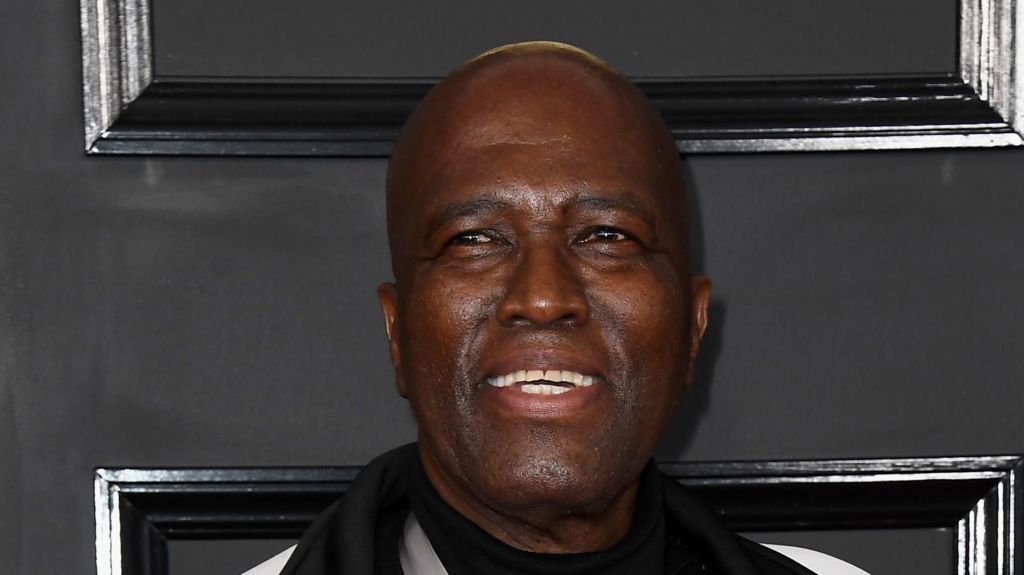
The global music community is mourning the loss of Albert Mazibuko, a core member of the iconic South African choral ensemble Ladysmith Black Mambazo, who passed away at the age of 77. The group confirmed via an official Facebook post that Mazibuko died on Sunday following a brief, unexpected illness, closing out a more than 50-year career with the legendary vocal group.
Born and raised in uMnambithi — the eastern South African town formerly known as Ladysmith — Mazibuko’s path to music began under unusual circumstances. He left formal schooling at a young age to take up full-time work on a local farm, long before his cousin and the group’s founder, Joseph Shabalala, invited him to join Ladysmith Black Mambazo in 1969. From that point on, he became an integral part of the ensemble’s artistic identity and global rise.
Ladysmith Black Mambazo carved its unique niche by blending indigenous Zulu musical and dance traditions with isicathamiya, a distinctly South African a cappella style defined by soft harmonies and gentle, shuffling dance movements. Just one year after Mazibuko joined, a breakout 1970 radio performance landed the group their first major recording contract. By 1973, they released *Amabutho*, the first album in African music history to reach gold sales status.
The ensemble’s global breakthrough came in 1986, when American singer-songwriter Paul Simon tapped Ladysmith Black Mambazo to feature on his critically acclaimed, multi-platinum album *Graceland*. The collaboration catapulted the group to international fame, though it also sparked controversy: Simon faced widespread criticism for violating the global cultural boycott of apartheid-era South Africa. Throughout the brutal decades of state-enforced racial segregation, Mazibuko and his bandmates used their platform to spread messages of hope and unity, pushing back against the oppression of the apartheid regime.
In a 2015 interview with the BBC’s *Soul Music*, Mazibuko opened up about the daily fear and hardship of life under apartheid. Recalling his time working at a local cotton factory, he described constant police harassment centered on the pass laws — the apartheid system’s tool for restricting Black South Africans’ movement. “If you don’t carry it, you’re arrested. In my life I was so afraid of being arrested… even now I’m afraid,” he shared.
Over his decades-long tenure, the group earned five Grammy Awards and cemented its status as one of South Africa’s most celebrated cultural exports. In tributes shared publicly this week, current and former band members remembered Mazibuko as a generous, warm-hearted mentor to the group’s younger generation. “He loved traveling the world, spreading the mission and music of Ladysmith Black Mambazo,” the group’s official statement read. “He never tired of talking about the group’s history and its desire to spread ‘peace, love and harmony’ everywhere people had ears to listen.”
At the time of Mazibuko’s death, the current Ladysmith Black Mambazo lineup — a mix of veteran and emerging young musicians — was in the middle of a cross-country U.S. tour that launched in February. Their final scheduled U.S. performance of this run is set to take place this coming Friday.