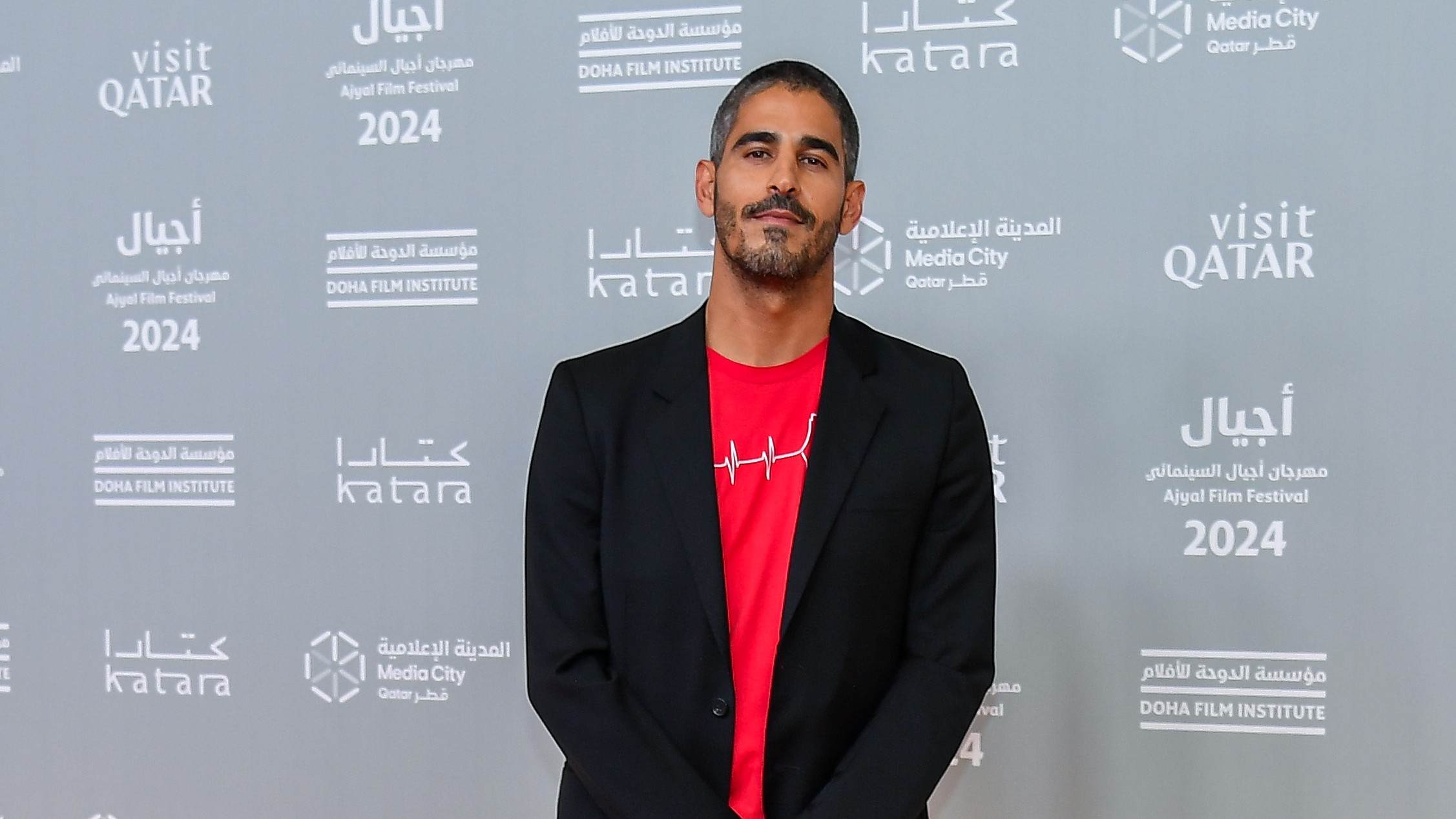
After 52 days of behind-bars detention on charges tied to social media posts about the US-Israeli military campaign targeting Iran, award-winning Kuwaiti-American journalist Ahmed Shihab-Eldin has been cleared of all counts and released from custody in Kuwait.
The 41-year-old, who holds dual Kuwaiti-American citizenship and was born in the United States, was taken into custody on March 2 during a trip to Kuwait to visit extended family. According to the Committee to Protect Journalists (CPJ), the arrest was triggered by a string of social media posts Shihab-Eldin shared about the ongoing regional conflict. Among these posts was footage of a U.S. fighter jet crashing at an American airbase located within Kuwait; the press freedom advocacy group stressed that all material the journalist shared was already publicly available.
Caoilfhionn Gallagher, international legal counsel representing Shihab-Eldin’s family, confirmed the acquittal in an official statement, saying, “We are relieved that, after 52 days in detention, Ahmed has been found innocent on all charges. Our focus now is upon ensuring the liberty and safety of our client.”
The CPJ echoed this relief in an update posted to the social platform X, noting that while full details surrounding the case were still being collected, Shihab-Eldin’s international legal team had formally confirmed the full acquittal and his impending release.
A veteran journalist with an extensive career, Shihab-Eldin has contributed reporting to a roster of major global media outlets including The New York Times, Al Jazeera English, and PBS. His work, which focuses heavily on human rights and regional affairs, has earned him high-profile industry honors, including a British Journalism Award and an Amnesty International Human Rights Defender Award.
Beyond Shihab-Eldin’s individual case, the CPJ has framed his detention as part of a growing, region-wide crackdown on digital free speech that has unfolded alongside the escalation of the US-Israeli war on Iran. Like other Gulf nations, Kuwait has rolled out increasingly strict limits on online expression amid rising regional tensions, moving to restrict public discussion of attacks on the country’s critical infrastructure.
On the same day Shihab-Eldin was arrested, Kuwait’s Ministry of Interior published a public statement advising citizens and residents against “photographing or publish any clips or information related to missiles or relevant locations,” warning that multiple people had already been taken into custody on charges of spreading false information. Weeks after that initial announcement, Kuwait’s legislature introduced sweeping new legislation that carries a maximum 10-year prison sentence for anyone found guilty of “disseminating news, publishes statements, or spreads false rumours related to military entities” with the intent to erode public trust in state military institutions.
Data from the Gulf Centre for Human Rights (GCHR) underscores the scale of this crackdown: the rights organization reports that dozens of people across the region have been arbitrarily detained since the outbreak of the war, all for the act of “peacefully expressing their opinions on social media.” The GCHR added that most of these detainees are held in unacknowledged state security facilities for days at a time, and are systematically denied access to both family visits and legal representation, in violation of international human rights standards.