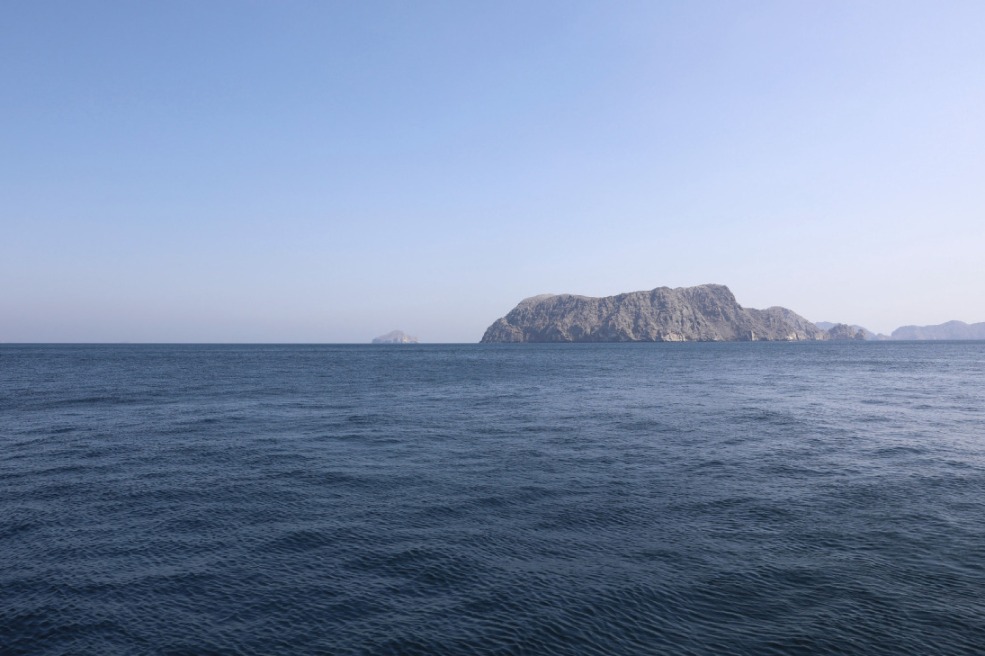
Truce talks aimed at de-escalating conflict between the United States and Iran have reached an impasse, with top Iranian leaders directly blaming Washington’s bad-faith tactics and uncompromising posture for the breakdown, as escalating military and maritime moves in the strategic Strait of Hormuz threaten global energy supplies. As of April 23, 2026, Washington has unilaterally extended its proposed ceasefire on its own terms, but ongoing exchanges of attacks and counterattacks have continued to disrupt critical commercial shipping through the key waterway, through which roughly a fifth of the world’s oil flows daily.
In a public social media statement released Wednesday, Iranian President Masoud Pezeshkian pushed back against US claims that Iran has refused to negotiate in good faith, emphasizing that the Islamic Republic has consistently remained open to meaningful dialogue. “Bad faith, siege and threats are the main obstacles to genuine negotiation,” Pezeshkian said. “The world is witnessing your hypocritical empty talk and the contradiction between your claims and your actions.”
Hours after Pezeshkian’s remarks, US President Donald Trump issued his own provocative social media statement, announcing he had ordered the US Navy to “shoot and kill” any small Iranian vessels that attempt to block passage through the strait. “There is to be no hesitation,” Trump added, doubling down on his administration’s aggressive posture toward Iran.
The day before Trump’s order, White House Press Secretary Karoline Leavitt told reporters that the White House cites inconsistent messaging from Tehran as a core barrier to progress, noting that US leadership retains full authority to end the unilateral ceasefire extension at any time. “We see a lot of different messaging and rhetoric,” Leavitt said, adding that the US maintains full control of the regional situation and holds significant leverage over the Iranian government. “Not only have they been significantly weakened and obliterated militarily, but they are losing economically and financially every single moment that passes with this blockade. So the president is going to continue to lead the free world, to run the United States of America as we await the Iranian response,” she said.
In response to the ongoing US blockade and escalating rhetoric, Iranian legislative and security bodies are now reviewing a new framework to assert full sovereign control over the Strait of Hormuz, according to Iran’s official Mehr News Agency. Fada Hossein Maleki, a senior member of the Iranian parliament’s National Security and Foreign Policy Commission, confirmed Thursday that both parliament and the Supreme National Security Council are conducting joint reviews of proposals for the strategic waterway.
Iranian Parliament Speaker Mohammad Bagher Ghalibaf said in a Wednesday social media post that any meaningful ceasefire can only function if Washington ends its maritime blockade, which Tehran argues is holding the global economy hostage. Ghalibaf stressed that reopening full unimpeded navigation through the strait is impossible while Washington flagrantly violates the terms of the proposed truce. “They did not achieve their goals through military aggression, nor will they through bullying. The only way forward is to recognize the rights of the Iranian nation,” he added.
On Thursday, Iran’s state-run media outlets Islamic Republic News Agency and Islamic Republic of Iran Broadcasting released the first public footage of Islamic Revolutionary Guard Corps Navy (IRGC-N) operations in the strait, directly contradicting recent claims from the Trump administration that Iran’s naval capabilities have been completely destroyed. The IRGC confirmed it has seized two foreign commercial vessels for violating Iranian shipping restrictions in the waterway, and opened fire on a third vessel that failed to comply with orders.
Tasnim News Agency, another Iranian state outlet, also reported Thursday that the first revenue collected from new shipping tolls imposed on vessels passing through the strait has been deposited in the Central Bank of Iran, marking the formal launch of the country’s new toll regime for the waterway.
For its part, US Central Command confirmed Thursday that American forces have diverted or ordered 31 vessels back to port as part of Washington’s ongoing economic blockade against Iran. Most of the redirected vessels are oil tankers, US officials said, and the vast majority have complied with US orders to avoid the region.
A recent Pentagon assessment, first reported by The Washington Post, estimates that it would take up to six months to clear all naval mines laid by Iran from the strait, a timeline that would keep global oil prices elevated for an extended period. International Energy Agency Executive Director Fatih Birol confirmed the severe impact of the ongoing conflict on global energy markets, noting that the world is currently losing 13 million barrels of oil supply per day due to disrupted shipping and production tied to the confrontation.