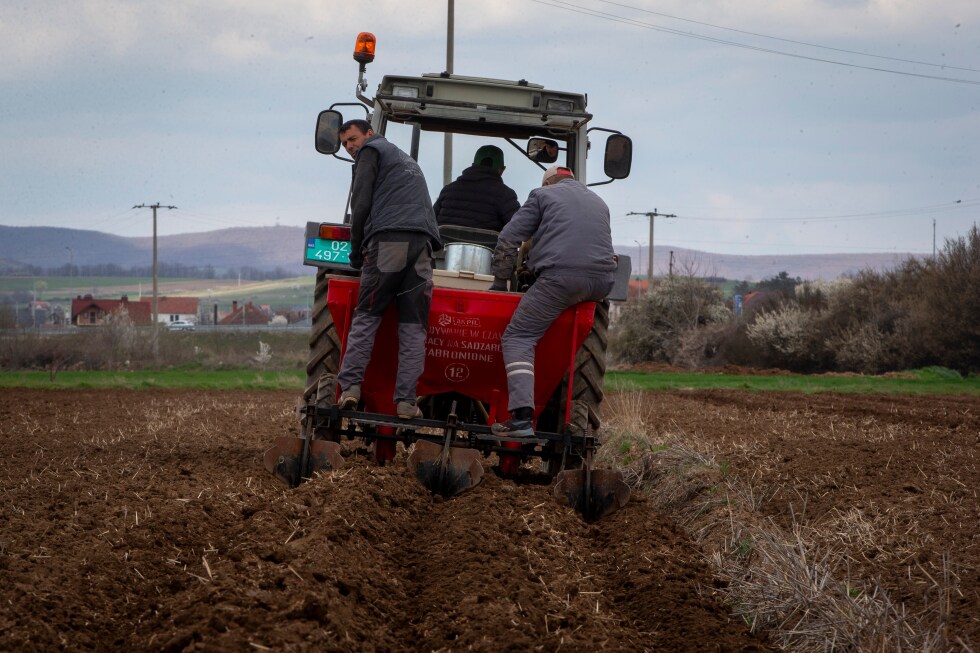
PRISTINA, Kosovo – In one of Europe’s most economically challenged nations, a successful snack production company exemplifies both Kosovo’s entrepreneurial potential and its vulnerability to global market disruptions. Pestova, a prominent food manufacturer operating in eastern Kosovo, manages nearly 100 acres of potato fields dedicated to its Vipa brand potato chips distributed domestically and exported to 23 countries.
The company’s operations have been severely impacted by soaring fuel prices that skyrocketed from €1.10 to €1.70 per liter following geopolitical tensions stemming from the conflict in Iran. As a nation without domestic fuel production, Kosovo’s energy costs are entirely determined by importers working within government-mandated profit margins capped at 12%.
Kushtrim Ajvazi, Pestova’s management representative, detailed the multifaceted challenges: “Our production and distribution networks are facing extremely high operational costs during critical planting season. While we maintained fertilizer reserves, the fuel price surge has created unsustainable pressure.”
The company faces particular complications with export contracts, where 40% of production is committed at fixed prices that require 90-day advance notice for adjustments. This creates significant planning difficulties in an unstable market environment.
Economic expert Safet Gerxhaliu warns that “there is not one sector unaffected by these price increases” and urges government intervention to prevent broader economic damage. Unlike neighboring Balkan nations including Romania, Hungary, and Serbia that have implemented special diesel pricing or tax reductions for agricultural producers, Kosovo’s administration has yet to enact supportive measures.
The fuel crisis extends beyond industry to directly impact citizens like Bardh Mehmeti, an IT professional from Pristina, who now pays €100 instead of €80 to fill his tank and is considering switching to electric vehicle alternatives.
Kosovo’s economic challenges are compounded by political complexities dating to its 2008 independence declaration from Serbia, which remains unrecognized by Belgrade, creating diplomatic stalemates that hinder European Union integration efforts. The current government under Prime Minister Albin Kurti faces additional governance challenges, including presidential election deadlock and opposition criticism regarding economic management.
The Democratic Party, Kosovo’s main opposition force, has accused the government of inaction and advocated for temporary tax relief to support both businesses and citizens through the current crisis.